|
Dear Sisters & Brothers in Christ,
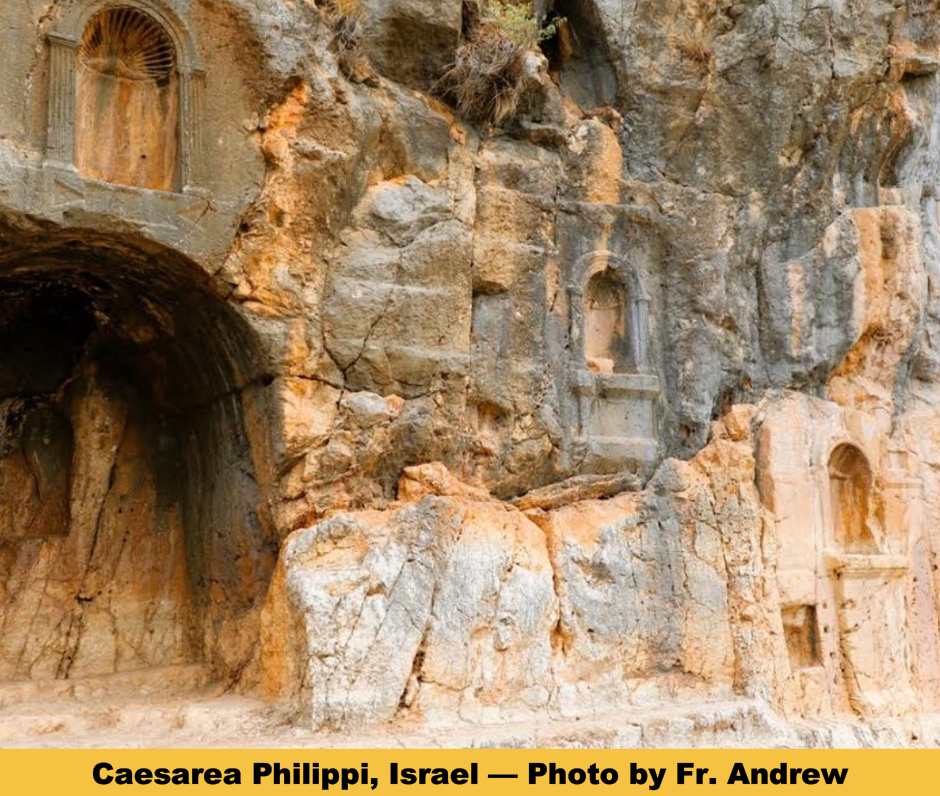
Peter’s confession is a pivotal moment in the Gospels, occurring near Caesarea Philippi (at the foot of Mount Hermon, amid pagan temples and the Grotto of Pan). It marks a turning point in Jesus’ ministry: the disciples’ clearest recognition of His identity, followed immediately by Jesus’ first explicit prediction of His suffering, death, and resurrection.
The event appears in all three Synoptic Gospels, with Matthew providing the fullest version:
-
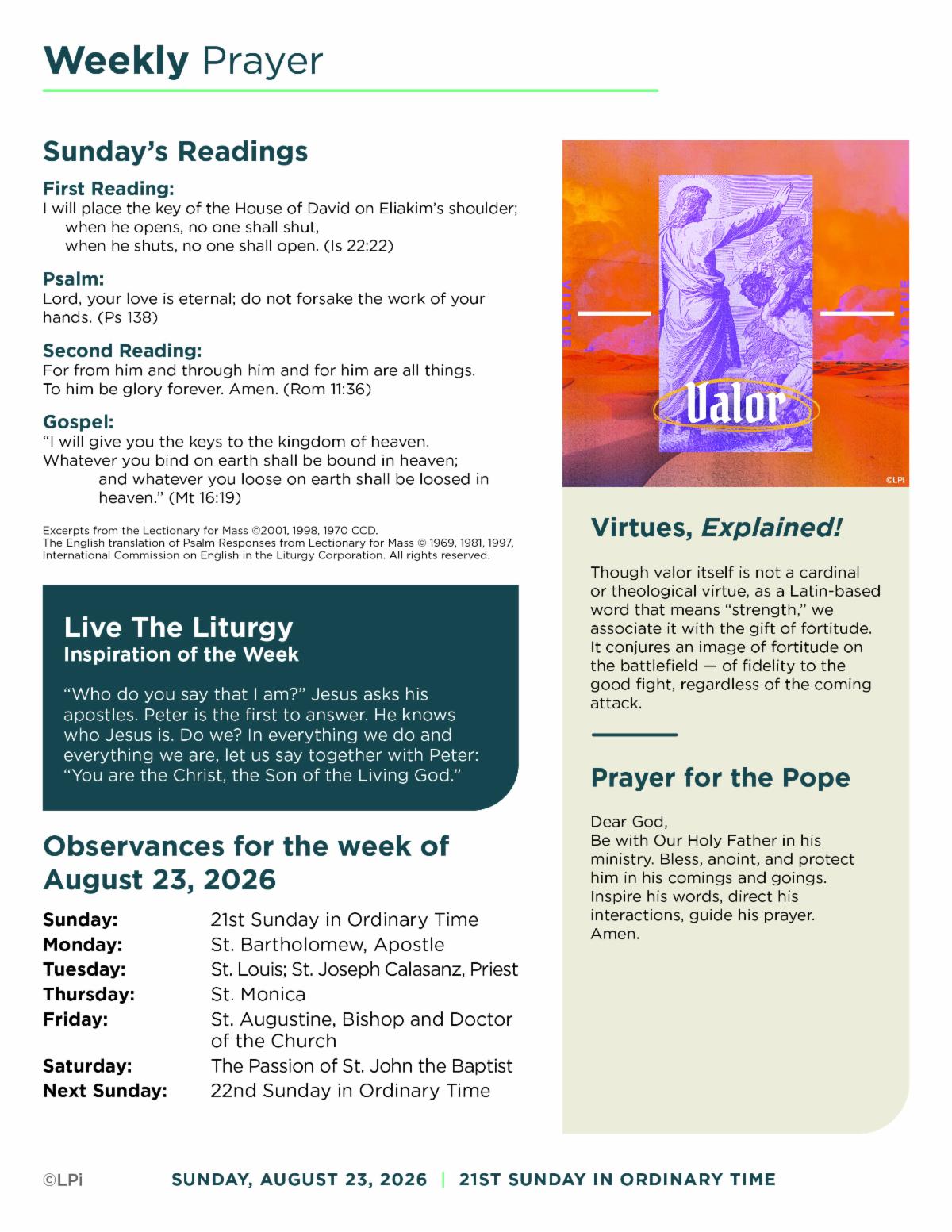
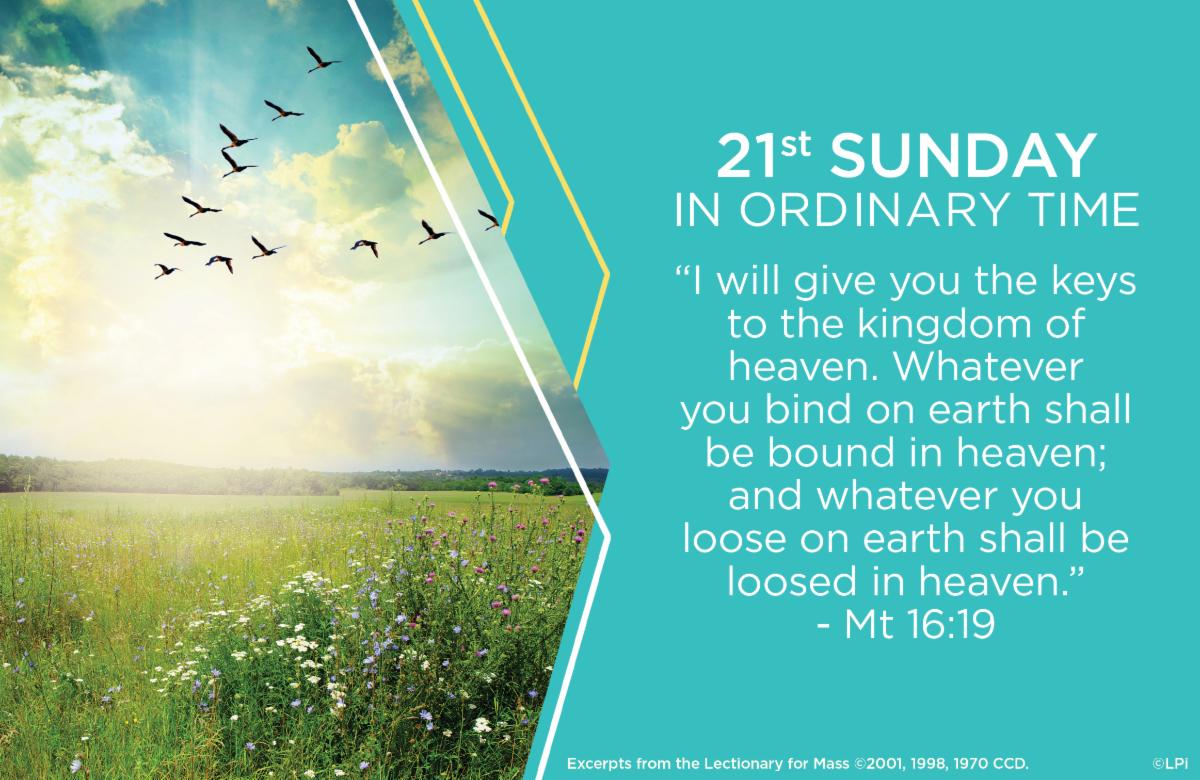
Matthew 16:13–20: Jesus asks the disciples, “Who do people say that the Son of Man is?” They reply with popular opinions (John the Baptist, Elijah, Jeremiah, or one of the prophets). He then asks, “But who do you say that I am?” Simon Peter answers: “You are the Christ [Messiah], the Son of the living God.” Jesus responds that this was revealed by the Father (not “flesh and blood”), renames him as Peter (“rock”), declares that on “this rock” He will build his church (and the gates of Hades will not prevail against it), and gives him the keys of the kingdom of heaven with authority to bind and loose. He then charges them to tell no one that He is the Christ.
-
Mark 8:27–30: A shorter parallel. Peter says simply, “You are the Christ.” Jesus strictly orders them not to tell anyone about Him, then immediately begins teaching about the Son of Man’s coming suffering.
-
Luke 9:18–20: Similar to Mark. Peter answers, “The Christ of God.” Jesus commands silence and predicts His passion.
The setting is deliberate. Caesarea Philippi was a center of imperial cult (temple to Augustus) and pagan worship of Pan and other deities, with a cave often associated with the underworld. Against this backdrop of “false gods” and death imagery, Peter’s declaration of the living God stands in sharp contrast.
Peter’s words have two closely linked parts:
-
“The Christ” (Greek Christos, equivalent to Hebrew Messiah)
- “The Son of the living God”
This is presented as a breakthrough: earlier acknowledgments of Jesus as Messiah or Son of God existed (e.g., by demons or in private moments), but this is the first clear, considered disciple confession of His full identity in the narrative flow of the Synoptics. It is not mere human deduction but revelation.
Jesus pronounces Peter “blessed” because the insight is divine gift. He plays on the name: Simon becomes Peter (Greek Petros; Aramaic Kepha/Cephas = “rock” or “stone”), and “on this rock” (petra) he will build his ekklesia (assembly/church). Interpretations of “this rock” have varied historically:
- Peter himself (common in Catholic tradition, linked to the keys and binding/loosing authority).
- Peter’s confession/faith (common in many Protestant readings).
- Christ himself, or the place/setting as a symbolic contrast to pagan “rocks.”
The “gates of Hades” (or hell) will not overcome the church—evoking the nearby cave and underworld associations, promising ultimate victory over death and evil powers. The keys and binding/loosing language draw on Jewish imagery of authority (e.g., Isaiah 22) for opening the kingdom and exercising discipline or teaching authority.
This moment is a narrative hinge: from public ministry in Galilee toward Jerusalem and the cross. It establishes core Christian claims about Jesus’ identity (Messiah and divine Son) and the foundation of the church. In early Christianity, it undergirded confessions of faith (echoed in Romans 10:9–10 and creeds). It also highlights themes of revelation, authority, the contrast between human opinion and divine truth, and the cost of following the suffering Messiah.
In short, Peter’s confession is not just a personal insight but a foundational declaration that Jesus is the long-awaited Messiah and uniquely related to the living God—setting the stage for the church’s mission and the path through the cross to resurrection.
May God Bless You!
Father Andrew — Pastor
|