|
Dear Sisters & Brothers in Christ,
Peter’s denial is one of the most vivid and psychologically rich episodes in the Gospels. It shows the same disciple who had just confessed Jesus as the Messiah (and been rebuked as “Satan” for resisting the cross) later collapsing under pressure—then being restored.
At the Last Supper, Jesus warns the disciples that they will all fall away. Peter protests emphatically:
- Matthew 26:33–35 / Mark 14:29–31: Peter insists, “Even if all fall away because of you, I will never fall away… Even if I must die with you, I will not deny you.”
- Luke 22:31–34: Jesus adds a more personal note: “Simon, Simon, behold, Satan demanded to have you, that he might sift you like wheat, but I have prayed for you that your faith may not fail. And when you have turned again, strengthen your brothers.” Peter still replies that he is ready to go to prison and death.
- John 13:36–38: Similar prediction, with Peter asking where Jesus is going and claiming he will lay down his life.
Jesus specifies the timing: before the rooster crows, Peter will deny Him three times.
The three denials occur in the high priest’s courtyard after Jesus’ arrest, while Peter has followed “at a distance.” The accounts vary slightly in order and detail, but the core is consistent:
-
First denial – Usually to a servant girl by the fire or at the gate. Peter is recognized as a Galilean or as one of Jesus’ companions. He claims ignorance: “I do not know what you are talking about” / “I do not know him.”
-
Second denial – To another servant or bystanders. The accusation intensifies. Peter denies more strongly.
-
Third denial –To a relative of the man whose ear Peter had cut off in Gethsemane. Peter curses and swears he does not know “the man.”
Immediately the rooster crows. Jesus turns and looks at Peter (Luke 22:61). Peter remembers the prediction, goes out, and weeps bitterly.
Peter’s denial shows us
-
Human frailty: Peter, the bold spokesman of the Twelve, fails precisely where he was most confident. The episode undercuts any idea that discipleship rests on natural courage or loyalty alone.
-
Fulfillment of prophecy and divine knowledge: Jesus knew in advance both the failure and the recovery.
-
Satanic testing: Luke’s language of “sifting like wheat” echoes the earlier “Get behind me, Satan” moment—Peter is under spiritual pressure.
-
Contrast with Judas: Judas betrays and despairs; Peter denies, repents with tears, and is restored.
-
Pastoral significance: Jesus’ earlier prayer for Peter and the later commission (“strengthen your brothers”) show that failure is not final for those who turn back.
The restoration
After the resurrection, Jesus specifically seeks Peter out:
- The angel at the empty tomb tells the women to go tell “his disciples and Peter” (Mark 16:7).
- Jesus appears privately to Peter (Luke 24:34; 1 Corinthians 15:5).
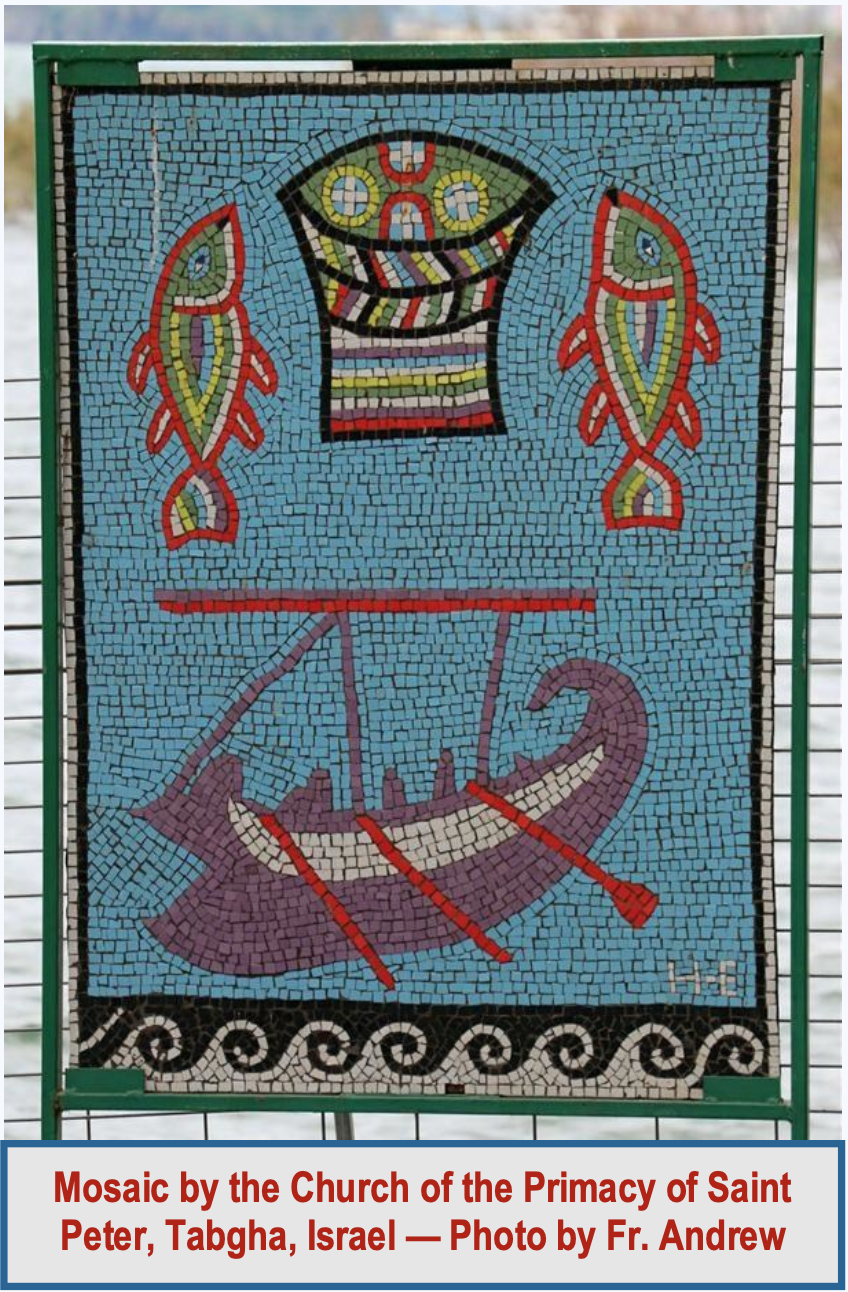
- In the famous breakfast scene by the Sea of Galilee (John 21:15–19), Jesus asks Peter three times, “Do you love me?”— matching the three denials—and commissions him: “Feed my lambs… Tend my sheep… Feed my sheep.” He also predicts Peter’s future martyrdom.
This threefold restoration is widely understood as Jesus publicly reinstating Peter as leader among the apostles.
Early Christian tradition (and later church memory) treated Peter’s failure and recovery as paradigmatic: even the chief apostle needed grace, repentance, and restoration. It became a source of hope for believers who themselves fail under pressure.
May God Bless You! → Father Andrew — Pastor
|