Април, 2026., година 6., бр. 87 | April 2026, Volume 6, Issue 87 | | |
Недеља Мироносица
ХРИСТОС ВАСКРСЕ! ВАИСТИНУ ВАСКРСЕ!
| |
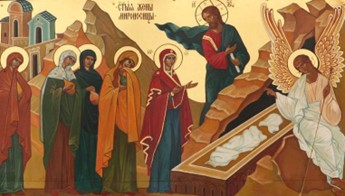
У трећој недељи по Пасхи празнујемо помен Мироносица које су рано пошле на гроб Христов да помажу мирисима Христово тијело. Такође празнујемо Јосифа из Ариматеје, који је замолио Пилата да скине са Крста тијело Исусово и да га заједно са Никодимом сахрани, као што говори данашње Јеванђеље. Мироносице, како им име каже биле су жене које су носиле миро, да помажу тијело Христово.
| | | |
Пастирска реч:
У ову, трећу недељу по Васкрсењу Христовом, слушамо одељак из Јеванђеља по Марку у којем се говори о јављању Васкрслог Христа женама мироносицама.
Управо њима, женама мироносицама, јавља се анђео Господњи када су ушле у гроб на коме је камен од врата гробних био одваљен и благовести им да је Исус устао из мртвих и да иду у Галилеју где ће се јавити Апостолима, као што им је обећао. Жене мироносице у страху и трепету одлазе од гроба, ником ништа не казивајући, јер се бојаху.
Оно што је посебно интересантно за нас, то је управо та чињеница да се Васкрсли Христос јавља најпре женама мироносицама, а тек после и својим ученицима. Према тадашњим јудејским друштвеним нормама, друштвени статус жене, сходно томе и њено сведочење о нечему, у овом случају о Васкрсењу Христовом, није имало тако велику тежину. Па ипак, Спаситељ се најпре њима – женама мироносицама јавља.
Зашто је то тако? Пре свега из једног простог разлога који и јесте смисао данашњег јеванђелског читања. Тај разлог јесте верност, безрезервна посвећеност и љубав коју су ове жене показале према Исусу током читавог Његовог јавног деловања, па и у догађају Његовог спасоносног Страдања. Сетимо се, Апостоли су се разбежали, а под Крстом су остале Пресвета Богородица, љубљени ученик Свети Јован Богослов и жене мироносице.
Управо тим Светим женама, које нису знале ништа о Васкрсењу Христовом, које нису слушале речи Господње, више пута упућене Апостолима, о томе да ће пострадати и да ће устати из мртвих, управо њима и њиховој верности и љубави долази Васкрсли Господ. На њихову љубав, на њихов плач и тугу одговара Васкрсли Исус. Он је тај који их теши својим јављањем позивајући их на радост Васкрсења, радост победе Живота над смрћу.
| | | |
Литургијско Богословље
Да немамо свету Литургију и ми православни хришћани бисмо у неком смислу могли, као што је данас већином случај код протестаната, само да причамо о јеванђелским догађајима или евентуално да имамо неку вр- сту комеморације на њих, али никако да у њима учествујемо. Учествујући на светој Литур- гији, која у себи сабира цело- купно Предање Цркве, нама се на Литургији у виду светих Да- рова предаје Сам Христос. Тиме ми нисмо ничега лишени, нити мање учествујемо у животу Црк- ве него рани хришћани. Зато је Литургија извор на коме се на- пајамо вечним животом, а из ње извиру благодатне реке које на- пајају целокупан живот Цркве. Зато је потребно, као што смо на почетку рекли, да се враћа- мо светој Литургији и да њоме осмишљавамо свој свакодневни земаљски живот.
Ми тек на Литургији можемо да превазиђемо свој егоизам и да постанемо биће заједни- це, сједињујући се са Богом и са ближњим кроз свету тајну Евхаристије, тј. Причешћа. Зато породица која није утемељена на Литургији тешко може да опстане као заједница љубави, а самим тим и друштво у це- лини. Потребно је све институ- ције у друштву утемељивати на литургијским основама, како је то било у нашем народу у вре- ме Светог Кирила и Методија и посебно у време Светог Саве, и увек када је Црква имала своје право место у друштву и врши- ла своју благодатну мисију.
| | | |
Апостол
Дела светих апостола, зачало 16 (6,1-7)
И у ове дане, када се множаху ученици, подигоше јелинисти вику на Јевреје што се њихове удовице заборављаху кад се дељаше помоћ сваки дан. Онда Дванаесторица, сазвавши мноштво ученика, рекоше: „Не доликује нама да оставивши реч Божију служимо око трпеза. Потражите, дакле, браћо, између вас седам осведочених људи, пуних Духа Светога и мудрости, које ћемо поставити на ову службу. А ми ћемо у молитви и у служби речи приљежно остати." И реч ова би угодна свему народу. И изабраше Стефана, човека испуњенога вером и Духом Светим, и Филипа, и Прохора, и Никанора, и Тимона, и Пармена, и Николу прозелита из Антиохије. Ове поставише пред апостоле и они помоливши се Богу положише руке на њих. И реч Божија растиаше и веома се множаше број ученика у Јерусалиму, и велико мноштво свештеника покораваху се вери.
| | | |
О молитви
Заповедио си мироносицама да се радују, а плач праматере Еве си умирио Васкрсењем Твојим, Христе Боже, и Апостолима Твојим си наредио да проповедају: Спаситељ је Васкрсао из гроба.
| | | |
Црквени појмови
МИРОНОСИЦЕ – Жене које су носиле Свето миро да помажу Господово тело
ОРЕОЛ – Светао круг око главе светитеља
ПАНИХИДА – Парастос за умрле
| | | |
Старатељство
Срдачно вас позивамо да размислите о томе да постанете део групе старатеља, који подржавају нашу мисионарску парохију путем месечних прилога. Ове донације су од суштинског значаја за покривање трошкова и очување живота наше црквене заједнице.
Молимо вас да попуните старатељски формулар и да га вратите на admin@serbianchurchct.org
Да бисте подесили месечну донацију посетите: https://serbianchurchct.org/donate
| | | |
Недеља Мироносица - Јеванђеље по Марку
А кад би увече, онај први дан недеље, и врата беху затворена где се беху ученици скупили од страха јеврејског, дође Исус и стаде на среду и рече им: Мир вам. И ово рекавши показа им руке и ребра своја. Онда се ученици обрадоваше видевши Господа. А Исус им рече опет: Мир вам; као што Отац посла мене, и ја шаљем вас. И ово рекавши дуну, и рече им: Примите Дух Свети. Којима опростите грехе, опростиће им се; и којима задржите, задржаће се. А Тома, који се зове Близанац, један од дванаесторице, не беше онде са њима кад дође Исус. А други му ученици говораху: Видесмо Господа. А он им рече: Док не видим на рукама Његовим рана од клина, и не метнем прста свог у ране од клина, и не метнем руке своје у ребра Његова, нећу веровати. И после осам дана опет беху ученици Његови унутра, и Тома с њима. Дође Исус кад беху врата затворена, и стаде међу њима и рече: Мир вам. Потом рече Томи: Пружи прст свој амо и види руке моје; и пружи руку своју и метни у ребра моја, и не буди неверан него веран. И одговори Тома и рече Му: Господ мој и Бог мој. Исус му рече: Пошто ме виде веровао си; благо онима који не видеше и вероваше. А и многа друга чудеса учини Исус пред ученицима својим која нису писана у књизи овој. А ова се написаше, да верујете да Исус јесте Христос, Син Божји, и да верујући имате живот у име Његово.
| | | |
Sunday of Myrrhbearers
CHRIST IS RISEN! INDEED, HE IS RISEN!
| |
On the third Sunday after Pascha, we celebrate the commemoration of the Holy Myrrh-bearing Women, who went early to the tomb of Christ to anoint His body with myrrh. We also commemorate Joseph of Arimathea, who asked Pilate for the Body of Jesus, took it down from the Cross, and, together with Nicodemus, buried it, as today’s Gospel tells us.
The Myrrh-bearers, as their name indicates, were the women who brought myrrh in order to anoint the Body of Christ.
| | | |
Pastoral Message:
In this third Sunday after the Resurrection of Christ, we hear the passage from the Gospel according to Mark in which the appearance of the Risen Christ to the Myrrh-bearing Women is described.
It is precisely to them, the Myrrh-bearing Women, that the angel of the Lord appears when they enter the tomb, whose entrance had been rolled away, and he announces to them that Jesus has risen from the dead and that they are to go to Galilee, where He will appear to the Apostles, as He had promised. In fear and trembling, the Myrrh-bearers leave the tomb, saying nothing to anyone, for they were afraid.
What is especially meaningful for us is the fact that the Risen Christ appears first to the Myrrh-bearing Women, and only afterward to His disciples. According to the social norms of that time in Jewish society, the status of a woman—and therefore her testimony about something, in this case the Resurrection of Christ—did not carry great weight. Yet the Savior appears first to them.
Why is this so? Above all, for a simple reason which is also the very meaning of today’s Gospel reading: their faithfulness, unconditional devotion, and love shown toward Jesus throughout His public ministry, and even in the event of His salvific Passion. Let us remember: the Apostles had fled, while at the Cross remained the Most Holy Theotokos, the beloved disciple John the Theologian, and the Myrrh-bearing Women.
It is precisely to these holy women, who knew nothing of the Resurrection of Christ and had not heard the Lord’s repeated words to the Apostles that He would suffer and rise again, that the Risen Lord comes first. To their love, their tears, and their sorrow, the Risen Christ responds. He is the One who comforts them through His appearance, calling them to the joy of the Resurrection—the joy of the victory of Life over death.
| | | |
Liturgical Theology
If we did not have the Holy Liturgy, we Orthodox Christians could, in a certain sense—as is mostly the case today among Protestants—only talk about the events of the Gospel or perhaps have some kind of commemoration of them, but we would not truly be able to participate in them.
By participating in the Holy Liturgy, which gathers within itself the entire Tradition of the Church, Christ Himself is given to us in the form of the Holy Gifts. In this way, we are deprived of nothing, nor do we participate in the life of the Church any less than the early Christians. Therefore, the Liturgy is the source from which we are nourished with eternal life, and from it flow rivers of grace that sustain the entire life of the Church. That is why, as we said at the beginning, it is necessary to return to the Holy Liturgy and to give meaning to our everyday earthly life through it.
Only in the Liturgy can we overcome our egoism and become beings of communion, uniting with God and with our neighbor through the holy mystery of the Eucharist, that is, Holy Communion. Therefore, a family that is not founded on the Liturgy can hardly endure as a community of love, and consequently neither can society as a whole.
It is necessary to ground all institutions in society on liturgical foundations, as it was among our people in the time of Saint Cyril and Methodius, and especially in the time of Saint Sava, and whenever the Church had its proper place in society and carried out its grace-filled mission.
| | | |
EPISTLE
THE ACTS OF THE HOLY APOSTLES: (ACTS 6:1-7)
In those days, when the number of the disciples was multiplied, there arose
a murmuring of the Grecians against the Hebrews, because their widows were
neglected in the daily ministration. Then the twelve called the multitude of the
disciples unto them, and said, It is not reasonable that we should leave the word
of God, and serve tables. Wherefore, brethren, look ye out among you seven
men of honest report, full of the Holy Ghost and wisdom, whom we may
appoint over this business. But we will give ourselves continually to prayer, and
to the ministry of the word. And the saying pleased the whole multitude: and
they chose Stephen, a man full of faith and of the Holy Ghost, and Philip, and
Prochorus, and Nicanor, and Timon, and Parmenas, and Nicolas a proselyte of
Antioch: Whom they set before the apostles: and when they had prayed, they laid
their hands on them. And the word of God increased; and the number of the
disciples multiplied in Jerusalem greatly; and a great company of the priests were
obedient to the faith.
| | | |
Prayer
When You did cry, Rejoice, unto the Myrrh-bearers, You did make the lamentation of Eve the first mother to cease by Your Resurrection, O Christ God. And You did bid Your Apostles to preach: The Savior is risen from the grave.
| | | |
Church Terms
MYRRH-BEARING WOMEN – Women who carried holy myrrh to anoint the Lord’s Body after His burial.
PANIKHIDA – A memorial service for the departed
| | | |
Stewardship
We kindly invite you to join a dedicated group of stewards who support our Mission parish through monthly contributions. These offerings are essential to sustaining the life of our church and covering our operational expenses.
Please complete the Stewardship form and return it to admin@serbianchurchct.org.
Please consider supporting our mission parish through monthly contributions, if you have not already https://serbianchurchct.org/donate
| | |
Sunday of Myrrhbearers - Gospel of Mark
Joseph of Arimathea, a prominent council member, who was himself waiting for the kingdom of God, coming and taking courage, went in to Pilate and asked for the body of Jesus. Pilate marveled that He was already dead; and summoning the centurion, he asked him if He had been dead for some time. So when he found out from the centurion, he granted the body to Joseph. Then he bought fine linen, took Him down, and wrapped Him in the linen. And he laid Him in a tomb which had been hewn out of the rock, and rolled a stone against the door of the tomb. And Mary Magdalene and Mary the mother of Joses observed where He was laid.
Now when the Sabbath was past, Mary Magdalene, Mary the mother of James, and Salome bought spices, that they might come and anoint Him. Very early in the morning, on the first day of the week, they came to the tomb when the sun had risen. And they said among themselves, “Who will roll away the stone from the door of the tomb for us?” But when they looked up, they saw that the stone had been rolled away – for it was very large. And entering the tomb, they saw a young man clothed in a long white robe sitting on the right side; and they were alarmed. But he said to them, “Do not be alarmed. You seek Jesus of Nazareth, who was crucified. He is risen! He is not here. See the place where they laid Him. But go, tell His disciples – and Peter – that He is going before you into Galilee; there you will see Him, as He said to you.” So they went out quickly and fled from the tomb, for they trembled and were amazed. And they said nothing to anyone, for they were afraid.
| | | |
Contact Information:
Mailing Address: 402 Main St., Middlefield, CT 06455
Phone: 860/357-7788
E-mail: sscm@serbianchurchct.org
Web site: www.serbianchurchct.org
Presiding Priest: Very Rev. Protosyngellos Nektarije (Tesanovic)
E-mail: priest@serbianchurchct.org
Cell phone: 224/413-8024
| | | | |