Community for the Journey -- August 2026 | | |
A Night of Comedy & Hope
Thursday, August 27 in Vacaville
Click Here Information/Tickets
Click here to Donate to PANC
General Admission: $25
Ready for a change of scenery and a good laugh? Join us for a Parkinson’s-friendly comedy night. Accessible venue, welcoming crowd, and plenty of laughs!
Enjoy comedians including Bassil Kamas, Frank Mihelich, Scott Hopkins, Vikki Beretta, Gus Murphy, and Joe Crespillo. All to raise money to support PANC services and benefits. Don't miss it!
Watch comedian and PwP Frank get trained for his set below!
| |
|
PANC's Annual Education Conference
Seats Are Selling Fast!
Care Beyond the Diagnosis:
Voices, Tools, and Togetherness
Saturday, October 24 from 9am to 3pm
Cal Expo, Sacramento
Early-bird registration: In-person (w/lunch) $45/Zoom $25
Table of 8 -- $400
We are limited at 940 in-person seats. Don't miss out & register soon!
HOPE · CONNECTION · EMPOWERMENT · SUPPORT
OFFICIAL EVENT SCHEDULE
- Koyasan Spirit of Children Taiko
-
Sleep, Rest, Recovery, & Parkinson's Miguel Ruvalcaba, MD – KaiserPermanente
-
Keynote Speaker Kevin Kwok – Davis Phinney Foundation
-
Hospital Smart: Protecting Your Parkinson's Care Kristina Hart, DO – UC Davis Health; Barbara Leffler, PhD, RN – Parkinson's Foundation
-
Movement Break! Donna Rixmann – Yoga Peace
-
Thriving with Tremor: Practical Strategies and Tools Mai Vuong, MD Veterans Administration
-
Research Update Norika Malhado-Chang, MD – UC Davis Health
-
PD Success Story: Music with Dirk Holstege
-
Managing the Impact of Young-Onset Parkinson's Lisa Mooney, LCSW –UC Davis Health; Nick Thakur, MD – Sutter Health
-
Movement Break! Cassandra Ramsey, OTR/L – Sutter Health; Occupational Therapy Doctorate students from University of the Pacific
-
Ask a Doctor Q&A Eric Egli, PhD – Retired; Ehsan Hadi, MD – Dignity Health; Suketu Khandhar, MD – Kaiser Permanente; Jennifer Liu, PT – Kaiser Permanente; Norika Malhado-Chang, MD – UC Davis Health; Rudy Schrot, MD – Sutter Health
Volunteer opportunities
Sponsor/exhibitor opportunities
| | |
Our Time with Tony and His Huntington's disease
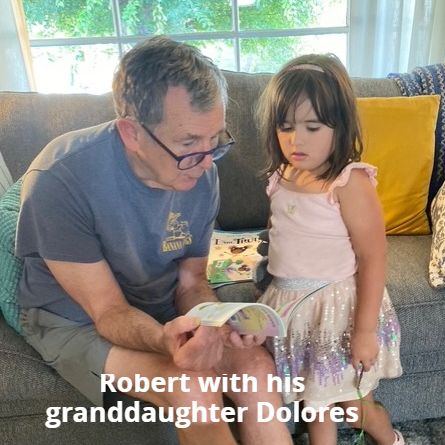
By Robert J. Smith
If you have Parkinson’s disease (PD) as I do, it may be only a matter of time before you encounter your own “Tony.”
A chance encounter with Tony began in the way many things do within my current PD frame of mind: with a lesson in humility and acceptance. We saw a stranger stumbling awkwardly across the street as my wife Patty and I were out for our daily stroll. He might have been intoxicated—or he might not have been. By engaging with him, we later learned that he has Huntington's disease. The truth is that someone with Huntington’s disease moves exactly as he did. In that moment, who were we to judge or refuse to engage with him? We saw someone struggling and wanted to help.
Patty, who is also my care partner and often my spokesperson, took charge. “Is there someone we can call for you?" Through further conversation, she learned that there was a “Mr. Eric” who was a blessing in Tony’s life. She called him, and he said, “Can you wait for me to get there? I have a client who lives nearby. I can arrive in about half an hour.”
As Tony and I continued to walk toward our house, we chatted and I led the conversation. I shared that I have a young adult in my family who struggles with addiction and also explained that my wife and I walk through this neighborhood for 45 minutes every day to help keep my Parkinson’s from getting worse. It was nice to have someone to relate to.
By the time Mr. Eric came to retrieve Tony from our house; he had ingested plenty of water and ate some leftover chicken. We talked to Mr. Eric, and I learned a great deal from him including that Huntington’s and Parkinson’s are related neurological movement disorders. Neither are candidates for the "fun disease" contest, but Huntington's is recognized as even harsher and can progress much more quickly than PD. He reminded me to be grateful that I just have PD, especially given that a 2025 DBS surgery had greatly improved my life.
Mr. Eric was glad to hear that Tony had expressed his gratitude to us many times, and frankly, we felt equally as appreciative for the experience. By the time Tony left our home, Patty and I were exhausted, but we felt good about helping him. I was also grateful for the reminder that I have “only” Parkinson’s disease.
Did Tony interrupt our daily walk? No such thing occurred. Patty and I took a full walk a little later that same day...with renewed energy and a sharper sense of gratitude for the blessed life that we have and the other people that we get to help.
Email Jan if you are interested in sharing a story to inspire Update readers.
| | |
PANC Conference Topic
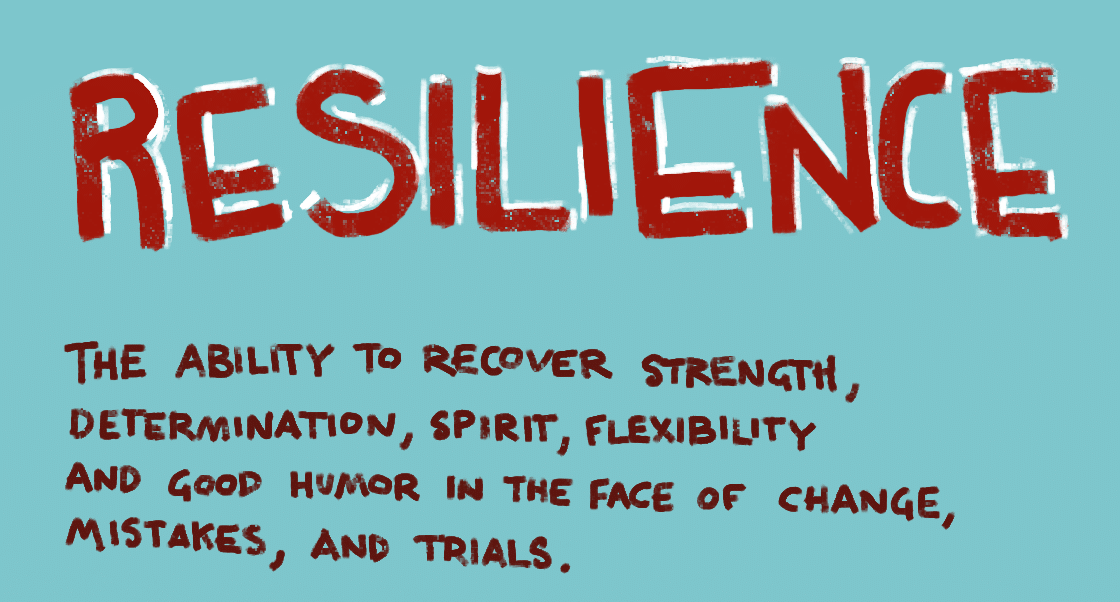
Redefining Resilience & Living Fully with Young-Onset PD
People with young-onset Parkinson’s disease, usually defined as diagnosis before age 50, often demonstrate a distinctive kind of resilience. It is rarely constant bravery or effortless optimism. More often, it is the continuing ability to adapt, preserve meaning, and rebuild a life while living with uncertainty.
A young-onset diagnosis may arrive during career development, parenting, relationships, or major financial planning. People can face changing physical abilities, unpredictable medication effects, concerns about disclosure at work, and the loss of an expected future. Because Parkinson’s is commonly associated with older age, younger people may also feel isolated or misunderstood.
Resilience for those with young-onset PD can appear in many forms:
- Learning to adjust routines, goals, or work without surrendering one’s identity.
- Becoming knowledgeable and actively involved in treatment decisions.
- Exercising and protecting physical function while accepting that symptoms fluctuate.
- Talking honestly with children, partners, friends, and employers.
- Finding others with young-onset Parkinson’s and replacing isolation with community.
- Participating in advocacy or research and turning a difficult experience into purposeful action.
- Allowing room for grief, anger, fear, and help—not interpreting them as personal failure.
Research in Parkinson’s associates greater psychological resilience with better adjustment and quality of life, but resilience is not simply an inborn personality trait. It can be supported through good symptom management, counseling, exercise, practical workplace accommodations, strong relationships, peer groups, and a responsive healthcare team. Emotional care is therefore part of Parkinson’s care, not an optional extra.
Most importantly, celebrating resilience should never become pressure to “stay positive.” A resilient person can still be exhausted, frightened, depressed, or in need of substantial assistance. Resilience means continuing to adapt with appropriate support and not having to carry Parkinson’s alone.
For contact information on the PANC young-onset support group and their activities/meetings, click here.
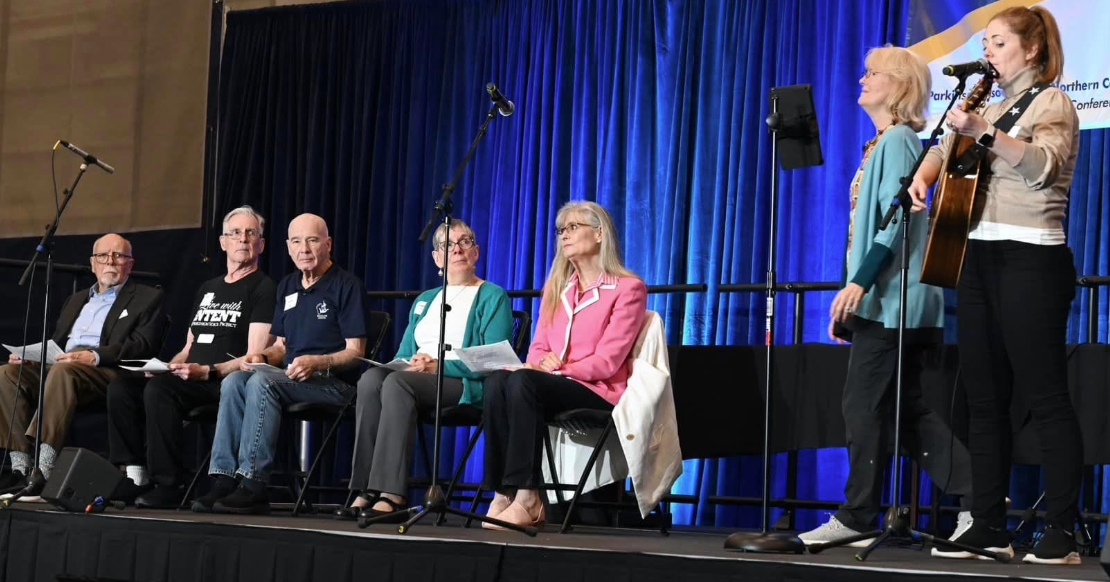
Young-onset Parkinson's is a topic of discussion at the PANC Conference in October led by Dr. Nick Thakur from Sutter Health and Lisa Mooney, LCSW from UC Davis Health. Click here for information and to register.
| | |
Finding Your Voice:
How Therapeutic Singing Helps People with PD
by Erin Haley, Haley Music Therapy
Most people feel intuitively that music is therapeutic. They are right. But understanding the mechanics of why music is so helpful is generally unknown.
Research abounds on the ways that music therapy helps improve many of the symptoms of Parkinson’s disease. For this article, I am focusing on the benefits of therapeutic singing.
The symptoms of Parkinson’s disease (PD) vary from person to person. Two of the most common motor impairments in PD are speech and communication. Up to 90% of people with Parkinson’s (PwP) experience voice-related symptoms which are harmful because listeners may struggle to understand the person, even though the person knows exactly what they want to say. This can cause frustration, misunderstandings, reduced confidence, and withdrawal from conversations, contributing to social isolation. Speech changes may also occur alongside swallowing problems, which can increase the risk of choking, dehydration, poor nutrition, or aspiration pneumonia.
Therapeutic singing is an effective intervention for the biopsychosocial symptoms of Parkinson’s for the following reasons:
- The rhythm in music helps our brain to direct our body to move in a coordinated and consistent way. When muscle coordination is affected, as it is with Parkinson’s symptoms, music with a moderate and consistent beat helps the muscles that control the voice (and the body) work together more efficiently, leading to improved speech production and volume. In addition, rhythm has been shown to reinforce the connections in the brain between the basal ganglia (where dopamine is produced) and networks associated with normal movement.
- Singing has been found to improve cardiovascular and pulmonary systems, respiratory muscle strength, vocal intensity and control, and oxygen saturation in arteries.
- Singing in groups decreases social isolation, and online singing groups are available when physical symptoms make leaving the house a challenge. Importantly, participating in singing groups is something that PwP can often do with their family and loved ones, which helps in maintaining an active social life.
- Therapeutic group singing increases plasma oxytocin (a natural hormone in the bloodstream) that reflects connection and attachment and thus increases adherence to therapy.
Even in an informational snapshot such as this, we can see how therapeutic singing is an effective method to mediate the vocal symptoms of Parkinson’s disease. Fortunately, awareness and understanding of music therapy and how it benefits PwP continue to increase. And both in-person and online therapeutic singing groups are available all around the world, making it easy for anyone to participate. Find your song. Sing out loud!
Editors note: Erin leads the North State Therapy Choir, a free online program, supported by grant funding for people with Parkinson's and other neurological disorders. Click the flyer here for additional information.
| | |
Take A Shot at Parkinson's
Win $250,000!
September 21 -23 at Haggin Oaks Golf Complex, Sacramento
Click Here Information/Registration
Take your best shot for a great cause! Join the fun with Closest-to-the-Pin and Hole-in-One challenges benefiting PANC.
Land your shot on the green during the qualifying rounds on September 21 or 22, and you’ll advance to the finals on Wednesday, September 23. The final round’s 10 closest shots will compete for a chance to ace the $250,000 Hole-in-One Challenge!
All proceeds benefit PANC. A huge thank-you to the Take A Shot at Parkinson’s Foundation for hosting this exciting event on our behalf. Swing big, have fun, and help make a difference!
|
Why Is It Important To
Participate in Clinical Studies?
Participation in clinical studies is important because it is the only reliable way to determine whether new Parkinson’s treatments, diagnostic tools, and approaches to care are safe and effective.
Participants help researchers:
- Understand why Parkinson’s symptoms and progression differ between people.
- Test therapies aimed at improving symptoms or slowing disease progression.
- Identify biomarkers that may support earlier diagnosis and more personalized treatment.
- Improve everyday care, including mobility, sleep, cognition, mood, and quality of life.
- Ensure results reflect the full Parkinson’s community. Diversity in age, sex, ethnicity, disease stage, and genetic background makes findings more broadly useful.
- Recruit enough people to produce meaningful results. Promising studies can be delayed or abandoned when enrollment is insufficient.
Participants may gain access to close monitoring or an experimental intervention, but direct personal benefit is not guaranteed. A study treatment may be ineffective, cause side effects, or involve a placebo.
Participation is voluntary, and people should review the time commitment, costs, risks, privacy protections, and alternatives with the study team and their neurologist before consenting. Leaving a study is also generally permitted at any time.
Even observational studies—surveys, movement assessments, imaging, or sample collection—can make a valuable contribution without testing a new drug.
MJFF Clinical Trial Finder Click Here
NIH Guidance on Clinical Trial Participation Click here
| |
HUGE NEWS!
California Paraquat Cancellations Mark Major Step for
Worker and Public Health
PANC welcomes the voluntary cancellation of every
California pesticide-product registration containing paraquat dichloride, a highly toxic herbicide associated in scientific studies with an increased risk of Parkinson’s
The California Department of Pesticide Regulation (DPR) recently announced that all manufacturers of paraquat products have voluntarily canceled their registrations in the state. The cancellations began in April 2026, and the final registrant canceled its registration on August 6, initiating the phaseout of paraquat in California.
“This is an important victory for farmworkers, agricultural communities and everyone working toward a safer food system,” said PANC President, Harry Starkey. “California should now ensure that paraquat is removed from use as quickly as the law allows and help growers transition to safer, sustainable weed-management practices that keep public and agricultural worker health standards a priority.”
Paraquat is a restricted-use herbicide employed primarily to control weeds in agricultural settings. Its acute toxicity is well established, and a substantial body of scientific research has examined the relationship between paraquat exposure and Parkinson’s disease. Several epidemiological studies involving agricultural workers have reported significant associations between paraquat exposure and Parkinson’s.
The herbicide was used beyond agricultural weed control until August 1997 when the Environmental Protection Agency required that occupational-use paraquat could no longer be used around homes, schools, recreational parks, golf courses and playgrounds.
The chemical is banned in more than 70 countries, including throughout the European Union and the United Kingdom, because of concerns about its acute toxicity and risks to human health and the environment. Effective November 2026, Vermont is the first state to pass a law that allows limited permitted uses of paraquat through 2030, before full prohibition. Additionally, Congresswoman Anna Paulina Luna (FL-13) with co-lead Rep. Chellie Pingree introduced a federal paraquat ban bill in Congress on June 18, 2026.
Parkinson’s symptoms may appear years or even decades after potentially relevant environmental exposure. There is no established latency period that applies to every person or to every exposure.
Read PANC Press Release Here
Read Thank You Letter to Department of Pesticide Regulation Here
| |
Stronger Than Parkinson’s: Becky Johnson’s Journey to Adaptive CrossFit Games
When she was unexpectedly diagnosed with Parkinson’s disease while preparing for C3-C6 disc replacement and spinal fusion in mid-2025, Sacramento resident Becky Johnson thought her athletic life might be over.
A longtime ultramarathon runner and CrossFit athlete of more than a decade, Johnson carefully rebuilt her strength after surgery and returned to training, grateful for the strong fitness foundation she now relies on to help manage Parkinson’s. Years of training have also given her a keen awareness of her body, helping her distinguish normal fluctuations from changes in strength, mobility or movement that may need attention.
In early 2026, Johnson entered the CrossFit Open as an adaptive athlete. CrossFit combines varied, high-intensity workouts incorporating weightlifting, gymnastics and cardiovascular endurance. Johnson advanced to the Adaptive CrossFit Semifinals, where a top 10 worldwide finish earned her a spot at the Adaptive CrossFit Games in San Jose. At 55, she was the oldest woman in her division, competing alongside athletes with multiple sclerosis, stroke survivors and others with neurological conditions.
“It was exciting to be part of the competition, and I plan to go for it again next year,” Johnson said. For her, returning to competition has reinforced that Parkinson’s may change how she trains, but it hasn’t changed who she is as an athlete.
Learn more about Becky’s experience with Parkinson’s and the key role fitness plays in managing her disease in her interview on Parkinson’s: An Athlete’s Journey, available by clicking here on YouTube and your favorite podcast apps.
| |
Breaking the Silence &
Why She Waited Years to Share Her Diagnosis
Watch the moving TMOTalk (TEDtalk) from NorCal resident Angela Carnahan who vulnerably reveals her Young-onset Parkinson's diagnosis to her professional colleagues.
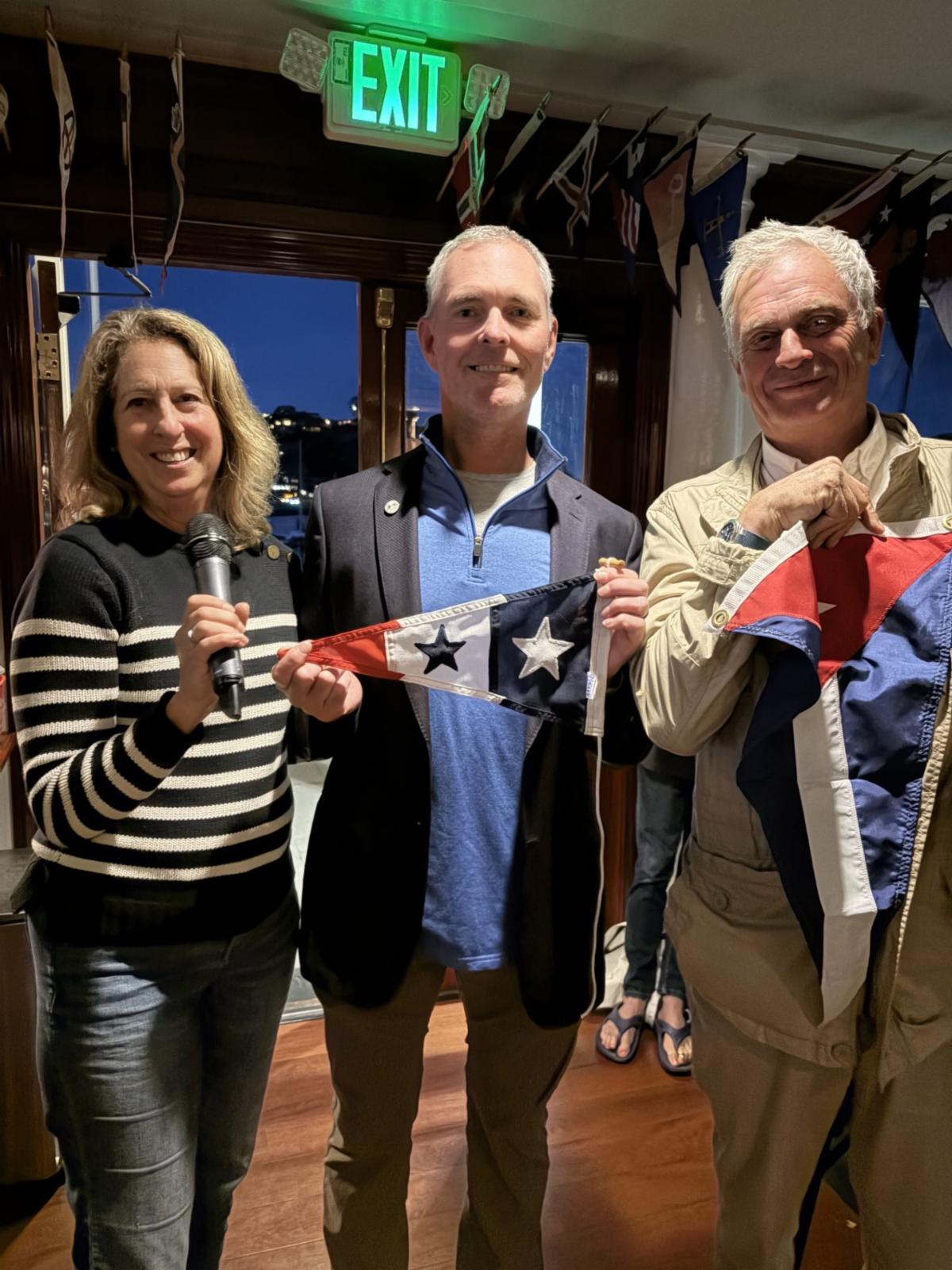
| Sailing4Parkinsons Visionary Is Honored | Corinthian Yacht Club Commodore Marcus Canestra was recently presented with the "Tape de Bouche" honor from the Yacht Club of France for his commitment to hosting the inaugural U.S. Sailing4Parkinsons Regatta that benefits PANC and Parkinson's awareness. Presented by the skipper of the Neptune Yacht from France, Tan Raffray and the founder of the event, Amy Bridge | |
Equipment Exchange Products -- Free Theracycle!
If you have equipment to share that can help others, the Durable Medical Equipment Exchange is open and ready to go. Click here to post an item.
Click the blue links below to see what's available:
| |
August Free Webinars
PANC webinars are beginning in October!
Tuesday, August 18 at 4pm
Parkinson’s and the Environment - So, What’s the Story? with the Maryland Association for Parkinson Support
Learn why unrelieved and unproductive stress is bad for human health and how to take a break, unwind, and unplug.
Info and Register
Wednesday, August 19 at 9am
Changes in Relationships Dynamics with the Parkinson Association of the Carolinas
How relationships can change as a result of Parkinson's disease and offer practical strategies for navigating those changes together.
Info and Register
Wednesday, August 19 at 10am
Psychosis & Hallucinations with the Parkinson's Foundation
What psychosis and hallucination experiences mean, why they happen, how to recognize them, and how to respond with compassion and calm. Attendee questions will guide the discussion. Experts share practical strategies to support safety, understanding, and emotional well-being.
Info and Register
August 19 at 1:00 pm
Parkinson's 101 with the UC Davis Neurology Disorder Team
Join for an engaging and informative discussion about living with Parkinson’s disease. Dedicated to helping patients improve mobility, function, and overall quality of life, the instructor brings a wealth of knowledge, clinical experience, and practical strategies that can benefit both individuals with Parkinson’s and their care partners.
Time available to answer your questions, making this great opportunity to learn, connect, and gain valuable insights from a trusted expert.
Click here at start time
Meeting ID: 962 3185 7280
Passcode: 3773
Dial by your location: +1 669 444 9171
Thursday, August 20 at 9am
Can Parkinson’s Disease Be Inherited? with the Michael J. Fox Foundation
How genetics can influence Parkinson’s risk and help guide the development of better treatments for everyone living with the disease.
Info and Register
| | |
* Contact Jan Whitney here if you are interested in placing a
sponsor article or research opportunity in this publication
| | | | |