News from your French Language & Cultural Center in Sacramento
La vache, nom féminin
Femelle du taureau (en boucherie, boeuf).
Female of the bull (in butchery, beef).

vache, adjectif - Nasty, mean, or tough
C'est vraiment vache ce qu'il a fait. It's really a low blow what he did.
Il est vraiment vache mon prof de math. My math teacher is really tough.
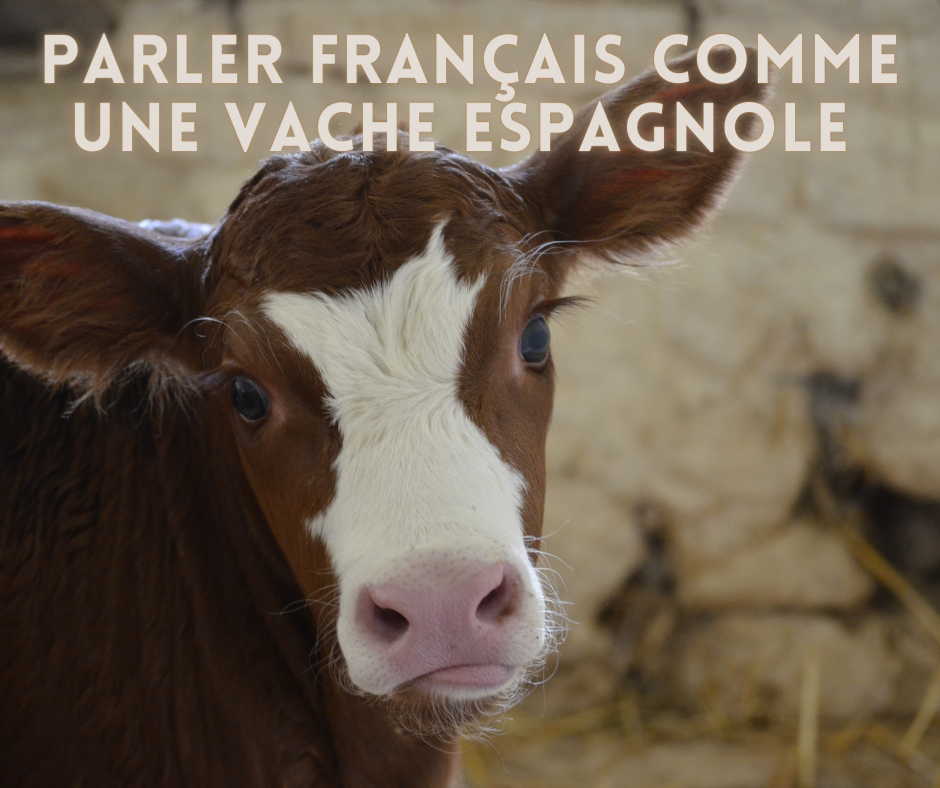
Parler très mal une langue.
La première explication concernant les origines de cette expression serait une altération du mot "vasces" qui signifiait "basque". Ainsi, on aurait pu dire "parler le français comme un Basque espagnol". Il pourrait également s'agir d'une déformation du mot "basse" qui signifiait "servante", autrement dit une femme de basse souche. Quoi qu'il en soit, la formule "comme une vache" a toujours connoté quelque chose de médiocre. Ainsi, l'expression, qui date de 1640, signifie que l'on parle très mal une langue étrangère.
Speak a language very badly. The first explanation concerning the origins of this expression would be an alteration of the word "vasces" which meant "basque". So we could have said "speak French like a Spanish Basque". It could also be a deformation of the word "low" which meant "servant", in other words, a woman of low stock. Anyway, the phrase "like a cow" has always connoted something mediocre. Thus, the expression, which dates from 1640, means that we speak a foreign language very badly.
Exclamation exprimant l'étonnement, l'admiration (➙ vachement) ou l'indignation. "Oh la vache, il est cher ce restaurant!"
Exclamation expressing astonishment, admiration (➙ vachement) or indignation.
Cette expression date du milieu du XVIe siècle. Elle se rapporte bien évidemment à l’image de la vache laitière dont les hommes tirent inlassablement profit en la trayant sans jamais que l’animal ne se rebiffe. De même une personne assimilée à "une vache à lait" se laissera exploiter financièrement, souvent même sans s’en rendre compte.
This expression dates from the middle of the 16th century. It obviously relates to the image of the dairy cow from which men tirelessly benefit by milking it, without the animal ever rebelling. Likewise, a person assimilated to "a cash cow" will allow himself to be exploited financially, often even without realizing it.
Cette expression date du XVIIIe siècle. A l'origine, elle désignait une personne pauvre qui était réduite à manger de la viande provenant de bêtes malades pour combler sa faim. Aujourd'hui, elle désigne une personne énervée et fait allusion aux hommes contaminés par un animal enragé.
This expression dates from the 18th century. Originally, it referred to a poor person who was reduced to eating meat from sick animals to satisfy his hunger. Today, it designates an angry person and alludes to men contaminated by a rabid animal.
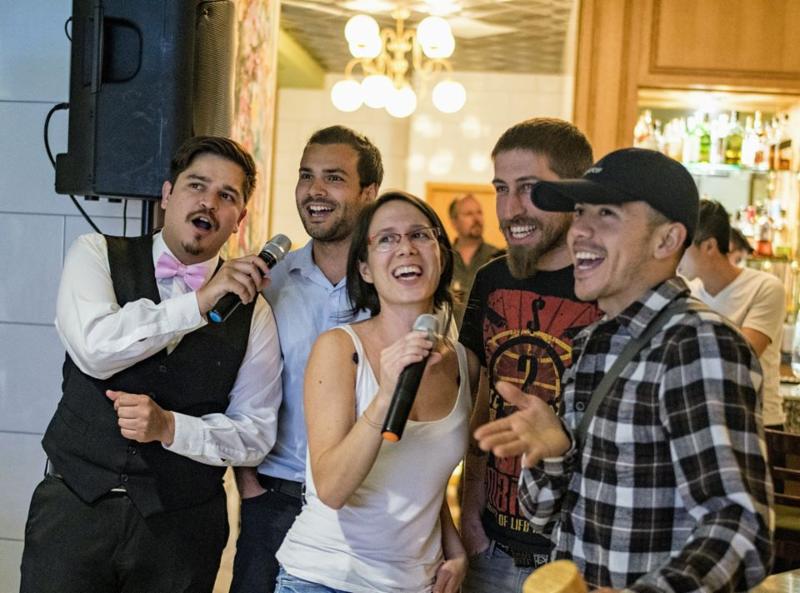
French Karaoke with Roman is back!
Thursday May 27th, 2021 at 5pm

Venez nombreux !

Le coin des découvertes
Atelier Robert Doisneau | Galeries virtuelles des...

Les archives photographiques de Robert Doisneau comprennent environ 450 000 photographies. Il avait lui même constitué un classement thématique de ses archives pour en simplifier les recherches.Au fur et à mesure des prises de vues, il réalisait...

Read more
www.robert-doisneau.com
Les nouveaux rooftops les plus attendus de la saison

Excitation maximale à l'heure de la réouverture des terrasses ! Quels sont les tout nouveaux rooftops qui feront vibrer les Parisiens cet été ? Premier aperçu des festivités avec 6 nouvelles adresses haut perchées. Le spot de l'East-side pour...

Read more
www.doitinparis.com
Click on the image to see our social groups & events!
CLARA's Corner
Sources:
https://www.linternaute.fr
https://www.youtube.com
https://dictionnaire.notretemps.com
https://www.collinsdictionary.com
The Alliance Française de Sacramento is
an independent nonprofit 501(c)3 organization
and receives no subsidies.