|
Hello, again, time travelers. It is, was, and will be good that you’re back with us for our journey through time with Abraham, Moses, Deborah, and...well...Yeshua. We don’t have the names of the major players at the final Armageddon, but all we need to know is that Yeshua will be there.
Last week we looked at the prophetic cycling of particular place names that threaded into Deborah’s dilemma with the kings of the east, Jabin and Sisera. By rolling through the Torah scrolls, she read the prophecies, and with a Divine directive, she used the Torah lessons to guide the Israelite army to victory alongside Barak. This week we’ll gather some more clues in our quest for understanding Armageddon. I guess we better make that Har Megiddo, my brave Israelite warriors and scholars!
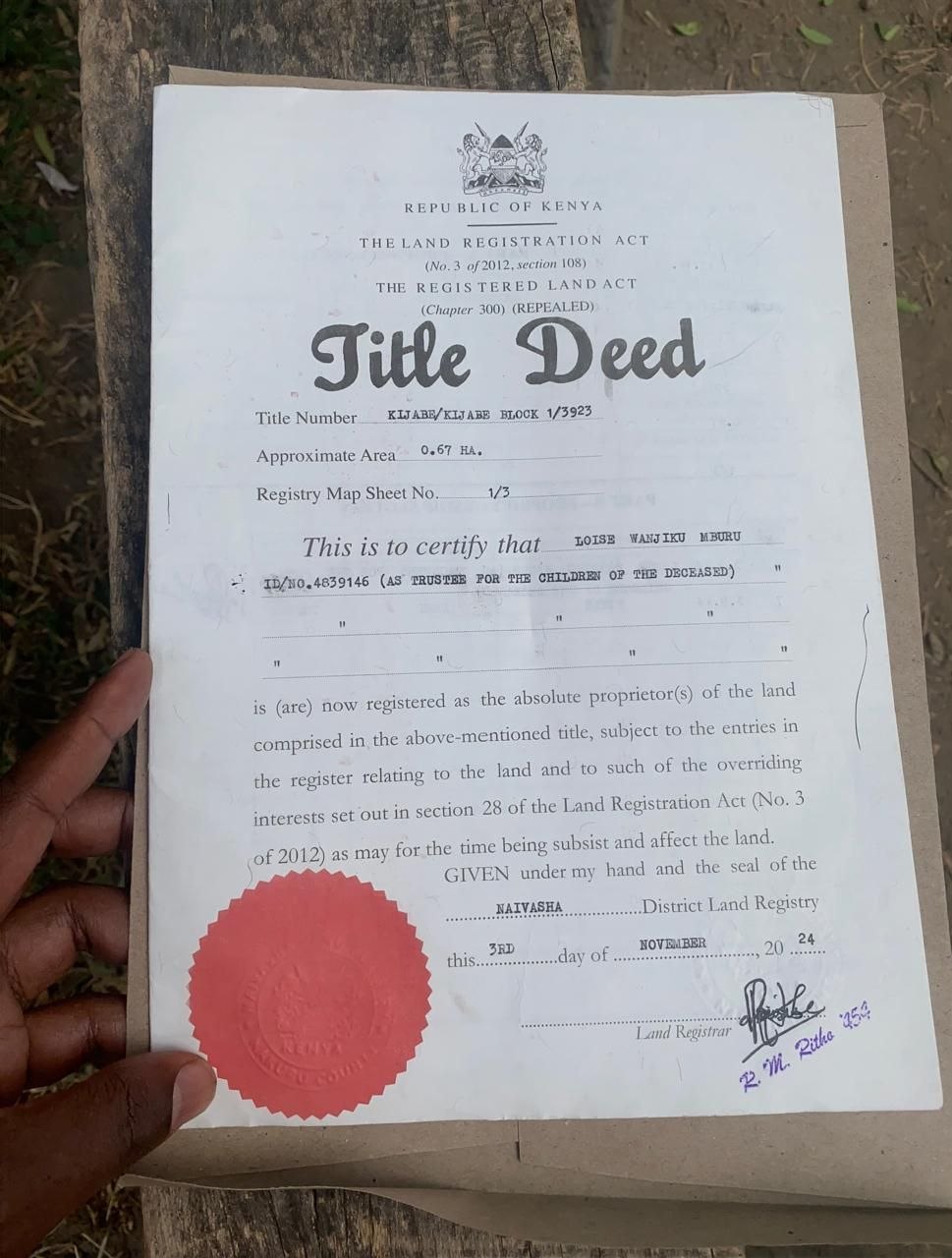
Let’s take a look at a couple more of the geographical locations of our heroes against the kings of the east. Alongside her Torah scrolls, Deborah holds the land title descriptions handed down from Joshua. Just for a quick trip, time travelers, set your time machine to the time of Joshua’s (Yehoshua’s) conquest west of the Jordan River. You’ll need those maps you taped to your steering wheel last week. Locate the one from the time of Joshua’s conquest and/or the time of the Judges, just don’t study your maps while you’re flying through time. I’m not sure what you might hit.
Okay, here we are. Take a good look at the tribal boundaries from Joshua’s conquest. Each tribe’s territory is described in detail, just like a land deed today. Locate the area of Zevulun, Ephraim, and Issachar, which takes up the area between the Galilee and the Mediterranean Sea.
Deborah’s battle with Sisera took place at the junction of Zevulun and Issachar’s territory along with the Levitical clan of Gershon’s. Look over the following verses closely and find the places on your map. Now here are the clues. What looks like a strange extra phrase “toward the sunrise [mizrach]” in the land title is a hint to the future battle with kings of the east:
- [The allotment of the tribe of Zevulun] “Then it turned from Sarid to the east toward the sunrise as far as the border of Chisloth-tabor, and it proceeded to Daberath and up to Japhia.” (Jos 19:12)
וְשָׁב מִשָּׂרִיד קֵדְמָה מִזְרַח הַשֶּׁמֶשׁ עַל־גְּבוּל כִּסְלֹת תָּבֹר וְיָצָא אֶל־הַדָּבְרַת וְעָלָה יָפִיעַ
- [To the Levitical clan of Gershon...] From the tribe of Issachar, they gave Kishion with its pasture lands, Daberath with its pasture lands...(Jos 21:28)
- “...and from the tribe of Issachar: Kedesh with its pasture lands, Daberath with its pasture lands” (1Ch 6:72)
More place-names stand out: Tabor, Kishon, Daberath, Kedesh.
Back to the future, young warriors. Let’s go back to Deborah’s palm tree. Can you see her? She’s scroll-rolling again. She's totally ignoring that plate of pita, hummus, and olive relish. It looks delicious.
Last week we connected Deborah’s Kedesh with Kadesh, a place in the wilderness the four kings conquered before they turned back east and engaged the five kings and kidnapped Lot and his family.
There is also a Kadesh that was a key encampment for the Israelites in the wilderness. Deborah links Kedesh to Kadesh. Holy to holy. In fact, this is the encampment in the wilderness of Tzin where Miriam died and was buried in the month of Passover, the same month Pharaoh and his chariots were defeated:
- “Then the sons of Israel, the whole congregation, came to the wilderness of Zin in the first month; and the people stayed at Kadesh. Now Miriam died there and was buried there.” (Nu 20:1-2)
For Deborah, life as a judge of Israel couldn’t have been all peace, love, and casseroles. If women in ministry are rejected today, imagine how difficult it would have been a few thousand years ago! Miriam’s ministry in Israel must have been a special inspiration to Deborah, a judge and prophetess:
- “For I brought you up from the land of Egypt and ransomed you from the house of slavery, and I sent before you Moses to lead you, Aaron the high priest, and Miriam the prophetess.” (Micah 6:4 AMP)
Here is the outside-of-time hand of the Father on Israel’s behalf. Whereas the Kadesh in the wilderness was a place where there was no water because Miriam died[1], it would be an over-abundance of unexpected water, a literal flood, at the Kishon River that snared the kings of the east! Are you watching? Here comes General Barak, and he sits down beside Deborah under the palm tree.
- Then Barak said to her, “If you will go with me, then I will go; but if you will not go with me, I will not go.” She said, “I will surely go with you; nevertheless, the honor shall not be yours on the journey that you are about to take, for the LORD will sell Sisera into the hands of a woman.” Then Deborah arose and went with Barak to Kedesh. Barak called Zebulun and Naphtali together to Kedesh, and ten thousand men went up with him; Deborah also went up with him.” (Judges 4:8-10)
What a wonderful precedent Miriam and Moses set for Deborah and Barak. Even in the tiny insight we have to Miriam’s life, which consists of her heroic saving of Moses’ life as well as her punishment for speaking about Moses’ Cushite wife, we have more clues, my fellow time travelers. The Israelite camp DID NOT MOVE WITHOUT MIRIAM. Not one inch!
And what about the Song of Moses after the defeat of Pharaoh and his bogged-down chariots in the Reed Sea? The Song was echoed by Miriam, who led the women. So what does Deborah do? After they defeat Sisera’s chariots in the bog of the Kishon, she sings The Song of Deborah. I think they were both probably altos.
What had Deborah seen in the scrolls?
- She saw Kadesh, so she saw Kedesh.
- She saw Chisloth-tabor, so she saw Mount Tabor.
- She saw Daberath, so she saw Deborah.
- She saw the green pastures of Daberath linked to the pastures of the Kishion, so she saw The Shepherd of Israel providing peace through her guidance to the troops: “Go from Tabor to the Kishon.”
If they obeyed the Great Shepherd’s instructions, then no one would need to strike a rock; instead, a flood of water would bog down and confuse the chariots and Sisera’s army.
Speak to the Rock. Speak.
Deborah looks at Barak. “Muster your 10,000 soldiers from Kedesh, holiness, and wait on Mount Tabor for Sisera’s troops to notice you.” The 10,000 holy soldiers will only appear to run away, which will lure in the kings of the east to Har Megiddo like Pharaoh was lured in.
Somehow Deborah knows that those 10,000 holy soldiers will be only a small portion of the full army that will show up for battle.
Deborah tells Barak that specific number of warriors: 10,000. They have a context for 10,000 because sometimes the word is translated as “myriads.” It suggests the myriads of holy ones (angels) who accompanied the Holy One at Mount Sinai when He gave the Israelites the Torah.
Fire up your travel machines, brave Israelites. Program in “Mt. Sinai” as your destination. Be careful. The weatherman reports rain, hail, lightning, and heavy clouds. Now we are watching what Deborah saw in the scroll. It is recorded in Deuteronomy 33:2. It says,
“The Lord came from Sinai and dawned on them from Seir,”
which is the territory of Esau of Edom, The Red One, who lived in Seir. In fact, it was from Kadesh that Moses requested, and was refused safe passage by Edom. He also requested to buy food and water, and he was refused by Edom: “Thus Edom refused to allow Israel to pass through his territory; so Israel turned away from him.” (Nu 20:21)
“He shone forth from Mount Paran,” which is a big red mountain the four kings defeated before Sodom: “...and the Horites in their Mount Seir, as far as El-paran, which is by the wilderness.”
“And He came from the midst of 10,000 holy ones.”
So He came noticeably with myriads of angels. This is how King Solomon will see the Savior of Israel: “My beloved is dazzling white and ruddy, preeminent among the myriad.” (So 5:10 Artscroll)
“At His right hand, there was flashing lightning for them.”
Some translations are more literal, and they'll translate it as a fiery law. So is it lightning, or is it a fiery law in His right hand?
Yes.
Barak’s name means “lightning.”
Perhaps not so coincidentally, Yael used her “right hand” (Ju 5:26) to drive the tent peg into Sisera’s skull, breaking/dividing it (מָחֲצָה), which is part of the compound name of Hazazon-Tamar, the place the kings of the east conquered just before the battle with the five kings.
Deborah and Barak are going to battle with the fiery Word of God. Barak is not going to need 10,000 soldiers. This number tells the Israelites that the Holy One will come marching with His myriads of angels to fight for Israel, which is exactly how the Song of Deborah begins.
Now you are seeing what Deborah saw in those scrolls.
So hold your position at Sinai, troops. Hover right here near Mount Sinai and idle until next Shabbat. Next week, we will and did and are traveling a little farther, to the camp of another brave couple: Avraham and Sarah. We’ll gather more clues to this smokin’ Israelite army of 10,000.
- “Look to Abraham your father and to Sarah who gave birth to you in pain; when he was but one I called him, then I blessed him and multiplied him.” (Is 51:2)
[1] The traditional reading of this passage is that the water dried up because Miriam died. The miracle of the cloud was associated with Aaron’s service, the manna was associated with Moses’ service, and the water from the Rock was associated with Miriam’s service. Indeed, Yeshua the Rock first met Miriam (Mary) after his resurrection.
|