Partnership for Impact
A newsletter by the Department of Peace Operations | September 2026
| |
Adapting Peace Operations to Today's Realities
The world’s conflicts are changing. Many are becoming more protracted and internationalized, and more difficult to resolve. Meanwhile, geopolitical divisions are making it harder to reach agreement on when and how to act. Today, peace operations are increasingly being deployed amid stalled political processes and high levels of violence. However, missions are asked to contain the consequences of conflict without the requisite onus on the parties to resolve it.
The Review on the Future of All Forms of UN Peace Operations responds to these realities. Its central message is clear: UN peace operations are seen as indispensable and unique tools for maintaining international peace and security, but they must adapt to today’s realities to remain effective. It highlights key principles across different settings, including clear political end states, impartiality, respect for the Charter and international law, and strong cooperation with regional organizations.
There is no single model for success: the form of peace operation must fit the political and operational realities of each context. Ensuring the effectiveness of peace operations is not only strategically important but also makes economic sense. The world spends more on its militaries in a single day than on UN peacekeeping in an entire year, while the cost of preventing escalation is almost always lower than that of regional war, displacement, state collapse and humanitarian response. Ultimately, to remain effective in the face of unprecedented challenges, peace operations will require strong partnerships and sustained support from Member States.
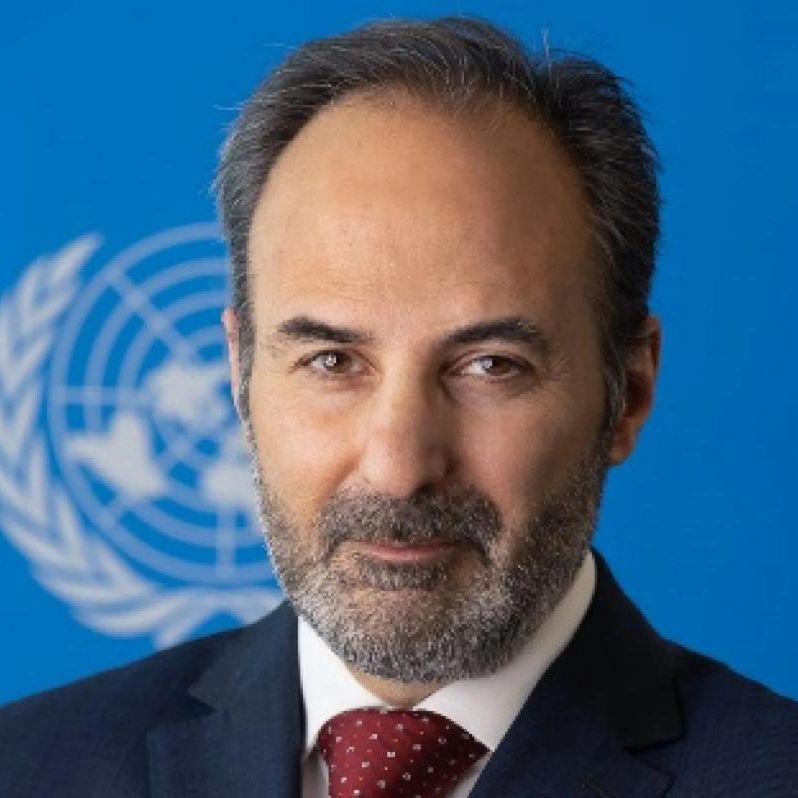
David Haeri,
Director of the Division of Policy, Evaluation and Training (DPET)
Department of Peace Operations
| |
|
News from missions
-
Following clashes in Bamande, in the eastern Democratic Republic of the Congo, two rapid reaction teams from MONUSCO’s Indonesian contingent were deployed to protect civilians, followed by the establishment of a mobile operating base.
-
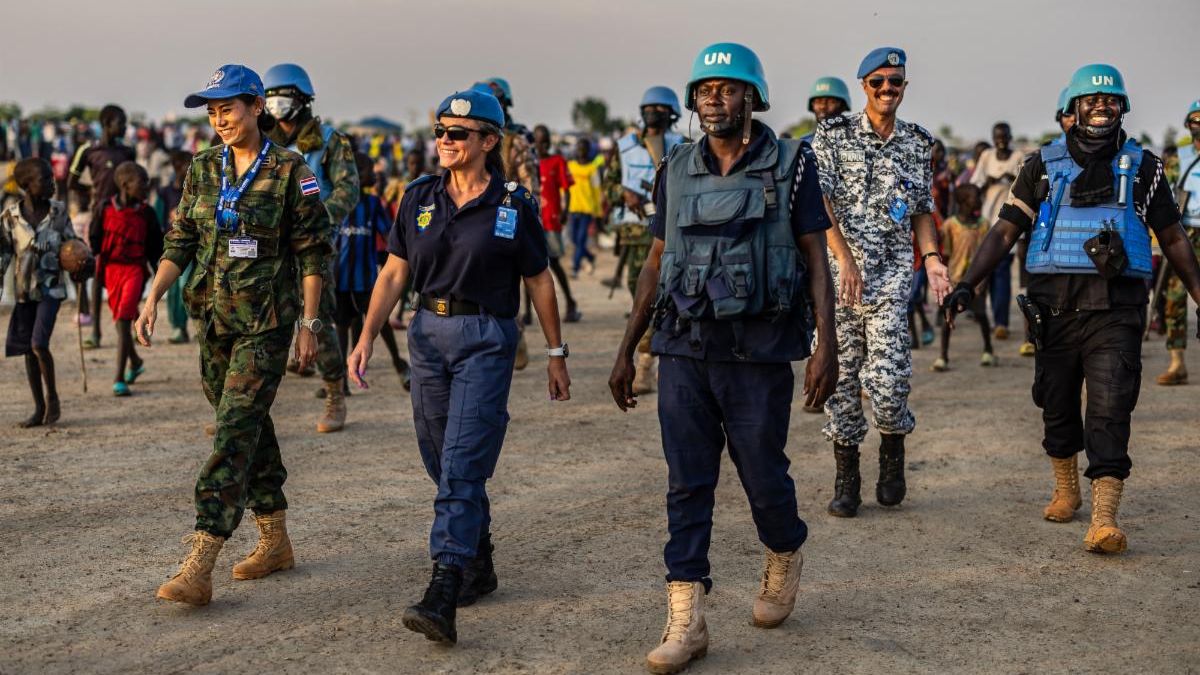
A Nepalese-led UNMISS patrol reached more than 35,000 displaced people in Liwolo, South Sudan, during the Mission’s first road deployment to the area in three years.
-
With support from MINUSCA, 69 former combatants in Maloum, Central African Republic, laid down their arms and entered the reintegration process, advancing local stability and the peace process.
-
Through its liaison and deconfliction work, UNIFIL facilitates humanitarian convoys, critical infrastructure repairs and movements of the Lebanese Armed Forces, while reducing security risks in south Lebanon. A short video shows how this work is carried out on the ground.
-
Mongolian peacekeepers and Pakistani engineers serving with UNMISS patrol and reinforce flood defences around Bentiu, South Sudan, helping protect nearly 300,000 people and keeping vital routes open for humanitarian assistance.
-
Vietnamese engineers serving with UNISFA rehabilitated a school in Abyei, improving learning conditions for up to 400 students and providing vocational training for local youth.
-
Nepalese and Bangladeshi peacekeepers serving with MONUSCO are strengthening the protection of civilians in Ituri, Democratic Republic of the Congo, through patrols, securing key roads and supporting the safe return of displaced communities.
-
UNMISS is supporting Ebola preparedness along South Sudan’s border with the Democratic Republic of the Congo by helping secure screening centres and enabling the safe movement of health teams.
-
A new report from the Department of Peace Operations examines MINUSMA and lessons from its achievements and challenges in Mali, including political engagement, civilian protection and partnerships.
| |
|
Anticipating and Managing
Information Threats
False, misleading or manipulated information have contributed to polarization and violence in peacekeeping settings and made it harder for peacekeeping missions to support the communities they serve. Funding from Canada, France, Germany, Ireland, Japan, Lithuania, Norway, Portugal, the UK and the Republic of Korea has been pivotal for the Department of Peace Operations’ efforts to strengthen and prepare missions to respond to these threats.
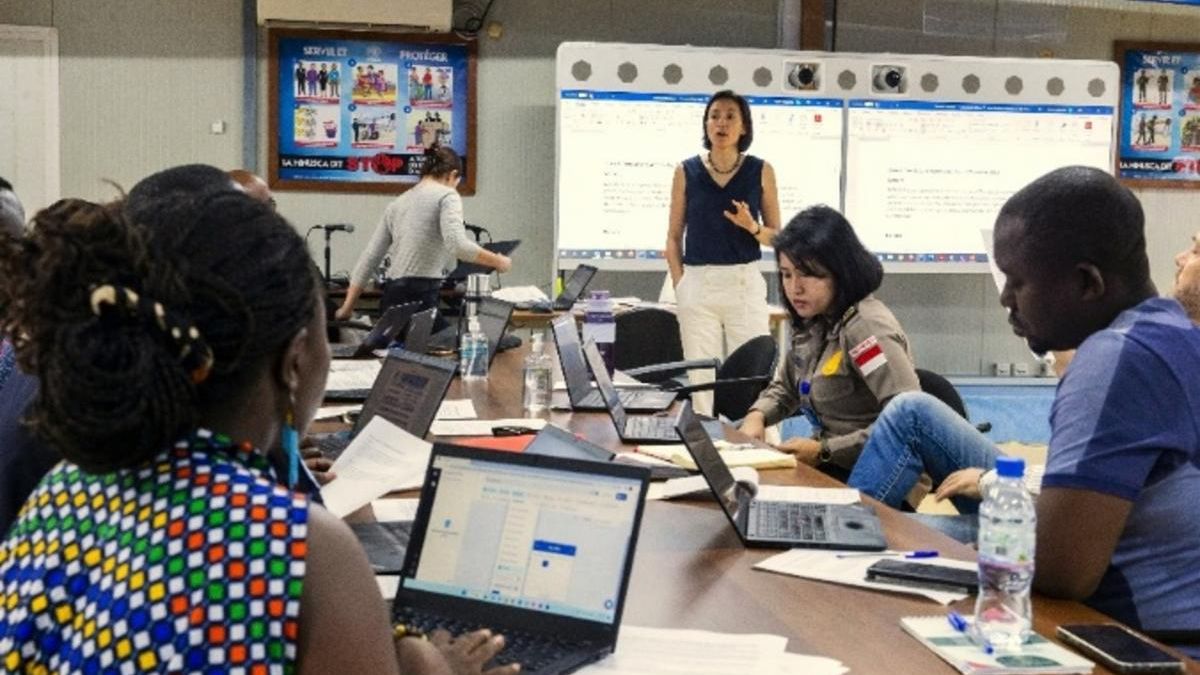
Thanks to this support, missions have gained vital new skills through training and access to digital tools to identify misinformation, disinformation and hate speech. UN Peacekeeping’s Information Integrity Unit helps peacekeepers detect deliberate information campaigns and threats and make informed decisions on how to respond – from community engagement and strategic communications to reporting to tech platforms.
A key aspect of the Department of Peace Operations’ approach is to ensure that all parts of a mission contribute to strengthening information integrity. Recognizing that information threats combine technological, political, social and communications dimensions, seven peacekeeping missions have established multidisciplinary working groups bringing together military, police and civilian personnel. These groups help identify risks and actions to mitigate them, strengthen access to reliable, accurate and timely information, build trust with communities and support the implementation of peacekeeping mandates.
| |
| |
Advancing uniformed women’s participation and leadership
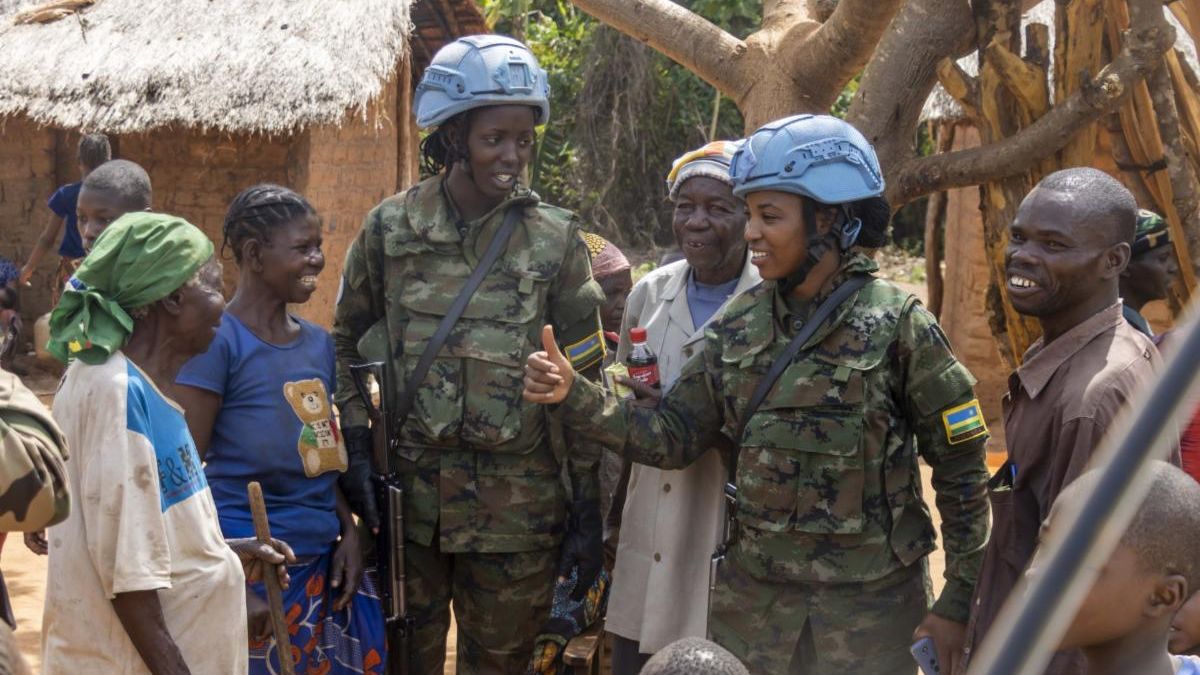
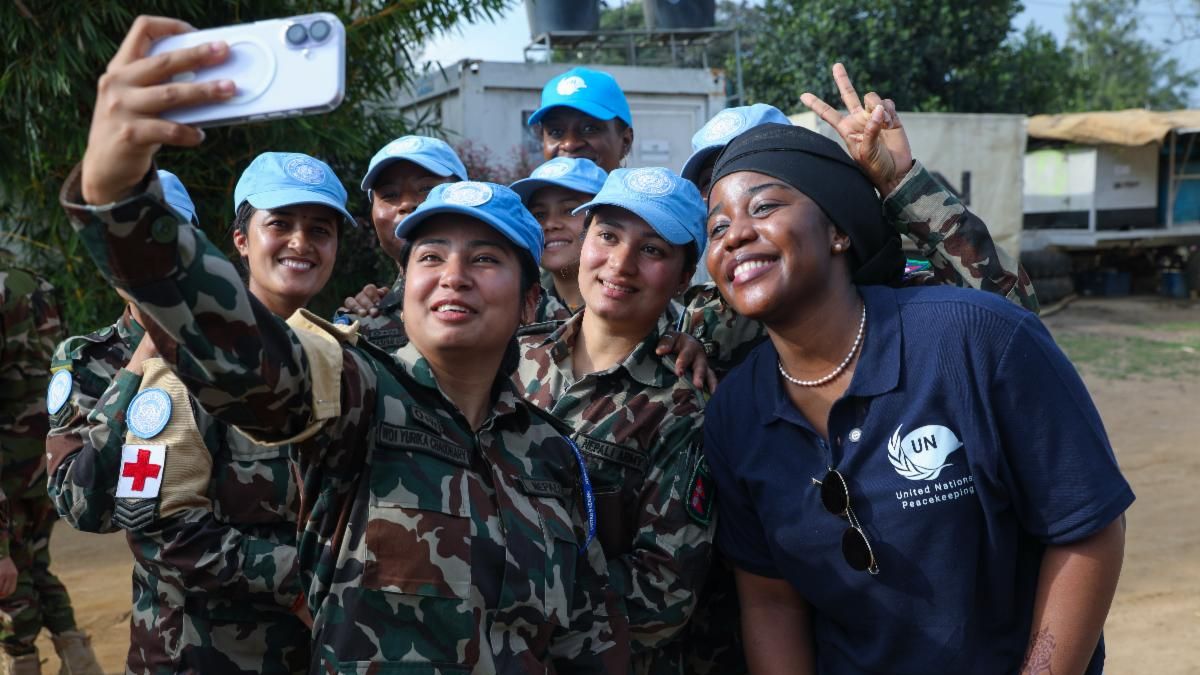
Co-hosted by Canada, Germany, Uruguay and Zambia, a high-level event convened by the Department of Peace Operations on 16 June brought together Member States and UN partners to reaffirm commitments and accelerate progress on women’s participation in UN Peacekeeping.
The event reviewed achievements under the Uniformed Gender Parity Strategy (UGPS), shared lessons learned and identified priorities for its remaining implementation period. These include expanding women’s access to all roles, strengthening gender-responsive leadership and accountability, improving enabling environments, and addressing stereotypes through strategic communications. With financial support from Germany, the Network for Uniformed Women Peacekeepers, now established across all peacekeeping missions, was highlighted as a key initiative helping implement the Strategy.
Nearly 700 participants joined the event, including representatives from 67 Member States. Discussions underscored that women’s meaningful participation strengthens UN Peacekeeping’s effectiveness and highlighted the need for continued political, financial and institutional support to build on progress through 2028 and beyond. More information is available online.
| | |
Strengthening peacekeeping performance through digital innovation
Supported by France, the Office of Military Affairs is developing a new digital system to strengthen the assessment and management of military unit performance across UN peace operations.
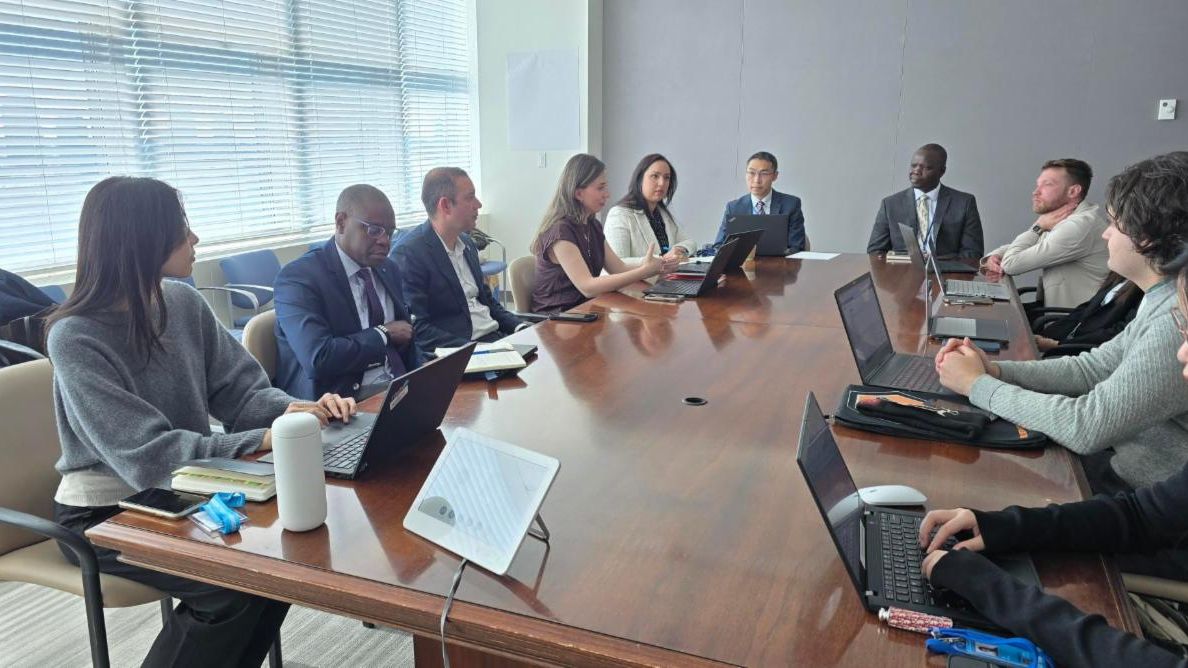
A major milestone was achieved through a Hackathon Sprint in collaboration with students from Fordham University in New York, resulting in the first functional prototype of the Military Performance and Operational Assessment System and demonstrating the feasibility of digitizing military performance evaluations.
Building on this progress, the Office of Military Affairs is working with the Office of Information and Communications Technology to further enhance the platform’s functionality, security and scalability, laying the foundation for future development and deployment across UN peace operations.
By enabling more consistent, transparent and data-driven performance assessments, the system will support informed decision-making and targeted capacity-building. It will also promote continuous improvement across peacekeeping operations, strengthening accountability and helping missions deliver their mandates more effectively and efficiently.
| | |
New Peacekeeping Data Dashboards
New interactive dashboards on troop and police contributions are now available on the UN Peacekeeping website, providing a more accessible way to explore data on uniformed personnel serving in UN peace operations.
The dashboards allow users to view and compare contributions across countries and missions and provide an overview of the personnel deployed by Member States. They complement the monthly reports and historical data already available on the page. The interactive format makes it easier to identify trends and access relevant information at a glance. Users can explore the data intuitively and access information relevant to their country or mission.
The new dashboards can also support communications by making it easier to access and showcase Member States’ contributions to UN Peacekeeping. Additional data resources include the Peacekeeping Factsheet, as well as tools on gender representation and parity targets and peacekeeping fatalities.
| | |
Communications on the International Day of Peace
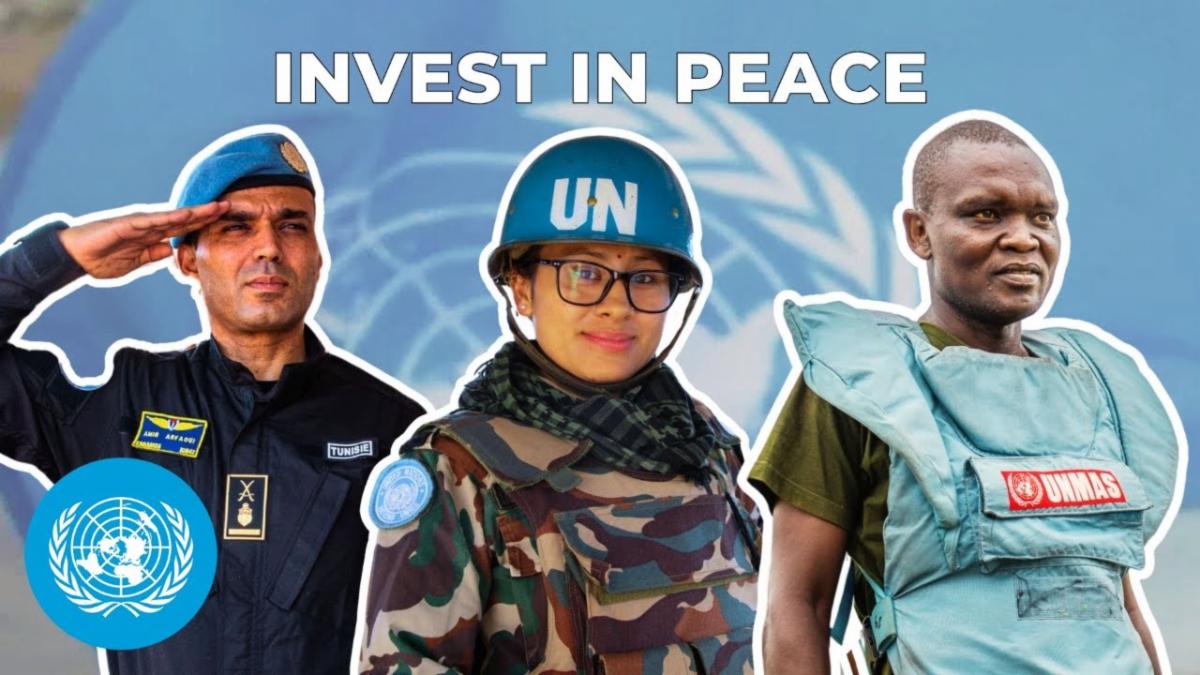
On 21 September 2026, the world marks the International Day of Peace, offering an opportunity to recognize the dedication of peacekeepers around the world. It is also a moment to highlight the contribution and impact of UN peacekeeping in advancing peace and security and to recommit to investing in peace.
Peacekeeping is a collective endeavor, made possible by the commitment of Member States and the women and men they deploy among thousands of civilian personal. We encourage Member States to mark the occasion through their national communications channels by showcasing their peacekeepers and personnel and sharing stories that reflect their service, dedication and contribution to peacekeeping.
Communications resources, including templates and photos featuring Member State contributions, are available to support your outreach across social media, websites and other channels through the #InvestInPeace initiative.
| | |
UN Global Advocate for Peace
The UN Peace and Security Pillar’s first-ever Global Advocate for Peace, Maryam Bukar Hassan uses storytelling, poetry and advocacy to bring the work of UN peace operations closer to the people they serve and amplify the voices of communities, women and young people working for peace. The Global Advocate for Peace’s engagement with UN Peacekeeping is supported through funding from Denmark.
For the International Day of Peace on 21 September 2026, Maryam will share her powerful messaging through virtual interventions at UN Headquarters events in New York and at UNFICYP’s Peace Day programme in Cyprus, including for a new cohort of Youth Champions for Environment and Peace.
Earlier this year, Maryam travelled to the Democratic Republic of the Congo, where she joined the UN Peacekeeping mission there, MONUSCO, and engaged with peacekeepers, local communities and UN partners. Through these exchanges, she explored the human stories behind peacekeeping, and the role individuals and communities play in building peace. A documentary capturing her journey and the voices she encountered is now available on YouTube.
| | |
Thank you for reading and for your continued support.
Questions or feedback? Contact us at dpo-scs@un.org.
| | | UN Department of Peace Operations | 405 East 42nd Street | New York, NY 10017 US | | | | | |