|
Welcome to this special edition of the Partnership for Market Implementation (PMI) newsletter, highlighting a landmark week for carbon pricing and carbon markets in Singapore.
From PMI's annual Global Knowledge Forum on Carbon Pricing and Markets (GKF) to the 10th anniversary edition of Innovate4Climate (I4C), the week brought together policymakers, private sector leaders, investors, and development partners from across the world for a dynamic program of high-level dialogues, technical workshops, peer learning, and launches of major publications.
Together, the events reflected an increasing focus on the practical implementation of carbon pricing and carbon market instruments, including market infrastructure, Article 6 operationalization, private sector mobilization, and access to climate finance. Read on for highlights from the week's key events, discussions, and flagship report launches.
| | Photo credit: World Bank Group | | Innovate4Climate (I4C) Marks 10-Year Anniversary | | |
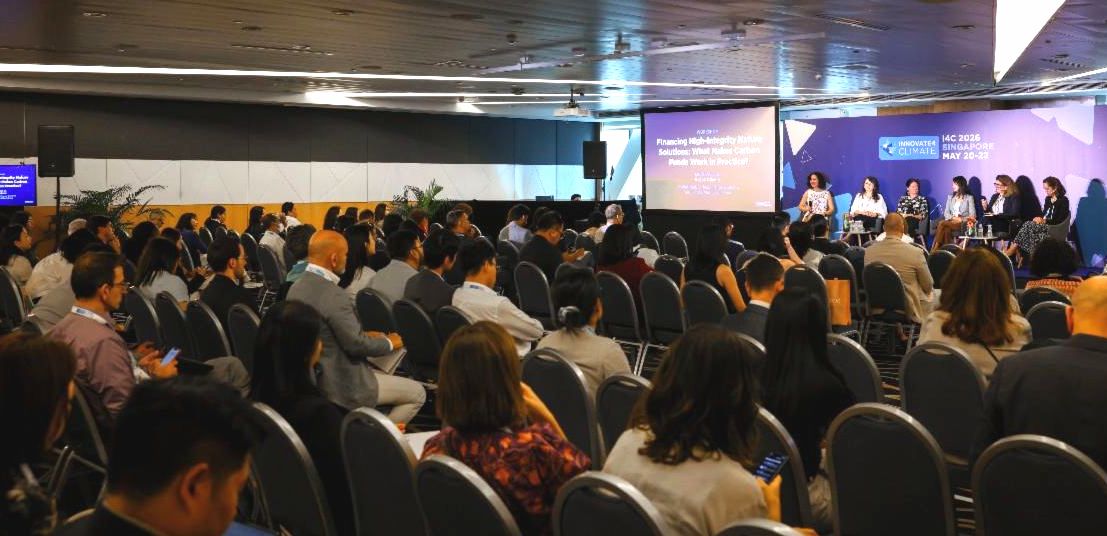
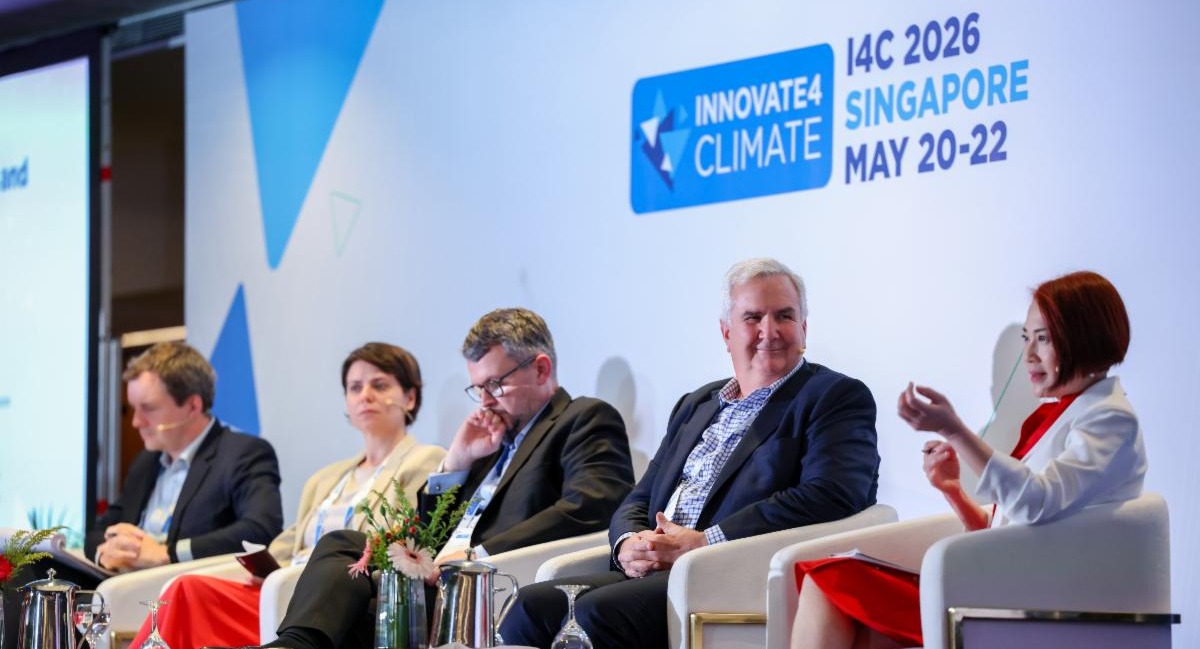
At the World Bank Group (WBG), we are celebrating the 10th anniversary of Innovate4Climate (I4C) - our flagship global event on carbon pricing and carbon finance - which took place on May 20-22, 2026.
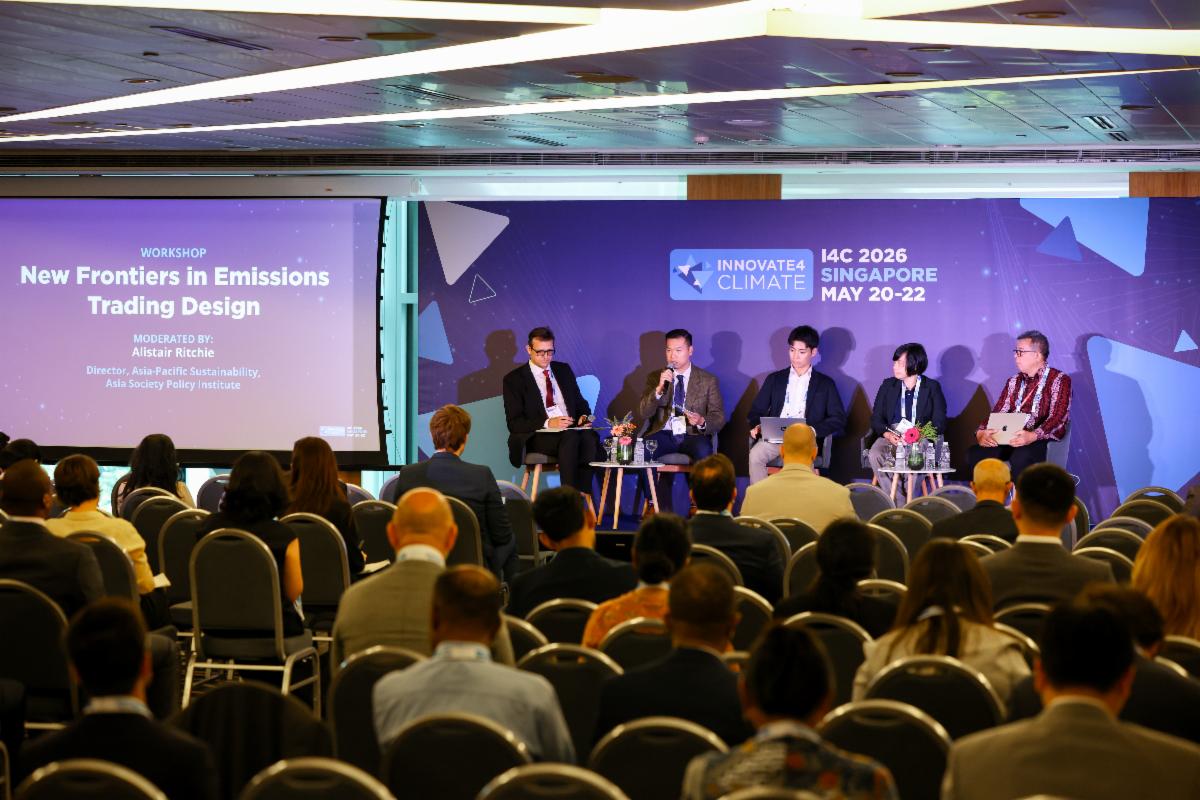
Hosted by the Government of Singapore and supported by Germany and Spain, I4C 2026 greeted a record 1000-plus participants from more than 90 countries, including policymakers, investors, private sector leaders, and development partners. This milestone edition reaffirmed I4C’s role as a leading global platform for advancing dialogue and solutions at the intersection of carbon pricing and carbon markets.
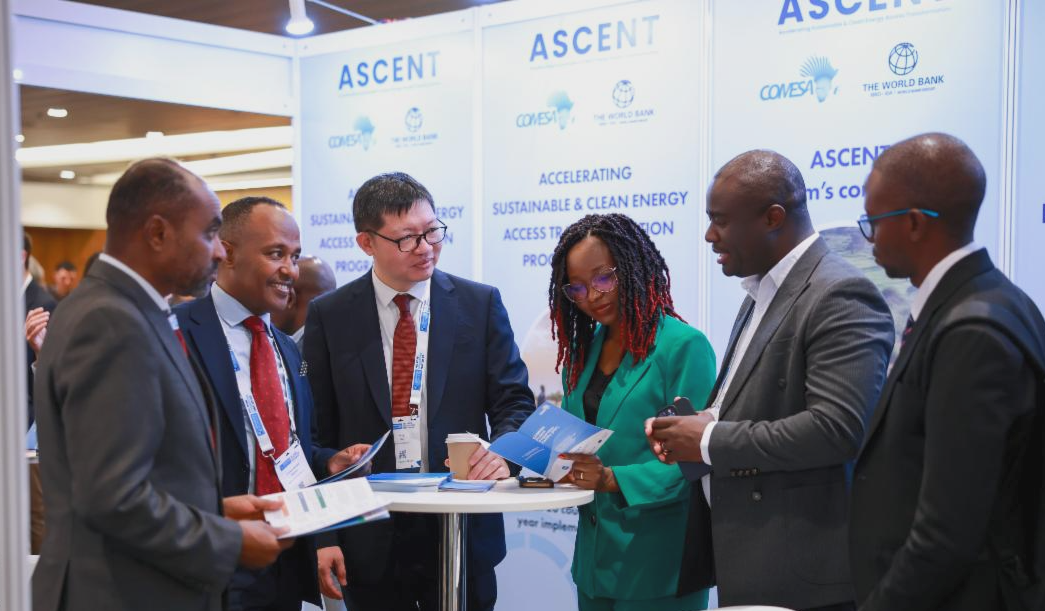
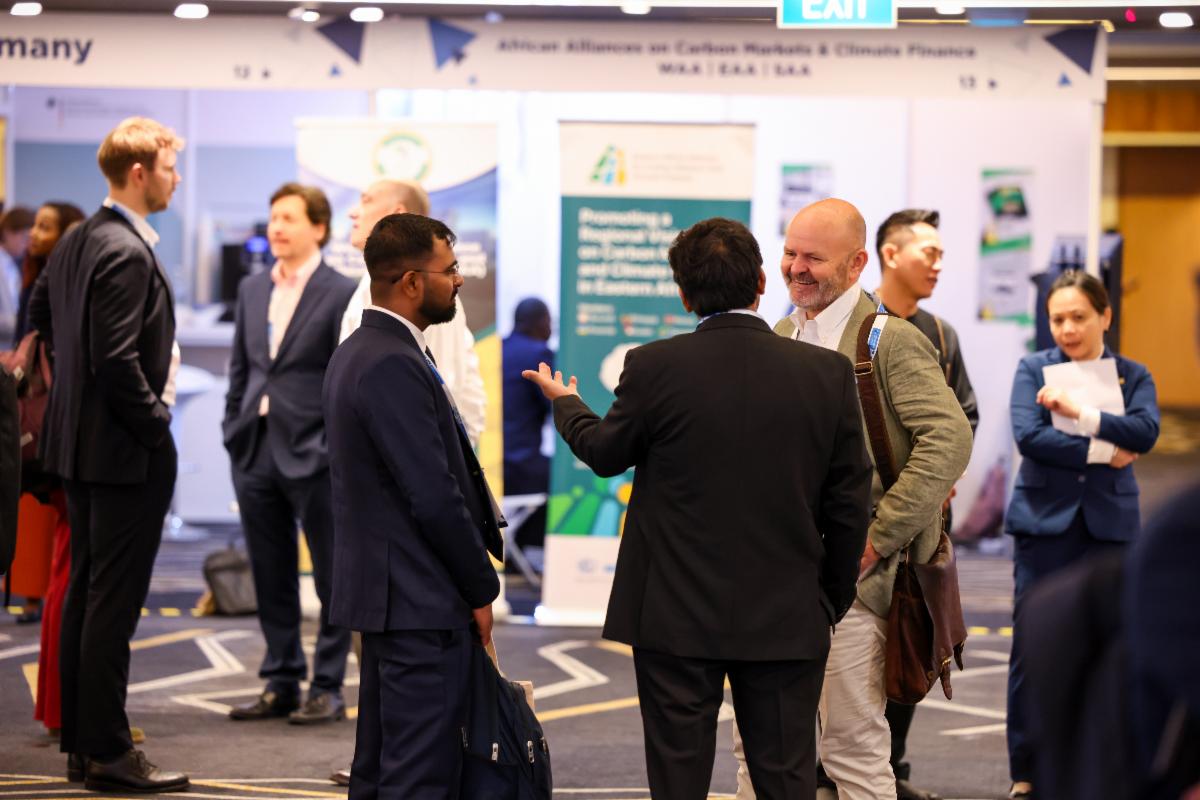
Increasing event participation was matched by the I4C conference’s vast array of programs. Dozens of technical workshops, side events, and roundtable discussions complemented the high-level plenary events, alongside an expanded I4C marketplace that provided a dynamic platform for knowledge exchange and stakeholder engagement. Together, these offerings reflected strong demand to delve deeper into practical implementation and market opportunities as carbon pricing and carbon markets move from design to delivery.
A highlight of I4C 2026 was the launch of several key knowledge products, expanding the WBG's repository of actionable guidance for policymakers and market participants. From State and Trends of Carbon Pricing 2026 to the Legal and Regulatory Reforms Toolkit for High-Integrity Carbon Markets and Guidance for Policymakers on the Role of Domestic Carbon Pricing and International Carbon Credit Markets in Achieving LTSs and NDCS, the reports respond to questions often posed by policymakers and market actors. Read on to learn more about each report.
| | Photo credit: World Bank Group | | |
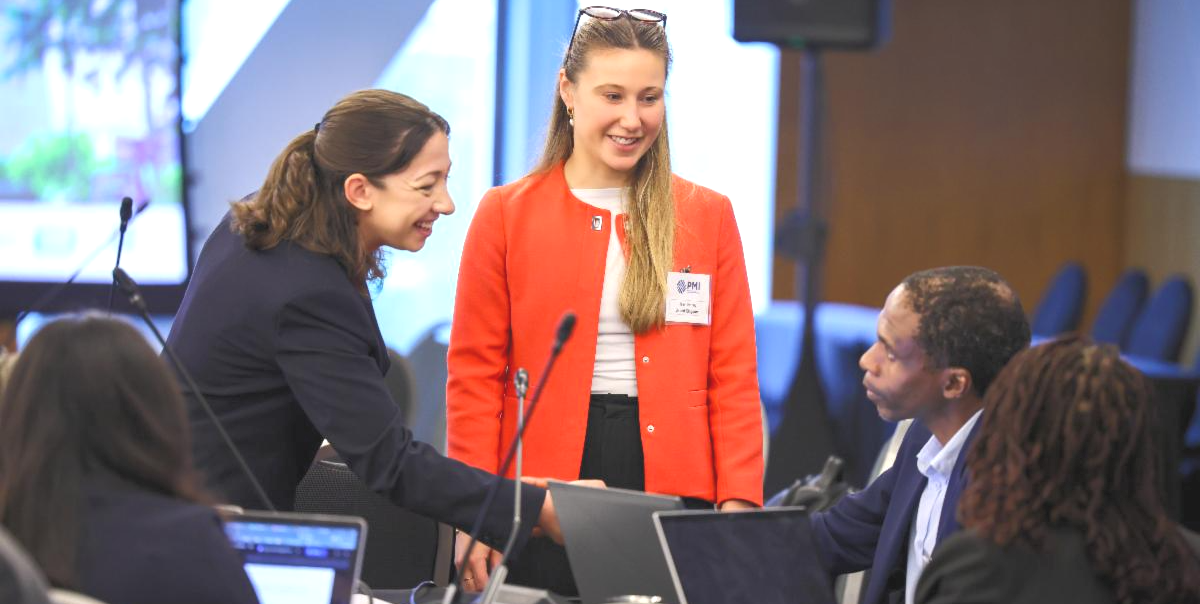
The Singapore-World Bank carbon markets capacity program was launched. The program targets three priority areas to effectively address structural barriers to market development: strengthening market infrastructure, matching demand and supply at scale, and building country capacity for informed decision-making.
The WBG thanks all partners – the International Emissions Trading Association (IETA), the International Carbon Action Partnership (ICAP), and the Singapore Business Federation (SBF) - for their support in delivering a successful I4C 2026. Read our story about I4C 2026 to learn more – and watch the video highlights!
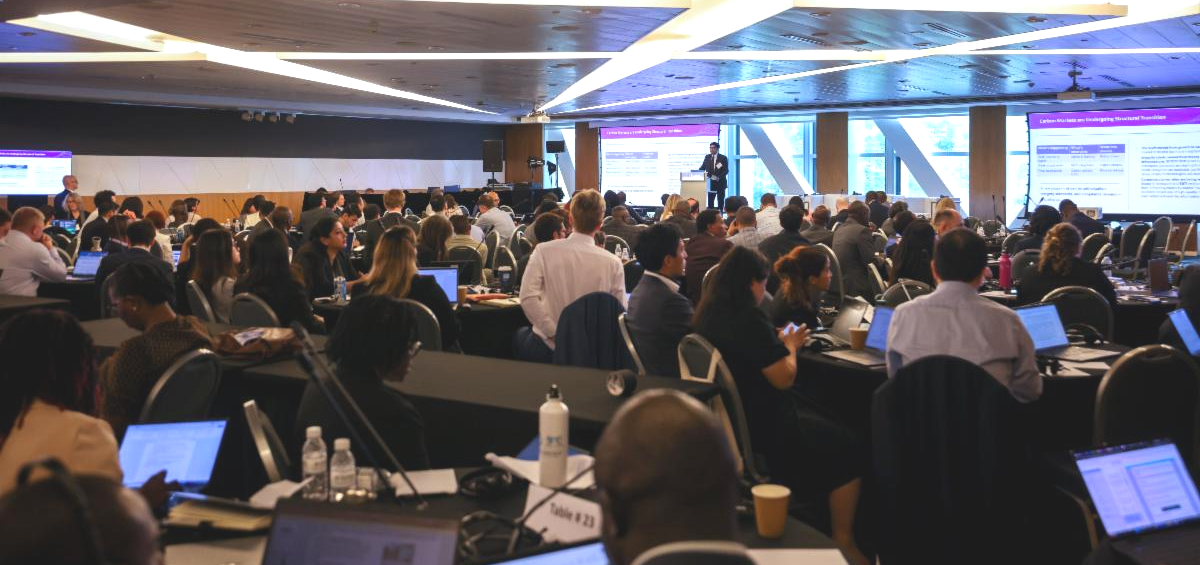
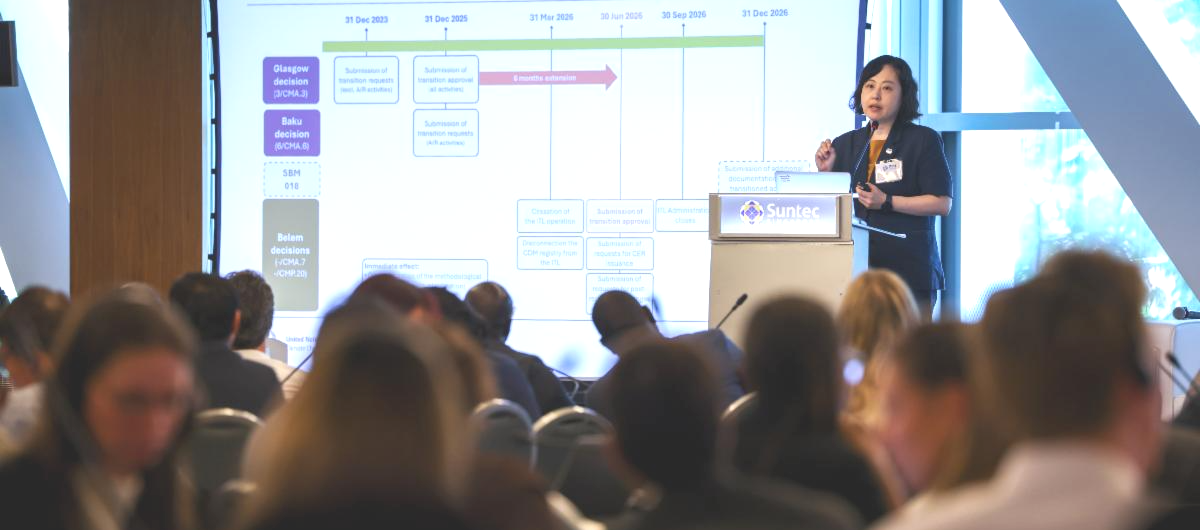
| | Advancing Implementation through Technical Exchange at the Global Knowledge Forum | | Ahead of I4C on May 18-19, nearly 250 participants from more than 50 countries, including donor representatives and international knowledge partners, gathered at PMI’s annual Global Knowledge Forum on Carbon Pricing and Markets (GKF), taking place in Singapore. A space for participants to learn from technical experts as well as one another, the GKF also brings in partner WBG carbon funds – the Carbon Initiative for Development (Ci-Dev), the Transformative Carbon Asset Facility (TCAF), the Forest Carbon Partnership Facility (FCPF), and the BioCarbon Fund Initiative for Sustainable Forest Landscapes (ISFL) – to deepen and broaden practitioner learning. | | Photo credit: World Bank Group | | At the Forum, discussions underscored a clear shift from carbon pricing and market readiness toward practical implementation, with strong country interest in carbon pricing design, Carbon Border Adjustment Mechanism (CBAM) implications, market infrastructure, Article 6 processes, and legal aspects of carbon credits, registries, and private sector mobilization. Participants highlighted the value of more implementation-focused peer learning and technical exchange, while also signaling growing demand for integrated approaches that link domestic carbon pricing systems, carbon market readiness, and access to carbon finance. The event reflected increasing efforts to connect discussions and knowledge exchange across the full carbon value chain. Learn more in our article and visit the event page to download the presentations. | | Photo credit: World Bank Group | | Direct Carbon Pricing Covers Nearly 1/3 of Global Emissions: State & Trends 2026 Report | | |
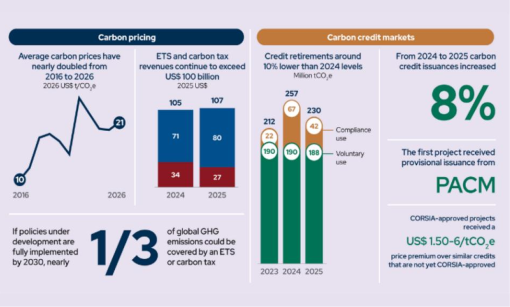
The WBG's annual State and Trends of Carbon Pricing report provides an overview of existing and emerging carbon pricing instruments around the world. The 2026 edition, launched at I4C, found widening global interest and progress in both carbon pricing and carbon credit markets. Carbon pricing revenues have tripled over the past decade, mobilizing more than US$107 billion for public budgets in 2025, and carbon pricing is being adopted more broadly, reaching 87 pricing policies globally.
As a result, 29% of global greenhouse gas (GHG) emissions are now covered by direct carbon pricing, and all large middle-income economies are implementing or plan to implement direct carbon pricing instruments. If these instruments are implemented by 2030, global GHG emissions coverage would approach one-third. See the infographic below for details about the trends and download the report to view the complete analysis.
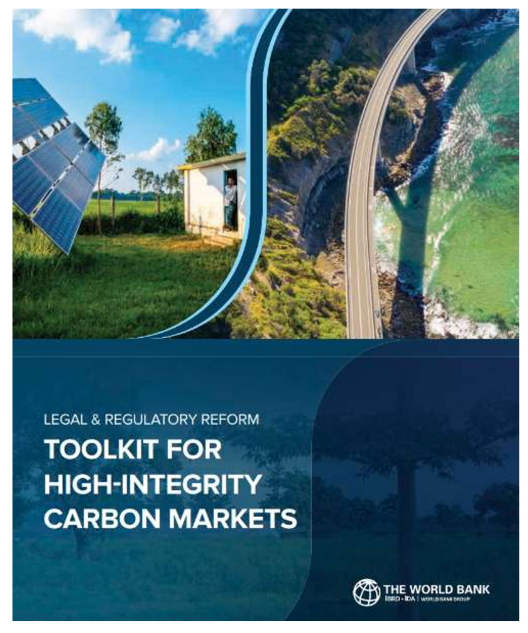
| | Building Legal and Regulatory Frameworks for Carbon Markets | | | | As more countries turn to carbon markets as a revenue source, demand grows for guidance on market operationalization. The Legal and Regulatory Reforms Toolkit for High-Integrity Carbon Markets, launched at I4C 2026, responds to this demand. | |
Designed with a modular approach to support developing countries in establishing robust institutional, legal, and regulatory frameworks for carbon markets - including guidance on authorization processes, registries, and Article 6 alignment - the toolkit includes sample legal provisions that can be adapted to national contexts.
Accompanying the report is an AI-powered chatbot designed to help policymakers, technical experts, and practitioners navigate complex legal and institutional questions related to carbon markets, drawing directly from the publication’s guidance. Read more about the launch, download the report, and check out the Carbon Markets Legal Chatbot.
| | A Practical Framework to Integrate Carbon Pricing and Markets into Long-Term Planning | | |
As countries face growing pressure to move from climate ambition to implementation, carbon pricing instruments and international carbon markets are increasingly central to how Nationally Determined Contributions (NDCs) and long-term strategies (LTSs) are designed and delivered. Yet in most countries, decisions on these instruments are typically made in isolation from the national climate planning processes in which they should be anchored.
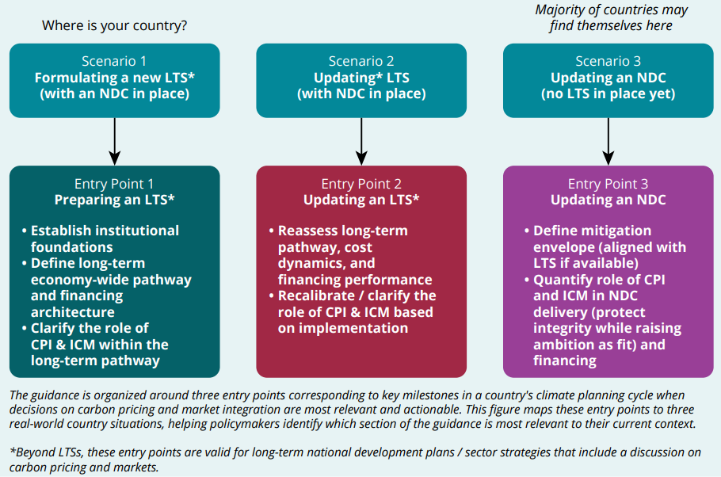
Launched at I4C 2026, Guidance for Policymakers on the Role of Domestic Carbon Pricing and International Carbon Credit Markets in Achieving LTSs and NDCs addresses this gap directly. The report provides a practical, step-by-step framework to help government agencies formulating or updating LTSs and NDCs integrate carbon pricing and market decisions into national climate and development planning - avoiding structural lock-in, protecting NDC integrity, and strengthening the investment signals that markets need.
The guidance is organized around three entry points reflecting a country's placing in its planning cycle: preparing a new LTS, updating an existing LTS, or updating an NDC. It is a companion to From Paper to Practice: a Practical Guide to Formulating and Institutionalizing Long-Term Climate Strategies, together forming a comprehensive resource for countries navigating the full arc of long-term climate planning. Read our new blog about the report.
| | |
You can read more testimonies at our LinkedIn page and visit I4C Flickr to view more photos of I4C 2026.
We look forward to sharing more progress in carbon pricing and carbon markets next year - see you at I4C's 2027 edition in Germany!
| | The Partnership for Market Implementation (PMI) is program managed by the World Bank that supports over 38 countries in designing and putting in place the policies needed to introduce carbon pricing and participate in carbon markets — helping raise revenue, attract private investment, and drive economic development. Established in 2021, the program is supported by 12 development partners: Australia, Canada, the European Commission, Finland, Germany, Italy, Japan, Norway, Spain, Sweden, Switzerland, and the United Kingdom. | | | | |