Potential Tariff Housing Fallout in Ohio
The new-home market has expressed concerns over how tariff policies could impact the new-home sector. Builders, for example, estimate that the average new home could increase $9,200 in cost due to recent tariff actions.. Builders say tariffs on lumber, steel, aluminum, copper, home appliances, gypsum (used to make drywall) and more could put upward price pressure on their costs, which could ultimately be passed down to home buyers. About 7% of all goods used in new residential construction are imported from a foreign nation.
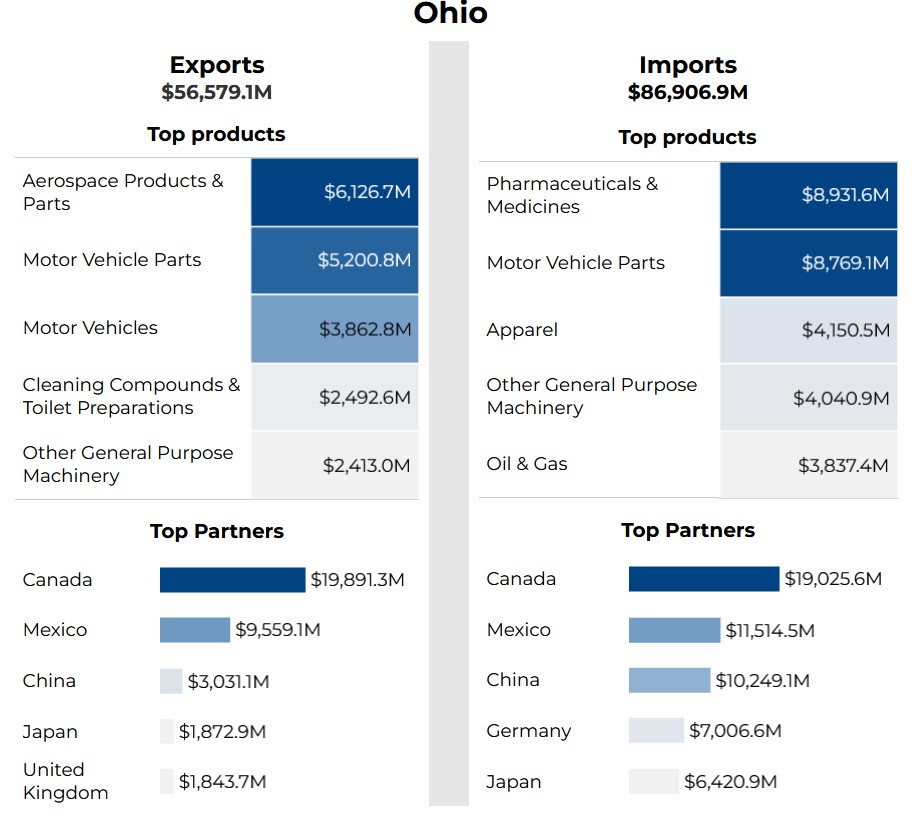
Trade policy could also impact the labor market, with more trade-dependent states like Ohio possibly seeing greater fluctuations in their job markets,. Trade policies’ trickle-down effect on labor could impact the housing market.
States with a smaller level of exports (in the Midwest), appear to be less vulnerable to global supply chain disruptions and often attract knowledge economy jobs or retirees, boosting housing demand in urban and suburban areas. The bottom line is the housing market thrives where people want to live and work—not merely where goods are produced or shipped.
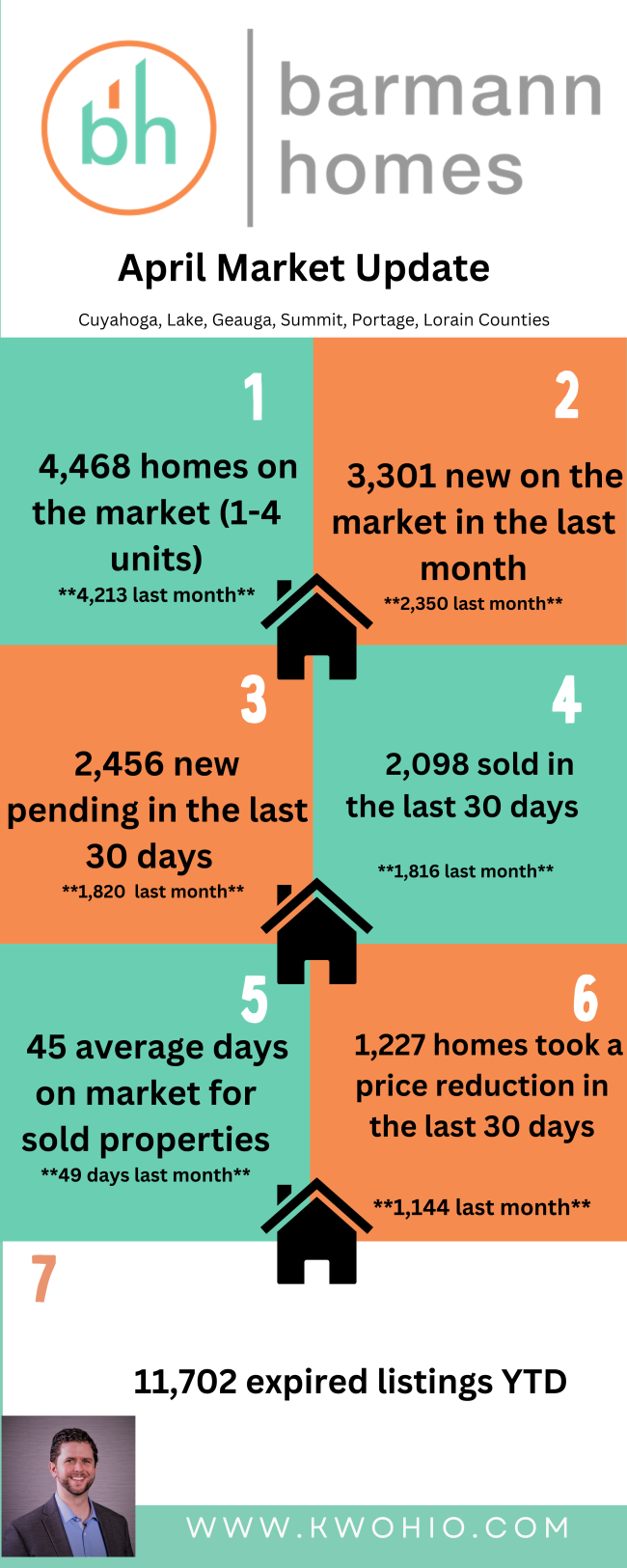
Personally, I have seen the market continue to heat up in the last several weeks. Most well priced and move in ready homes are still selling in less than a week and are often dealing with multiple competing offers. The lack of the supply of homes is the ultimate deciding factor in this market, and no government tariffs have changed anything on my end (yet, at least).
|