|
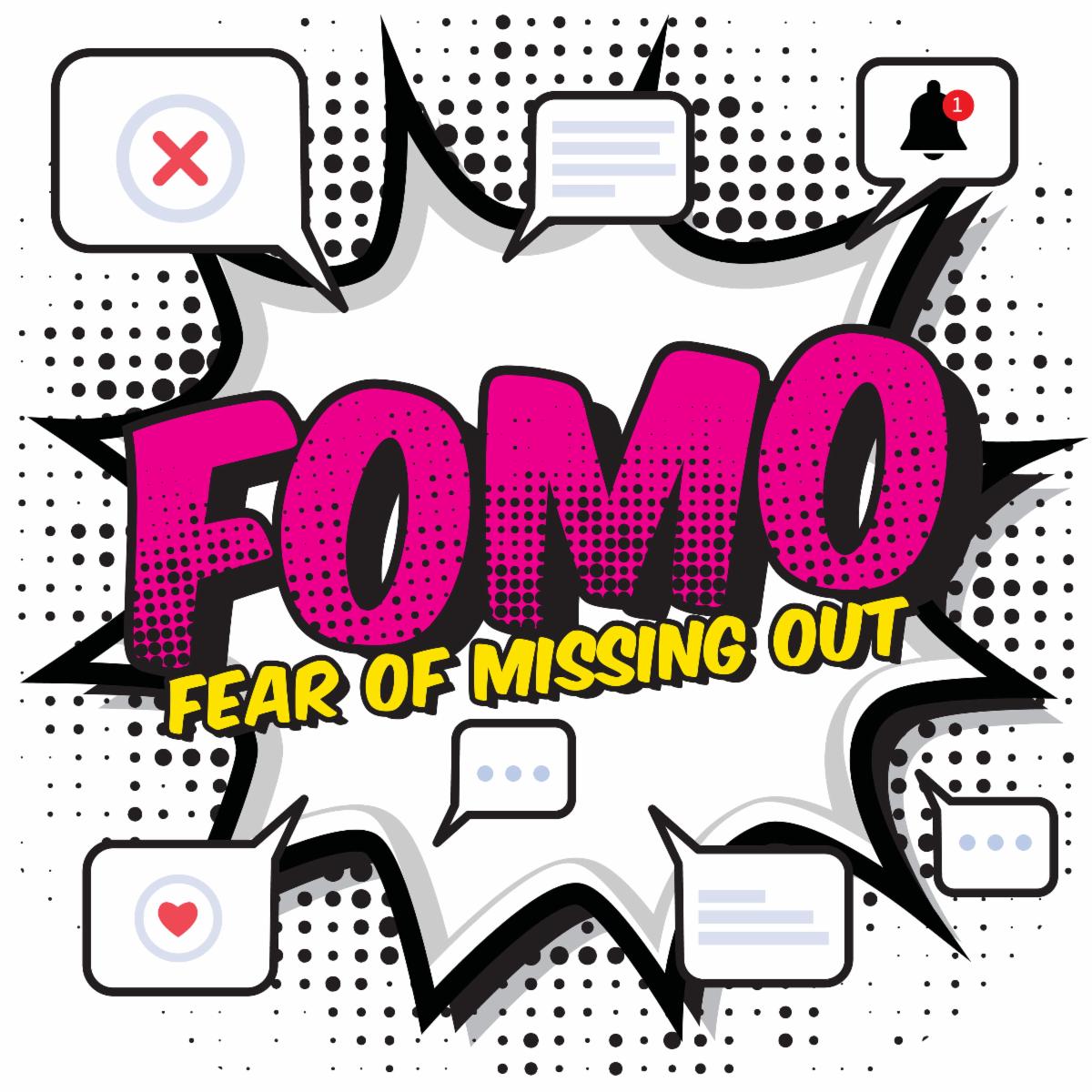
The phrase FOMO, the fear of missing out, has become a staple of our vocabulary, both at work and in life. Fun fact: it was coined by a Harvard Business School student named Patrick McGinnis in 2004 as he tried to convey the sense of overwhelm he was feeling at the time. And it went viral from there…or so the lore goes.
For years (even before we had a catchphrase for it), FOMO has shaped how we work, and it has arguably become more pronounced in the "always accessible" world that mobile devices have brought. The result? We say yes to meetings we don’t need to attend, join projects we don’t have time for, stay glued to our phones, and remain plugged in long after we should log off. FOMO is like a constant, low-grade anxiety: What if I miss something important? What if this is my BIG chance?
But there’s a more sustainable alternative: JOMO—the joy of missing out. In a professional context, JOMO isn’t about disengaging and letting apathy take over, but rather about being intentional about how you use your time. It's about recognizing that saying no to the wrong or low-value things is what makes space for the right or high-value ones.
Think about your typical week. How many meetings you attended could have been covered in an email or left to a colleague? How many chat groups did you participate in that had no bearing on your priorities? How often did you context-switch or multi-task? And did you end your days with a nagging sense that you’d been busy but not necessarily productive?
JOMO is about flipping the FOMO script. Instead of asking, What might I miss? you ask, What do I gain by opting out? Often, the answer is focus, and that can translate into results.
Think about the highest performing people you know. They’re not the ones who are trying to be everywhere or do everything. They’re the ones who are selective and strategic about where they engage. They protect their time and attention because they understand those are their most valuable resources.
Missing a meeting might mean gain you an hour of focused work. Opting out of a nonessential project could position you to deliver better results on a critical one.
Practicing JOMO starts with a few simple shifts:
- Audit your commitments and activities. If they don’t clearly tie to your priorities or goals, reduce or eliminate them.
- Normalize the “no.” A polite decline is a sign of clarity, not a lack of commitment.
- Create focus blocks. Treat uninterrupted time as non-negotiable, and create the right environment for it, without interruptions from others or yourself (put the phone away!)
- Let go of feeling like you have to know it all. You don’t need to be looped into everything to be effective. Trust your colleagues to do their part, and stay focused on your own.
There’s also a mindset shift involved. FOMO assumes that opportunity is scarce and fleeting. JOMO sees opportunity is abundant, but only if you have the capacity to act on it. Ironically, when you stop trying to do everything, you become better at the things that matter most. You show up more prepared, more thoughtful, and more impactful.
So, the next time you feel that pull to say yes “just in case,” stop and consider what you’ll be trading away, because in today’s always-on work culture, the real competitive advantage might be choosing less, not doing more.
Just one word of caution. Don’t take JOMO too far. You don’t want to be seen as selfish. Don't let it stop you from being a good teammate, supporting your co-workers, and staying focused on how you can support your organization.
JR and the PathWise team
|