|
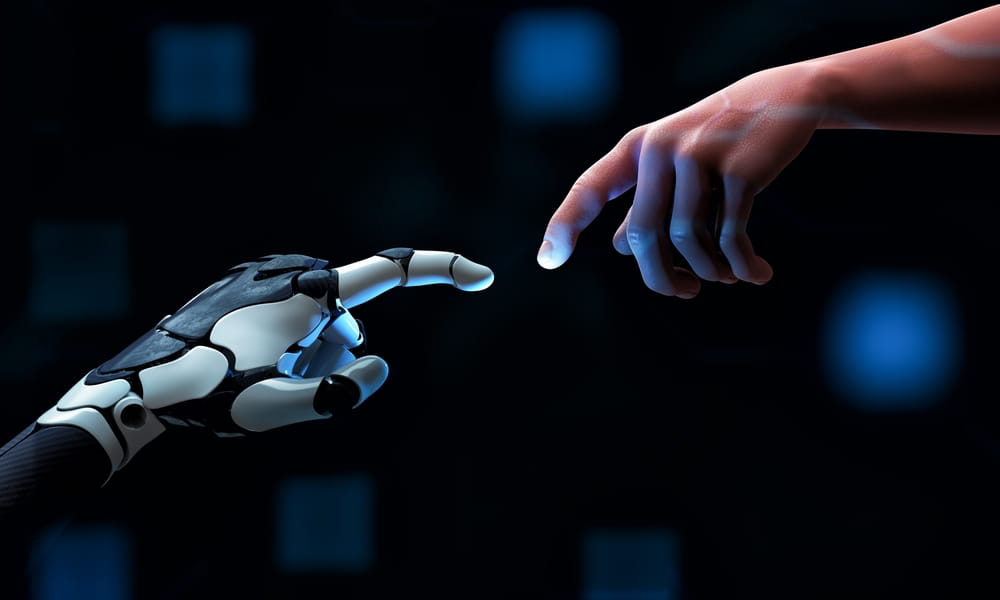
Every now and then, we pause to ponder our humanity. Sometimes it’s when we experience a significant life event. Other times, it’s when we’re staring into the nighttime sky and contemplating the unimaginable size of the cosmos. And right now, it’s probably because we’re seeing AI enmeshed in almost every aspect of our lives these days and wondering what it means for us.
Given the sheer ubiquity of AI and all the prognostications that it’s coming for our jobs, more and more of us are contemplating, “What makes us human?” and more importantly, “What’s going to remain uniquely human in the future?” The answer to those questions – especially the second – will shape careers in the years ahead.
I recently put these questions to Johan Roos, a co-founder of the LEGO Serious Play movement and former dean of several business schools (so he brings significant “street cred” to this topic.) In his new book, Human Magic: Leading with Wisdom in the Age of Algorithms, he argues that successful professionals will increasingly differentiate themselves through five distinctly human capabilities:
1. Curiosity – Asking better questions and pushing to explore, wonder, and challenge assumptions. Roos argues that AI is excellent at answering questions, but humans create value by asking the right questions. Our curiosity also helps us identify opportunities, recognize signals, continue learning, and expand our frontiers.
2. Creativity – Generating novel possibilities, finding ways to combine ideas in unexpected ways, and imagining new futures. Rather than competing with AI's ability to generate content, Roos encourages using AI as a creative partner while we, the humans, provide originality, taste, and purpose. In essence, as AI makes routine production easier, creativity becomes even more valuable.
3. Critical Thinking – Exercising judgment, evaluating evidence, questioning outputs, recognizing bias, and making sound decisions. Roos warns that excessive reliance on AI can erode our own reasoning through "cognitive offloading." He contends we must remain accountable for judgment rather than simply accepting algorithmic recommendations.
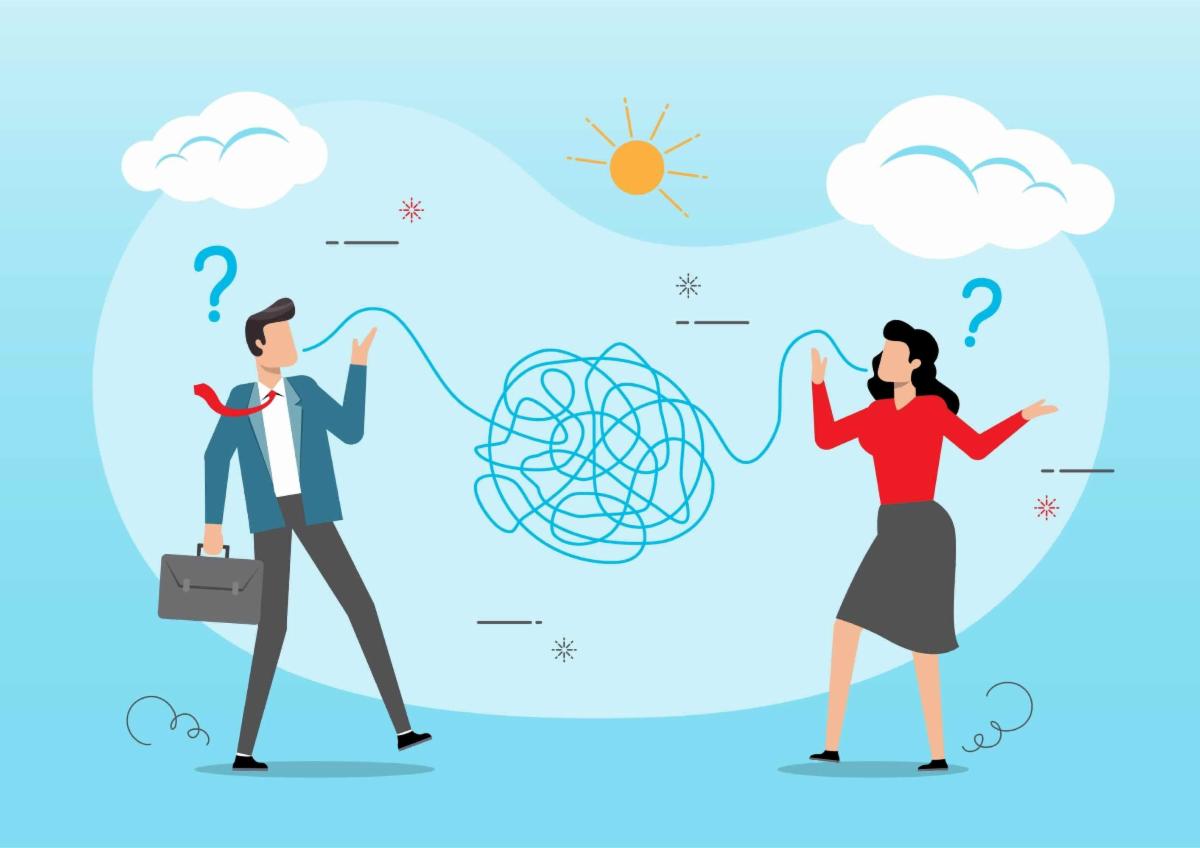
4. Communication – Creating shared understanding, and going beyond transmitting information to building meaning, trust, and influence. While AI can draft messages, human communication depends on empathy, nuance, timing, and context. Successful professionals use communication to inspire action and strengthen relationships.
5. Collaboration – Working effectively with others, building relationships, integrating diverse perspectives, and solving problems collectively. Roos emphasizes that innovation comes from teams, not solo efforts. AI may assist those groups, but it can’t replace the trust and social intelligence required for effective collective work.
Although the book is framed around these five Cs, Roos observes that they’re held together by a higher-order capability, practical wisdom, which he differentiates from mere intelligence. Practical wisdom is the meta-capability that determines when, how, and why to apply the
other five capabilities. It integrates judgment, ethics, experience, and purpose. In Roos' view, this is what ultimately distinguishes humans from AI systems. AI can generate options, but practical wisdom helps us choose the right course of action.
I know that many of you are worried about the impact AI will have on your careers. If that’s on your mind, you need to be thinking about how you can deepen your “uniquely human” skills. Then focus on using AI to make you better (not just faster), add your judgment and experience on top of it, and make this visible in your work (or in job interviews). You won’t succeed by ignoring AI or by giving into it. Instead, focus on what makes you human and make AI work for you rather than letting it happen to you.
JR and the PathWise team
|