Michigan's only newsletter dedicated to helping Justice-Involved Individuals! Brought to you by ... | | |
The 4th annual Reentry United conference is fast approaching, and we’re excited to welcome attendees for another impactful event! Registration opened June 24, and with only 300 spots available, we encourage you to register early. This is a conference you won’t want to miss.
This year’s theme is "Preparing for Reentry," with four dynamic breakout sessions focused on equipping justice-impacted individuals for success before their release. These powerful sessions are led by experts, advocates, justice-impacted individuals and agency partners dedicated to supporting successful transitions from incarceration back to the community.
Our keynote speaker, Adam Clausen, brings an extraordinary story of transformation and resilience — from a 213-year sentence to freedom and advocacy — offering insight and inspiration you won't want to miss.
Join us for a day of learning, connection and action. Click the registration link below to reserve your spot. Space is limited, so don’t delay!
| | Circles of Support and Accountability (CoSA) | | |
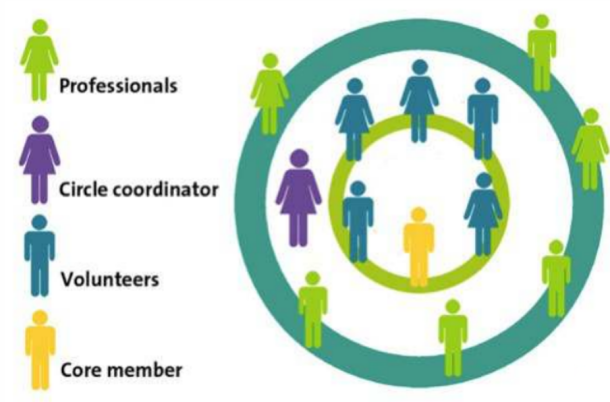
A Proven Model for Safer Communities & Restorative Reintegration
CoSA is a powerful, community-based model that supports individuals returning to society after a criminal sexual conduct conviction. While most individuals in this group have low rates of reoffending, CoSA focuses on those considered high-risk, offering a proven approach that significantly reduces recidivism.
CoSA demonstrates that community connection is key to successful reentry and long-term public safety. Through compassionate accountability, CoSA is helping to build safer, more inclusive communities across Michigan.
|
| Michigan's Recidivism Rate Reaches Historic Low | | |
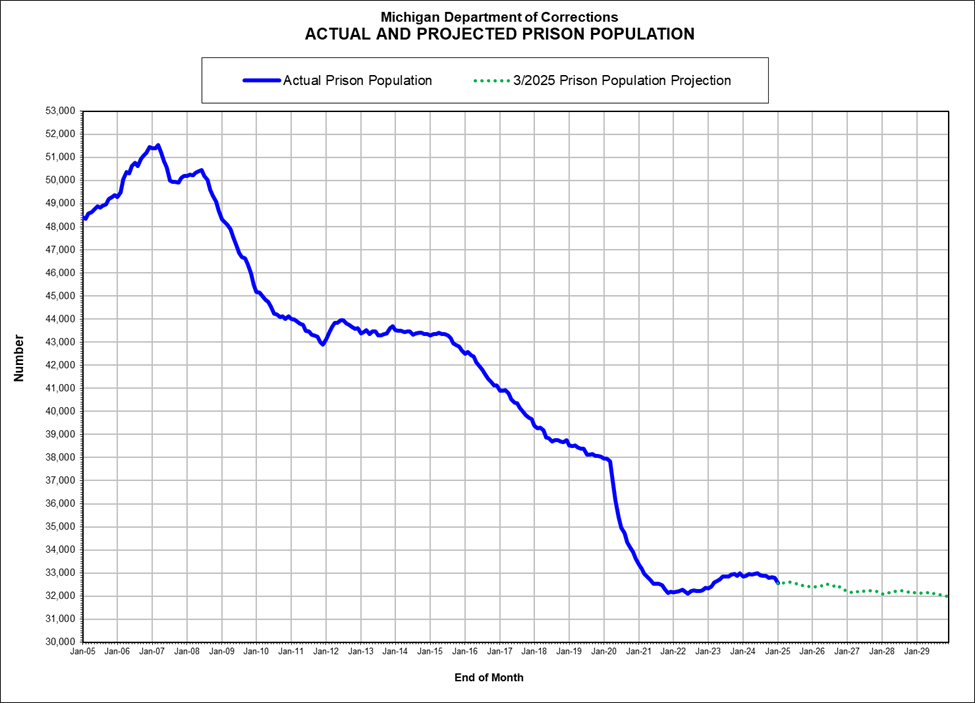
Michigan’s prison population has fallen to its lowest level in more than three decades.
Source: Michigan Department of Corrections
| | |
Michigan’s recidivism rate has dropped to 21.0 percent, the lowest in state history. This milestone reflects the success of ongoing efforts to support individuals after incarceration and reduces the likelihood of reoffending. With fewer people returning to prison, the state continues to move toward a more effective, rehabilitation-focused justice system.
Organizations across the state are making a profound impact on reducing recidivism through a range of supportive programs. These initiatives include employment retention, housing assistance, health and behavioral health, and mentoring services, transportation, clothing and help obtaining identification — all critical resources for those reentering society after incarceration.
The Michigan Department of Corrections (MDOC) recently reported the state’s prison population dropped to 32,778 individuals by the end of 2024 — its lowest level in more than three decades. This marks a significant decline from the 2007 peak of 51,554 incarcerated individuals.
Why It Matters
Fewer people returning to prison translates into cost savings for the state, allowing for increased investment in rehabilitation, education and community programming. This redirection of resources helps further reduce recidivism, creating a positive feedback loop.
Understanding Recidivism
Recidivism is defined as the tendency of a convicted individual to reoffend after serving their sentence. Several key factors contribute to whether someone is likely to return to prison:
-
Lack of Support: Employment, housing and access to basic needs are essential to successful reentry.
-
Mental Health Challenges: Many individuals struggle with untreated mental health issues that can hinder reintegration.
-
Criminal History: Those with more extensive prior records face higher risks of recidivism.
-
Length of Incarceration: Some research suggests longer prison terms can reduce recidivism for certain individuals, although this varies.
A Path Forward
Thanks to organizations across the state and continued investments in reentry programming, Michigan is setting a national example in criminal-justice reform. As support networks expand and barriers are reduced, more individuals are given a real chance to succeed after release — benefiting not just those individuals, but entire communities. For more information about OS Reentry Services, click here.
| | |
The Road to 150
Truck Driver Enrollment Milestone Within Reach in 2025
| | |
From Prison Walls to Open Roads: Jason's Journey to Redemption
Jason Patterson’s life had long been defined by walls — both literal and metaphorical. Born into a neighborhood where opportunity was scarce and drugs were common, his early life was marked by poor choices that ultimately led to spending 16 years in prison.
While behind bars, Jason quickly realized the outside world was moving forward without him. He could have succumbed to the hopelessness many of his fellow inmates felt, but deep down he knew he had one last chance. He wasn’t ready to let the mistakes of his youth dictate his entire future. During his incarceration, he earned his high school diploma and, in the process, discovered discipline, resilience and the power of perseverance.
| | |
When Jason was finally released, he faced a world that felt completely foreign — the streets, the people, even the technology. He had little money, no job experience and the heavy weight of a criminal record. But he had something more powerful: a hunger to rebuild his life.
Determined not to repeat his past, Jason sought a career that could give him stability, direction and a renewed sense of purpose — not just for himself, but also for his daughter. He had always admired truck drivers — men and women who spent their days on the open road, free from confinement. The idea of driving cross-country felt like the polar opposite of prison walls. So, Jason made the decision to pursue his commercial driver’s license (CDL).
With the help of Melissa Clark from OS Reentry Services and Don Palmer from Michigan Works! West Central, Jason found support when he needed it most. They helped secure a place to stay while he was enrolled at FCG Truck Driving Training in Byron Center.
“Without Michigan Works! West Central and Melissa, it never would have happened for me,” Jason said. “I didn’t have the money or a place to stay. They helped so much.”
After months of hard work and preparation, Jason passed his CDL exam. The moment he held that license in his hand, it wasn’t just a piece of plastic — it was proof. Proof that he could change. That he could build something better. That he was no longer defined by his past.
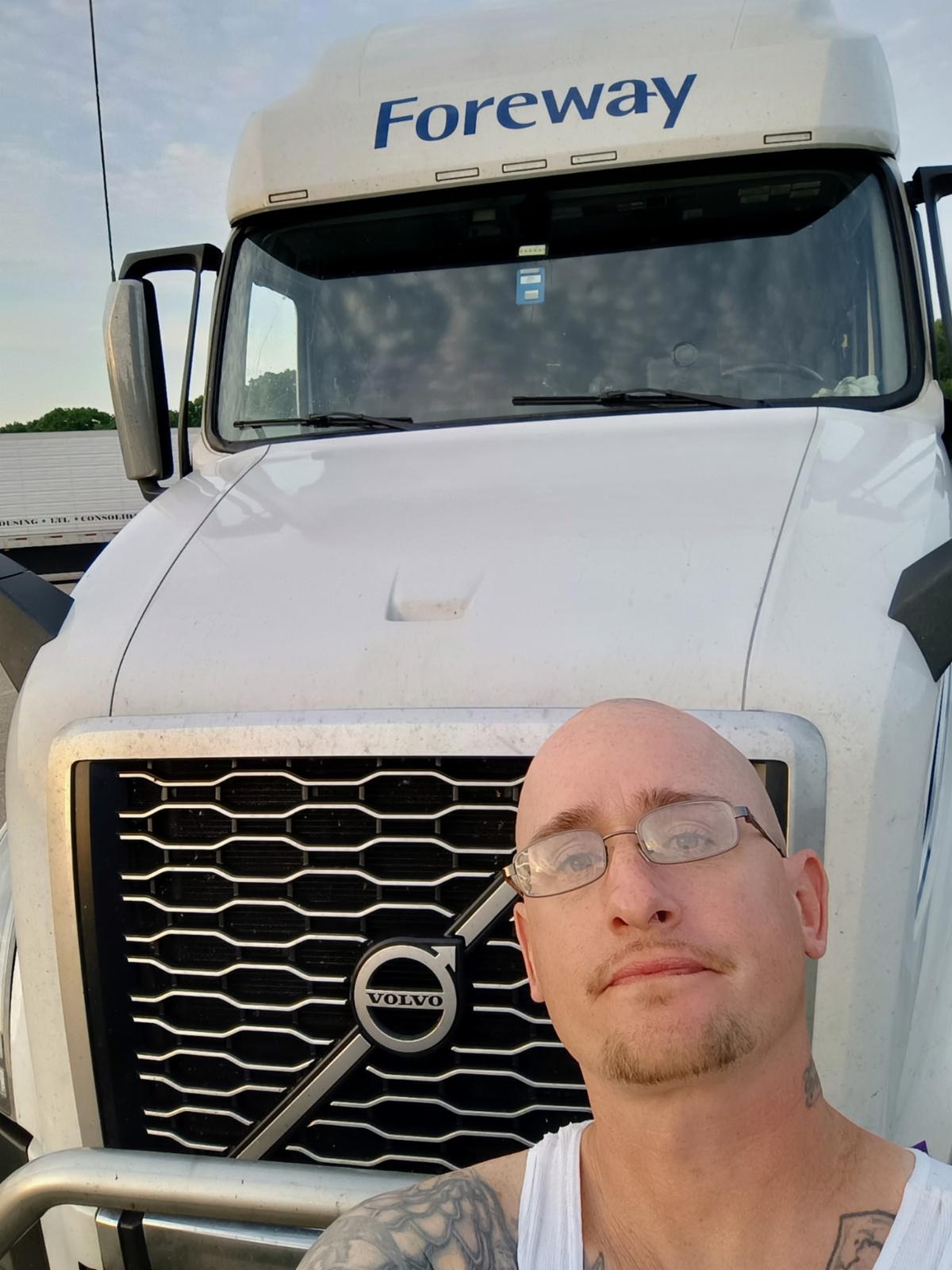
Jason now works for Foreway Transportation in Coopersville. His story is not just one of personal redemption, it’s a beacon of hope for others. It shows no matter how much time has been lost or how many mistakes have been made, there’s always a path forward.
Jason will be presenting at the upcoming 4th annual Reentry United conference on Aug. 15. He will join the Empowering Employer – Returning Citizen Partnership for Workforce Success panel, alongside Kevin Welch and Toni Davis from Michigan Works! West Central, and Melissa Clark from Region 4 OS Reentry Services. Don’t miss this opportunity to hear directly from someone who turned their life around — and is helping inspire others to do the same. Get your tickets by clicking here.
| | |
A Second Chance Through Training & Opportunity
Eric Williams, a parolee who successfully completed his truck driver training in April 2025, is a powerful example of how the right support can break down barriers.
“This helped me overcome the stigma of a felony,” Eric said. “I gained training that will allow me to earn an income and become financially stable. Many employers won’t hire people with records, and if they do, the pay is often low. This program gave me hope for a brighter future.”
When asked what he would tell others considering the program, Eric’s advice is simple and heartfelt:
“Do it. Do it now. Don’t hold off. There are more benefits and happiness waiting for you than you realize. This program lifts a weight off your shoulders. It’s truly life-changing.”
| | |
Participant Success Spotlights:
FCG Truck Driver Training May Graduates
| | |
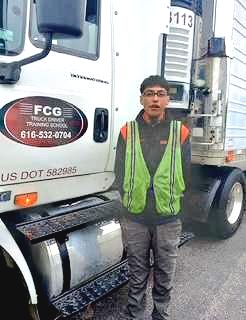
Fernando Hernandez
Status: Probationer
Completion Date: May 14, 2025
Fernando successfully completed his training while on probation, taking a major step toward rebuilding his future. His commitment to growth and stability is a testament to the power of second chances and supportive programming.
For more information about OS Reentry Services, click here.
| |  | |
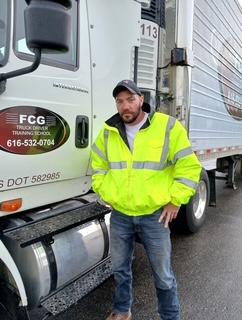
Jeremy Dysard
Status: Parolee
Completion Date: May 6, 2025
Current Employer: Dan’s Excavating
Jeremy turned his second chance into a new beginning. After completing truck driver training, he secured employment with Dan’s Excavating in Grant. His success highlights the impact of meaningful career opportunities for returning citizens.
| | | |
We are incredibly grateful to Oakdale Park Christian Reformed Church for generously funding a recent bowling event for some of our OS Reentry Services participants. Peer Navigator, William Kitchen, and Resource Navigator, Austin Fry, also attended to ensure everyone had a fun, supportive space for connection and community building.
These kinds of gatherings are more than just recreational — they’re opportunities for our participants to engage, relax and continue building healthy relationships as they navigate reentry.
| | | | |