Patriarchy, Relegion, and the Myth of “Real Sex”
As a sex and relationship therapist, when I ask if my clients are having sex, a typical response will be something like: “No, not yet. I am waiting until I am serious with someone, and until then, I am only doing oral and mutual masturbation. My reply, “That is sex!” This usually gets a response of, “Well, I meant f*cking,” which they equate to sex. Nothing else. I have to remind my clients that fellatio and cunnilingus is called “oral sex” for a reason. That is still sex.
If you ask most people what is meant by “sex,” they are going to say, “Well, that means penetration. That’s normal sex.” I hear this a lot from the gay community: “You’re not really having sex unless you’re a ‘top’ or a ‘bottom.’” Gay men have accepted this as the gold standard of sexuality. It’s one of the reasons I felt the need back in 2013 to coin the term “Sides” and for gay men who aren’t into penetration, but who still enjoy a rich sexual life without it.
However, this doesn’t only pertain to the gay community. People of all sexual orientations come into my office saying the same thing. There are many, many groups and individuals for whom penetration is either undesirable or impossible.
| | |
On YouTube: My Husband Has Asperger’s… And It Saved Our Marriage
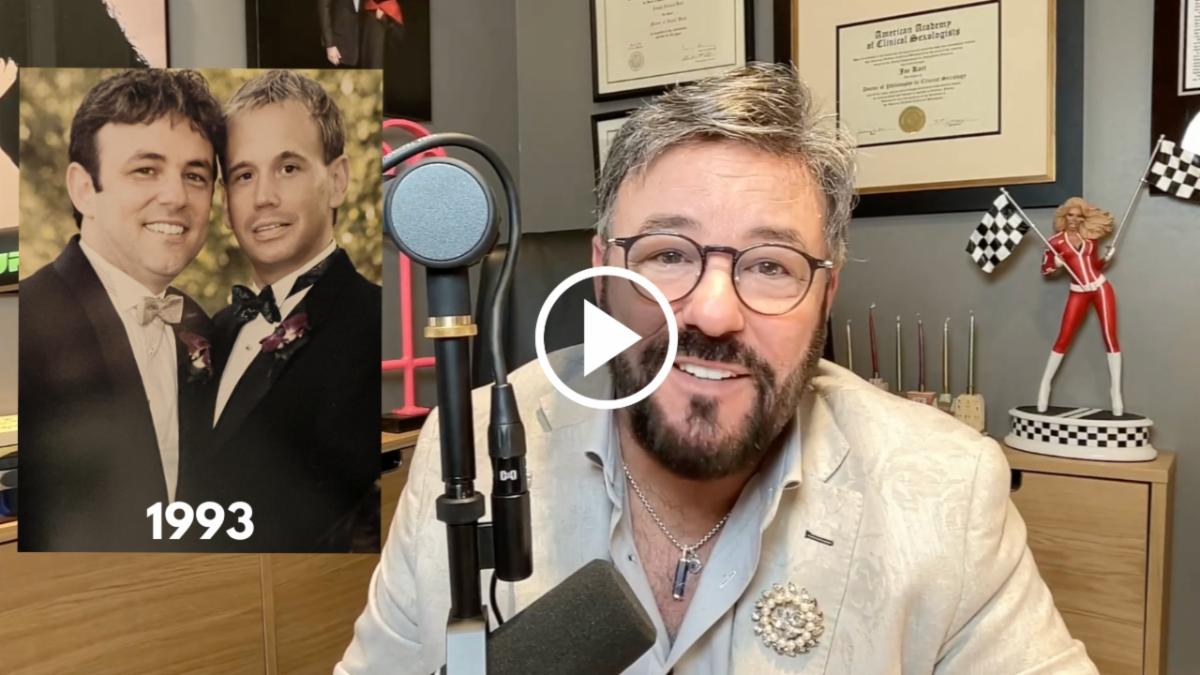
In this video, I share both my professional perspective and my personal experience being in a long-term relationship with a partner who has Asperger’s. After 33 years of marriage, I came to understand that many of the challenges we faced were not intentional, but rooted in differences in how we each experience and navigate the world.
I talk about some of the most common struggles I see in neurodiverse relationships, including communication, teamwork, romance, and intimacy. I also address common misconceptions, such as confusing autism with narcissism, and explain how people on the spectrum often feel deeply but may express empathy in ways that are not always obvious.
What I’ve learned, both personally and in my clinical work, is that acceptance can change everything. When you begin to understand your partner’s limitations while also recognizing their strengths, it can shift the entire dynamic of the relationship. I hope this video offers insight, clarity, and a new way of approaching these challenges.
| |
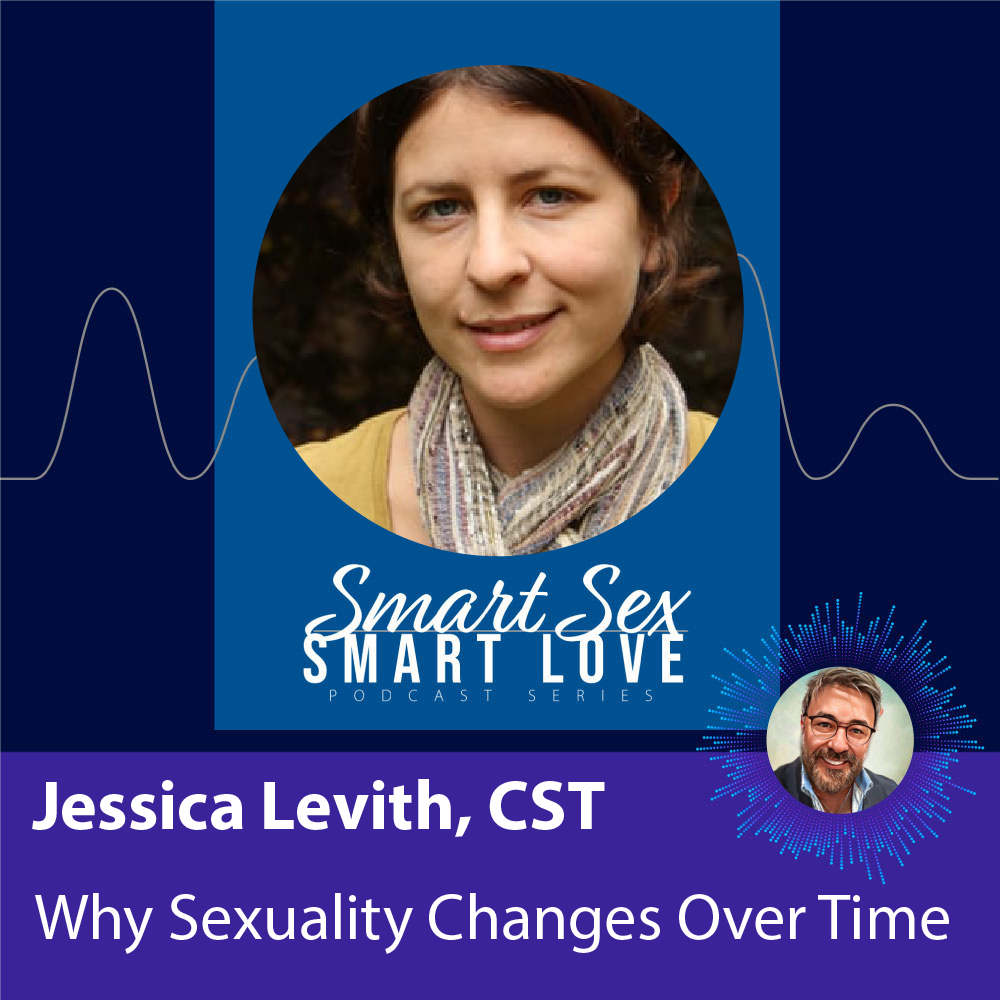
Why Sexuality Changes Over Time
with Jessica Levith
Latest Smart Sex, Smart Love podcast
Jessica Levith is a licensed Marriage and Family Therapist and certified sex therapist whose work focuses on how life experiences shape sexuality. Trained in attachment focused EMDR and Acceptance and Commitment Therapy, she helps clients understand their sexual identities through the lens of personal history, culture, relationships, and emotional development.
In this conversation, Jessica and Dr. Joe Kort explore the idea of sexual contextualism, a framework that looks at sexuality as something shaped by our life experiences rather than something fixed or easily categorized. Jessica introduces the concept of sexual emergence, the moment when someone realizes a new aspect of their sexuality, whether that involves attraction, desire, identity, or erotic interests that were previously unrecognized.
They also discuss how Acceptance and Commitment Therapy can help people relate differently to their sexual thoughts, feelings, and conflicts, especially when desires change or partners discover unexpected aspects of each other’s sexuality. Together they talk about evolving attractions, kink, identity shifts, and why understanding context can help people feel less shame and more curiosity about their sexual development.
Listen to this Smart Sex, Smart Love episode as Dr. Joe Kort talks with Jessica Levith about sexual identity expansion, erotic evolution, and why discovering new parts of your sexuality can be a normal part of being human.
| | |
Follow me on Instagram!
Here are a few recent Instagram reels:
Parent Sues Grosse Pointe Schools after LGBTQ+ Flag Dispute Leads to Ban
The lawsuit over a pride flag in a Michigan middle school reflects a misunderstanding of what the flag represents. It is not about influencing children, but about visibility and helping students feel seen, included, and that they belong.
Many clients feel hurt or replaced when their partner looks at images or content online, especially when those people look very different from them. But attraction to others does not mean you are being replaced. If your partner is still choosing you and showing up in the relationship, that matters far more than what they view privately.
Not everyone who comes to therapy has trauma, abuse, or dysfunction in their past. Sometimes, the issue is that you were never taught how to handle conflict, difficult people, or real-world challenges. Therapy then becomes the place where you learn those skills in adulthood that you didn’t need to develop growing up.
| | |
Featured in Men’s Health: Insights on Relationships, Identity, and Sexual
I’m excited to share that I was recently featured in a Men’s Health article that takes a deeper look at my work in the areas of relationships, sexual health, and identity. The piece highlights some of the key approaches I use in both my clinical practice and public education efforts, particularly when it comes to helping individuals and couples better understand themselves and their connections with others.
The article explores important themes such as navigating intimacy, addressing shame, and fostering open, honest communication around sexuality and relationships. It also touches on the importance of creating a nonjudgmental space where people can explore their identities and experiences without fear. These conversations are essential, not only for personal growth but also for building healthier, more fulfilling relationships.
Being featured in Men’s Health helps bring greater visibility to topics that are often misunderstood or avoided, especially among men who may not always have spaces to openly explore these issues. My hope is that this article encourages more dialogue, curiosity, and acceptance, while also providing useful insights for those looking to better understand themselves and their relationships. I invite you to read the full piece and join the conversation.
| | |
We're Hiring Therapists!
The Center for Relationship Health is looking for licensed therapists, (LMSW, LLMSW, LPC, LLPC, LP, LLP, TLLP, LMFT) to join our growing team in Royal Oak. We offer billing, credentialing, paneling, marketing, a family-style community of therapists who refer back and forth to each other, and a beautiful office atmosphere in a convenient location for those who prefer an office setting. Therapists also are welcome to work remotely with clients. There is plenty of flexibility.
Regular supervision also is available if needed.
To find out more about opportunities with the center, send your resume to drjoekort@crsh.com or call 248.399.7447.
| | | | |