NASA Newsletter

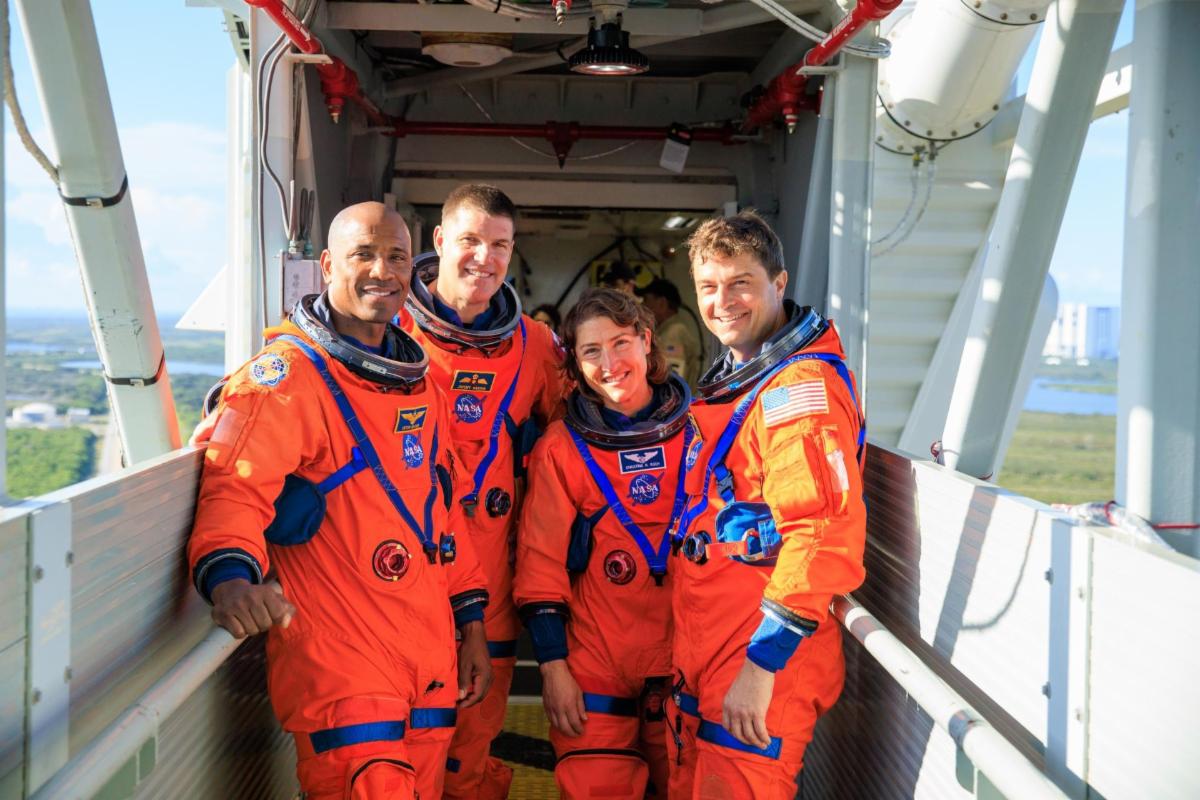
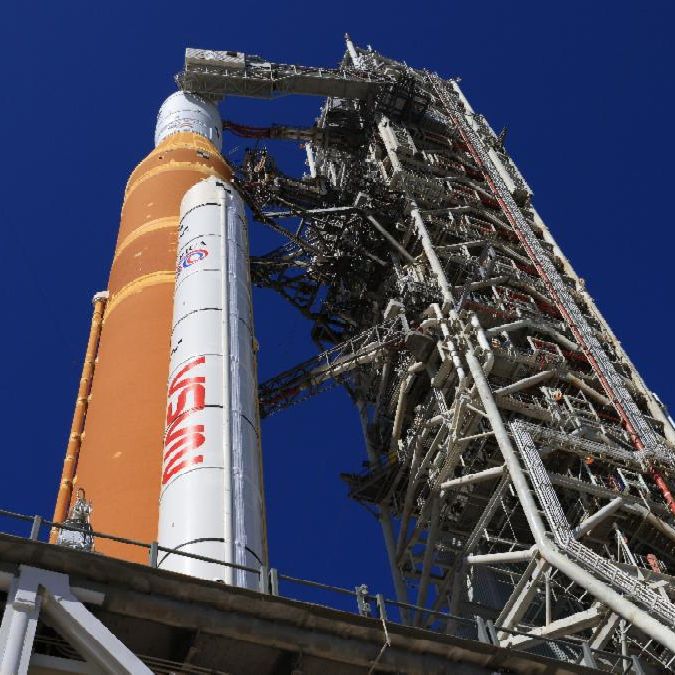
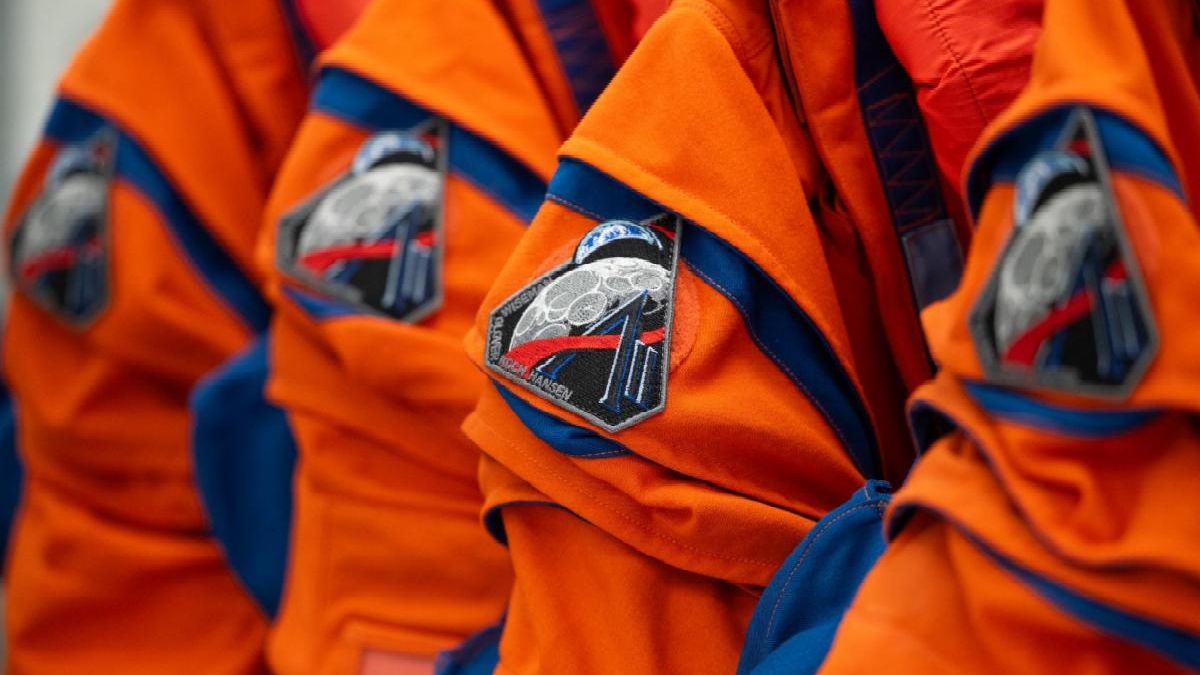
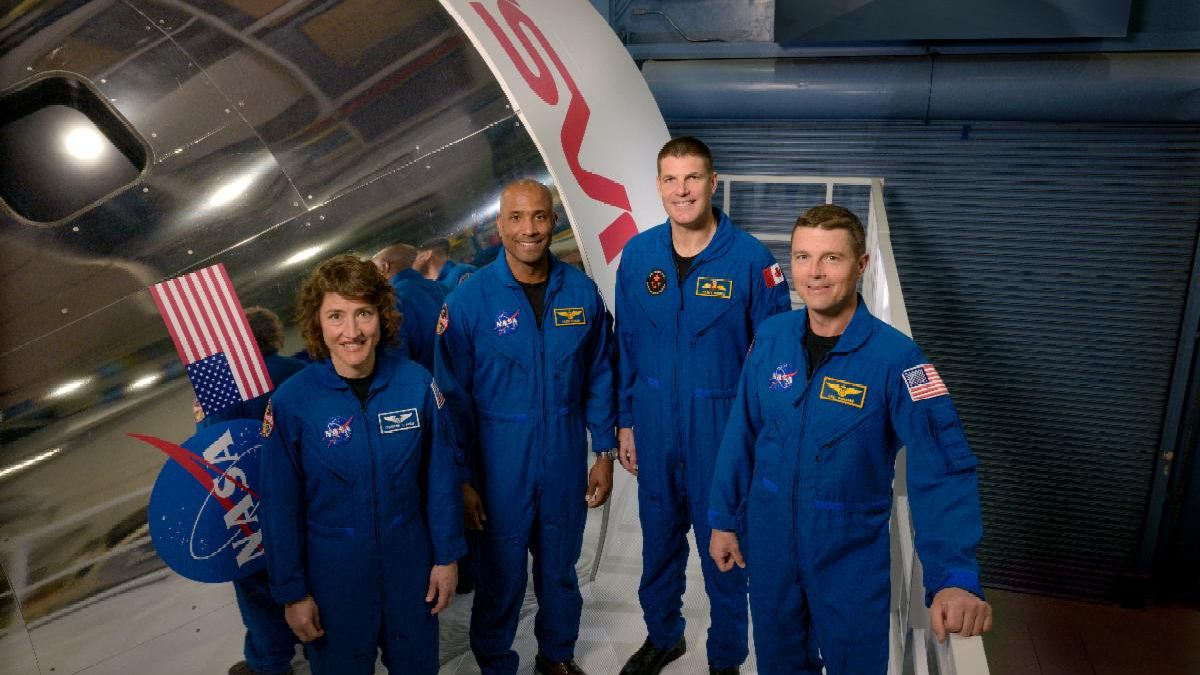
In this week’s newsletter, we’re taking a closer look at NASA’s Artemis II mission — the first crewed flight of the Artemis program — currently targeted for launch no earlier than 6:24 p.m. EDT on Wednesday, April 1. This milestone mission will send NASA astronauts Reid Wiseman, Victor Glover, Christina Koch, and CSA (Canadian Space Agency) astronaut Jeremy Hansen on an approximately 10‑day journey around the Moon. Launching on the agency's SLS (Space Launch System) rocket, NASA will test the Orion spacecraft’s life support systems for the first time with humans aboard, helping lay the groundwork for future crewed Artemis missions. Keep reading for ways to get involved, where to watch live coverage, and how to explore the mission in more depth.

ARTEMIS

Paving the Way: The Launch of Artemis II

NASA will provide live coverage of prelaunch, launch, and mission events for the upcoming Artemis II crewed test flight around the Moon. The launch is currently targeted for no earlier than 6:24 p.m. EDT on Wednesday, April 1, within a two‑hour launch window.


Real‑time mission coverage will stream continuously on NASA’s YouTube channel. As bandwidth allows, NASA also will offer a dedicated feed showing views from the Orion spacecraft. Daily mission status briefings from NASA's Johnson Space Center will begin April 2, with the exception of April 6 due to lunar flyby operations. All times may shift depending on the actual launch time and mission activities.


Throughout the mission, the crew will take part in live conversations, known as downlinks. NASA will post the exact schedule for these downlink events on the Artemis blog.


Artemis II builds on the success of the uncrewed Artemis I in 2022, and will demonstrate a broad range of capabilities needed on deep space missions. The Artemis II test flight will be NASA’s first mission with crew aboard the SLS (Space Launch System) rocket and Orion spacecraft.


MISSION COVERAGE DETAILS

ARTEMIS

Mission Updates


The official blog on NASA's Artemis II mission will keep you up-to-date on prelaunch, launch, and post-launch activities — and beyond.


ARTEMIS II BLOG

ARTEMIS

What We’ll Learn


While the Artemis II astronauts will be the first humans to test NASA’s Orion spacecraft in space, they also will conduct scientific investigations that support future deep space missions — including the AVATAR (A Virtual Astronaut Tissue Analog Response) experiment, which uses organ‑on‑a‑chip devices to study how increased radiation and microgravity affect human health.


MISSION SCIENCE

ARTEMIS

Moonbound


With Artemis II on the horizon, four astronauts are shifting from years of preparation to mission‑ready reality. The new NASA+ original series Moonbound explores the physical and mental challenges of gearing up for a crewed flight around the Moon, as well as the teamwork required to test new systems at the edge of human exploration.


WATCH

ARTEMIS

NASA’s Curious Universe 


The four astronauts of Artemis II are flying around the Moon and back — and NASA's Curious Universe podcast is taking you along for the journey. Artemis II is a pivotal test flight that will pave the way for future landings at the lunar South Pole and the establishment of a long‑term presence there. In this limited series, you’ll get to know the Artemis II astronauts, go behind the scenes at NASA centers across the country, and discover the teamwork, passion, and problem‑solving driving humanity’s return to the Moon.


LISTEN

More NASA News

On Tuesday, NASA announced a series of transformative agencywide initiatives designed to achieve the objectives of the National Space Policy and advance American leadership in space. These actions reflect the urgency of the moment but also the tremendous opportunity ahead for world-changing science and discovery.

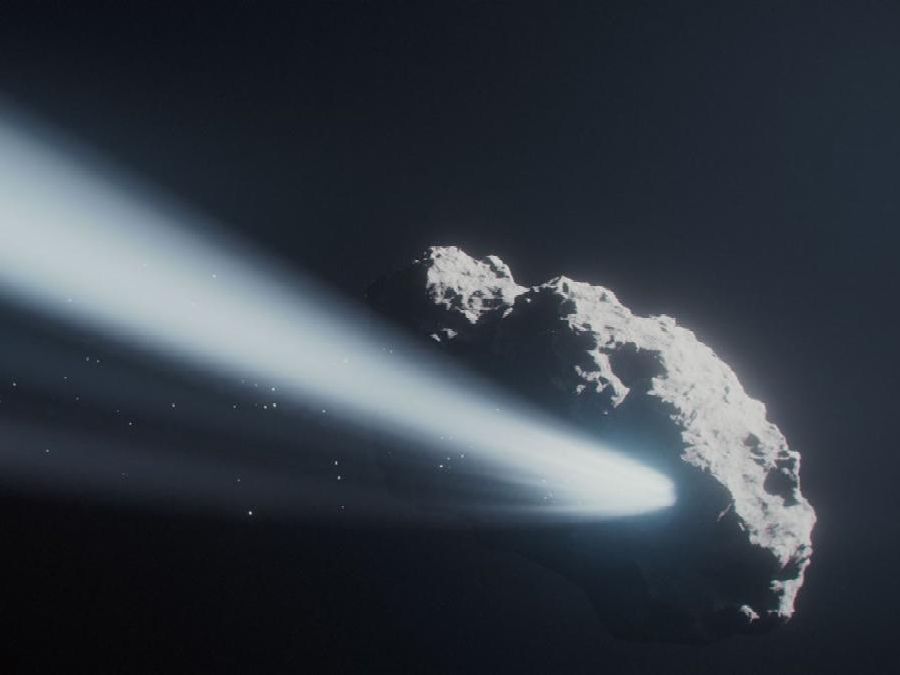
Astronomers using NASA's Hubble Space Telescope have found evidence that the spinning of a small comet slowed and then reversed its direction of rotation, offering a dramatic example of how volatile activity can affect the spin and physical evolution of small bodies in the solar system.

For the second consecutive year, winter sea ice in the Arctic reached a level that matches the lowest peak observed since satellite monitoring began in 1979. On March 15, Arctic sea ice extent reached 5.52 million square miles, very close to the 2025 peak of 5.53 million square miles.

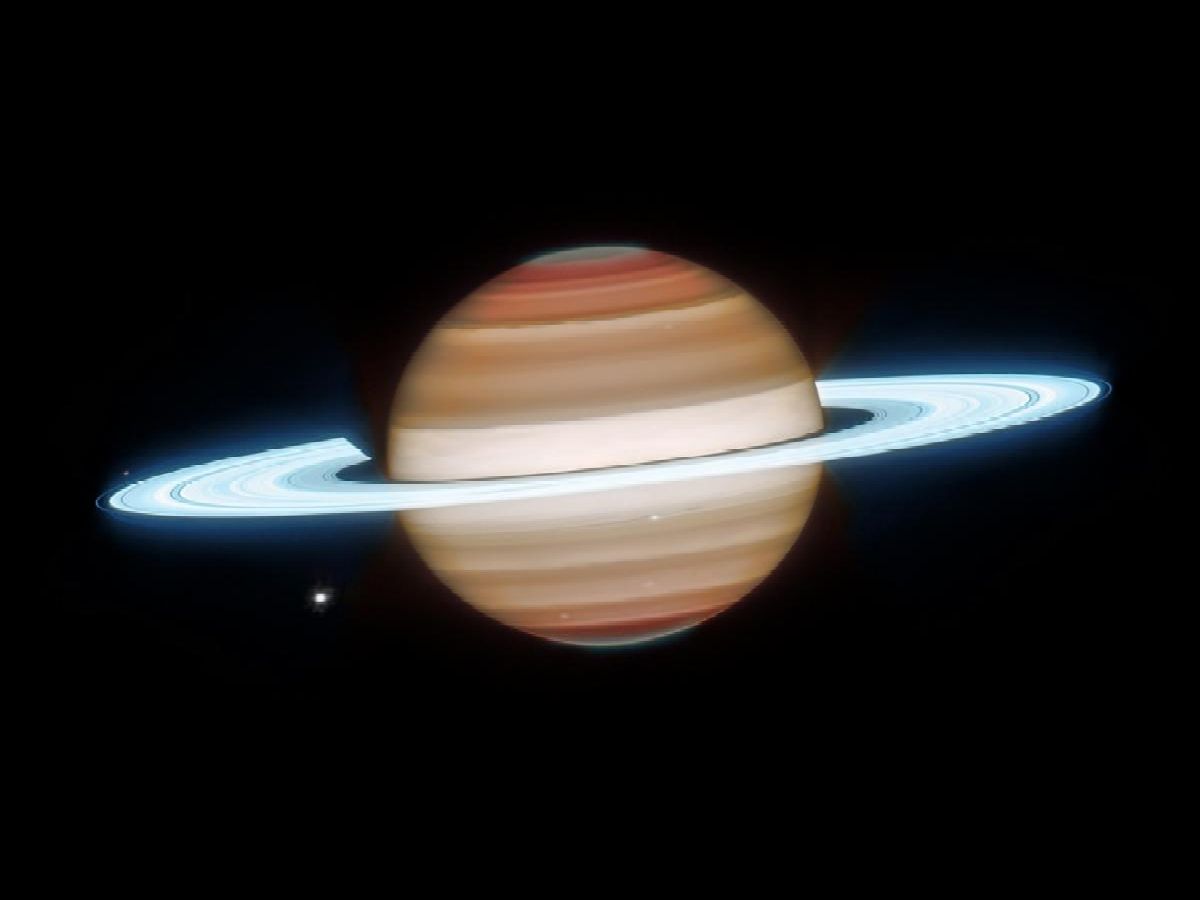
NASA's James Webb Space Telescope and Hubble Space Telescope have teamed up to capture new views of Saturn, revealing the planet in strikingly different ways. Observing in complementary wavelengths of light, the two space observatories provide scientists with a richer, more layered understanding of the gas giant’s atmosphere.

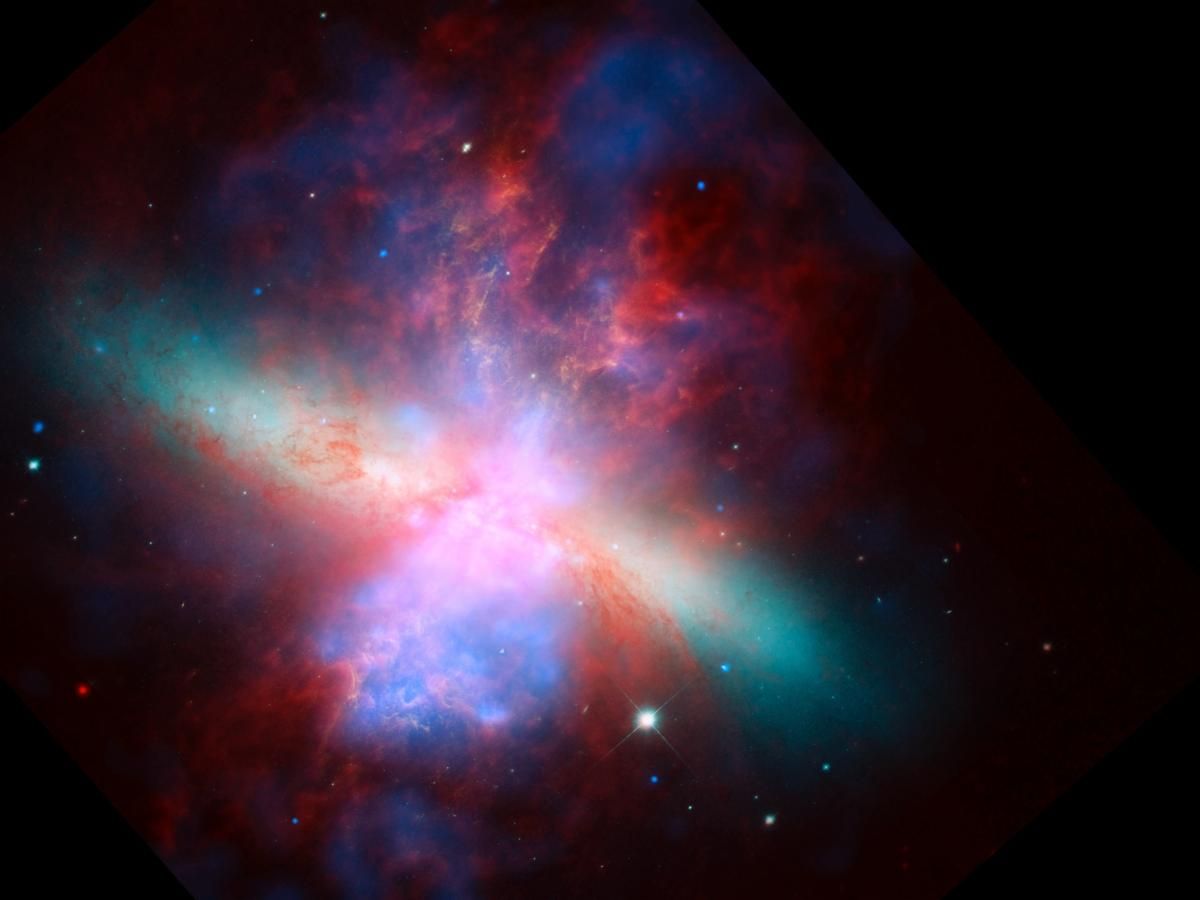
For the first time, astronomers have directly measured the speed of superheated gas billowing from a cauldron of stellar activity at the heart of Messier 82, a nearby galaxy undergoing an extraordinary burst of star formation.

Do You Know?

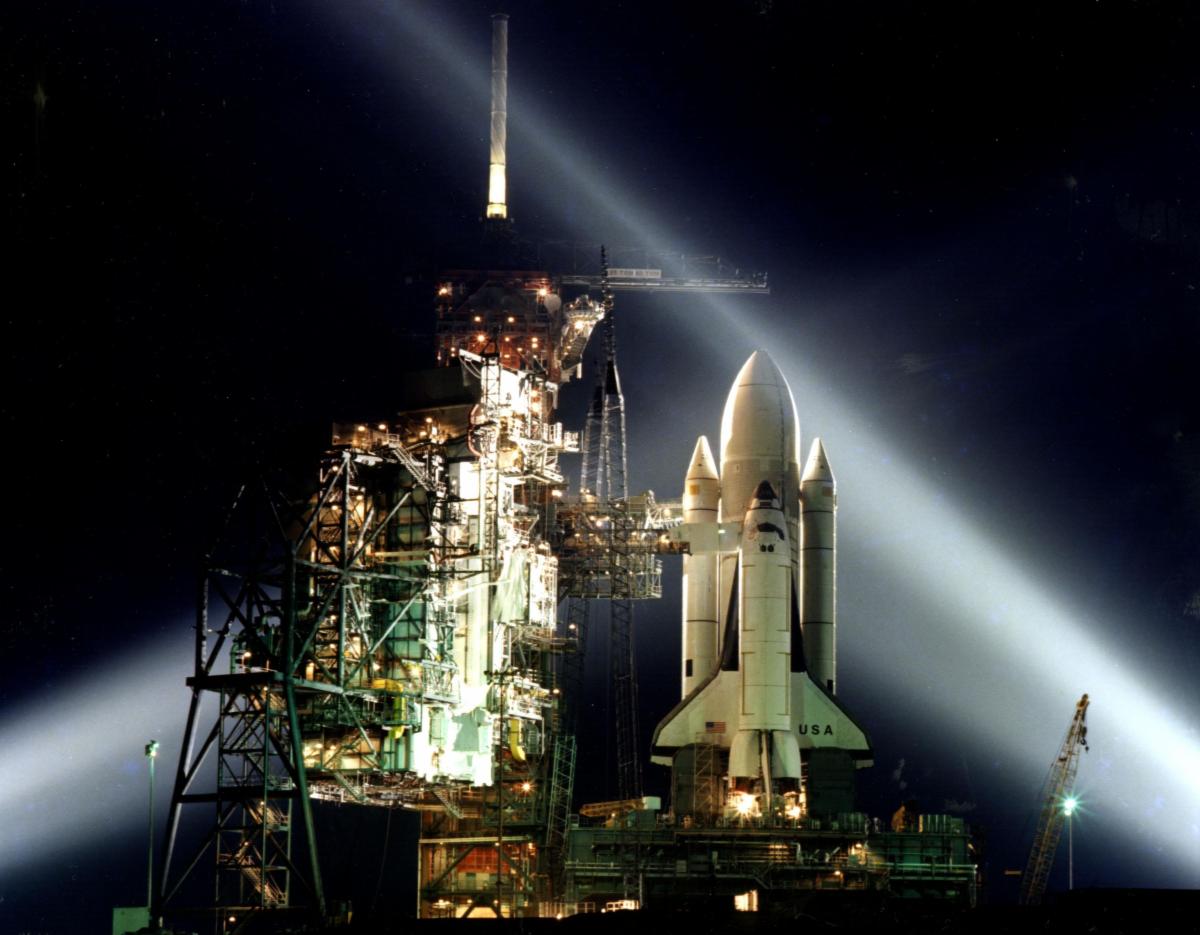
Forty-five years ago, the space shuttle Columbia was on launch pad 39A at NASA’s Kennedy Space Center in Florida, preparing for its first crewed spaceflight. Commander John Young and Pilot Robert Crippen were the two astronauts chosen to be the first to fly on the Columbia orbiter.

How many times had a shuttle flown in space before this important mission?

Find out the answer in next week's NASA newsletter! 🤓

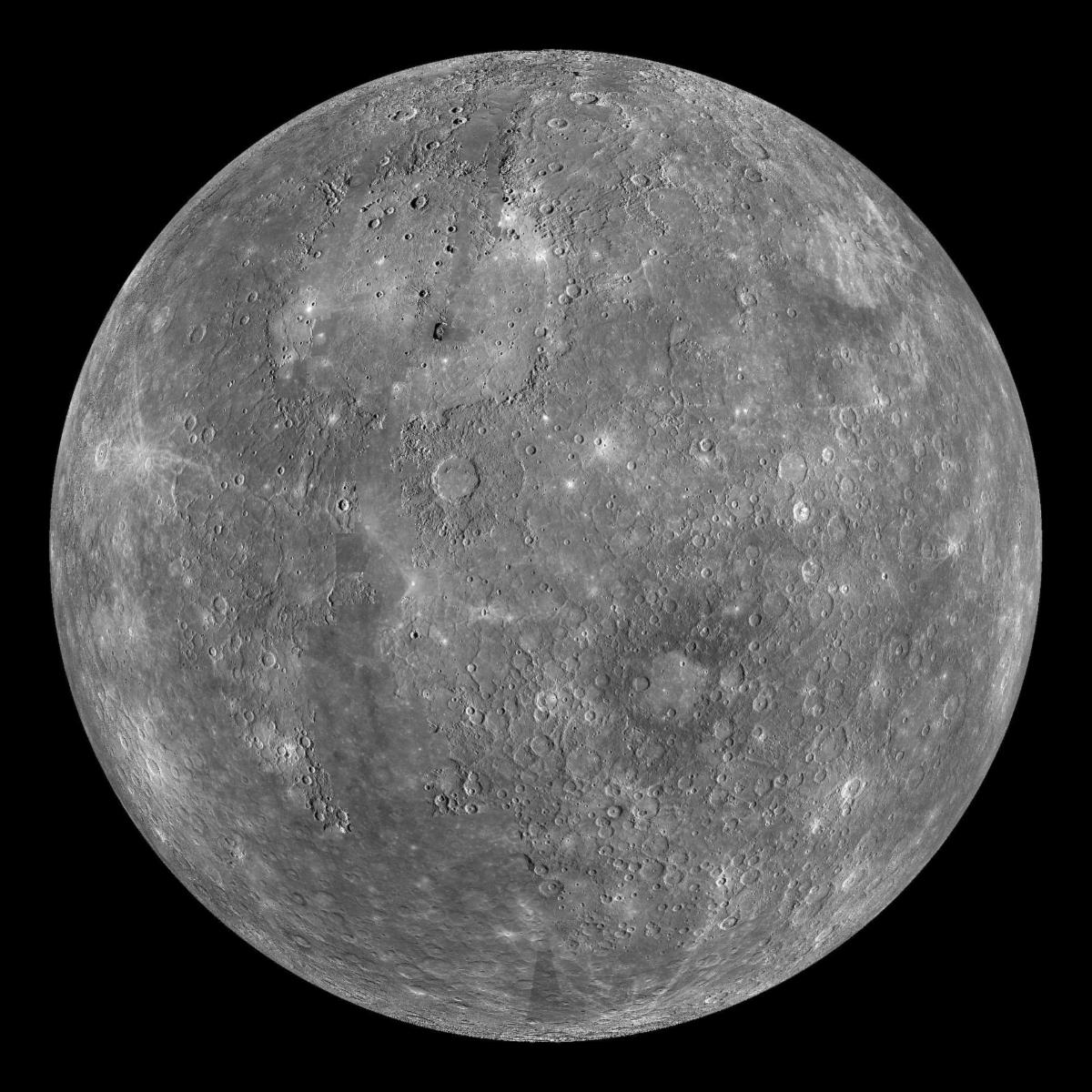
Last week, we asked which planet in our solar system has the smallest axial tilt. The answer? Mercury. Because Mercury has almost no tilt, it doesn’t experience seasons the way Earth does. However, it has the most eccentric orbit of any planet — its path around the Sun is highly elliptical — so it experiences “thermal seasons” driven by its changing distance from the Sun.

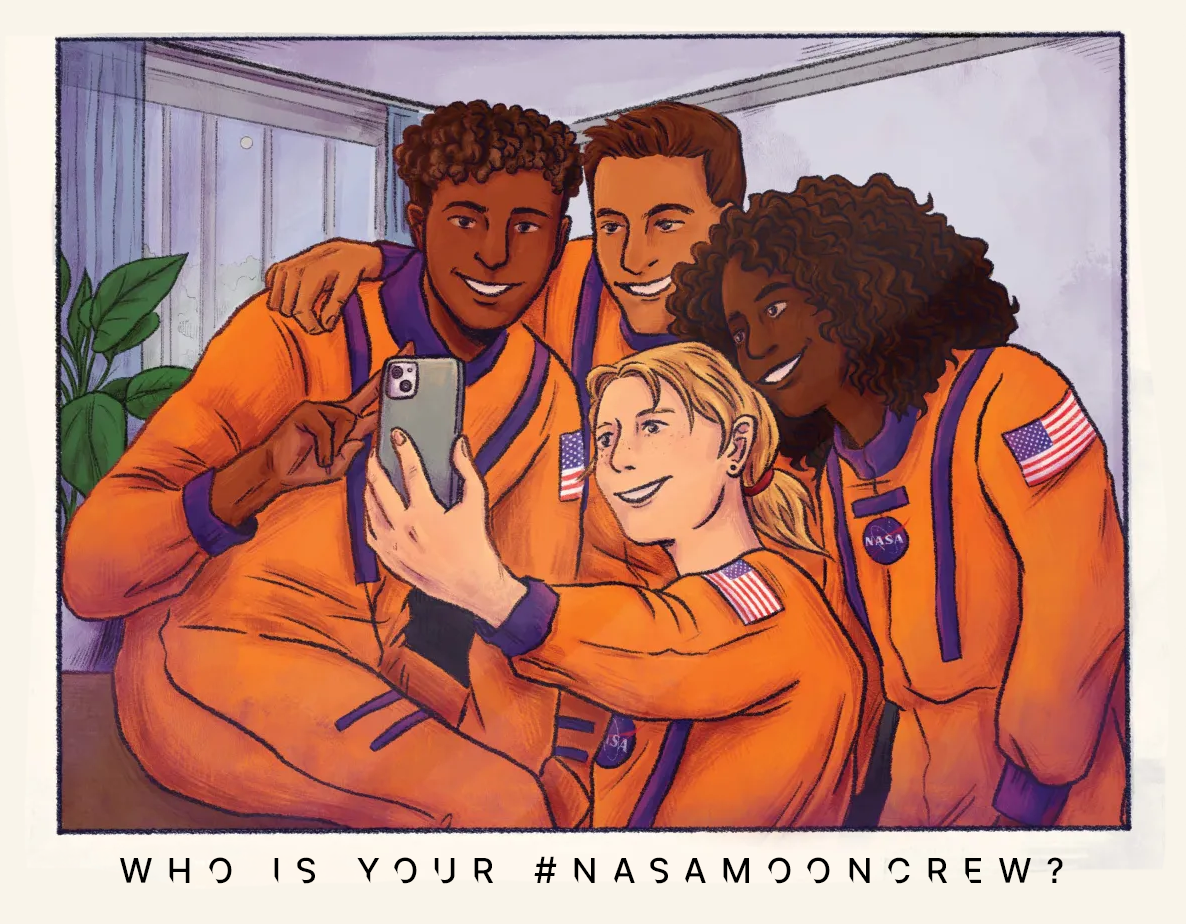
NASA will launch the Artemis II mission this year, sending four astronauts on an approximately 10-day journey around the Moon. Choosing a crew for missions to the Moon requires the right mix of skills and attributes. All four astronauts not only bring different strengths and expertise to the mission, but they also must work well together in high-pressure situations. That’s why we want to know: who you would choose to go with you on a trip around the Moon?


HOW TO PARTICIPATE

National Aeronautics and Space Administration


NASA explores the unknown in air and space, innovates for the benefit of humanity, and inspires the world through discovery.


Visit nasa.gov

Follow NASA

Facebook  Instagram  LinkedIn  X  YouTube