Director's Corner
Dear Grey Muzzle Grantees,
It's not uncommon to see social media posts decrying "giving animals away for free." The argument usually goes: If someone doesn't make an investment in an animal by paying an adoption fee, he or she will not be committed to the care of the animal. The fee is a litmus test for the "worthiness" of the adopter. It's a pretty popular stance, but is it accurate?

In this month’s issue of Director’s Corner, we explore strategies to increase adoptions, including waiving fees and providing post-adoption support. We hope you will share your experience with reduced-fee adoptions (or similar efforts) on our grantee Facebook page. We want to hear what worked and what didn’t. We’re also eager to learn more about how such programs have affected your return rates.

Thanks for all you do to make life better for senior dogs and for sharing your successes and challenges. The more we can learn from one another, the more senior dogs we will help!

Sincerely,
Lisa Lunghofer, PhD
Executive Director
Reduced Fee Adoptions: Why They Work
The jury is in. Reduced-fee and no-fee adoptions save lives. Lower adoption prices help shelters and rescue groups to:
  • Quickly find homes for more animals
  • Find homes faster for hard-to-place pets like senior pets, pets with special needs, etc.
  • Increase save rates at shelters with open-admissions
  • Attract new adopters and allow previous adopters to adopt additional pets at a lower cost
Research Spotlight: A Waived-Fee Adoption Event and What Happened Next
Some argue that reduced or no-fee adoptions encourage people to adopt who won’t provide adequate care. A survey of 1,928 fee-waived pet adopters in the San Francisco Bay area did not support that argument. The study compared adopters who did and did not have their pets 6-12 months post-adoption. There were no significant differences between the two groups based on pet attachment level, post-adoption lifestyle, or pet health care. More than 90% of pets adopted without a fee remained in the home, and 94% of adopters reported strong or very strong attachment to the animal. 

Click here to see a poster describing the study.
Grantee Stories:
Senior Dogs for Young Professionals – A New Generation Opens Their Hearts

As it has for many rescues and shelters, 2020 has been a year of challenges and surprises for Carolina Poodle Rescue (CPR), a year full of hardships, but many blessings. At Carolina Poodle Rescue, one of their greatest blessings in 2020 has been a new generation opening their hearts to senior dogs. Many seniors have (rightfully) been nervous about travel, meet and greets, and all the other efforts that go into placing a dog into their home. But in the absence of this important rescue demographic a new hero has emerged for their senior dogs – young professionals!

Grant Opportunity
Dogs Trust USA is dedicated to improving the lives of dogs across the United States - and around the world. They offer a variety of grants for spay/neuter, rehoming and education programs. The maximum grant size for first-time recipients is $25,000, and their grant cycle opens January 1, 2021.

Reminder
Your 2nd Quarter success story is due by January 1. This update should feature a senior dog who was helped by your Grey Muzzle grant. Please connect the dots on HOW your grant enabled you to help this dog and/or family. You may use this form to submit your story. Please contact Abby if you have any questions.
Grantee Spotlight: PAWS CT
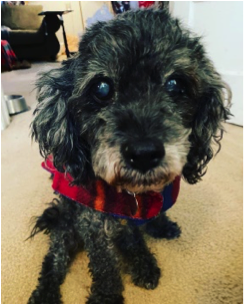
Thanks to their Grey Muzzle grant, PAWS can help more senior dogs like Snowball (pictured) find loving homes through their Senior Pension Plan. As medical cost is the biggest deterrent to senior dog adoptions, PAWS’ Senior Pension Plan addresses this issue by 1) waiving adoption fees and 2) offering a free annual exam, vaccinations and annual blood work analysis for the life of the dog! Seniors like Snowball, a 12-year-old toy poodle, have benefited from the program.

The Grey Muzzle Organization | Website