|
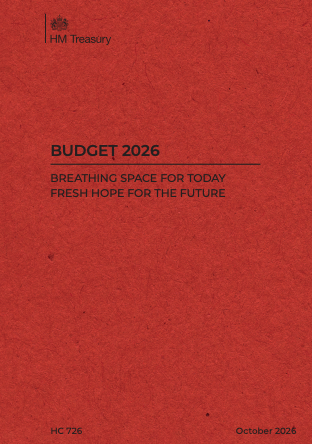
The surprise in the Chancellor’s Budget came with a familiar face. Well, almost.
The man behind the meerkats advert on the telly...
...Mark Bailie, chief executive of Compare the Market, and member of the NHSE’s invisible Board...
...will review NHS productivity and artificial intelligence. Reporting early next year, his findings will;
'...help shape the spending review…'
There’s a red flag to start with!
He chairs NHSE’s technology committee. He should know where some of the bodies are buried.
Another review, though… really?
There’s been at least nine earlier reviews and inquiries touching efficiency, management or technology;
- Guillebaud, 1956
- Griffiths, 1983
- Wanless twice, 2002/7
- Gershon, 2004
- Wachter 2016, and …
- Carter’s three investigations (2016/18/18) into hospitals, mental health, community services, and ambulances.
Different remits. Not nine identical reports. But… hardly unexplored territory.
Then came Darzi.
Before commissioning another set of answers, we should ask;
which previous recommendations
were implemented,
which were abandoned and
which are waiting for the
money, and…
… to put a figure in Mr Bailie’s briefing pack…
… from 2010 to the pandemic, NHS productivity grew by an average of 1.5% annually, against 0.4% in the wider economy.
Nearly four times the rate.
The source? Chris Whitty, writing to Parliament’s Public Accounts Committee, citing the ONS…
and…
… the NHS measure includes quality improvements.
By the way, the Treasury itself reports NHS productivity growth of 3.5% in 2025–26, exceeding its 2% target.
That deserves recognition before another lecture on efficiency.
The trope that commercial experience comes with superior knowledge of efficiency deserves retirement.
Bailie’s own committee has already endorsed a technology productivity plan and identified the obstacles to delivery.
What will another review establish that his committee doesn't already know... and who was responsible for acting on its warnings?
Dunno...
He already knows the NHS isn't waiting to discover AI.
It is already helping produce clinical notes. Diagnostic applications are working. Staff are exploring decision support and ways to escape the administrative grind.
The task is implementation. We know how to do this stuff…
-
Start trust by trust.
-
Find problems worth solving.
-
Use local records alongside current clinical evidence to develop and test useful support.
-
Connect neighbouring services and specialist expertise, then national expertise where needed.
Local delivery, common standards, shared infrastructure.
Nobody needs hundreds of trusts buying the same advice, repeating assessments and discovering the same mistakes.
That needs organising. Funds forn integration and training. Negotiate contracts. Spread what works.
And, introduce the Meerkat man to the work of William Baumol…
…a string quartet takes much
the same time to perform a piece
today as two centuries ago. Wages
have risen. Playing twice as fast does not make the performance twice as good, or create better value for money, but the musicians will want the same wages as everyone else..
There is a lot of music in healthcare.
Washing someone. Explaining a diagnosis. Sitting with a family when the news is bad.
Distinguish the time we waste from the time we owe people.
Was there anything actually useful in the Budget?
An additional £190m for NHS England this financial year, for winter and other pressures. Welcome support, for sure but… it’s not a recurring settlement.
There is £100m for robotic surgery, but it's from the existing £300m NHS Transformation Fund.
Count it twice and we are fooling ourselves.
The National Living Wage rises 3.9% to £13.21 from April. Good for low-paid workers; additional costs for care providers and contracted services.
Their finances affect hospital discharge.
Medical-deputy VAT changes also deserve scrutiny. The Treasury plans to collect around £100m a year by changing VAT treatment of temporary medical staffing. How much of that will ultimately come out of healthcare budgets?
Dunno…
Lower employer pension contributions come with corresponding budget reductions, intended to leave departments neither better nor worse off.
Social care’s bigger promise is further away.
Pension triple-lock changes from 2030 are intended to help fund free personal-care for older people in England. Casey reports next year.
Someone waiting to leave hospital needs help this week.
Ring-fenced preventative spending at the next spending review could matter. So could AI.
Advice for Mr Meerkat? Read the previous ten reports and watch a performance of Franz Schubert: String Quartet No. 14 in D Minor, before putting pen to paper...
... his review could influence the spending review in two ways;
- justify investment in the NHS, or
- persuade the Treasury that the NHS can deliver more within its existing budget.
More importantly, will his NHS recommendations release staff time for patients...
... or release staff from the payroll?
|