|
Dear Friends,
Recent natural disasters have caused thousands of deaths and devastated communities in Colombia and Venezuela – and most recently Nepal and Tibet. We fervently pray for those afflicted, for the souls of those lost – and urge delivery of the desperately needed humanitarian need.
As delegates arrive to New York for the UN General Assembly (UNGA), we turn our attention to multilateralism. Esteemed religious leaders and experts contributed salient insights for our lead article this month on the topic and I am urging religious leaders to advocate strenuously for the revitalization of multilateralism – in spirit and in practice.
The reality is simple even if stark in our current context: We cannot expect a lone actor to solve the issues plaguing our planet today; we must work together.
For those of you able to join us, registration is now open for our UNGA side event: Restoring Trust in an Era of Polycrisis: A Multi-Stakeholder Dialogue on Shared Sacred Flourishing.
Two pieces this month offer insights on critical peacebuilding issues: The plight of girls and women in Afghanistan by Dr. Sima Samar and the situation in Haiti, where religious leaders like Rev. Pierre Julien are working tirelessly to find a way forward. I hope you will carefully consider their ideas.+
I am also pleased to share that we have opened the call for nominations for this year’s Women of Excellence in Multireligious Action Awards. If you know a woman of faith who is involved with a Religions for Peace Inter-religious Council whose work deserves recognition, please submit nominations and learn more about the award here.
Stay tuned for Climate Week, when we will highlight insights from religious leaders to share hope despite a grim situation.
I hope you join us in looking towards September with renewed energy and enthusiasm. Read more about our upcoming events and the inspiring, ongoing work of our Inter-religious Councils across the globe.
In peace,
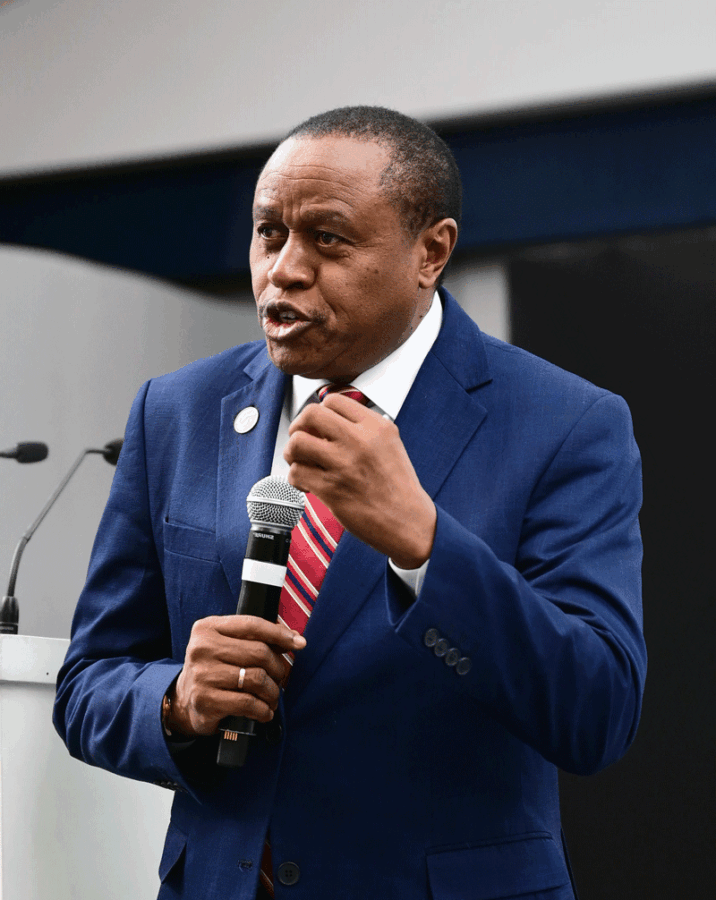
Dr. Francis Kuria
Secretary General
| | |
Multilateralism Faces Its Most Difficult Tests Since the End of WWII
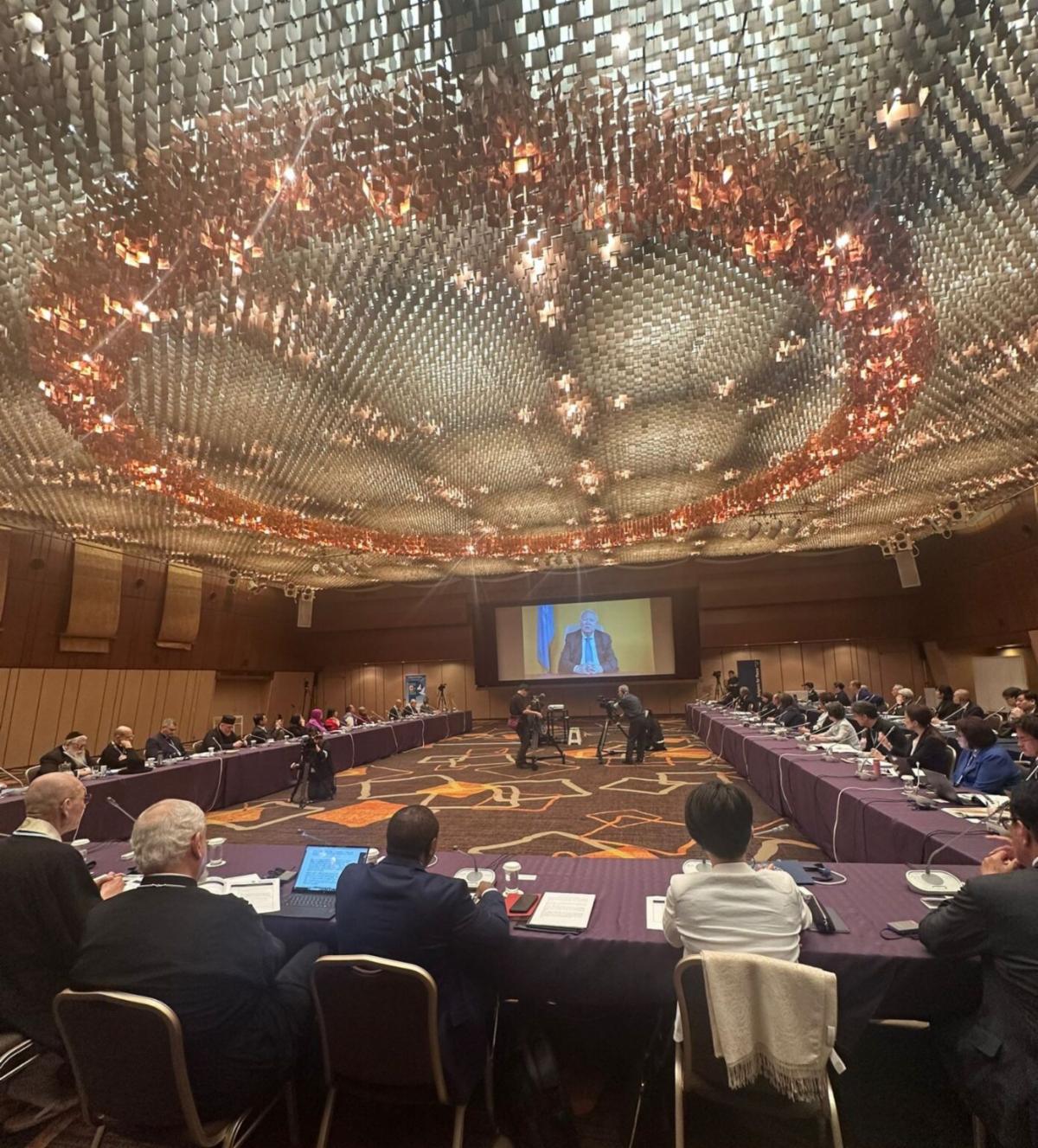
As delegates arrive to New York for the 81st Session of the United Nations General Assembly (UNGA 81), the stakes are high. At the Religions for Peace International Council Meeting in June, this fracture was top of mind for religious leaders from across the Religions for Peace movement. Panelists made clear that collaboration is necessary to address the issue.
| | |
Religious Leaders Must Act Now to Revitalize the Spirit and Practice of Multilateralism
By Dr. Francis Kuria
The United Nations rose from the ashes of World War II, but today, much of that appears to have been forgotten. The spirit and practice of multilateralism needs our urgent attention. The Religions for Peace Shared Sacred Flourishing framework, launched in 2025, offers a starting point to restore the Sacred in global efforts to address the polycrisis of climate change, debt, and conflict, while also serving as a basis for advancing the common good.
| |
We Must Hear the Voices of Afghan Girls and Women
by Dr. Sima Samar
Since the Taliban returned to power in August 2021, the situation of girls and women in Afghanistan has become one of the most serious human rights and humanitarian crises in the world. The restrictions on women do not affect women alone; they affect families, communities, and the future of Afghanistan as a whole.
| |
Four Crises, One System, One Way Out: A Key Role for Faith Communities
by Charles McNeill
As preparations for Climate Week NYC and the UN General Assembly intensify over the coming days, three major challenges of our time that are in the headlines come into stark focus: climate change, conflict, and debt. This devastating cycle of climate, conflict, debt, and nature loss can be broken. And the Religions for Peace members and faith leaders everywhere are among those with the reach and the moral standing to break it.
| |
Breaking the Conflict Trap: Faith, Finance, and Climate Justice
At the upcoming 2026 Climate Week in New York City, global leaders will confront a sobering reality: the crises of climate change, violent conflict, and crippling sovereign debt no longer exist in isolation. As Climate Week 2026 brings leaders together in New York City, the message from the interfaith community is clear: sustaining life on a finite planet requires replacing predatory financial cycles with genuine solidarity, ethical accountability, and human dignity.
| |
Religious Leaders to Dialogue on Peace, Human Dignity, and Shared Responsibility at Fourth Tokyo Peace Process
Diverse religious leaders will convene for the Fourth Tokyo Peace Process Oct. 13 and 14, for dialogue on peace, human dignity and shared responsibility. The dialogue will bring together religious leaders from Russia, Ukraine, Israel, Palestine, Iran, Lebanon, Saudi Arabia, and Egypt. Representing diverse faith traditions and conflict-affected contexts, they will exchange experiences, reflect on the responsibilities of religious leadership in times of conflict, and identify practical opportunities for continued engagement and cooperation under the Tokyo Peace Process.
| | |
“We Urgently Need Additional Support”: Religious Leaders on the Ebola Outbreak in Democratic Republic of Congo
The current DRC outbreak is already the fastest-growing Ebola outbreak on record, reaching over 1,000 cases in just 40 days. As the Ebola outbreak continues to expand in the eastern provinces of the country, religious leaders are intensifying their efforts to support the public health response. A number of factors make responding to the current Ebola outbreak challenging, according to public health experts. Religious leaders are overwhelmed by the extent of the work that must be done.
| |
Call for Nominations for the Women of Excellence in Multi-Religious Action Award
Nominations are now open for the Women of Excellence in Multi-Religious Action Award, an award created to honour women of faith who are driving transformative change through multi-religious collaboration and action. Read more about the criteria for nomination and access the form here.
| | |
Across the Movement: International Youth Committee Updates, New Religions for Peace Netherlands Chair, and more
Read updates from across the global Religions for Peace movement.
| | |
Sacred Rhythms: Afro House and the Practice of Peace
The newest article on our Mindful Peace Blog explores Afro House as a practice of peace, showing how rhythm, prayer, and collective movement can soften distance amongst people of different faiths. In this way, Afro House can be seen as a shared sacred rhythm. It is not a religion, and it should not be treated as one. But it can create spaces that feel spiritually charged because they gather people into collective attention, collective movement, and collective release.
| | |
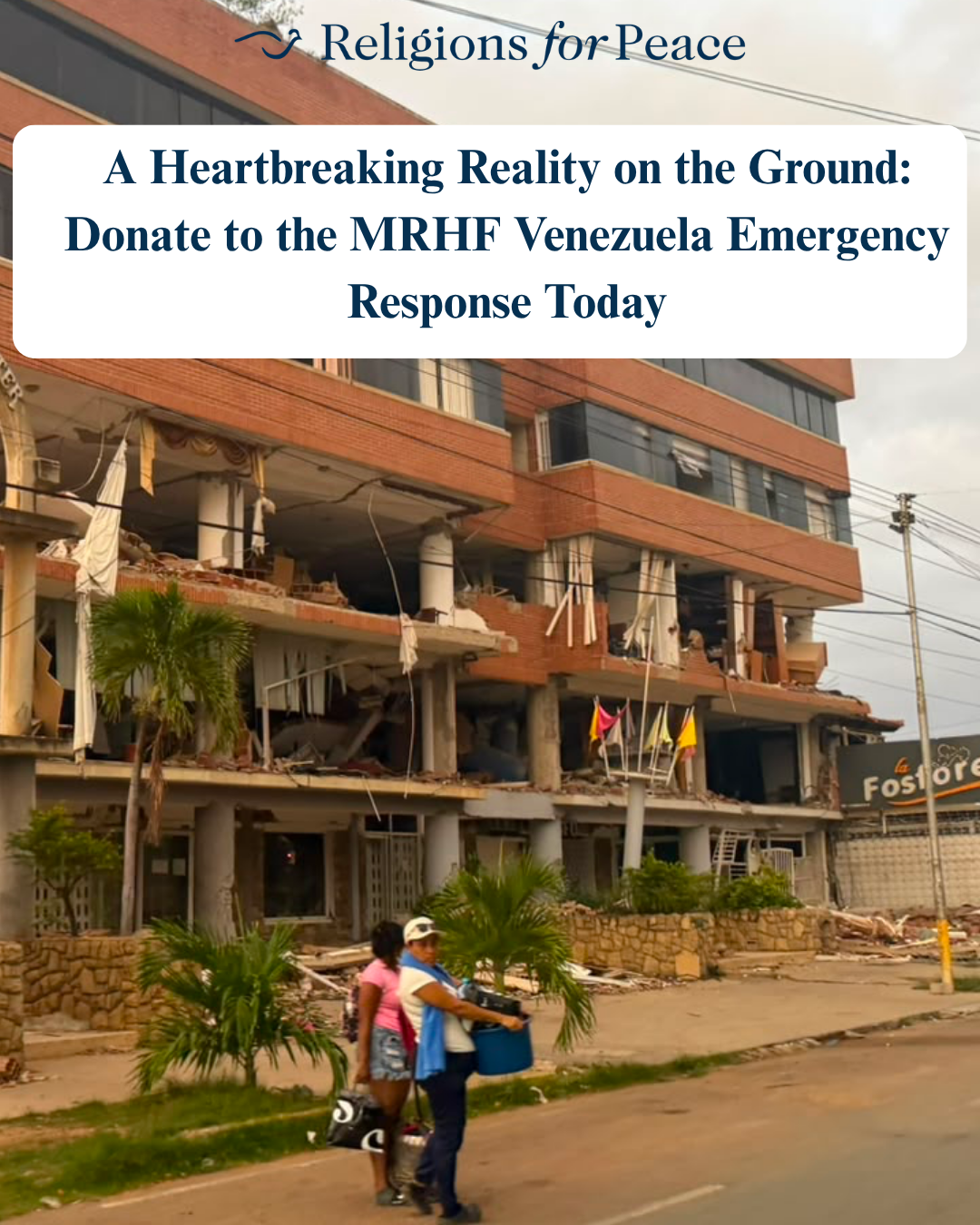
Venezuela Emergency Response
Our partners in Venezuela are providing on-the-ground, tangible support to people dealing with the devastating effects of the earthquakes.
Watch a video with updates on their work, and donate to support the recovery efforts.
| | |
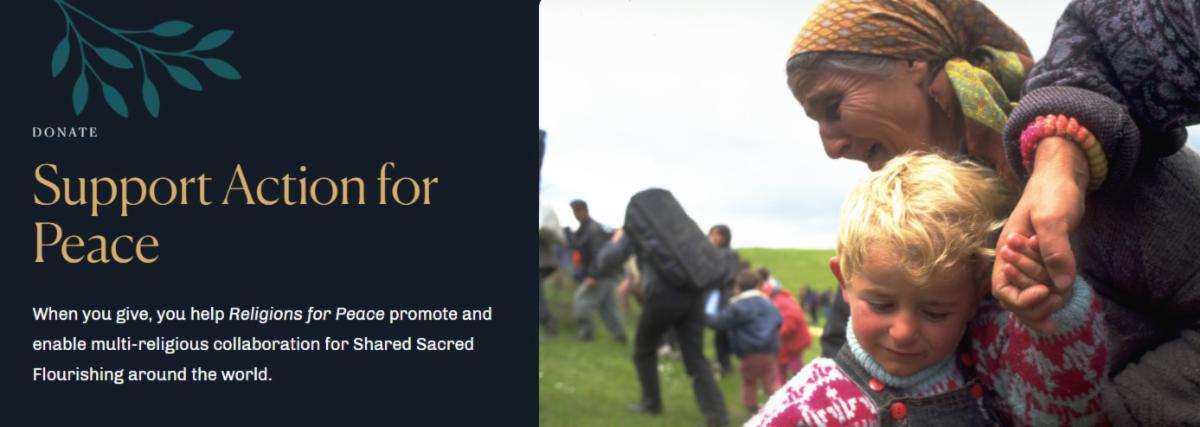
New 'Donate' Page
Our new 'Donate' page is live on the Religions for Peace website! Explore the ways that you can support Religions for Peace today.
| | | | |