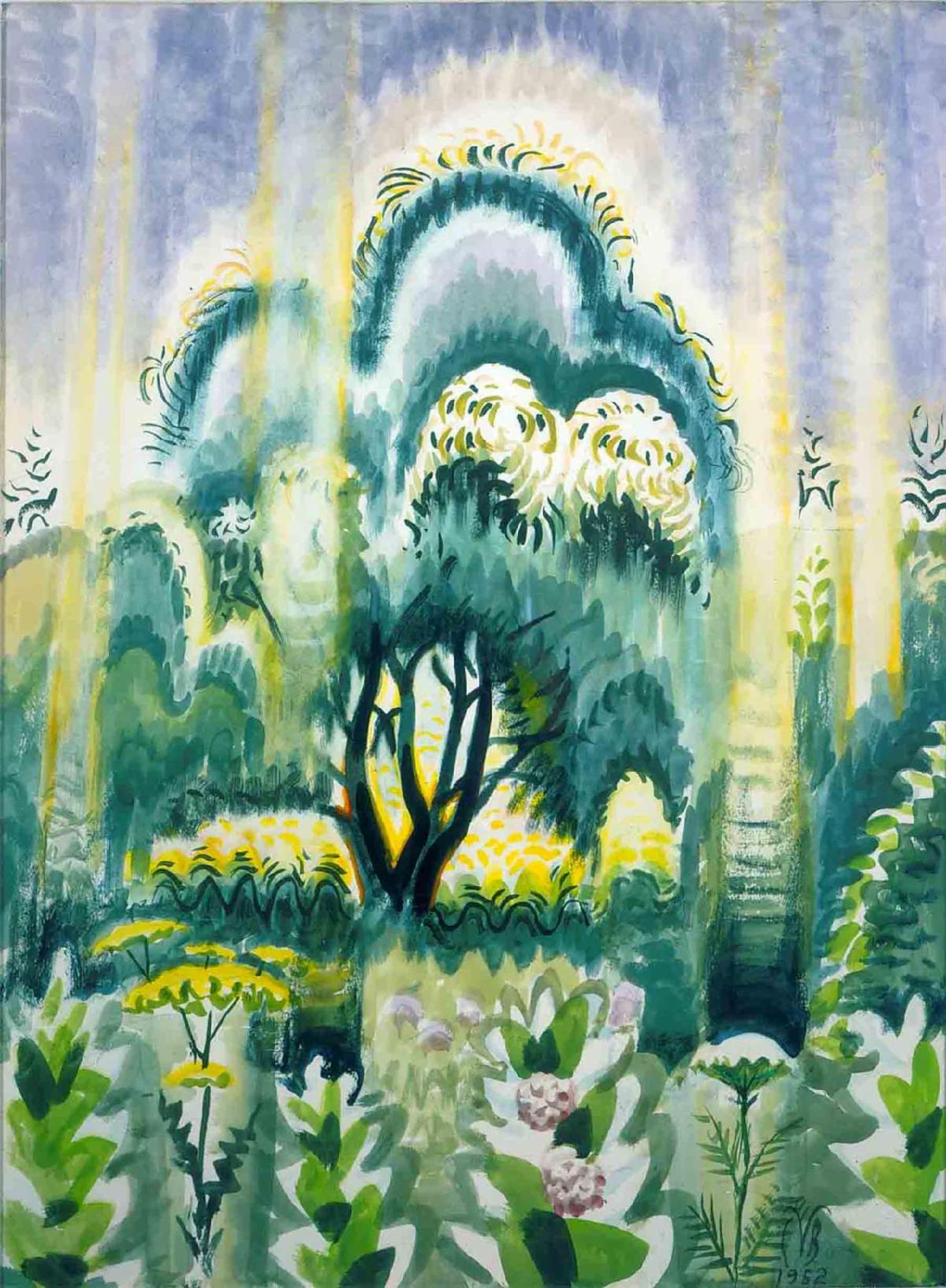
Artist: Charles Burchfield, Perceptual, Subject Area: Landscape, Shape: Designed, Design: Complicated, Brushwork: Painterly, Space: Shallow, Color: Invented/Perceptual. | | |
“Since all painters undertake the same tasks, run into the same difficulties, use the same means, their differences must come from within”
- Pierre Bonnard
| | |
Are you satisfied with your art? Do you yearn to express the world within you through your creations? Are you afraid of what your art might look like if you set yourself free?
The ability to make something truly and uniquely your own is the greatest joy you can ever derive from painting. When you express what is inside the feeling is expansive, alive and rich with deep satisfaction and meaning.
The journey of artistic self-discovery begins with identifying your personal responses to your world, to the art you see, and then developing a visual form that effectively conveys your feelings.
Regardless of where you might find yourself on your lifelong journey of artistic learning the path is one of self discovery and self expression. Each workshop, each class, each museum visit, each new technique marks an evolution of your taste and your ability to express your uniqueness in visual language.
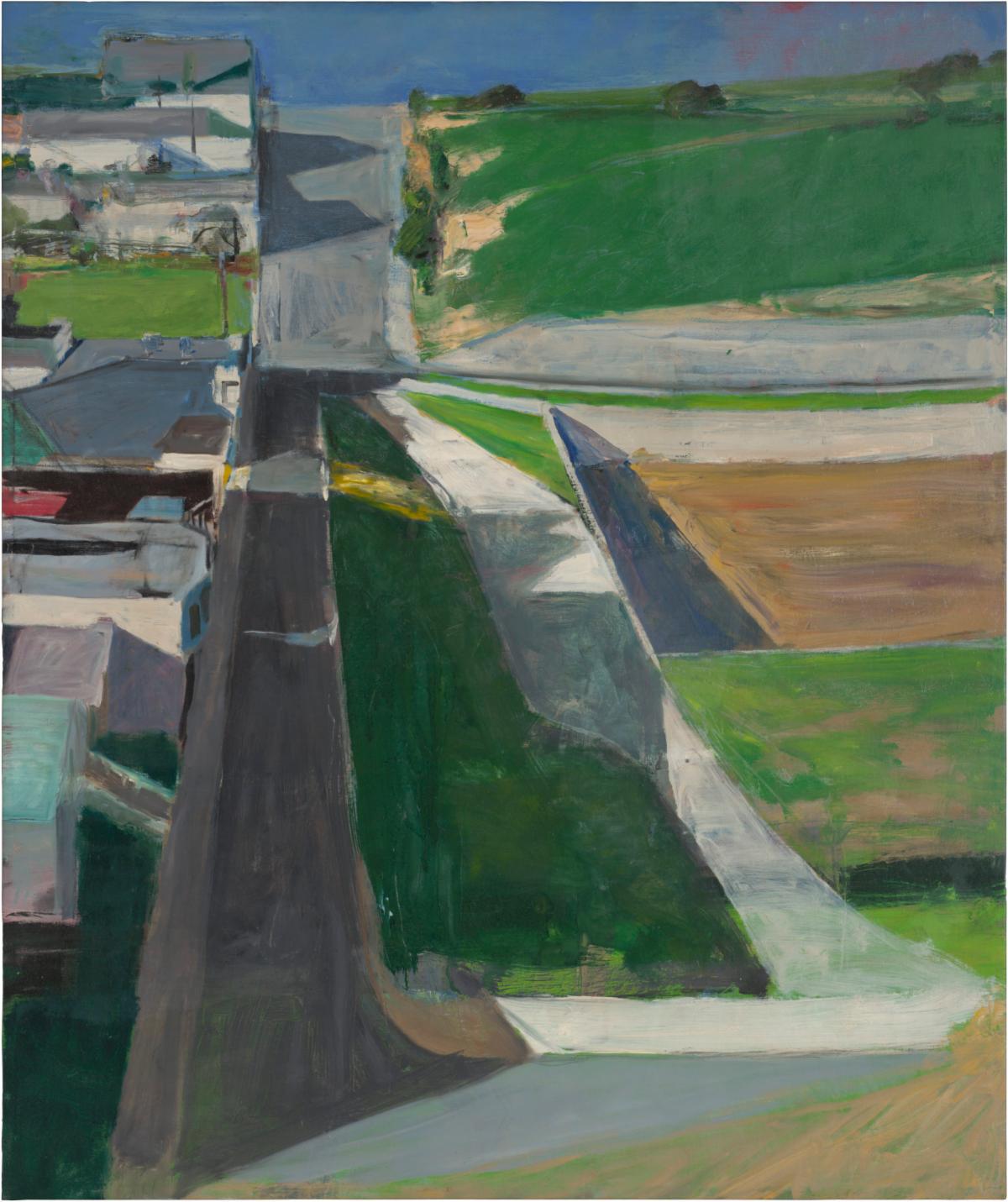
| Artist: Richard Diebenkorn, Perceptual, Subject Area: Landscape, Shape:Geometric, Design: Simplified, Brushwork: Painterly, Space: Deep, Color: Invented/Perceptual. | |
A map enables the traveler to wander freely in undiscovered territory. Wandering without one leads to staying safe at home, or repetition of familiar ground and sometimes traveling in circles.
A map of your art journey will show you where you’ve been and indicate where you desire to go. Before setting out it is important to spends some time considering what about your art that makes you feel compressed and what makes you feel expressed.
Does carefully rendering objects bring you joy? or, do you yawn in tedium? Do you desire to create new metaphorical paths, new visual languages? Would you love to express your love for the environment or your political or spiritual leanings? Or do you just want to sit with your colors to dance and play?
None of these desires is wrong. Each of these simmering desires expresses your emotional context. Consider them as new terrain for exploration and new ways for you to expand your personal repertoire.
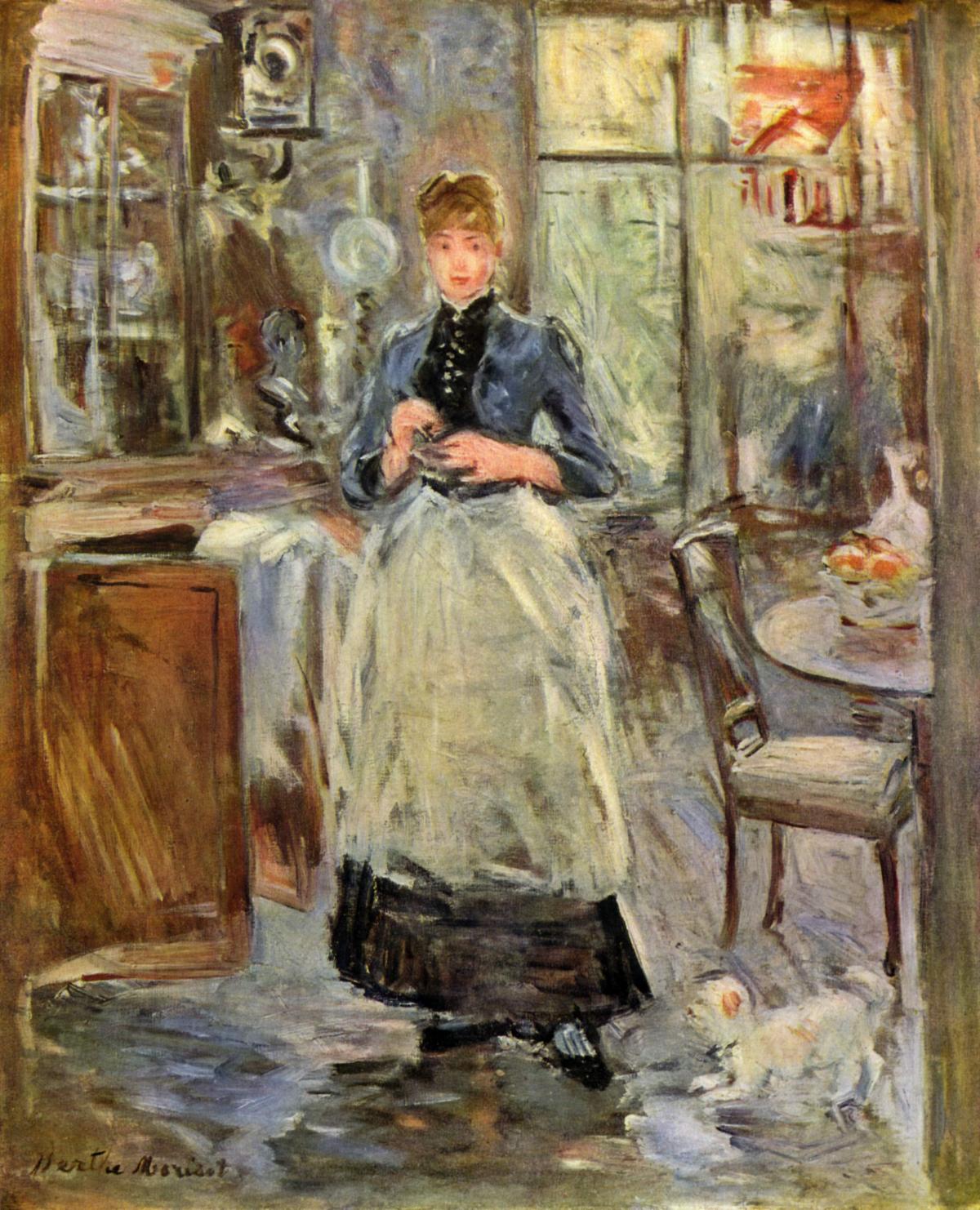
| | Artist: Berthe Morisot, Perceptual, Subject Area: Figurative Shape: Organic, Design: Orderly, Brushwork: Loose/Painterly, Space: Deep, Color: Descriptive/Naturalistic. | |
If you’re like me, you’ve been busy mastering the techniques and intricacies of drawing, painting and design - and you’re getting pretty good at technique, yet, I find that my work looks a lot like everyone else’s.
At this point I find most books, courses, and videos on technique repeat a lot of what I’ve already learned. I want to veer away from the familiar and detour to the less traveled areas that are calling me forth artistically.
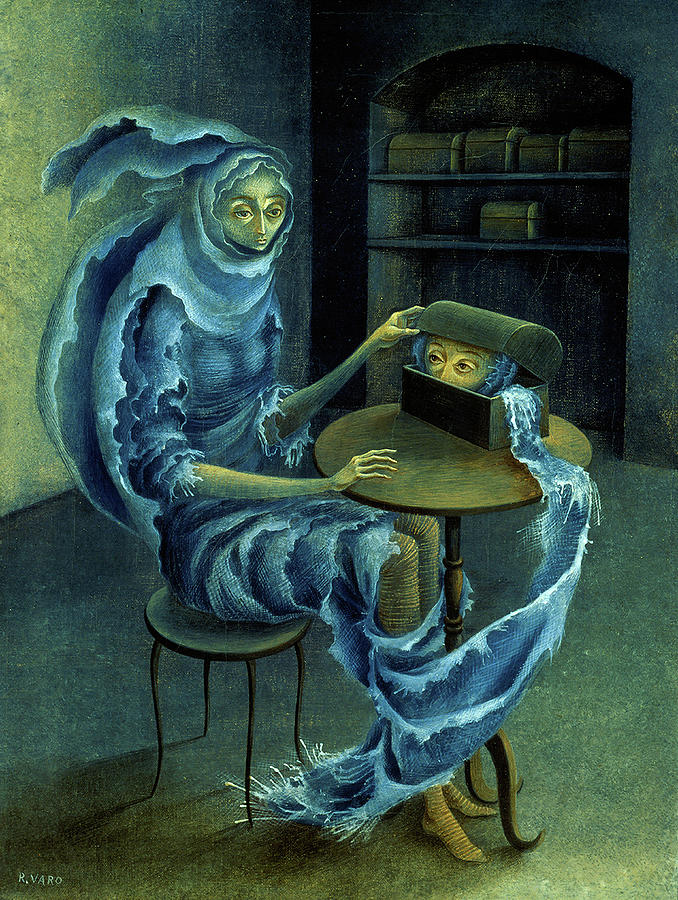
| | Artist: Remedios Varo, Conceptual, Subject Area:Figurative/Psychologica, Shape: Organic, Design: Orderly, Brushwork:Carefully Rendered, Space: Deep, Color: Invented/Perceptual. | | |
My illustrations for this month’s newsletter are all drawn from artists I particularly admire for their ability to express themselves in a distinctive personal style.
For each illustration I am noting how the artist uses Subject Area, Shape, Design, Brushwork, Space and Color in service to their personal vision. I found this helps me to understand what it is they are doing to create work that doesn’t look like anyone else’s. This way I can identify more clearly what it is I would most like to veer away from in my artwork and what will feel more expansive.
I created this map to keep my nose pointed in the direction of fresh, new alternative routes and away from loops, cul-de-sacs and detours.
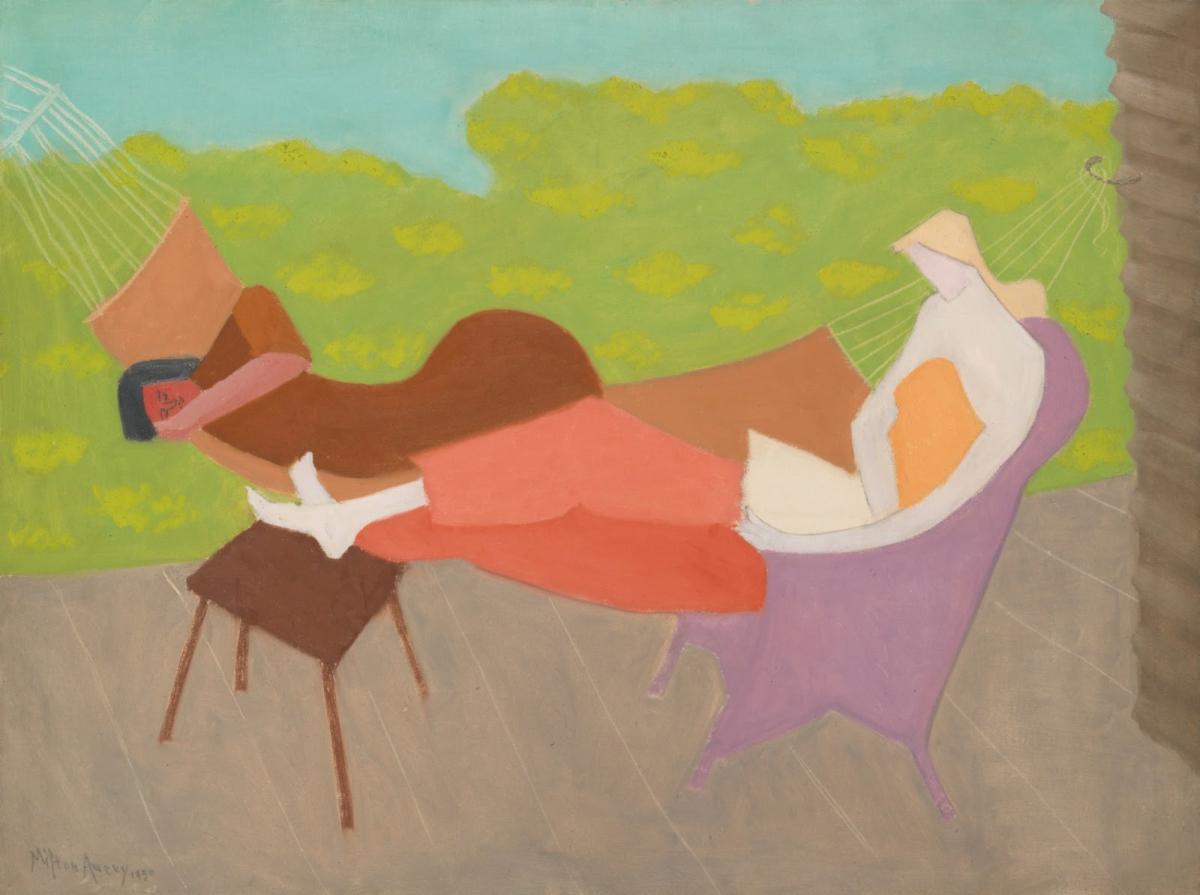
| | Artist: Milton Avery, Perceptual, Subject Area:Figurative, Shape: Distorted, Design: Simplified, Brushwork:Casual, Space:Shallow, Color: Invented/Conceptual. | | |
How and what you are painting today may be more a reflection of your early instruction rather than an expression of your own ideas and interests. Accuracy in drawing and painting technique takes a long time to learn but great technique tends to make your art look similar to everyone else’s. Taking time to consider personalizing your choices is the first step in striking out towards your unique destinations.
What distinguishes one artist’s personal “voice" from another is not the subject each artist chooses nor the medium selected. There is no hierarchy in painting styles, no style better than another. A painting that is personal, sincere and technically sound will be a success. How you employ the elements of design - color, value, shape, line, etc. is what artists use to make their interpretation personal and unique.
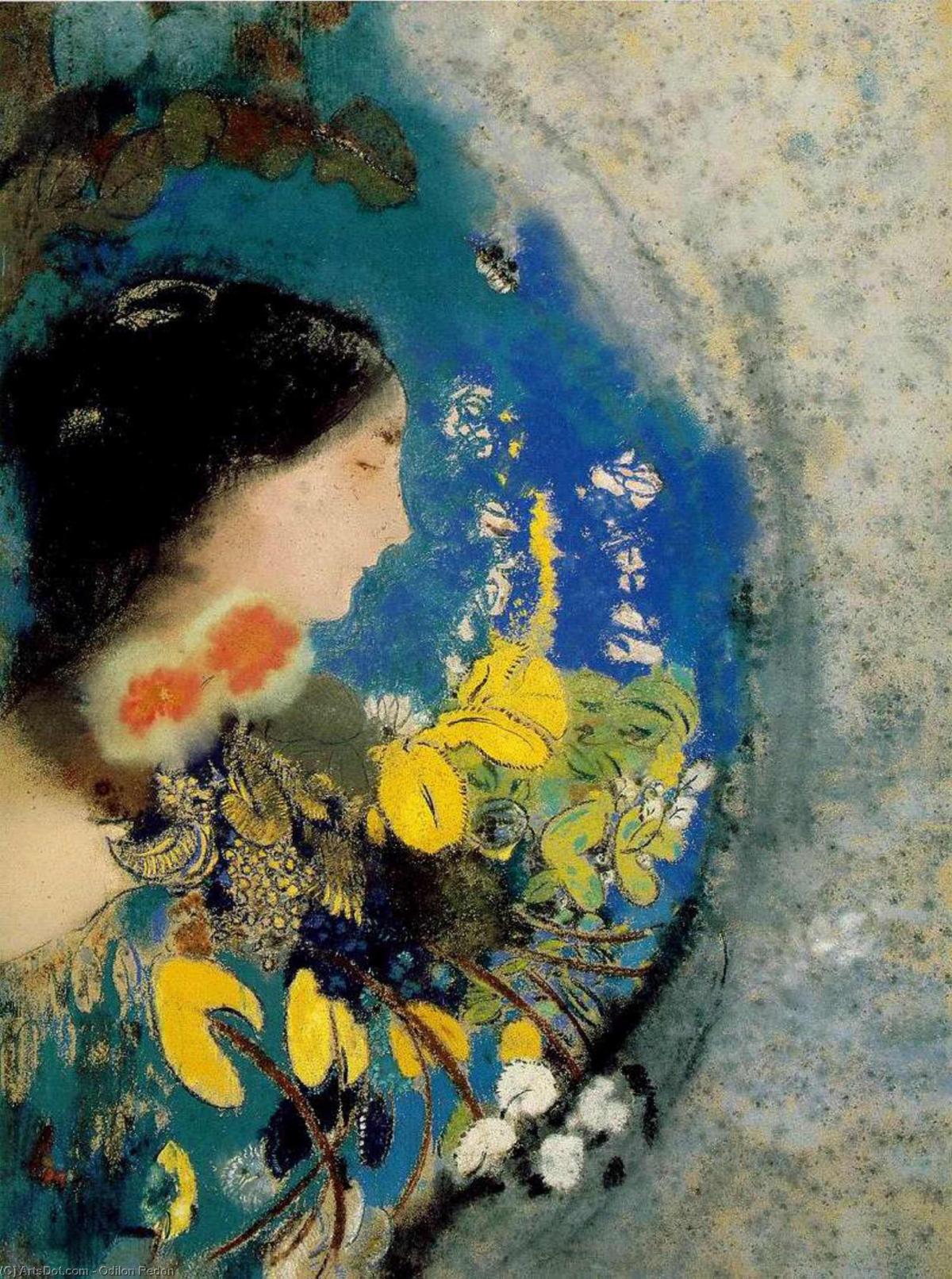
| Artist: Odilon Redon, Conceptual, Subject Area:Figurative/Illustrative, Shape:Distorted, Design: Simplified, Brushwork:Painterly, Space:Flat, Color:Invented/Conceptual. | |
Topher Schink and Skip Lawrence say, “You don’t define your style by simply picking from the eight entrees and twelve side dishes offered here. Developing a personal way to paint is the result of an evolutionary process in which we become increasingly aware of what we like and don’t like - what we want to say in our paintings and the best way to express it”
To interpret a subject in a personal way and not merely describe something you saw, you must first identify how you “feel” about that subject.
What emotions or visual qualities appeal to you? Ask yourself why you want to paint this subject? How could you present this familiar subject in a fresh, new light?
Your answers will help you decide how to design your painting - what colors to use, what elements to emphasize, subdue or what shapes to distort or exaggerate, and a multitude of other design decisions you must make.
Sometimes it means “unlearning” the techniques we worked so hard to conquer.
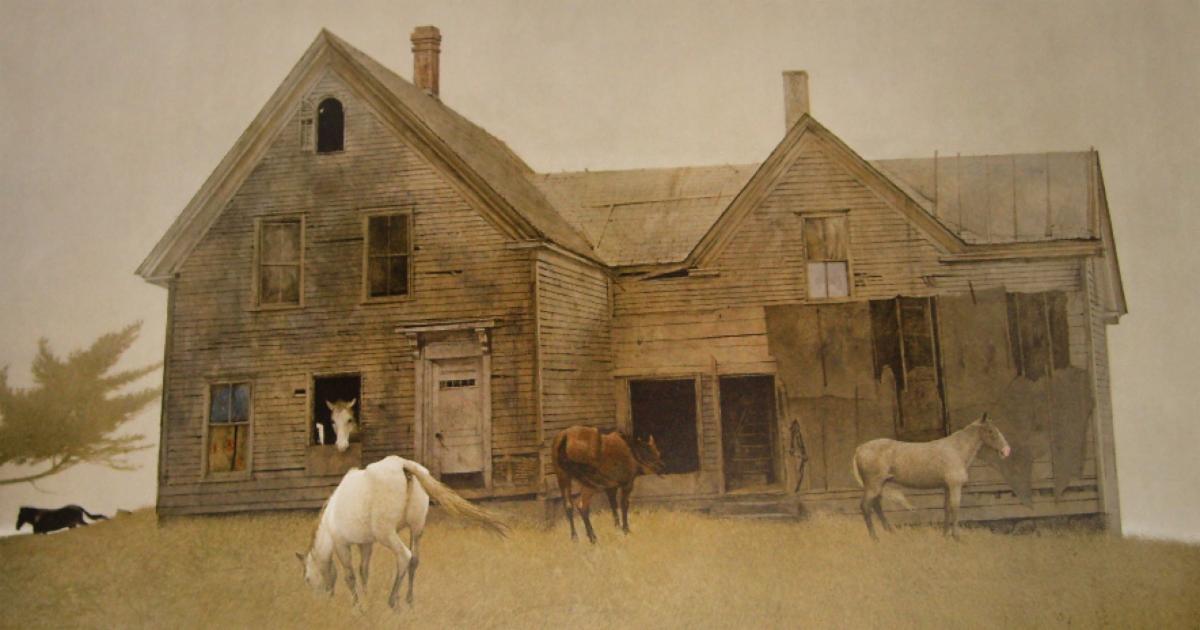
| Artist: Andrew Wyeth, Perceptual, Subject Area:Landscape/Sense of Place, Shape:Organic/Geometric, Design:Orderly, Brushwork: Carefully rendered, Space:Deep, Color:Descriptive/Naturalistic | |
Conceptual or Perceptual?
Let’s begin by deciding which type of map to use. Ask yourself what interests you more - perception or conception?
A perceptual artist is fascinated by things they see - changes in the atmosphere at different times of day or weather, the way light reflects and bounces on objects, the shape of a flower or fruit, the curve of a face, etc. A perceptual artist takes something they see and turns it into a work of art.
A conceptual artist is inspired by what they think and feel. They are motivated by ideas, emotions, memories, stories, beliefs and all that the mind ponders. Politics, religion, world peace, global warming, justice, etc. are all concepts that can be expressed through art. A conceptual artist takes an idea or a feeling and uses the tools of art to convey that idea or feeling to others.
Which of these two categories feels most attractive to you? Knowing your preference for Perceptual or Conceptual art will help you to choose subjects that light you up inside.
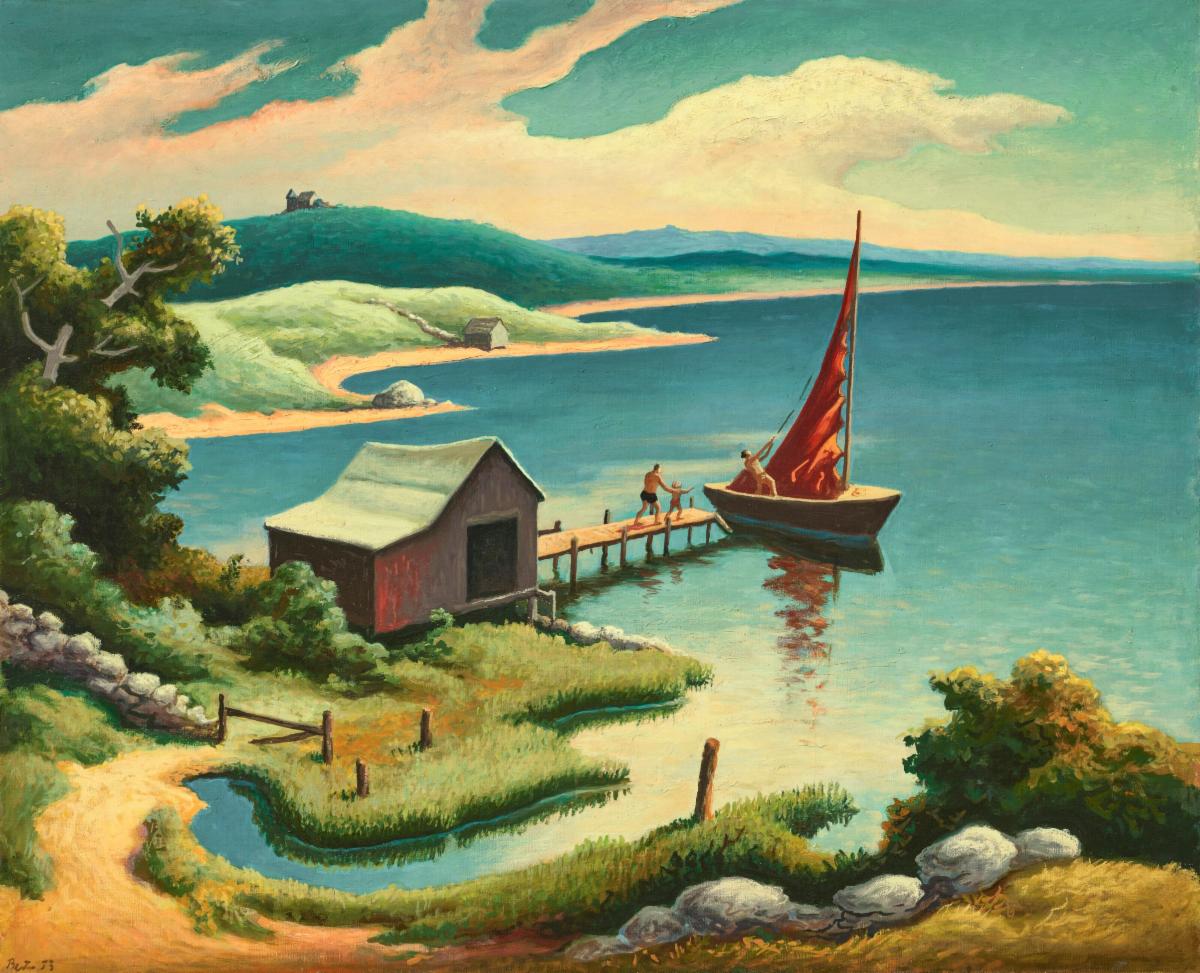
| | Artist: Thomas Hart Benton, Perceptual, Subject Area:Landscape, Shape: Distorted, Design: Orderly, Brushwork:Carefully Rendered, Space:Deep, Color:Descriptive/Naturalistic | | |
Subject Matter:
The subject matter you select is the visual object, idea or feeling you are trying to depict in your painting. For conceptual artists ideas and emotions are of primary interest, for perceptual artists the appearance of objects takes precedence. Both employ familiar objects and locations.
Below are some very broad generalizations with examples of the direction artists can take in selecting subjects for their art. Many artists work in more than one category.
Landscape/seascape
- Picturesque/exotic
- Description of Place
- Rustic/Nostalgic
- Romantic with emphasis on mood
- Forces/Effects of Nature
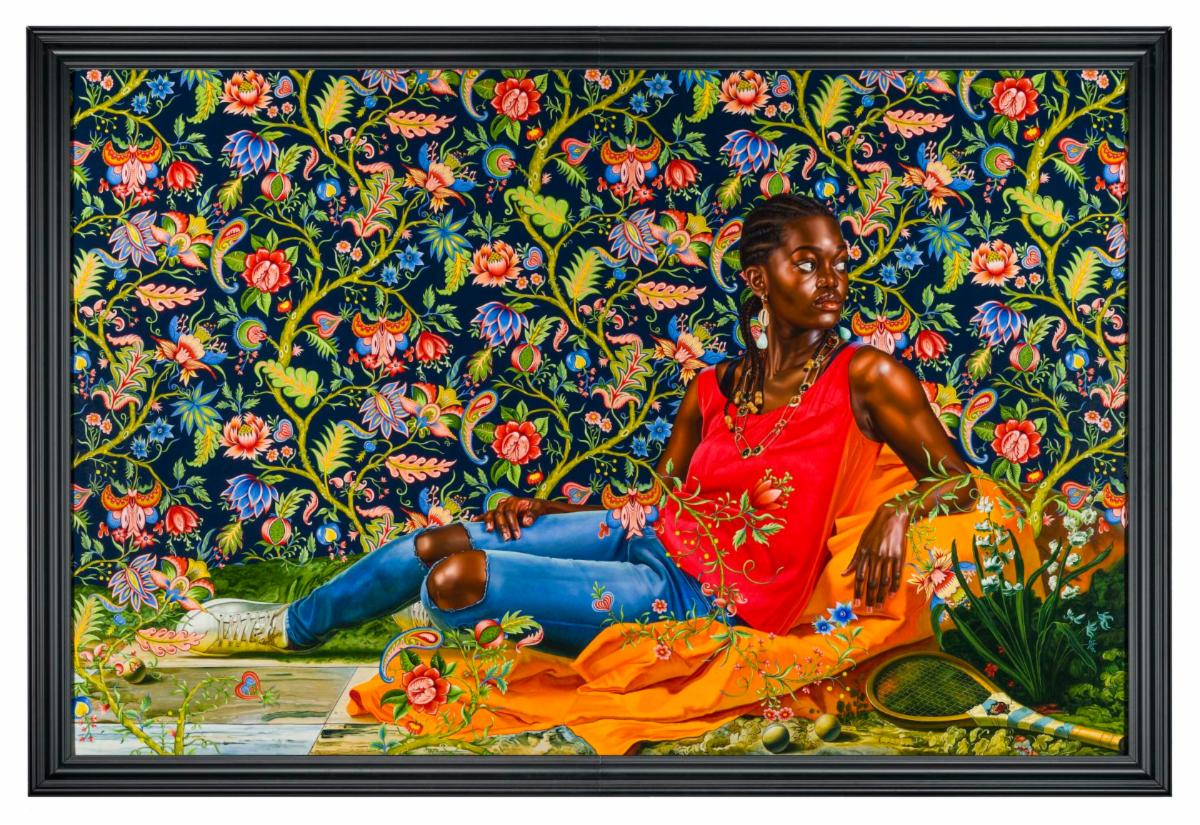
| | Artist: Kehinde Wiley, Conceptual, Subject Area: Figurative/Decorative, Shape: Organic, Design: Eccentric/Complicated, Brushwork:Carefully Rendered, Space:Shallow, Color: Invented/Perceptual | | |
Figurative
- Decorative
- Illustrative
- Caricature/Cartoon
- Character/Psychological Insights
- Social/Political
- Social Commentary
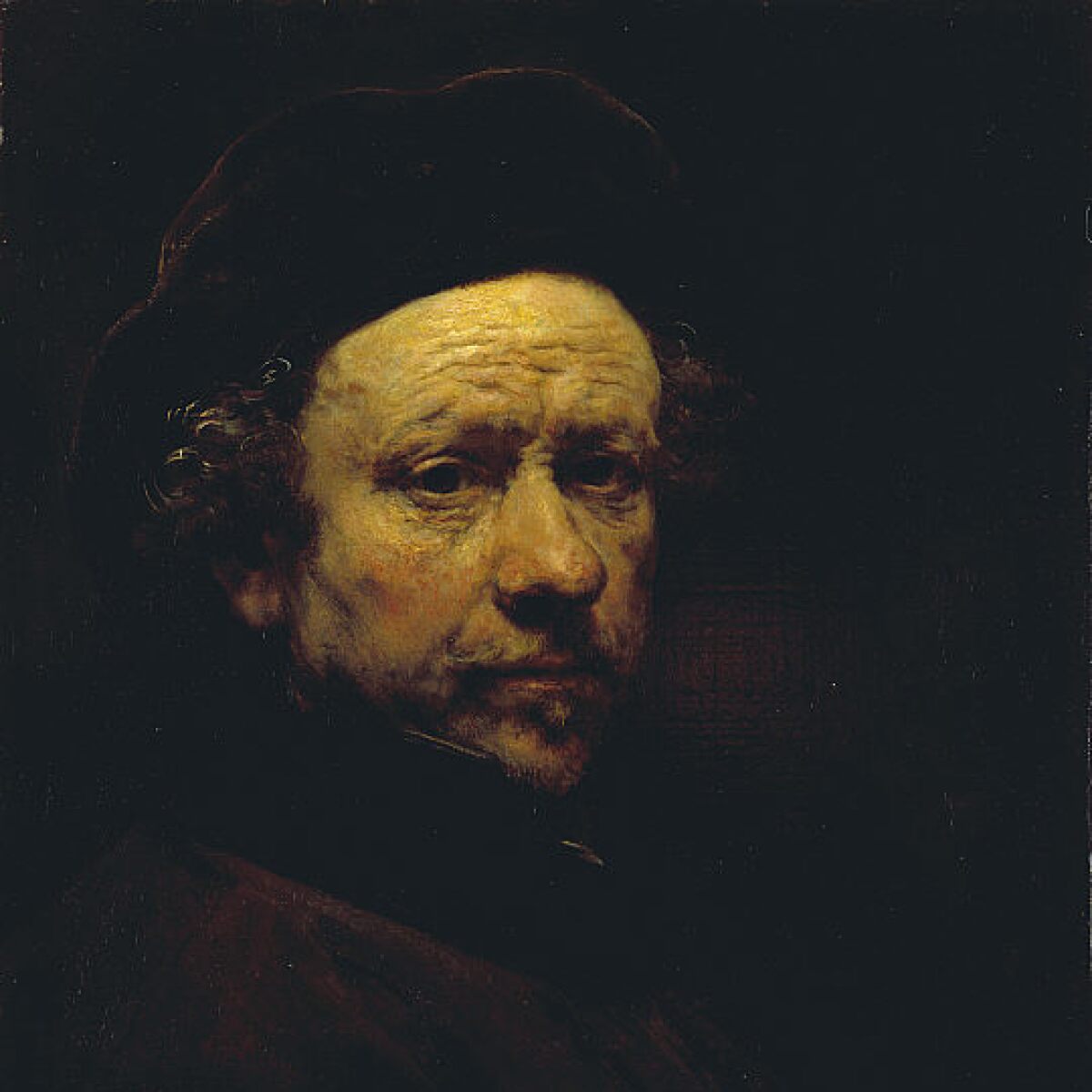
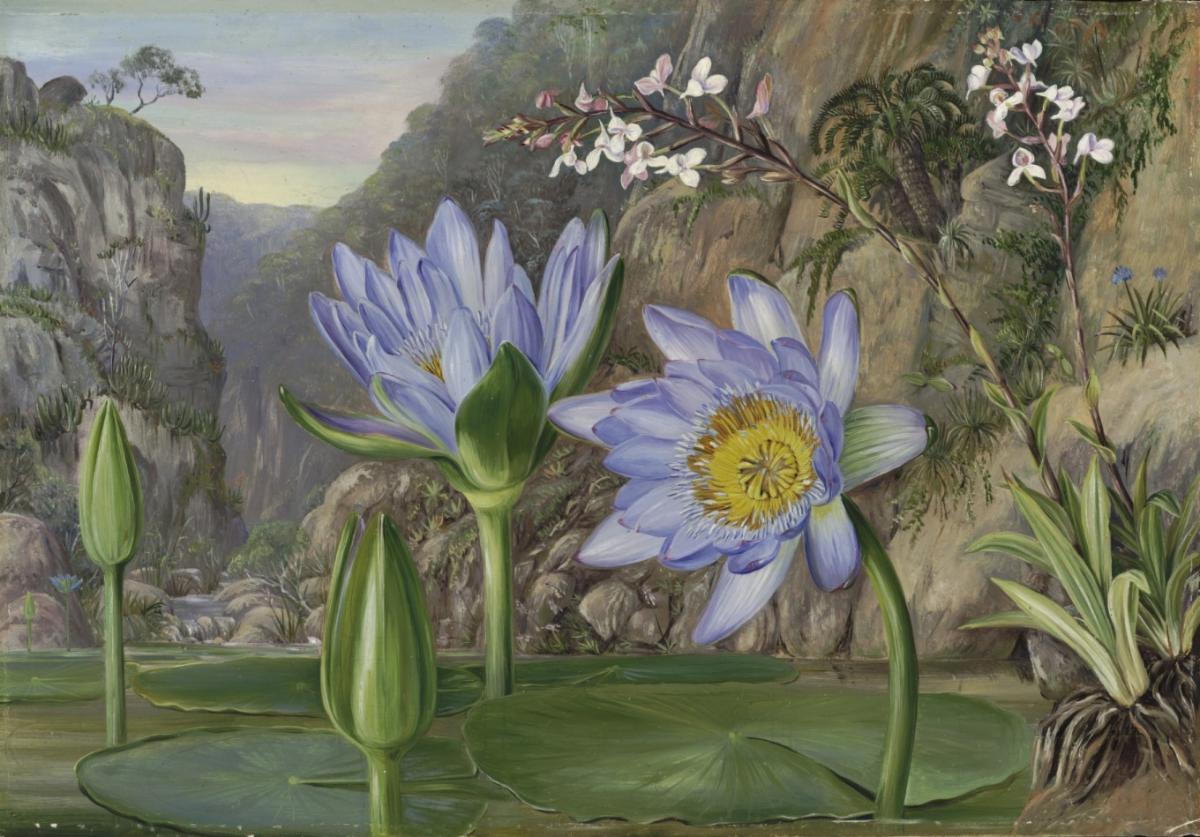
| | Artist: Rembrandt van Rijn, Perceptual, Subject Area:Figurative/Psychological, Shape: Organic, Design:Orderly, Brushwork:Casual, Space:Shallow, Color:Descriptive/Naturalistic | | Artist: Marianne North, Perceptual, Subject Area: Floral/Illustrative, Shape: Organic, Design: Orderly, Brushwork: Carefully Rendered, Space:Deep, Color:Descriptive/Naturalistic. | | |
Personal Symbols
Non-Objective -Unrecognizable shapes and forms
Which of these subject areas appeals to you? Do you notice an attraction or resistance to any of them?
When you find a subject area you like, acquaint yourself with famous artists who chose similar subjects. These artists think deeply about their subject matter and can give you tools and ideas to help you express your thoughts and feelings about your object of interest in a fresh new way. Even old ideas become new again when filtered through your own reinterpretation.
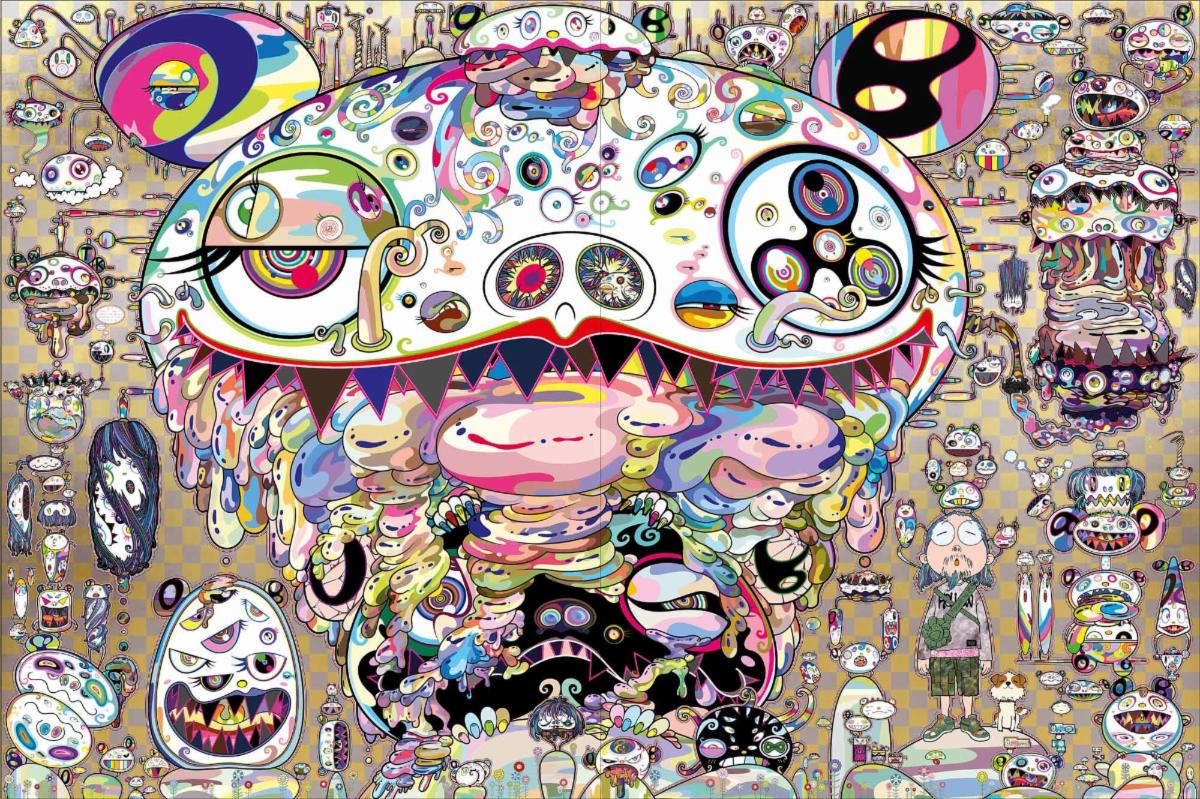
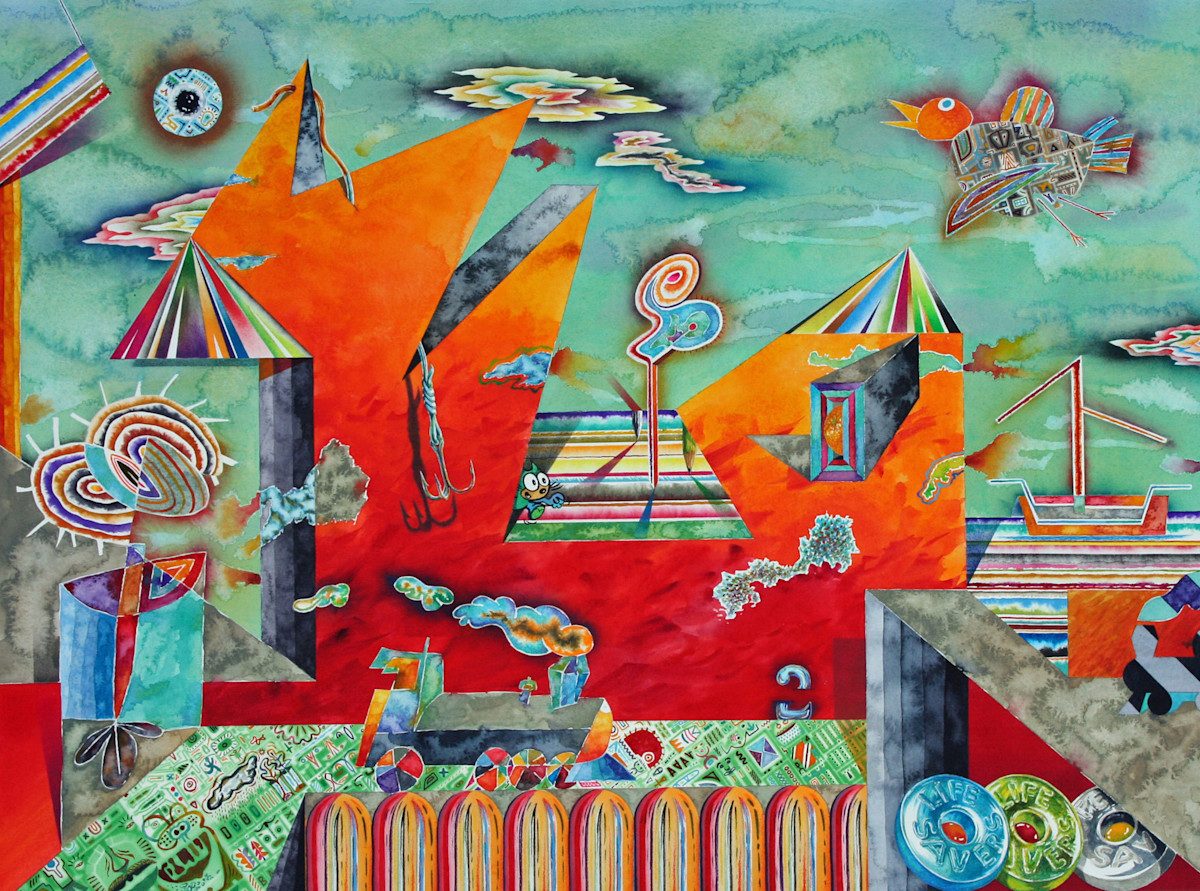
| | Artist: Takahashi Murakami, Conceptual, Subject Area: Personal Symbols and Caricature, Shape: Abstracted, Design: Eccentric/Complicated, Brushwork: Carefully Rendered, Space:Flat, Color: Invented/Conceptual | | |
Shape:
Shape refers to the form or outline of an object, which can be two-dimensional (like a square or circle) or three-dimensional (like a cube or sphere). It describes the spatial arrangement and characteristics of an object.
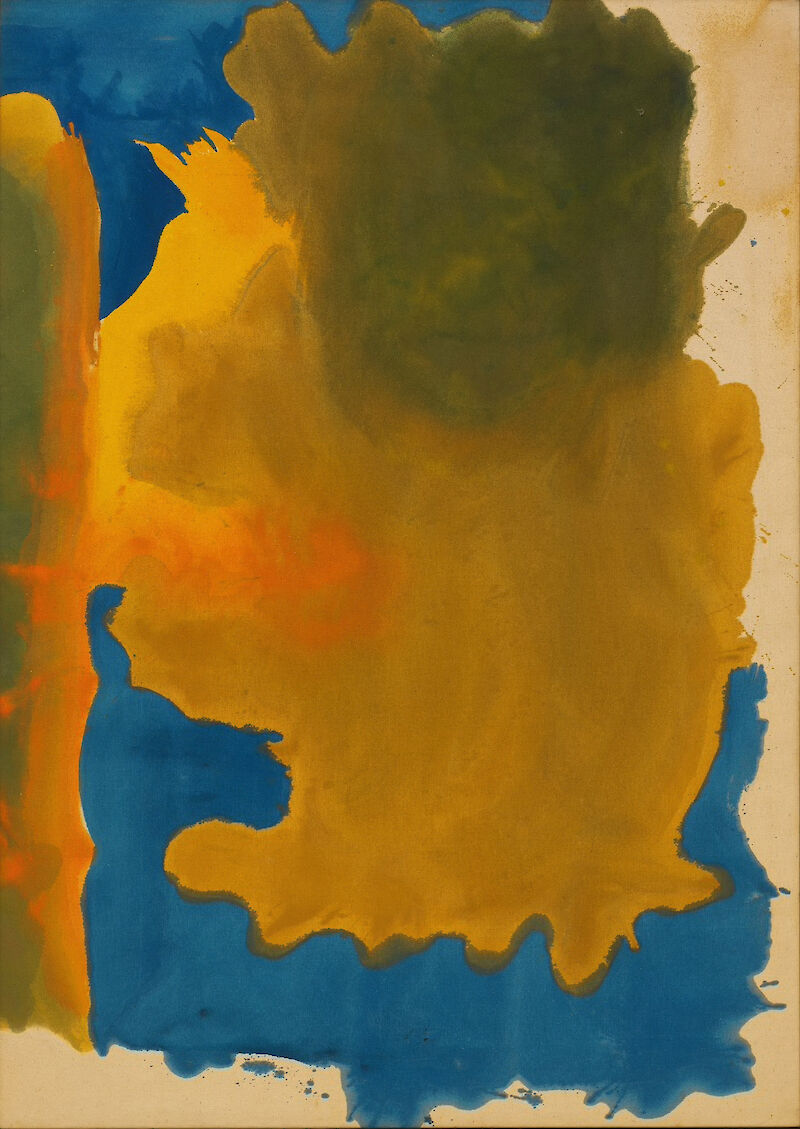
| Artist: Helen Frankenthaler, Conceptual, Subject Area: Non-Objective/Organic, Shape: Organic, Design: Eccentric, Brushwork: Casual, Space: Flat, Color: Invented/Conceptual | | |
Learning to draw accurately is often a primary goal for a beginning artist. The ability to draw or paint something that looks "real" is a measure of the artist’s talent and skill. Awkward or distorted shapes suggest incompetence and for that reason many artists (this includes me) resist playing with, exaggerating or distorting their drawings.
A successful painting conveys not just how our subject looks but how we feel about it - what interests us or excites us about the subject.
Over time many artists develop a personal shape vocabulary for describing the the objects in their paintings. They may prefer using geometry to simplify and generalize their shapes or use repeated movements to create a rhythm in their design.
Non-objective and abstract artists find themselves repeating certain shapes that have personal meaning to them. Others develop a preference for simple flat shapes with interesting patterns and surface variations.
There is no right or wrong way to use shape. The shape you draw has to “feel” like your subject but it doesn’t have to look exactly like it. Notice the type of shape design you prefer looking at when used by other artists and ask yourself how you could lean into that direction yourself.
| | Artist: Keith Crown, Conceptual, Subject Area: Non-Objective, Shape: Geometric, Design: Eccentric/Complicated, Brushwork:Casual, Space:Flat, Color:Invented/Conceptual. | |
-
Organic - naturalistic or curvilinear boundaries. Organic shapes carefully record the subtle changes on the edge of the object ignoring the middle of the shape.
-
Geometric - stylized with straight boundaries
-
Designed - Generalized and simplified without altering the size or proportions of the object. Designed shapes ignore the small variations that occur at the edge.
-
Abstracted - Simplified until it no longer resembles the object itself, instead it becomes a symbol for the object.
-
Distorted - Artists distort shapes in order to make them consistent with the overall treatment and expressive intent of their design. Exaggerating the proportion and size or treating shapes in a geometric way, emphasizing their curvilinear movements to fatten a shape or elongate it can support the overall design of the painting. To distort you have to forget about accuracy and proving you can draw well and instead stretch, squeeze and straighten your shape until you have created an interesting and expressive representation.
-
Non Objective - Using just parts or edges from your subject without creating an identifiable silhouette. Simplify the subject until it is reduced to its essence. In this type of shape design considerations take precedence over accuracy - sensing where you need to find a shape or repeat a color until the whole surface of your painting feels like your subject.
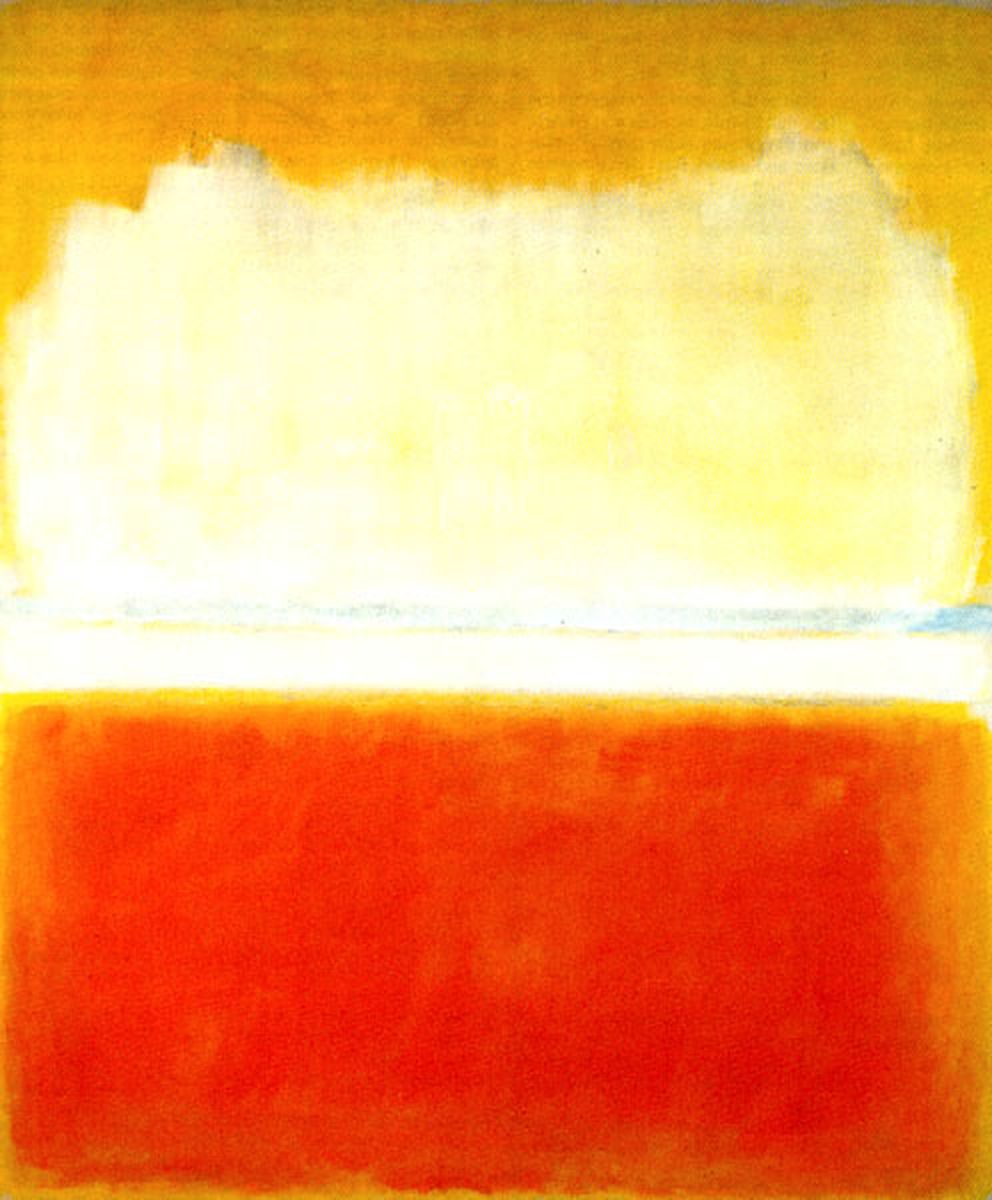
| | Artist: Marc Rothko, Conceptual Subject Area:Non-Objective, Shape: Non-Objective, Design: Simplified, Brushwork: Casual, Space:Flat, Color:Illuminative | | |
Design:
How will you repeat and arrange your shapes to support your overall design?
-
Simplified - reduces design elements to a minimum
-
Complicated - many embellishments and decorative additions
-
Orderly - carefully balanced elements
-
Eccentric - unexpected placements
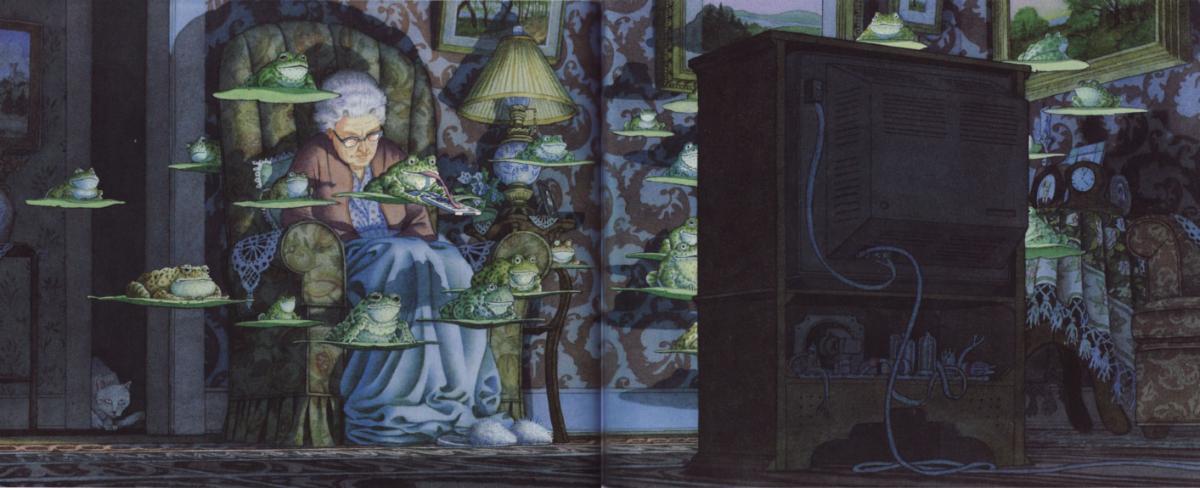
| | Artist: David Weisner, Conceptual, Subject Area:Figurative, Shape:Organic, Design: Complicated, Brushwork:Carefully Rendered, Space:Deep, Color: Naturalistic/ Atmospheric. | | |
Texture/Brushwork:
-
Carefully rendered - no evidence of brushstrokes
-
Casual - little attention to the finish of the work
-
Painterly - identifiable brushstrokes or calligraphy
-
Gestural - large directional brushwork or paint movement
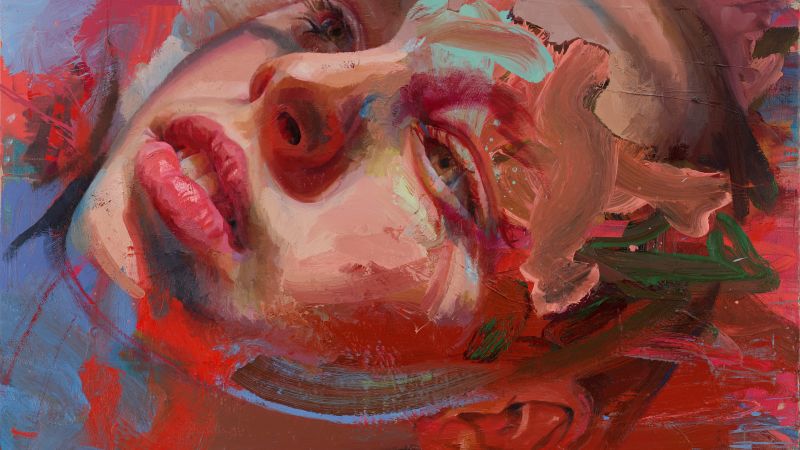
| | Artist: Jenny Saville, Perceptual, Subject Area: Figurative/Psychological, Shape: Organic, Design: Orderly, Brushwork: Painterly, Space: Shallow, Color: Invented/Perceptual. | | |
Space:
Spatial Treatment/ Depth of Field
-
Deep - emphasis on receding space. This gives your work a “traditional’ look.
-
Shallow/Flattened - minimal spatial cues. “Modern” painting flattens the space to less than 12” deep within the picture frame.
-
Flat - avoidance of three-dimensionality
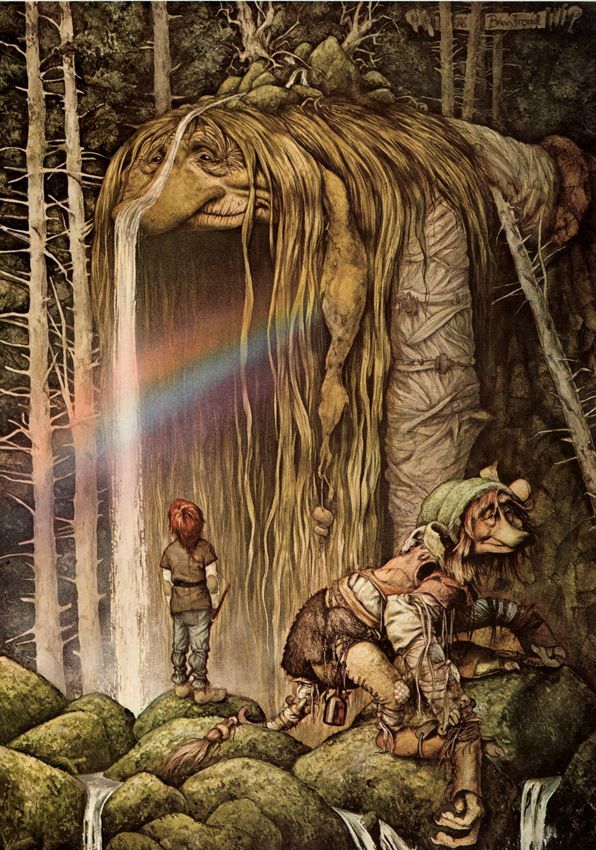
| | Artist: Brian Froud, Conceptual, Subject Area:Figurative/Illustrative, Shape:Organic, Design:Complicated, Brushwork:Carefully Rendered, Space:Deep, Color: Descriptive/Naturalistic | | |
Color:
Color is the most powerful emotional tool available and should be used with care and compassion. Color is seductive, sensual, provocative, alarming, restful and arresting. Color can create mood, atmosphere, sound, smell, taste and touch.
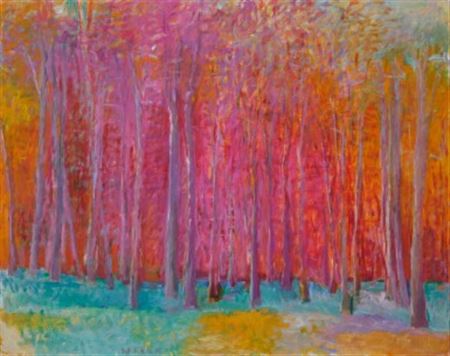
| | Artist: Wolf Khan, Perceptual, Subject Area: Landscape, Shape:Simplified, Design:Simplified, Brushwork: Painterly, Space:Shallow, Color: Invented/Conceptual | | |
-
Descriptive/Naturalistic - adhering to observed or photographic resources - Numerous objects are massed into larger cohesive shapes of similar value using saturation and intensity to draw attention to and away from your subject. The artist adjusts the colors in a subtle way.
-
Aerial/Atmospheric - emphasis on capturing the effects of weather - Painting based on the color of light not the color of objects. If the predominant color of light is blue, green or pink then every local color in the painting is adjusted to contain that color. It is like seeing the subject through a piece of colored glass.
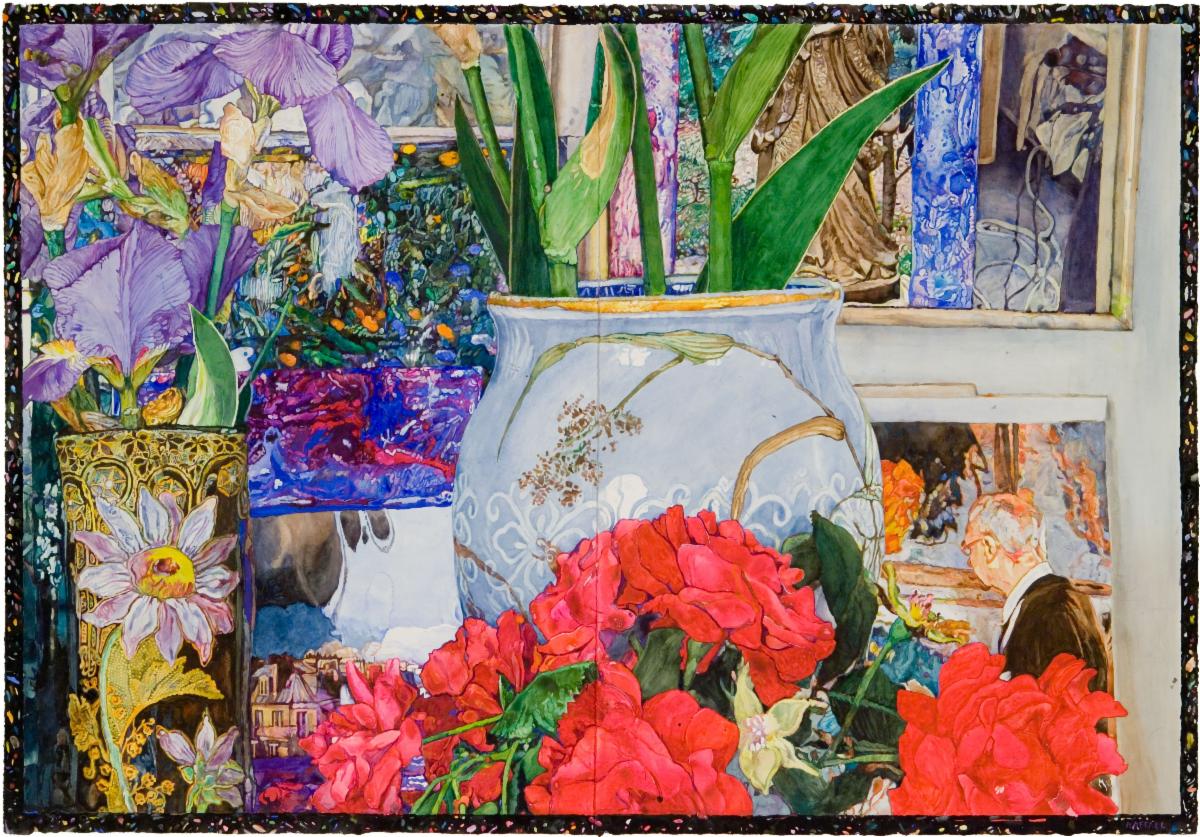
| | Artist: Joseph Raffael, Perceptual, Subject Area: Floral/Still Life, Shape: Organic, Design: Complicated, Brushwork: Carefully Rendered, Space: Shallow, Color: Descriptive/Naturalistic | | |
-
Illuminative - capturing effects of light/shade - Luminosity is when light seems to shine out of an object or an area. Uses limited range of values with little or no white or black. - intensity and saturation vary more than value or hue. Luminous areas are the lightest and most intense in the painting. They are surrounded by slightly darker passages.
-
Invented/Perceptual - Expressive painting should be hyperbolic. It should exaggerate every distinctive quality of the subject. Observed color is organized and altered into a formal scheme exploiting the differences in color and intensity leaving no doubt in your viewer's mind that the artist manipulated the use of color.
-
Invented/Conceptual - Colors chosen for their impact rather than their relationship to the subject- ask yourself what colors or color qualities best express my reaction to the subject? Forget about how things look and concentrate on how you respond to them. Select a familiar object and make a list of how you could play with or distort the color of this object to capture the essence of it. Black can be used to interrupt overly sweet color harmonies.
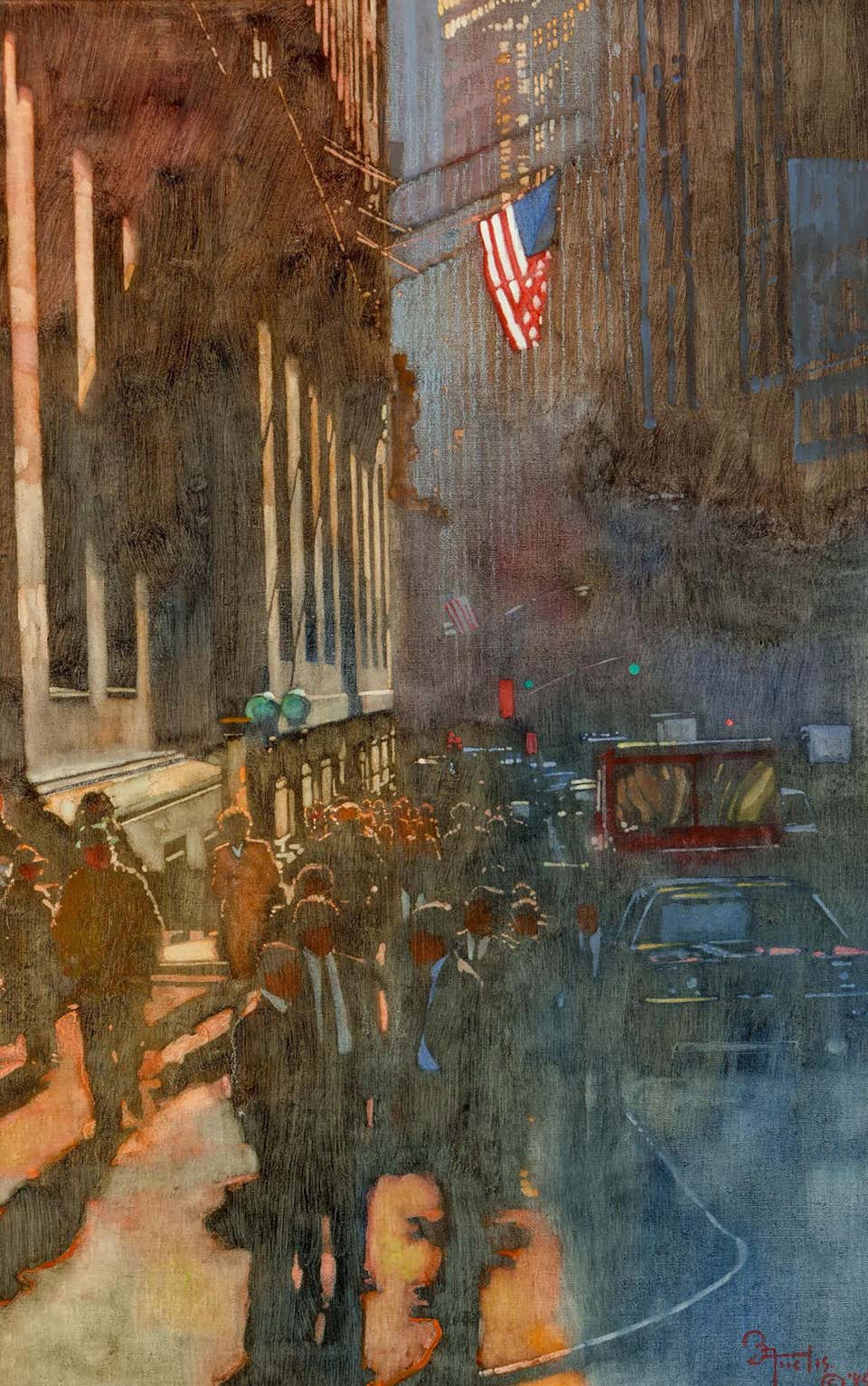
| | Artist: Bernie Fuchs, Perceptual, Subject Area:Landscape with Figures, Shape: Organic, Design: Orderly, Brushwork: Casual, Space: Deep, Color: Atmospheric | | |
Personal Map:
When I applied these inquiries to my own art I discovered that I paint a lot of Perceptual art when I really prefer creating Conceptual art. My subject matter tends to be Figurative with Landscape and Floral still life close behind.
I am one of those artists stuck in my literal mind when it comes to drawing - I use mostly carefully observed Naturalistic shapes in a predictable, Balanced way in Deep space with many spatial cues. My brushwork is casual. It took a long time for me to learn how to draw accurately and a part of me resists loosening up and playing with shape and flattened space.
My favored use of color is Descriptive/Naturalistic but I am drawn to Illuministic color.
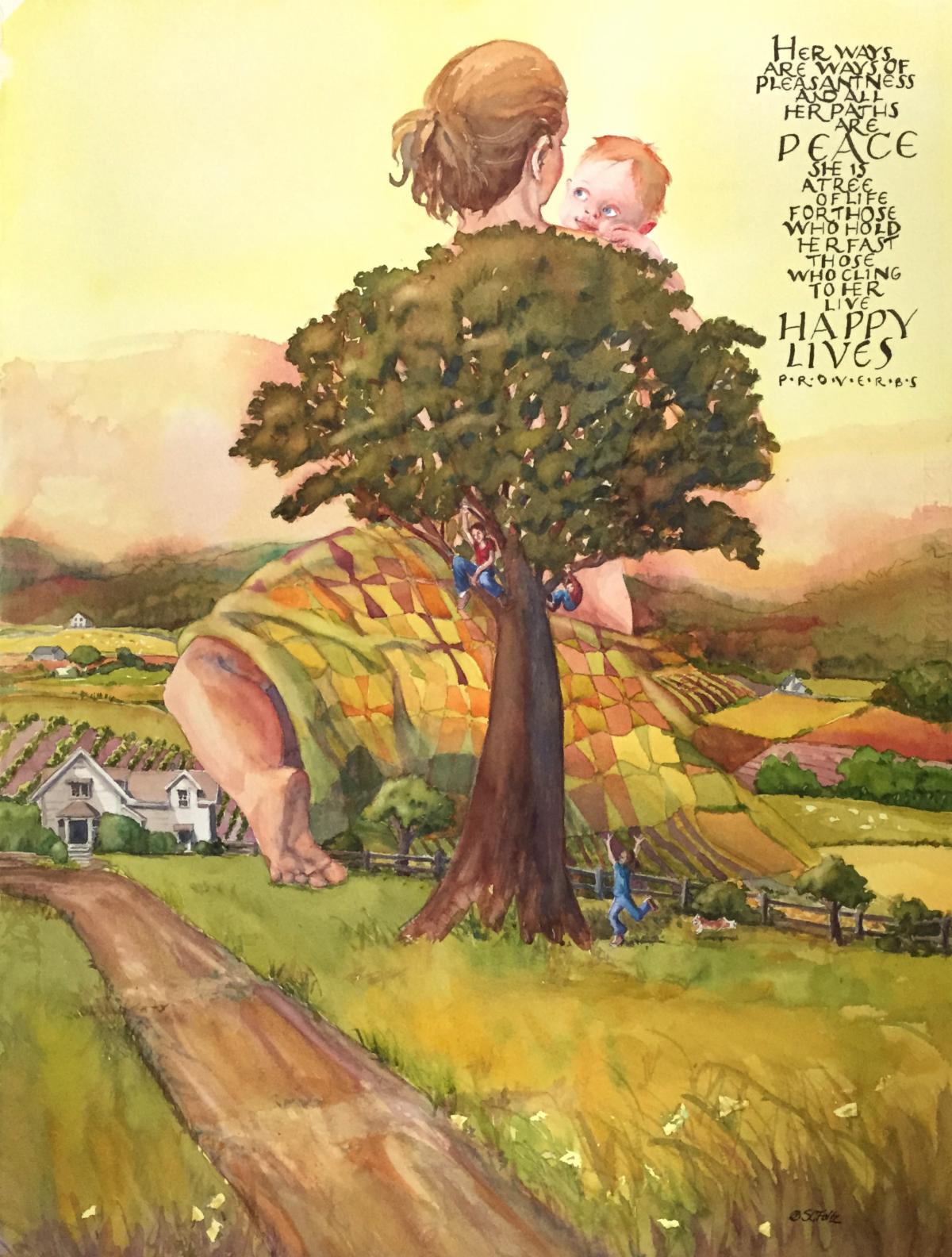
| Artist: Susan Convery, Conceptual, Subject Area:Landscape with Figure, Shape: Organic, Design: Orderly, Brushwork: Casual, Space: Deep, Color: Descriptive/Naturalistic | | |
I found this exploration to be very useful in attuning myself to what I could be visiting and exploring next on my journey to more personal expression. For example, I think it would be fun for me to try deliberately distorting my shapes to make them more playful and less literal. I would like to push my color explorations further into Illuministic color as I think I’ve only begun to touch on what’s possible here. I’m excited to see how I can use this map of inquiries to make my work more distinctive and personal.
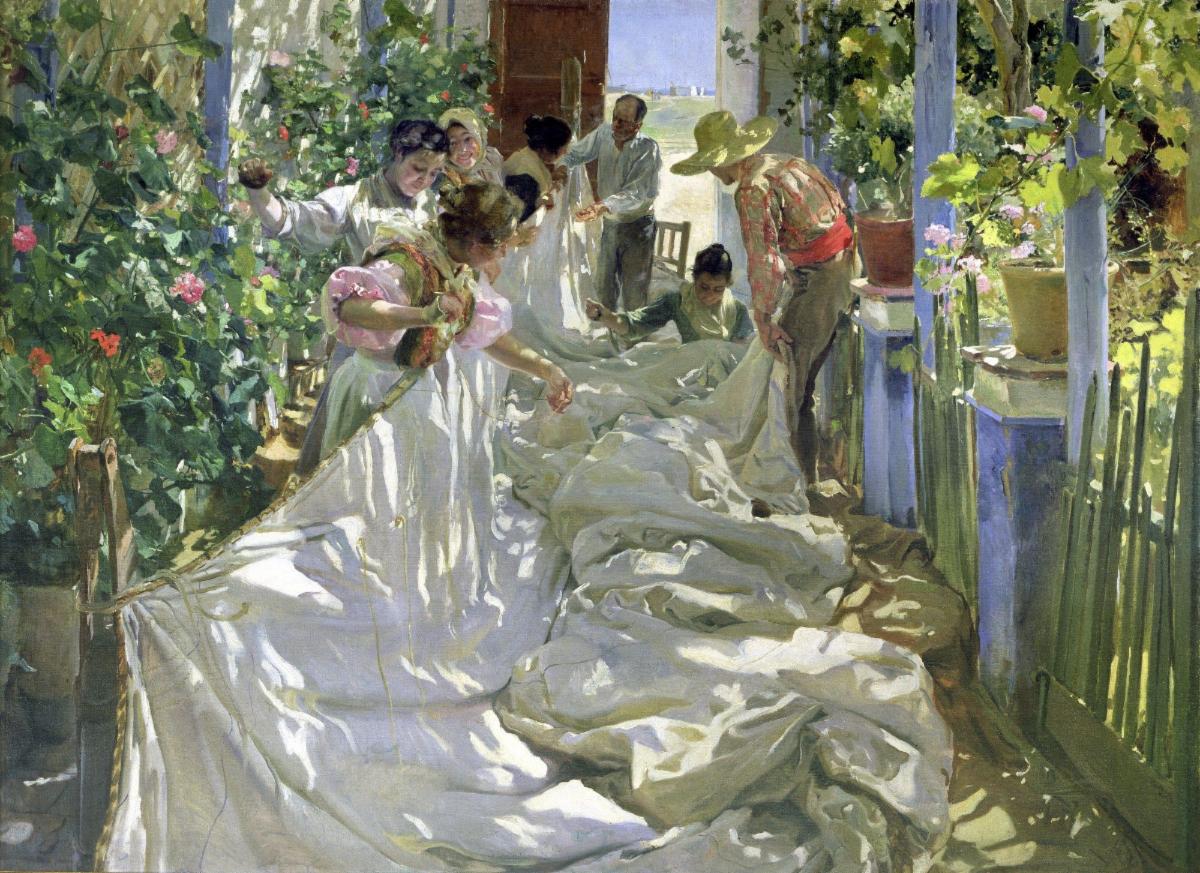
| | Artist: Joaquin Sorolla e Bastida, Perceptual, Subject Area:Landscape with Figures, Shape: Organic, Design: Complicated, Brushwork:Painterly, Space:Deep, Color: Atmospheric | | |
I hope you will try on these categories to see how they fit the work you are creating now and what you would like to explore next. Maybe you will discover that you need more help with technique to level up to your taste and the type of painting you admire.
I welcome your feedback for how I could refine these inquiries further to make them even more fund and motivating. Would you enjoy it if I created a workshop exploring personal preference in more depth? Your support and guidance is always appreciated.
If you would like to explore personal interpretion in more depth please reach out to me. I welcome the opportunity to share what I’ve learned over the years in private classes, and/or workshops.
My wish for you this year is that you fully express and embrace your own weird uniqueness.
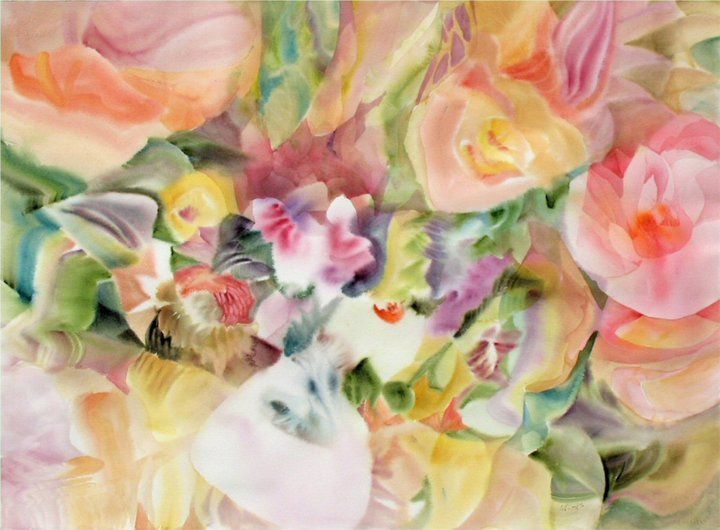
| | Artist: Barbara Nechis, Conceptual, Subject Area:Floral, Shape:Distorted, Design:Complicated, Brushwork:Casual, Space: Flat, Color:Invented/Perceptual | | |
If someone shared this newsletter with you and you'd like
to subscribe, please reach out to me below with your
email address. I promise, no spam, no overloading your
inbox, just the good stuff.
I welcome the opportunity for connection, conversation, cooperation, collaboration, and commissions.
Live heARTfully
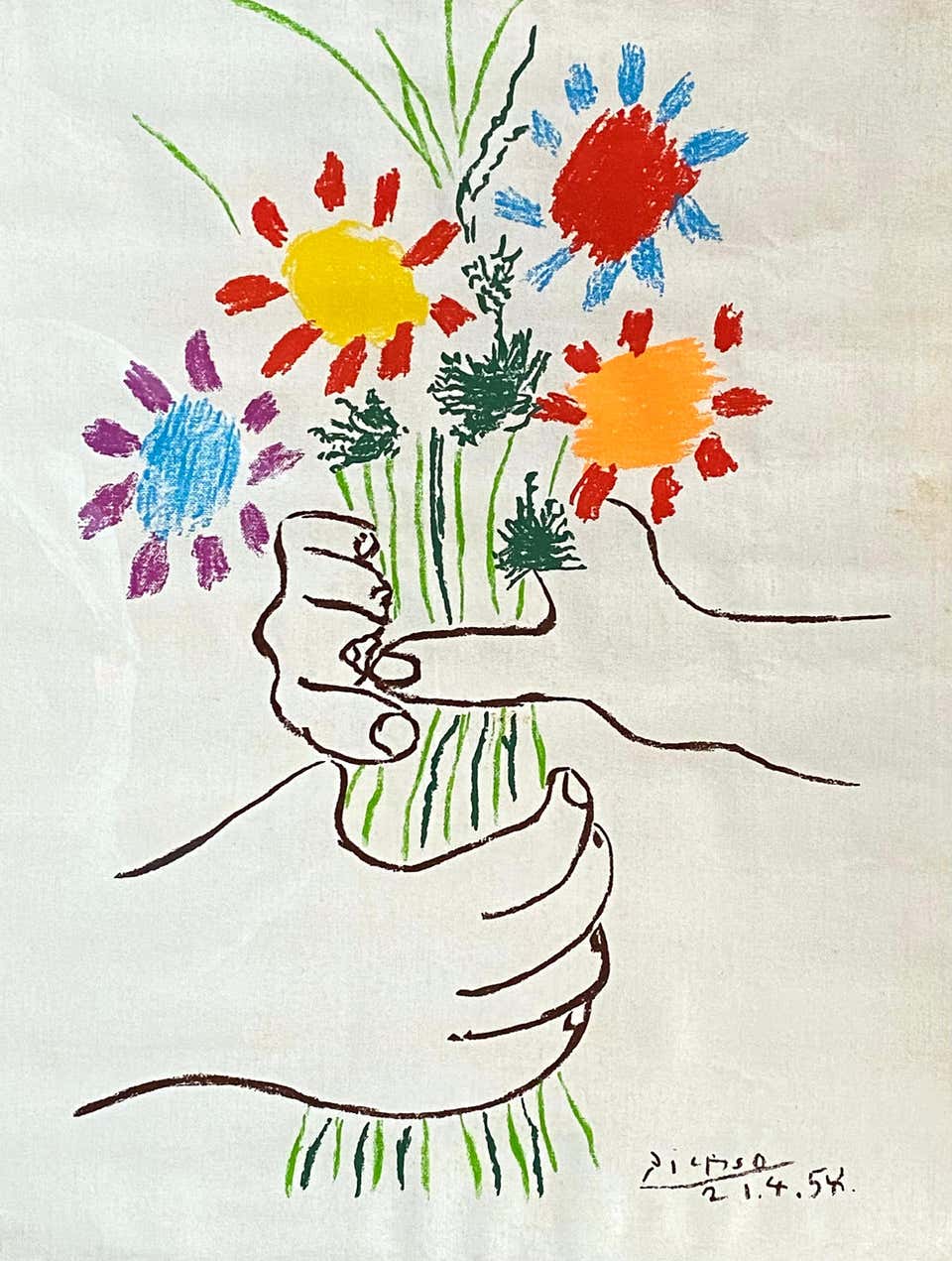
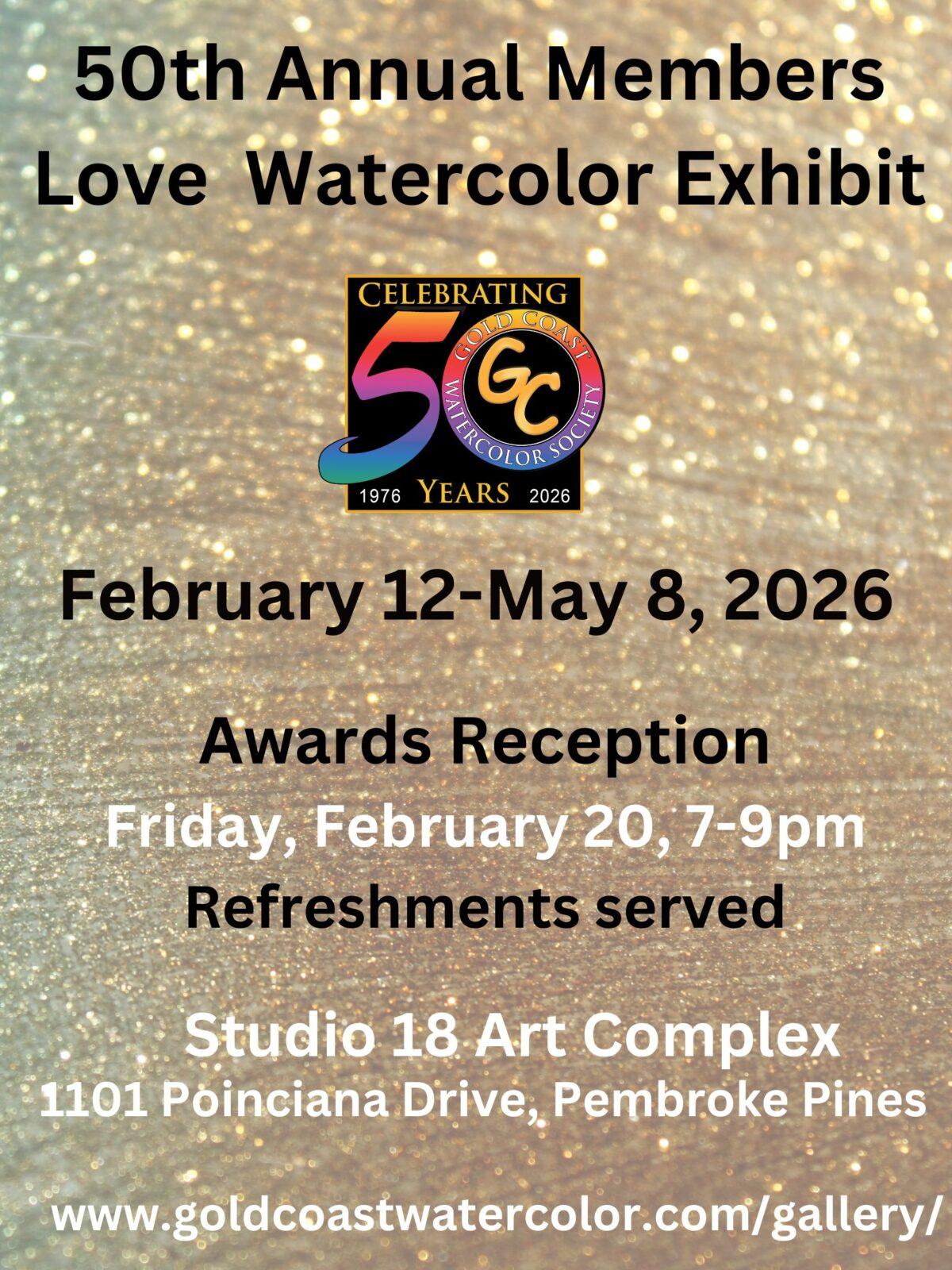
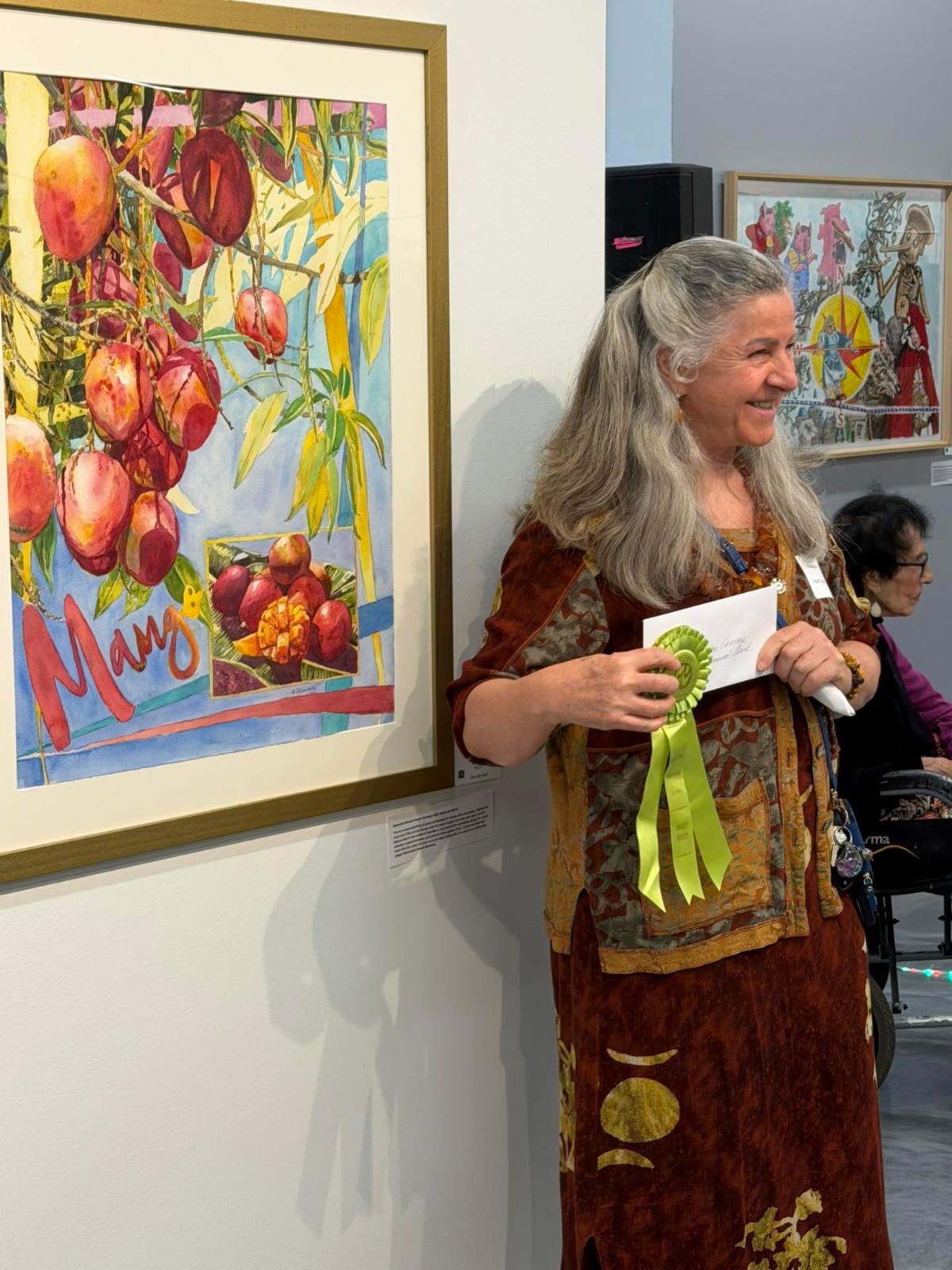
| | P.S. If you didn't get the chance to download your free gift from me: Here are annual collections of my newsletters from September 2022 through December 2025. | | | Artist: Pablo Picasso, Conceptual, Subject Area:Floral, Shape: Abstracted, Design:Simplified, Brushwork:Casual, Space: Flat, Color:Invented/Perceptual | | This happened in February | | Thank you Judge Donna Morrison for awarding my painting “Sweet as Kisses” the non-signature Memorial Award at the Gold Coast Watercolor 50th Members Love Watercolor exhibit at Studio 18 Art Complex in Pembroke Pines. We had a wonderful party to celebrate our 50 year anniversary. Please stop by to view the exceptional collection of watermedia art. There is so much here to appreciate. | | |
| |
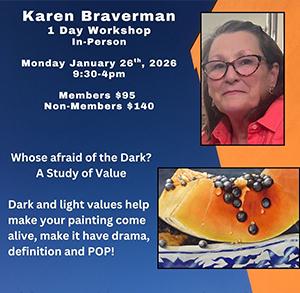
Miami Watercolor Society
Demonstration
Sunday, April 12, 2026
Pinecrest Community Center
12:30 - 3:30 PM
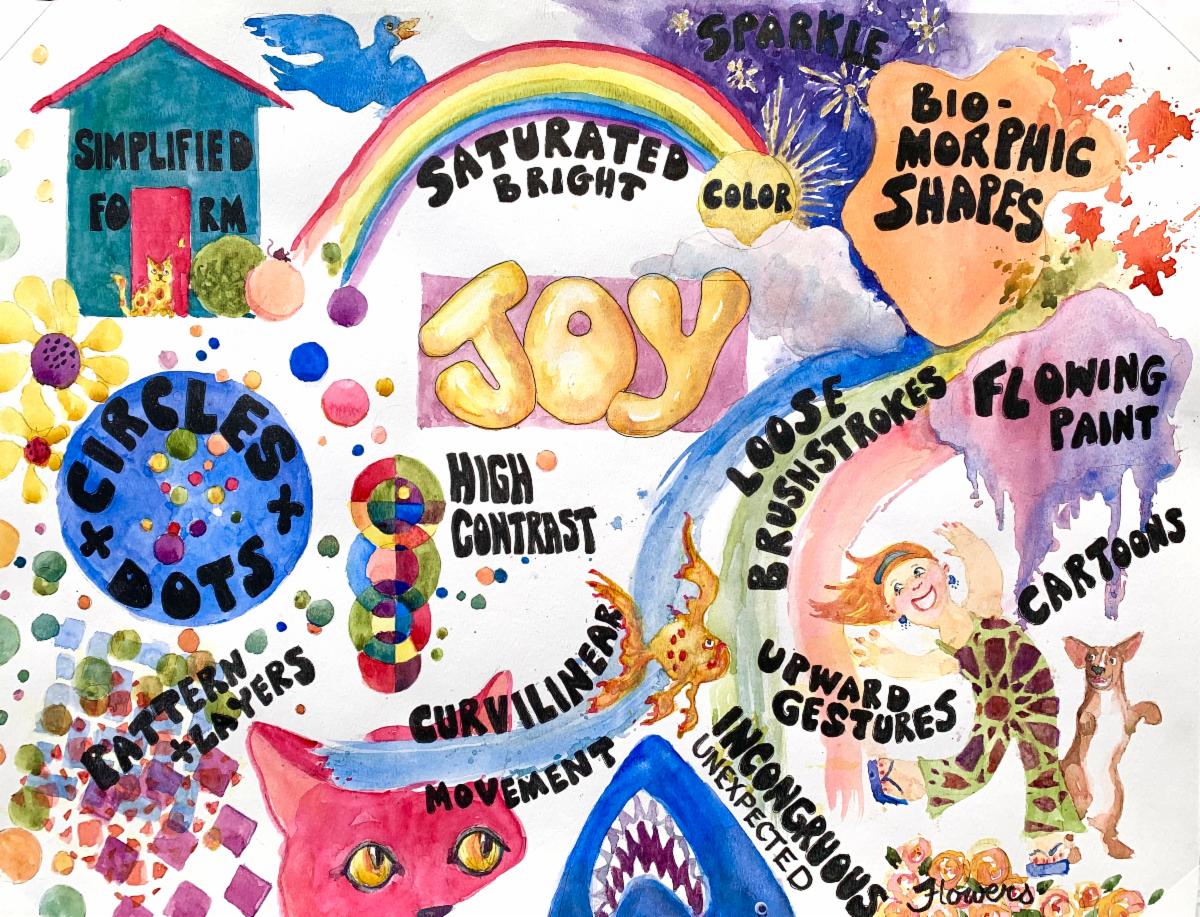
Painting Joy
How to create art that lights you up inside. We are here to flourish, to see rainbows and to paint them, to be tickled and enthralled, to even eat a second sprinkled cupcake if we choose. Explore the nine aspects of joy and uncover personalized visual symbols that will inspire you to bring more effervescence into your life and your art.
Miami Watercolor Society
| | | |
Private Art Retreats
A personalized experience, full of art and discovery, for those who….
- are traveling alone, or with a couple of friends
- would like a much more flexible, and free experience, and lots of fun, too, tailored exactly to your needs, interests, and experience level
- may want to combine painting with organized discovery trips and tours and really get to know the ‘real’ South Florida
- would like to book in for a shorter or longer time than most workshops
- don’t want to have to bring a mountain of supplies in their luggage
| |
Painting Joy
Created especially for artistic women in the third stage of life who are dissatisfied with their artwork and want to have more fun connecting with themselves and others. In this three-day watercolor workshop, we experiment with visual cues that inspire joy, discover personal symbols that resonate, and provide ways to bring more effervescence into our lives and art.
Please recommend any venues you know that might be interested in hosting this workshop in 2026 or 2027.
I am also happy to teach this as a private retreat or for a small group in my studio.
I would very much appreciate your help in getting the next booking.
| | | | Private Lessons and Events | | | | Master Classes for High School Students |
Private, highly personalized classes in mastery for artistically-minded US & international students virtually on Zoom or in person at my home.
If you have a student who is a visual thinker, willing to push the boundaries of their own work, and serious about improving their options for college, I want to hear from you! Schedule a time to discuss how I can collaborate with you to build a portfolio that will give your student the greatest chance for success.
| | | | Art Workshops, Critiques & Presentations |
Invite me to present or lead a workshop for your school, club, or guild.
I can customize a program for your event or present my skills programs on composition, color theory, drawing faces, coordinating light/shadow or understanding the cues for depth. I am available for judging, confidence-building critiques and recorded tutorials.
| | | | Improve Your Artist Statement | |
If you would like to delve more deeply into your own inner questions and clarify your thoughts as you create an artist statement for your website, a gallery show, a sponsor, or another project, please reach out, and let’s talk. I have helped many students write compelling statements for AP Art, college applications, and competitions.
Find out More:
| | |
Sketchbook Prompt:
Take an old painting of yours and recreate it using playful shape, color, size and space. How could you re-work it to be more like the artwork of the inspiring artists you most admire?
| | |
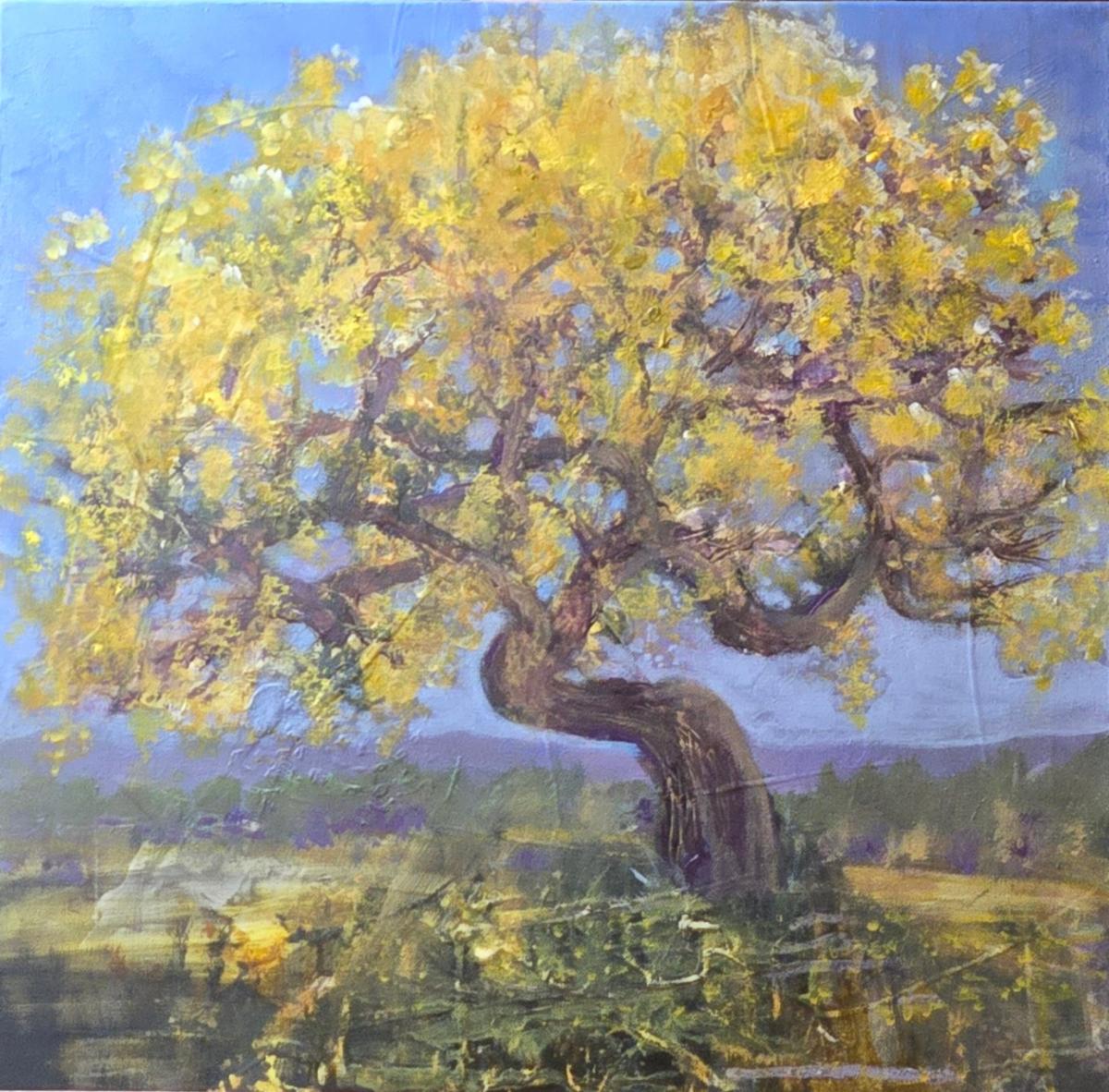
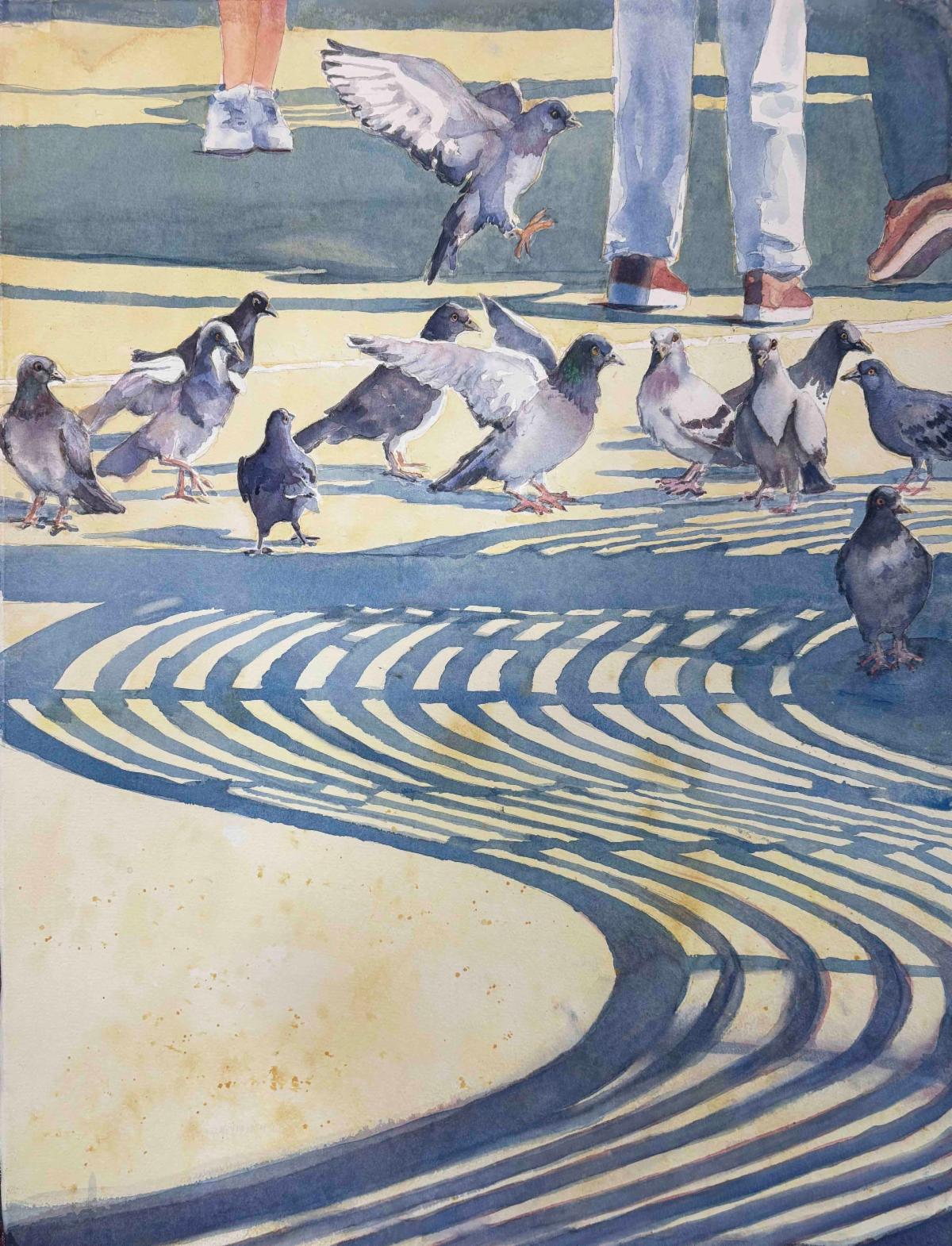
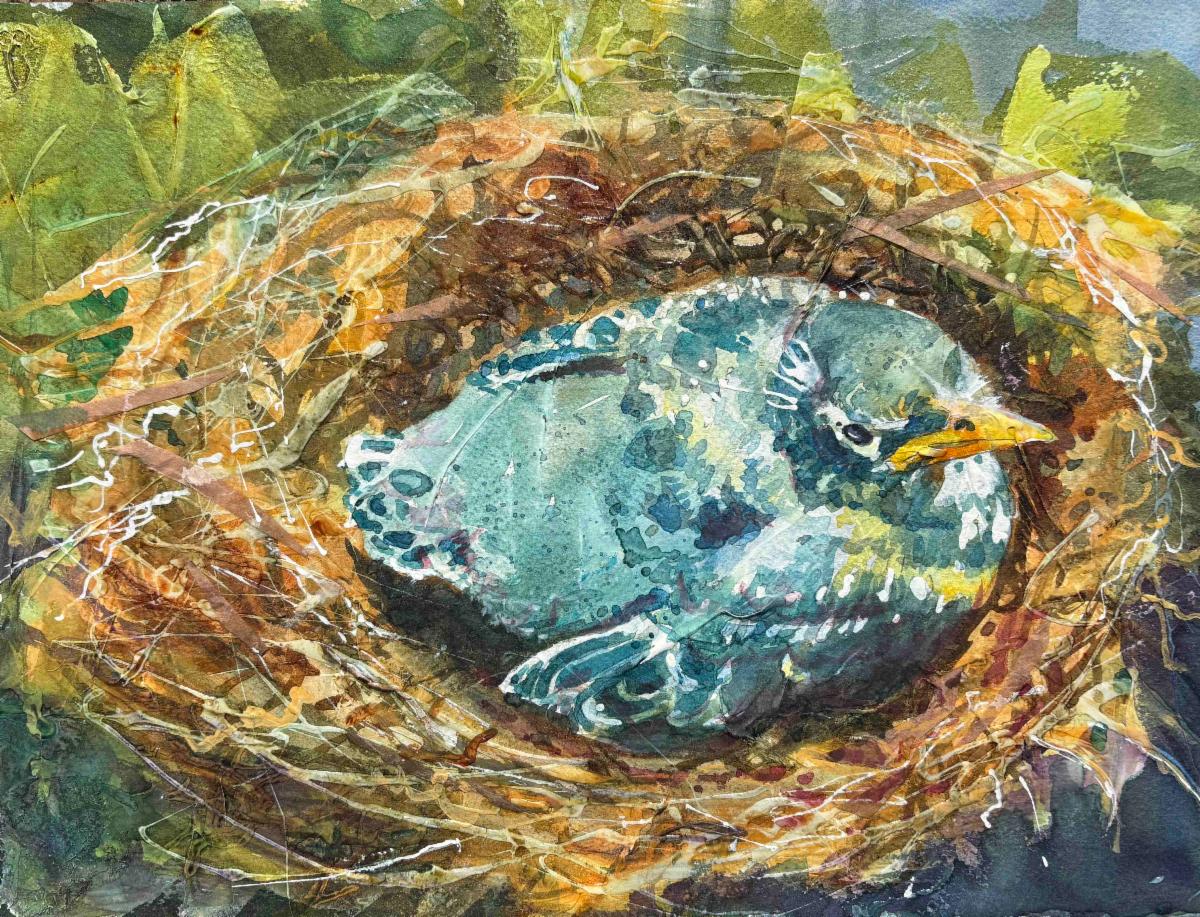
It's time for these artworks to find a forever home. Please contact me if you are interested in adding any of the paintings below to your collection.
I will deliver if you live within a 2-hour drive and if you live further away, I will give you a reasonable price for shipping.
Venmo, CashApp, PayPal and Zelle are welcomed.
| | |
Title: Croatian Kerfluffle
Media: Watercolor
Size: 31”x 29"
Price: $1111
Frame: Gold
| | | |
Title: Little Blue
Media: Mixed Media
Size: 22"x 17"
Frame: Gold
Price:$222
.
| | | |
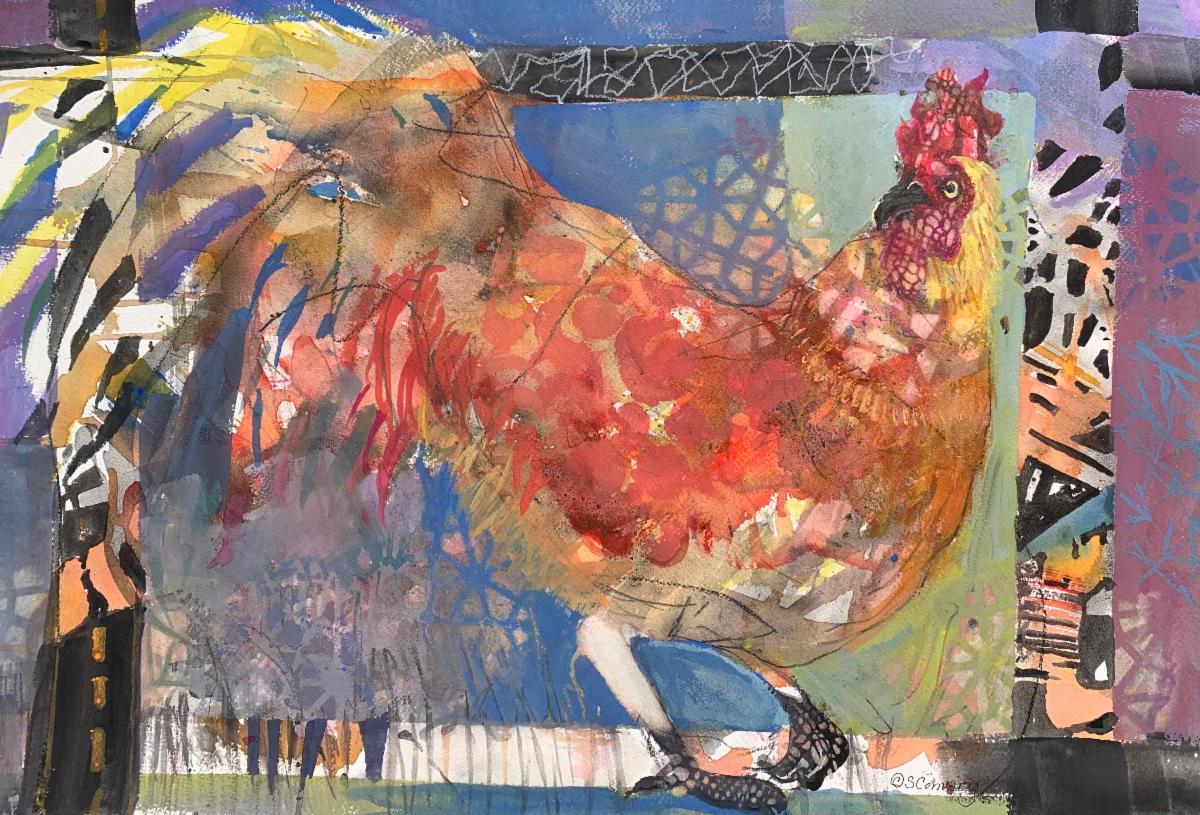
Title: Something to Crow About
Media: Watercolor, Ink, Gouache
Size: 22" x 28"
Price: $444
Frame: Gold
| | | |
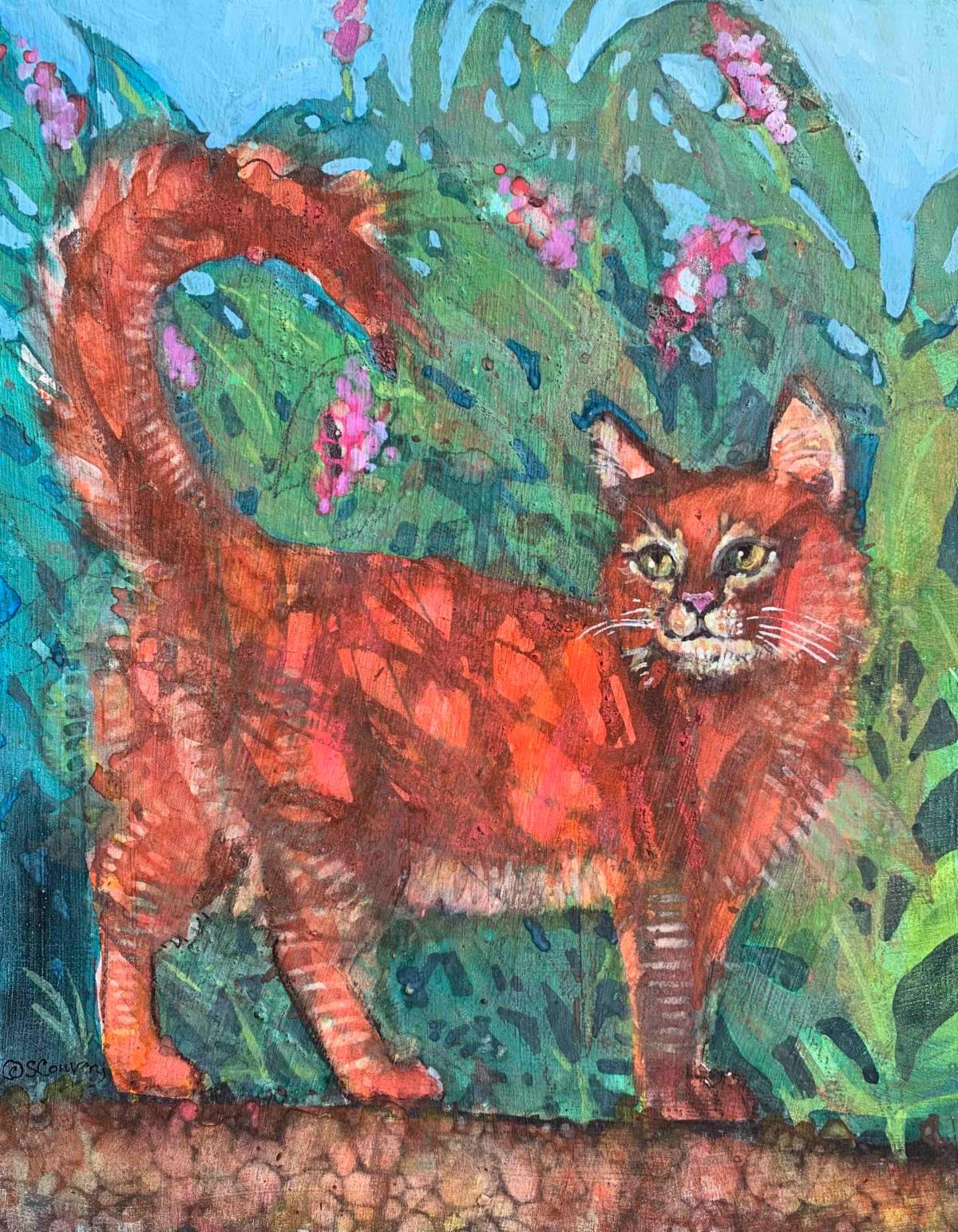
Title: Ginger
Media: Mixed Media
Size: 11" x 14"
Price: $222
Frame: Cradleboard Wood Panel
| | | |
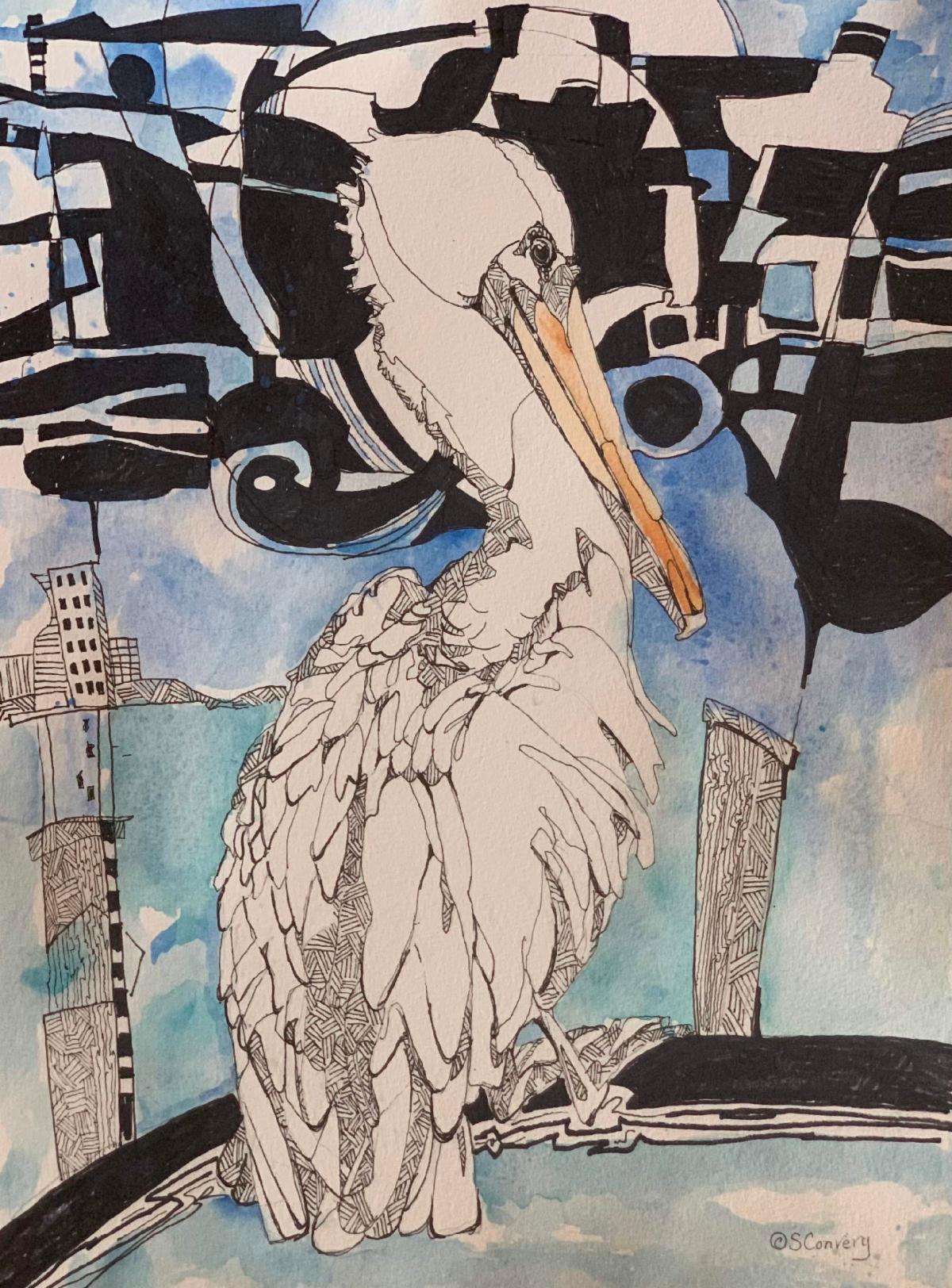
Title: I Wish For Fish
Media: Watercolor & Ink
Size: 16" x 12"
Price: $222
Frame: White
| | | |
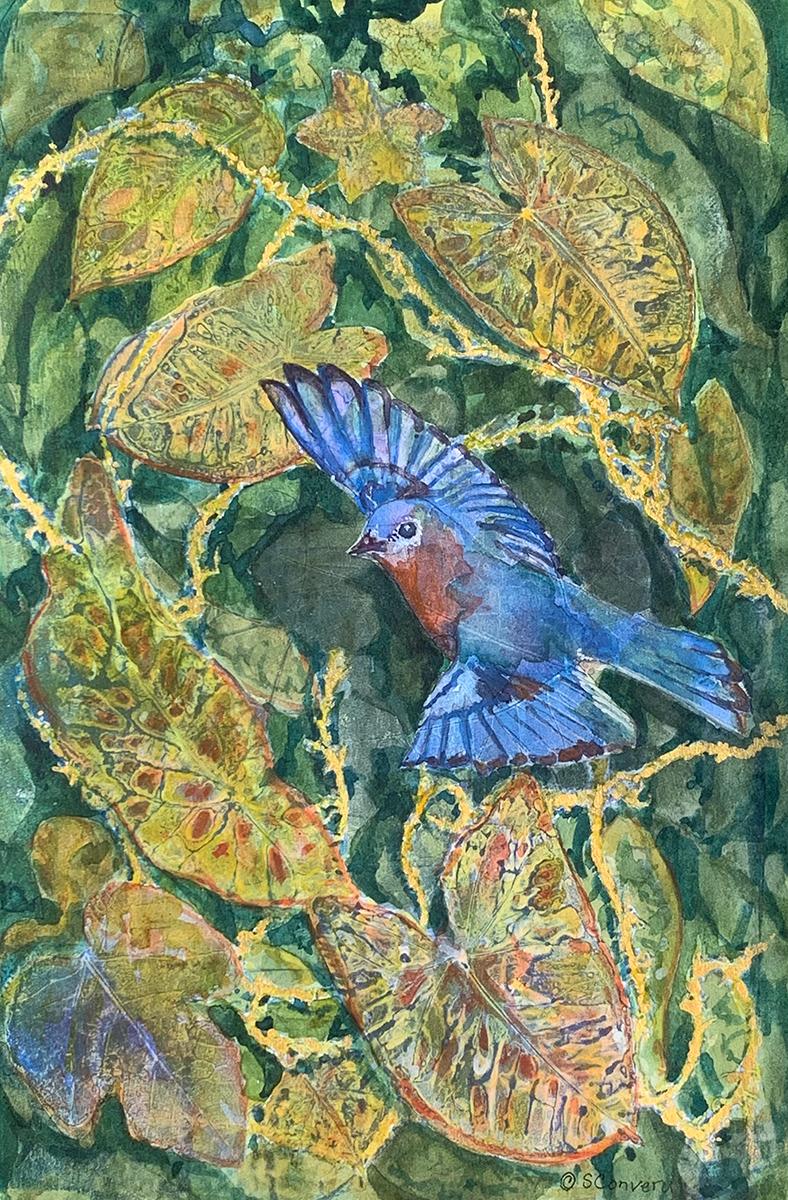
Title: Bluebird
Media: Mixed Media
Size: 16" x 20"
Price: $333
Frame: Gold
| | | Want to see past issues of my newsletters? Visit this link on my website. | |
Subscription Information: You are receiving this email because you subscribed to my mailing list, downloaded a resource, purchased one of my products/programs, or opt-ed in some other way.
Thank you for being part of the Cr8V Soul Arts Tribe!
NOTE: Unsubscribing means you won't receive any more emails from me including information about your paid products and programs.
| | | | |