Everyone thinks of Peru for Machu Picchu.


But Lima is where it really begins.


Named the world’s leading culinary destination by the World Travel Awards, Lima isn’t just home to great restaurants, it’s one of the most dynamic food cities in the world. The combination of biodiversity, native ingredients, and layered cultural influences has created a cuisine that feels entirely its own.


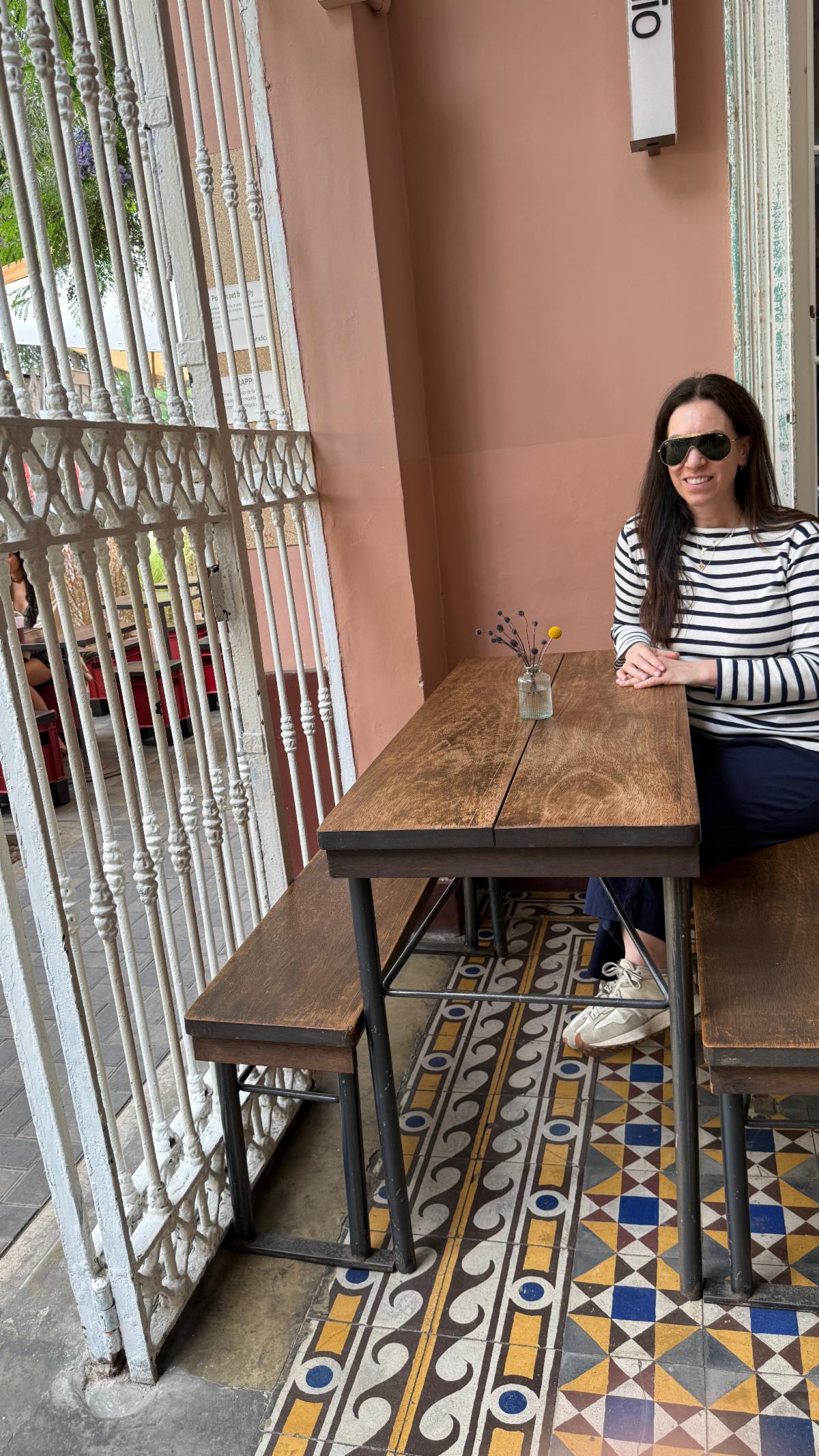
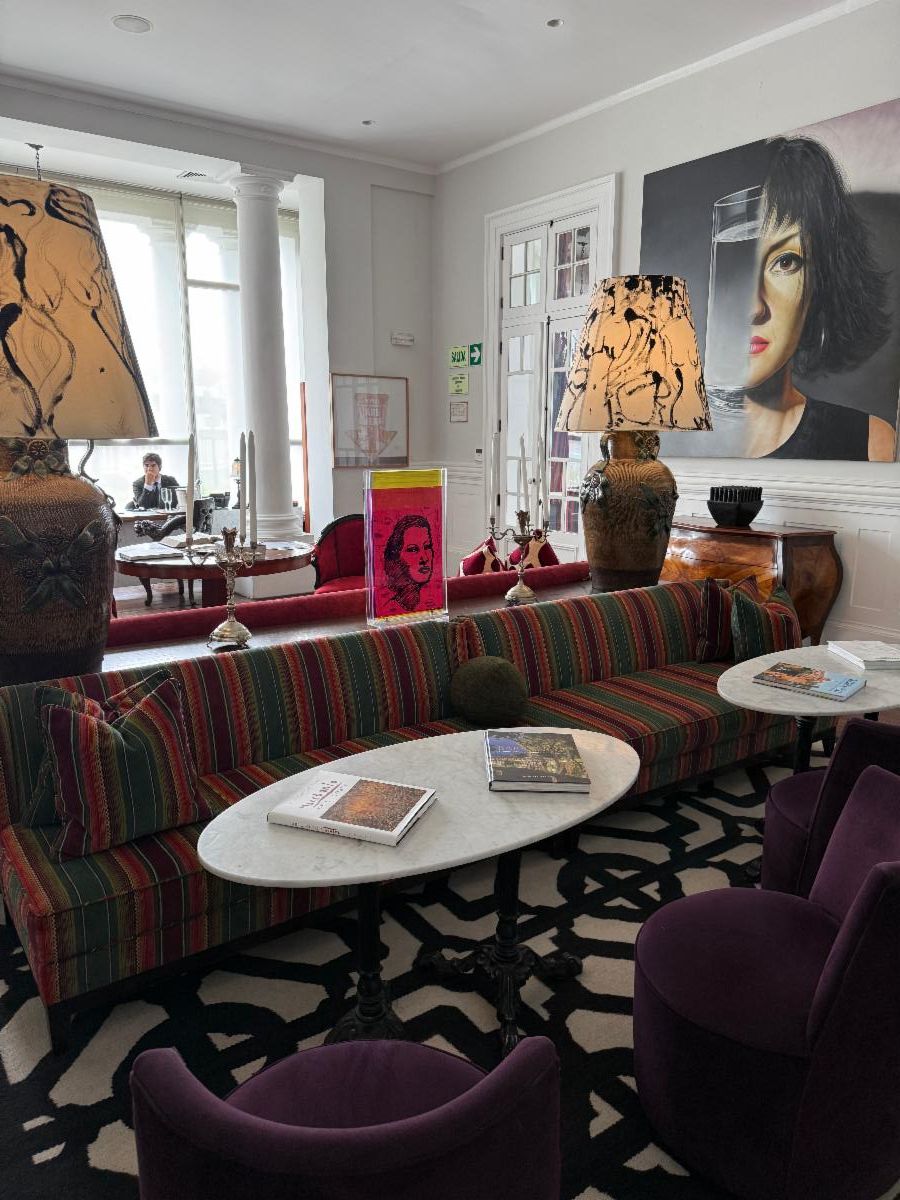
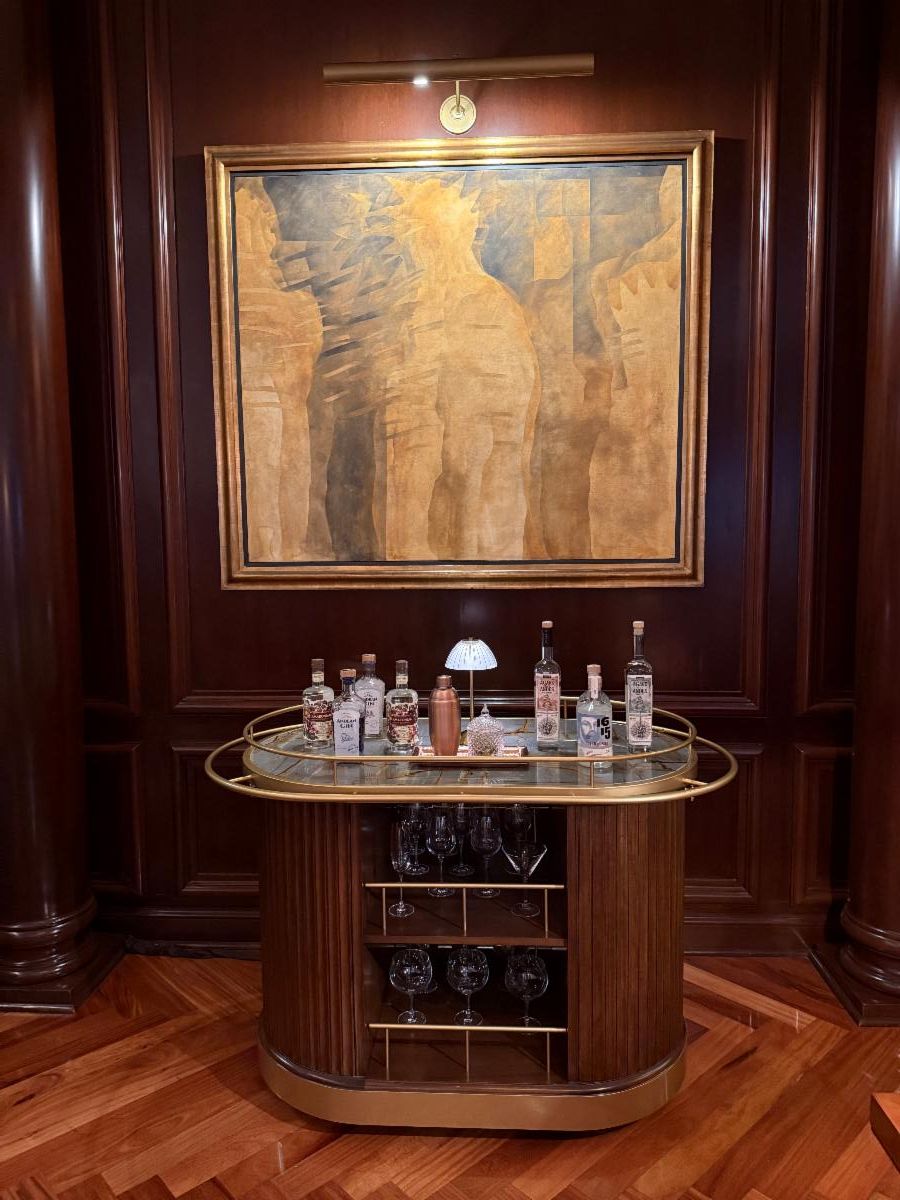
We based ourselves in the ultra hip 'hood, Barranco, at Hotel B, a Relais and Châteaux boutique hotel that feels like staying in a beautifully restored private home filled with contemporary art. The neighborhood is exactly where you want to be, creative, walkable, full of galleries, coffee shops, and just enough edge.

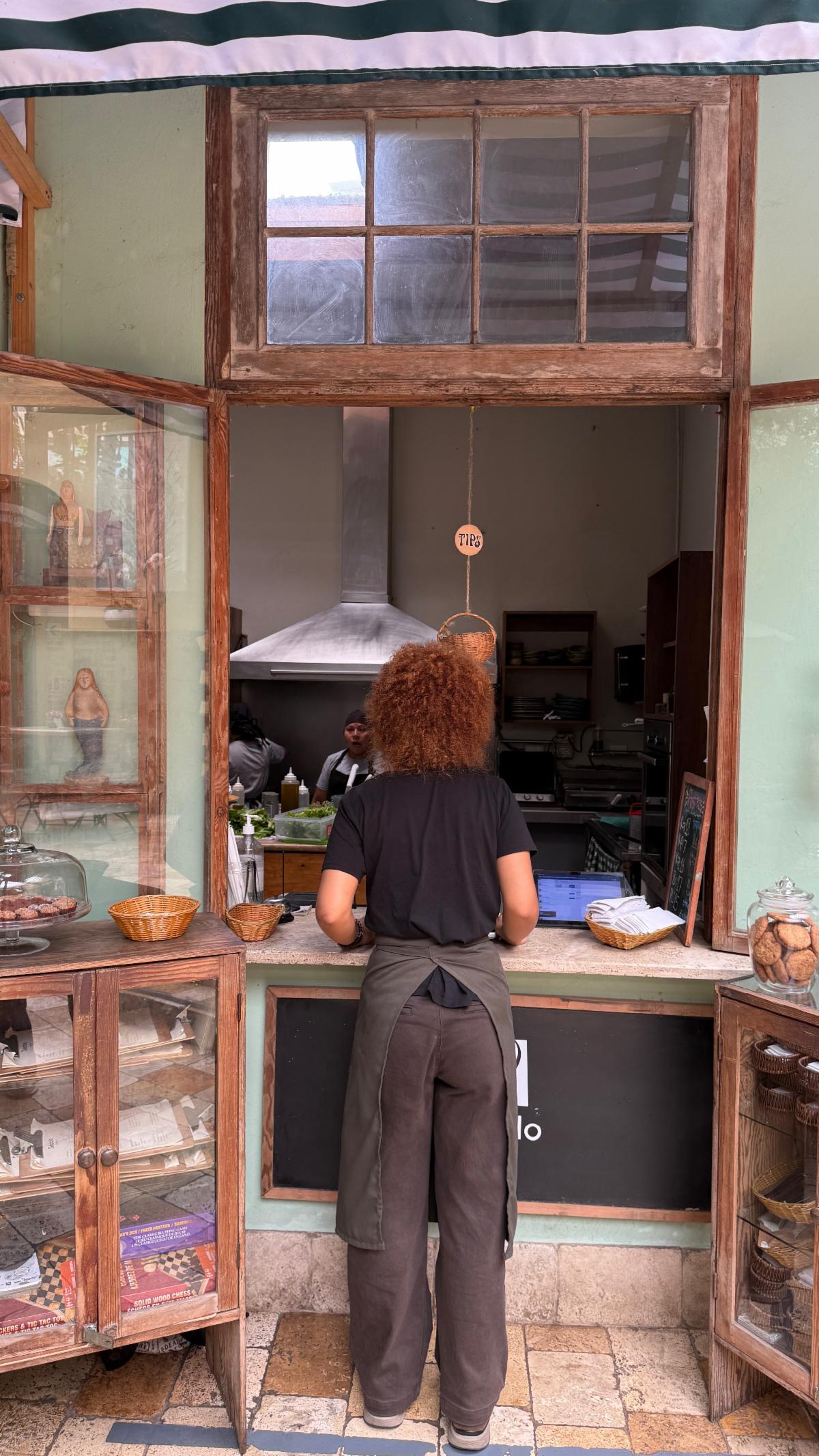
One of the most memorable days of the trip was spent experiencing Lima through food. We started in a local market, tasting our way through unfamiliar fruits and ingredients, then wandered Barranco’s streets before ending in our chef's private oceanfront apartment for a hands-on cooking experience. Equal parts relaxed and immersive, and exactly the kind of moment that stays with you.

In contrast, the historic center offers a completely different lens. Stops like the Santo Domingo Monastery and centuries-old homes like Casa Aliaga bring Lima’s layered history into focus in a way that feels both grand and deeply personal.


And then there’s the dining.


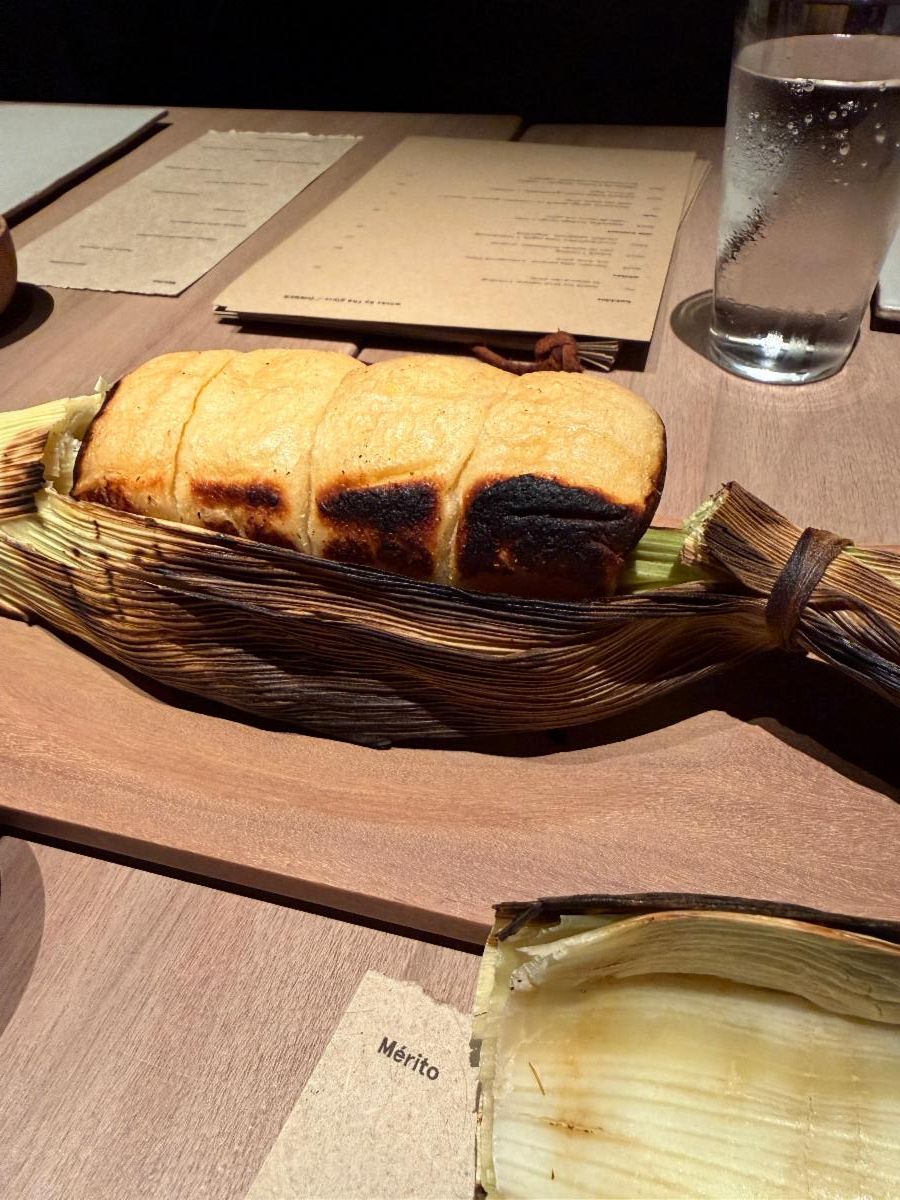
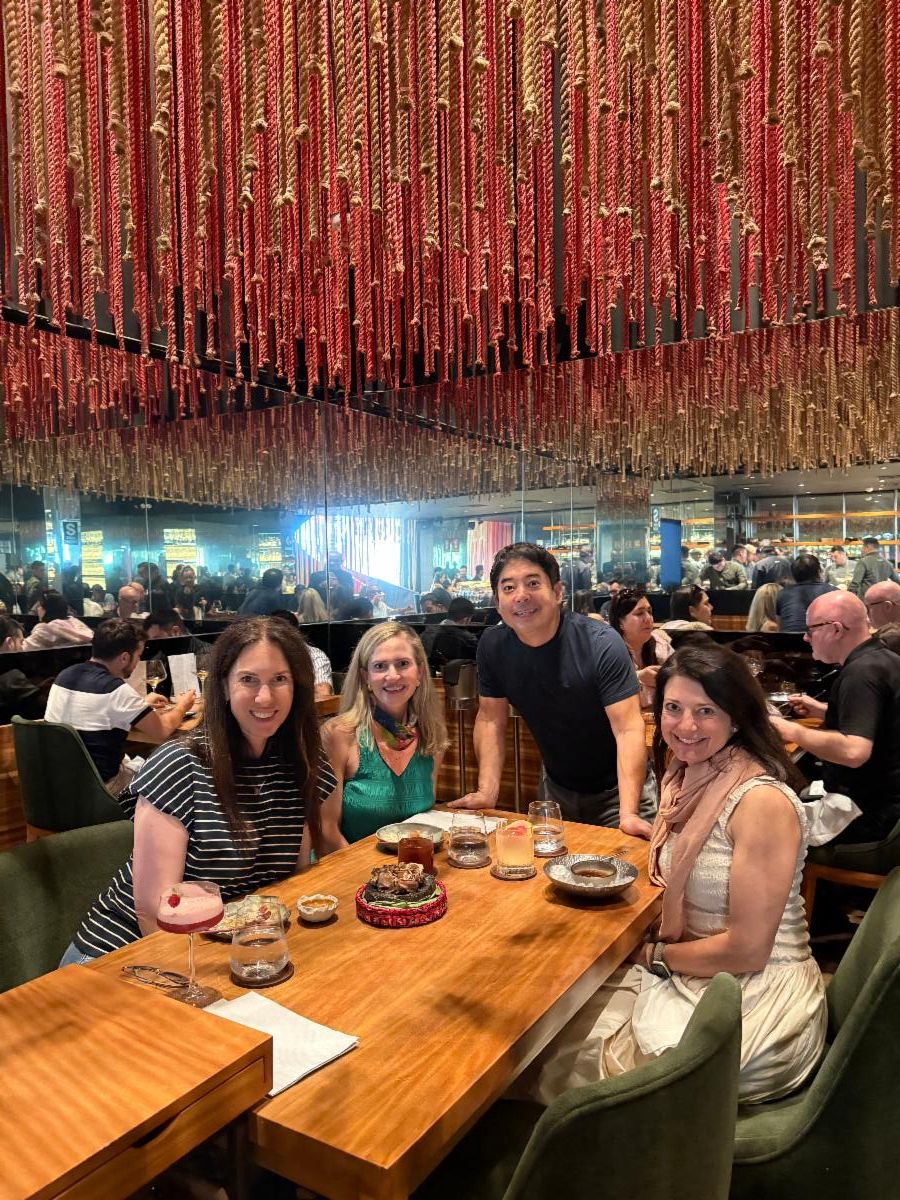
Dinner at Mérito was a standout, creative, refined, and very much a reflection of where Peruvian cuisine is heading. This corn bread was to die for.

On the final day of our trip, back in Lima, we explored Miraflores, which feels more polished and coastal, with sweeping ocean views and many of the city’s larger luxury hotels. Both the Belmond Miraflores Park and the brand new Intercontinental are great hotel options here, more traditional, full-service, and ideal for clients who prioritize space and amenities (both have roof top pools).


We ended on a high note with lunch at Maido, currently ranked the number one restaurant in the world. It’s a true experience, a beautifully executed Nikkei tasting menu that’s worth planning around.

My take:


Lima should not be a stopover. For clients who travel through food, culture, and design, it’s absolutely worth two to three nights.


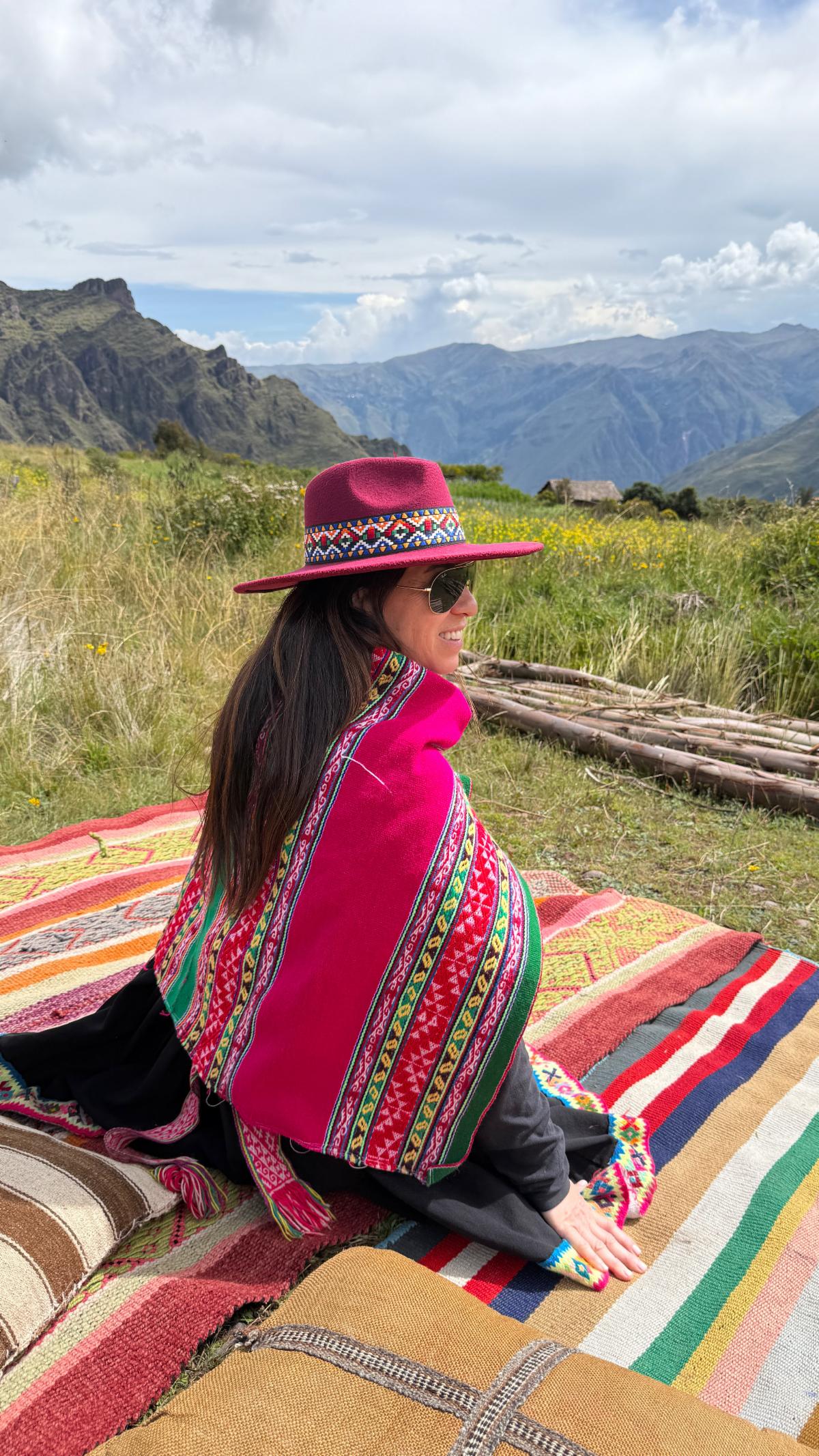
Next up: the Sacred Valley, where Peru shifts from culinary capital to something far more dramatic.

 
Web  Email  Instagram


Let’s start planning those WOW moments.

Reach out to me if you need a quick Turks escape, because winter is nowhere near over!