For best results, view newsletter as a web page.

July 2026


A flurry of reunions following the fireworks

The Monday after the Fourth of July was a busy one at the Bonnie Hays Animal Shelter! Our staff reunited 12 dogs with their families following the holiday weekend. The lost dogs ranged from those who’d been spooked by fireworks to those who were accidentally let out by visitors in town for the festivities. When a lost pet arrives at our shelter, our number one goal is to get them back to the people who know and love them. 


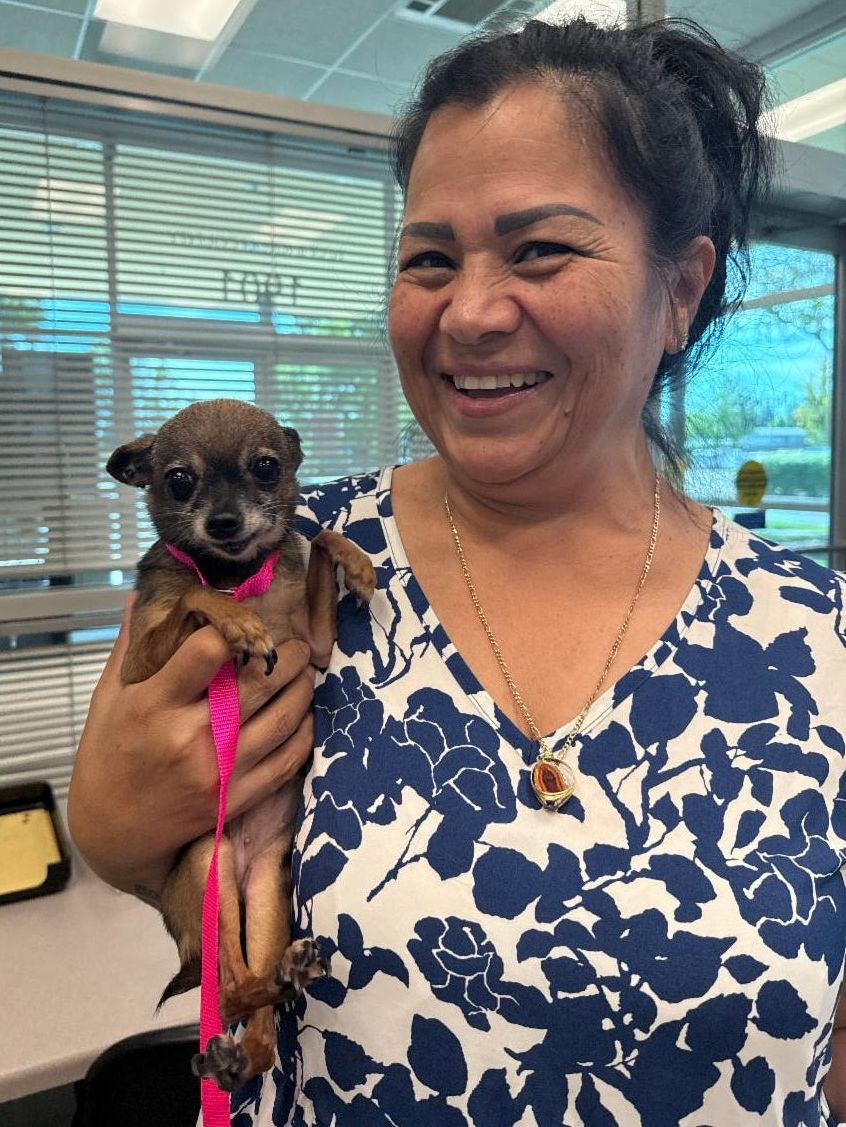
Pictured is 13-year-old Chihuahua Lucy with her person. They were one of the first reunions at our shelter after the holiday.

Hello, summer!

As we move through the dog days of summer, we hope you and your pets are staying cool and comfortable. Find resources for beating the heat in Washington County at www.StayCoolWashingtonCounty.com. This website offers a map of cooling locations in the community, including ones where pets can join their people.

Learn the symptoms of overheating in your pet. Excessive panting, difficulty breathing, increased heart and respiratory rates, and weakness can be some of the first signs of trouble. Overheating can also cause seizures, bloody diarrhea and vomiting. Breed, coat type, age, and activity level all impact an animal’s ability to handle heat. Contact your veterinarian or an emergency veterinary hospital immediately if you think your pet may be overheating. 


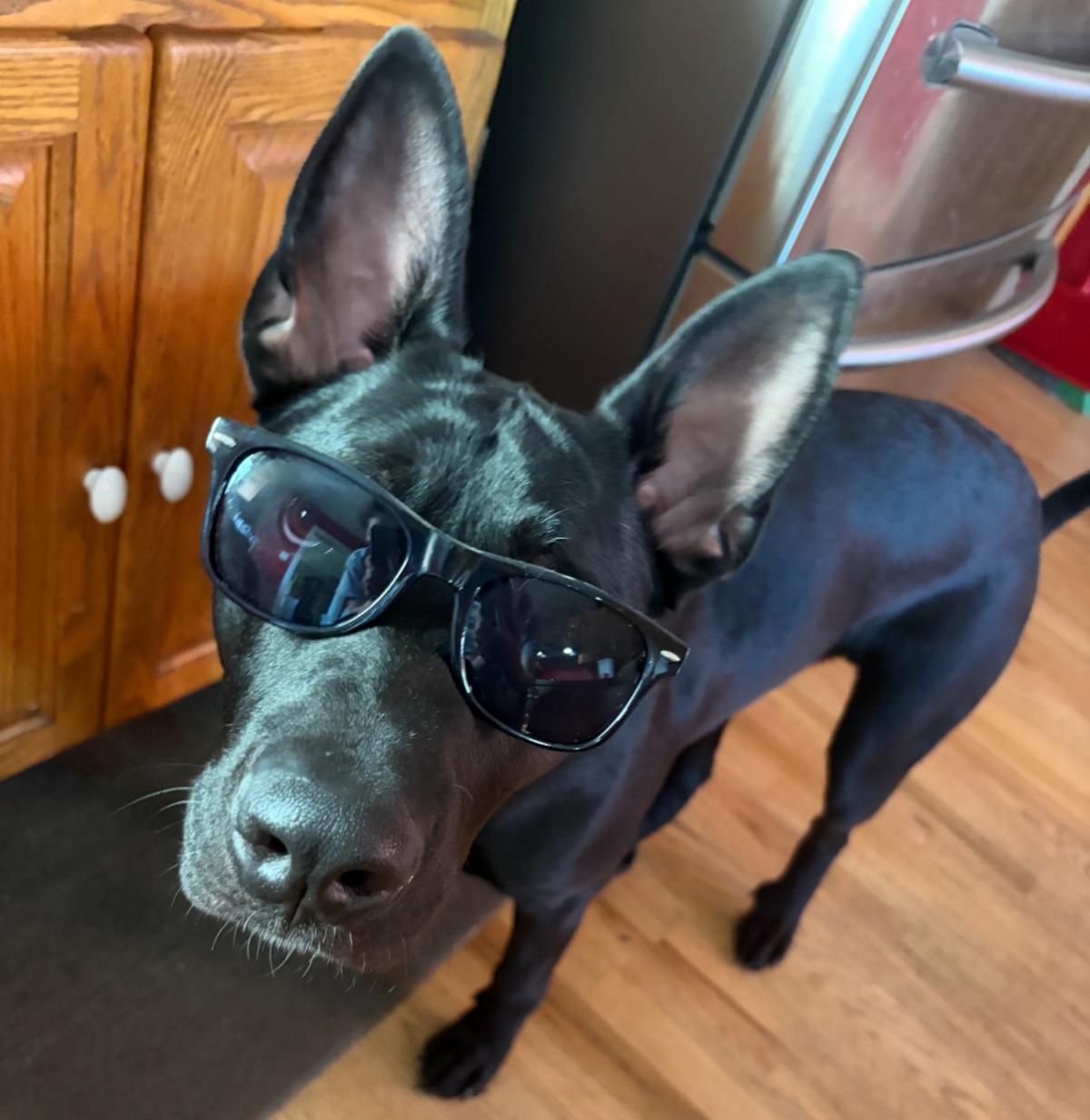
Pictured is Dom, sporting his summer look! He was adopted from the Bonnie Hays Animal Shelter and is staying cool in his home.


A few more things to keep in mind when temperatures rise:


  • Animals should always have access to fresh, clean drinking water and shelter from the elements. When it’s hot out, bringing your pet indoors with you is usually the best option. 
    
  • Take your dog out during the cooler parts of the day, keep walks short, and avoid asphalt if possible. Walking on grass is a great alternative! If you must walk your dog on cement or asphalt, test the temperature of the surface first. If the pavement is too hot for your bare hand or foot, then it’s too hot for your dog. You can purchase booties to protect your dog’s feet from hot surfaces, but it will take time and training to get your pup used to wearing them. 
    
  • Never leave a pet in a car. Vehicle interiors can reach deadly temperatures in a matter of minutes, even in the shade with the windows cracked. Keep the phone numbers for Washington County Animal Services (503-846-7041) and Washington County non-emergency dispatch (503-629-0111) in your phone in case you find an animal in a car on a hot day. If the animal is in obvious distress, call 9-1-1.

Prepare now for wildfires and other emergencies

If you ever need to evacuate your home, take your animals with you. There is no way to know how long you will be gone or when you will be able to return safely.

We’ve already seen wildfires in the Pacific Northwest this summer. Take time now to refresh your evacuation plans and emergency supplies. Visit our website for preparedness tips and ideas for people with pets and livestock.

We also urge you to sign up for Public Alerts. These emergency alerts can be delivered by phone, text and email to let you know when an emergency is happening near you or your loved ones. 

Is your pup pleasant in public?

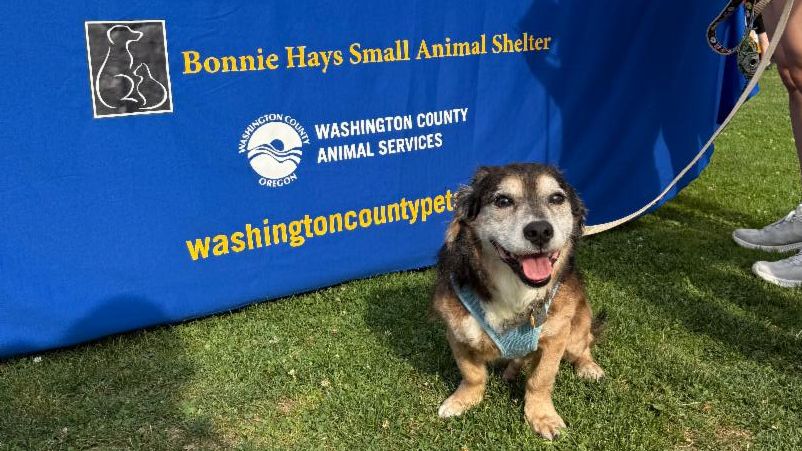
This adorable licensed and leashed pup stopped by our table last summer at the Canine Community Carnival organized by Tualatin Hills Park & Recreation District.

We’re lucky to live in a community where dogs are welcome in so many places! As you venture out to enjoy parks and other public spaces with your dog, help keep people and other animals safe by following these Washington County requirements:


  • Keep your dog on a leash seven feet or shorter when not in a designated off-leash area. Your dog may be friendly, but people may be uncomfortable with a loose dog in their space. Additionally, some leashed dogs are reactive to unleashed dogs approaching them. 
    
  • Clean up after your pet. Pet waste is unpleasant to step in and can contain parasites or bacteria that can be harmful to both animals and people. Be sure to scoop that poop and put it in a garbage can. Pet waste should never be tossed into a storm drain, recycling bin, or compost pile that is not specifically set up for animal waste.
    
  • Keep your dog’s license current. All dogs six months and older must be licensed in Washington County, and a current rabies vaccine is required for the license to be valid.

Keep your pet safe while traveling

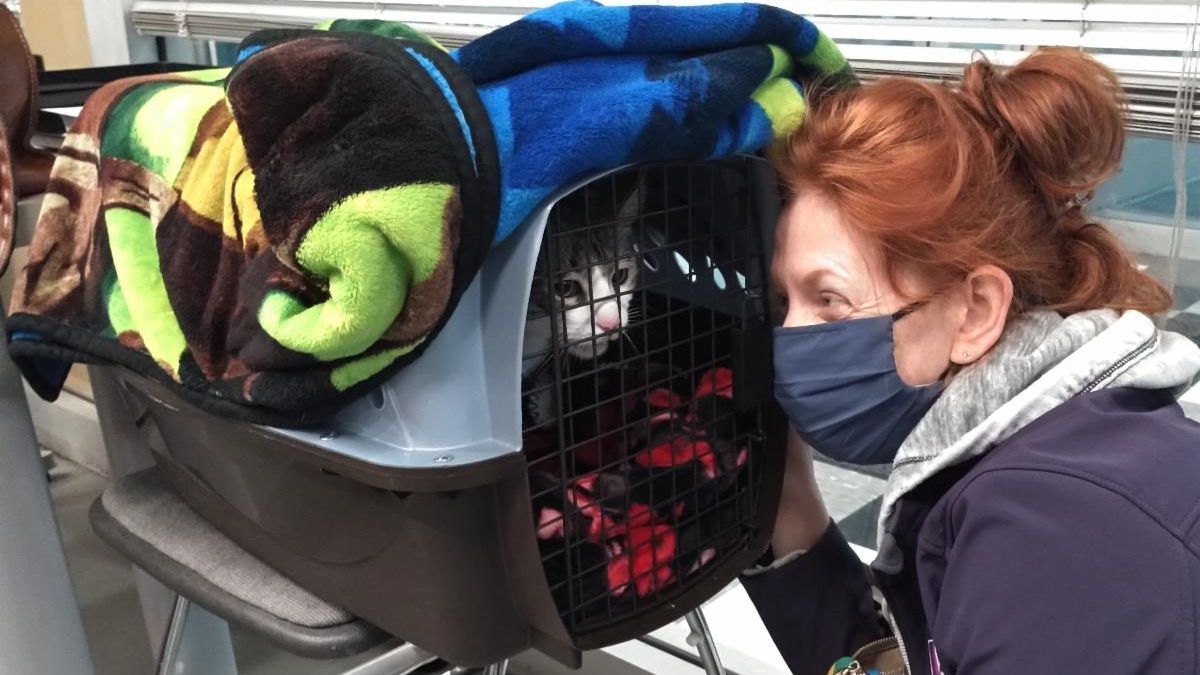
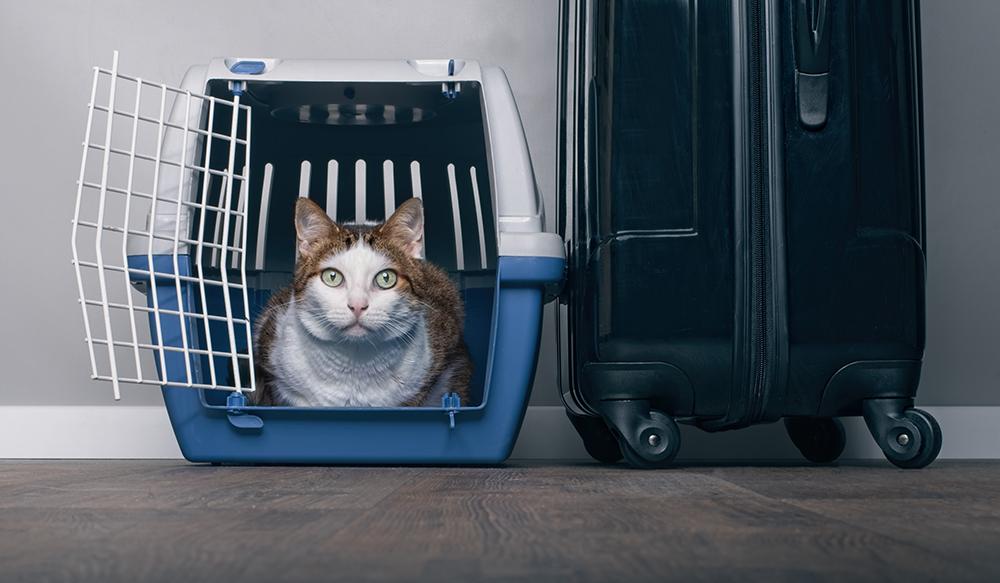
Helping pets become more comfortable in crates or carriers ahead of time will make travel less stressful. Help your cat learn to like their carrier with these tips.

Hitting the road with your pet this summer? The Centers for Disease Control and Prevention has an extensive Pet Travel Safety page on their website. Be sure to license your dog and put ID tags on all pets before leaving home. New locations, disruptions to routines, and distractions (even fun ones!) increase your pet's risk of getting lost. 

Help us care for the pets and people of Washington County

Donations help us continue to reunite lost pets with their people, rescue stray and injured animals, investigate animal abuse and neglect, and provide specialized veterinary care for animals under our care. 


Donate online, in person at the shelter, by mail or over the phone. You can even make a gift to the animals in honor of a special pet or person in your life!

Thank you for your generosity and continued support.

Facebook  X  Instagram
X Share This Email