|
Peter Gray Hatchery Report
May 2017
|
|
Welcome, welcome to May's Peter Gray Hatchery Report. A short, little spiel (with pictures!) on how our salmon are doing at the Peter Gray Hatchery.
May is a beautiful time of the year...full of smolt trapping, fry stocking, black flies, mosquitoes, and river herring.
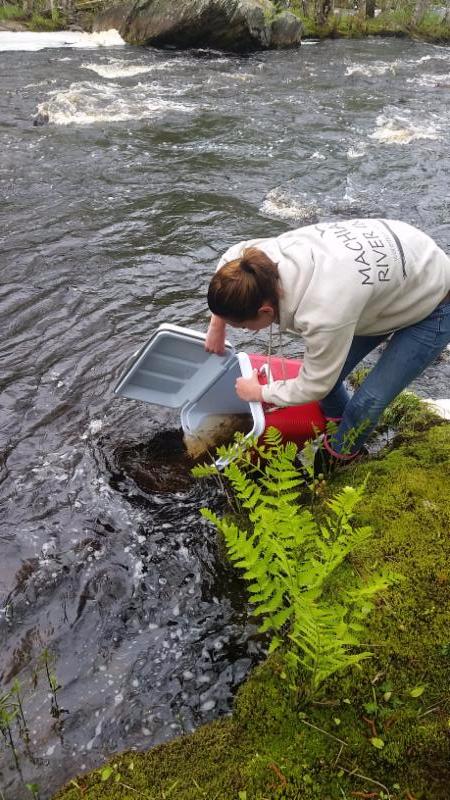
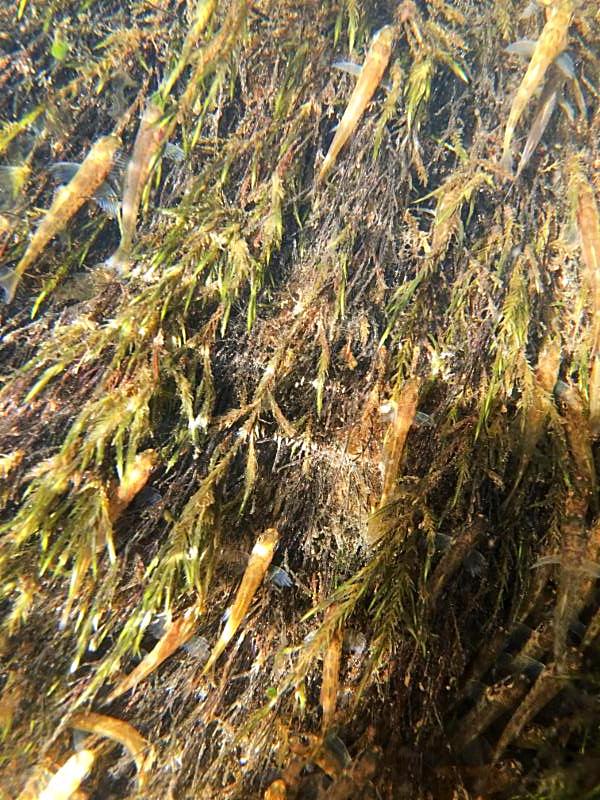
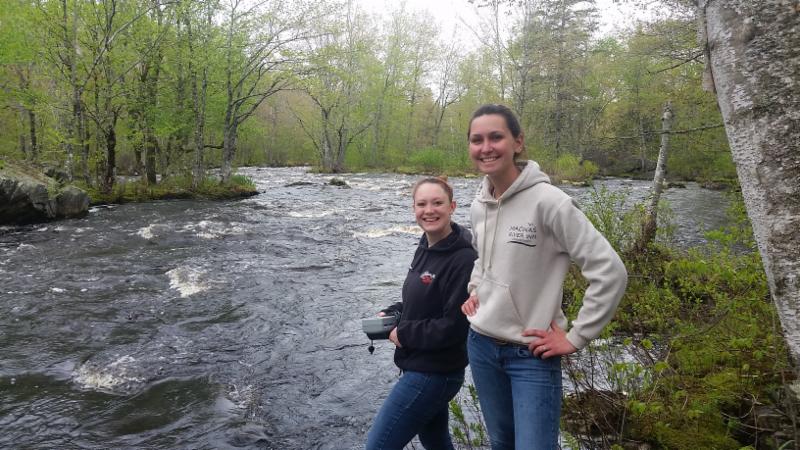
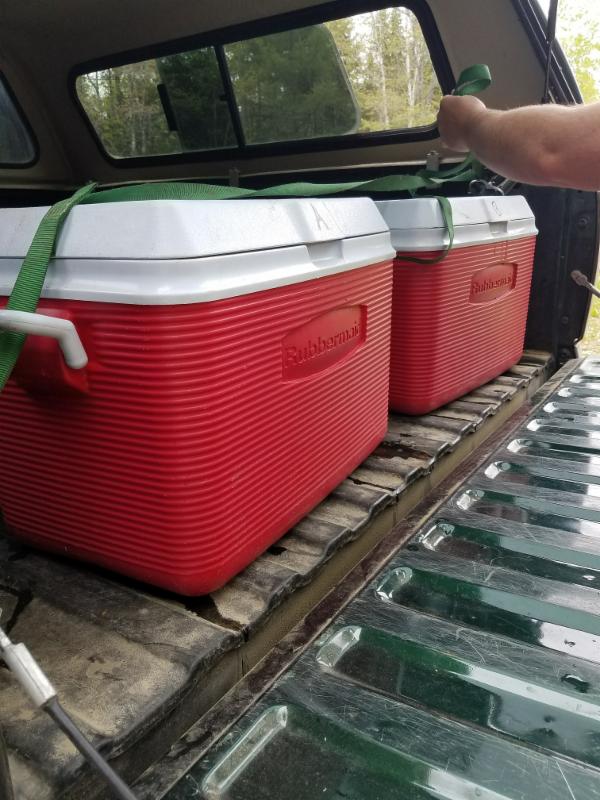
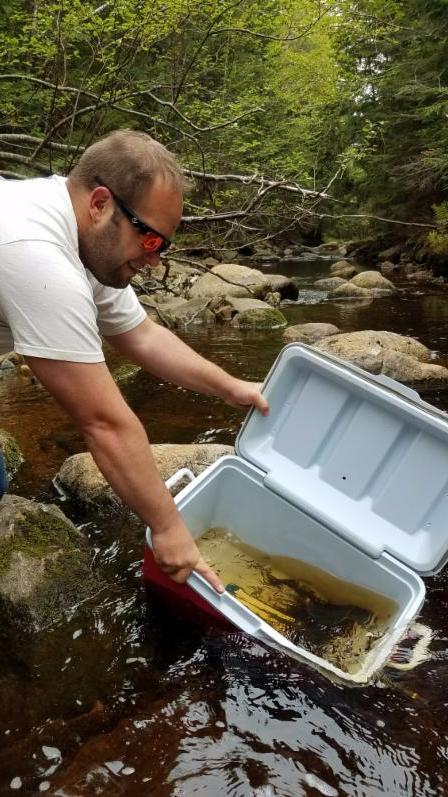
Fortunately for us here at the Peter Gray Hatchery, May also included plenty of rain for our salmon in the river - including the smolts migrating towards the Atlantic Ocean. Plenty of rain means it is easier for smolts heading downriver, river herring heading upriver, and adult salmon entering the watershed. With the exception of one hot week, our temperatures here have stayed cool and our fish are enjoying the continued lower temperatures in the hatchery. All of our fish have now emerged from their substrate incubation boxes and are feeding in the rearing tanks in which they will live in for the next 6 months. In mid-May we also stocked around 10,000 fry from the Peter Gray Hatchery. These fish are stocked in two small, cold tributaries of the East Machias River and function as a supplement to the wild genetics of the salmon population.
|
|
|
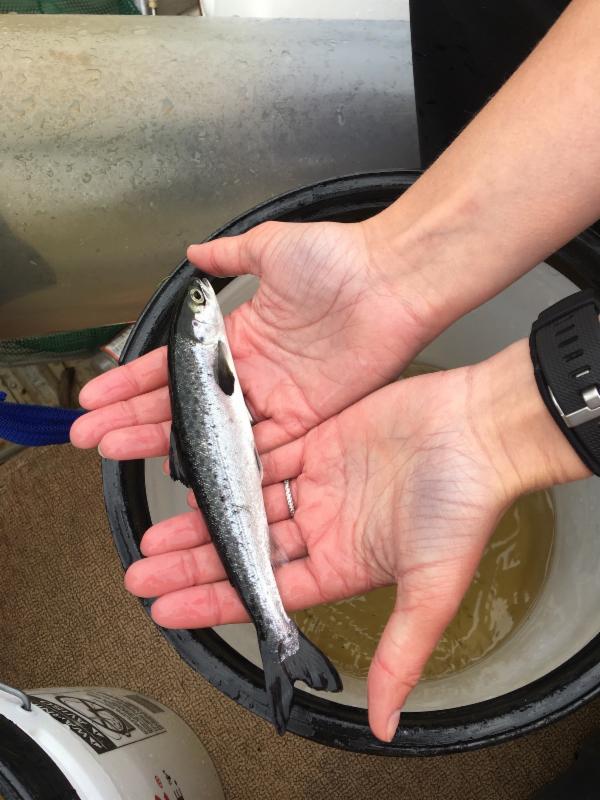
The 2017 smolt trapping season hit its stride during the month of May. With plenty of water flowing, the smolt traps were spinning and catching smolts (salmon that have spent 2-3 years in the river and are now headed to the ocean). Each morning tend revealed smolts produced from the Peter Gray Hatchery swimming in the live car of the smolt traps. There were also naturally-reared smolts that have been produced from fry stocking and wild salmon spawning.
On May 4, 53 total salmon were captured in the smolt trap. This is the highest single day capture of smolts on the East Machias River since the start of the Parr Project. Due to extremely high water, the traps were not fished for a few days during mid-May. Although unfortunate, because we missed the possibility of capturing some smolts, this was the right call for the safety of the salmon, personnel tending the traps, and the traps themselves. If we were to sink or break the traps, the entire season would have been lost. Even though we missed a few days, take a look at the smolt capture numbers below - the highest seen in the Parr Project to date.
|
|
Smolt Captures To Date (as of 6/5/17)
- 210 hatchery origin smolts - These are smolts that came from the Peter Gray Hatchery - aka "little athletes". Our first hatchery origin smolt was captured after the first night of smolt trap operation (4/19/17).
- 48 wild origin smolts - These are smolts resulting from natural spawning or limited amounts of fry stocking.
- 2 unknown origin smolt
- 51 recaps - We use a mark-recapture method that helps determine the capture efficiency of our smolt traps. These 7 salmon are fish that were captured, worked up, released above the trap, and recaptured.
These are encouraging smolt numbers for the Parr Project. In 2016, 206 smolts we captured and that produced the highest smolt population estimate we have seen since the Peter Gray Hatchery started stocking "little athletes". The population estimate for 2016 was 1223 +/- 297 smolts. With our smolt captures at 260, the population estimate for 2017 should be higher then 2016, making the smolt population estimate for 2017 the highest seen during the Parr Project. Further analysis of scales taken during smolt sampling will also tell us the age distribution (how old each smolt is) of the 2017 smolt cohort (population). All good things for sure!
If you would like to read more about the smolt trapping operation or keep up with daily trap counts please visit the smolt trapping page of our website.
|
|
|
|
|
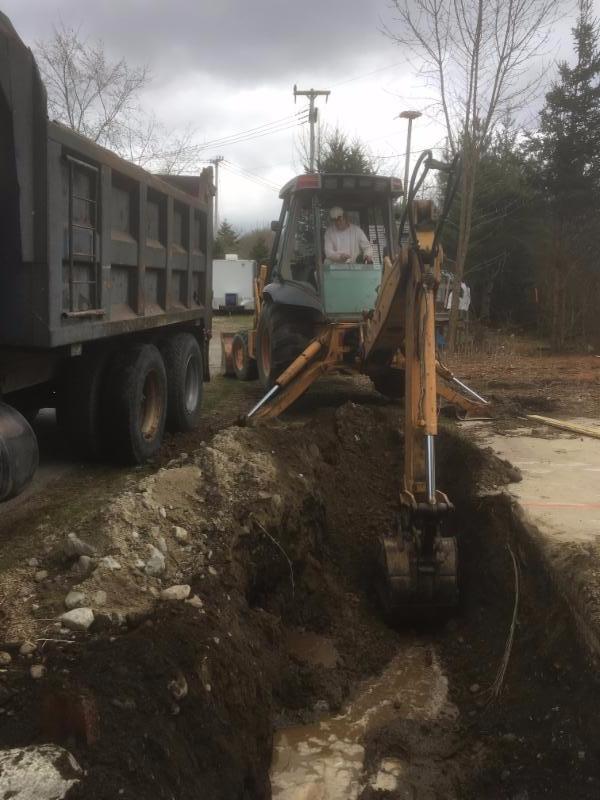
The expansion process for the Peter Gray Hatchery is moving along. Utilities have been relocated, plans have been fine tuned, and digging for the foundation should begin any day. As discussed before, this expansion will provide more space for the Parr Project to continue to thrive. The expansion will provide space for 15 more tanks, designed (by Peter Gray) just like our current tanks. We'll be pouring concrete before you know it! Funders have generously donated to get us started, but we are continuing to raise funds for this project to ensure it is completed this year.
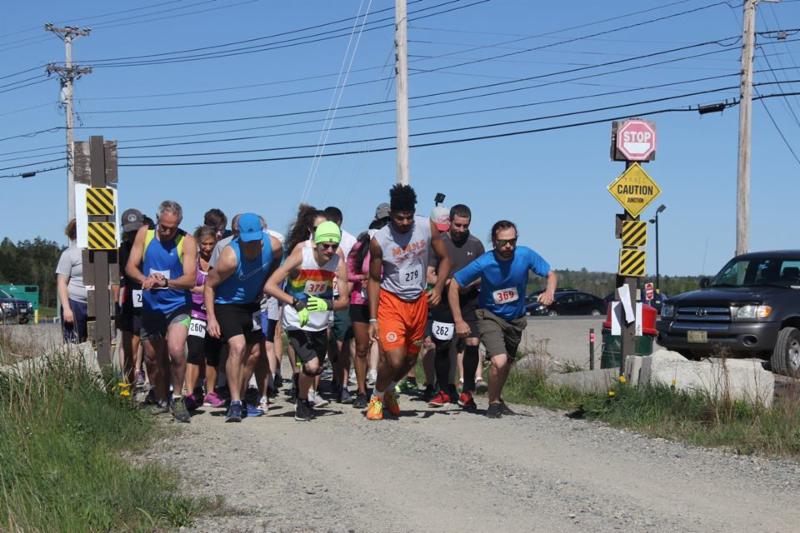
Our annual Smolt Bolt and Bloater Bash trail race was held last month and as always, was an enjoyable event. We had runners and walkers of all ages with plenty of smoked river herring to eat after the running was completed! Not only does the Smolt Bolt promote community involvement, it provides the opportunity to educate the public about the salmon smolts migrating towards the ocean, and the hundreds of thousands of river herring migrating up the East Machias River during this time of year. Thank you to all that ran, walked, volunteered, and enjoyed the 2017 Smolt Bolt.
The majority of the salmon in our Pleasant River Hatchery have been stocked throughout the lower portions of the Pleasant River watershed. During the winter DSF, along with Maine DMR, egg planted the spawning shoals in the upper part of the river with fertilized salmon eggs. The Pleasant River Hatchery is where DSF first started rearing endangered Atlantic salmon and we continue to do that same thing at the facility to this day!
As always, if you have any questions feel free to reach out to me at zach@mainesalmonrivers.org.
I hope this report finds you well and you enjoyed reading about the Parr Project. Thank you for all you have done, and continue to do, in the pursuit of Atlantic salmon restoration!
Regards,
Zach Sheller
Downeast Salmon Federation
Hatchery Manager
|
|
|
There is a short Parr Project video on our website
HERE.
|
|
|
DONATE TODAY!
If you believe in the importance of restoring Atlantic salmon to our U.S. rivers, then please consider making a gift to the Parr Project for 2017. We will be continuing our work to restore salmon to downeast Maine and would appreciate your help! Click HERE
|
|
|
Leave a Legacy by
Making a Planned Gift to DSF
|
|
A planned gift to Downeast Salmon Federation is a wonderful way to contribute to the health of our rivers and fisheries for future generations while also meeting your financial goals. You can create a legacy gift that will help DSF continue to improve river ecology, restore Atlantic salmon populations, increase fish passage, run educational programs, and much more. Click on the link below for more information about planned giving.
|
|
|
Wild Atlantic salmon numbers in the U.S. have been at a record low, but DSF is working to bring them back. Please support our work by becoming a member of the Downeast Salmon Federation. Together, we can restore sea-run fisheries in Maine.
Downeast Salmon Federation
|
|
|
|
|
|
|