Peter Gray Hatchery Report
October to November/December
2017
|
|
Holy smokes! Not sure if any of you knew this, but it is almost the end of December. Time flies when you're having fun. I trust this update on the
Peter Gray Hatchery
finds you well.
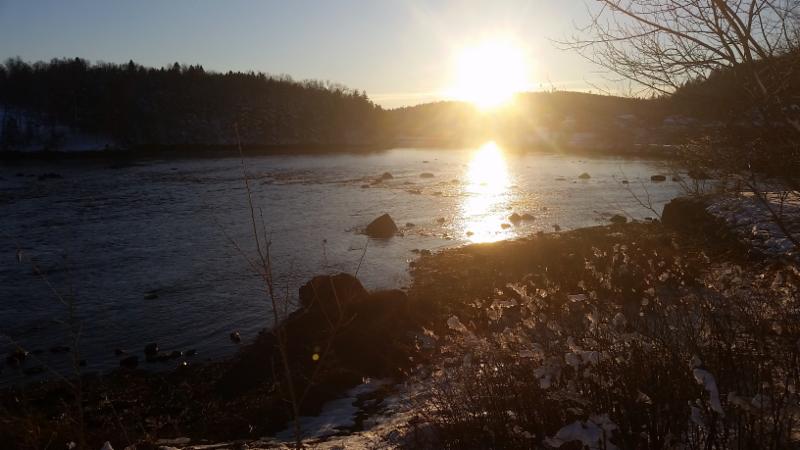
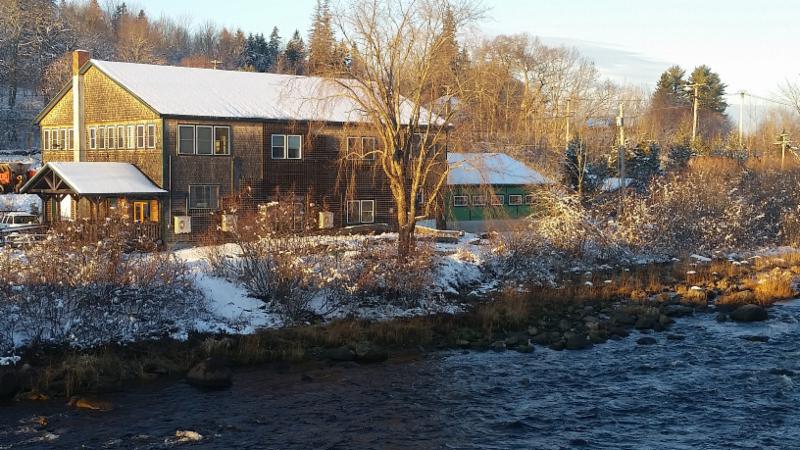
As I look out my office window and see the East Machias River, bordered by river banks covered in fresh snow, pushing against the incoming tide, it occurs to me...the scene playing outside my window parallels salmon restoration. Salmon restoration is the river pushing against the tide...there are highs and lows, but it is constant. Just as the salmon are still trying after countless years, we (you, me, the human race) need to continue to strive for river systems that not only support healthy populations of
salmon
, but provide clean water and habitat for a plethora of other species.
"I think we're going to the moon because it's in the nature of the human being to face challenges. It's by the nature of his deep inner soul... we're required to do these things just as salmon swim upstream."
Redd
counts completed in the East Machias River this year revealed 4 redds (the places in the river where female salmon deposit their eggs in the gravel). Initial estimates would point to 4-6 adult salmon returning to the river. Although discouraging, the result was not that unexpected. The winter of 2015 in Downeast Maine was one for the record books and it had a significant impact (of the bad variety) on the
smolt
population that left the river that Spring. Given marine survival what it is and that only a couple hundred smolt entered the Atlantic that year (these are the smolt returning this year), the numbers of redds was lower.
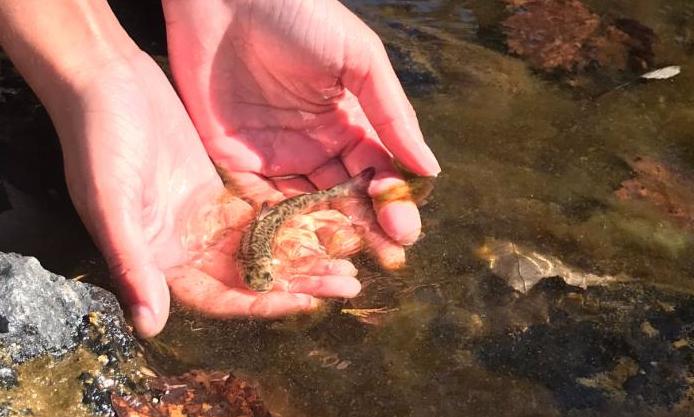
It is important though, to keep certain things in perspective. Although it is a lower number of adults than we all would like to see, it is another year of data to help determine if the parr stocked in the East Machias return at higher percentage rates than fry, or smolt stocked salmon. Also, important to remember is that adult returns next year and the year after will be from smolt cohorts of around 1300 and 1900 smolt respectively. It is a numbers game...the more smolt we can send to the Atlantic, the better the chance of more adult salmon returning to the East Machias River.
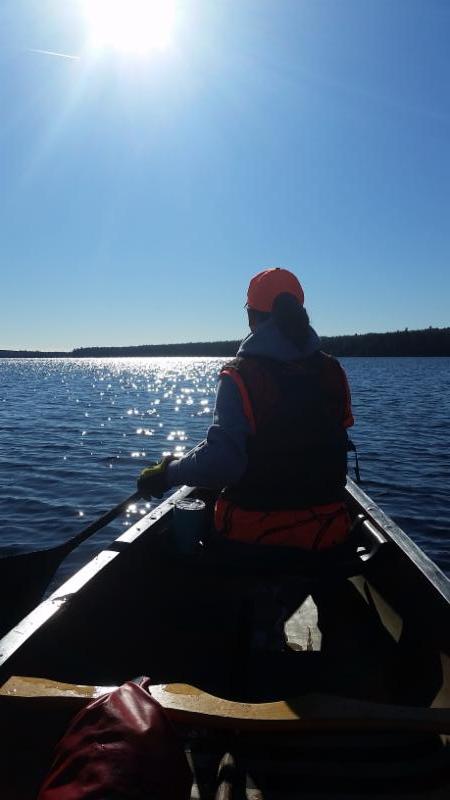
Lets not forget that Atlantic salmon are wild animals and although we do thorough redd counts, I like to think that there could be some out there we didn't see. Perhaps in places we didn't expect, or perhaps on a stretch of river that we canoed over while the water was too high, or the sun to low.
To quote
Neil Armstrong
(again - apparently a theme today)
"Mystery creates wonder and wonder is the basis of man's desire to understand."
I am excited to see what adult returns are like the next few years, let alone after operating the
Project
for another 5 years!
|
|
|
|
|
Expansion
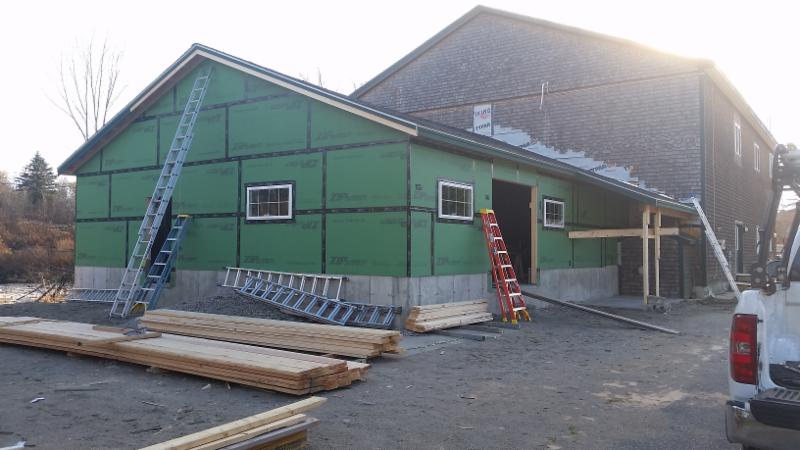
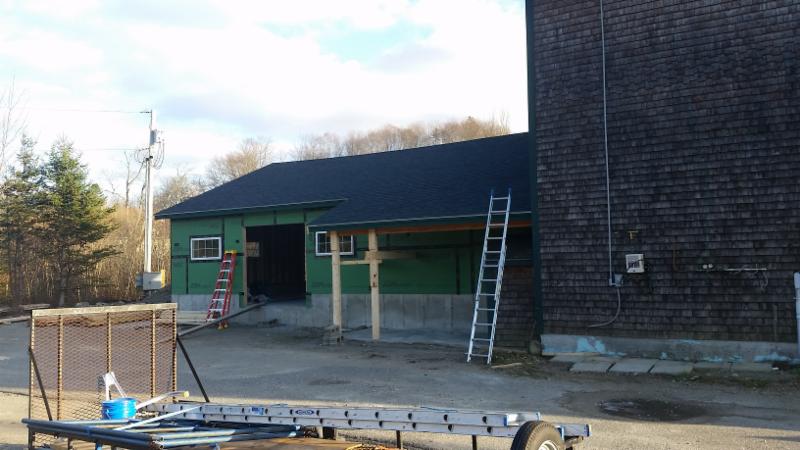
Please enjoy all of the pictures throughout this
hatchery report
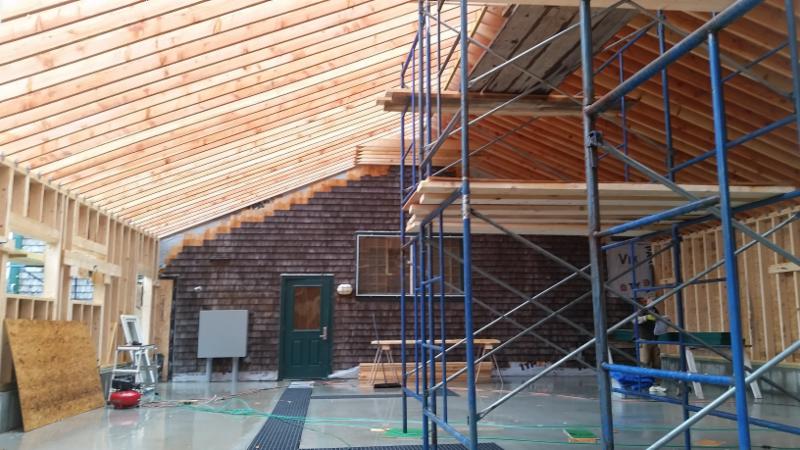
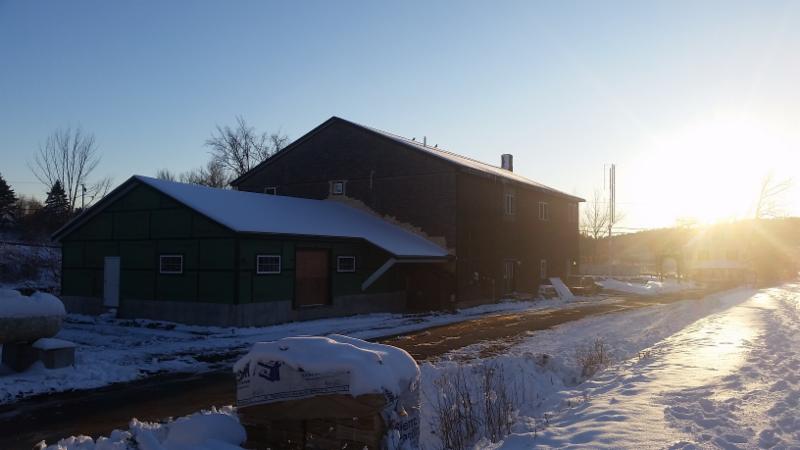
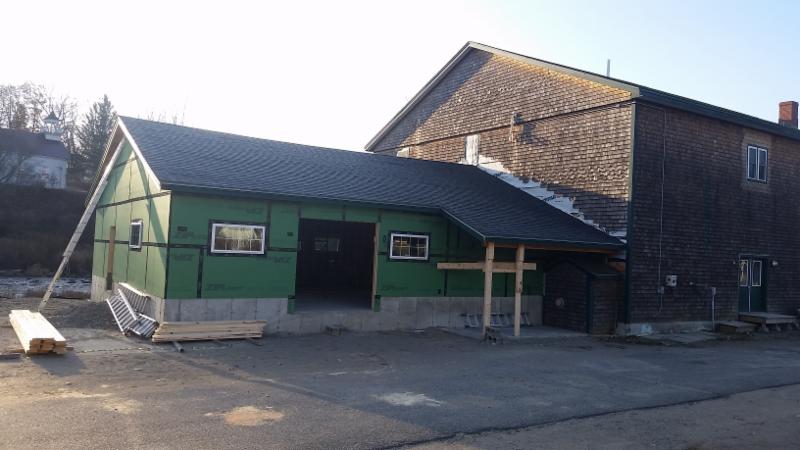
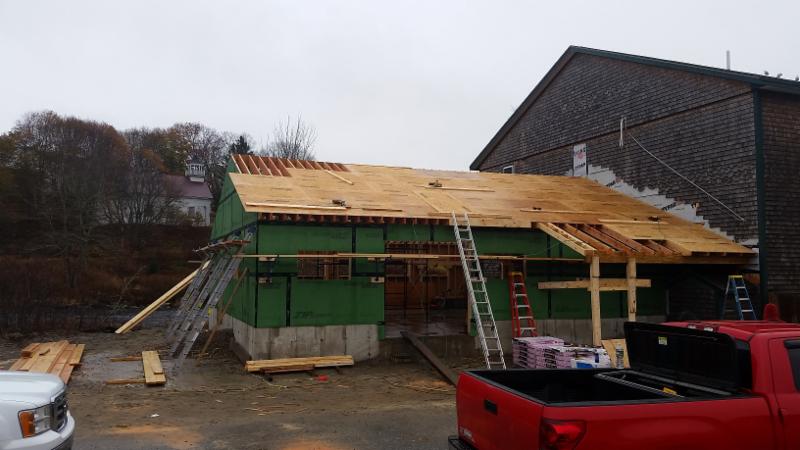
that document the building of the hatchery expansion. Walls, roof, and insulation oh my! There are even windows, the steel frame to support the new head tanks, and roughed in electrical work.
Still to come: well the list is long, but will include lighting, a head tank, plumbing, and of course
hatchery setup
. Much left to do, but it will be an exciting time in our quest of restoring
salmon
in the East Machias River.
Just as the salmon keep swimming, we here at DSF continue to help them face the challenges to restoration. All of which couldn't happen without the
help
we've received and continue to receive from all of you.
As I've mentioned in previous reports, this expansion will allow the salmon growing in the
Peter Gray Hatchery
to be spread out into more tanks. Decreasing the densities in each tank will help lower the stress of the salmon and give them an even better environment to develop into the "little athletes" that will survive in the East Machias River, and later, the Atlantic Ocean. Lean, mean swimming machines!
|
|
Thomas & Thomas Fly Rod Purchase Supports the Peter Gray Parr Project
There are a few different ways to help save wild American Atlantic salmon. One way is to purchase a Thomas & Thomas fly rod--for yourself or as a gift for someone special!
With two-handed rods seeming ubiquitous on many famous salmon and steelhead rivers, at times it seems as though single-hander’s have been forgotten. That’s not the case at T&T. The “Salmon and Steelhead Special” rods are designed to offer salmon and steelhead anglers the ultimate balance of sensitivity and fish fighting prowess. These rods are deadly accurate for dry fly work and still perfectly capable of lifting a long line off the water as you step and swing flies through the pool.
The medium fast action facilitates smooth, controlled casts, even with highly wind resistant flies. Strength in the lower sections of the rod enables good hook setting and provides the power to battle these magnificent migratory fish.
To purchase this or another gift, or to donate to this effort to restore Atlantic salmon, please visit
www.wildatlanticsalmon.org
.
|
|
As always, if you have any questions, concerns, or comments, feel free to reach out to me at zach@mainesalmonrivers.org. I hope this report finds you well and you enjoyed reading about the
Peter Gray Parr Project
. Thank you for all you have done, and continue to do, in the pursuit of Atlantic salmon restoration! I wish each and everyone of you a happy holiday season.
Kind Regards,
Zach Sheller
Hatchery Manager
|
|
There is a short Parr Project video on our website
HERE.
|
|
DONATE TODAY!
If you believe in the importance of restoring Atlantic salmon to our U.S. rivers, then please consider making a gift to the Peter Gray Parr Project for 2017. We will be continuing our work to restore salmon to Downeast Maine and would appreciate your help! Click
HERE
|
|
Leave a Legacy by Making a Planned Gift to DSF
|
A planned gift to Downeast Salmon Federation is a wonderful way to contribute to the health of our rivers and fisheries for future generations while also meeting your financial goals. You can create a legacy gift that will help DSF continue to improve river ecology, restore Atlantic salmon populations, increase fish passage, run educational programs, and much more. Click on the link below for more information about planned giving.
|
|
Wild Atlantic salmon numbers in the U.S. have been at a record low, but DSF is working to bring them back. Please support our work by
becoming a member
of the Downeast Salmon Federation. Together, we can restore sea-run fisheries in Maine.
Downeast Salmon Federation
|
|
www.wildatlanticsalmon.org
|
|
|
|
|
|
|