|
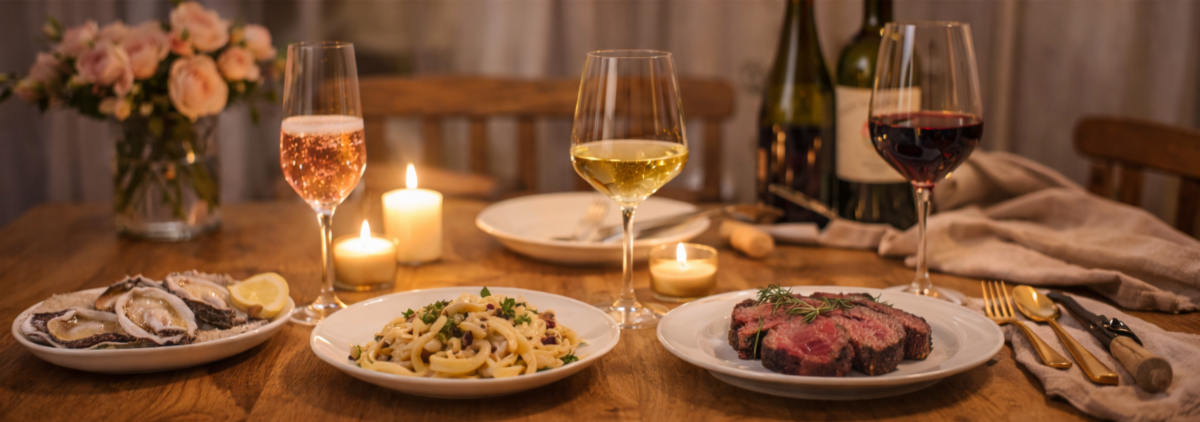
Valentine’s dinners tend to follow a familiar script. Steak for two. Seafood and oysters. A favorite pasta dish. Sushi or Chinese takeout enjoyed at home. Whether you are planning a meal in your own kitchen or scanning a wine list at a restaurant, knowing a few pairing principles makes choosing the right bottle far less intimidating.
The goal is not to memorize rules. It is simply to understand why certain wines feel seamless at the table. Once you know what to look for, selecting wine becomes part of the fun! Here's how to think about it...
Steak and Red Meat
The principle: Protein softens tannin.
Red meats are rich in protein and fat, which bind to tannins in structured red wines. This interaction smooths out the wine’s texture and brings the fruit forward, making both the dish and the wine taste more harmonious.
What to pour:
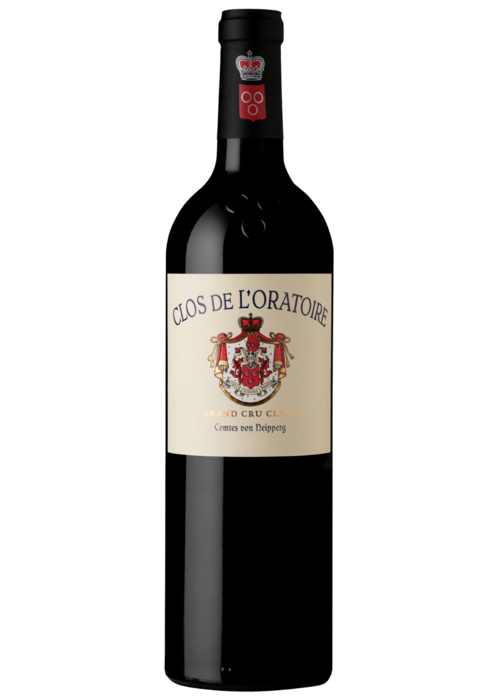
- Right Bank Bordeaux
- Cabernet Sauvignon
- Syrah
If you are ordering steak at a restaurant, look for words like “structured,” “firm tannins,” or “classic Bordeaux.” Those are clues that the wine will rise to the occasion.
Seafood and Lemon-Driven Dishes
The principle: Match freshness with freshness.
Seafood, especially oysters, lobster, or dishes finished with lemon or butter, calls for wines with bright acidity and mineral lift. High-acid wines refresh the palate and highlight delicate flavors rather than overpowering them.
What to pour:
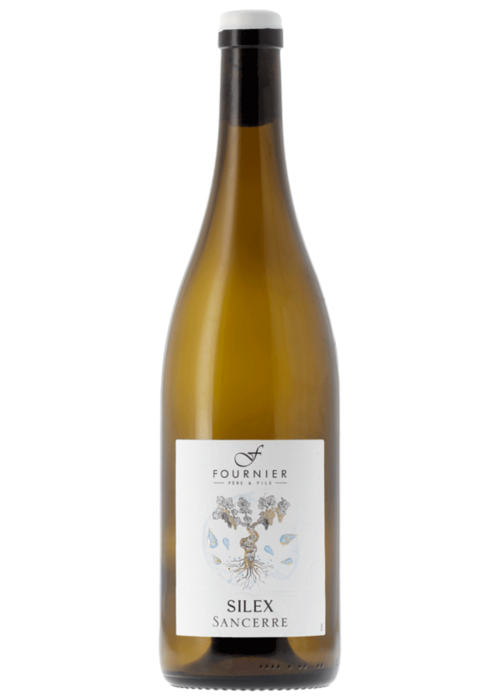
- Sancerre
- Chablis
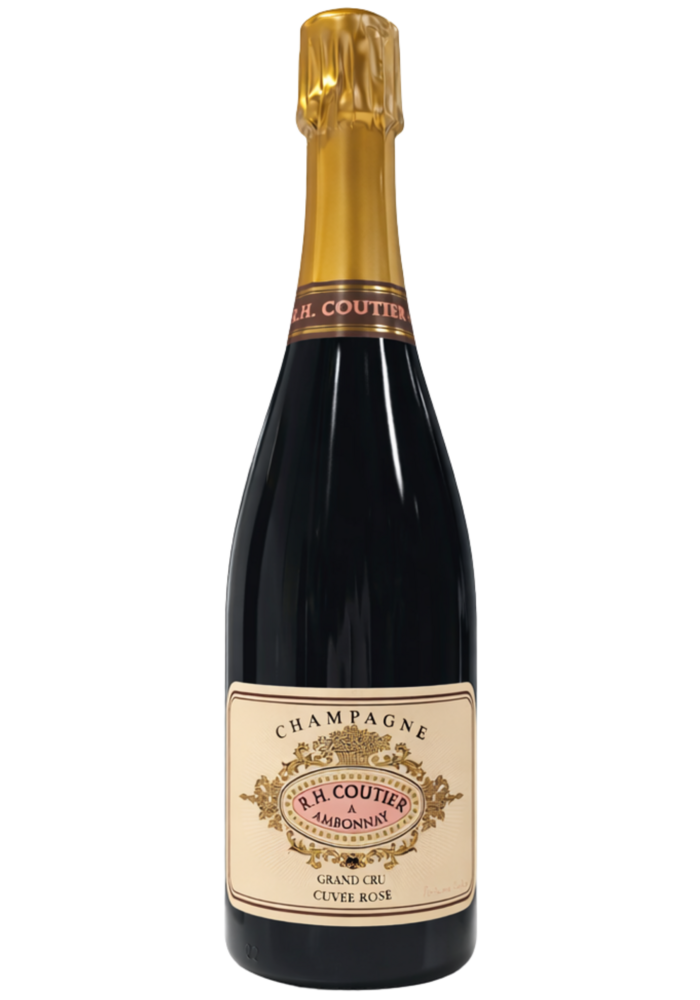
- Brut Champagne or Rosé Champagne
When in doubt at a restaurant, sparkling wine is often one of the safest and most versatile choices for seafood.
Pasta Night
Tomato-Based Sauces
The principle: Acid meets acid.
Tomato sauces are naturally high in acidity. Pairing them with equally bright wines keeps the wine from tasting flat and helps the fruit shine.
What to pour:
- Sangiovese
- Barbera
- Loire Cabernet Franc
On a wine list, look for Italian reds with lively acidity or lighter-bodied French reds with herbal lift.
Cream-Based or Mushroom Pastas
The principle: Balance richness with lift.
Creamy dishes benefit from wines that offer freshness but enough body to match texture. The wine should feel vibrant, not heavy.
What to pour:
- White Burgundy
- Richer Sauvignon Blanc
- Champagne
A crisp, mineral-driven white with moderate alcohol will usually feel more elegant than a heavily oaked option.
Chinese Takeout
The principle: Spice needs contrast.
Sweet and savory sauces, soy, ginger, and heat can overwhelm high-alcohol, heavily tannic reds. Wines with bright acidity and, in some cases, a touch of sweetness help tame spice and complement bold flavors.
What to pour:
- Off-dry Riesling
- Sparkling rosé
- Light-bodied reds such as Gamay
If you are unsure, choose lower alcohol and higher acidity. The meal will feel more balanced.
Sushi Night
The principle: Subtlety rewards restraint.
Raw fish, soy sauce, and wasabi are delicate but precise in flavor. Wines that are overly oaked or powerful can overshadow that precision.
What to pour:
- Brut Champagne
- Sancerre
- Dry Riesling
- Light rosé
Mineral-driven whites and sparkling wines mirror the clean, focused character of sushi beautifully.
Understanding these simple principles makes wine selection less about guesswork and more about intention. Whether you are picking up a bottle to take to dinner, ordering from a wine list, or settling in at our tasting counter, the right pairing elevates the entire experience.
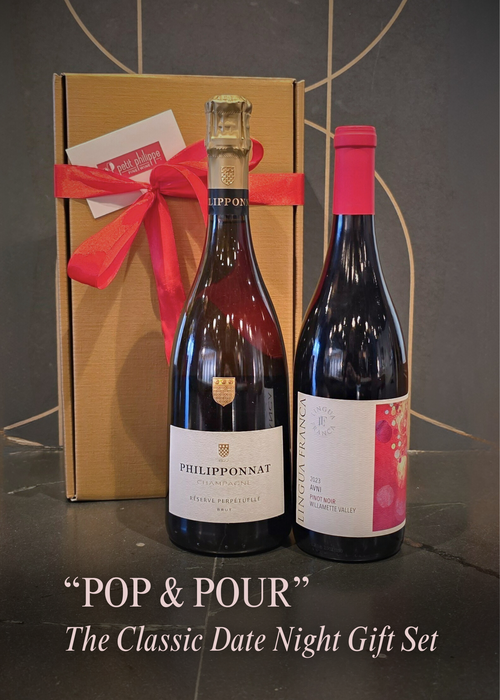
This weekend’s Blush, Bright & Bold flight follows the same logic. Sparkling to begin. Bright white to refresh. Structured red to finish. A classic progression, thoughtfully chosen for Valentine’s weekend.
|