March 26th - March 29th, 2026 | | |
THIS WEEK'S TASTING FLIGHT:
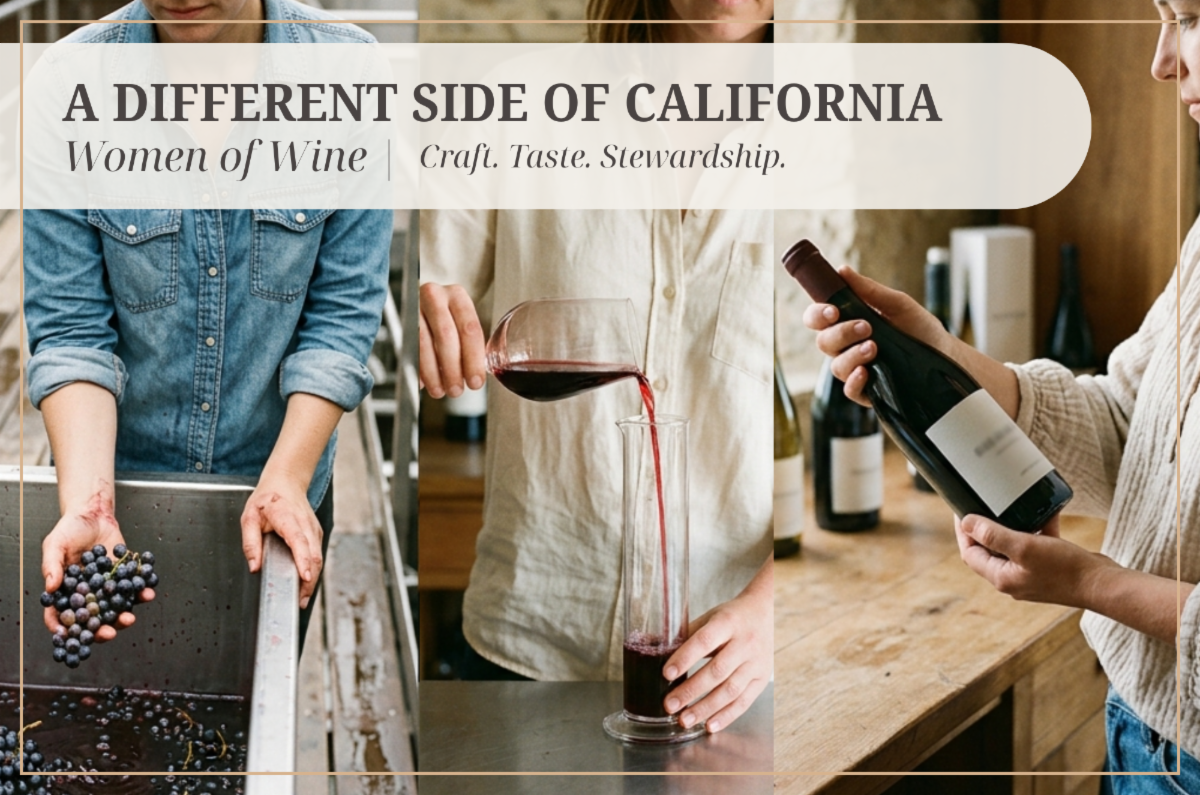
Women of Wine
& The California You Might Not Know
| |
Three women. Three Wines.
A side of California most people never see.
| |
THIS WEEK AT PETIT PHILIPPE
-
$26 Women of Wine Flight: Three wines the state almost didn’t make, shaped by three women who chose to make them anyway. A flight honoring Women's History Month with something genuinely worth discovering.
-
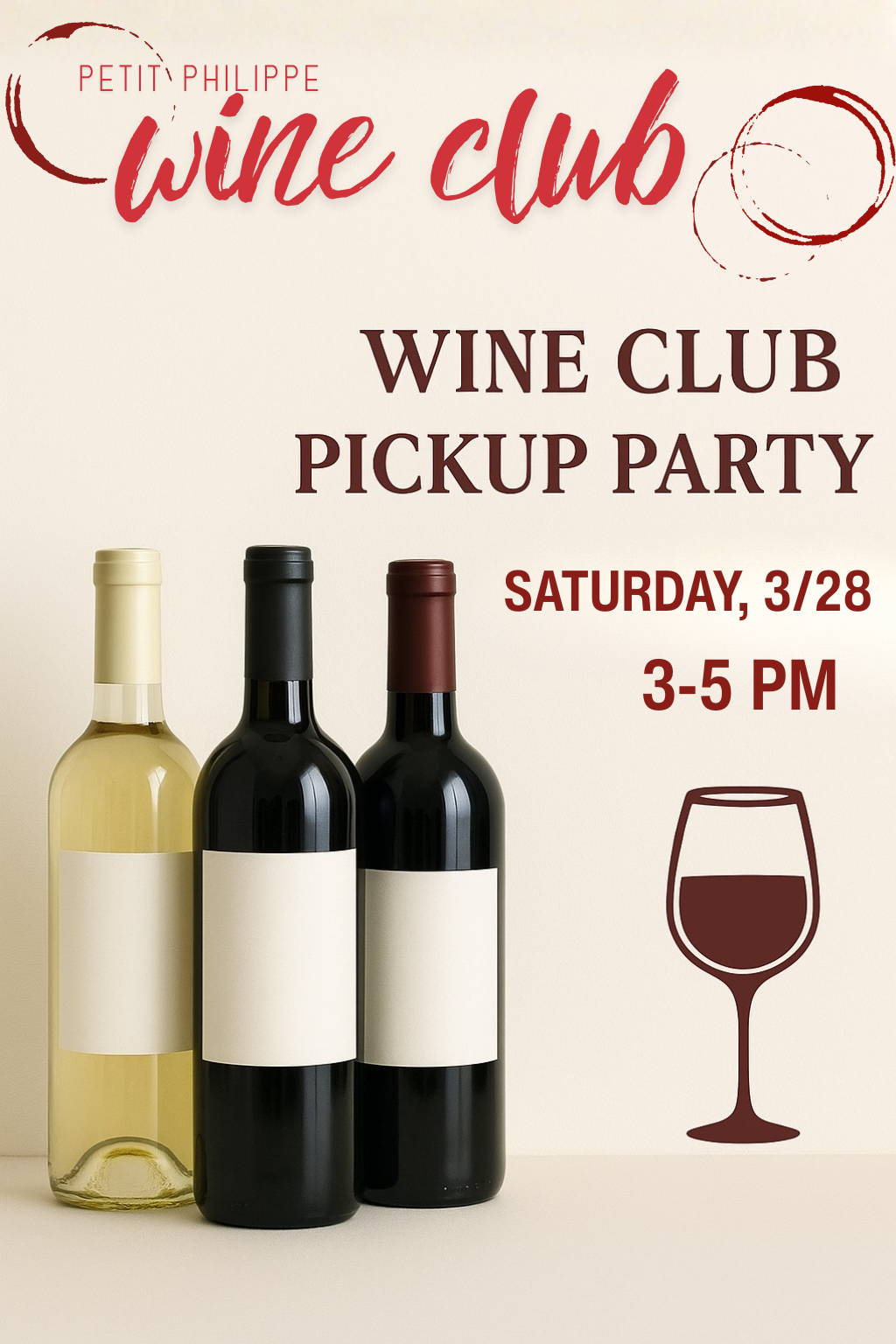
Upcoming Events: Learn about our Wine Club at our pickup party this Saturday.
| |
When it comes to California wine, the state produces more wine (in more styles, from more varieties) than most people ever encounter. What most people encounter is a small and predictable slice of it.
This week's $26 tasting flight is three wines from outside that slice, each one shaped by a woman who chose not to follow the usual path.
That’s not a coincidence. It’s the reason these wines exist.
A white made from a grape that dominated California a generation ago and then quietly disappeared when the industry decided Chardonnay was the answer to everything.
A Grenache from the high desert above Santa Barbara made by a woman who moved from New Zealand specifically to make this one variety, and has made nothing else for nearly twenty years.
A Cabernet Sauvignon from a thousand feet up Sonoma Mountain, organically farmed, from an estate that had already earned its reputation before its current steward decided to earn it again the harder way.
None of these are the California you see on every list. All of them exist because someone chose to make them differently..
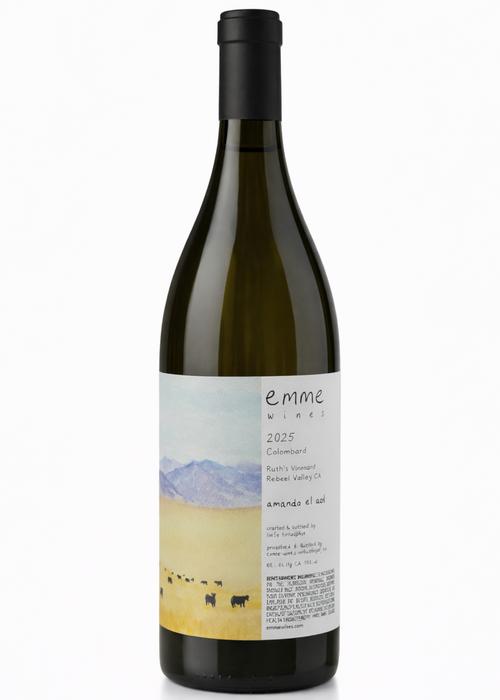
Emme Wines ‘Amando el Sol’ Colombard 2025 | $35
-
California's most widely planted white before Chardonnay took over.
Bright, citrus-driven, and quietly complex with a saline edge
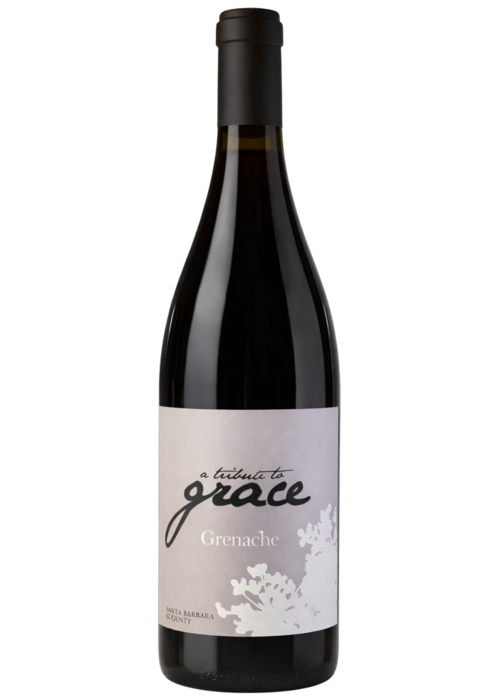
A Tribute to Grace Santa Barbara County Grenache 2024 | $42
-
One producer, one variety, nearly twenty years.
Lifted red fruit, floral aromatics, and a silky, transparent palate
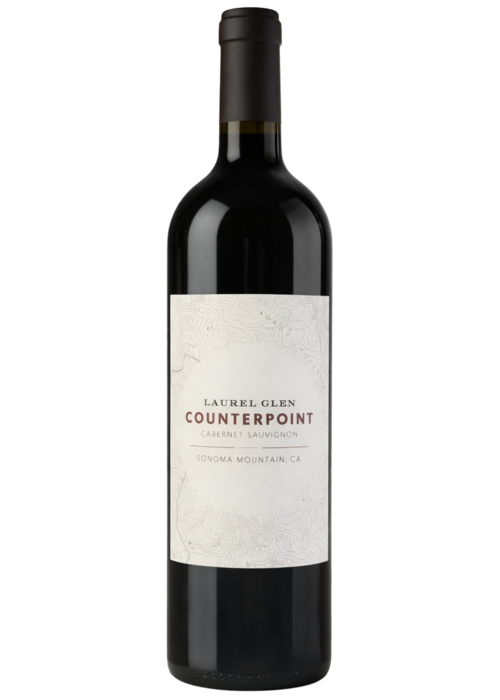
Laurel Glen ‘Counterpoint’ Cabernet Sauvignon 2021 | $70
-
Sonoma Mountain at a thousand feet, organically farmed, and built to age.
Structured and composed, with dark fruit, graphite, and long finish
This week is an opportunity to taste not just the wines, but the decisions behind them, and the women who chose to make them differently.
Come taste with us today through Sunday, while the wines last.
Cheers,
The Petit Philippe Team
| | Join us for guided tastings, winemaker dinners, and hands-on workshops. | | | |
Saturday, March 28th | 3 PM - 5 PM
March Wine Club Pickup Party
The last Saturday of each month, Wine Club members get a first look at what’s coming next.
It’s a chance to taste through potential selections, share your perspective, and occasionally claim a bottle before it ever makes it into the pack.
If you’ve been curious about the Club, our monthly Pickup Party is your chance to experience how it works.
Saturday, March 28 | 3–5 PM
-Taste and help shape upcoming selections
-Explore how each month’s wines come together
-Stay for a relaxed, open-format tasting
Complimentary for members. Guests welcome ($15, applied toward membership)
Drop in anytime.
Learn More About Wine Club →
| | From a grape California abandoned to a Sonoma Mountain estate transformed by its steward, these are three wines that exist because three women chose to make them differently. | | |
Join Us for Weekly Tasting Flights
Available during the hours below
11:00 am - 9:00 pm | Thursday
11:00 am - 9:00 pm | Friday
11:00 am - 9:00 pm | Saturday
1:00 pm - 7:00 pm | Sunday (depending on availability)
| | | | |
Redwood Valley • California
$35 retail
| |
Rosalind Reynolds founded Emme Wines in 2018, naming the label after her grandmother, and has spent the years since making the case for grapes California left behind. She works out of a cooperative cellar in Sonoma, sources her fruit from organically farmed vineyard sites she has committed to long-term, and makes every wine without additives and with as little intervention as the vintage allows.
Colombard was once the most widely planted white grape in California. Before Chardonnay reshaped the market, it was everywhere. Reynolds is one of a very small number of winemakers treating it as a serious, site-expressive variety. 'Amando el sol' means loving the sun.
Varietal: 100% Colombard
Vinification
Whole-cluster pressed at harvest, settled overnight, and fermented in stainless steel with native yeast. Aged six months in a combination of stainless steel and neutral oak barrels, then bottled unfined and unfiltered with minimal sulfur. The stainless portion keeps the wine lean and citrus-forward. The neutral oak opens up warmth and a quiet floral lift without leaving any oak flavor behind.
Tasting Notes
Pale gold. The nose leads with lemon peel, white nectarine, and a thread of dried wildflower. The palate is clean and linear, with precise acidity, a faint saline quality mid-palate, and a dry finish that refreshes rather than lingers.
This is a great example of how restraint, not extraction, can define a wine. Bright, focused, and subtle expression.
| | | | |
Santa Barbara • California
$42 retail
| |
Angela Osborne arrived in California from New Zealand in 2006 with one intention: make Grenache. Her homeland's climate made the grape nearly impossible to ripen, so she spent years looking, through northern Spain, southern France, and southern Australia, before California's sunshine and openness drew her in. In 2007 she sourced her first fruit from the Santa Barbara Highlands Vineyard, a high-desert site at 3,200 feet elevation, and has worked from it ever since.
Every wine she makes is 100% Grenache. That discipline, held for nearly twenty years across a single variety, has produced one of the most coherent bodies of work in California wine.
Varietal: 100% Grenache
Vinification
The Santa Barbara County bottling draws from two contrasting sites: the Highlands Vineyard at 3,200 feet elevation and Curtis Vineyard in Foxen Canyon, a lower, more sheltered location with a distinctly different microclimate. The two together produce a wine with more dimension than either site alone. Native yeast fermentation, neutral oak aging, minimal sulfur at bottling. No fining, no filtering. The winemaking intention, in Angela's words, is to stay as close to nature as humanly possible.
Tasting Notes
Transparent ruby. The nose is fresh and lifted, with strawberry, dried rose petal, and a cool earthy note underneath. The palate is light-bodied but structured, with crushed raspberry, white pepper, and a finish that builds quietly rather than fades. This is Grenache that is entirely itself: not trying to be Pinot Noir, not trying to be Rhône, not trying to be anything other than what it is.
The Queen Anne's Lace on the label was chosen for its symbolism of simplicity and grace. After nearly twenty years, the wine still earns both.
| | | | |
Sonoma Mountain • California
$70 retail
| |
Laurel Glen Vineyard has produced Cabernet from the same east-facing slope on Sonoma Mountain since 1981. By the end of that decade it had earned a place among California's first-generation cult Cabernets. In 2011, Bettina Sichel, the fifth generation of a wine family with roots in Bordeaux spanning more than a century, purchased the estate from founder Patrick Campbell and became its steward.
She converted the vineyard to certified organic farming, earned CCOF certification by 2014, and assembled a winemaking team built for the long term. She did not rebuild Laurel Glen's reputation. She deepened the conditions that made it possible.
Varietals: 80% Cabernet Sauvignon, 10% Merlot, 10% Malbec
Vinification
Counterpoint draws from the more approachable lots of Laurel Glen Vineyard fruit, fermented with native yeast in open-top tanks and aged 20 months in French oak. The volcanic red sandy soils, east-facing slope, and elevation above the fog line produce fruit with a mineral thread that defines the estate across every vintage. Counterpoint exists so the flagship wine can be reserved for only the most structured, age-worthy barrels. What ends up here is not the second tier. It is the more generous expression of the same site.
Tasting Notes
Deep ruby. The nose leads with dark cherry, dried thyme, and a cool mineral note that signals the elevation immediately. The palate is structured and composed: cassis, a line of cedar, and a long finish with real grip but no aggression. This drinks well now and has years ahead of it. At $70 retail, it is one of the most straightforward value propositions in California Cabernet.
Bettina Sichel chose organic farming when she could have coasted. The wine is better for it, and the vines will be too.
| |
Women of Wine: California Edition
How California became one of the most important places to be a woman making wine
| |
For most of wine's recorded history, the cellar was considered men's work. Women participated in vineyard labor and household production for centuries, but formal winemaking roles, estate ownership, and the credentialed wine trade were largely closed to them through most of the 20th century.
California changed that faster than almost anywhere else. The state's wine industry was young, entrepreneurial, and less encrusted with the guild structures that made European wine difficult to enter without a family name or inherited land. Women found their way into harvest crews, cellar positions, and winemaking roles earlier here than nearly anywhere, and by the 1980s a first generation had built real reputations.
That shift is part of why California looks the way it does today, and why wines like the ones in this flight exist at all.
The pioneers who opened the door
Zelma Long became head winemaker at Robert Mondavi in the early 1970s, one of the first women to hold that title at a major California winery. Merry Edwards began making wine in 1974 and spent decades building a case for restrained, site-focused Sonoma Pinot Noir at a time when California reds were trending toward power and extraction. Cathy Corison started her own Napa Valley Cabernet label in 1987, making structured, age-worthy wines that ran against the riper style dominating the market. These were not exceptions to the rule. They were the beginning of a different one.
By the 2000s, women were entering Master of Wine and Master Sommelier programs in larger numbers, starting their own labels, and taking over historic estates. The pipeline that barely existed in 1970 had become, by 2025, one of the most active in the industry.
What this flight represents
The three women in this flight did not follow a conventional path.
-
Rosalind Reynolds built Emme Wines around a grape the market had left behind, making her argument one bottle at a time from a cooperative cellar in Sonoma.
-
Angela Osborne moved to California from New Zealand with a plan to make only Grenache, held that conviction for nearly twenty years, and produced a body of work that stands among the most focused in the state.
-
Bettina Sichel brought five generations of European wine family knowledge to a Sonoma Mountain estate and chose to deepen its commitment to organic farming rather than capitalize on its existing reputation.
Three different entries into the same industry. Three different versions of what it looks like to shape it from the inside.
What to look for in the glass
Colombard → lean, high acid, citrus and stone fruit, saline finish, no oak influence Grenache → transparent, lifted red fruit, floral, light-bodied with quiet structure Cabernet Sauvignon → dark fruit, volcanic mineral, cedar, structured and age-worthy
|
JOIN US THIS WEEK
From a forgotten California white to one of Sonoma Mountain's most consistent Cabernets, this flight covers more ground than most and shows what this state is actually capable of.
Available Thursday through Sunday.
| | |
info@petitphilippe.com | www.petitphilippe.com
Wine emergency? Text us at 415.306.4283
| | BE WELL + STAY CONNECTED | | | | |