The Pharmazing Gazette

7th Edition: September 2024

As summer draws to a close, we find ourselves reflecting on the season we had. Whether you spent the summer gaining valuable experience through internships, diving deep into research, or simply recharging, we hope it was productive and fulfilling. As we transition into the fall, it is the perfect time to refocus, set goals, and take the next steps in your professional journey.


As always, our team is excited to bring you OCPD resources, residency and fellowship information, and insights into pharmaceutical careers throughout the year.

Ask a Senior Professional Series!


Do you have career or professional development questions you'd like to ask anonymously to experienced pharmacy professionals? Our team will connect with SOP faculty, residents, and alumni to get you expert answers. Each month, we will feature 3-6 of these answers in our newsletter, providing valuable insights and guidance for your professional journey. Reach out to the editors to ensure your questions are covered in next month's edition. Our contact information is at the end of the newsletter.


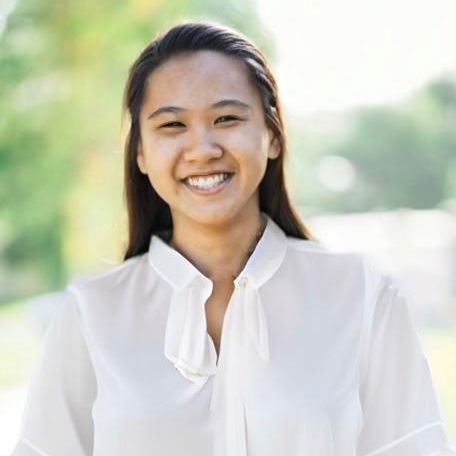
For the September edition of The Pharmazing Gazette, we had the pleasure of speaking with Dr. Eileen Tran Nguyen, a resident in the Walgreens-UCSF PGY1 Community Pharmacy Residency Program. Dr. Nguyen brings a wealth of experience from her background in community, specialty, and independent pharmacy settings, as well as in management, operations, and academia. In addition to her residency, she plays a key role in facilitating student conferences, conducting research, and performing quality improvement projects.


Thank you for volunteering your time and expertise Dr. Nguyen! Our readers, the UCSF School of Pharmacy, and OCPD appreciate your input.


Q & A:


1) How did you develop your interest in the Walgreens-UCSF PGY1 Community Pharmacy Residency Program?


I attended the Marshall B. Ketchum University School of Pharmacy in Fullerton, California, and graduated in May 2024. Following graduation, I began my residency in the Walgreens-UCSF PGY-1 community program, a path influenced by my diverse experiences in pharmacy practice. I spent about three years working with Walgreens, primarily at a specialty site, but also gained valuable experience in a retail setting. I also have over a decade of experience in an independent community pharmacy, where I started as a volunteer and advanced to a pharmacy intern. These roles sparked my interest in business operations, writing operational protocols, assisting with prior authorizations and Medicare audits, running quality control projects, and engaging in community outreach. Throughout these experiences, I also developed a strong passion for academia, which was reinforced through opportunities to facilitate content reviews and teach didactic material to students. These combined interests and experiences ultimately led me to apply for this program.


One of the key benefits of the Walgreens-UCSF PGY-1 community program is its flexibility. For example, if you need time to study for boards, they are willing to accommodate requests and meet your needs. In terms of other benefits, the pay and PTO is reasonable, but what truly drew me in was the chance to step out of my comfort zone by living in a new place and challenging myself in new ways.


Circling back to the application process, I had to meet several requirements, including submitting three letters of recommendation and a letter of intent. As a student, it is important to connect with preceptors that are willing to vouch for you and your interests, especially if they work in a field that aligns with the focus of the program. Develop those connections in rotations early on and nurture them by setting expectations, communicating proactively, and negotiating learning goals when possible.


2) What are your key clinical and outreach responsibilities as a resident? Describe your patient care services and the collaboration with UCSF.


From Monday through Thursday, I spend about 60% of my time focused on various tasks, including Asembia calls to follow up on patient care, conducting quality control, managing medication-to-bed deliveries, and developing my business project. The remaining 40% of my time is dedicated to working with the UCSF teaching certificate program and transitions of care (TOC) at UCSF hospital. As a conference facilitator, I supplement information and clarify concepts for students. In TOC, I call patients to follow up, answer clinical questions, assist providers, and help patients find assistance programs for high co-pays when necessary. Additionally, I participate in clinical outreach by delivering in-service presentations to physicians and clinics. Although there is a clinical research component in the program, I am currently in the development phase. I also have responsibilities with Walgreens, where I am involved in a longitudinal project focused on observing and improving the pharmacy workflow to enhance efficiency.


3) Can you share a defining moment during your rotations or residency that solidified your passion for community pharmacy?


Yes, I have two memorable experiences that deeply influenced my career path. The first was an APPE rotation at St. Jude, which resembled an ambulatory care setting where I had the opportunity to follow patients over an extended period. This experience was particularly meaningful because I worked with patients managing chronic conditions, allowing me to see firsthand how small changes and recommendations can significantly improve quality of life. As pharmacists, our role is to bridge the gap between providers and patients, delivering comprehensive care and preventing complications. This experience solidified my passion for ambulatory care by highlighting the impactful difference we can make in patients' lives.


The second experience took place at an independent pharmacy, where I developed strong self-learning skills and discipline. This role allowed me to engage in extensive clinical outreach with dialysis centers in the San Gabriel Valley. Working outside of the corporate retail environment, I discovered the flexibility and autonomy that independent sites offer. This experience made me realize how much I value the direct patient care aspect of community pharmacy, while also appreciating the resources and support provided by corporate settings.


4) What role does mentorship play in your residency experience? How did you approach setting expectations and meeting learning benchmarks with your preceptor?


In my residency, I have the dual role of being both a mentor and a mentee. I view my preceptors as mentors because, at the residency level, you’re expected to already be a competent clinical pharmacist, since you passed the boards. The purpose of a residency is to further refine your skills and expose you to diverse clinical interests. Preceptors are there to broaden your perspectives, helping you expand on what you already know and guiding you toward new areas of learning.


On the flip side, as a conference facilitator and didactic instructor, I take on the mentor role. I assist students in mastering therapeutics and preparing for the challenges ahead. Since I recently graduated, I’m mindful of the challenges students face in balancing work, school, and personal life. Navigating rotations can be particularly challenging for students, especially when an APPE assignment falls outside their area of interest. However, I encourage them to shift their mindset—every rotation offers valuable learning experiences. The skills and knowledge gained at one site can often be applied in unexpected ways at other sites!


5) How has your residency program equipped you to manage drug shortages effectively in terms of day-to-day operations and patient outcomes?


Drug shortages present significant challenges, but they can be effectively managed through proactive communication between the pharmacy and patients. Monitoring the inventory of critical medications, such as Ozempic and Adderall, is crucial since shortages can directly impact patient access and health outcomes. At Walgreens, we’ve implemented a system where we contact patients at least seven days before their refill date. During these calls, we check in on their current medications, assess any side effects, and confirm how much medication they have left. When multiple patients require the same medication, this early communication gives us a narrow window to order and carefully allocate our supply. Given that many medications may be on backlog, it’s important to keep patients informed. We always explain to patients that we are actively exploring alternatives across manufacturers and assure them that we are doing everything possible to manage the situation and ensure they receive their medications.


6) Given the stringent regulations surrounding the dispensing of controlled substances, what challenges have you encountered in patient care?


The stringent regulations for controlled substances require pharmacists to carefully balance compliance with patient needs, prescriber directives, ethical considerations, and professional judgment. The complexity of navigating these regulations is compounded by differences in federal and state healthcare coverage. For example, Medi-Cal imposes a safety limit on initial opioid prescriptions for the treatment of acute pain, restricting pharmacists to dispensing only a 7-day supply at a time during the first 30 days of treatment. This can lead to repeated pharmacy visits, which understandably frustrates patients. Other times, patients face challenges when their insurance doesn’t cover pain medications, requiring them to go through prior authorizations and step therapy protocols to manage their pain. In these situations, it’s crucial to inform patients about legal requirements and safety concerns while showing empathy for their frustrations.


As pharmacists, our role involves actively listening to patients, assuring them that we are advocating for their best interests, and collaborating with providers to ensure their care is managed effectively. However, we must also assess each situation with care, weighing the pros and cons and exercising sound professional judgment. For instance, I recently encountered a patient who had lost their opioid medication and sought help at the pharmacy. In this case, it was important to evaluate whether dispensing the medication earlier—if legally permissible—would benefit the patient or potentially create conflicts or legal issues. In the context of the opioid epidemic, patient care must be centered on minimizing harm, providing relief, and leveraging our expertise as medication experts to make informed decisions that prioritize patient safety.

California Pharmacy Legislation Spotlight


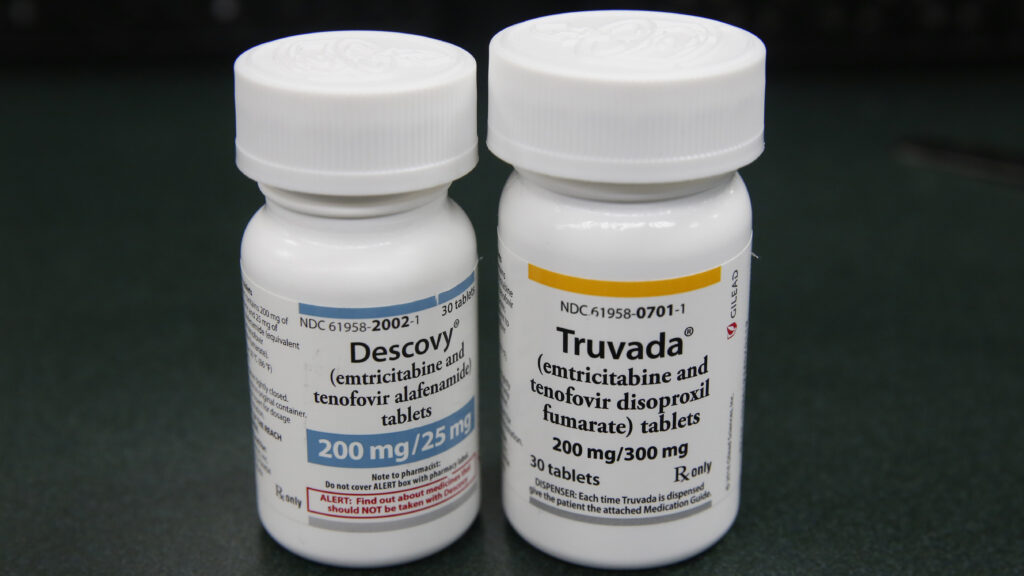
Senate Bill 339: HIV Pre-exposure and Post-exposure Prophylaxis (PrEP and PEP) - Key Takeaways


Pharmacists in California have an extended authority for HIV prophylaxis. They can furnish up to a 90-day course of HIV prophylaxis, if the following conditions are met:

  • Confirmed HIV-negative status with a recent test; if unavailable, the pharmacist orders and verifies the test. Positive results require referral to a PCP.
  • The patient reports no signs of acute HIV infection or take contraindicated medications.
  • The pharmacist provides counseling on PrEP use, including side effects, safety, and the importance of regular testing and follow-up care.
  • The patient is informed about the need to see a PCP for future PrEP prescriptions and follow-up care.
  • The pharmacist documents the services provided in the patient's record and notifies the patient’s PCP. If the patient lacks a provider, a referral list is given.
  • A 90-day PrEP course cannot be furnished more than once every two years without prescriber direction.

Pharmacists may provide prophylaxis beyond 90 days if certain conditions are met:

  • The pharmacist ensures patients receive testing and follow-up care consistent with CDC guidelines including HIV tests, renal function, hepatitis B, hepatitis C, STDs, and pregnancy tests for individuals of childbearing capacity.
  • The pharmacist documents the services provided in patient records maintained by the pharmacy and furnished to each patient.
  • The pharmacist notifies the patient’s PCP that the pharmacist completed the requirements. If the patient does not have a PCP, or refuses consent to notify the PCP, the pharmacist shall provide the patient a list of providers in the region.

SB 339 was sponsored by senator Scott Wiener and signed into law by Governor Gavin Newsom on February 6th, 2024.

California Senate Bill 339, Secretary of State (2024). Accessed August 28, 2024. Retrieved from https://leginfo.legislature.ca.gov/faces/billTextClient.xhtml?bill_id=202320240SB339

Breaking the Ice with Industry Careers 💊 🧊


We are resuming our Breaking the Ice with Industry Careers series from last academic year, with a focus on Medical Affairs in the pharmaceutical industry for this month’s edition. Medical Affairs is a highly competitive and sought-after career path, playing a vital role in bridging the gap between clinical science and patient care. Professionals in this field are responsible for communicating essential information about drugs and medical devices to healthcare providers, medical professionals, and patients. They convey scientific and clinical data through a variety of channels, including medical publications, field interactions, educational materials, approved presentations, and standard response documents. They actively participate in medical conferences and support post-marketing safety and efficacy evaluations of products. By facilitating the exchange of critical information between internal teams and external stakeholders, Medical Affairs professionals contribute to both improved patient outcomes and the commercial success of pharmaceutical products.


Careers in Medical Affairs: 

  1. Medical Science Liaisons interact with medical professionals and healthcare providers to share information about drugs or medical devices. They may present at medical conferences and gather valuable insights from discussions to benefit their pharmaceutical company.
  2. Medical Communication/Drug information have a variety of roles including effectively exchanging complex medical information to healthcare professionals and patients to invoke informed-decision making. Personnel are updated on latest trends, new guidelines, research, and developments in the medical field.
  3. Medical Information Specialists respond to unsolicited inquiries about drugs or medical devices from healthcare professionals and consumers, providing accurate and timely information. Additionally, they create educational materials such as monographs, brochures, and online content.

APhA's Pharmacy Career Profiles


Are you curious about how you can apply your PharmD degree in various clinical settings? Each month, we will give you an insider's perspective into a pharmacy specialty so you can gauge the world of possibilities that awaits you after pharmacy school! Our summaries will detail key characteristics, critical factors ratings (work-life balance, patient interaction, etc), and other insights!


What is Specialty Pharmacy?

Specialty pharmacy. 2024. University of California San Francisco (UCSF).

Specialty pharmacy involves the handling and management of specialty pharmaceuticals, including dispensing, distribution, reimbursement, case management, and other services specific to patients with complex, rare and/or chronic diseases like cancer and autoimmune conditions.


Pharmacists in specialty pharmacy provide personalized care that goes beyond traditional services. They collaborate closely with healthcare providers to manage treatment plans, monitor for side effects, and provide extensive patient education. Due to the complexity of the medications, specialty pharmacists often offer services such as prior authorization assistance, financial counseling, and adherence support to help patients navigate their treatment journeys.


In terms of job characteristics, specialty pharmacists work an average of 41 hours per week and most earn $100,000 or more. The majority of specialty pharmacists report high job satisfaction, but face challenges including limited travel and remote work opportunities and a lack of research opportunities.


American Pharmacists Association. Career option profiles. 2021. Retrieved from https://aphanet.pharmacist.com/career-option-profiles

Upcoming Events


1) Pharmacy Internship Resource:


We are excited to announce the launch of our new Pharmacy Internship Resource, designed to support students in navigating the often complex and competitive process of securing internships. This comprehensive resource offers insights into hiring timelines, tips for crafting standout applications, a clear understanding of employer expectations, and available internships in the bay (community, hospital, and industry). To access our resource, schedule an appointment with one of our counselors, map out your goals, and improve your candidacy for future professional pharmacy roles!


2) OCPD's CV for Fellowships and Resumes for Employment (Internships):


Need help writing your resume for internships or CV for Fellowships? Listen up P1s and P3s! Over the last year, OCPD has enhanced our resume and CV resources to better address emerging trends including responsible AI utilization for drafting application materials. Additionally, our updated CV samples now feature links to resources on crafting effective bullet points, among other improvements.


Watch any of our 7 brief animated CV/Resume videos to learn more about how you can create a CV/Resume that highlights your strengths and leaves a lasting impression.


3) SCCP Monthly Journal Club Program


Do you want to practice analyzing articles and giving journal club presentations before your 3rd year APPE rotations? Do you want to gain deeper understandings about the therapeutics we learn in class? We can do both! SCCP offers a monthly journal club program for students interested in developing their analytical and presentation skills. Participating entails working closely with faculty to analyze a therapeutics-related journal article and developing an independent presentation. Sign up today!


4) UCSF Student Life Signature Events:

  • Fall Celebration for New Students at Parnassus: Sep 23
  • Student Veteran and Military Affiliated Welcome: Sep 30

For more information follow-up with studentlife@ucsf.edu

Do you need a professional headshot?

Whether you need a headshot for LinkedIn or your UCSF Connect profile, visit the Iris Photo Booth in the Student Success Center to take FREE professional headshots! The Student Success Center is in Millberry Union on 500 Parnassus Ave.


Expectations:

  • No appointment is necessary
  • Works on a first-come, first-served basis
  • Receive headshots through the Iris photo booth website


Hours at the Student Success Center:

  • Monday to Thursday, 9 am - 5 pm
  • Friday, 8 am - 4 pm
  • Closed for lunch daily between 1 pm - 2 pm

Did you know?


We have an incredible team at the Office of Career and Professional Development (OCPD) that can help you with your professional needs.


Our most popular services include career counseling services with career counselors, application material review sessions (CV, resumes, letters of intent, references), mock interviews, and networking appointments. Book an appointment!

From the Editors

Hi :)


My name is Luis, and I am from Houston, Texas. During my free time, I like to swim, watch anime, cook new foods, and grab boba.


As a career outreach peer, I am working on projects aimed at increasing accessibility to internship resources and improving the student experience.


As always, please reach out if you have any questions. I am happy to help!

luis.alvarez2@ucsf.edu

Hello,


My name is Zunaira Iftikhar, and I am from Santa Clara, CA. During my free time, I love painting and scrolling on TikTok.


At OCPD, I am a project peer working on creating resources for students interested in pharmaceutical industry careers and fellowships.


If you have any questions about pharmaceutical industry careers, please email me at:

zunaira.iftikhar@ucsf.edu

Thank you for reading this edition of the Pharmazing Gazette!

Stay tuned for next month's newsletter! If there is anything you would like future newsletters to address, let us know!

Visit Our Website
Book an Appointment
Archive of Past Newsletters

Resources

Student Health & Counseling Services

SOP PharmD Advising

Let's Talk Program

Learning Resource Services

 
Facebook  Twitter  Pinterest