Departments of Medicine, Neurology, and Pediatrics
| |
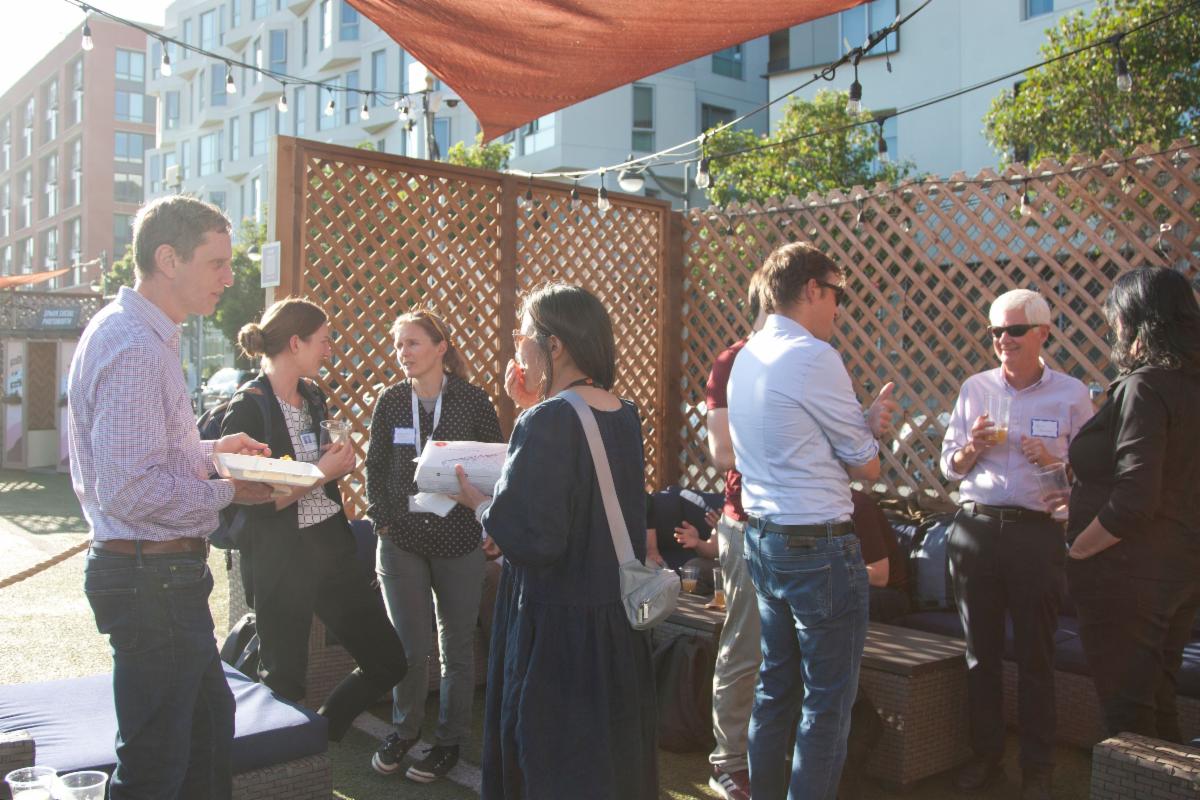
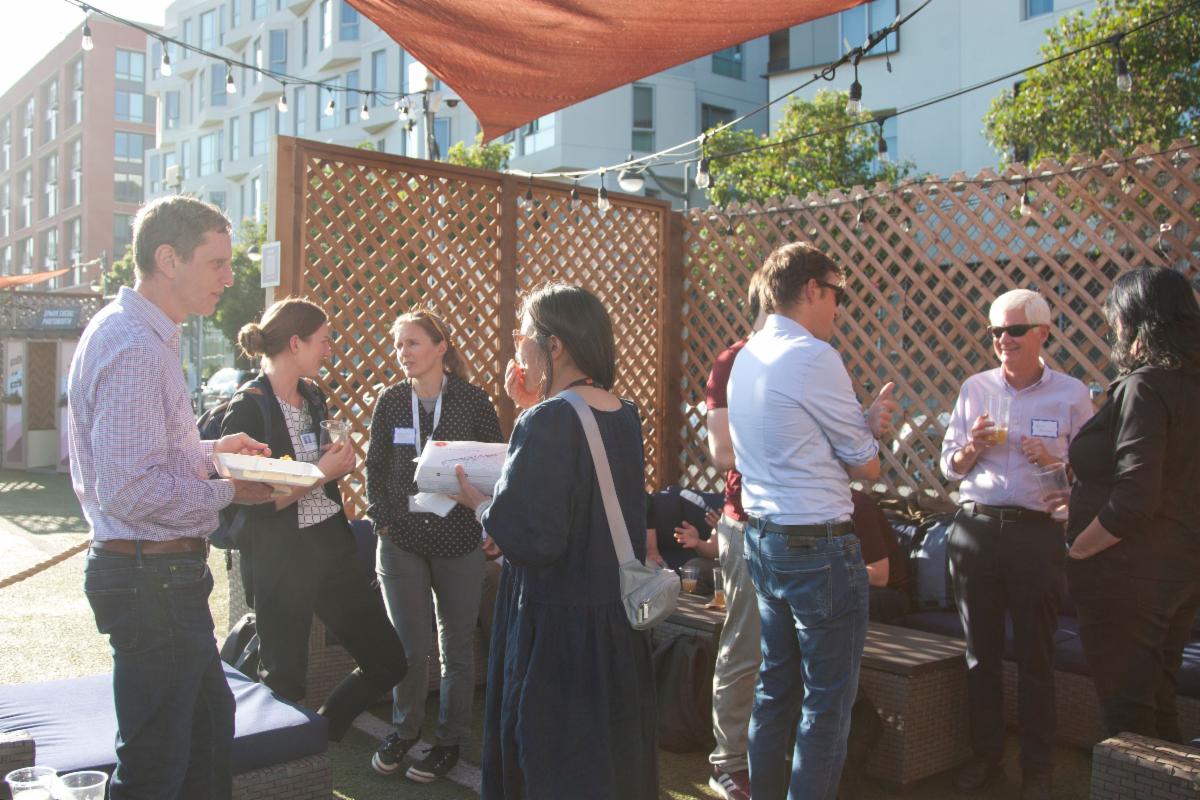
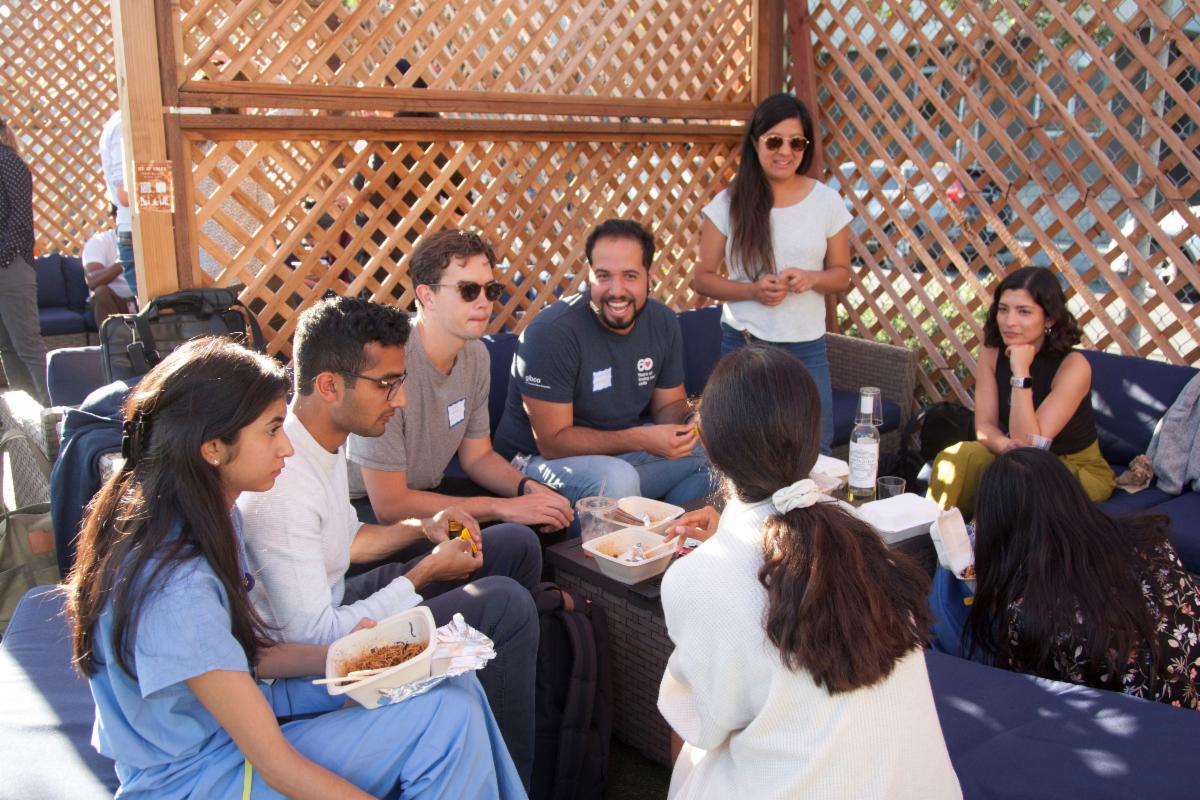
Pictured PSCDP leadership and participants at Spark Social at Mission Bay after the "Careers Outside Academia for Physician-Scientists" Panel Discussion. | |
Dear Physician-Scientist Community,
Welcome to the quarterly newsletter of the Physician-Scientist Career Development Program (PSCDP)! Our program is focused on supporting scientific success and fulfillment amongst laboratory-based physician-scientists in the UCSF Departments of Medicine, Pediatrics and Neurology.
This month we are particularly gratified to be able to announce PSCDP “Fact Sheets” on Funding and the Transition to Independence. When we have talked to (and surveyed) UCSF physician-scientist trainees and alumni, the area of greatest concern was the uncertainty about expectations around funding and the transition to independence. In response, PSCDP has spent the past year collaborating with the Departments of Medicine, Pediatrics and Neurology, including division and fellowship program leadership, to create the “Fact Sheets.”
The Funding Fact Sheets outline what the lab-based physician-scientist trainee can expect, in terms of salary support across the postdoctoral/junior faculty periods, but also where these funds come from and what is expected of the trainee, in terms of applying for different grants. These are organized by Department (and in Medicine, by Division) to reflect training structure, clinical responsibilities, and different sources of funding.
The Transition to Independence Fact Sheets outline the criteria that are considered at UCSF (but also at other similar institutions) when making decisions about faculty searches for a lab-based physician-scientist ready to start her/his own independent laboratory. These are organized by Department. Please use the link below to access them.
We want to thank the Departmental and Divisional leadership, who have thought about these issues extensively and are striving for greater transparency and support for physician-scientists.
Sincerely yours,
Alexandra, Cathy, Sanjeev, and Camille
| |
|
Funding and Transition to Independence Fact Sheets Discussion
Please join us for an in-person discussion of the Fact Sheets. In addition to PSCDP leadership, departmental and division leaders will join us to answer questions. The event details are below:
Date: Monday, January 29, 2023
Place: 550 16th St., Mission Hall, 2nd Fl, Room 2110
Time: 1:00-3:00pm
Please RSVP using the link below:
| |
|
PSCDP & MSTP Panel Discussion on "Mentor-Mentee Relationships for Physician-Scientists" & Physician-Scientists Social Hour.
Please join us for an in-person panel discussion on building a successful mentor-mentee relationship with keynote speaker Naledi Saul, MPM, of OCPD. The topics will include "mentoring up" strategies, promoting clear communication, more inclusive mentoring practices, and setting expectations between mentor and mentee. There will be a happy hour following the discussion. The event details are below:
Date: Wednesday, February 28, 2023
Place: 555 Mission Bay Blvd. S. Room 159 & Spark Social
Time: Panel Discussion 3:00-4:00pm; 4:00-5:00pm Social Hour
Please RSVP using the link below:
| |
Meet our Fellows and Junior Faculty | |
Get to know three of our remarkable fellows each month. In this section you'll find an interview with one fellow from each of our participating departments. | |
|
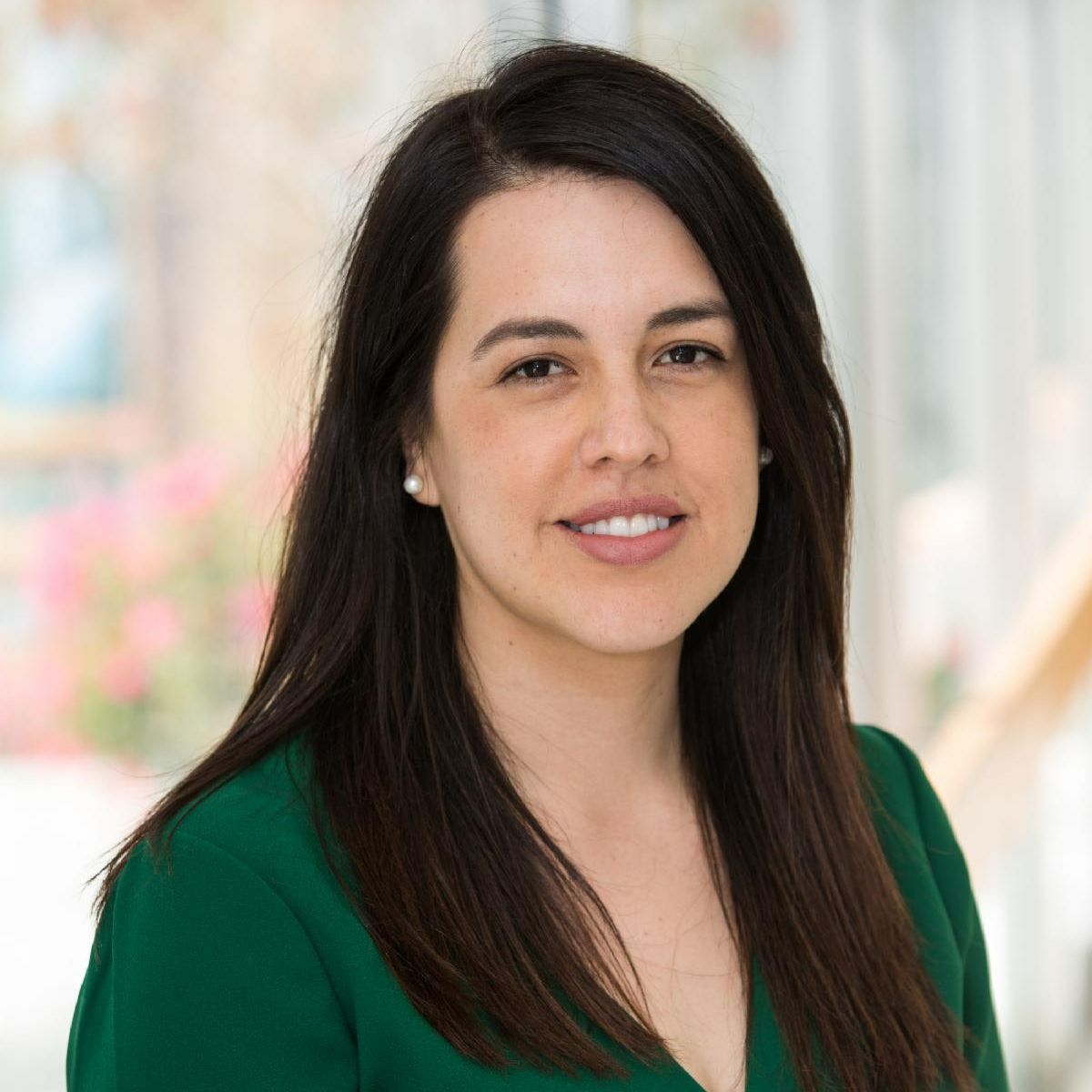
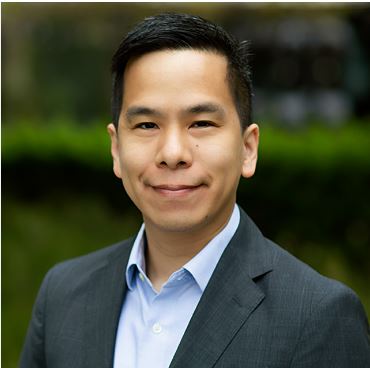
Diana Alba, MD
Assistant Professor
Department of Medicine
Division of Endocrinology
Describe your laboratory research.
My research is centered on understanding the patterns of adipose distribution and dysfunction to gain deeper insights into the elevated risk of metabolic disorders, like type 2 diabetes in vulnerable populations. This exploration of tissue functionality seeks to develop strategies to combat metabolic challenges across diverse ethnic and racial groups, especially among those predisposed to diabetes without being obese. Currently, our efforts are directed towards investigating the populations of adipogenic precursor cells that contribute to adipose tissue fibrosis and the heightened risk for type 2 diabetes. We are also applying our knowledge in adipose tissue dysfunction to study people living with HIV, another population with high burden disease of cardiometabolic complications.
| |
|
|
What made you want to become a physician-scientist or choose your area of research?
After college, I completed an NIH postbaccalaureate training program with Dr. Owen Rennert at NICHD, focusing on embryonic gonadal differentiation and sex determination. While working at the lab, I was able to participate in the endocrinology clinics and case conferences, witnessing firsthand the tangible translation of bench-to-bedside research. My interest in integrating patient care with research led me to UCSF, where I joined Dr. Suneil Koliwad's laboratory during my endocrinology fellowship, and helped establish the Inflammation, Diabetes, Ethnicity, and Obesity (IDEO) cohort. IDEO is a well characterized cohort of over 200 adults from diverse ethnic backgrounds in the San Francisco Bay Area. It has been instrumental in deepening our understanding of the relationship between adiposity and metabolic risk. A significant finding from our work with the IDEO cohort is that subcutaneous fat fibrosis markedly influences insulin resistance in Chinese Americans compared to White individuals.
Describe a major challenge you've encountered in your career as a physician-scientist.
A major challenge in my physician-scientist journey is juggling hands-on patient care with the demanding nature of research. Both clinical training and staying updated in my research field are intense, especially when you factor in writing papers, securing grants, and building a collaborative team. Thankfully, with the guidance of amazing mentors and colleagues, I have been able to strike a balance, although it requires continuous adjustments and a whole lot of perseverance.
Describe something that gives you joy in your current stage as a physician-scientist.
I value the collaborative essence of my research. Starting new projects and broadening collaborations offers a sense of progression and direction. Joining forces with healthcare providers and other physician-scientists for a common objective underscore the importance of team effort in medical science. Additionally, the multifaceted nature of my work brings a depth and dimension that constantly challenges and engages me.
Do you have a recent accomplishment you would like to highlight, like a presentation, award, publication, grant, or new collaboration?
I am deeply grateful for all the grant support I have received over the years. However, I am particularly proud of receiving the Harold Amos Faculty Development Award in 2020. The distinction of this award lies in the rigorous process it entails, including presentations and interviews before their National Advisory Committee. While it was intimidating, it was also a valuable experience.
More recently, I take great pride in collaborating with two other junior faculty members from my division to establish an Endocrinology Clinical and Translational Research Center. This center aims to support faculty and fellows engaged in investigator-initiated or industry-sponsored studies. Endocrine Clinical and Translational Research Center (ECTRC)
Do you have a hobby or fun fact you want to share?
I have been planning a trip to Mount Kilimanjaro for a couple of years now. However, having two young kids (3 years old and 10 months) has been an adjustment. Hiking with them can be a bit overwhelming, but I have gradually resumed training with the goal of climbing Kilimanjaro in 1-2 years.
| |
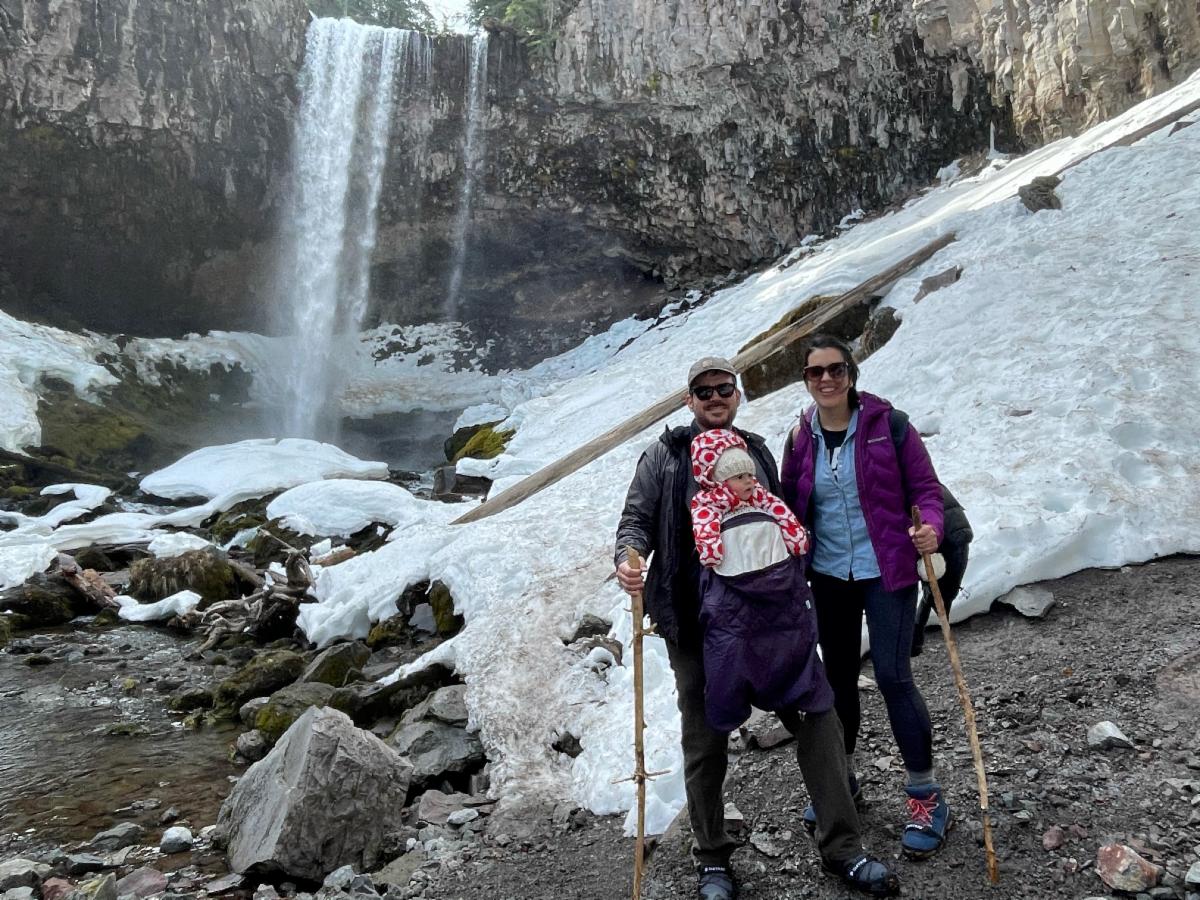
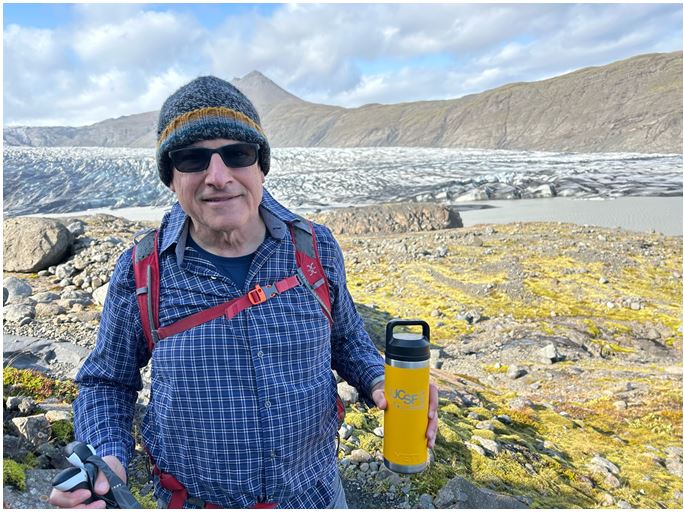
Diana hiking with her family. | | |
|
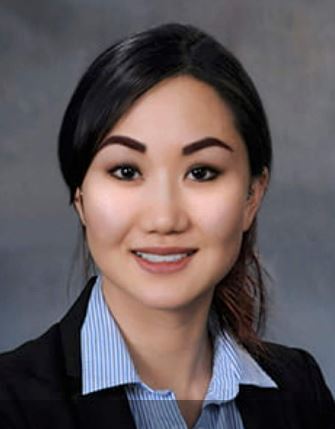
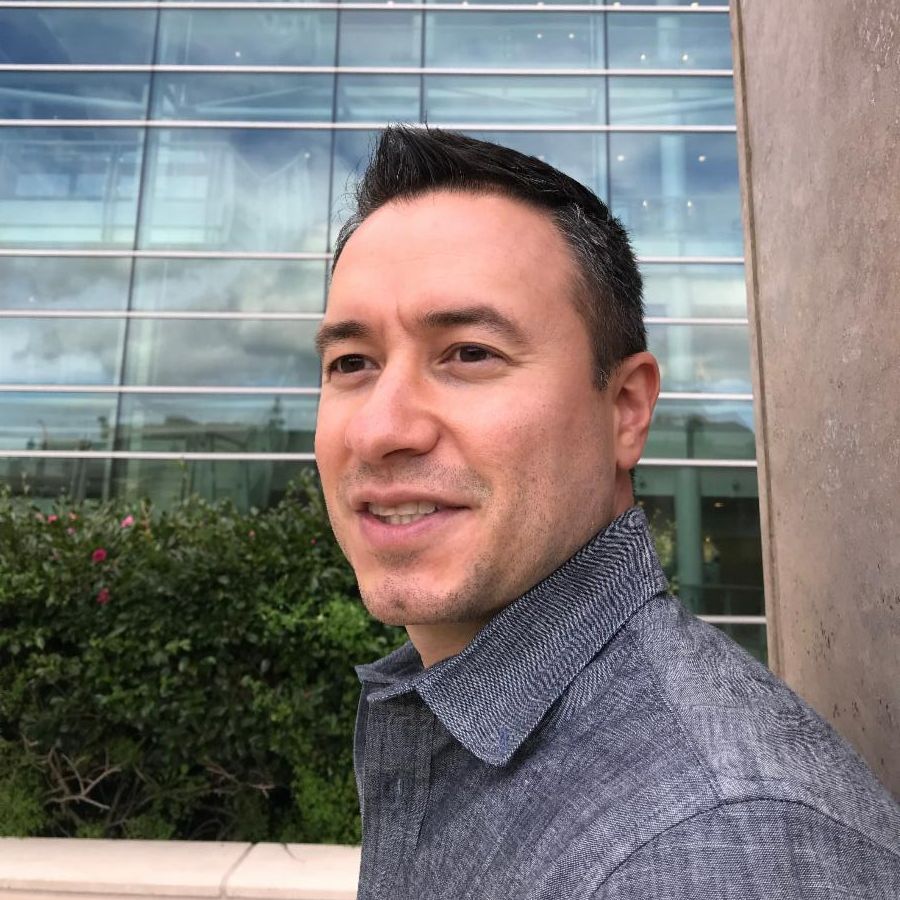
Sharon Chiang, MD, PhD
Fellow
Department of Neurology
Division of Epilepsy
Describe your laboratory research.
I study mechanisms of altered memory consolidation in epilepsy using large-scale electrophysiological recordings. I am interested in understanding the role of hippocampal replay and hippocampal-cortical dynamics in memory consolidation, and the role of circuits in generating seizures and neuropsychiatric comorbidities among individuals with epilepsy.
| |
|
|
What made you want to become a physician-scientist or choose your area of research?
I have been interested in epilepsy since my first years in medical school, and discovered a love for statistical modeling when I was an undergraduate in statistics at Rice University. I did my PhD in statistics focusing on the development of Bayesian statistical algorithms for modeling spatiotemporal data, and in the years since, have focused on the development of Bayesian state-space algorithms to estimate fluctuations in latent brain seizure risk states within the field of seizure prediction. Clinically, I have gotten to know many remarkable individuals with epilepsy who have motivated me to seek to expand my research to the use of rodent models and single-unit electrophysiological recordings to probe circuit mechanisms in neuropsychiatric comorbidities in epilepsy.
Describe a major challenge you've encountered in your career as a physician-scientist.
For me, it has been a challenge learning to balance my clinical and research interests. I am fortunate to have many amazing mentors who do this incredibly well and serve as an inspiration.
Describe something that gives you joy in your current stage as a physician-scientist.
It is immensely satisfying to me to mine and analyze time-series data from as diverse sources as patient-reported survey data, human local field potential, and rodent single neuron spiking activity, and to see the translation of statistical methods across such varied system levels.
Do you have a recent accomplishment you would like to highlight, like a presentation, award, publication, grant, or new collaboration?
We have an edited book coming out on Statistical Methods in Epilepsy, which will be available in January 2024 by CRC Press. The book is intended to provide an accessible introduction to statistical methods that are employed in epilepsy and more generally neurology research.
Do you have a hobby or fun fact you want to share?
My husband and I have a son, Samuel (10 months), with whom we enjoy hiking and trying new foods.
| |
|
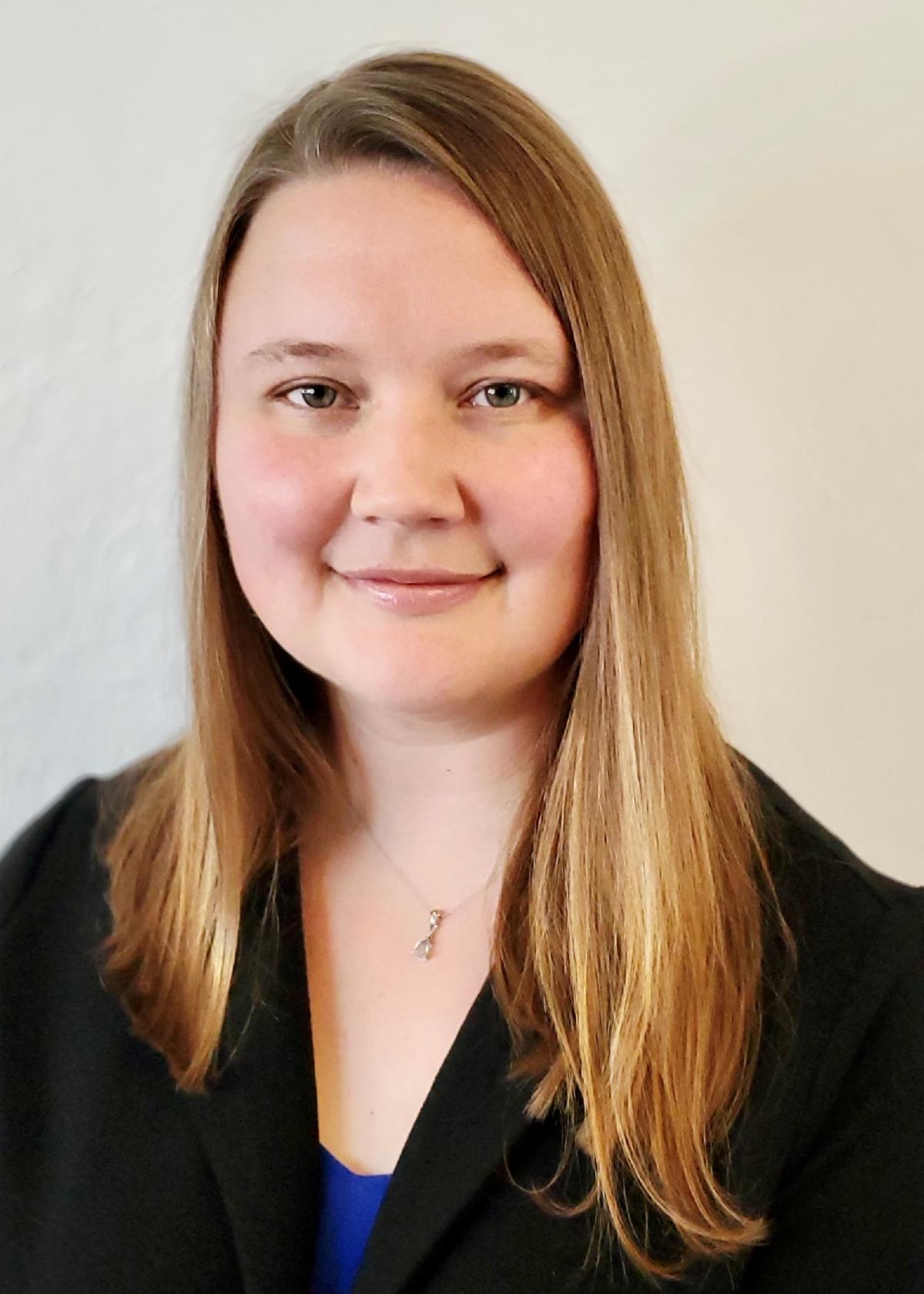
Benjamin Huang, MD
Assistant Professor
Department of Pediatrics
Division of Oncology
Describe your laboratory research.
The research in my laboratory is focused on cancer modeling, molecular therapeutics, and functional genomics in hematologic cancers (with a specific focus on acute myeloid leukemia or AML). We use promising small molecule inhibitors and synthetic lethality approaches to uncover therapeutic vulnerabilities in AML. We also use high throughput technologies to better understand transcriptional plasticity in response to therapy and to develop molecular platforms to improve AML detection and relapse prediction.
| |
|
|
What made you want to become a physician-scientist or choose your area of research?
My first research experience was as an undergraduate in Dr. John Kuriyan's lab where I assisted a postdoc studying the structural dynamics of the Abl kinase and its binding to the very first FDA approved tyrosine kinase inhibitor for cancer (imatinib targeting BCR-ABL1 in chronic myelogenous leukemia). As a medical student and again as a fellow, I joined Dr. Kevin Shannon's lab where I learned the importance of cancer animal models and approaches to targeting oncogenic Ras, the most frequently mutated oncogene in human cancer. Additionally, current therapies for AML are toxic and ineffective. As cliched as it sounds, I am continuously inspired by and committed to improving the outcomes and lives of individuals diagnosed with AML and their families.
Describe a major challenge you've encountered in your career as a physician-scientist.
As an "MD only" bench physician scientist, I knew that I would need to put in the work during fellowship and as an early-stage investigator to gain the necessary scientific bench training to launch a successful career. Along the way, there have been plenty of blood, sweat, and tears; but the path to get here has been equal parts fulfilling.
Describe something that gives you joy in your current stage as a physician-scientist.
Scientific discovery -- that my "job" is to learn, ask questions, problem solve, and contribute to our understanding of cancer biology.
Do you have a recent accomplishment you would like to highlight, like a presentation, award, publication, grant, or new collaboration?
My most recent publication is a co-first authored paper published in JCI Insight https://insight.jci.org/articles/view/168445 using a novel Ras isogenic cell line model that we developed to improve our understanding of how Ras interacts with Raf, an important downstream effector, and that we are now using to study new inhibitors of oncogenic Ras.
Do you have a hobby or fun fact you want to share?
I spend most of my free time my family.
| |
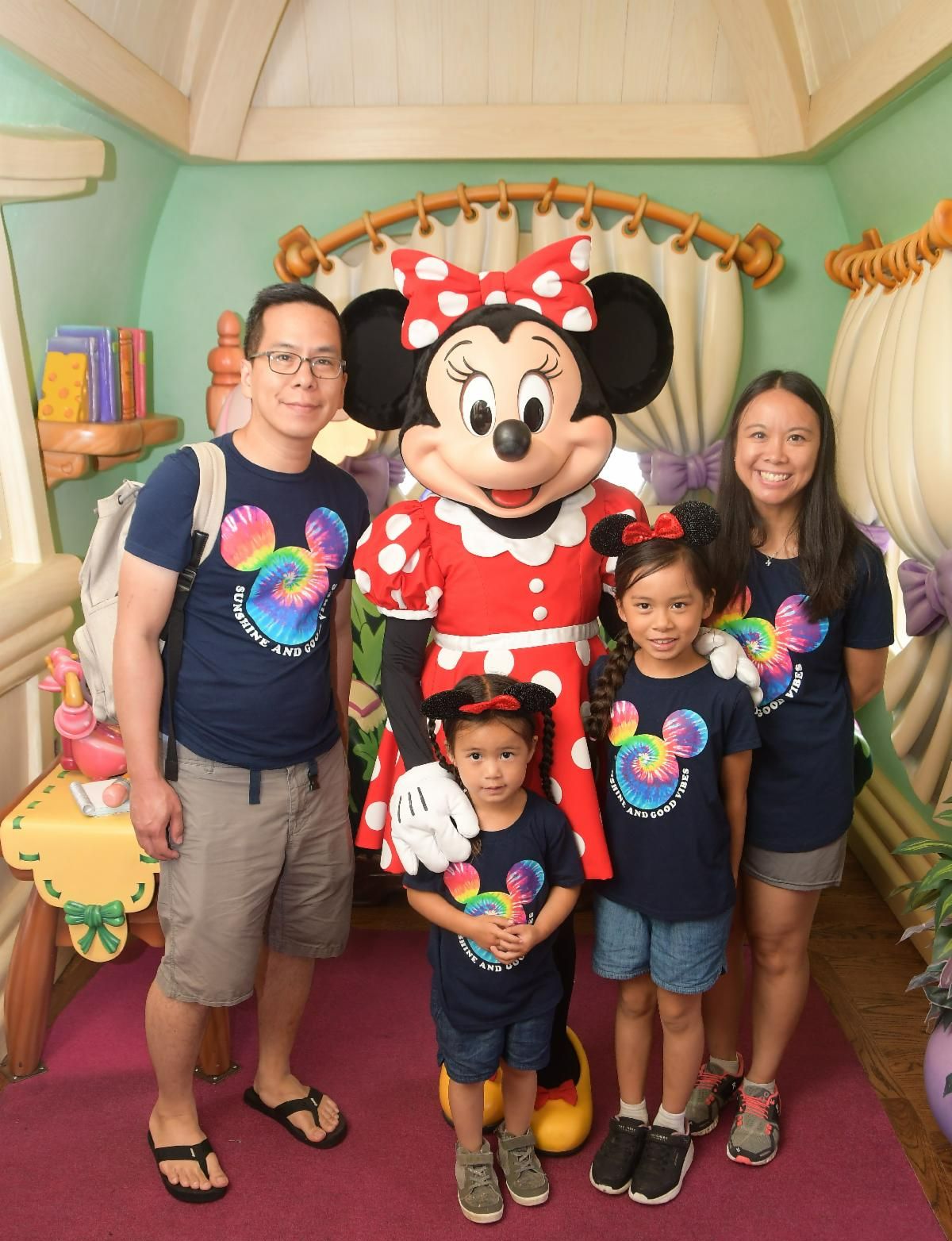
Ben with his family visiting Minnie Mouse. | |
Career Development Awards: K08 and K12 | |
|
|
|
K08 from National Institute of Neurological Disorders and Stroke
Project Title: Interrogating and Targeting Microglia Phagocytosis in Alzheimer’s Disease
Lab Mentor: Jim Wells
| | | |
UCSF Physician-Scientist Scholars Program (PSSP) Accepting Nominations | |
|
The School of Medicine is soliciting nominations for the UCSF Physician- Scientist Scholars Program (PSSP). Individuals who wish to be considered for PSSP should contact their division chiefs as soon as possible. Direct submissions of PSSP nominations are not permitted; all proposed nominations must be approved by the division chief and submitted to the DOM. Division chiefs must submit proposed nominations to the Department of Medicine by Thursday, January 4, 2024.
Please visit PSSP website using the link below.
| |
In case you missed it: "Careers Outside Academia for Physician-Scientists" Panel Discussion and Social Hour | |
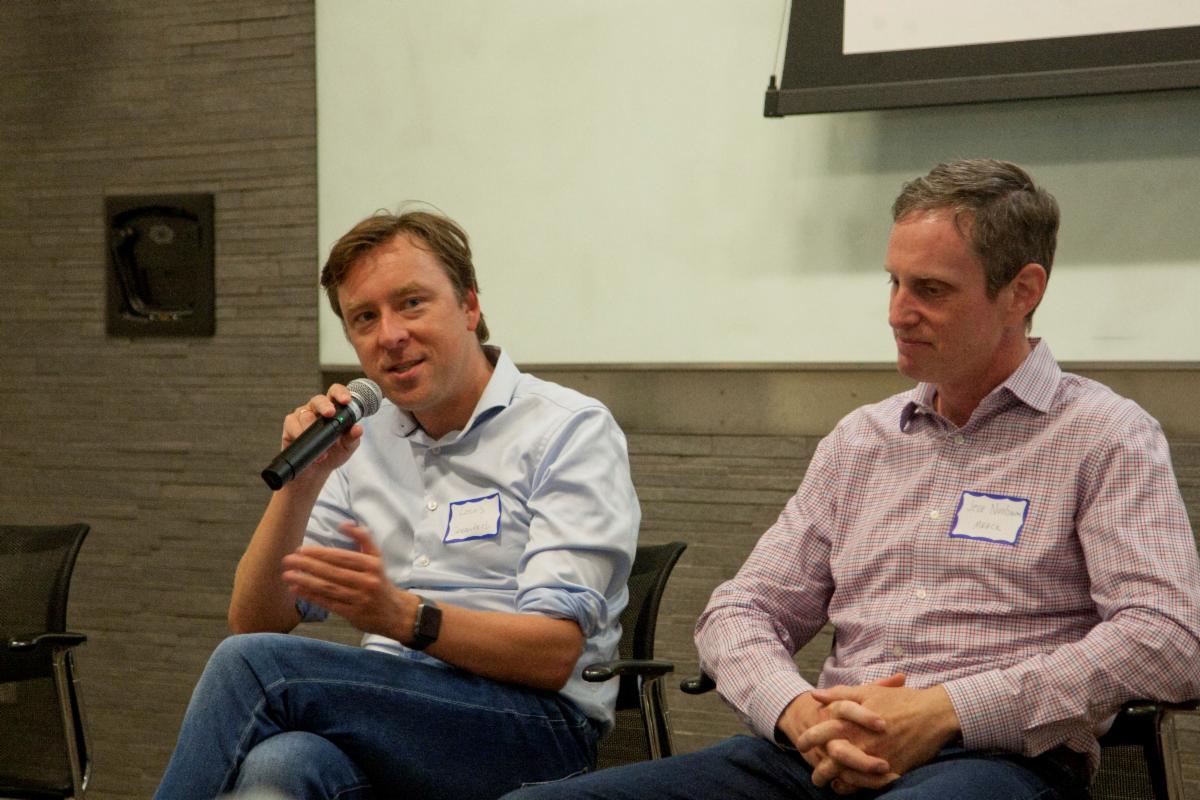
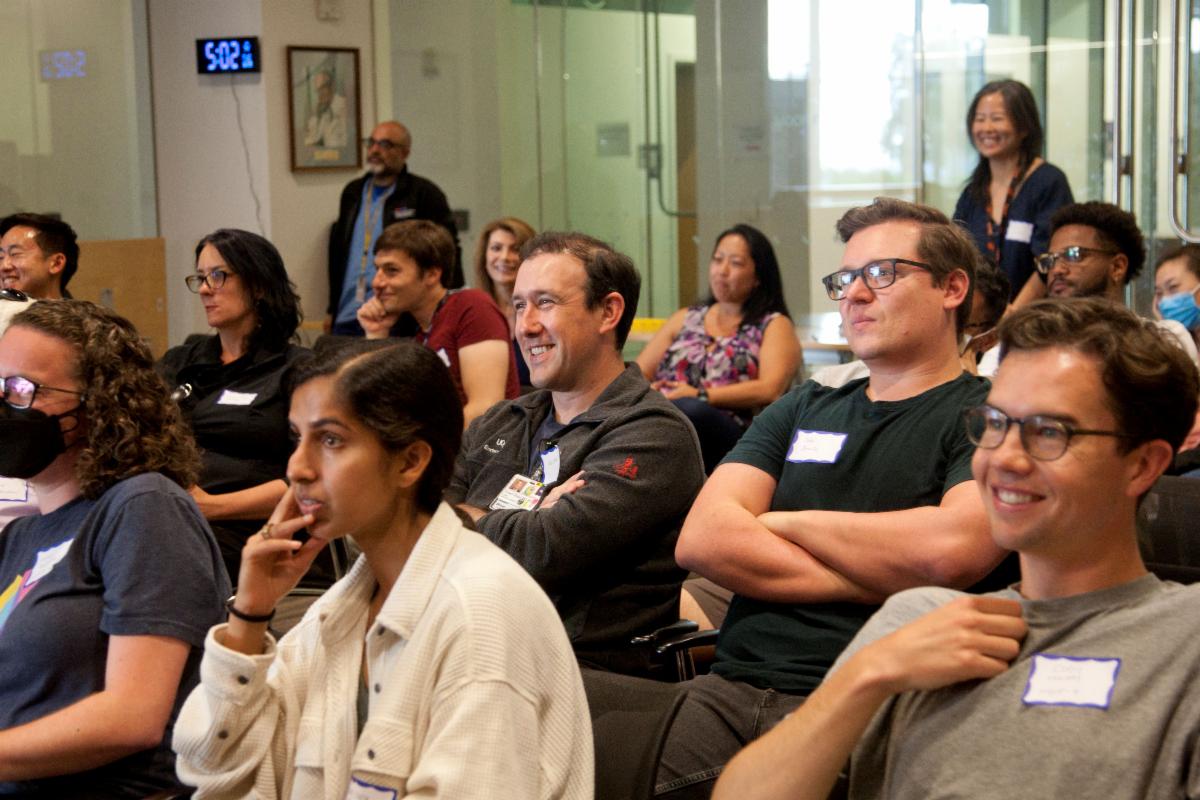
Panelist pictured on the top left: Louis Vermeulen, MD, PhD, Genentech, and Jessie Nussbaum, MD, Merck. On Zoom and not pictured: Ashley Flynn Ward, MD, MacroGenics and Michael E. Ward, MD, PhD, NIH. Please use the link below for the discussion recording. | |
Physician-Scientists in the Wild | | |
|
NIH K08/R01 Career Development Grant Writing
PSCDP leadership, Alexandra, Cathy, Sanjeev, and our guest, Alison Nair, MD, led an in-person workshop reviewing Aims pages last month. We will hold another workshop to share basic information about the grant mechanism, as well provide advice, resources, and support for preparing or revising applications in the spring. Please be on the lookout for an invitation. In the meantime, please email camille.perez@ucsf.edu for access to the K08 grant writing resources library that houses slide presentations, as well copies of grant submissions. A confidential agreement is required for access; please use the link below to sign it.
| |
|
Confidential Consultations
Has a significant issue arisen in your scientific or professional life as a laboratory-based physician scientist? Would you benefit from speaking with someone other than your primary mentor or other career mentors? If so, you can request a one-time confidential consult with one of the PSCDP leadership team members by using the link below.
| |
|
Mentoring Committees
PSCDP assembles mentoring committees for interested laboratory-based physician-scientists in Medicine, Neurology, or Pediatrics during the fellowship and/or junior faculty period, providing ongoing and scientific and career guidance. If you are interested in this service, please register below and we will contact you to begin the process.
| | |
Please visit our website for access to all resources.
| | | | |