Cancer Connection Monthly

September 2024

Rutgers Cancer Institute and RWJBarnabas Health continue to pioneer cancer care in New Jersey and beyond with treatments such as CAR T-cell therapy.

Learn more about CAR T-Cell Therapy

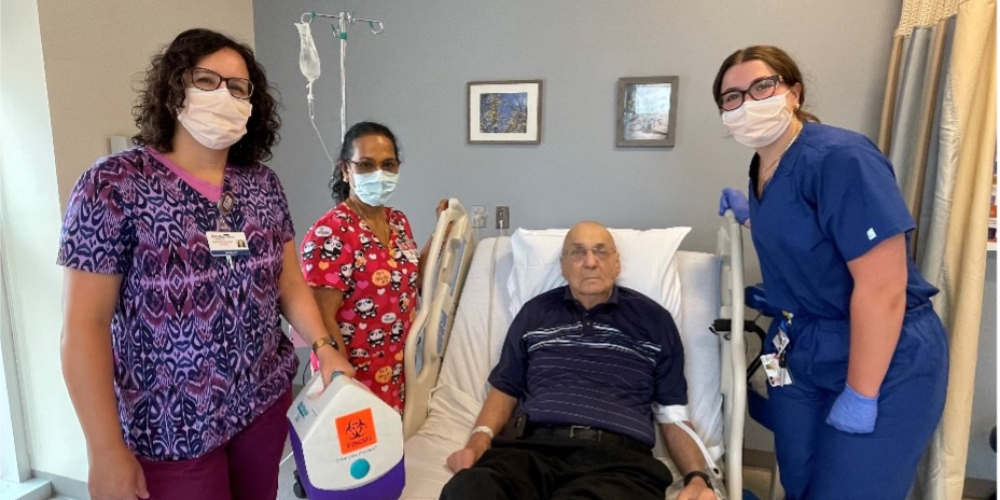
Rutgers Cancer Institute and RWJBarnabas Health Treats 200th CAR T-Cell Therapy Patient


Rutgers Cancer Institute together with RWJBarnabas Health, has treated its 200th patient with CAR T-cell therapy, a type of immunotherapy that uses a patient’s own immune cells to fight cancer. This milestone demonstrates our commitment to offering cutting-edge therapies close to home and providing hope to patients who may have felt their options were exhausted. 


Learn More

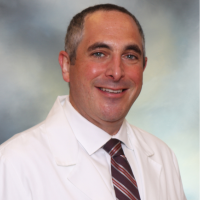
Jonathan H. Sherman, MD, FAANS, FCNS, FACS, Joins Rutgers Cancer Institute, Rutgers Robert Wood Johnson Medical School, and Robert Wood Johnson University Hospital


An expert in the treatment of patients with brain and spinal tumors, specializing in neurosurgical oncology Dr. Sherman will serve as Chief of Neurosurgical Oncology at Rutgers Cancer Institute. In this role, he joins a renowned team at Rutgers Cancer Institute and in the Department of Neurological Surgery at RWJMS. In addition to treating patients, he looks to develop a robust research and clinical trials program in New Jersey.

Learn More

Rutgers Receives $4.8 Million Federal Grant to Fund Research to Reduce Cardiovascular Risks in Cancer Survivors


Researchers from Rutgers Robert Wood Johnson Medical School and Rutgers Cancer Institute have received a five-year, $4.83 million grant from the National Cancer Institute to support cancer survivors managing cardiovascular risks. Led by Denalee M. O’Malley, PhD, MSW, assistant professor of family medicine and community health, the project will refine and test the implementation of a health system intervention aimed at improving cancer patients' connections with primary care to reduce their cardiovascular risks.

Learn More

Researchers Explore Potential for Artificial Intelligence (AI) in Biomedical Science


Generative artificial intelligence (AI) powered by human language has made remarkable progress and gained widespread use through tools such as ChatGPT. While it is mostly known for helping with reading and writing, scientists are starting to explore how this type of AI can be used in research. In a recent study, Rutgers researchers show that generative AI can model basic biological structures, like amino acids (the building blocks of proteins) and a loop-like structure commonly found in proteins.


Learn More
 
Visit Us
Facebook  X  Instagram  LinkedIn  YouTube

View as Webpage