Lot Line Considerations
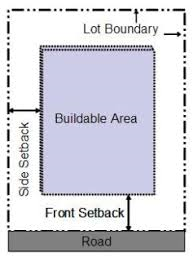
When designing your development, you may need to obtain additional required approvals besides building permits. During the design phase, it is necessary to establish your lot lines. Development Services needs lot line information to verify that a project is within the required setbacks and to determine if a build may need additional approvals or variances. No part of any structure (including door swings and stairs) may be located within the street right of way (ROW), nor within the planned ROW of streets shown on the major street and highway plan, nor within 25 feet of the center line of the ROW on streets not shown on the major street and highway plan.
If you plan to build or place part of your structure within the City's public ROW, a variance of the prohibition against location of a structure within the ROW or planned ROW will need to be obtained from the Board of Adjustment. Please contact the Tulsa Planning Office at (918) 584-7526 or visit
www.incog.org
for assistance.
Public ROW License Agreements
A public right-of-way (ROW) is defined as a street, avenue, boulevard, alley, lane or thoroughfare dedicated to the public for public use. Primarily, it serves as a passageway for vehicles, pedestrians and utilities. Public ROW should be clear of obstructions, but exceptions can be made in certain situations, e.g. landscaping, planters or sidewalk cafes. For such items a License Agreement (LA) must be obtained.
The purpose of an LA is to grant a conditional encroachment of the public ROW by private parties not authorized to occupy the ROW. The LA process ensures that encroachments are checked for compliance with the City's specifications and standards. All agreements are revocable by the City or its assignee, with or without cause. Also, the LA indemnifies the City harmless for damages that may result from public way improvements.
To determine what type of LA is needed for private use of public ways or publicly owned lands, please contact Jenna Richardson at (918) 596-7821 or email at
JennaRichardson@cityoftulsa.org.
Please allow ample time for the LA process in an overall project timeline. The lack of a License Agreement, where required, will cause delays for issuing building permits.
Easement Agreements
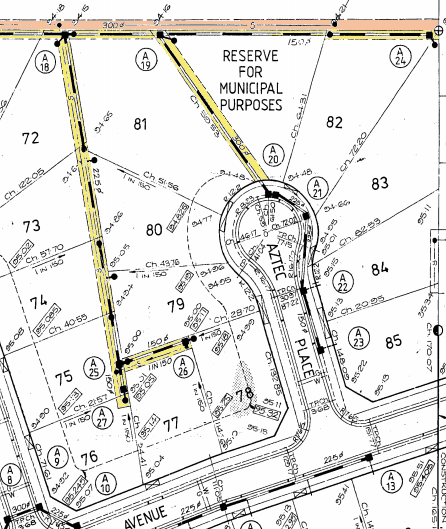
An easement is a right in real property as established by the laws of the State of Oklahoma. The right of easement can include the construction of pipelines, poles, overhead wires, signs, underground wires, channels, and other structures required for utilities, overland or underground flow of stormwater, water distribution, wastewater collection, telecommunications, etc.
There are several types of easements, including utility easements, private easements, easements by necessity, and prescriptive easements, which are conveyed by plat or separate instrument.
The entity acquiring the easement, or being given the easement, is the owner, while the property owner retains ownership of the land upon which the easement exists. Easements are part and parcel of the land they affect and do not change when the property changes hands.
Easement Process - City of Tulsa
Tulsa, along with other cities and municipalities, typically requires land that is to be developed needing public or private utilities to be handled through platting or by separate instrument. Tulsa has established a defined process for easements in Chapter 800 of the Infrastructure Development Process (IDP). This section outlines the process with written and graphical representations that provide guidance on establishing and processing, closing or vacating easements.
City staff are available to assist those wishing to develop property with public and private utility access through platting or by separate instrument. Please contact IDP staff at (918) 596-2514 for assistance.