UC MASTER GARDENERS OF L.A. COUNTY

 Bulbs for Spring Blooms

Now’s the perfect time to add glorious color to your Spring garden. Flower bulbs are easy to plant, require little ongoing maintenance, and provide years of increasing color. What’s not to love?  


Choose among several characteristics:  


Early bloomers: Anemone, chasmanthe, crocus, hyacinth.

Critter resistant: Paperwhite, snowflake.

Fragrant: Allium, daffodil, freesia, grape hyacinth, hyacinth, narcissus, paperwhite, tulip.

Shade tolerant: Camassia, daffodil, galanthus (snowdrop).

Cut flowers: Allium, anemone, daffodil, freesia, hyacinth, ranunculus, and tulip. However, you don’t want to cut too many blooming stems because this will deprive the bulbs of their energy for next year’s bloom. 

Indoor forcing: Crocus, daffodil, grape hyacinth, hyacinth, tulip. Bulbs probably won’t retain sufficient energy for planting and blooming in the future.


What does a healthy bulb look like?  

Large for their type, firm, and dry. Don’t consider tiny, shriveled bulbs or any that have mold or squishy spots.


Bulbs that flower in the spring are planted in the fall. Purchase and plant them as soon as they’re available so you get the highest quality, and they have as long a growing season as possible before blooming.


How to plant:

Generally, plant bulbs 2 or 3 times as deep as the bulb is tall. Larger bulbs like daffodils are planted up to 6” deep, and smaller bulbs like crocus are planted up to 4” deep. Plant the pointy end of the bulb facing upwards, with any visible roots facing down. If you can’t tell which end is which (as with anemone), simply plant the bulb on its side, and the bulb’s roots and shoots will find their correct direction. 


Care:

 after they flower. When the bulbs are done blooming in the Spring, allow the spent flower stalk and the foliage to dry back naturally. Wait until the foliage is crispy brown, then break them off at ground level. This enables the bulb to reabsorb the nutrients for the following season. Cutting the foliage off too early will lessen the energy available for the next year’s bloom.


- Text and Photos by MG Yvonne Savios

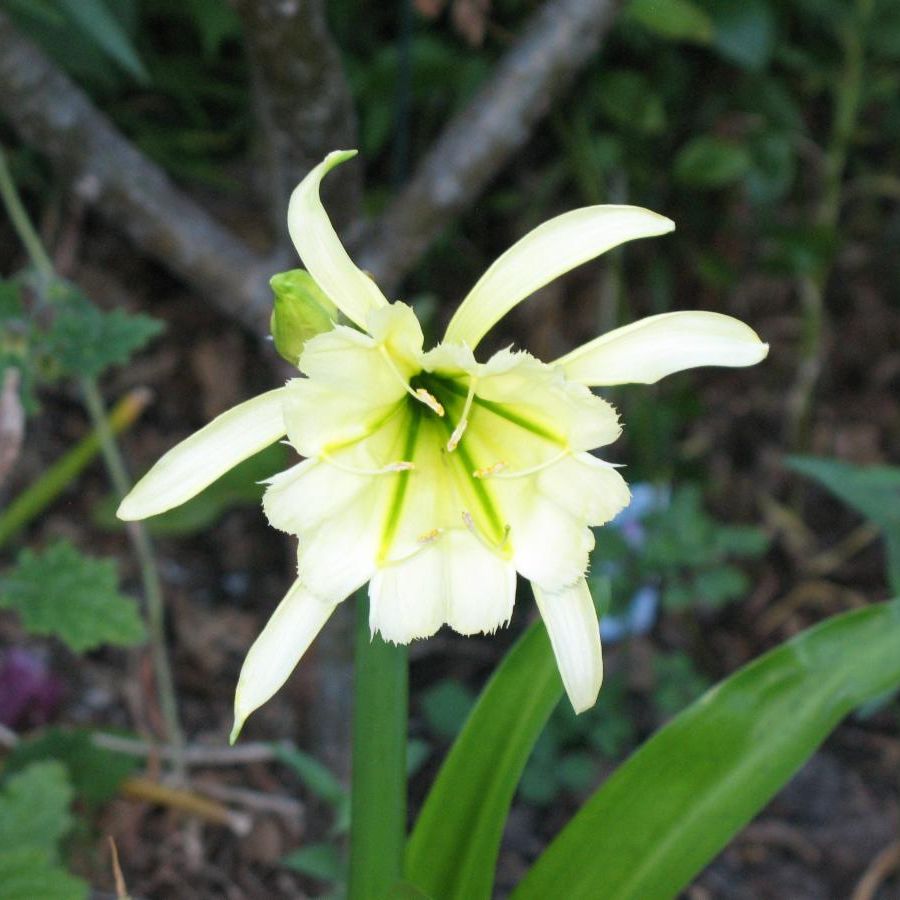
(Peruvian Spider Lily, pictured above)

THE SECRET TO GROWING TULIPS

IN SOUTHERN CALIFORNIA

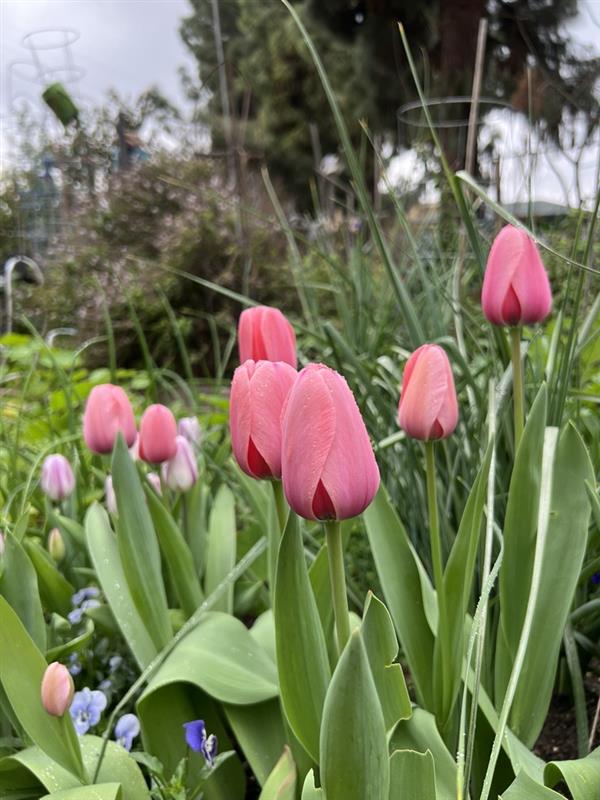
Tulips are a staple of Spring in most parts of the US, popping up in every garden, strip mall planter, and median you might pass. So why don’t we see them here in Southern California? The answer is refrigeration.


Tulips, like many perennial plants from places that experience long, cold winters, have evolved to avoid flowering in Fall. Doing so would risk having their seeds destroyed by low temperatures or snow. Instead, they take a period of cold followed by a period of warmer temperatures as a cue to flower, in a process known as vernalization.

If you are familiar with deciduous fruit trees, this is something you might already be acquainted with. Different varieties will require different “chill hours” to flower and produce fruit. Not enough hours spent at low temperatures will lead to the plants either aborting the fruit or not flowering at all. Tulips behave similarly and require 8–12 weeks of refrigeration before planting where they will not experience chilling outdoors.


So here is my secret formula to growing, big, beautiful tulips every year in sunny Southern California:


1. Buy/receive tulip bulbs in late September or early to mid-October. That’s right now!


2. Pop them in the fridge, taking care to keep them separate from food, as exposure to ethylene gas produced by fruits and vegetables will deform and stunt the growth. I have a mini fridge in my garage that is dedicated specifically to refrigerating tulip bulbs!


3. Wait the full 8-12 weeks to plant. The longer the better. The plants will grow very quickly once they are in the ground, so don’t be concerned about missing the planting window on the bag/box they came in.


4. Plant the bulbs between Christmas and New Year’s. I always plant mine the week after New Years!


5. Wait. The plants will start peeking through the soil in about a month and will start flowering by mid-February. If you are concerned about there being bare ground where you planted them, try layering with pansies, violas, or English daisies.


6. After the tulips are done flowering, remove them completely. The main bulb will die after flowering, and the axial bulbs will take 2-3 years to reach flowering size. So don’t waste the space or time.


7. Next year, repeat!


Advice to Grow by---Ask Us!

Reach out to us with gardening inquiries via The Master Gardener helpline, available by email at mglosangeleshelpline@ucdavis.edu.


Find more science-backed, research-based gardening guidance at the MGLA website.

X Share This Email
LinkedIn Share This Email
Facebook  Instagram