|
Plastic Waste Trade Watch
October 2026
| | |
We apologize for the double email, our previous newsletter had a technical glitch with the image rendering, so we are re-sending this edition with all of the data charts and visuals included.
Plastic Waste Trade Watch is a monthly review of information on the international trade in plastic waste. It is produced by Basel Action Network's (BAN) Plastic Waste Transparency Project, which undertakes campaigns, networking, research, and statistical analysis of the trade in plastic waste. The project also maintains the Plastic Waste Transparency Hub on the BAN website, which serves as an overall clearinghouse for news, data, campaigns, and resources.
Do you have plastic waste trade news to share? We are always looking for recent news and photos. Please email us at PlasticNews@ban.org.
Have information on suspected illegality to share securely? Please use our Whistleblower Portal.
To join or sign up new members to the Plastic Waste Trade Watch, click here.
| | |
UN Convention against Transnational Organized Crime (UNTOC) makes historic progress on tackling environmental crimes, including the illicit waste trade
- UNTOC is the only global treaty addressing transnational organized crime. It is underpinned by three Protocols that address different realms of criminal activity: trafficking in persons, migrant smuggling, and arms trafficking.
- This October, Member States and supporting organizations gathered in Vienna, Austria for the 13th Conference of the Parties to the UNTOC to discuss growing concerns over the rampant increase of Crimes that affect the Environment (CaE). On the final day, Members passed Resolution L.4, which will launch negotiations for a new 4th Protocol to the Convention to address CaE, including the illicit waste trade. This could create the first international legally binding instrument to tackle transnational CaE.
- The Protocol also has the potential to harmonize legal definitions around environmental crime, close loopholes, and support international investigations into breaches of other treaties, such as the Basel Convention. In effect, this could place “environmental crime on the same legal footing as other serious transnational crimes, such as trafficking in persons and firearms.” Negotiations on a draft text will take place over the next two years.
Investigation reveals that the plastics industry knew about microplastic risks for decades
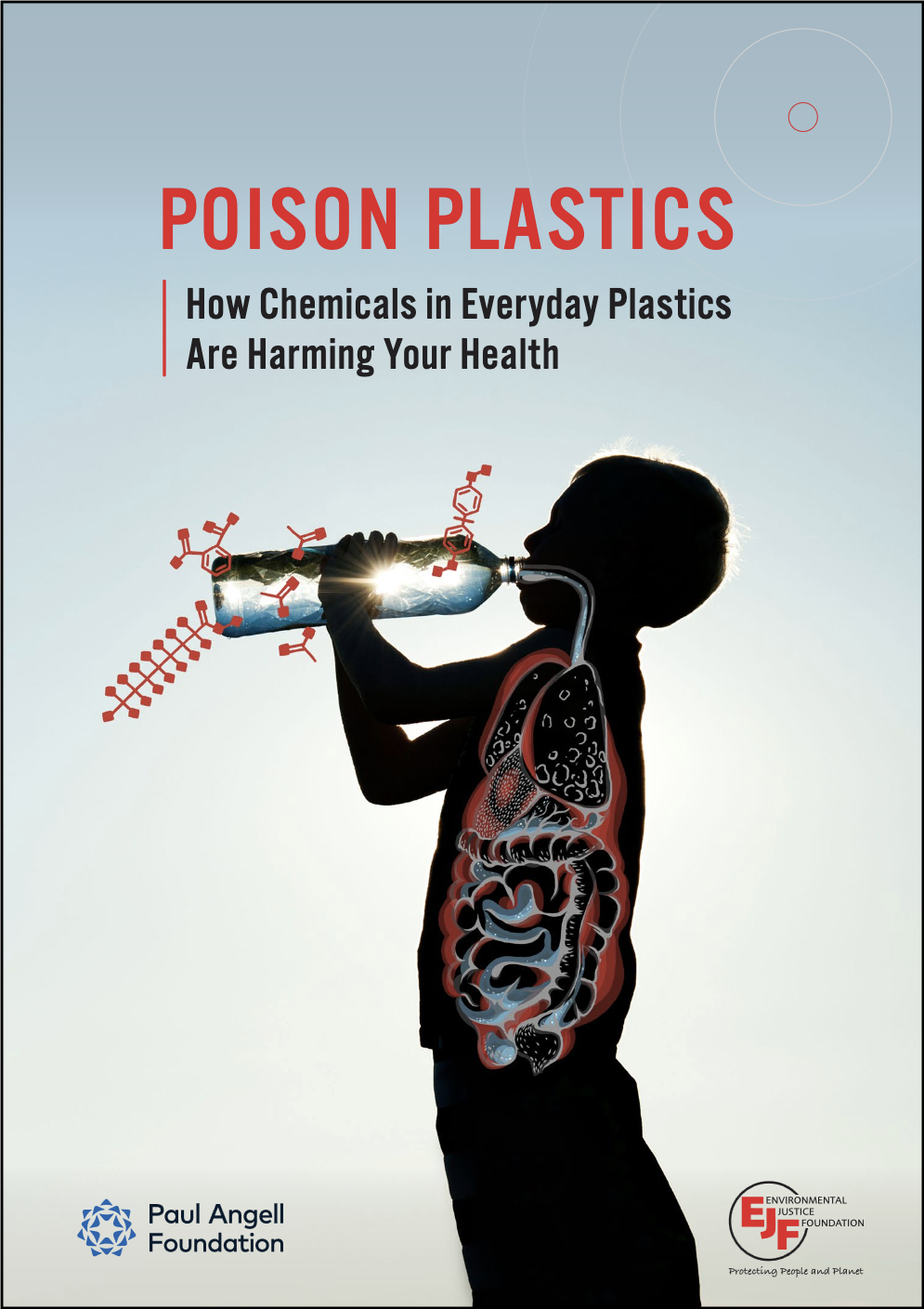
- The Los Angeles Times obtained internal documents sent between scientists and executives within the plastics industry. These documents revealed that the industry had been “aware of and concerned about the potential for microplastic contamination in the human body” for half a century. While the term “microplastics” was not in use until 2004, there has been evidence that small plastic particles could be absorbed by the gut and transported to vital organs since the 1970s.
- These findings expose a long history of corporate disinformation and the manufacturing of doubt over the dangers of plastic products. This is particularly relevant as pro-plastics states continue to stall Global Plastics Treaty negotiations by demanding additional scientific evidence of plastics-related harms.
Italy’s “ecomafia” increases profits alongside growth in the illicit waste-handling industry
Italian environmental association Legambiente found that Italy’s “ecomafia” has increased its annual profits by approximately €2 billion since 2025, despite a 12% decrease in crimes committed. Legambiente estimates that the primary sector of growth is the illicit waste industry, which includes the illegal export of plastic waste.
Canadian Supreme Court will hear an appeal on the single-use plastics ban
In 2021, single-use plastic manufactured items were declared “toxic” under the Canadian Environmental Protection Act. Accordingly, the sale, manufacture, and import of six categories of single-use plastics were prohibited, except for plastics intended for export, which is a blatant double-standard. A coalition of plastics industry members has been systematically trying to appeal this prohibition ever since it was passed. However, in a huge blow to the plastics industry, the Federal Court of Appeal upheld the government’s classification of plastics as “toxic” in January 2026. This case was escalated to Canada’s highest court, which agreed to hear a final appeal on 15 October. At this crucial moment, judicial systems must heed the overwhelming amount of scientific evidence on the environmental and health harms resulting from single-use plastics.
Taiwan takes action to reduce illegal plastic waste exports and false recycling schemes
- Recent crackdowns by the Taiwanese Ministry of Environment and the Customs Administration have exposed multiple incidents of illegal mixed plastic waste exports sent from Taiwan to Southeast Asia. Over the past three years, 96 illegal shipments of plastic waste were discovered through inspections. Minister of the Environment Peng Chi-ming explained that companies were dumping waste offshore under the guise of recycling, and was reported to have apologized to the countries that have been affected. He maintains that reducing plastic production is a necessary solution.
-
Another investigation revealed that two plastic recycling plants were illegally using non-compliant mixed plastic waste to create waste derived fuel. The operation is estimated to have produced the equivalent of $2.2 million in profit.
A Philippine court sentences plastic waste importer to prison for up to 20 years
In 2013, the owner of Chronic Plastics was accused of illegally importing 10 shipping containers of mixed plastic waste from Canada, falsely declared as plastic scrap. After a decade-long trial the Manila Regional Trial Court in the Philippines found the importer guilty of aiding and facilitating the import of hazardous waste, and delivered a sentence of 12 to 20 years in prison with a PHP 1 million fine. This is the first time a Philippine court has held an individual criminally liable for plastic waste imports.
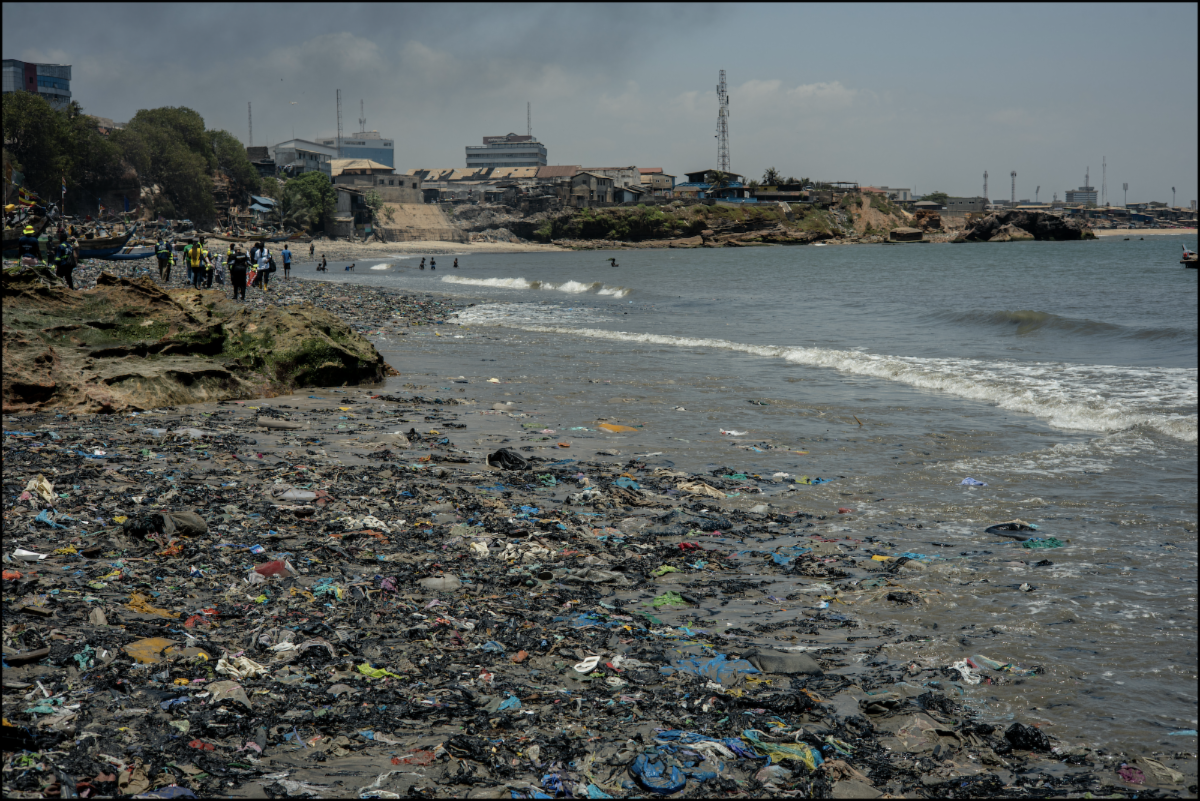
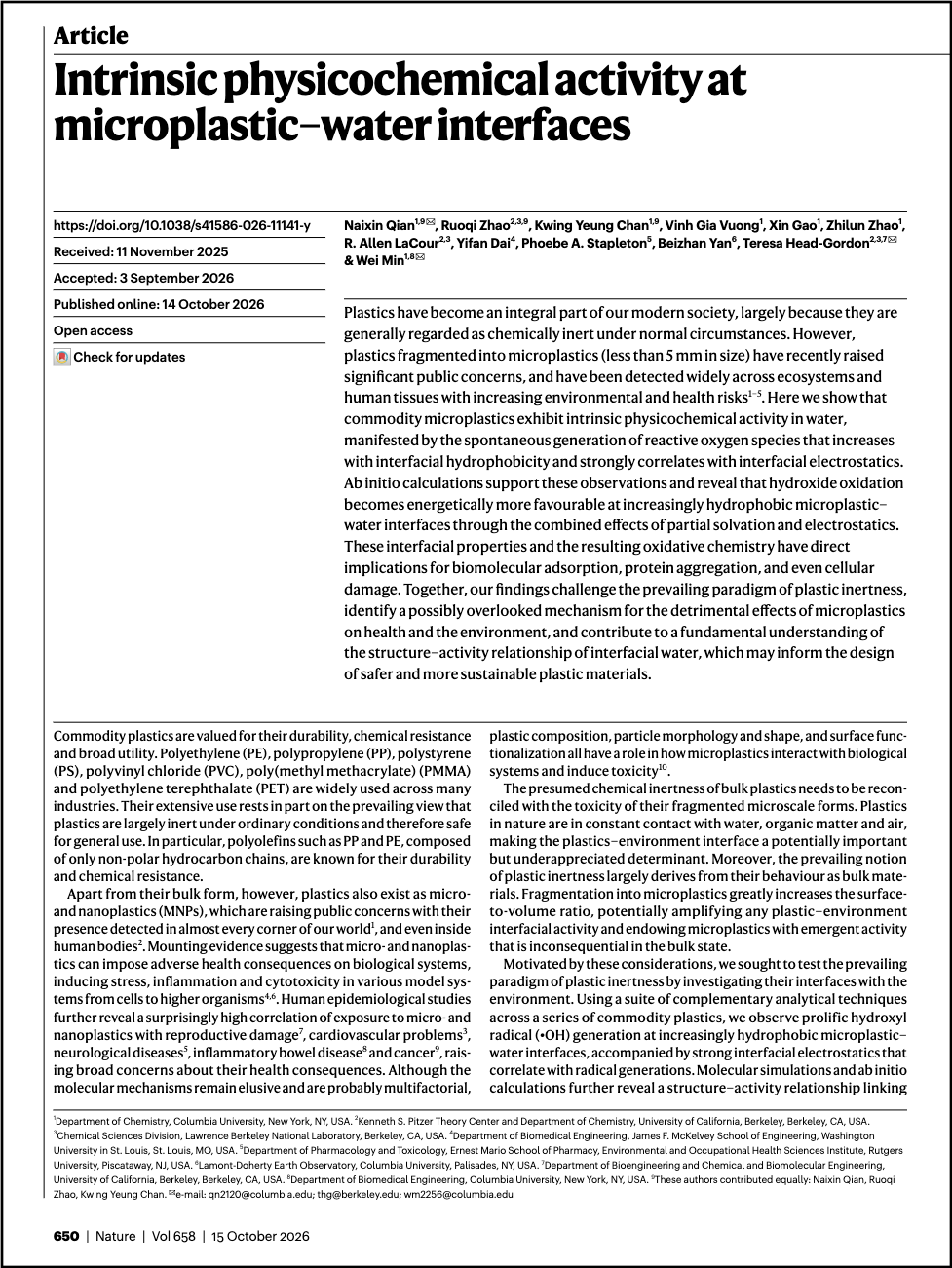
| | | Used textile waste, much of it imported, is strewn across Shatta Beach, Jamestown in Accra, Ghana on 2 October 2026. This photo is from a Greenpeace Africa audit conducted in early October that documented fast fashion waste exports in three sites in Ghana. Synthetic plastic-based textile waste can cause widespread ecological and health damage, and shed vast amounts of microplastics into the environment. Clothing dumps exposed to outdoor elements, particularly water, are of increasing concern in light of new research that shows that contact with water can make microplastics chemically reactive, and potentially hazardous. (Photo Credit: Greenpeace Africa) | | |
Plastic waste exports from the EU to Asia and Türkiye continue to decline
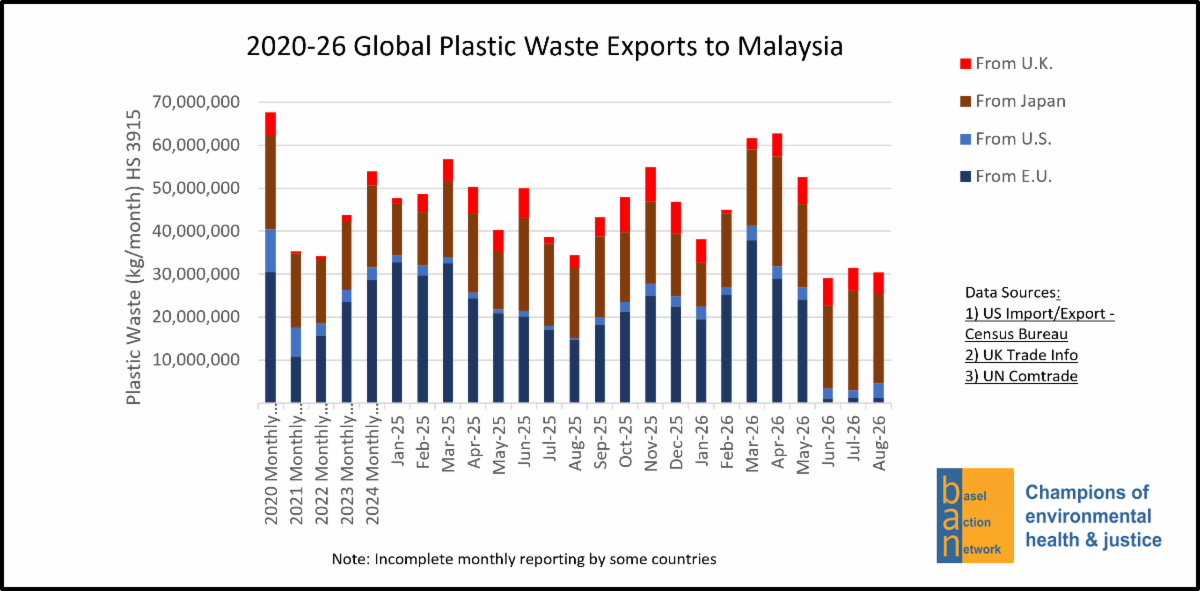
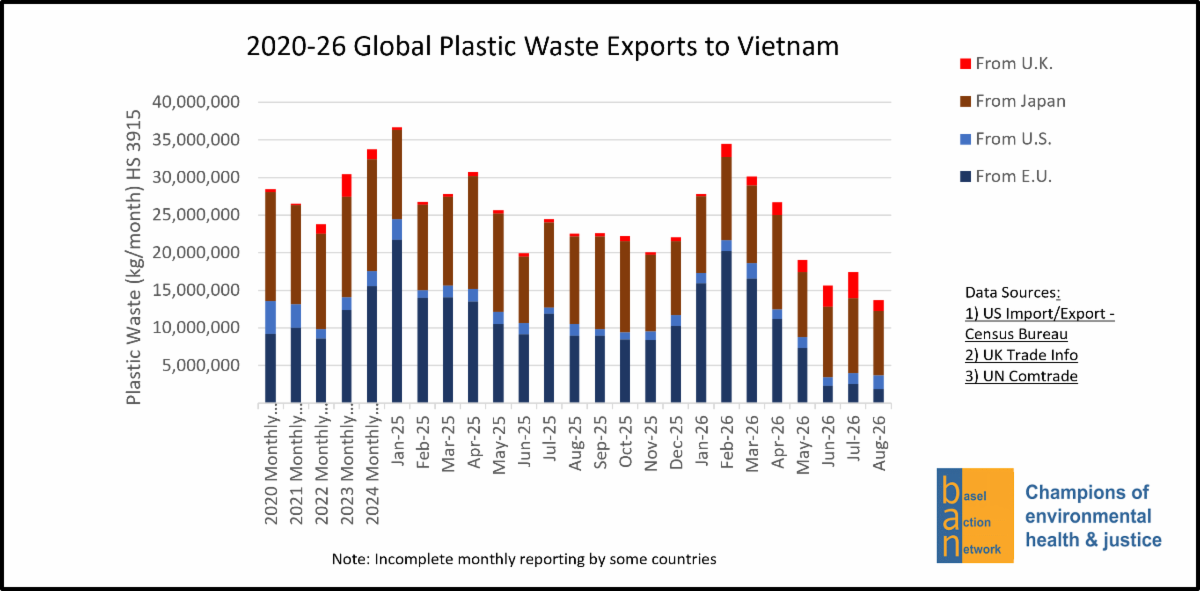
Key messages: In August 2026, EU plastic waste exports to Türkiye and non-OECD countries continued at the reduced levels seen in June and July 2026, except for an increase in exports to Indonesia. The EU Waste Shipment Regulation has required all plastic waste shipments to be entered into the Digital Waste Shipment System (DIWASS) since 21 May 2026. A full ban on plastic waste exports to non-OECD countries will take effect on 21 November 2026.
EU August 2026 monthly plastic waste to:
-
Türkiye: Declined from an average of 42,790 tonnes/month in 2025 to 5,268 tonnes/month in August 2026.
-
Non-OECD countries: Declined from an average of 61,700 tonnes/month in 2025 to 23,592 tonnes/month in August 2026.
August 2026 monthly plastic waste exports to non-OECD countries, Türkiye, and Mexico
-
EU: 23,592 tonnes/month
-
Japan: 39,197 tonnes/month
-
UK: 28,687 tonnes/month
-
US: 15,039 tonnes/month, including 3,366 tonnes/month to Malaysia, which has banned US plastic waste imports.
Check here for full 2025-year data and latest 2026 data.
| | |
“[Used textile] traders are absorbing the cost of a system they do not control, gambling on bales that contain so much waste that some are falling into debt because they cannot make a profit. But they are not the only ones paying. What cannot be sold is dumped, burned or washed into drains, and it ends up in our lagoons and along our coastline. Ghana is carrying the environmental burden of waste produced elsewhere, and the people closest to it carry the greatest risk to their health and their livelihoods.”
-- Sam Quashie-Idun, Greenpeace Africa’s Head of Investigations in a Greenpeace press release on 8 October 2026.
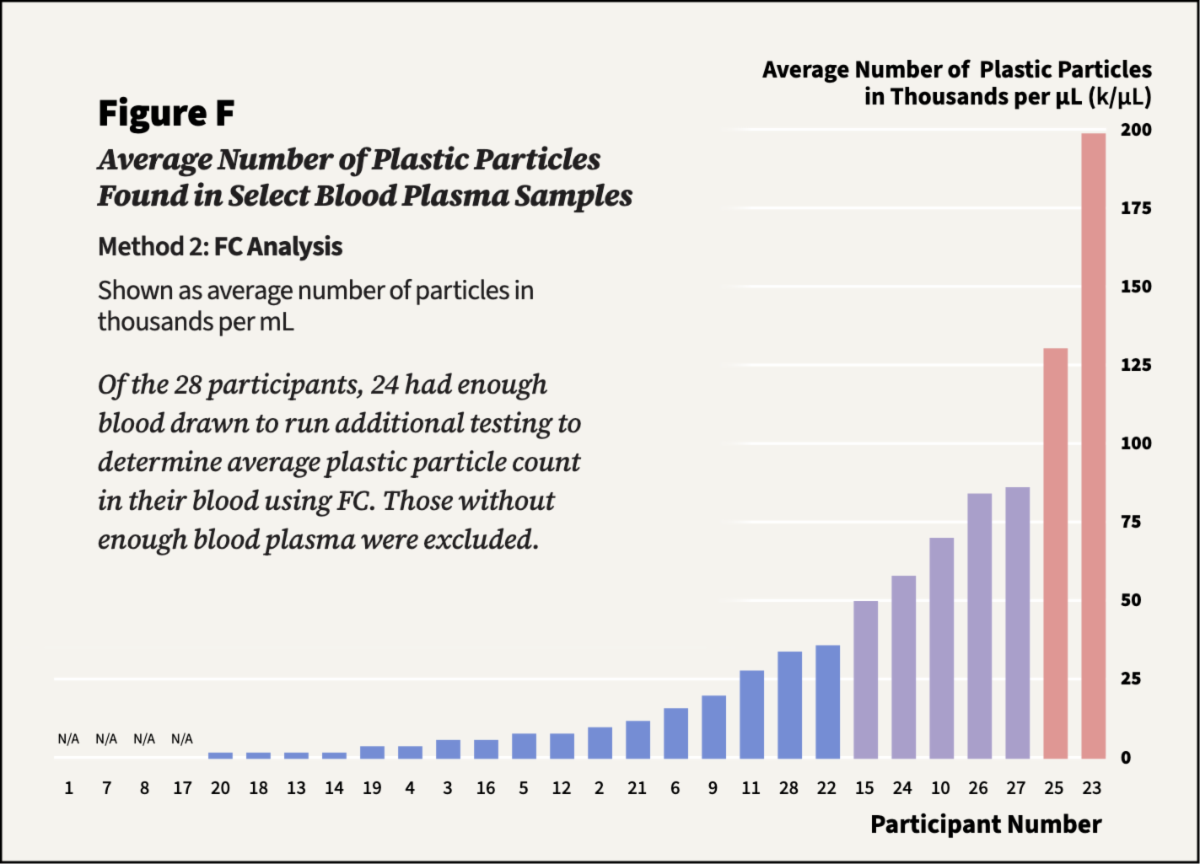
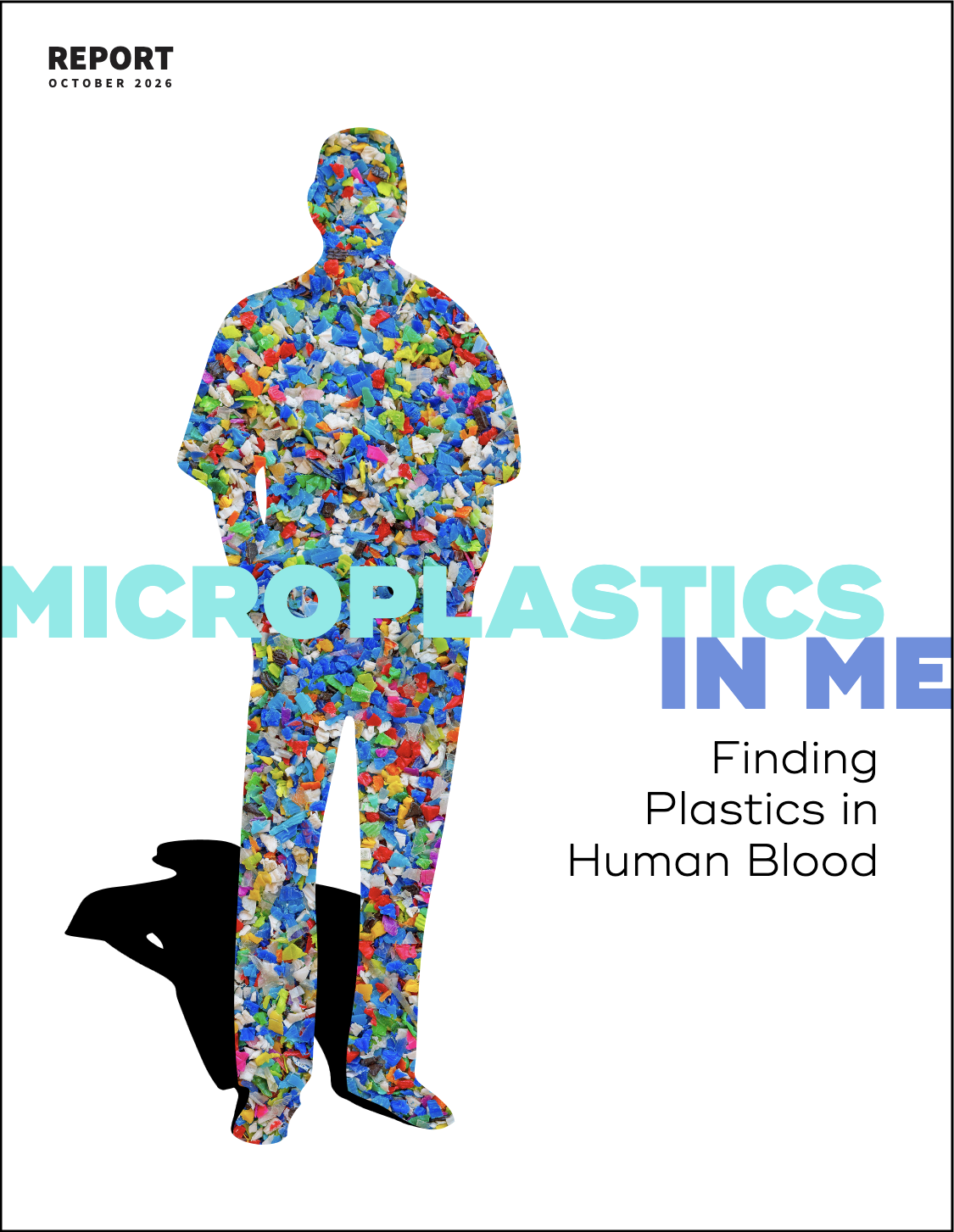
| | | A new report titled Microplastics in Me, from the Plastics Pollution Coalition, illustrates the results of a small study in which 28 well-known individuals, including Margaret Atwood, agreed to have their blood tested for microplastics. Figure F on page 37 shows the average number of plastic particles (thousands per mL) found in each participant’s blood. The report explains how a large body of research suggests that the presence of microplastics in human organs is linked to increased rates of heart disease and harm to digestive and respiratory systems. | | |
Multiple countries continue to demand an ambitious Global Plastics Treaty
- The INC held its 2nd informal Heads of Delegations (HOD) meeting in Bangkok, Thailand, between 27–30 September to advance a Global Plastics Treaty. CIEL reported that multiple countries made statements demanding an ambitious treaty and urged them to translate these statements into formal proposals and “formally introduce them into the treaty text.” The Pacific Small Island Developing States (PSIDS) have also called on the Chair to reform the negotiating process and provide more opportunities and spaces for countries to create bridges with ample time before the next session.
- Norway and Indonesia independently convened a consultation meeting with 11 countries in Jakarta, Indonesia, to find additional common ground for a legally binding treaty. This highlights the possibilities of external organization in case the Chair refuses to amend the negotiating process.
- The Chair is scheduled to release a new Aid to Negotiations document in November as a result of the HODs meeting. The Chair also released a summary of the 4th informal virtual HODs meeting held on 8 and 9 September.
- The 3rd informal in-person HODs meeting will be held between Jan 28–30, 2027 in Nairobi, Kenya.
| | Basel Implementation News | | |
Upcoming deadlines for follow-up comments for Basel Convention OEWG-15
Parties and Observers from the Basel Convention’s OEWG-15 meeting were invited to submit written comments on specific topics. Key deadlines are below.
- Used textiles and textile wastes - Observer comments due 30 November 2026
- "Comments on the possible options set out in section III of the report on possible options available under the Basel Convention on the Control of Transboundary Movements of Hazardous Wastes and Their Disposal to address used textiles and textile wastes and on other relevant options."
- Further consideration of plastic waste - Observer comments due 18 January 2027
- “Invitation to provide comments on the draft report for submission to the Conference of the Parties at its eighteenth meeting, taking into account the outcome of the consideration of the matter by the Open-ended Working Group.” “Further invitation to be issued to Parties and observers following preparation of the draft report by 31 October 2026."
Upcoming deadline for Observer registration for the 18th Conference of the Parties (COP) to the Basel Convention
- The 18th COP will be held in Panama City, Panama between 19–30 April 2027. Observers who have attended previous Basel COPs must register online by 11 December 2026.
- The deadline for side events is 8 January 2027. Further details will be released here in November.
| | Plastic Waste Transparency Project | | | | |