|
Scientific American – March 31, 2026
Is washing your fruits and vegetables enough to get them clean? Experts weigh in
Washing fruits and vegetables with water helps reduce but does not fully remove pesticides and PFAS “forever chemicals.” While steps like soaking, scrubbing, or peeling can further lower exposure, Sarah Evans, PhD, MPH, emphasizes that people—especially children and pregnant individuals—should still prioritize eating a varied, produce-rich diet because the health benefits outweigh the risks.
New York Times – March 16, 2026
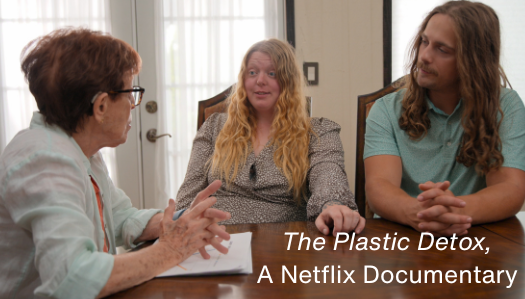
Can You Really ‘Detox’ From Plastic?
The documentary The Plastic Detox features Shanna Swan, PhD, who guides couples seeking to get pregnant on how to reduce exposure to plastic chemicals like phthalates and bisphenols. The documentary is now available on Netflix.
Scarsdale10583 – March 16, 2026
Forum Committee Issues Report on Health, Safety, Environmental Impacts and Exposure Risks of Synthetic Turf
The Scarsdale Forum’s 2026 report update urges a moratorium on artificial turf installations due to mounting evidence of health concerns—citing Mount Sinai resources that discourage its use because of PFAS, microplastics, and potential exposure risks.
Mount Sinai Press Release – March 6, 2026
Icahn School of Medicine at Mount Sinai Remains Among Top Institutions for NIH Funding
Mount Sinai press release highlights Blue Ridge Institute for Medical Research funding rankings, noting Mount Sinai’s #4 ranking in Public Health, which includes Environmental Medicine.
City Limits – February 23, 2026
Opinion: Give New York Families The Truth About What’s On Their Plates
Chase Moon, MD, writes an op-ed urging the advancement of the Sodium Warning Bill and Sweet Truth Act to improve nutrition transparency, curb aggressive junk food marketing, and help protect children and families.
Science News – February 23, 2026
Babies exposed to far more “forever chemicals” before birth than scientists knew
Shelley Liu, PhD, discusses her research finding that babies born between 2003 and 2006 were exposed to far more “forever chemicals” before birth than scientists previously understood.
LiveNOW from FOX – February 5, 2026
Wildfire smoke pollution linked to more than 24K deaths a year, study finds
Yaguang Wei, PhD, and Min Zhang, PhD, a postdoctoral student at the Icahn School of Medicine at Mount Sinai, discuss their research finding that chronic exposure to wildfire-related air pollution has been linked to tens of thousands of deaths annually in the United States.
PsyPost - Psychology News – February 9, 2026
World Trade Center responders with PTSD show signs of accelerated brain aging
Azzurra Invernizzi, PhD, discusses her research finding that post-traumatic stress disorder may be linked to accelerated brain aging among World Trade Center responders involved in rescue and recovery operations after the 9/11 terrorist attacks.
|