|
Play With a Purpose: Animal Enrichment at the JMZ
February 17, 2026
Dear Friends,
Animals thrive with plenty of opportunities to play, just as our children do. The JMZ’s AZA accreditation affirms its commitment to high-quality animal care, including environmental enrichment that supports animals’ physical, mental, and social wellbeing through play. This month, JMZ Zoo Director, Sean Ramsdell, gives us an in-depth look into what environmental enrichment means, why it’s a cornerstone of animal welfare, and how the JMZ continues to thoughtfully evolve its enrichment program to meet the needs of every animal in its care.
Your contributions to the Friends play an important role in supporting exceptional animal care, including specialized diets, veterinary care, habitat maintenance, and enrichment activities that keep animals healthy and engaged. If a love for animals brings you to the JMZ, I hope you will consider making a donation so we can continue providing customized care for the animals who call the JMZ home.
On your next visit, watch and see how our animals and your children are growing through play.
Warmly,
Lauren Angelo
President, Friends of the Palo Alto Junior Museum & Zoo
| |
How the JMZ Creates Enriching Environments For Animals
An Interview With JMZ Zoo Director Sean Ramsdell
| | |
As you observe animals in their habitats at the JMZ, you might spot objects that look a lot like toys. And that’s no coincidence. Just as play helps our children to learn, grow, and regulate their emotions, play is essential to the wellbeing of animals, too.
“Environmental enrichment can be any type of activity, device, or accommodation added to an animal’s environment that is designed to enhance their wellbeing by providing physical, social, and mental stimuli,” Sean explains.
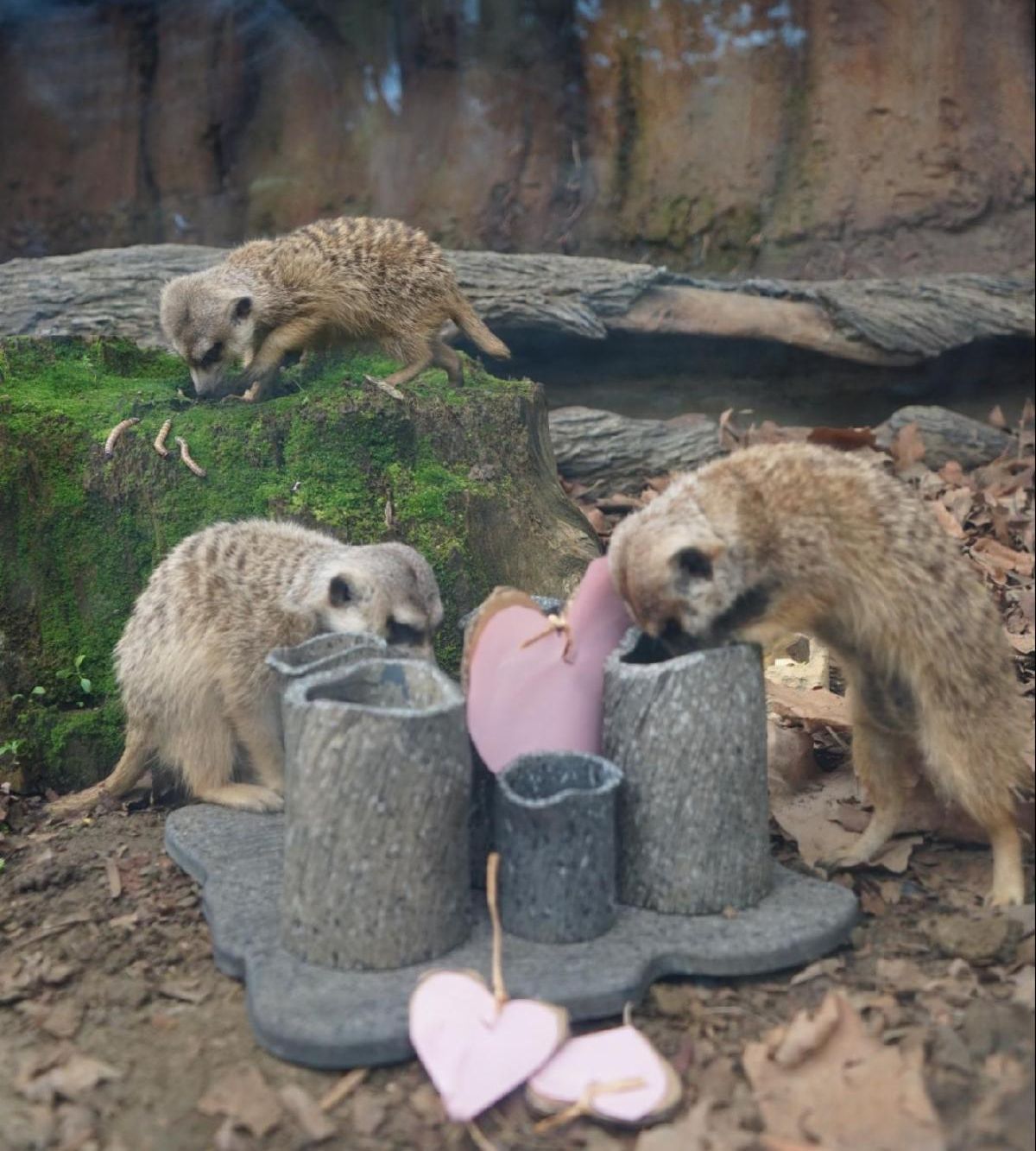
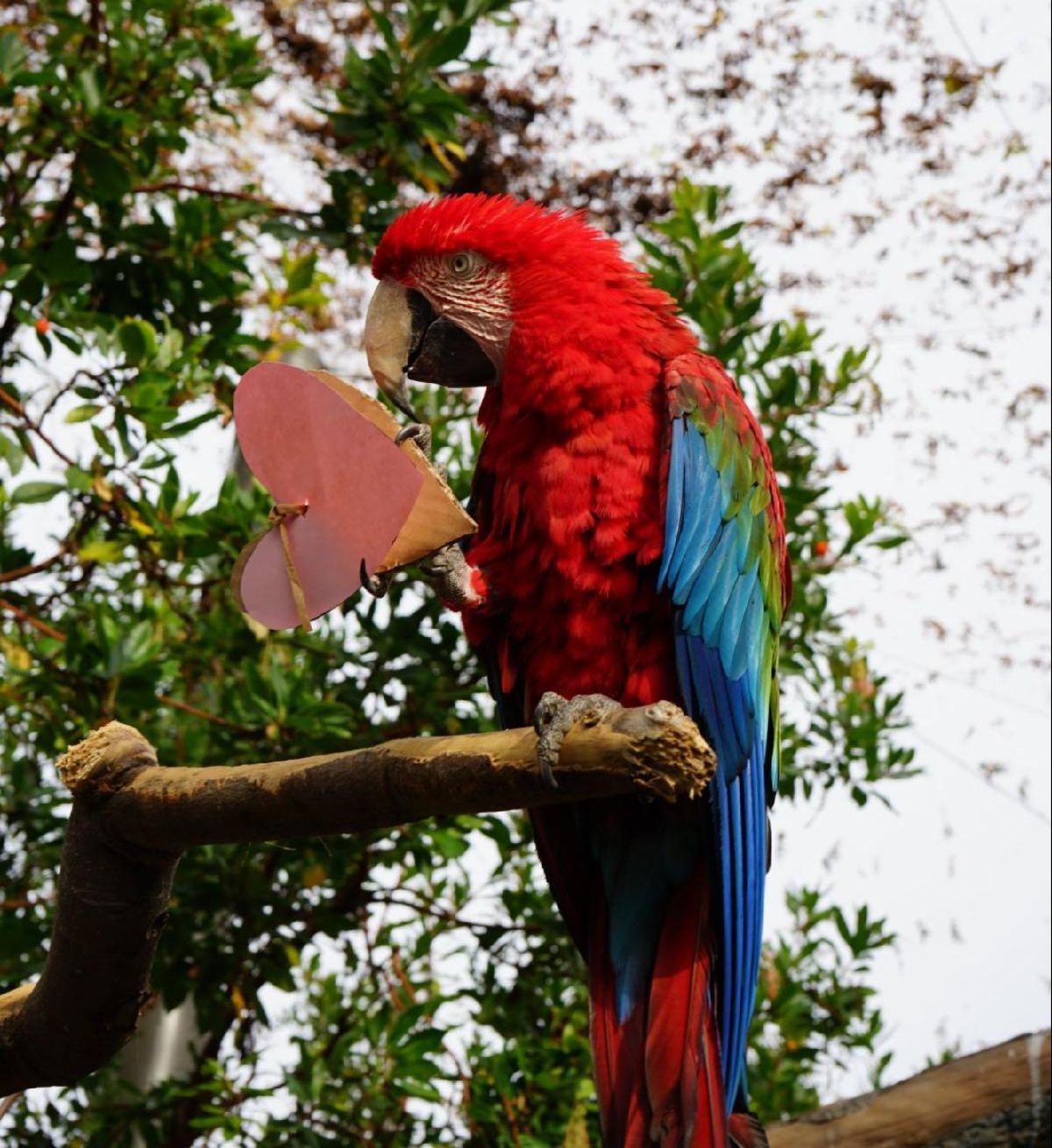
| | Meerkats search for Valentine treats and a macaw inspects their Valentine heart. | | |
Enrichment, though, is not one-size-fits all. JMZ zookeepers tailor enrichment for each species and for each individual animal. “At the species level, we look at diet and foraging methods, activity patterns, sensory strengths, social structure, and their habitat. Then, we can further customize enrichment for individuals based on a variety of factors including age, personality, health needs, social dynamics, and learning history,” Sean shares.
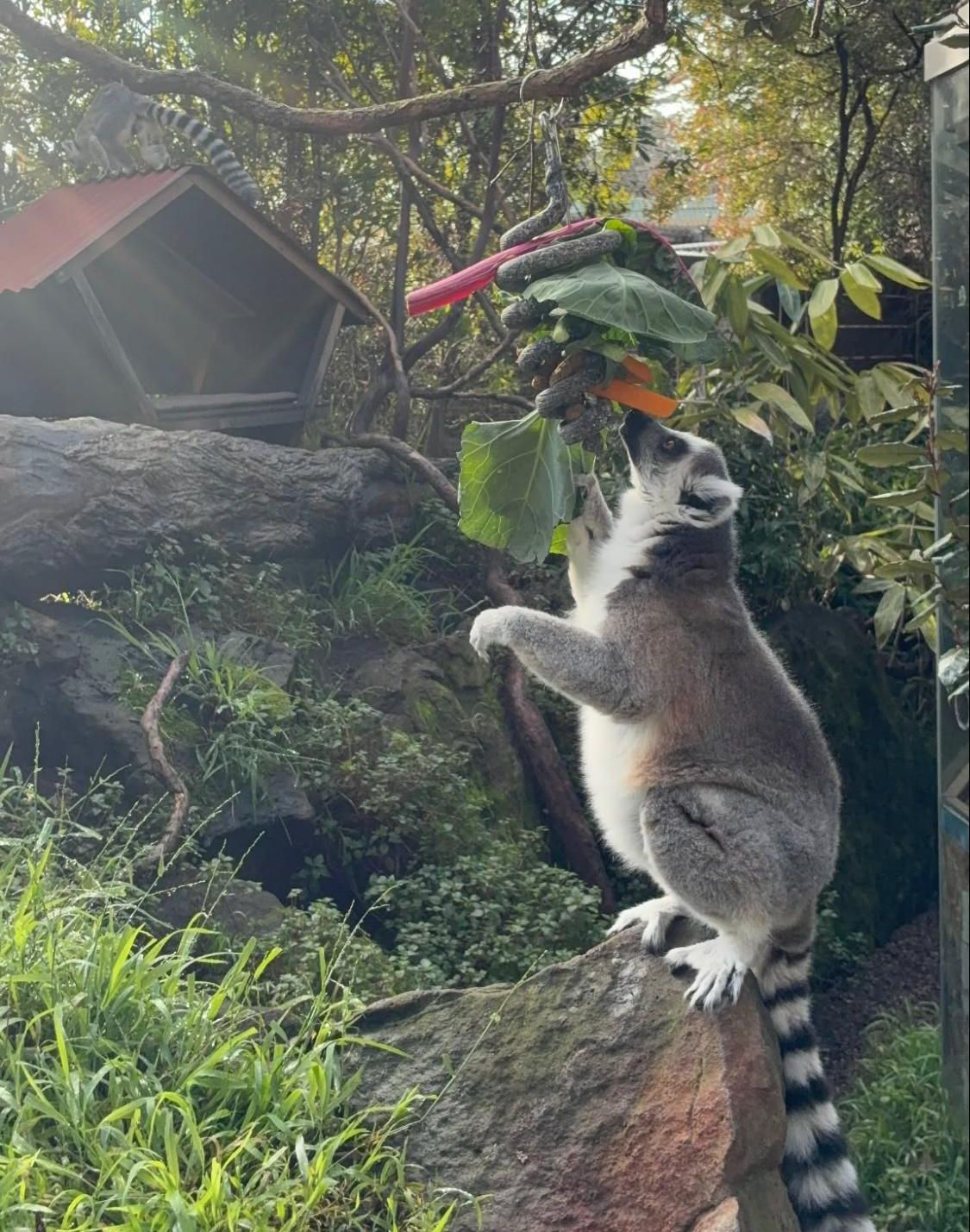
“Our lemurs, for example, receive enrichment designed to help them explore their habitat. They are geriatric and based on recommendations from our veterinary staff, keeping them mobile and active will help them stay strong as they age. We're doing physical therapy with Val, but he can do a lot on his own just by using all of his muscles and joints to search, climb, and traverse the high and low places of his home.”
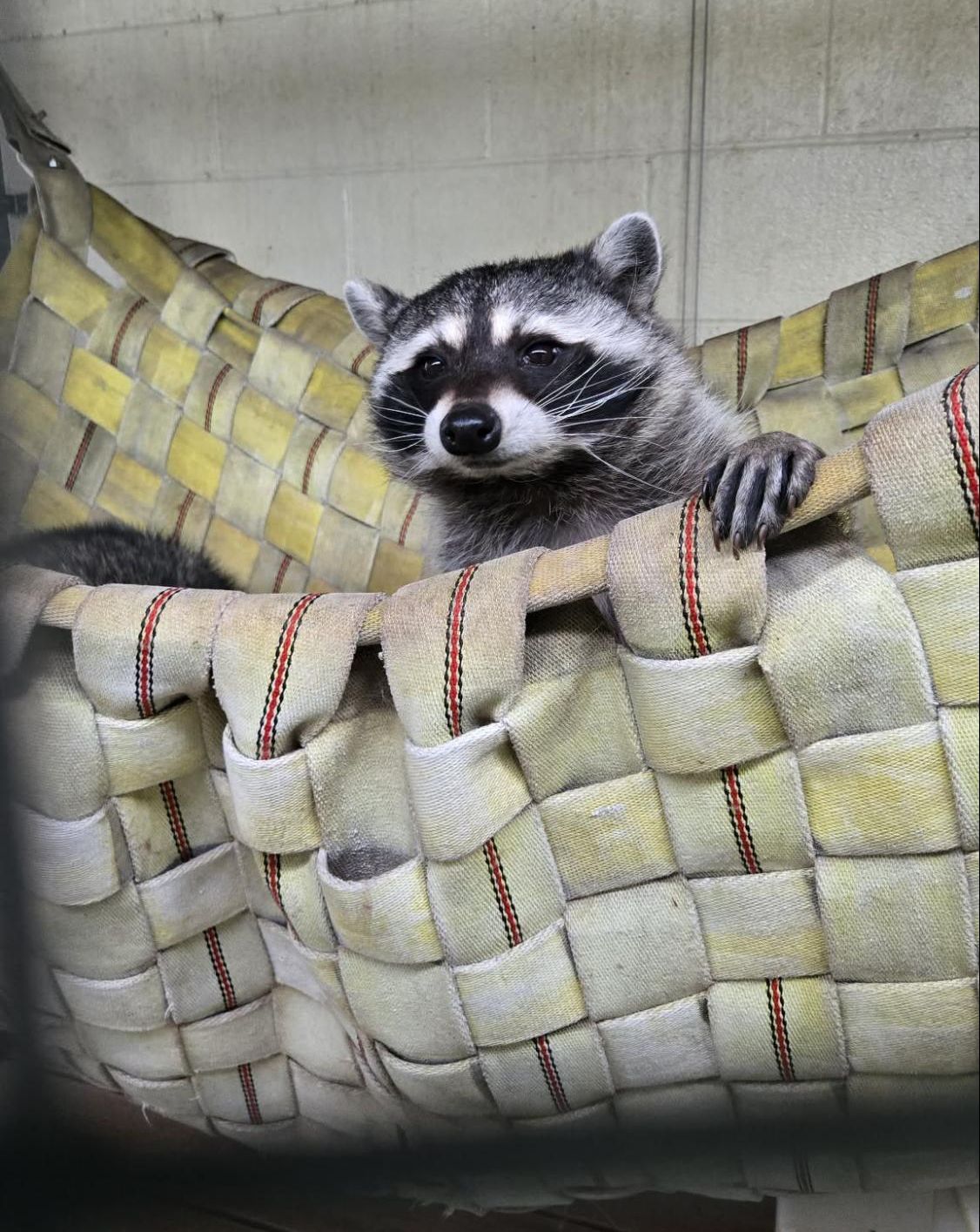
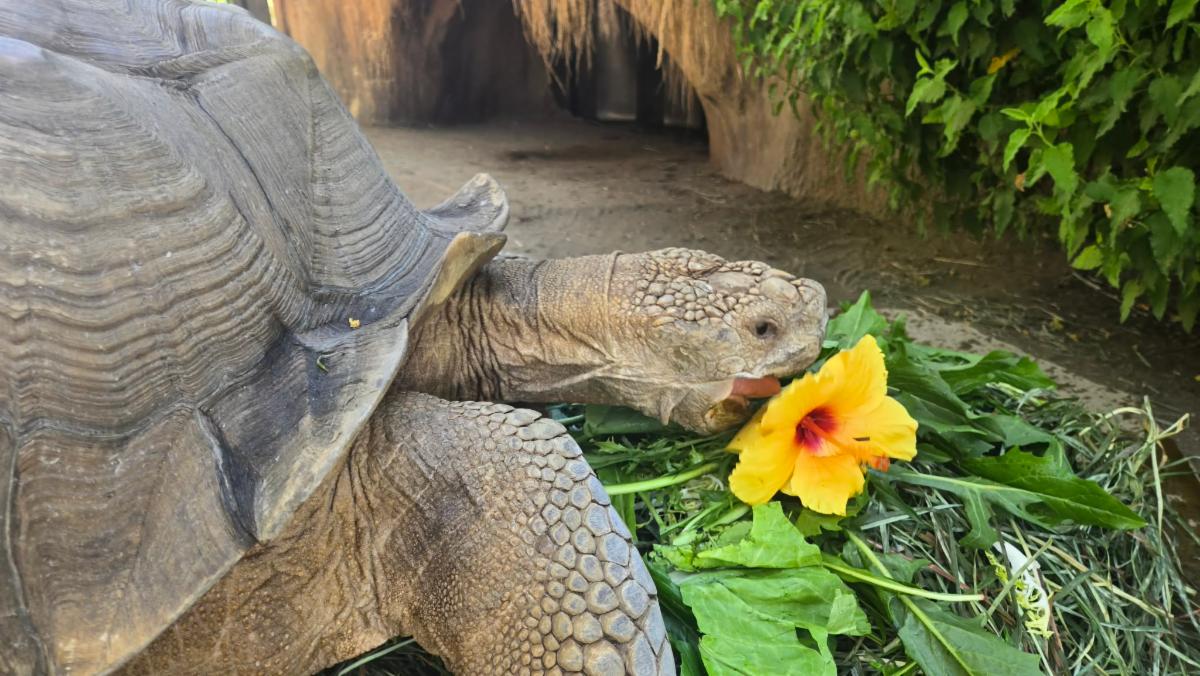
| | A lemur reaches up high for their food while a raccoon plays in their new hammock. | | The work doesn’t stop when JMZ zookeepers offer new enrichment items to animals. They observe animals for welfare-centered outcomes. “Welfare refers to an animal’s collective physical, mental, and emotional states over a period of time and is measured on a continuum from good to poor. To know enrichment is working, we have to track what happens when we give it. We can see if there was an increase in species-appropriate behaviors, healthy engagement, and higher activity. We also pay attention to what isn’t working.” | | Running an effective enrichment program comes with a unique set of challenges. “It takes a lot of research to put together lists of approved enrichment items and to put the items together in a way that makes them enriching enough for the animals. Then, there are the expected challenges, budget and procurement, habitat limitations, safety and suitability,” Sean says. “This is an area where the Friends’ support has historically been meaningful---helping fund materials, improvements, and special projects that can expand our program.” | | Edward the tortise enjoys a salad made with his individual dietary needs in mind. | | |
Looking ahead, Sean and the zookeeping team are focused on strengthening the program even further by expanding the planning and tracking of new enrichment activities, formulating enrichment plans for all species, developing staff skills, and continuing to find new ways to improve the lives of the animals in their care.
If you would like to support the exceptional care of the JMZ’s animals, including the environmental enrichment program, we invite you to contribute today.
| | | | |