|
“Play is often talked about as if it were a relief from serious learning.
But for children, play IS serious learning.
Play is really the work of childhood.”
~ Fred Rogers
| | Research shows that play and nature-based learning is crucial for whole-child development. This newsletter offers actionable ideas, resources, and research that supports child-led play and nature connection for educators and families. | | |
Who can tell how lovely in June is the
honey locust tree, or why
a tree should be so sweet and live
in this world? Each white blossom
on a dangle of white flowers holds one green seed -
a new life.
~Excerpt from Honey Locust by Mary Oliver
| | |
Create Your Own Outdoor Play Kitchen this Summer
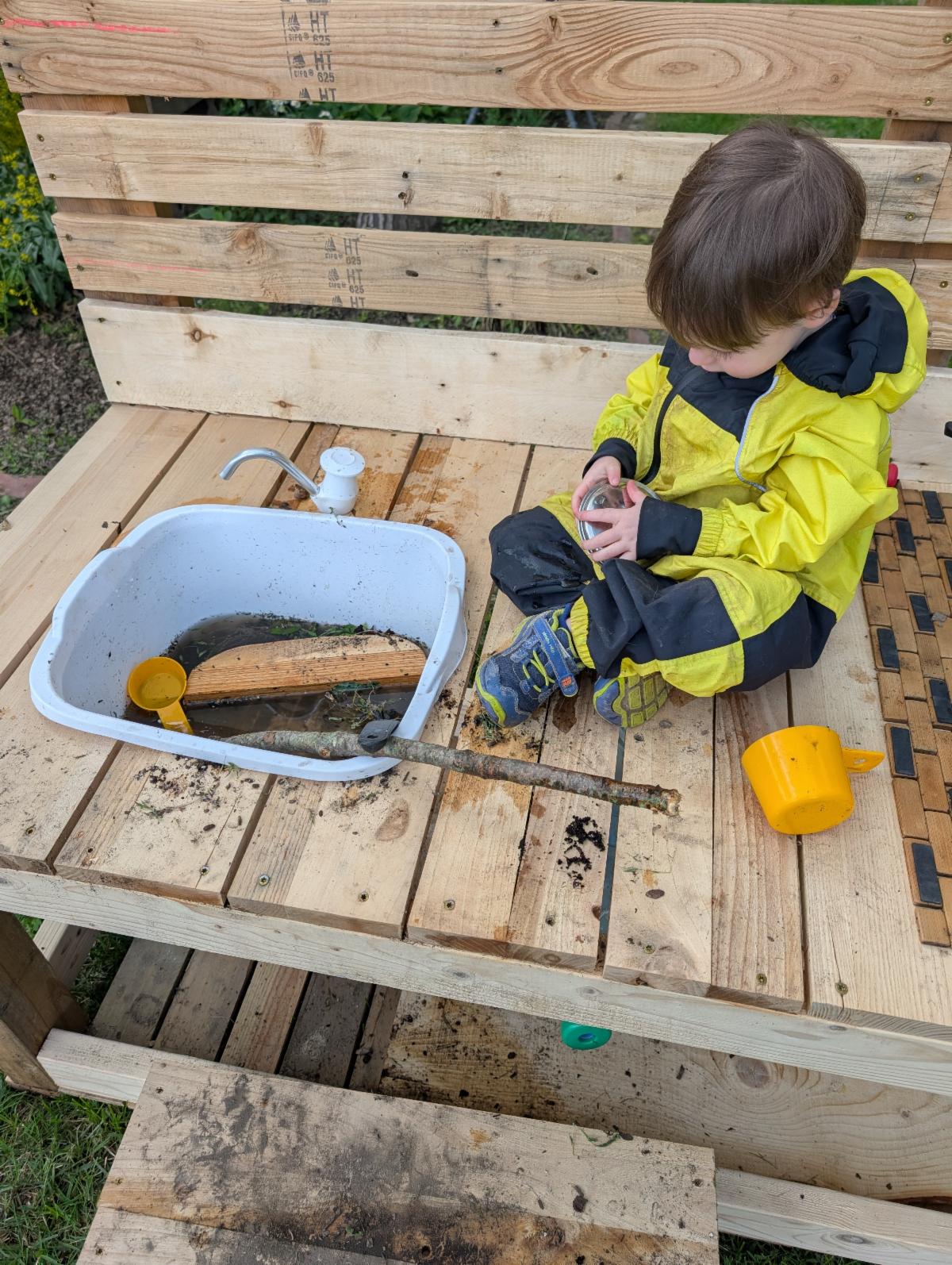
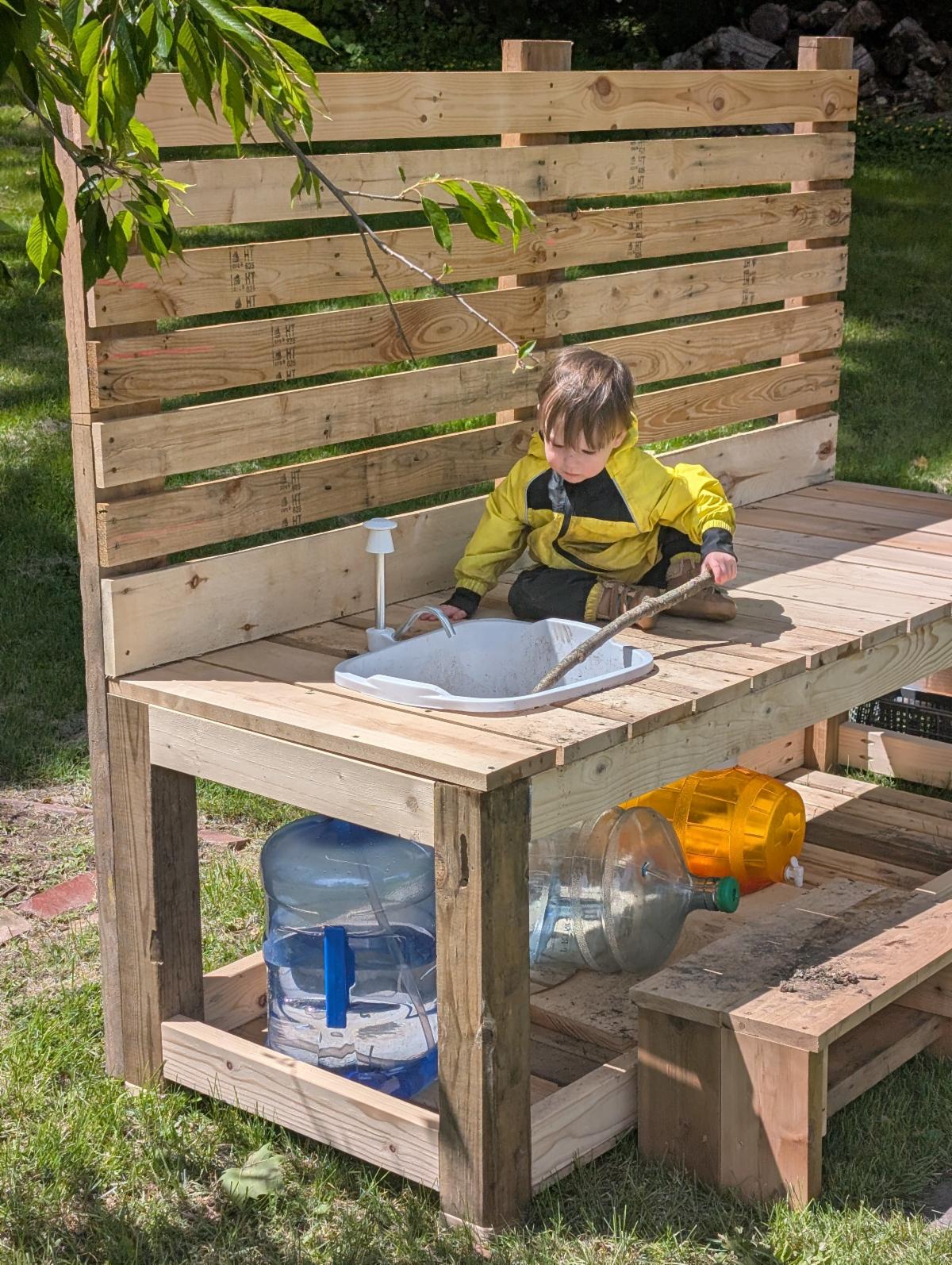
Summer is the perfect time to create your own outdoor play kitchen. Play kitchens with the simple addition of loose parts can meet many early learning standards and all developmental areas of any curriculum. And they keep children engaged and active for hours!
Download this free, step-by-step guide we've created and utilize Early Childhood Health Outdoor's (ECHO) how-to guide to build and implement your own outdoor play kitchen. Below is my (Elizabeth) son's kitchen built using the ECHO guide!
| |
Outdoor Nature-Based Education Policy | Natural Start Alliance | Thanks to the efforts of nature-based practitioners working to license outdoor nature-based childcare programs, national policymakers have begun recognizing a new area to early childhood education policy in the United States—Outdoor Nature Based (ONB) Early Learning Policy. Following successful organizing and advocacy by preschool providers in Washington State to license outdoor nature-based programs, many early childhood systems around the country are now beginning to accommodate outdoor play and learning in early care and education settings and beyond. | | | NAEYC Interest Forums: Play and Policy & Young Children and Nature | |
The mission of the Play, Policy, and Practice Interest Forum is to become a collective voice within the early childhood community advocating for the value and importance of children's play by connecting researchers, teachers, educators, parents, and others who share an interest in play and updating and disseminating current knowledge about the multifaceted nature and developmental value of play.
The mission of the Young Children and Nature Interest Forum is to increase the opportunities for early childhood educators and other adults to create and nurture children’s connections to the natural world, and to support and reinforce efforts to connect young children and nature among those who work with young children, through providing resources, sharing best practices, research, funding, and professional development opportunities.
| | | Teacher Tom Blog: What We are Saying is Radical | Most of what I've learned from and about young children over the past two decades comes down to un-learning the modern lessons of "parenting," schooling, and the capabilities of children. I've discovered that if I am to do right by children I must release control, shut up and listen, get out of their way, and love them. And whenever I'm challenged, whenever things are not going well, I've discovered that the answer always lies in returning to the radical idea of treating children like people. | | | |
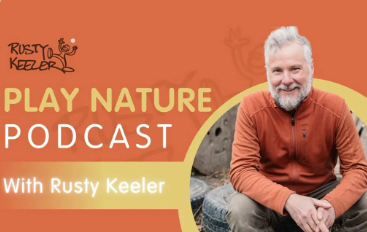
Rusty Keeler's Play Nature Podcast Ep 7 | Dream Big, Start Small, Never Stop! | This episode of Play Nature Podcast is bringing Rusty's motto "Dream Big, Start Small, Never Stop" to life. Rusty is once again out in nature; with birds chirping and leaves crunching, we dive into how his mantra can guide not just life choices, but the design of amazing outdoor play spaces, too. | | | |
The AAD's Shade Structure Grant Program awards grants to public schools and non-profit organizations for installing permanent shade structures for outdoor locations that are not protected from the sun, such as playgrounds, pools, or recreation spaces. | | | |
EP 28: Naturally Emergent Learning - Defending the Early Years | In this Episode, Kisha chats with Megan about her work as a nature-based curriculum specialist. Megan Gessler, Curriculum Director for Little Explorers, is the founder of three internationally renowned nature-based early education programs. She established and directed the Northern Illinois Nature Play Association (NINPA), and serves on the Executive Leadership Team of the North American Association of Environmental Education's (NAAEE) Natural Start Alliance. | | | |
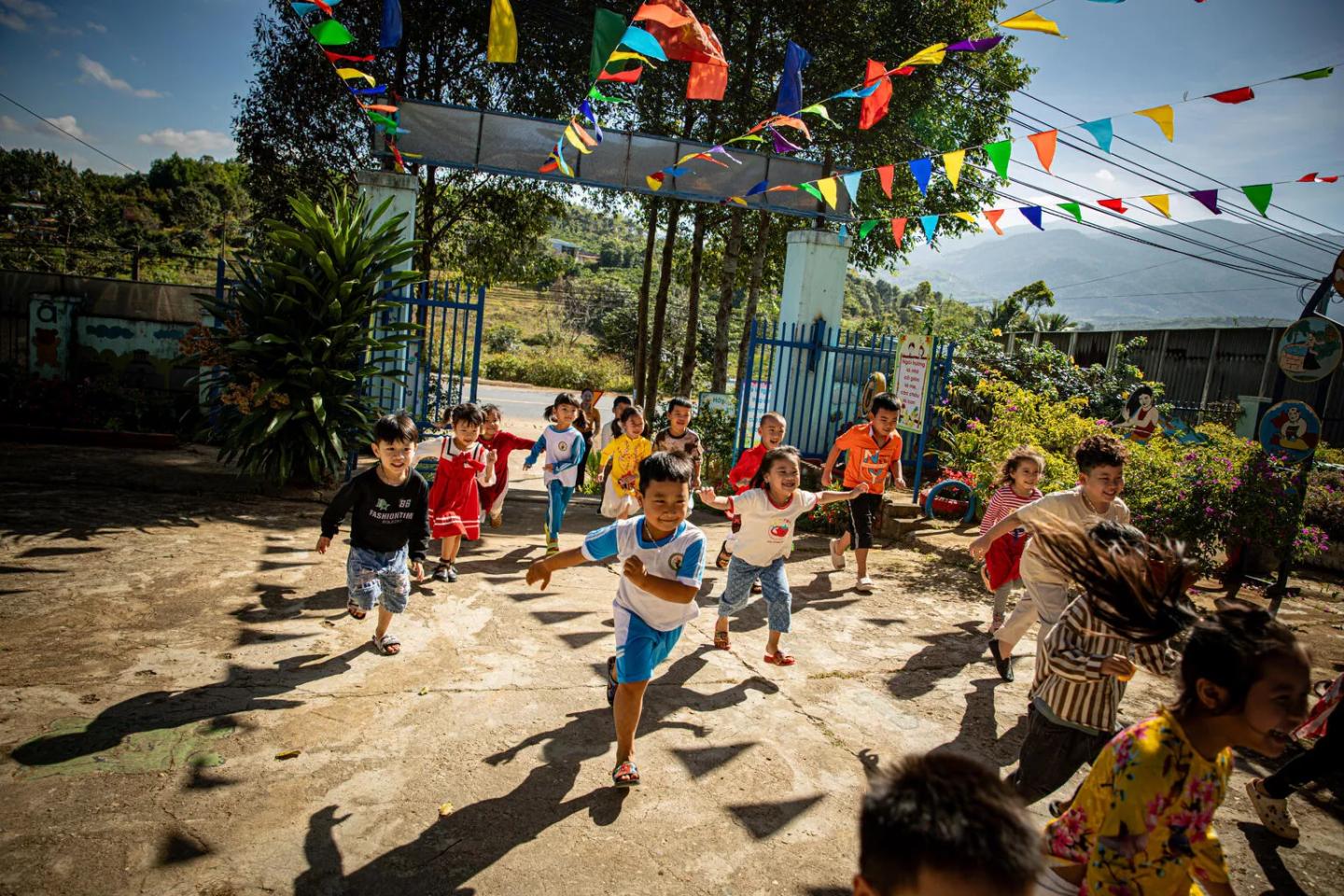
Reminder: International Day of Play is June 11! 🎉 | International Day of Play is a time to celebrate the power of play. It’s a time to raise awareness about how central play is to every child’s development and well-being. And it’s a time when we can come together to make sure that every child is able to fulfil their right to play. | | | |
Reminder: June 29 is International Mud Day! 🎉 | |
International Mud Day is an exciting date not only to play and have fun with mud but to raise awareness about cleanliness and access to sanitation in different parts of the world! International Mud Day strives to bring children from all over the world together through the ground by allowing them to play in the mud. Children and early childhood professionals all over the world celebrate International Mud Day by getting really muddy and observing nature, the outdoors, and mess.
Gain ideas to celebrate Mud Day at your program here. And remember, you can play and learn with mud all year long!
| | | | Upcoming Conferences & Webinars | |
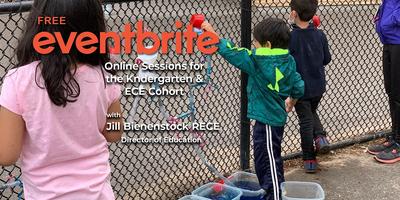
Beinenstock Natural Playgrounds Webinar: Water Walls | June 3, 7-8 PM | All kids love playing with water. Whether it’s jumping in a puddle or playing at the water table, it’s always a big hit. At this workshop, learn how to set up your own water wall with some tubing, connectors, and ties. The best part is that these water walls take up vertical spaces and are set up on a chain link fence. Children can work together at this activity while they control the amount and direction of the water. Add food colouring and the children can have fun creating new colours. There’s so much potential in such a simple activity. | | | |
How Air Quality Affects Early Childhood Development and Health - Center on the Developing Child at Harvard University | June 5, 2-3 PM | Join us on June 5th, 2025 for a conversation focused on the latest working paper from the Early Childhood Scientific Council on Equity and the Environment. | | | Boom and Zoom! Supporting Busy Preschool Boys by Kenneth Sherman | June 11, 2-3:30 PM | Do you sometimes find yourself overwhelmed in the 3-ring circus that is your healthy preschool classroom? You are not alone. Many teachers occasionally feel stressed by the “busy” play that preschool age children gravitate to, particularly the more rambunctious play many preschool boys naturally prefer. Kenneth Sherman will provide you with specific strategies for embracing boys’ natural energy and physical expression and also offers meaningful learning experiences that will succeed in an environment for all learners. Through the concept of active learning, you will gain strategies for using children’s ideas and energy to support and scaffold their learning to the next level. | | | |
Considering the Climate of Your Outdoor Spaces: How heat and shade impact health and play, and what you can do about it by Kirsten Haugen | June 12, 2-3:30 PM | In this fresh webinar, you will explore current data showing how shade of all types (open space, canopies, trees, pergolas, etc.), and surfacing choices (grass, asphalt, dirt, sand, rubber, etc.) dramatically affect both air and surface temperatures. Then we’ll look at research and field observations demonstrating the ways local variations in sun, shade and temperatures impact children’s physical and mental health, and the quality of their play, behavior, and learning. | | | |
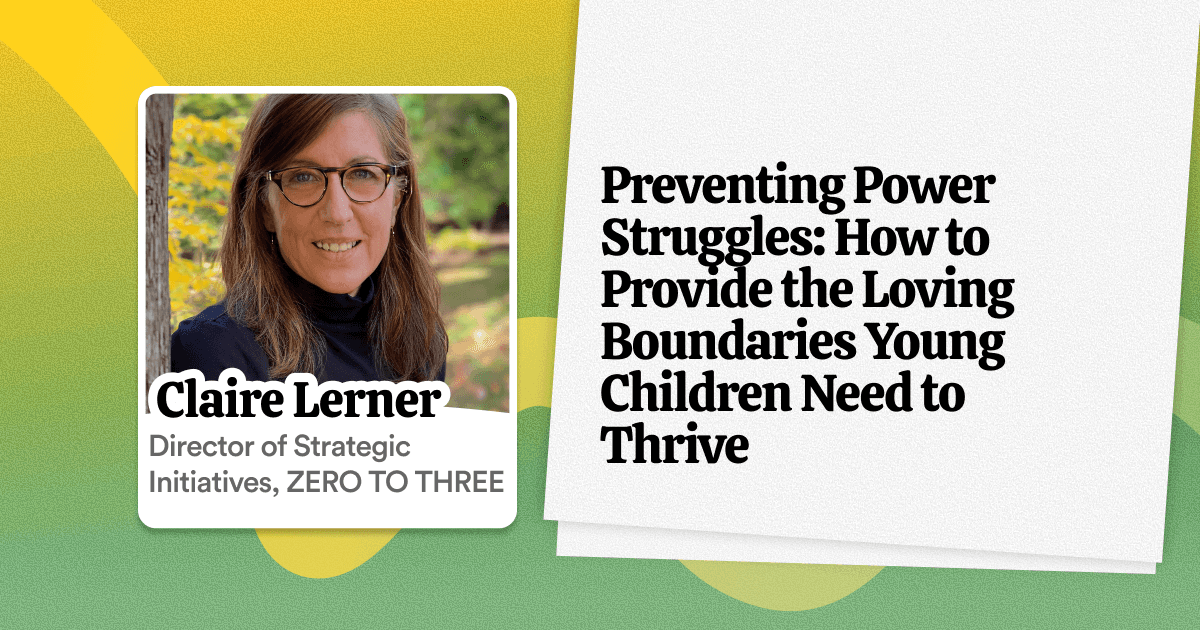
Preventing Power Struggles: How to Provide the Loving Boundaries Young Children Need to Thrive by Claire Lerner, LICSW | June 18, 2-3:30 PM | One of the most critical components for establishing a safe, peaceful environment in early childhood programs is engaging children’s cooperation. But many classrooms (and households) are fraught with power struggles that ensue when a child is choosing not to, or is unable to, follow important directions. When power struggles prevail, everybody loses. This webinar will present a powerful, effective and loving approach to helping preschoolers accept and adapt to rules and limits while avoiding power struggles, both in group settings and in homes. You will also learn roadmap for how to effectively communicate with families to support them in being the loving limit-setters their children need them to be. | | | |
Nourishing Connections: A Proactive Approach to Mealtimes in Your Classroom by Yev Veverka, Ph.D | June 26, 2-3:30 PM | Mealtimes in early learning settings offer valuable opportunities for connection, learning, and fostering positive food experiences. However, they can also present challenges that, if unaddressed, may impact children’s well-being and development. In this webinar, you’ll learn why a proactive approach to mealtime support is essential and how universal strategies can help prevent difficulties before they arise. We’ll discuss the limitations of a “wait and see” approach—waiting for children to “grow out of” mealtime challenges—and explore practical ways to identify and support children and families who experience difficulties. | | | |
Natural Start Alliance Virtual Conference: July 14-18, 2025 | The Nature-Based Early Learning Conference brings professionals together to explore and promote nature-based learning for young children. Attendees include teachers, program administrators, higher education faculty, researchers, education consultants, landscape designers, and others who are committed to or interested in bringing nature, outdoor learning, and environmental education to young children’s education. The program focuses on nature-based education for preschoolers (ages 3-5), early elementary students (ages 5-8), and infants and toddlers (ages 0-3). Professionals, parents, and caregivers who are just learning about a nature-based approach to education, or may be interested in starting a nature-based early education program, are welcome. | | | | Access our Nature-Based Play Resource List on the Keystone Kids Go website. | | Check out the "Inspiring Nature-Based Early Learning" webinar here. This training counts for 1 hour of PQAS PD (and can count toward STARS indicator EC 3.4.6). | | | |
Quest for Quality Podcast
Part 1: The Benefits of Outdoor Learning and How to Start Small
Research shows that children thrive outdoors and have opportunities for learning, development and self-regulation that cannot be achieved indoors. In this podcast, Susan and Elizabeth discuss how nature play supports the health and well-being of children and adults alike, the features of an Outdoor Learning Environment compared to a playground, the barriers that may limit how much time children spend outdoors, and small-step solutions anyone can take to get started.
| | | | |
Quest for Quality Podcast
Part 2: Diving Deeper into Outdoor Learning Practices
In part 2 of this outdoor learning series, Susan and Elizabeth do a deeper dive into what outdoor play really looks like, including some additional areas you can set up, how to easily connect outdoor play to learning standards, and our role as the adult in this type of play-based, child-led exploration.
Click here for part 1 and 2 resources.
| | | Our Favorite E-Newsletters and Blogs | | |
Have you embraced play and/or nature in your program?
We'd love to hear from you!
| | |
Your ideas, successes and creativity in overcoming some of the
barriers that limit how much children play and experience nature
can help others believe they can make these changes, too.
Please consider sharing your story (or questions/ideas) with us in the link below. If your story is selected, we will feature your program in an upcoming issue.
Your work will then help inspire others!
| |
Looking for more information?
Technical Assistance Coach Elizabeth Marcello and Outdoor Learning & Play Consultant Susan Chlebowski can partner with you to provide center-based or individual classroom coaching and professional development in the topics of play-based learning, nature-based learning, classroom management and challenging behavior support, or innovative solutions to barriers. Complete a "Consultation Request" through your PD Registry Organization Page's Keystone STARS tab to request coaching.
*For early learning providers in ELRCs 8, 9, and 10 only.
| | | | Keep in Touch with Community Connections for Children! | | | | |