Sasakawa USA Newsletter July Highlights | | |
Included in this issue of the newsletter:
- Message from Sasakawa USA's Chairman Satohiro Akimoto
July Activities
- Policy Briefing: Understanding the House of Councillors Election: Implications for Japan's Political Landscape with Mr. Koji Sonoda
- Policy Briefing: Travelling Together: Reflections on the Shikoku Pilgrimage with Ambassador James Zumwalt
- Briefing for Kizuna Across Cultures Global Classmates Summit
- Sasakawa USA Ice Cream Social
Publications
- US-Japan NEXT Alliance Initiative: AI Summary
Announcements
- Ambassador Derek Mitchell Joins Sasakawa USA as Distinguished Senior Fellow (non-resident)
- US-Japan NEXT Alliance Initiative: Launch of Updated Cybersecurity Organization Maps
Upcoming Events
- Japan US Military Program (JUMP): JUMP Camp Lejeune
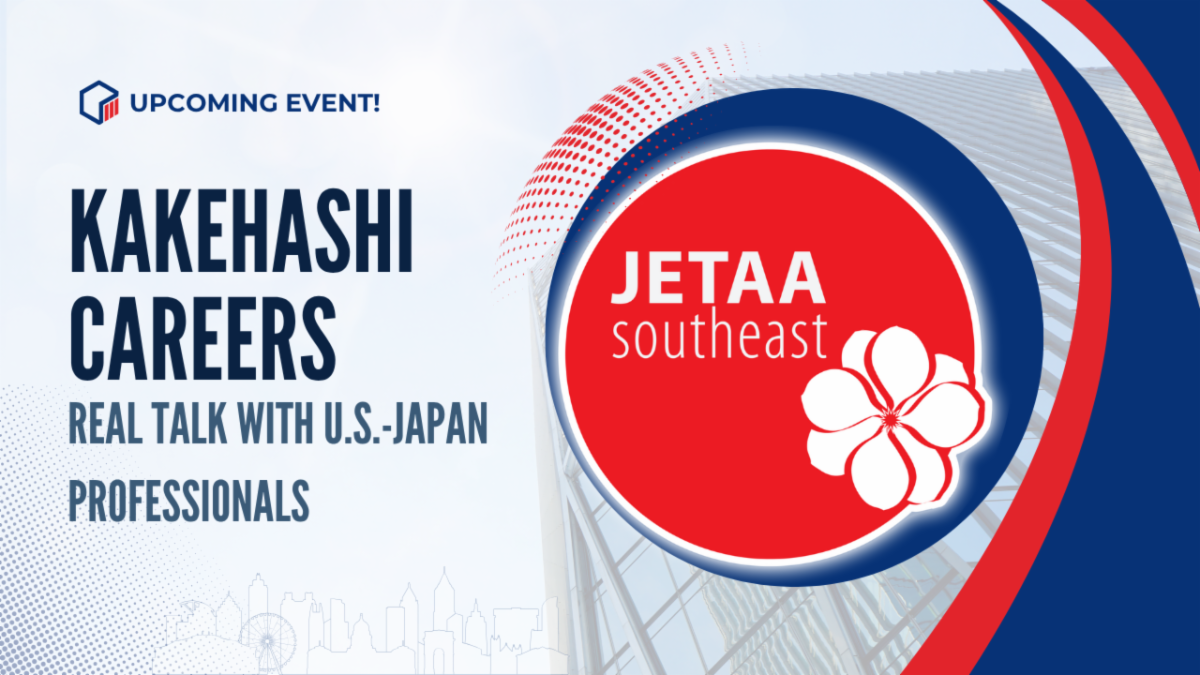
- Event with JETAASE in Atlanta: Kakehashi Careers: Real Talk with U.S.-Japan Professionals
| | Message from Sasakawa USA's Chairman Satohiro Akimoto | | |
A seismic shift has taken place in the Japanese political landscape. The Upper House election held on July 20 has ushered in an entirely new era of Japanese politics. The LDP secured only 39 seats, one of the lowest number ever secured in an Upper House election. It was particularly shocking that the LDP lost more seats (18 seats) than it secured (14 seats) in single member constituencies in rural areas, where the LDP has historically fared very well. It was the third major loss for the party following the Lower House election on October 27, 2024 and the Tokyo Metropolitan Assembly election on May 22, 2025.
First, the headwinds, which the LDP suffered from significantly, is probably not a short-term phenomenon. The erosion of the conservative support-base, defection of voters under the age 40, rise of populism, and loss of experienced Upper House lawmakers due to reelection defeats present a serious crisis for the party. The three consecutive election losses were so bad that one of the highest-ranking leaders of the LDP told me that the level of support the party once enjoyed may not return. In other words, not only the leaders but also the rank-and-file members have realized the party must fundamentally change its course to unite party members, remain a viable policy group, and reestablish itself as the leading party of Japan.
Secondly, the coalition between the LDP and Komeito has lost its political value for the LDP, as the Komeito’s ability to bring in votes has notably declined over a short period of time. It is unimaginable that the Komeito party secured only 8 seats, while losing 6. Sokagakkai, the religious support organization of Komeito, has consistently secured roughly 6 million votes. However, Sokagakkai believers have occupied only about one third of those 6 million votes. The rest are non-believers, whom Sokagakkai call “F” (for “friends”), whom Sokagakkai believers solicit to vote for Komeito candidates. However, Sokagakkai believers are no longer capable of aggressively soliciting “F” category votes, as the average age of believers is continually increasing. When one Sokagakkai believer stops his or her solicitation, it is estimated that three or four “F” votes are lost.
Third, while the LDP and Komeito lost steam, the opposition parties gained traction. As a matter of fact, all opposition parties except two – the Japan Communist Party, which ended with 4 fewer seats than they started with, and the Social Democratic Party of Japan, which secured 1 seat but saw no net change in its overall seat count – ended the election with more seats than they started with. The biggest winner was Sanseito, which secured 14 seats, adding 13 seats to their pre-election total.
However, the opposition parties are fragmented from one another and regarded as not ready to lead the nation. The biggest winner, Sanseito for example, did a remarkable job of organizing locally throughout the nation, fielding candidates in all prefectures in the Upper House election, gaining momentum with the slogan “Japanese First,” and taking maximum advantage of social media. However, they have no solid policy platform.
As a matter of fact, Mr. Sohei Kamiya, the leader of Sanseito, often changes the party’s political and policy positions by saying “we will continuously alter” to reflect the opinions of its members and supporters. He has even stated that the draft Constitution is changeable reflecting opinions of the members and supporters. Mr. Kamiya and Sanseito will be closely scrutinized for their personal and organizational behaviors, political and policy achievements, and sustained performance to appeal to voters in the coming months. It is not clear if Sanseito can maintain the momentum created by the Upper House election by withstanding the scrutiny and increasing criticism long enough until the next Lower House election, where the party has only 3 seats out of the total 465 seats.
The political situation in Japan will continue to be unstable, even fragile, as there is no clear party nor leaders to lead the nation. The LDP forms a minority government in both the Lower House and the Upper House. There is pressure mounting within the party to force Prime Minister Ishiba to step down. However, there is no guarantee that an LDP member will be elected Prime Minister due to its minority status in both chambers. The party does not seem to have reached a consensus regarding what to do at the plenary meeting of its members in both chambers on August 8.
Sasakawa Peace Foundation USA supports the non-profit organization FMC in Washington to help connect lawmakers in Japan and the United States. Under the very fluid political situation in Japan, it is all the more important that political leaders of the United States and Japan get to know one another and build effective communication channels across the political spectrum.
| | |
Policy Briefing:
Understanding the House of Councillors Election: Implications for Japan's Political Landscape
with Mr. Koji Sonoda
| | |
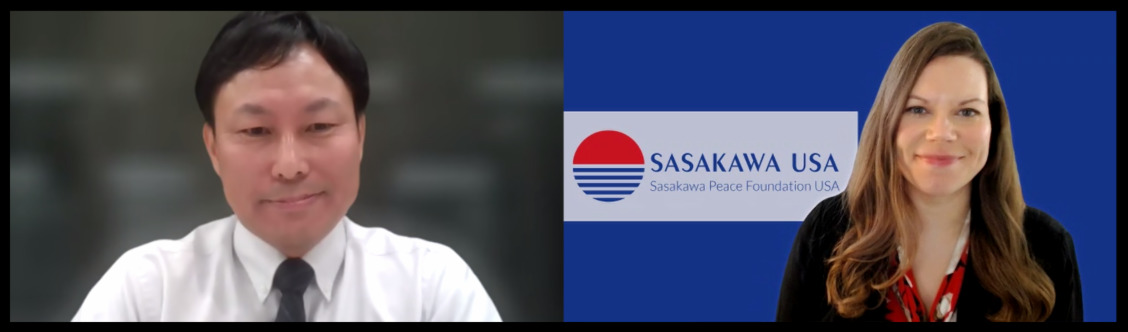
On July 28, Sasakawa USA hosted a Policy Briefing Series webinar featuring Mr. Koji Sonoda, deputy editor-in-chief of The Asahi Shimbun’s Political News Section, for a timely discussion on the results of Japan’s upper house (House of Councillors) election, held on July 20, and their impact on Japan’s political landscape in the coming months. Drawing on his two decades of experience as a reporter previously covering Japanese politics, Mr. Sonoda analyzed the ruling coalition’s failure to maintain their majority in the upper house and the rise of opposition parties, such as the Democratic Party For the People and Sanseito. His remarks were followed by a discussion with online attendees from both the United States and Japan on the election results’ potential impact on Japan’s political future and the U.S.-Japan alliance.
Photo (left to right): Mr. Koji Sonoda and Ms. Shanti Shoji
| | |
Policy Briefing: Travelling Together:
Reflections on the Shikoku Pilgrimage
with Ambassador James Zumwalt
| | |
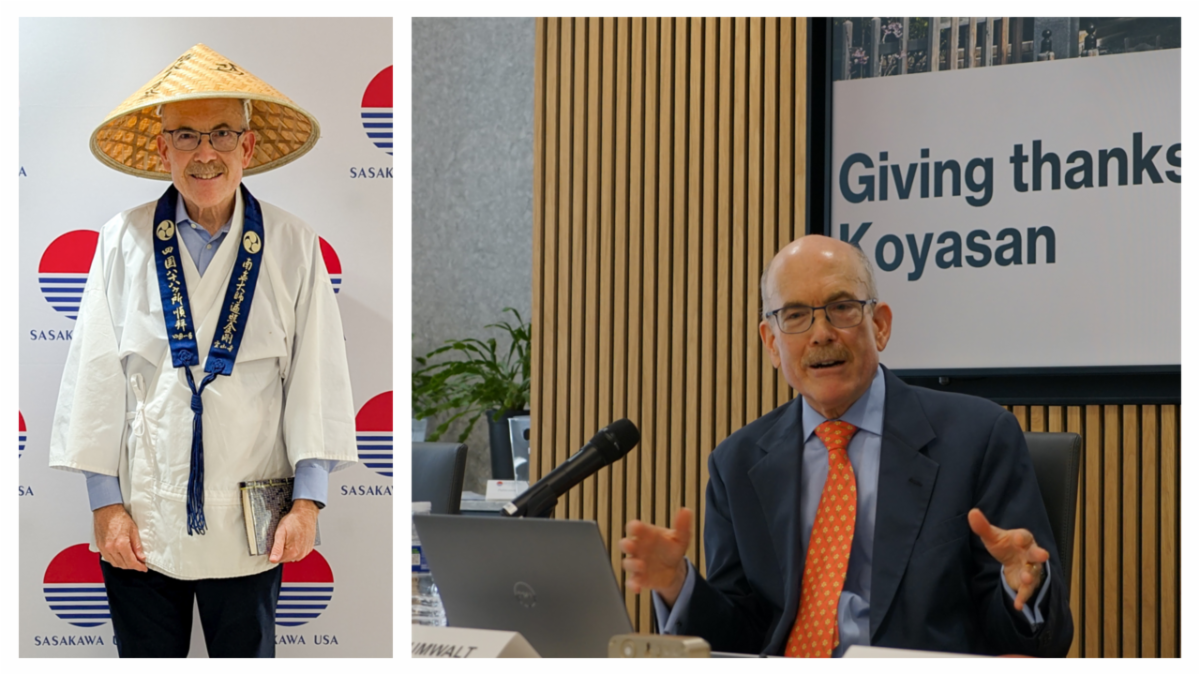
On July 23, Sasakawa USA hosted a Policy Briefing event featuring Amb. James Zumwalt, distinguished senior fellow (non-resident) at Sasakawa USA and chairman of Japan-American Society of Washington, DC. On the following day, Sasakawa USA co-hosted an online version of the event with the Japan-America Society of Washington, DC.
In his remarks, Amb. Zumwalt discussed his experience of completing the Shikoku Henro (Shikoku Pilgrimage) in 2025. The Henro consists of a circular pilgrimage to 88 Buddhist temples on the Japanese island of Shikoku where the great monk Kūkai either trained or visited in the 9th century. Pilgrims undertaking the Henro by foot walk a total of about 1,200 km (750 miles) and complete their journey over the course of many weeks. The title of the event calls back to the phrase “dogyo ninin” (同行二人), which means “two people traveling together,” which many pilgrims inscribe on their walking staffs, hats, or other items. This phrase is to remind the traveler that they are not alone in their journey, as it is believed that the spirit of monk Kūkai accompanies each pilgrim, guiding and protecting them throughout their pilgrimage.
Through his presentation, Amb. Zumwalt guided the audience through the joys, challenges, and lessons learned from his pilgrimage. He shared many inspirational stories of connection with fellow pilgrims as well as the hospitality of the people of Shikoku. In the Q&A sessions of each event, moderated by Ms. Shanti Shoji, director of programs at Sasakawa USA, Amb. Zumwalt answered audience questions ranging from discussing the importance of the Henro to Shikoku culturally and economically, what he learned about Japan and Japanese culture through the experience, and the logistics of planning the pilgrimage. A recording of the online event is available below.
Photo (top to bottom): Amb. James Zumwalt and Ms. Shanti Shoji during the in-person event, and Amb. James Zumwalt donning his pilgrimage attire.
| | |
Briefing for Kizuna Across Cultures
Global Classmates Summit
| | |
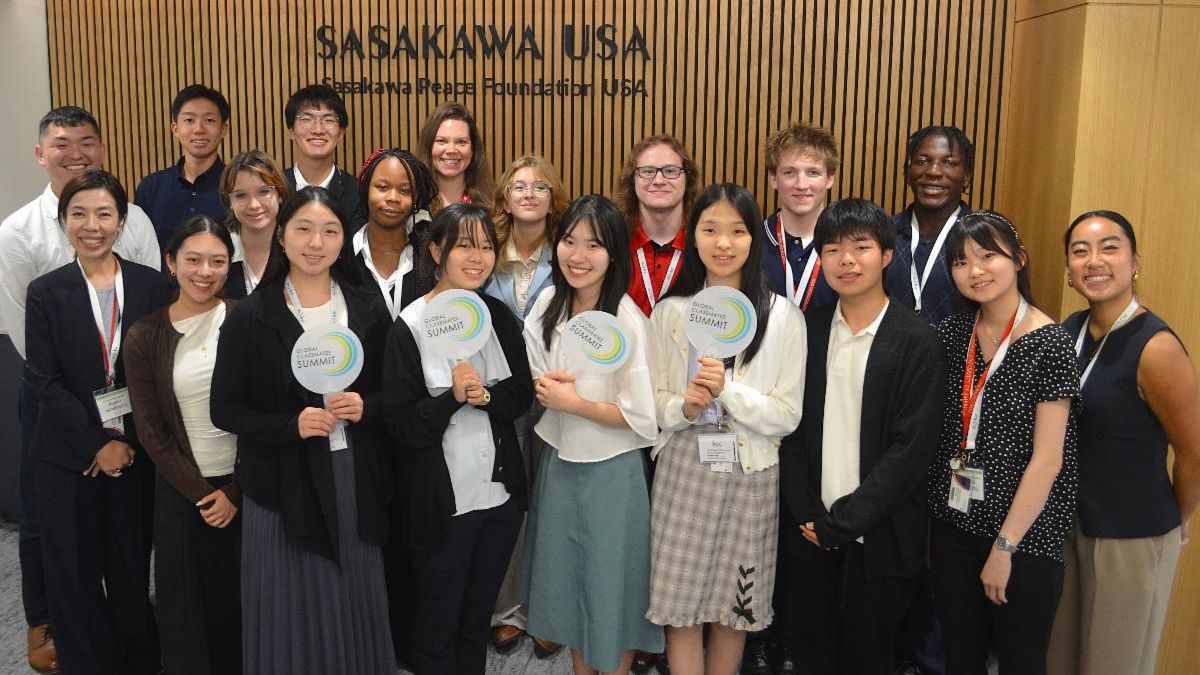
On July 28, Sasakawa USA welcomed Global Classmates Summit, a program by Kizuna Across Cultures (KAC) that brings together 14 high school students from across Japan and the U.S. to Washington, D.C. for a 10-day exchange to broaden their perspectives, deepen their understanding, and enhance their collaboration skills with participants from diverse backgrounds on important themes such as cross-cultural understanding, U.S.-Japan relations, and the importance of citizen diplomacy. Ms. Shanti Shoji, director of programs at Sasakawa USA, and co-founder of KAC, provided a briefing on the role of think tanks in U.S.-Japan relations, and highlighted Sasakawa USA’s unique contributions to the U.S.-Japan policymaking landscape. Following this, Ms. Kaede Ishidate, program officer, shared her personal journey and experiences entering this space and reflected on how her work at Sasakawa USA has enabled her to contribute to the U.S.-Japan alliance. The visit concluded with an engaging Q&A session where students posed thoughtful questions to Ms. Shoji and Ms. Ishidate.
Photo: Participants of the Global Classmates Summit and partners at KAC at Sasakawa USA’s office.
| | Sasakawa USA Ice Cream Social | | |
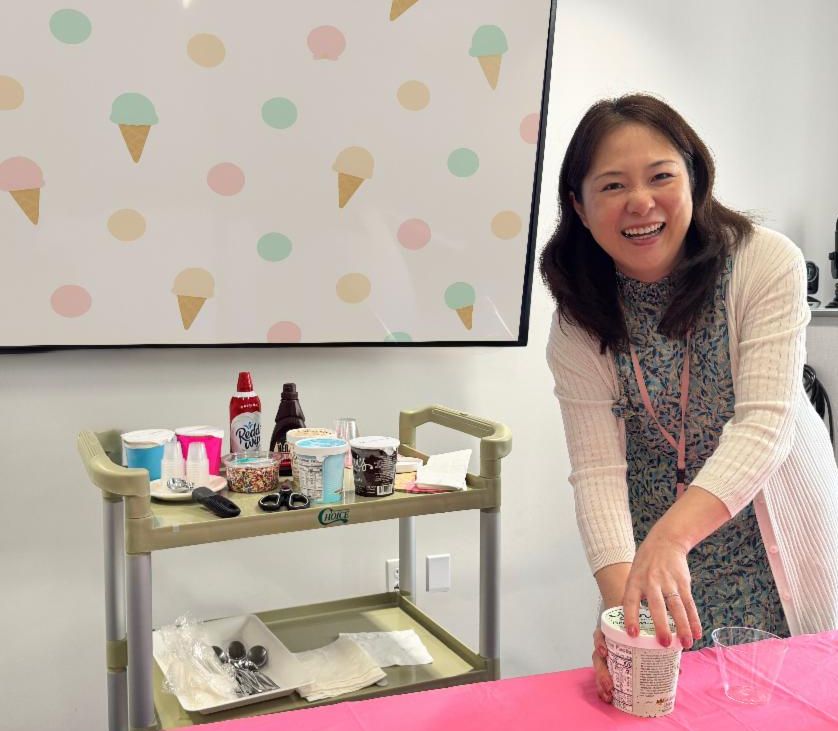
Last week, Sasakawa USA gathered for an ice cream social to celebrate the dedication and hard work our team has put in this year. The social provided the perfect opportunity to pause, connect, and enjoy a sweet and cool treat together.
A special thank you goes out to Ms. Sayuri Smith, office administrator at Sasakawa USA, who thoughtfully organized the social. Her attention to detail made the afternoon extra special for all, from selecting a variety of flavors to arranging activities that brought laughter and camaraderie to the group.
We are grateful for all that our team accomplishes and for moments like these that remind us of the importance of coming together. With this spirit, we look forward to building on our work and advancing the mission of Sasakawa USA in the months to come!
Photo: Ms. Sayuri Smith
| | US-Japan NEXT Alliance Initiative: AI Summary | | |
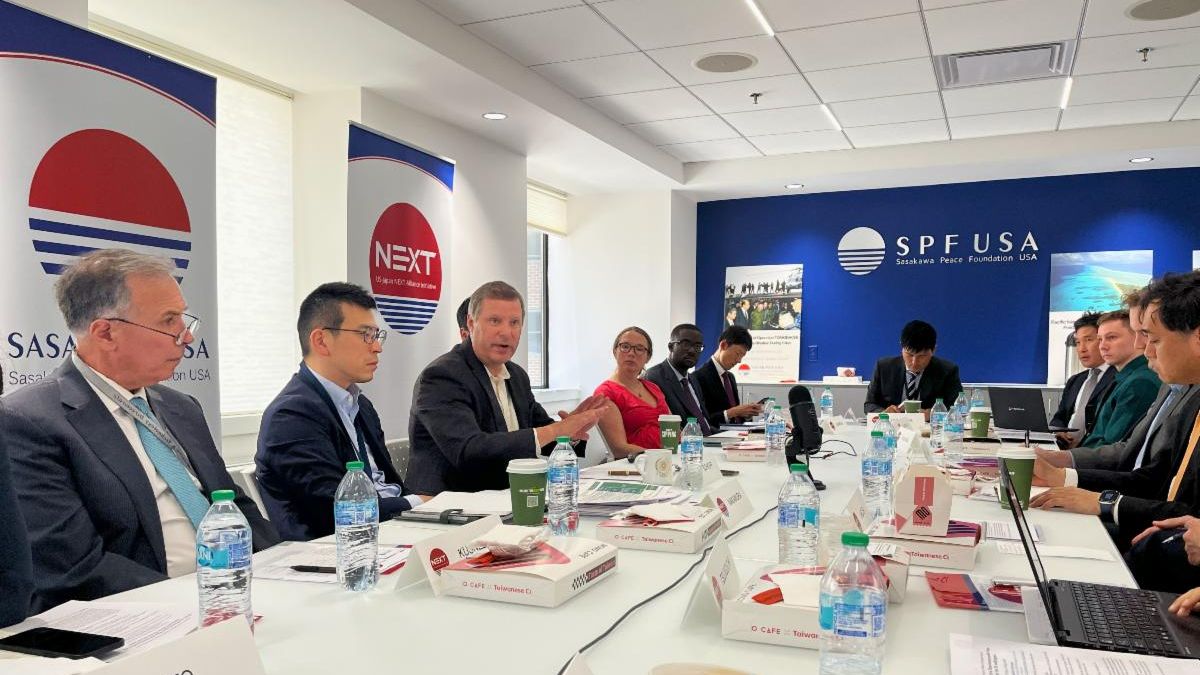
The US-Japan NEXT Alliance Initiative published a summary of its latest bilateral artificial intelligence (AI) dialogue, held on June 24 under the theme “Allied on AI Assurance: New Directions under New Administrations for the US and Japan.” The dialogue brought together approximately 20 American and Japanese specialists from government, think tanks, and the private sector. The summary recaps opening remarks by Dr. Takeshi Takahashi, director general at Japan’s National Institute of Information and Communications Technology (NICT), Ms. Kellee Wicker, vice president at the Meridian International Center, and Counsellor Tomohiro Nakamura of the Embassy of Japan. The participant discussion, moderated by Sasakawa USA Senior Director James Schoff, covered key points in advancing cooperation in national security AI governance. Major topics of discussion included national shifts in thinking about AI safety, how to mitigate emerging differences between Japan and the United States, and possible areas of collaboration.
Photo: NEXT Alliance Initiative guests discuss the future of U.S.-Japan AI cooperation at Sasakawa USA in June 2025.
| | Ambassador Derek Mitchell Joins Sasakawa USA as Distinguished Senior Fellow (non-resident) | | |
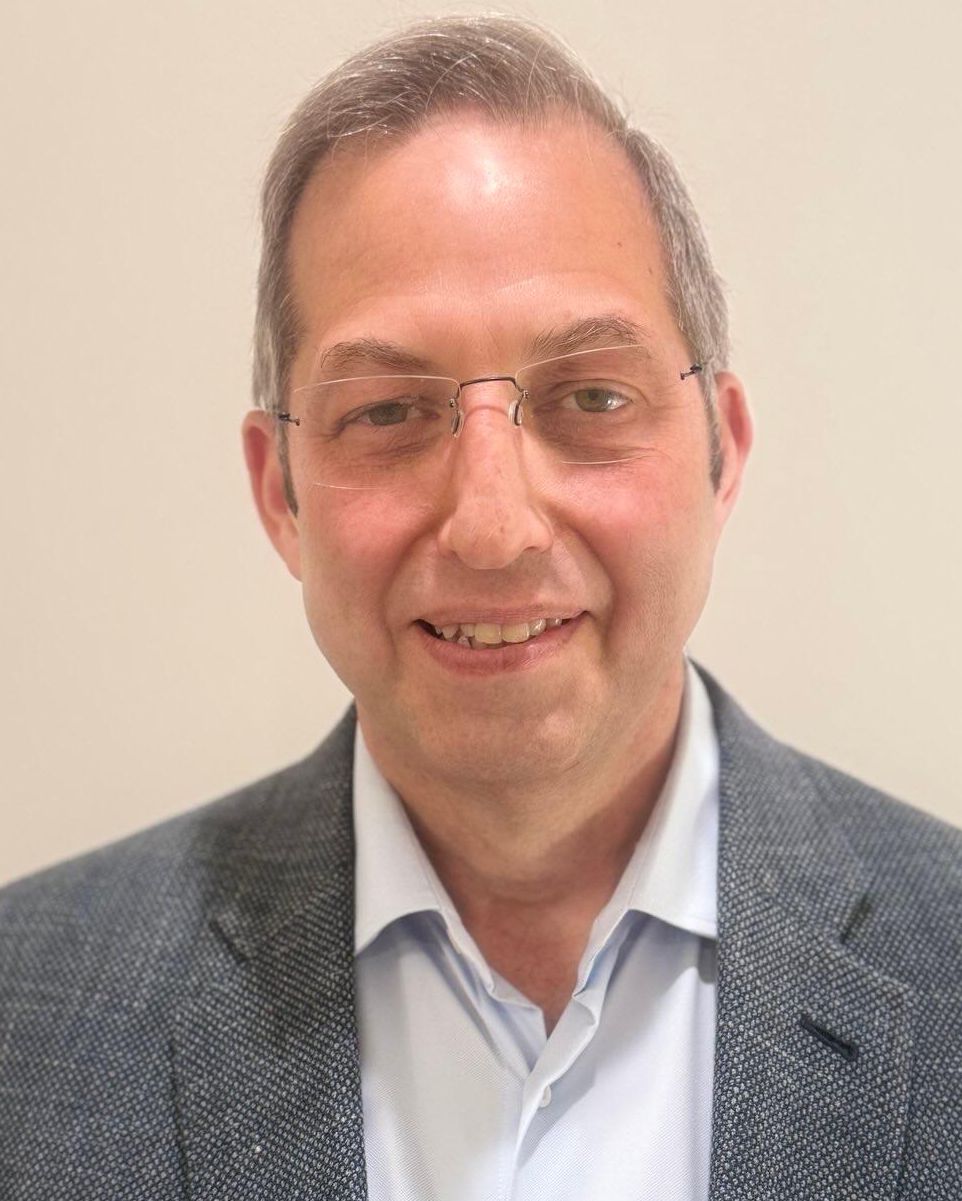
Sasakawa USA is pleased to announce that Amb. Derek Mitchell has joined our team as a distinguished senior fellow (non-resident).
Amb. Mitchell brings a wealth of strategic insight and a lifelong commitment to democratic governance and security in the Indo-Pacific region. Over the course of his distinguished career, he has also developed a deep understanding of the political dynamics in Asia. With his appointment as distinguished senior fellow (non-resident), we are confident that Amb. Mitchell’s expertise will further enhance the activities and impact of Sasakawa USA. Among his first activities, he is expected to embark on a one-week research trip to Japan as part of Sasakawa USA’s U.S.-Japan Research Exchange program.
Derek Mitchell is a senior adviser to the President and Asia Program at the Center for Strategic and International Studies in Washington D.C. Between 2018 and 2023, Amb. Mitchell was president of the National Democratic Institute, a U.S.-based non-profit, non-government organization dedicated to supporting democratic development worldwide. From 2011-16, he served as U.S. special envoy and then ambassador to Burma (Myanmar), the first in 22 years, during a historic period in the country’s nascent democratic transition. From 2009-11, Amb. Mitchell oversaw the Obama Administration Defense Department’s Asia policy as the Principal Deputy Assistant Secretary of Defense for Asian and Pacific Security Affairs and acting Assistant Secretary. Amb. Mitchell had previously served at Defense as Special Assistant to the Deputy Assistant Secretary for Asian and Pacific Affairs during the Clinton Administration, and from 2001-2009 served as senior fellow for Asia in CSIS’s International Security Program, where he founded the Center’s Southeast Asia Program.
Amb. Mitchell is currently Practitioner Fellow at Oxford University’s Centre for Democratic Resilience, Board member at the Institute for Indo-Pacific Security, and writing a book about Myanmar, entitled “Myanmar Days: A Chronicle of Diplomacy and Democracy,” to be published by Columbia University Press.
Photo: AMB Derek Mitchell
| | |
US-Japan NEXT Alliance Initiative:
Launch of Updated Cybersecurity Organization Maps
| | |
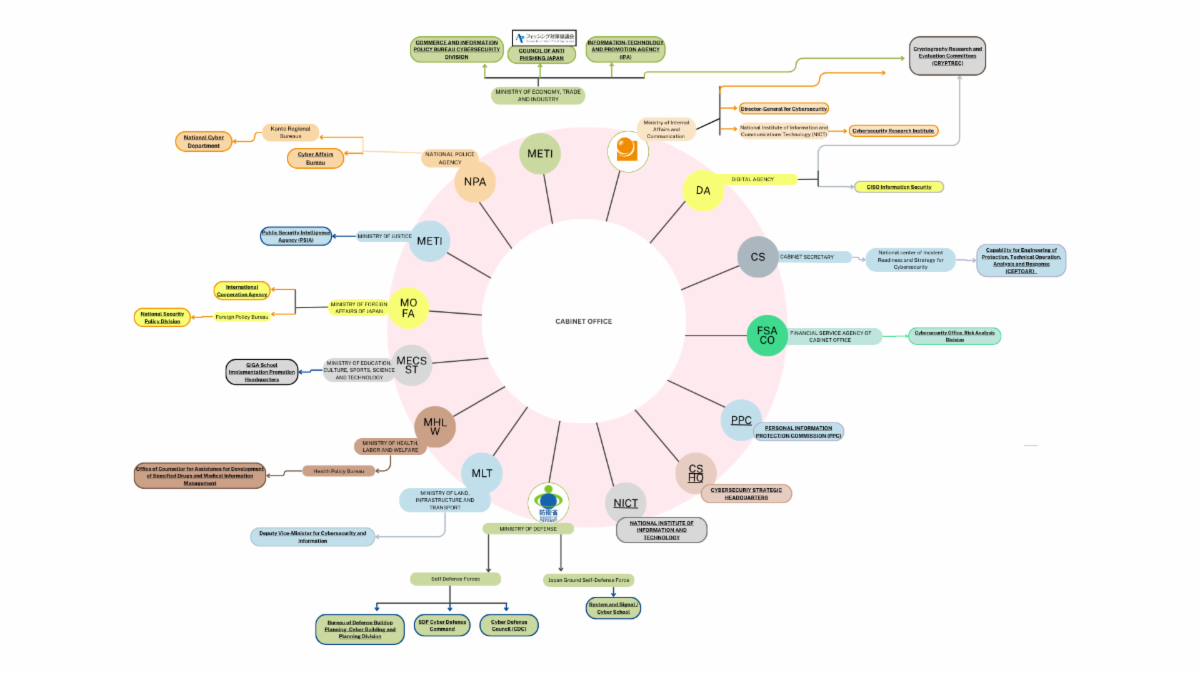
The US-Japan NEXT Alliance Initiative debuted new interactive cybersecurity organizational maps covering both the U.S. and Japan cyber landscape. These maps are updated additions of the U.S. cyber map launched previously in 2024, combined with new maps for Japan. The newly published generation of mapping tools introduces a smoother, color-coded design to foster greater mutual understanding of how each country manages cybersecurity governance and resilience. They also take into account Japan’s new Active Cyber Defense legislation and creation of a new National Cybersecurity Office. Additionally, users can access more in-depth summaries on cybersecurity organizations through fact sheets made available on each organization’s page. NEXT created these interactive “maps” to help interested scholars, students, and policy makers visualize how the US and Japan organize themselves to address cybersecurity challenges. We hope that these tools will be useful in deepening and facilitating alliance cooperation.
Image: Updated map preview
| | |
Japan US Military Program (JUMP):
JUMP Camp Lejeune
| | |
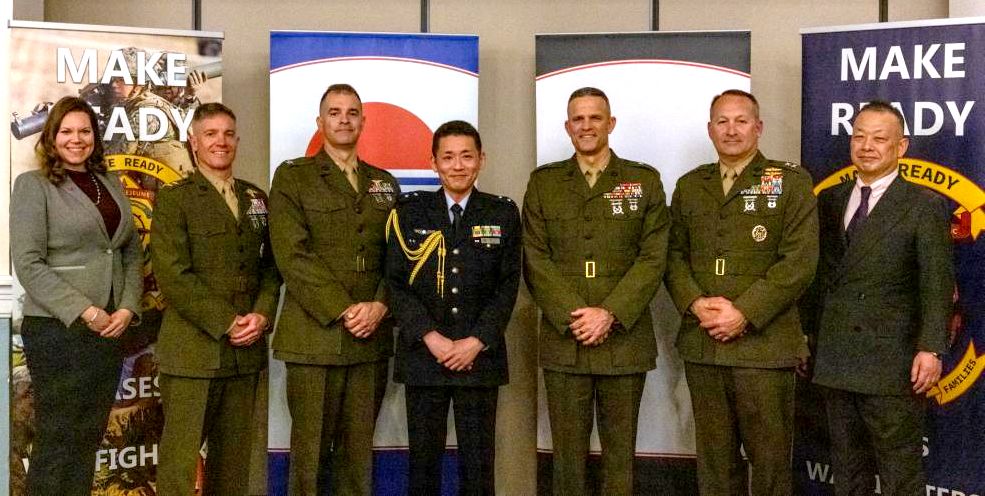
On Wednesday, August 6, 2025, Sasakawa USA will hold the Japan US Military Program (JUMP) event, "Force Design 2030: The Importance of Marines in the U.S.-Japan Security Alliance" at Marine Corps Base Camp Lejeune in North Carolina in partnership with the Embassy of Japan. The JUMP event will bring together U.S. Marine Corps personnel to hear from senior officers with deep experience in the U.S.-Japan alliance, including LtGen Wallace "Chip" Gregson (USMC, Ret.); BGen Ralph J Rizzo (USMC), and Col Satoshi Masaka (JGSDF). The event will include keynote remarks examining the current context and future development of the role of the U.S. Marine Corps as an important component of the U.S.-Japan security alliance amid its ongoing evolution to deal with the complex security environment in the Indo-Pacific.
JUMP is a partnership between Sasakawa USA and the Embassy of Japan, which honors U.S. military personnel and veterans for their contributions to the U.S.-Japan security alliance and engages them in high-level dialogue with U.S.-Japan alliance leaders. JUMP is made possible by financial support from the Embassy of Japan.
Photo: (left to right): Ms. Shanti Shoji, MajGen Matthew Trollinger (USMC), Col Garth Burnett (USMC) Maj Gen Hiroyuki Sugai (JASDF), BGen Andrew Niebel (USMC), MajGen Scott Benedict (USMC), and Dr. Satohiro Akimoto at the previous JUMP Camp Lejeune event in 2023. (U.S Marine Corps photo by Cpl. Jennifer E. Douds)
| | |
Event with JETAASE in Atlanta:
Kakehashi Careers:
Real Talk with U.S.-Japan Professionals
| | |
On August 13 in Atlanta, Georgia, Sasakawa USA, in partnership with USJETAA, will support JETAA Southeast (Japan Exchange and Teaching Alumni Association Southeast) as they host the event “Kakehashi Careers: Real Talk with U.S.-Japan Professionals.” The event is held in collaboration with the Japan-America Society of Georgia and Pasona.
This in-person event will provide information about professional opportunities available to JETs in the greater Atlanta area, career paths post-JET, and networking opportunities. It will feature remarks from three former JETs who have worked in a variety of fields - Trevin Dye, assistant director of Japan External Trade Organization (JETRO); Scott McMurray, deputy commissioner of Georgia Quick Start; and Katherine Samford, director of the Georgia Tech Language Institute. The event will be moderated by Shanti Shoji, director of programs at Sasakwa USA.
| | |
Sasakawa Peace Foundation USA
1819 L Street, NW, Suite 300
Washington, DC 20036
+1.202.296.6694
| | | | |