NASN Applauds Introduction of More Nurses in Rural Schools Act

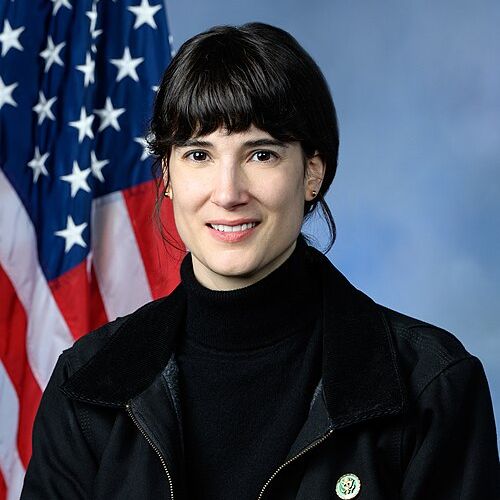
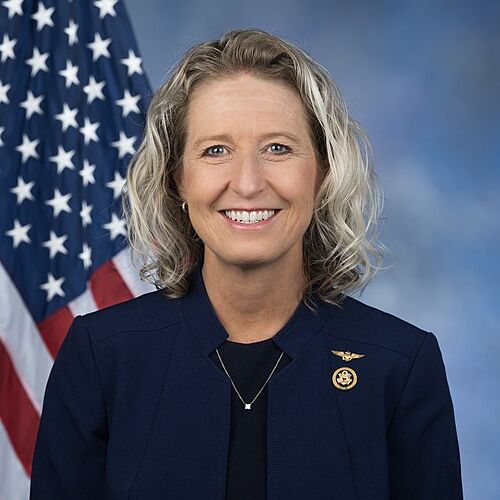
Representatives Marie Gluesenkamp Perez (D-WA) and Jen Kiggans (R-VA) introduced the bipartisan More Nurses in Rural Schools Act, HR 10694, legislation that would expand access to the National Health Service Corps Loan Repayment Program for school nurses serving in elementary or secondary schools located in Health Professional Shortage Areas. 


The National Health Service Corps Loan Repayment Program helps recruit and retain health professionals in shortage areas, but school nurses have generally been excluded because school-based practice does not fit current eligibility requirements. The More Nurses in Rural Schools Act would address that gap by making qualifying school nurses eligible for loan repayment. By reducing the student loan burden for nurses serving underserved communities, the bill could strengthen recruitment and retention and improve students’ access to school health care. 


NASN President Lynn Nelson called the legislation "an important step toward addressing persistent workforce shortages and ensuring that students in underserved communities are able to receive the timely, skilled care they need to stay healthy, safe, and ready to learn." Read more.

Rep. Marie Gluesenkamp Perez (D-WA)

Rep. Jen Kiggans (R-VA)

How to Take Action

Please visit NASN’s Action Center to advocate on this important issue. Click an issue, enter your information, and click Send Message to send your senators and representatives emails about these issues.


Robin Cogan Honored in the Congressional Record 

Senator Cory Booker (D-NJ) honored Robin Cogan in remarks on the Senate floor on September 30, recognizing her life and legacy as a nurse, school nurse advocate, and voice for children and school safety. The Senate entered his remarks into the Congressional Record. Read Senator Booker’s remarks here. 

New CDC Findings Highlight Progress and Persistent Challenges in Youth Health

CDC released its 2025 YRBS findings, Youth Health in Focus Report: Findings from the National Youth Risk Behavior Survey 2015–2025, highlighting two-year changes and 10-year trends in key health behaviors and experiences among U.S. high school students. 


The report focuses on nutrition, physical activity, sleep, digital behaviors, and mental health and suicide risks and provides a broad picture of the health and well-being of U.S. high school students. 


From 2023 to 2025, several indicators improved, including daily fruit and vegetable intake and multiple measures of mental health and suicide risk. At the same time, the 10-year trends show persistent concerns, including declines in physical activity and sleep and a higher prevalence of persistent sadness or hopelessness.  


For school nurses, the findings underscore the need for sustained, evidence-based strategies that support students’ physical and mental well-being and strengthen healthy school environments. 

GAO: Facility Problems Disrupted Learning for Millions

The Government Accountability Office (GAO) reported that school facility problems disrupted learning nationwide during the 2024–2025 school year. GAO estimated that 19% of school districts canceled school due to facility issues, affecting about 2 million students and resulting in an estimated 3.5 million lost days of learning. Read more here. 


Are You Registered to Vote?

As Election Day approaches, decisions at the federal, state, and local levels will affect school health, nursing practice, and students. Make your voice heard. Confirm your voter registration status and make a plan to vote. Visit Nurses Vote. 


Update from New Jersey

A bill to protect the title “nurse” advanced in New Jersey this month. On October 5, the Assembly Regulated Professions Committee unanimously approved A2474, which would prohibit an unlicensed person from using the title “nurse” and would apply existing penalties of $200 for a first violation and $500 for subsequent violations. The bill, A2474, would add the standalone title “Nurse” to protections that already apply to titles such as registered nurse, licensed practical nurse, and advanced practice nurse. The bill was reported out of committee for second reading. Read more. 

Update from Iowa

The Iowa Department of Education launched a one-year School Nurse Mentorship Program pairing nurses in their first three years of school nursing with experienced mentors who have four or more years in the role. Participants can earn up to five continuing education hours, with learning opportunities focused on topics including chronic absenteeism, student mental health, school policy, and leadership. Read more. 

A Nurse in Every VA Public School: Advocating for the Health, Safety, and Well-Being of Every Student 

By Betsy Looney, BS, BSN, RN, NCSN, PLNC, FNASN 


Virginia is taking an important step toward strengthening school health services by proposing legislation that would require at least one licensed school nurse in every public school building. Although approximately 92% of Virginia schools have access to a school nurse, the remaining 8% do not. Every student deserves access to a qualified school nursing professional, regardless of the school they attend, the community in which they live, or the number of students enrolled in their building. On November 18, the School Health Committee will vote to move the proposed legislation forward. 


School Health Responsibilities Require Professional Nursing Oversight 


VASN argued that Virginia has reached a point where the Commonwealth cannot reasonably require schools to maintain emergency medications, automated external defibrillators (AEDs), naloxone, bleeding-control equipment, diabetes management systems, seizure rescue plans, chronic disease interventions, and extensive staff training without also ensuring that every school has a licensed healthcare professional responsible for the clinical oversight of these systems. 


Virginia Department of Health school health data collected annually by the Department of Education underscore the scope of these responsibilities. During the 2024–2025 school year, Virginia reported 7,447,814 student clinic visits, including 61,850 mental health visits. School health staff also administered 3,017,385 medications—an increase of 138,011 administrations from the previous school year. 


These figures illustrate the substantial volume of health-related needs addressed in schools. Each visit represents a student whose health may affect attendance, participation, safety, or the ability to learn. 


The reported prevalence of students without a primary healthcare provider further emphasizes the importance of school-based health services. When children lack consistent access to healthcare outside school, the school nurse's role in identifying health concerns, connecting families with resources, and supporting continuity of care becomes even more significant. 


School nurses also contribute to early identification of health and mental health concerns, helping connect students and families with appropriate services before problems become more serious. Their work supports not only individual students but also the broader health and well-being of school communities. 


Advocacy Is a Professional Responsibility 


The proposed Virginia legislation has generated attention from news outlets and support from stakeholders throughout the Commonwealth. This momentum demonstrates the importance of collaboration among school nurses, professional nursing organizations, healthcare providers, educators, families, policymakers, and community leaders. 


Virginia's initiative also provides an opportunity for school nurses across the nation to reflect on their own states' school health requirements and consider whether every student has equitable access to a licensed school nurse. Every student deserves a school nurse!


News coverage of Virginia's School Nurse Initiative

View as Webpage

Facebook  Instagram  LinkedIn  YouTube