|
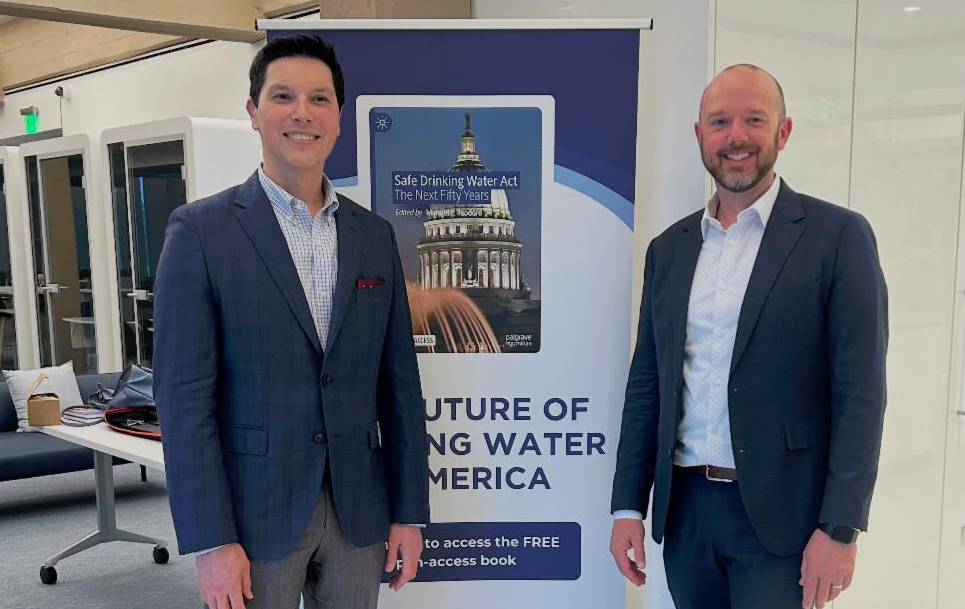
This month, the Water & Health Advisory Council, in partnership with Rogue Water Lab and the Reservoir Center for Water Solutions, hosted the Pitch Lab and Networking Reception, bringing together water sector professionals and leaders to discuss policy and effective communication strategies. Council members Alan Roberson, Manny Teodoro, and Chad Seidel shared insights from their open-access book, Safe Drinking Water Act: The Next Fifty Years, which explores the future of drinking water systems and examines key issues including consolidation, equity in water policy, workforce, and governance. Attendees also had the opportunity to engage with speakers, connect with peers, and access the full publication.
To read Safe Drinking Water Act: The Next Fifty Years, download here.
| | | |
Council member Manny Teodoro Talks Environmental Justice in Drinking Water
Environmental justice in drinking water means ensuring safe, affordable, and reliable water for everyone, alongside equal enforcement of standards across all communities.
In this video series, council member Manny Teodoro highlights the importance of consistent enforcement when regulations are not enough.
| | | |
Water and Health Advisory Members Join the Water Loop Podcast
Council chair Kathryn Sorensen and members Manny Teodoro, Chad Seidel, and Alan Roberson, and Joseph Cotruvo, and Janet Anderson joined The Water Loop podcast to discuss water policy, public health, and the Madison Declaration in the open-access book Safe Drinking Water Act: The Next Fifty Years. Council members laid out a path forward for water infrastructure through stronger governance, equity, and science-based risk prioritization, and how communication tools can brings back consumer confidence.
| | | |
Council Member Chad Seidel Speaks at the AMWA Water Policy Conference
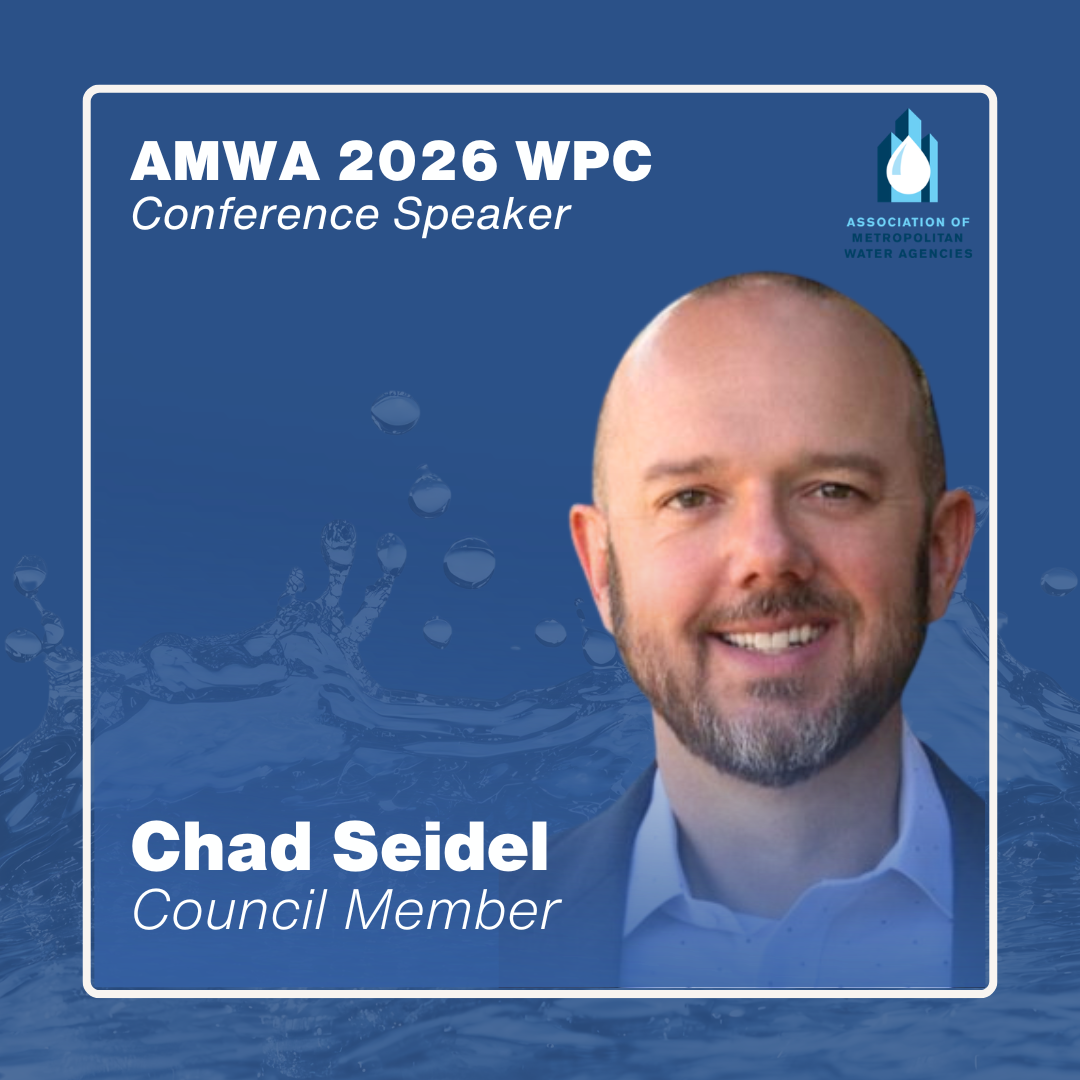
Council member Chad Seidel spoke at the AMWA Water Policy Conference, presenting findings from a joint AMWA-AWWA study that analyzed data from 40 federally owned buildings to examine their connection to Legionella occurrence. Legionella is the largest water public health risk we face today, with water systems and building owners sharing responsibility for maintaining water quality.
| | | |
Water and Health Advisory Council Partners with the Reservoir Center
The Water & Health Advisory Council is pleased to announce its partnership with the Reservoir Center. This collaboration represents an important step in advancing industry dialogue by bringing together policymakers, advisors, and water sector professionals to share insights and drive innovation.
| |
Why some officials are worried about Maine’s drinking water infrastructure
Officials in Maine are raising concerns about the reliability of drinking water systems after recent water main breaks caused service disruptions and boil-water advisories. Aging pipes, some dating back to the late 1800s, are contributing to more frequent failures.
Experts recommend replacing about 1% of pipelines each year to keep up with deterioration, but many systems fall short due to rising costs and limited funding.
As infrastructure continues to age, these challenges highlight the need for sustained investment and long-term planning to ensure safe, reliable drinking water for communities across the state.
| |
San Joaquin County seeks $2 million in federal funds to help replace aging water pipes in Lincoln Village
San Joaquin County is seeking federal funding to replace aging water pipes in Lincoln Village, an important step toward strengthening the community’s water infrastructure.
These upgrades are expected to improve water quality and reliability, helping address pressing public health concerns tied to outdated systems.
This effort highlights the importance of investing in modern water infrastructure to protect safe, accessible drinking water for all residents. As communities face growing pressure on water systems, long-term investments are essential to support sustainability, reliability and public health.
| |
San Francisco proposes major water, sewer rate increases by summer to upgrade infrastructure
San Francisco officials proposed significant increases to water and sewer rates to fund long-needed upgrades to aging infrastructure. The plan, introduced by the San Francisco Public Utilities Commission, would raise combined household bills by about 23% over two years, with initial increases beginning in July 2026.
Proposals like this highlight the growing challenge utilities face in maintaining reliable service as systems age and costs rise. Upgrading infrastructure and meeting regulatory requirements will require sustained funding and long-term planning, while balancing affordability for the communities these systems serve.
|
EPA Announces $30 Million to Help Small and Rural Communities Protect Their Water
The EPA announced $30 million in grant funding to help small and rural communities improve drinking water and wastewater systems through training and technical support. The funding will help utilities strengthen operations, manage costs, and meet federal water safety standards.
More than 90% of U.S. drinking water systems serve fewer than 10,000 people, and many face challenges like aging infrastructure, limited staff, and tight budgets.
Investments like this highlight the need for stronger support for small systems. Expanding access to training and resources will be key to ensuring safe, reliable water service and protecting public health.
| |
Tennessee legislature passes bill setting new rules for failing wastewater systems
Tennessee lawmakers have passed new legislation to strengthen oversight of failing wastewater systems, especially private systems in small and rural communities. These systems are often used in areas without sewer infrastructure, and a 2024 review found more than half were not meeting requirements, in some cases allowing wastewater to run off near homes and waterways.
The new law sets clearer standards, expands state oversight, and allows action when systems cannot provide safe and reliable service. As aging infrastructure and limited resources continue to strain systems nationwide, efforts like this highlight the need for stronger oversight, support, and long-term investment to protect public health.
|
New Cooling Tower Testing Rules Aim to Quell Legionnaires’ Disease Outbreaks
New York City property owners will be required to test cooling towers more frequently under updated Department of Health and Mental Hygiene rules aimed at preventing Legionnaires’ disease outbreaks. The policy increases testing from every 90 days to monthly sampling and adds new reporting and enforcement requirements, including higher penalties for noncompliance.
The changes follow a recent outbreak in Harlem that killed at least seven people and sickened more than 100, underscoring the risks associated with poorly maintained building water systems.
Strengthening testing and oversight will be critical to reducing risk and protecting public health. Policies like this highlight the importance of consistent monitoring, timely remediation, and sustained investment in building water system management.
| | | | |