GARDENING TIPS TO MAKE HOME YOUR HAPPY PLACE
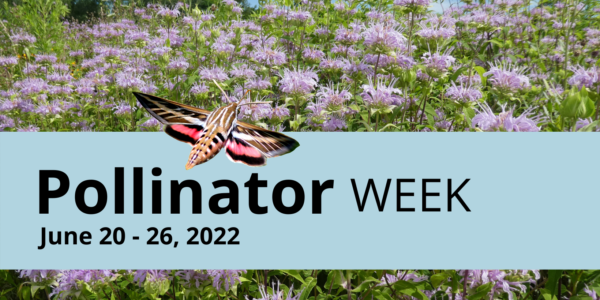
The purpose of national pollinator week is to spread the word about the importance of these fantastic creatures and their significant contributions to our ecosystem and worldwide food production.
Here at Earth Works, we are doing our part by encouraging pollinator gardening and sharing our love of Florida pollinators.
You can find much of the following information and additional important content at pollinator.org
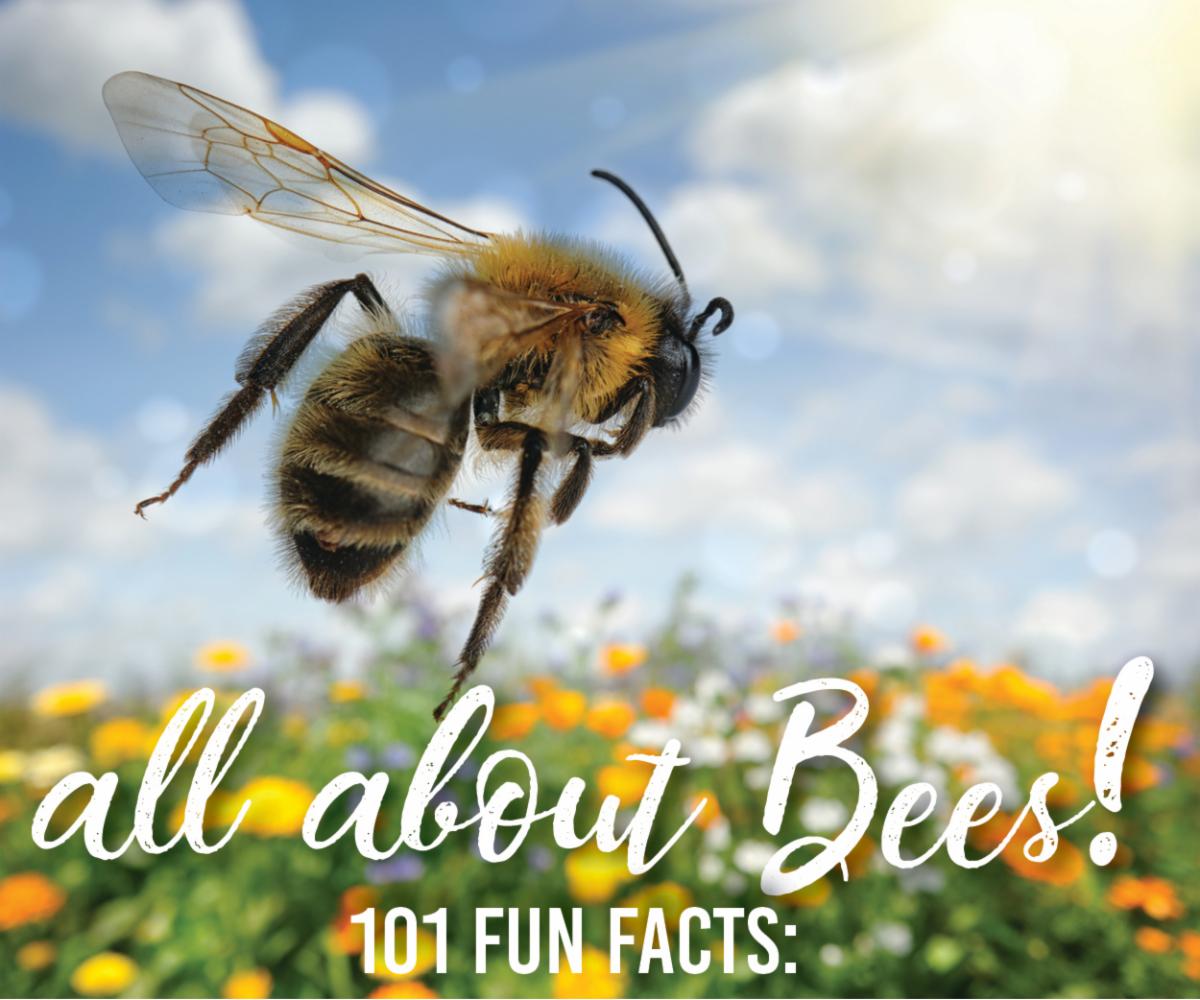
Honey bees are tied to so many facts and historical events. Bees are some of the most written about and studied creatures. There is always something new to learn about honey bees and their impact on our society over the years. Here are some interesting facts to remember as you learn more about honey bees.
Full article was published on Nov. 2, 2017, by beepods.com
Looking for a family fun activity? Plant a pollinator garden, then go butterfly spotting in your own backyard!
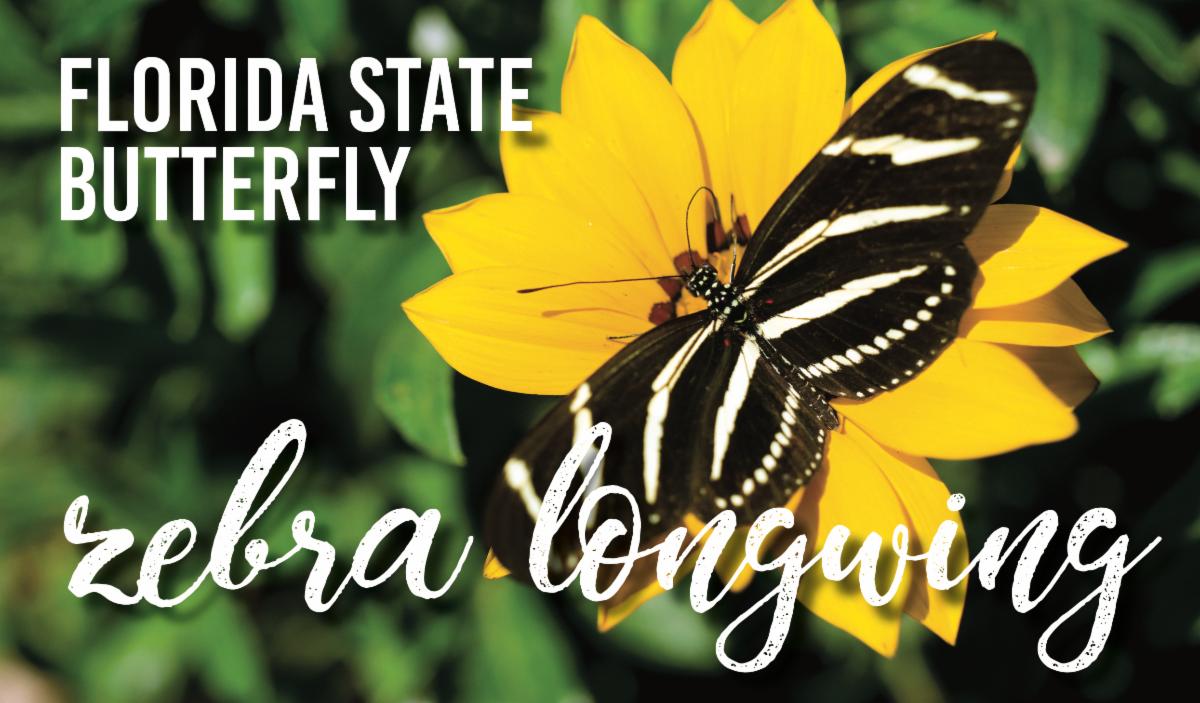
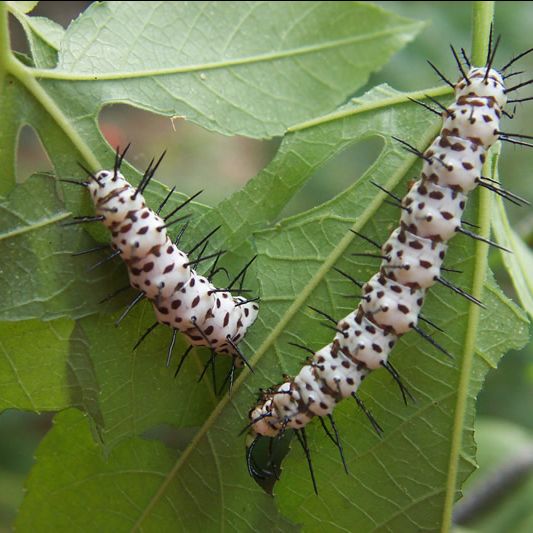
Caterpillar
The caterpillars are purely white with black dotted spots with frequent black spikes throughout the central part of the body. The head is yellow.
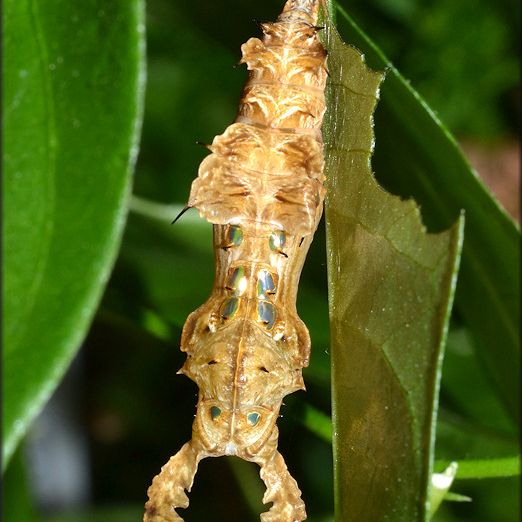
Chrysalis
The nymphs hang in their cocoon in such a way that they perfectly resemble dry, yellow leaves hanging from the branches.
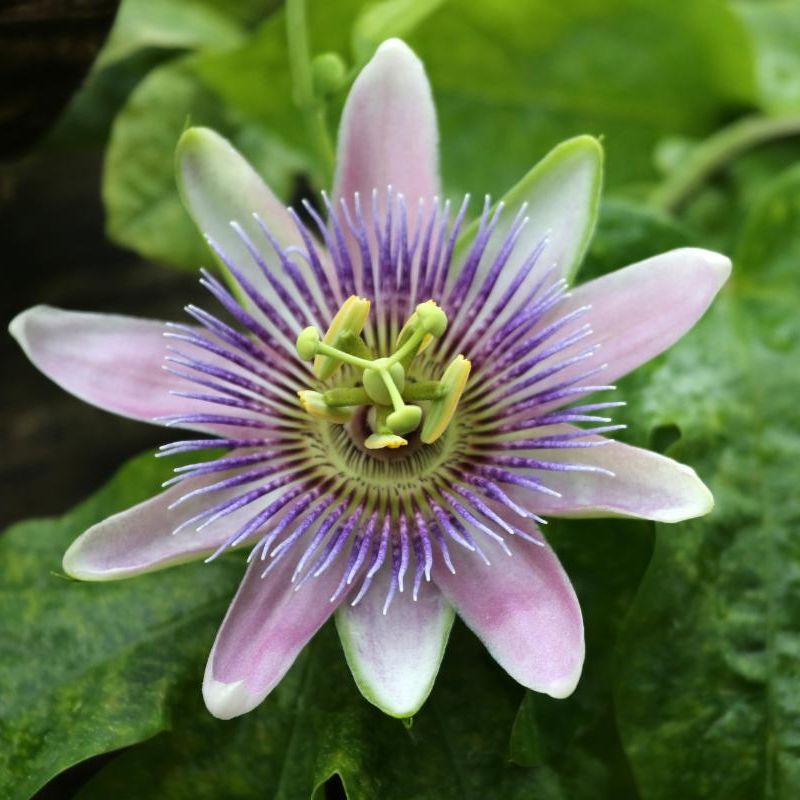
Host Plant
Zebra longwings host on Passionflower: Corkystem passionflower (Passiflora suberosa) Purple passionflower, Maypop (Passiflora incarnata) Yellow passionflower (Passiflora lutea)
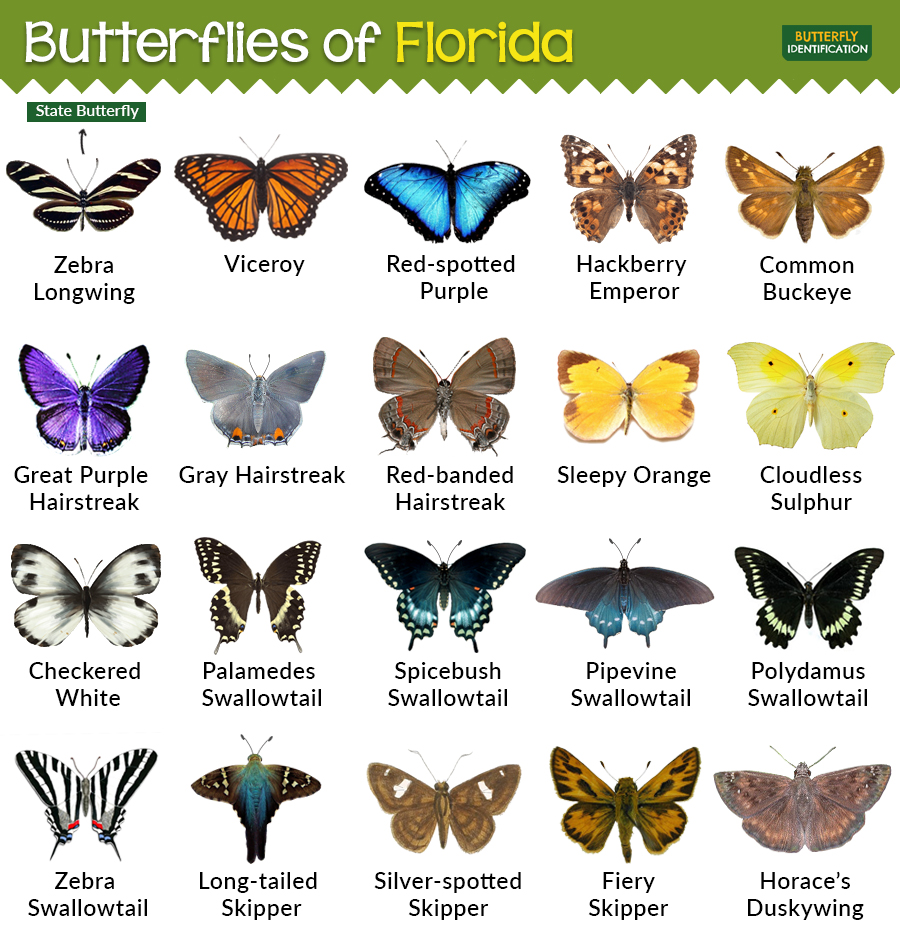
Source: Butterflyidentification.com
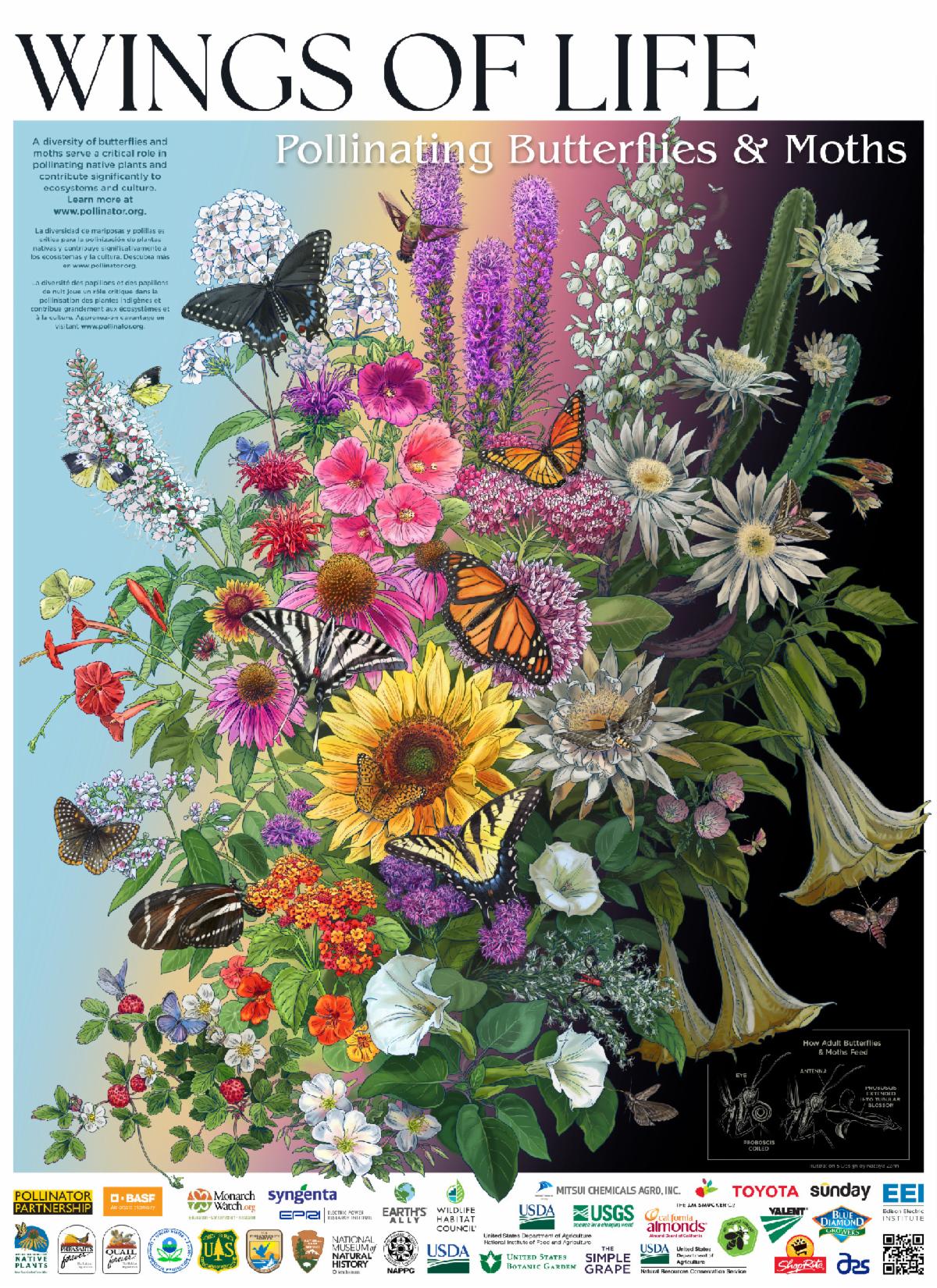
Order this glorious poster and support
The Pollinator Partnership.
Its mission is to promote the health of pollinators, critical to food and ecosystems, through conservation, education, and research.
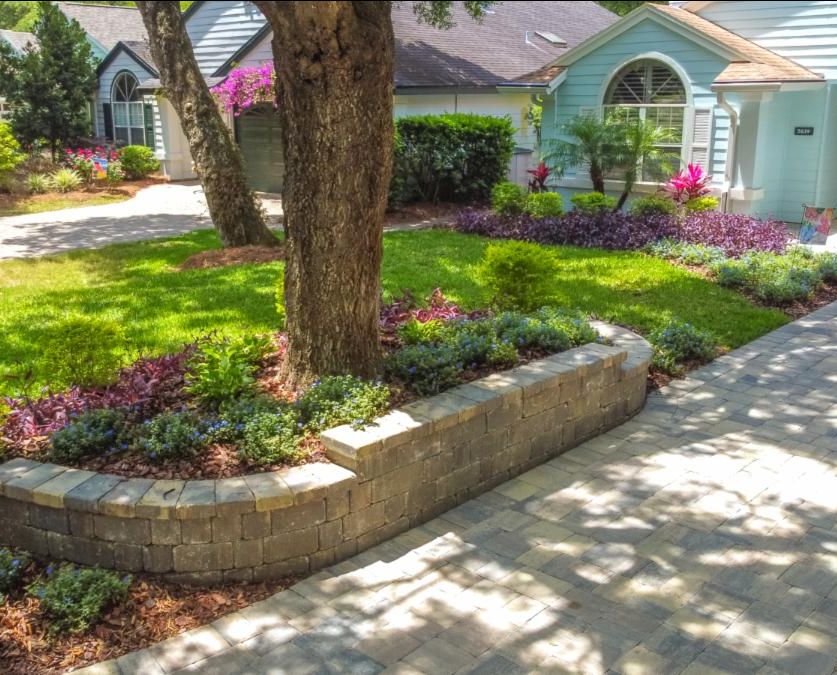
LANDSCAPE PROJECT OF THE MONTH
Creative use of retaining walls to contain tree roots, tame an uneven walkway and make room for a beautiful paver patio.
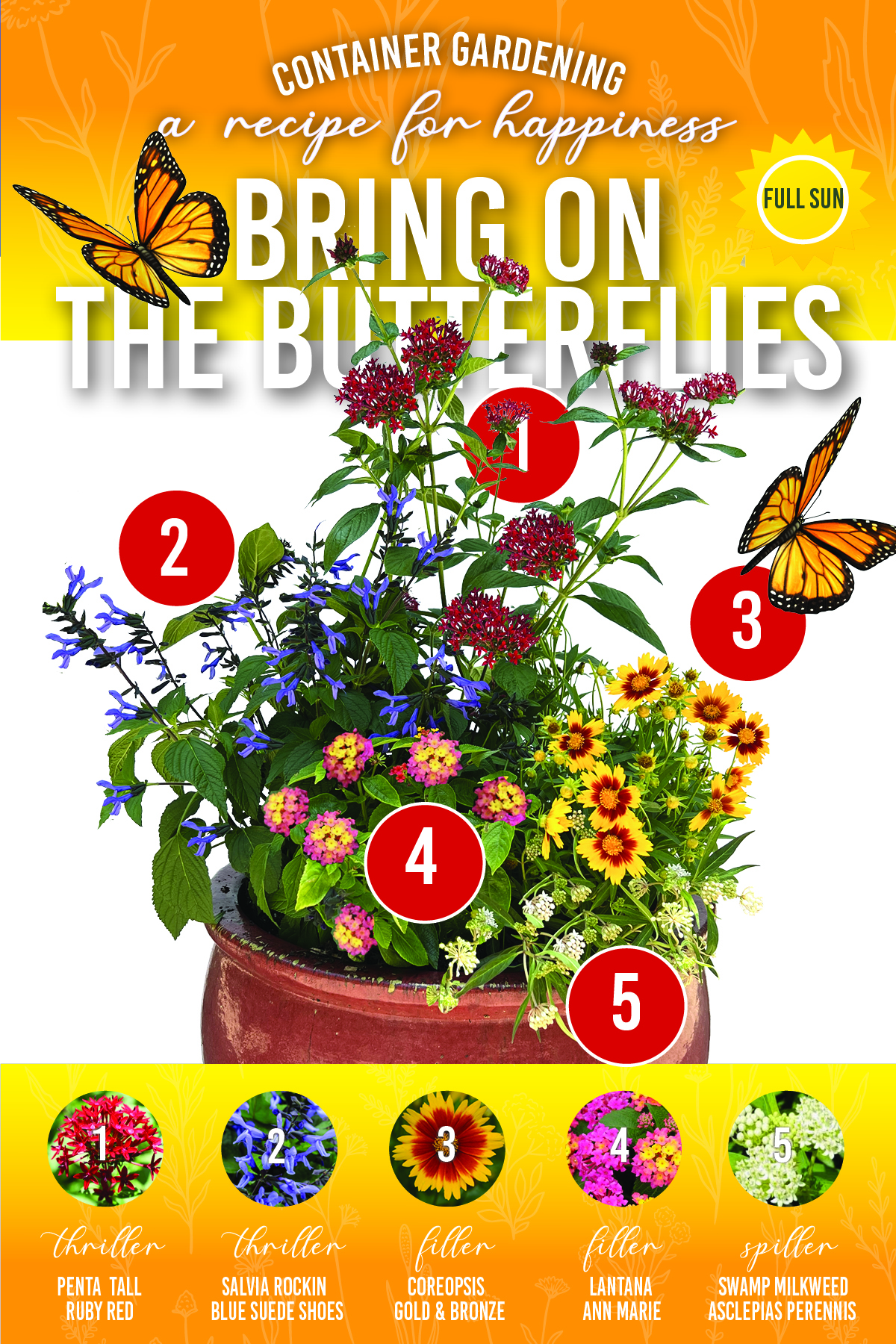
Summertime is the perfect time to invite fluttering friends to our yards. Many favorite pollinator plants are blooming in their full glory! You can't go wrong combining these full sun, heat-tolerant, pollinator-attracting beauties.
 
  1. Penta Tall Red Ruby is an excellent choice for a thriller plant growing to 36" high and producing deep red, butterfly-attracting blooms consistently all season.
  2. Salvia Rockin' Blue Suede Shoes® This Proven Winner variety of salvia is deer resistant, long-blooming, and a favorite of butterflies, bees, and hummingbirds.
  3.  Coreopsis Gold & Bronze fills in with a sunny pop of yellow color. It is easy to grow and provides long-lasting cut flowers all summer.
  4. Lantana Anne Marie is a perfect filler spreading from 24"-36" wide, easy to grow, heat tolerant, drought tolerant, prolific bloomer, and attracts butterflies and hummingbirds.
  5. Swamp Milkweed is easy to grow; both larval host and nectar source for the Monarch Butterfly!
LAWN MAINTENANCE TIPS FOR JUNE
Beat the heat!
Extreme heat solutions for your yard and garden.
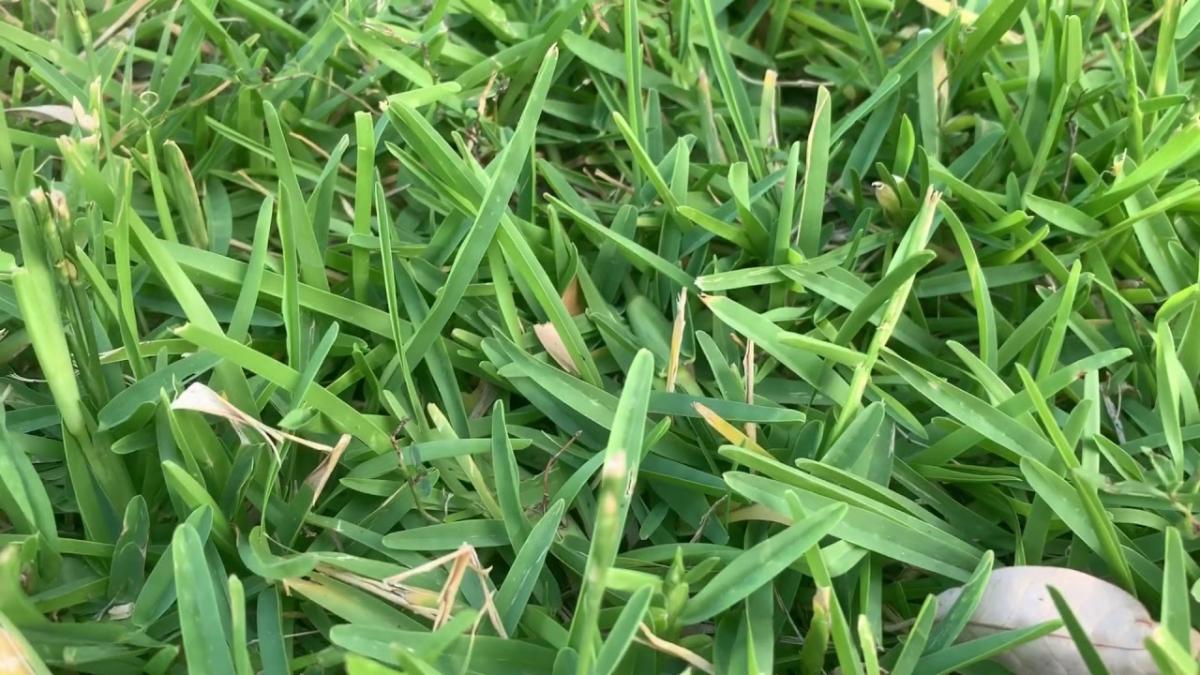
Signs of heat-stressed St. Augustine sod

Folding Grass Blades
St. Augustine sod has a vein through its leaves, allowing it to open and close as needed. Well-watered grass will appear almost completely flat and open. Heat-stressed leaf blades will close in half to conserve water, reducing sun exposure. The folded blades will give the lawn a faded look instead of the deep green color of the healthy open edges.
Grass Blades Spring Back Slowly
If your footprints on St. Augustine sod last more than 10 -15 seconds, your lawn is most likely suffering from drought stress. Healthy turf will return to the upright position within 5 seconds of being walked upon
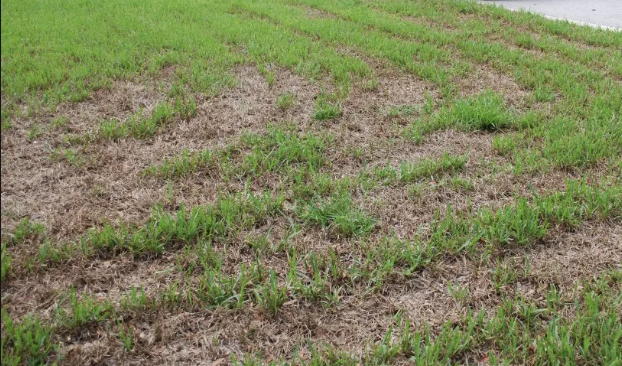
Mower Tracks
Visible brown streaks on your lawn 3 – 5 days after mowing indicate inadequate water. The heavy mower tires break the blades and lead to dead tracks within a few days.
Crushing Sound Under Foot
Sod with plenty of water is soft and cushiony. Dry grass will audibly “crunch” and crackle as it’s stepped on.

What You Should Do
  1. Visually run through your irrigation system zone by zone to ensure complete lawn and landscape bed coverage.
  2. Make sure mower blades are sharp to avoid damaging heat-stressed lawns. Dull blades can damage grass and promote grey leaf spots.
  3. Give your annual and perennial beds extra water with a hose during long-lasting drought conditions.
  4. Use a nice layer of mulch to retain moisture in your landscape beds.
  5. Consider aeration and top dressing to help retain moisture and strengthen your lawn.
A bonus of properly watered turf is healthy deeper roots. These will protect your sod from any winter cold snaps.
Come Grow With Us!
Garden Center Hours
Monday through Saturday 9:00 am - 5:00 pm / Sunday 10:00 am - 5:00 pm
We would like to thank you all for your continued support!