|
Porsche DNA: More Than Sports Cars
In last week’s column I talked a little bit about what makes French cars so distinctive; unorthodox mechanical solutions, lightweight, aerodynamic bodies etc. What about German cars? And what about Porsche?
The way the brand is presented today is that of a sports car maker who has proven their designs in competition; and while they make several types of vehicles, they are all sports cars at heart. The brand’s DNA originates in the rear-engined 356 and 911 and their racing derivatives. This is all completely valid, but there is more to the story than that.
I don’t see the Porsche brand as starting in 1948, when Ferry Porsche built the first 49 aluminium 356’s in an old saw mill in Gmund, Austria. I see the brand starting with his father, Ferdinand Porsche Sr., nearly 50 years earlier. Ferry worked alongside his father through the 30’s and 40’s at Porsche’s design office in Stuttgart. The manufacturer Porsche, as we know it today, is really a continuation of his father’s work. At least that is the way I see it.
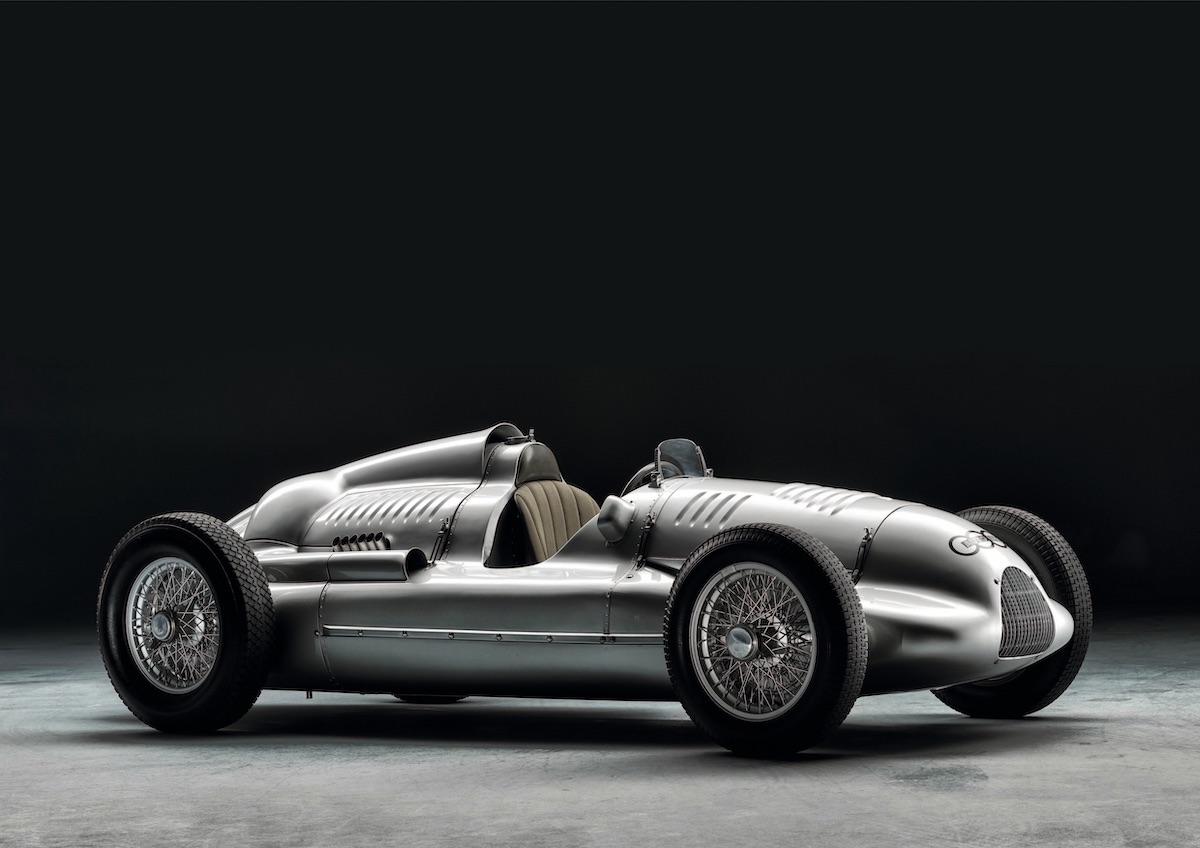
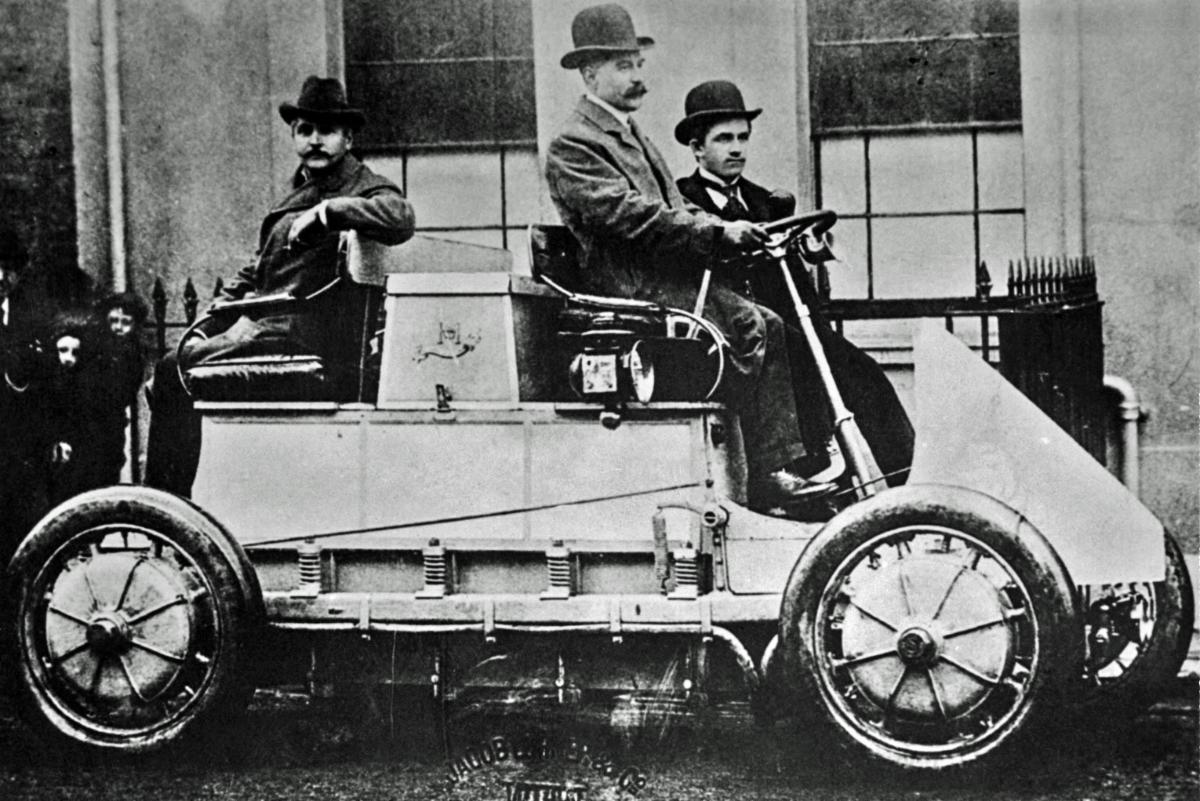
With all my training with Porsche - being with the brand for almost 10 years - they don’t really talk a lot about Ferdinand Porsche Sr. apart from mentioning his first car, the electric Lohner-Porsche, and briefly mentioning the Auto Union Grand Prix car and the Mercedes-Benz SSK. The reason he doesn’t get more attention is that a lot of the other work he did, including designing and constructing the VW Beetle, was for belligerent governments.
|  | |
In terms of the composition of the Porsche DNA, I see the sports cars as a significant, but small part of the brand; which I would characterize as a 120 year old engineering dynasty. Porsche is a pillar of Germany’s contribution to mechanized transport, including those vehicles used for the military.
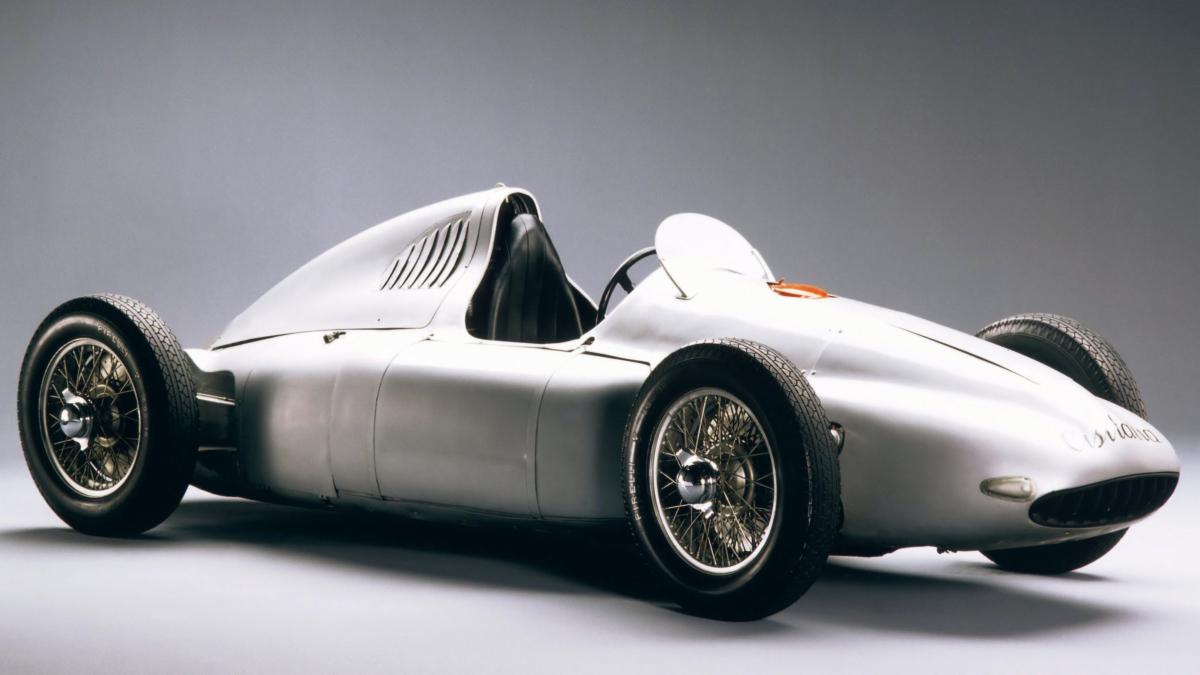
Ferdinand Porsche was an engineer, not a politician. By all accounts he used his position as one of Germany’s most respected engineers to look after the men who worked in his factories, including those POW’s who were forced during wartime. Nevertheless, he was interned by the French along with Anton Piech (Ferdinand Piech’s father, married to Louise Piech - Ferry’s sister), and accused of using French POW’s as slave labour in his factories. The French required a payment of 1M Francs to release them. It was the consultancy earnings from the Cisitalia Grand Prix car that paid for the release of Dr. Porsche. Cisitalia’s success producing small displacement sporting cars based on common Fiat mechanicals was influential in Porsche’s decision to produce the 356...
|  | |
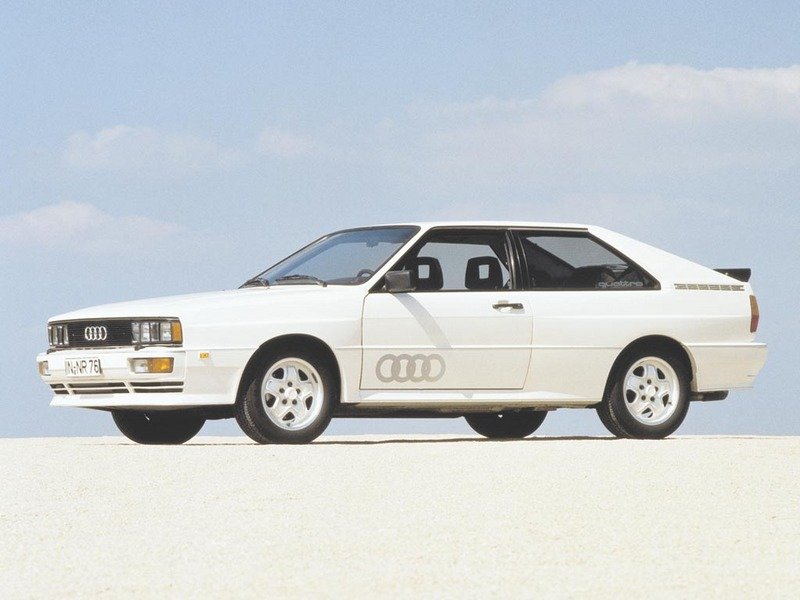
Ferdinand Peich carried the Porsche DNA from Porsche to Audi and Volkswagen. He developed the first 911 engine with Hans Mezger, created the 917 Le Mans racer, and then moved to Audi to develop the Quattro. As Chairman of the VW/Audi/Porsche Supervisory Board he developed the ‘one litre per 100km’ VW XLI, Phaeton (Bentley Continental) and Bugatti Veyron.
| |
Let me add a counterpoint to the conventional wisdom as it applies to Porsche:
| |
1) A ‘real’ Porsche has its engine behind the rear axle.
The first car to be called a ‘PORSCHE’ was of course the 356, the first run being built by hand with aluminium bodies in Austria. But the prototype 356 was a mid-engined sports car. It was ease of manufacturing and parts sharing with the VW Beetle that led to the change to a rear engine design. All the other sports/racing cars designed by Ferdinand and Ferry Porsche (Auto Union, Cisitalia, 550 Spyder) were mid engined.
|  | |
2) A ‘real’ Porsche doesn’t have an electric motor.
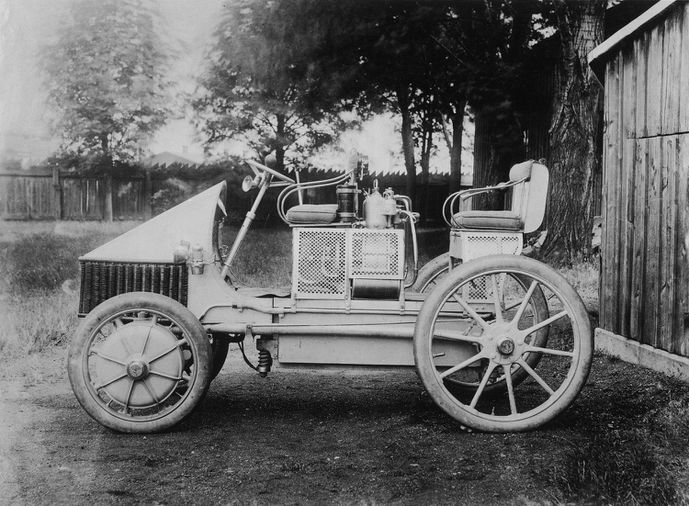
Ferdinand Porsche’s first car, the 1901 Lohner-Porsche was an electric car. Next he added a ‘portable generator’ to make the ‘Semper Vivus’ (always alive) which was one of the first gas/electric hybrids. The ‘Mixte’ series did away with the large storage battery with the electric motors getting power directly from a combustion-engined generator. The ‘Mixte’ concept was licensed by Mercedes-Benz and was used to power many of Ferdinand’s military artillery tugs, road trains and other vehicles designed to transport heavy loads over rough terrain. In fact, a Porsche-designed vehicle powered by electricity has been produced for more than fifty of the years since 1900.
|  | |
3) A Porsche is a simple, lightweight vehicle
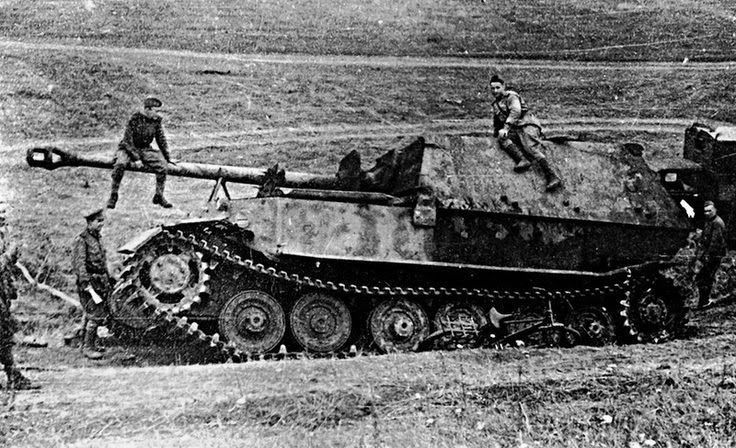
There were certainly a few simple, lightweight designs such as the Beetle and original 356, but there were a lot more that were very complex and many that were extremely heavy. The Lohner-Porsche electric car was over 6,000lbs - so heavy that the pneumatic tires of the day wouldn’t last very long and spoiled the car’s reliability trials. The magnificent Mercedes-Benz SSK is one of the largest automobiles to only hold two occupants. The 1943 ‘Elephant’ or ‘Ferdinand’ tank weighed 65 tonnes (143,000lbs) and was dispatched with three recovery tanks in case it got stuck.
| 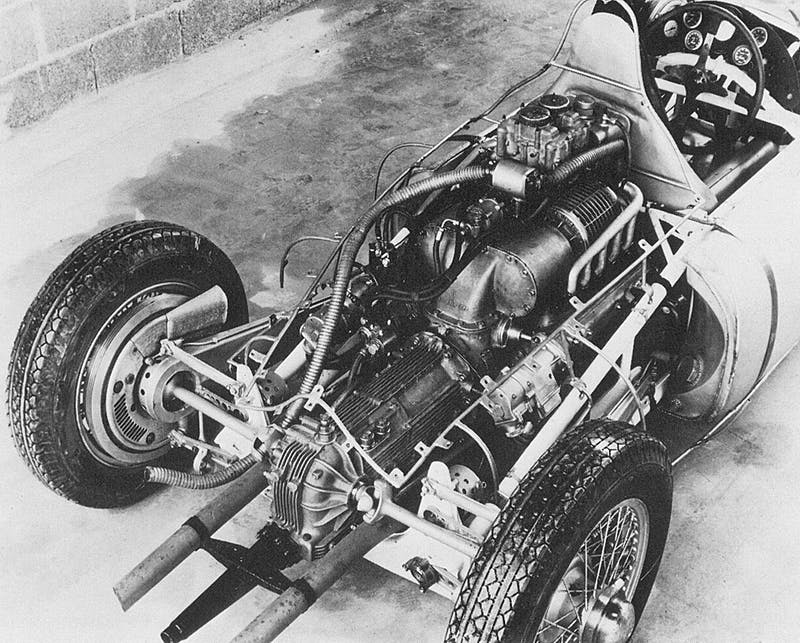 | |
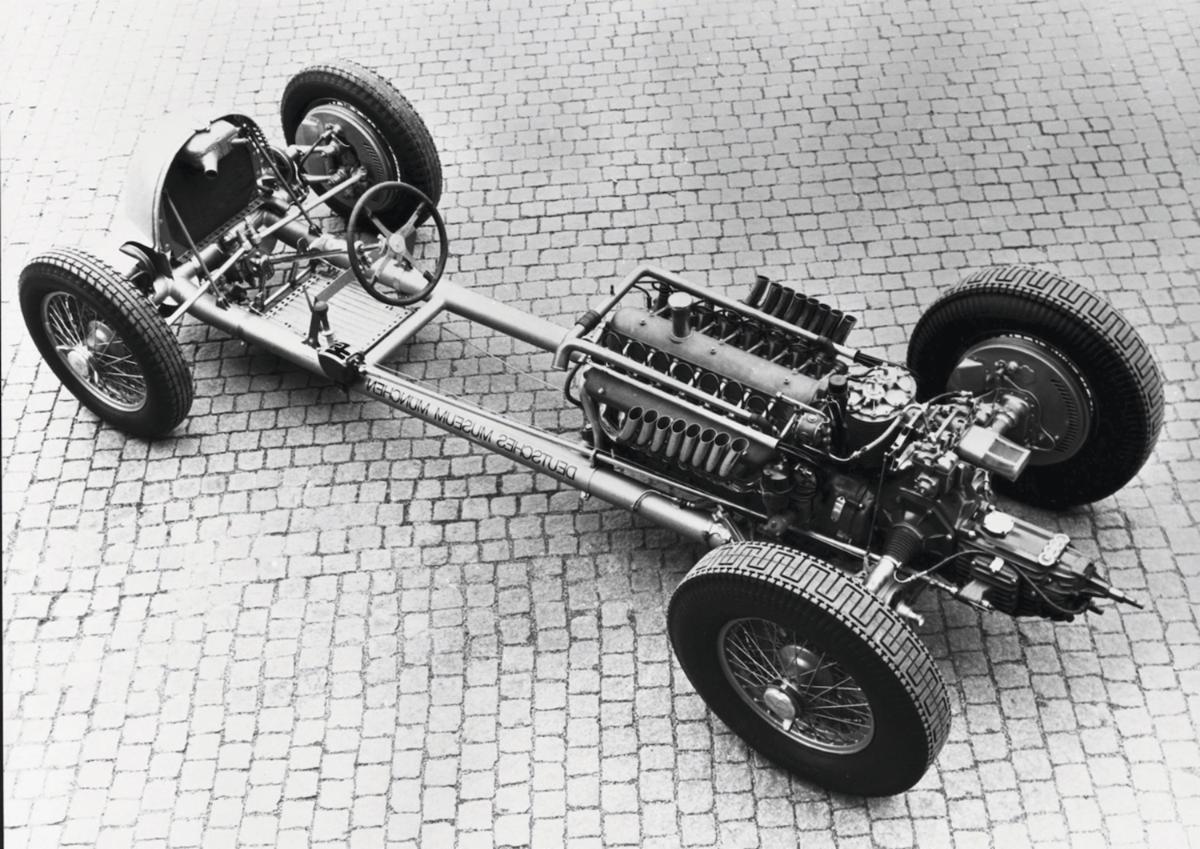
The Cisitalia Grand Prix car had a 1.5 litre, two-stage Rootes supercharged flat 12 engine, Hirth roller bearing crankshaft, shaft drive and bevel gears for the camshafts, all-wheel drive and a 5-speed sequential gearbox - in 1947. Not simple! Nor were the most of Ferdinand Piech’s projects - it took VW engineers 5 years to figure out the cooling for the quad-turbo V16 engine of the Veyron. The Porsche 919 Hybrid Le Mans winner may well be the most complicated racing car ever made.
In fact, looking back at the last one hundred and twenty years of Porsche design, the one central theme is that of a willingness and bravery to take on extremely ambitious engineering projects. Nobody ever questioned Ferdinand Porsche’s engineering genius, but he fell out with nearly every accountant he ever worked with because of R&D spending. Ferdinand Porsche’s military vehicles were often too complicated for field work and were abandoned in action - often being blown up by the Germans so they didn’t get captured. Albert Speer called him the ‘mad scientist’.
Many family led projects risked the company’s future. Piech built twenty-five 917’s in 1970 to meet the threshold for the ‘sports car’ category at Le Mans - allowing a 5 litre engine compared to the sports prototypes which were allowed 3 litres. Ford was in a position to do this, but Porsche really was not. The development costs of the 959 Supercar of the late 1980’s had to be surreptitiously buried in unrelated projects - it probably cost Porsche double the $USD225k asking price to build each one. The current Taycan electric vehicle has a two-speed gearbox to aid its acceleration to 100km/hr, which is something the electric motors don’t need any help with.
|  | |
4) A 4X4 isn’t a real Porsche
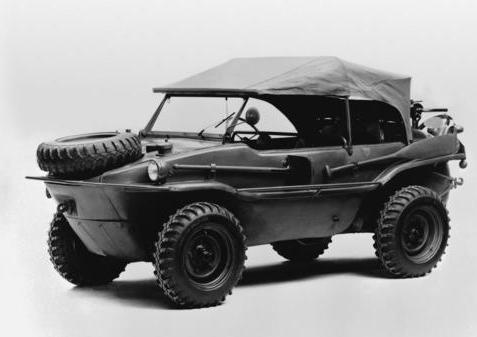
The Lohner Porsche had either two or four hub-mounted electric motors, making it one of the first all wheel drive vehicles. After designing the KDF Wagon (Beetle) for the German government and constructing the plant at Wolfsburg, Ferdinand Porsche developed an AWD ‘Scout Car’ called the Kublewagon (Type 87). The amphibious version was called the Schwimmwagen.
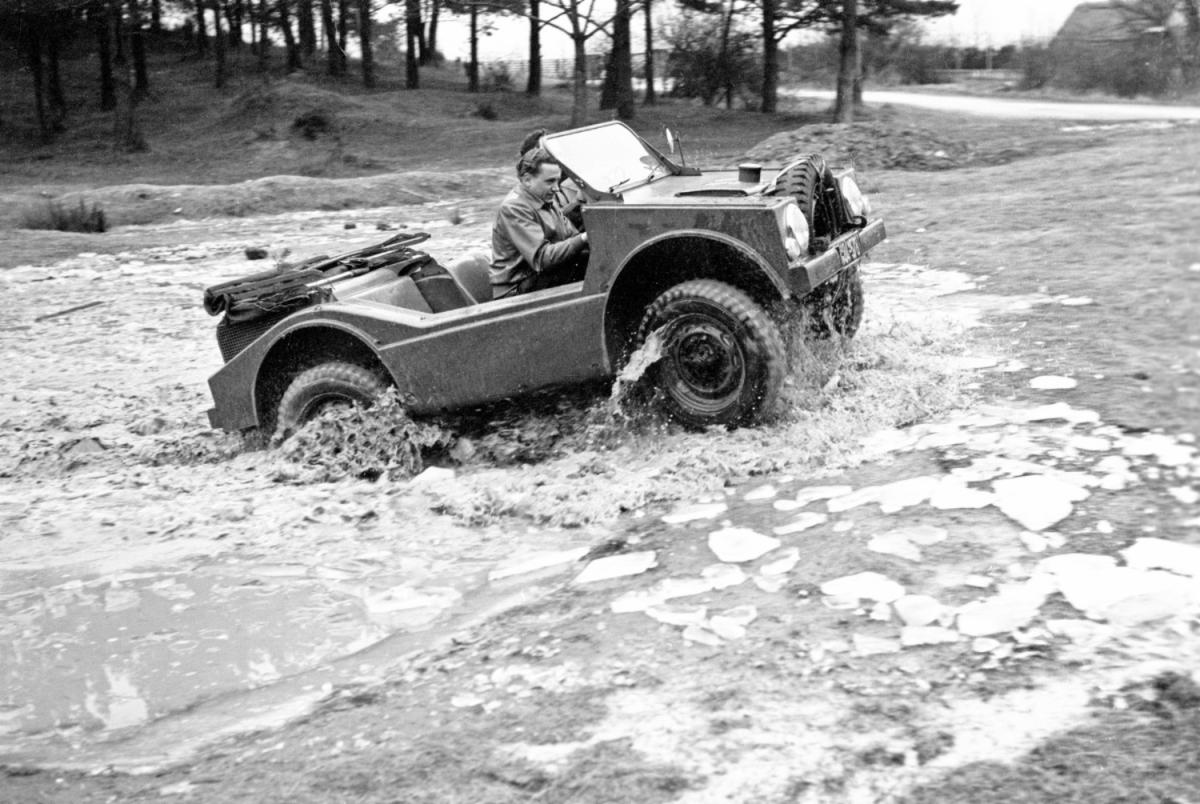
Ferry Porsche worked alongside his father developing these military versions of the Beetle. When Porsche 356 production moved to Stuttgart, Porsche started looking at a second model line - something more practical. Ferry re-introduced the idea of a scout car. The ‘Hunter’ (Type 597) was meant to supplement the sports cars, whose demand was still uncertain at that time.
The Hunter had a de-tuned 1,500cc 356 engine, gear-reduction hubs allowing for 10 inches of ground clearance, and a transaxle with an ultra-low 1st gear for crawling. Porsche’s 1955 brochure also offered the Hunter to the general public as a ‘light cross-country’ car, advertising that “it will carry 4 passengers over hill and dale to hunting lodges or fishing spots”, and also that the vehicle was fully floatable - though not powered like the amphibious ‘Schwimmwagon’. Undoubtedly, Porsche would have been cognizant of the success of Britain’s Land Rover, whose specifications were nearly identical (apart from buoyancy), and it’s impact on Rover’s bottom line. This was tendered to the German Military, but they preferred a simpler DKW Munga.
Ferry Porsche never lost sight of his desire to offer an ‘off-road’ type vehicle, which would give the Porsche company a second product line. Work on the design of what Ferry described as an, “off-road car of the Range Rover Type... a four-wheel-drive passenger car which had variable ground clearance, but which could also be used on public roads”, began in 1971.
| 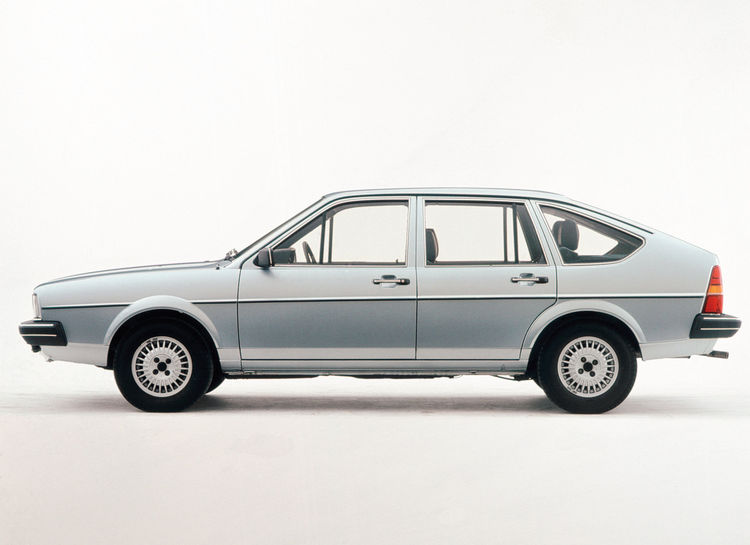 | |
Ferry wanted to pursue the idea of co-operating with VW and developing a suitable road-going AWD version of the Volkswagen Passat - this almost a decade before nephew Ferdinand Piech created the Quattro for Audi in 1980. This wasn’t met with much enthusiasm from the management team that was recently brought together to replace the Porsche and Piech family members-they dissuaded Ferry from the project citing difficulty in obtaining the Passat donor vehicles, which subsequently appears to be a difficulty that was overstated. Later Ferry Porsche had regrets about relinquishing day-to-day responsibility, saying he should have delayed his move to the Supervisory board later in his career.
It wasn’t until Wendelin Wiedeking became CEO in the 1990’s that Ferry’s wishes became a reality. Wiedeking pursued the idea of making a Porsche version of the Mercedes-Benz G500 ‘Gelandewagon’ - itself based on a military ‘Jeep’. Negotiations were started in 1995 and by the end of 1996 the talks neared completion. The project collapsed with Mercedes last-minute suggestion that they take a small ownership stake in the Porsche company - which Weideking would not consider.
| 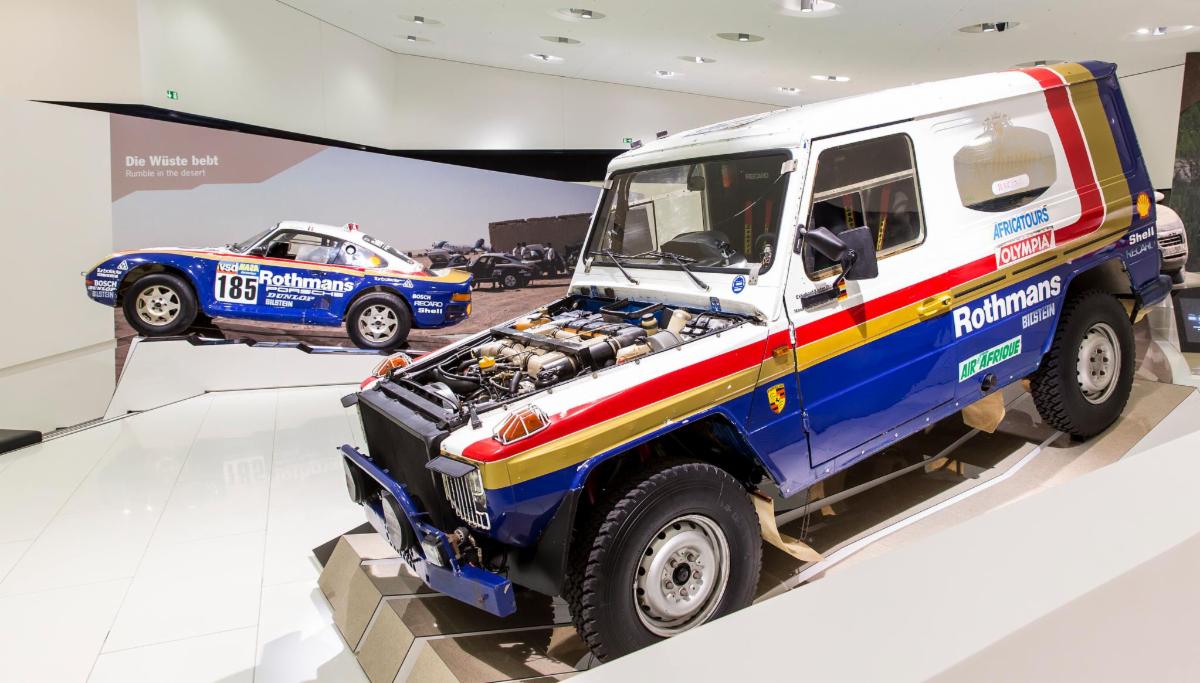 | Ferdinand Piech, father of the Audi Quattro and now the VW group’s CEO, was more receptive. Wiedeking approached Piech about idea of a VW-Porsche collaboration for an SUV. In June, 1998 Porsche announced that it would co-develop an SUV with VW - the Cayenne. Ferry Porsche passed before the first Cayenne was built, but he was aware the project was going ahead before he died later in the year. | |
So, what then is the essence of Porsche DNA?
In my opinion; taking on extremely ambitious engineering projects and making them work - that is the essence of Porsche. It isn’t about where the engine is or whether it has one at all, and it can’t be simplified into one car or even one mode of transport. It is about thinking about the best possible solution, and taking risks to develop it. Thinking about who could best apply the Porsche brand values to future products - who can continue in the spirit of Ferdinand and Ferry Porsche and Ferdinand Piech - it’s Mate Rimac.
| |
Scheduled Bring-A-Trailer Auctions | |
1968 Ford Mustang GT/CS California Special
Scheduled to be auctioned on Bring-A-Trailer, Dec, 2021
| |
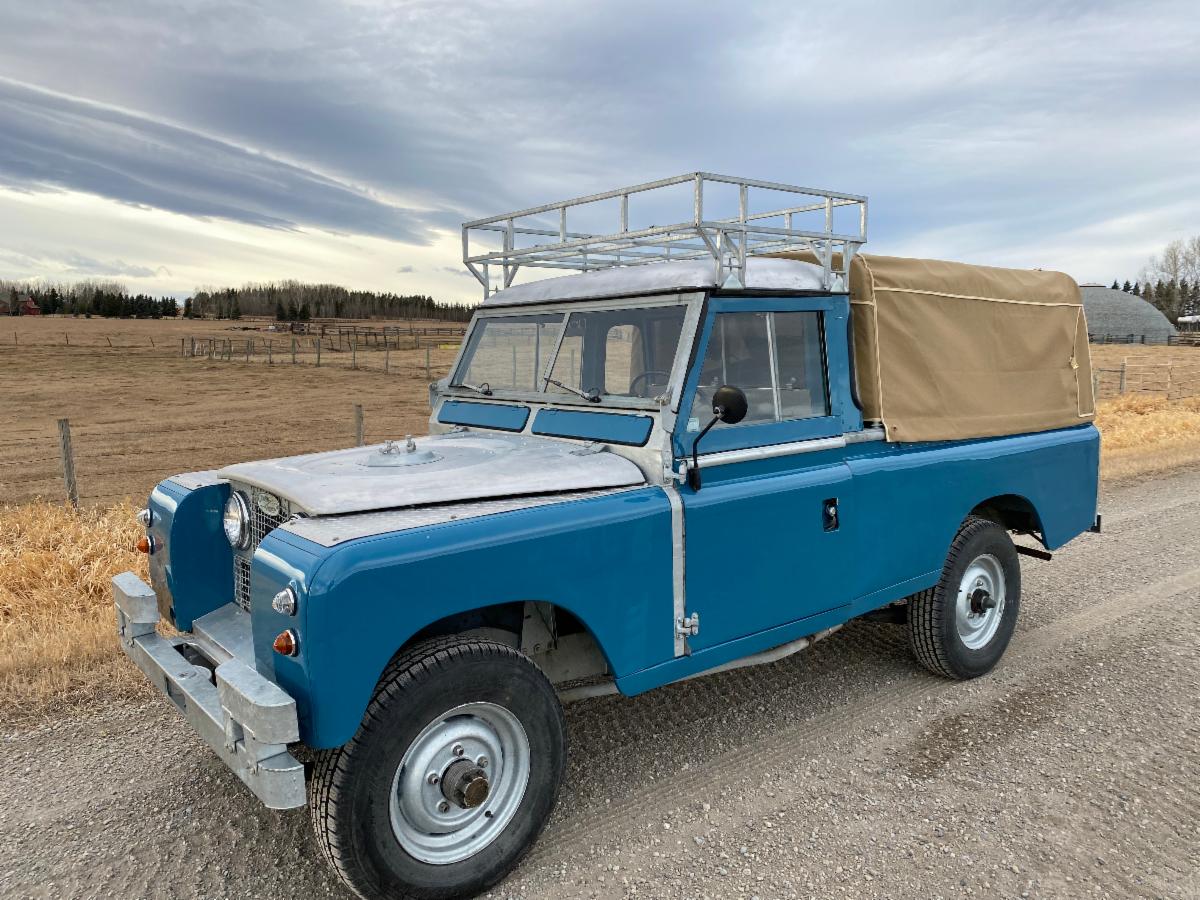
1959 LAND ROVER SERIES 2A 109
Scheduled to be auctioned on Bring-A-Trailer, Dec, 2021
No Reserve
| |
1973 VOLKSWAGEN KARMANN GHIA
Driver quality restoration on rust-free US import, drives nicely - a great entry level classic.
For Sale @ $16,500
| |
1961 LAND ROVER SERIES 2 88"
Extremely original and complete. Recommissioned for road use.
For Sale @ $25,000
| |
2009 PORSCHE CARRERA 4S CABRIOLET PDK
One owner since 2010, recent engine out $7k service by PCC, 73,000km.
For Sale @ $78,500
| |