|
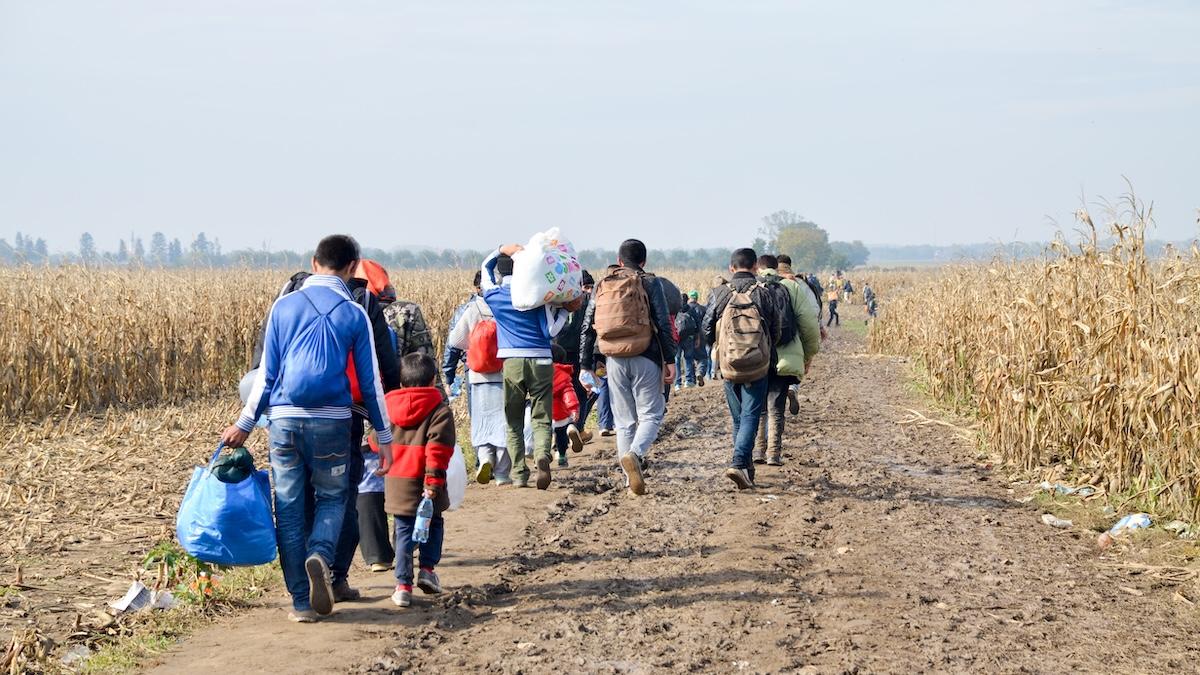
... The journey from slavery to freedom that the People of Israel traveled, as narrated in the Book of Exodus, invites us to look at the reality of our time, so clearly marked by the phenomenon of migration, as a decisive moment in history to reaffirm not only our faith in a God who is always close, incarnate, migrant and refugee, but also the infinite and transcendent dignity of every human person.
These words with which I begin are not an artificial construct. Even a cursory examination of the Church’s social doctrine emphatically shows that Jesus Christ is the true Emmanuel (cf.Mt1:23); he did not live apart from the difficult experience of being expelled from his own land because of an imminent risk to his life, and from the experience of having to take refuge in a society and a culture foreign to his own. The Son of God, in becoming man, also chose to live the drama of immigration. I like to recall, among other things, the words with which Pope Pius XII began his Apostolic Constitution on the Care of Migrants, which is considered the “Magna Carta” of the Church’s thinking on migration:
"The family of Nazareth in exile, Jesus, Mary and Joseph, emigrants in Egypt and refugees there to escape the wrath of an ungodly king, are the model, the example and the consolation of emigrants and pilgrims of every age and country, of all refugees of every condition who, beset by persecution or necessity, are forced to leave their homeland, beloved family and dear friends for foreign lands.” ...
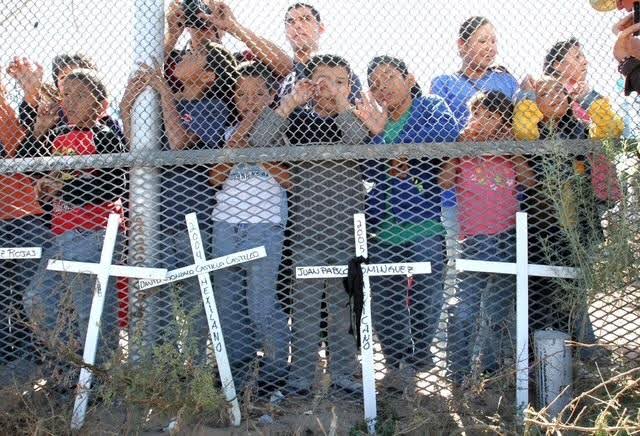
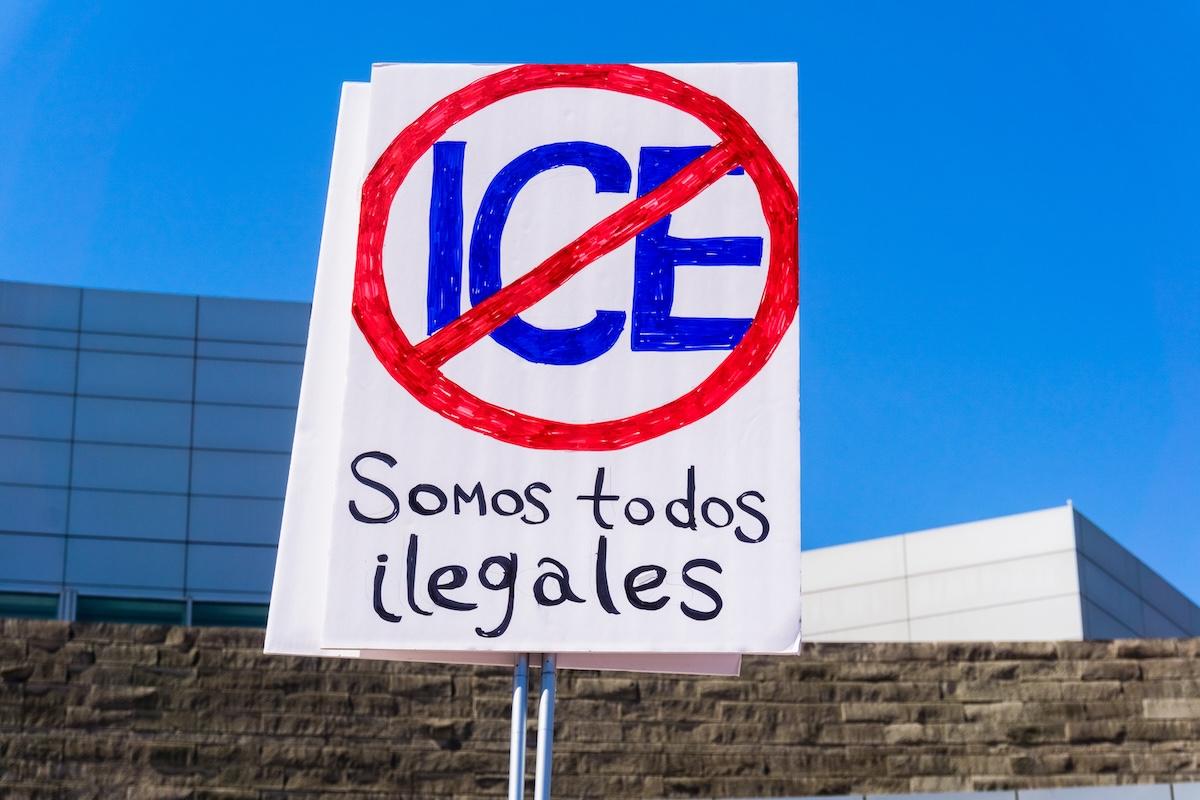
... I have followed closely the major crisis that is taking place in the United States with the initiation of a program of mass deportations. The rightly formed conscience cannot fail to make a critical judgment and express its disagreement with any measure that tacitly or explicitly identifies the illegal status of some migrants with criminality. At the same time, one must recognize the right of a nation to defend itself and keep communities safe from those who have committed violent or serious crimes while in the country or prior to arrival. That said, the act of deporting people who in many cases have left their own land for reasons of extreme poverty, insecurity, exploitation, persecution or serious deterioration of the environment, damages the dignity of many men and women, and of entire families, and places them in a state of particular vulnerability and defenselessness.
This is not a minor issue: an authentic rule of law is verified precisely in the dignified treatment that all people deserve, especially the poorest and most marginalized. The true common good is promoted when society and government, with creativity and strict respect for the rights of all — as I have affirmed on numerous occasions — welcomes, protects, promotes and integrates the most fragile, unprotected and vulnerable. This does not impede the development of a policy that regulates orderly and legal migration. However, this development cannot come about through the privilege of some and the sacrifice of others. What is built on the basis of force, and not on the truth about the equal dignity of every human being, begins badly and will end badly. ...
Use this link to read Pope Francis's letter in its entirety.
|