|
In 2022, TSI helped launch a mobile school in Lebanon with in-country partner Warm Heart, serving Syrian refugee families in Bekaa Valley with education, food, and medical aid. Now, the Israel-Hezbollah conflict demands creative solutions to offering education in conflict zones. Here is the latest news from Lebanon, including an update from our partners at Warm Heart.
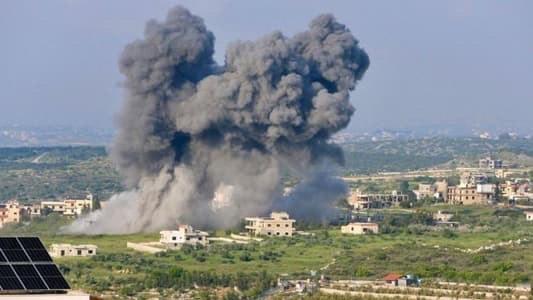
The BBC reports that Israeli troops will soon control a large area of southern Lebanon in Israel's campaign against Hezbollah. Five bridges used by Hezbollah for weapons distribution have now been destroyed after the Iranian-backed group fired rockets into northern Israel. Hezbollah took this action in retaliation for the killing of Iran's supreme leader and "near-daily Israeli attacks on Lebanon despite the November 2024 ceasefire." (Source: BBC).
Since then, over 1,000 people have been killed in Lebanon, including at least 118 children, and more than a million people have been internally displaced. Southern Lebanon is being targeted by Israel because it is at the center of Lebanon's Shia Muslim community, Hezbollah's main support base.
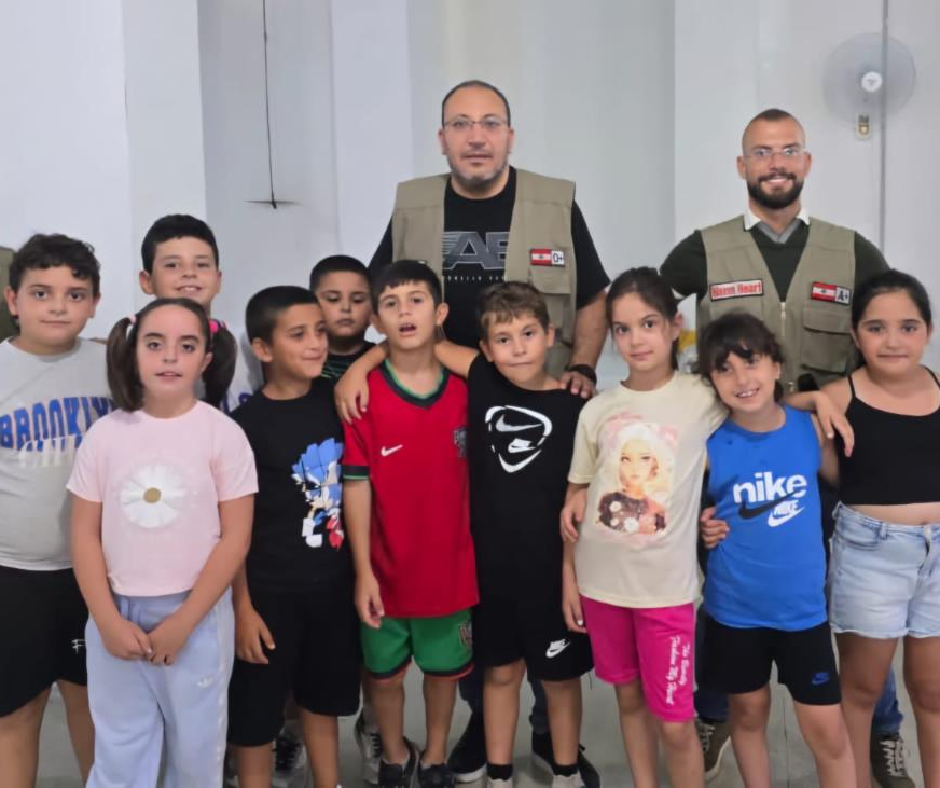
Meanwhile, the team at Warm Heart Lebanon scramble to respond so that education, trauma healing, and spiritual enrichment programs are not disrupted by war. Disaster relief has long been part of Warm Heart's mission, with education, food, and medical aid for school families being one arm of ministry supported directly by TSI donors.
"There have been bombed bridges and cut-off streets by the river so no one can cross to the south of Lebanon," said Pastor Joseph Milan, co-founder of Warm Heart, during an interview with TSI staff on March 19. "Last night Israel entered eight villages in the south and there is fighting. This is the point of no return until it’s finished."
Milan says the unrest is still somewhat distant from his family in Beirut, but the conflict is getting closer.
"When they are bombing and doing air strikes, they are doing it in three places: in Bekaa Valley near our Warm Heart bases, by the southern border, and in Beirut. In Beirut this is happening near where we live, in Bekaa it is near our ministry and school families, and in the south it is far away from us and our ministry... We do hear the bombs and smell the TNT and the dust. It isn’t dangerous [in Beirut] yet because they are targeting Hezbollah. But we are praying that it will be over soon and peace will come"
Milan says the Lebanese are worse off than Syrian refugees right now as the Lebanese are newly displaced in the south and are without aid; most are sheltering in government schools or are left to fend for themselves on the seashore. Meanwhile, many Syrians are choosing to return to Syria in an attempt to regain normalcy as their host country falls apart.
In Bekaa Valley, Syrian students at Warm Heart School from families that have chosen to stay in Lebanon are being kept at home for safety reasons, and TSI laptops have been distributed to them there so they can participate in online school for now.
"Funds are needed for more laptops [to purchase in-country]," said Milan. "We need between $100 and $200 per Chromebook. The war will not be over before summer, so we need resources... When winter is over and Israel can start to invade, they will cover a larger area. They will move from the south, bit by bit."
Milan and his team are still traveling to Bekaa Valley periodically to conduct home visits with families from Warm Heart School and to bring emergency food baskets and other resources. The ongoing challenge for the Warm Heart team is the scale of current needs in wartime and choosing how to meet those for a child's whole family, balancing the urgency of immediate physical threats with academic and spiritual voids. As food and fuel costs rise rapidly in Lebanon, the need for immediate practical solutions for families is skyrocketing.
"If you do ministry with one hand, you have to have a food basket in the other hand," Milan said. "You cannot close your heart and say, 'Sorry, I can only teach you about Christian things.' Some days it’s medicine, on others it’s food baskets, school fees, rent. The big need right now is hospitals and medicine [for our families]. We cannot close our hearts to all of these people." •
|