|
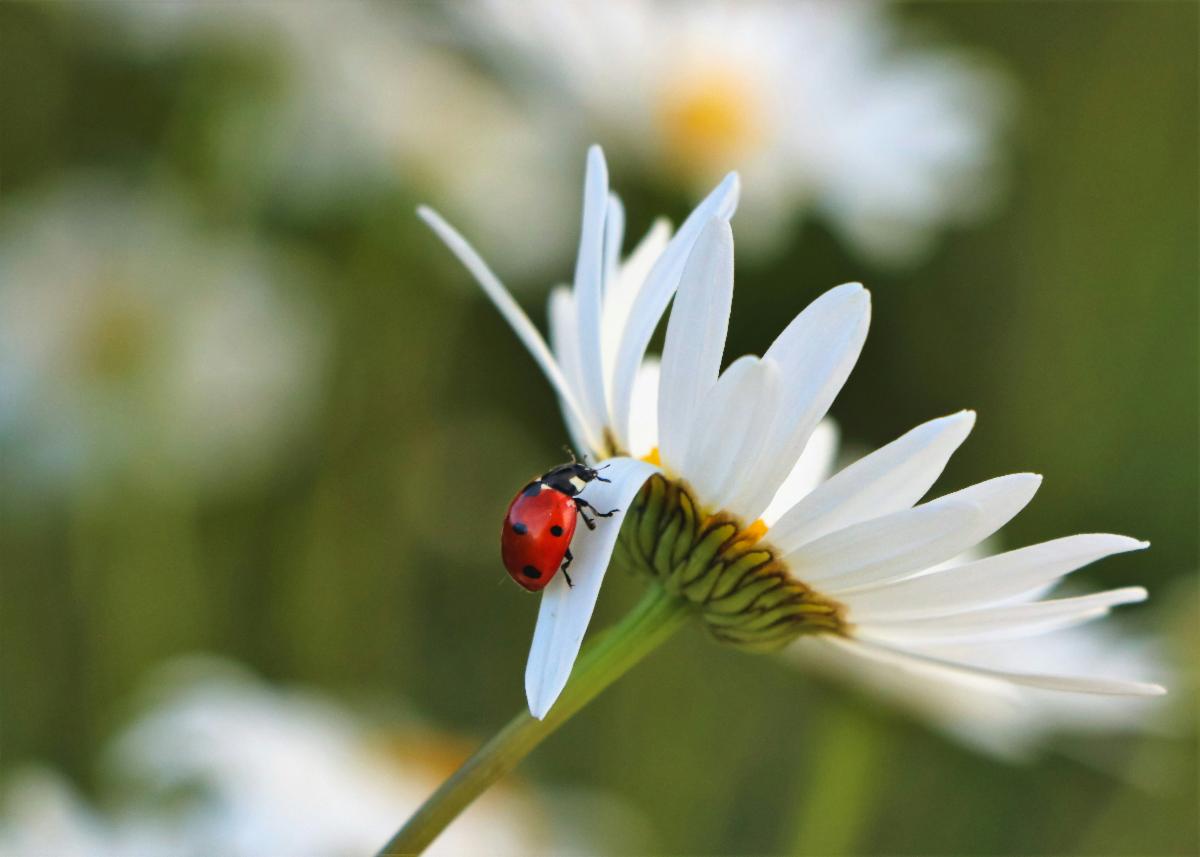
As MGs, we all know about ladybugs (family Coccinella), a close second to everyone’s favorite, the monarch. They are beetles, not “true bugs” (due to the number of wings, their chewing mouth, and body shape). They can eat up to 5k aphids and psyllids (which are vectors for Huanglongbing on citrus trees) in their lifespan of 3–6 weeks. To attract ladybugs, which consume crawling pests, plant nasturtium, milkweed, calendula, dill, fennel, cilantro, cosmos, statice, and buckwheat.
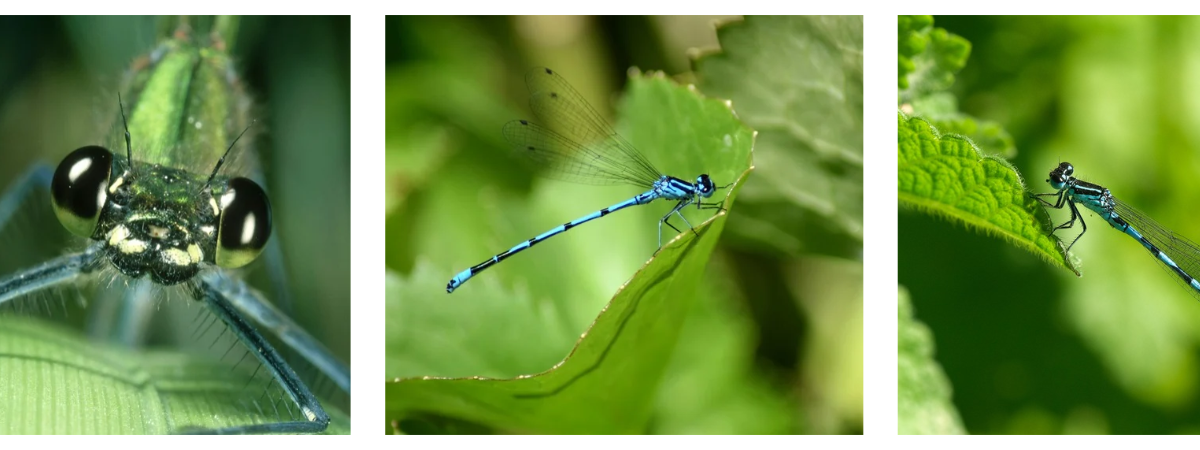
But what about those flying pests? Well, Mother Nature came up with quite the beauty for that task: the damselfly (suborder: Zygoptera). They go after fruit flies, moths, midges, gnats, flies, termites, and are very important for human health, as mosquitoes are their favorite target. Damselflies are quite flexible and can move well in dense vegetation. Their wings are iridescent or metallic and lie against their body when at rest.
Currently, the bigger, brawnier, faster version of the damselfly is having his moment in the sun: the dragonfly (suborder: Anisoptera). They have been around 300 million years and adapted to different climates. During the Paleozoic era, their wingspan was 2 feet! Swarms have been seen in early fall 2026, after warm spring rains—not too surprising, but certainly delightful. If you ever see a large swarm of dragonflies, they are most assuredly chasing down a swarm of mosquitoes. They feed on mosquitoes, usually at dawn or dusk, with an up to 97% success rate of prey capture, eating one-fifth of their body weight each day. That’s the most successful hunter in the animal kingdom, and it’s toward a pest that causes an awful lot of trouble for people. Mosquitoes are responsible for a host of diseases that plague humans. As larvae, dragonflies consume mosquito larvae, and as flying adults, they go after adult mosquitoes. They have us covered.
Dragonflies are literally built for hunting. They have 360-degree vision and compound eyes (30,000 simple eyes in each of their compound eyes). A marvel of flight, they can move their forewings and hindwings independently, can go forward, backward, up, down, and hover as flying adults. Often following the route of a river for prey, dragonflies will follow man-made roads in the same way. They see ultraviolet light and track movement faster than any other insect. Dragonflies predict WHERE their prey is headed, a strength in addition to their speed. As an “indicator species,” their presence means clean water and a balanced ecosystem. In California, there are 70 species; most are not migratory and remain near their birthplace.
With ladybugs, there is a list of flowers to attract them, and you can also purchase ladybugs. But attracting dragonflies is tricky; what attracts them is water, which in turn attracts mosquitoes. A sunny perch does help. But really, this remarkable insect needs no human help; they are too busy unintentionally helping us. The least we could do is learn about them and be a little more aware that dragonflies, as well as a multitude of other animals, snack on mosquitoes (so they won’t snack on us!!!).
|