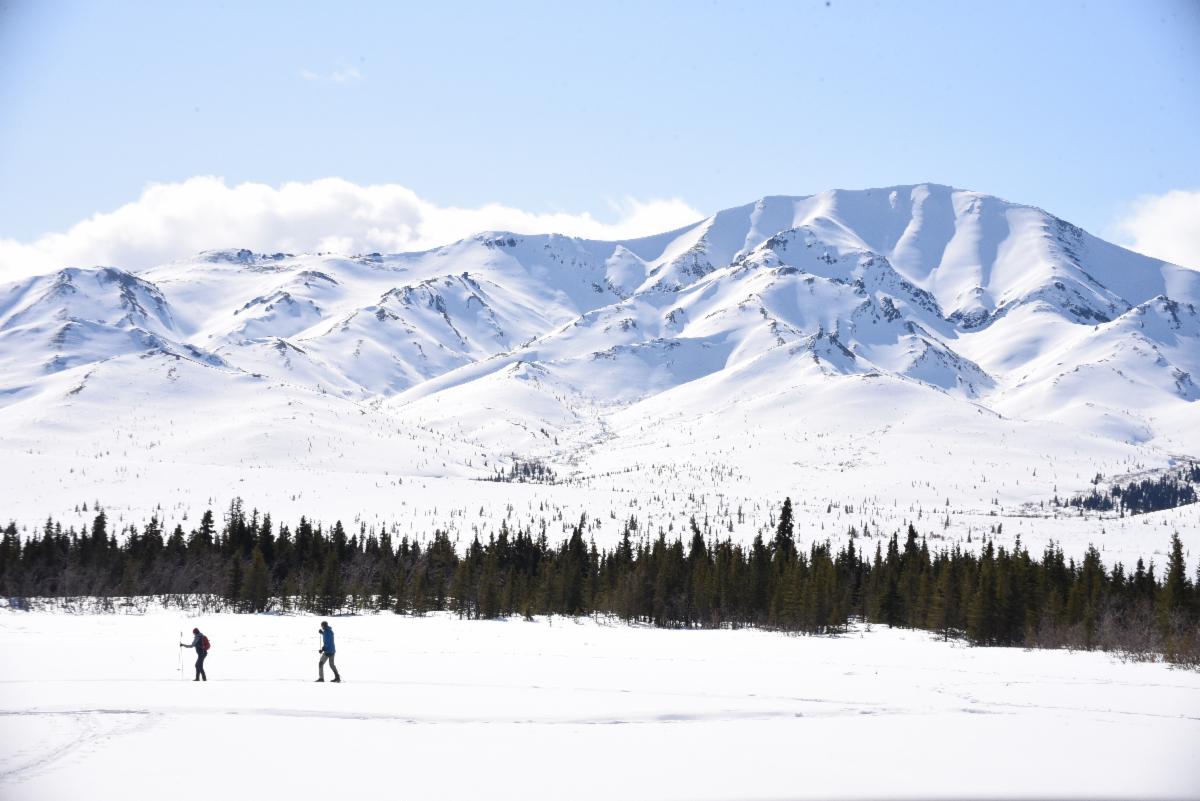
Unpredictable Ice Thickness
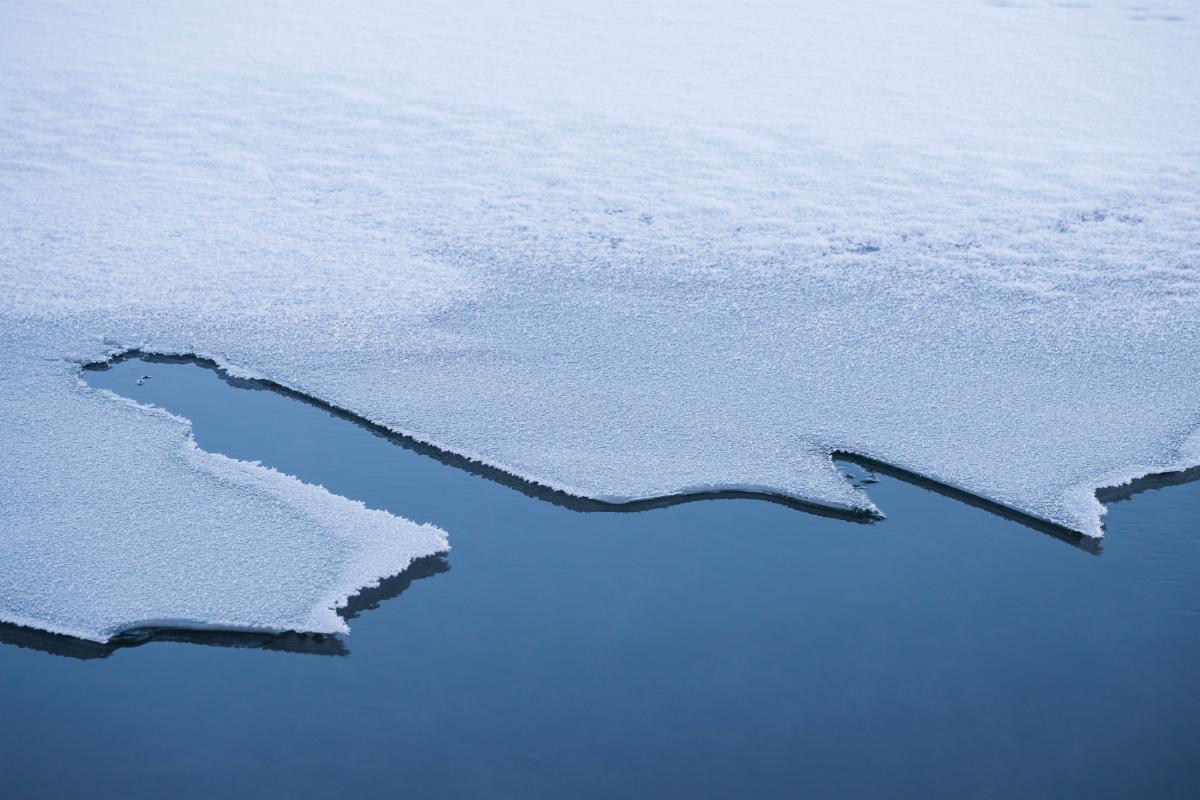
One of the greatest risks to those looking to enjoy Anchorage's frozen water sources is that ice thickness can vary dramatically, even within short distances. Factors such as water currents, snow cover, underwater springs, inflow and outflow points, and recent temperature changes can create weak spots and affect how and where ice forms. Ice may appear solid, but be dangerously thin just a few feet away.
Changing Weather and Temperature
Anchorage's weather can change rapidly, affecting ice stability. Warmer temperatures, rain, and sunny days can weaken ice, while snow cover can insulate and slow the freezing process. Thaws, even brief ones, can compromise ice strength and make previously safe routes hazardous.
Hidden Hazards
Snow can conceal cracks, pressure ridges, open water, or slushy areas. These hazards may not be visible until it is too late.
False Sense of Security
The presence of other people on the ice or visible marks from previous activity can create a false sense of safety. Unfortunately, ice can weaken quickly due to warming temperatures, rain, or shifts in water levels. Even ice that was safe yesterday may not be safe today, making it critical to check conditions each time before stepping onto a frozen lake.
Cold Water Shock and Hypothermia
Many frozen creeks and lakes in Anchorage are located in areas with limited cell service and few people nearby. If an accident occurs, help may not arrive quickly. Falling through ice into frigid temperatures can cause cold water shock, triggering a sudden, involuntary gasp that increases the risk of drowning. Hypothermia can develop within minutes, causing confusion, weakness, and eventually unconsciousness. Survival rates drop rapidly in cold water, making self-rescue skills, proper preparation, and caution essential for anyone venturing onto frozen waterways in Anchorage.
Difficulty in Rescue
Rescuing someone who has fallen through ice is extremely challenging and dangerous for both the victim and would-be rescuers. Ice around the break is usually fragile, and approaching it can result in additional people falling through. Emergency responders are trained for these situations, but response time is critical. Carrying safety equipment can make a difference, but prevention is always best.
|