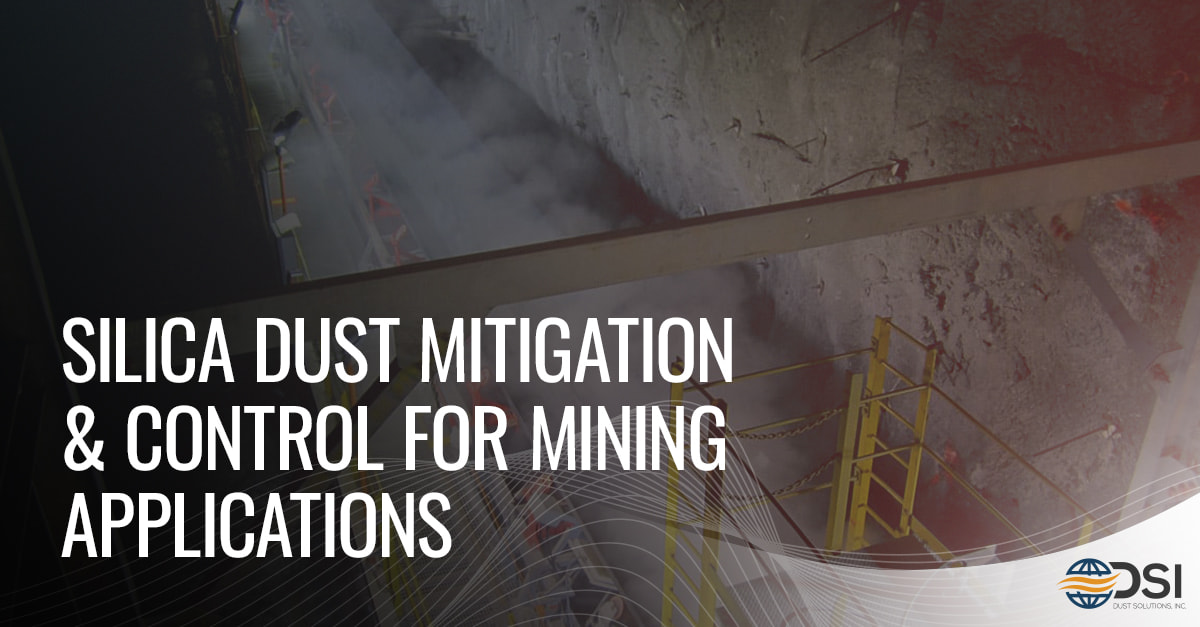
BE PREPARED FOR NEW MSHA SILICA RULES THAT WILL SIGNIFICANTLY IMPACT U.S. MINES BY IMPOSING STRICT REGULATIONS ON SILICA EXPOSURE |
|
|
SOLUTIONS FROM DSI EFFECTIVELY ADDRESS BOTH VISIBLE (50UM AND LARGER) AND RESPIRABLE (SUB-10UM) SILICA DUST TO HELP MINES MEET THE NEW SILICA EXPOSURE LIMITS |
|
|
There are a variety of options to assist mines in achieving compliance with these new regulations.
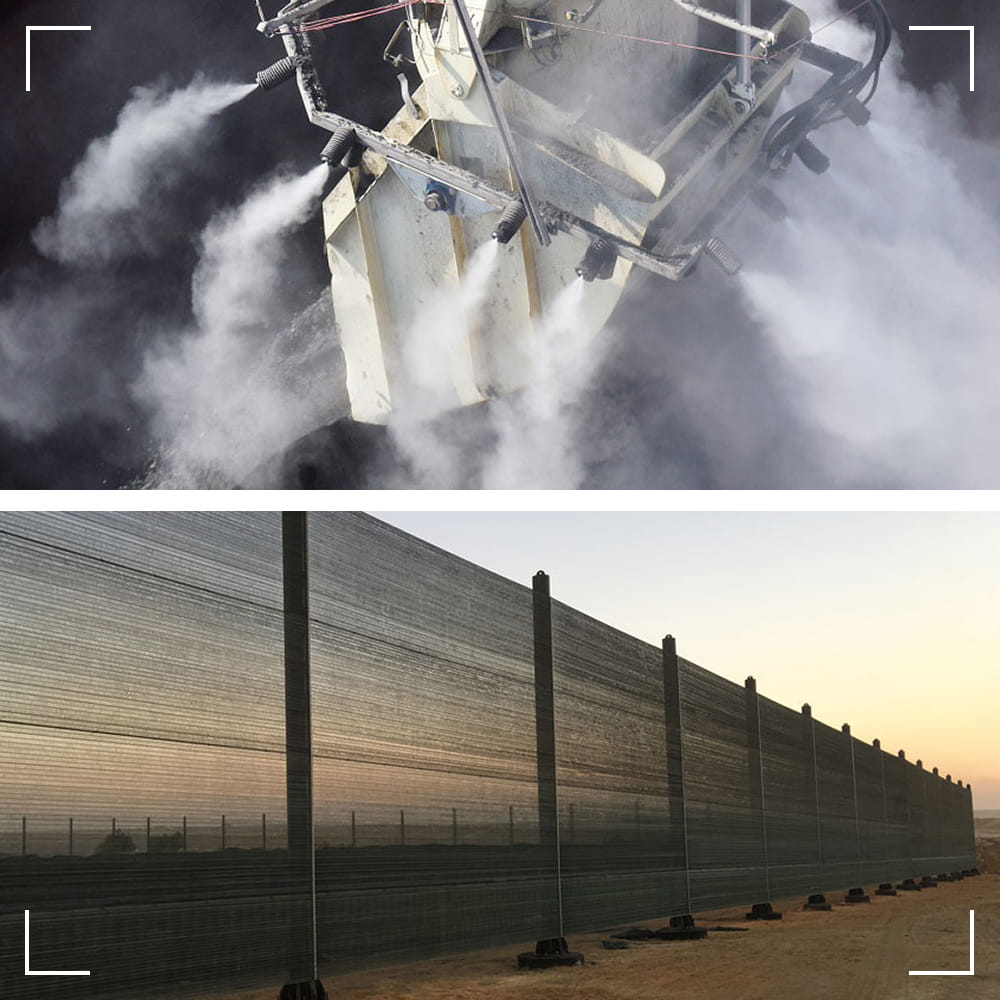
- Dry Fog Technology: DSI’s Dry Fog technology is highly effective at reducing respirable silica dust, capturing and suppressing dust particles, preventing them from becoming airborne.
- High Pressure Water Sprays and Misting Systems: These systems release water at high pressures, capturing and settling dust particles, helping to control both visible and respirable dust.
- Wind Fence Technology: Stockpiles are significant sources of dust, especially those containing silica. DSI’s Dust Tamer Wind Fence and Screen Systems act as a passive barrier, redirecting wind flow and preventing dust generation from stockpiles.
|
|
|
UNDERSTANDING THE NEW MSHA STANDARDS |
|
|
|
The MSHA’s proposed rule is a testament to the growing concern about the health implications of prolonged silica dust exposure. The new standards aim to lower the permissible limit of silica dust exposure for mining workers. The proposed rule suggests a limit of 25 micrograms per cubic meter of air for a full shift exposure, calculated as an 8-hour time-weighted average. This is a significant reduction from the current permissible limit of 50 micrograms per cubic meter. Notably, this proposed standard aligns with the current silica exposure limits set by the Occupational Safety and Health Administration (OSHA). |
|
THE IMPORTANCE OF ENGINEERING & ADMINISTRATIVE CONTROLS |
To achieve these new standards, mines will be required to implement comprehensive engineering controls. These controls serve as the primary means to reduce silica dust creation at the source. They encompass a range of solutions, from advanced machinery modifications to innovative technologies that minimize dust generation.
However, engineering controls alone might not suffice. The proposed rule also emphasizes the importance of administrative controls. These controls are procedures and policies that help reduce workers’ exposure to silica dust. Examples include protocols for safely removing dust from work clothes, regular cleanup routines, and other measures that reduce both exposure and creation of silica dust. |
|
|
|
|
|
WE'RE HERE TO HELP |
Let’s talk about options to safeguard your mining operations to ensure compliance with the new silica dust regulations. Contact us to learn more. |
| CONTACT US |
|
|
|
|
|
JASPER REPRESENTS A WIDE RANGE OF PRODUCTS AND SERVICES |
|
|
 |
GRAIN & BIOFUEL |
Instrumentation, Heat Trace, Valves, Pumps and C02 Scrubbers for Grain and Biofuel Processing |
|
|
 |
MINING |
Pumps, Process Equipment, Instrumentation and Lubrication Services for Mining Operations |
|
 |
CHEMICAL & REFINERY |
Gas Analyzers, Process Instruments and Analytics, Heat Trace, Pumps and Valves for Refineries and Chemical Plants |
|
|
|
 |
PHARMACEUTICAL & BIOMEDICAL |
Dissolved Oxygen, Bioburden and pH Analyzers for Pharmaceutical and Biomedical Process Analytics |
|
|
 |
WATER & WASTEWATER |
Instrumentation, Remote Monitoring and Heat Trace for Municipal Water and Wastewater Treatment |
|
 |
FOOD & BEVERAGE |
Sanitary Instrumentation, Chart Recorders, Pumps and Conveyor Drives for Food and Beverage Process Operations |
|
|
|
 |
OIL & GAS |
Meter Runs, Instrumentation and Gas Detection for Oil Production |
|
|
 |
POWER |
Pumps, Water Chemistry Analysis, Gas Analyzers and Instrumentation for Power Generation |
|
 |
SUGAR |
Pumps, Instrumentation and Pollution Control for Sugar Mills |
|
|
|
|
|
 |
PERSONAL SERVICE & SUPPORT |
|
|
 |
DEEP KNOWLEDGE & EXPERTISE |
|
 |
RELIABLE & TRUSTED PRODUCTS |
|
|
|
|