narrow header w white type

Preparing for drought after rain

Hello Debra,


I am back in Tanzania, happy to be working with our excellent staff and all the people working together to make life better.


An especially challenging period is just passing with too much rain--even flooding.


We are using this wet period to prepare for the inevitable drought that will follow, due to the extreme weather that is part of climate change.


Read below for an insider view of some examples of how the International Collaborative community approaches climate change adaptation in this rain-based economy.


With heartfelt appreciation,


Twende!


Robert Lange

May 2024


Making use of cost-saving benefits of rainfall to produce inexpensive fodder for the coming drought

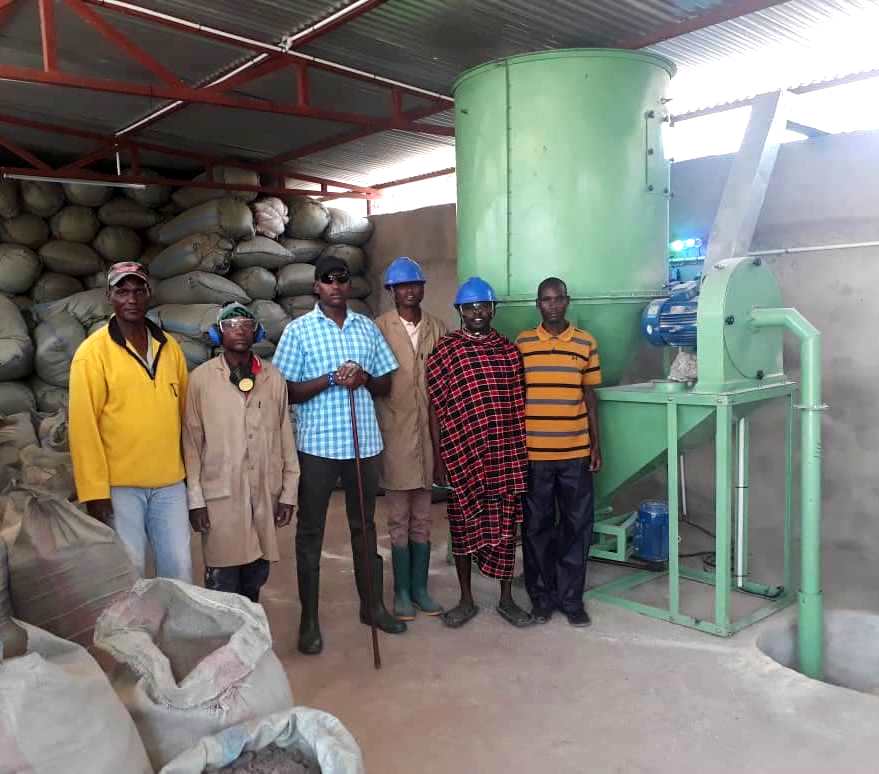
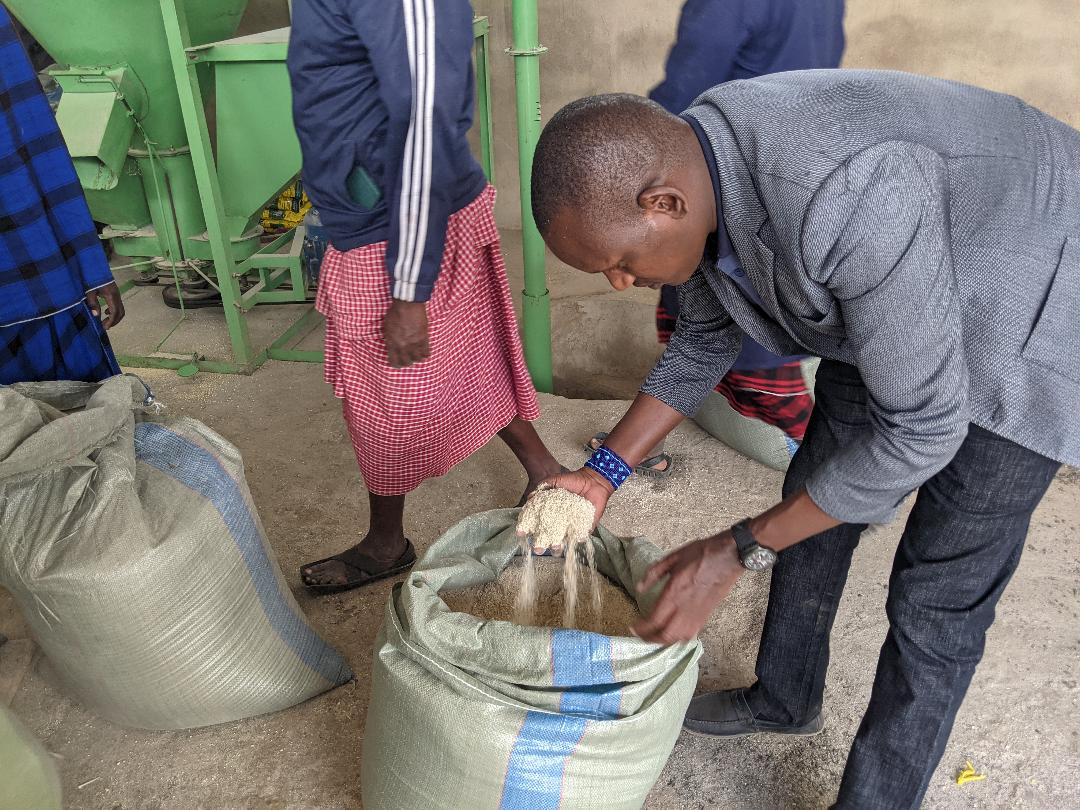
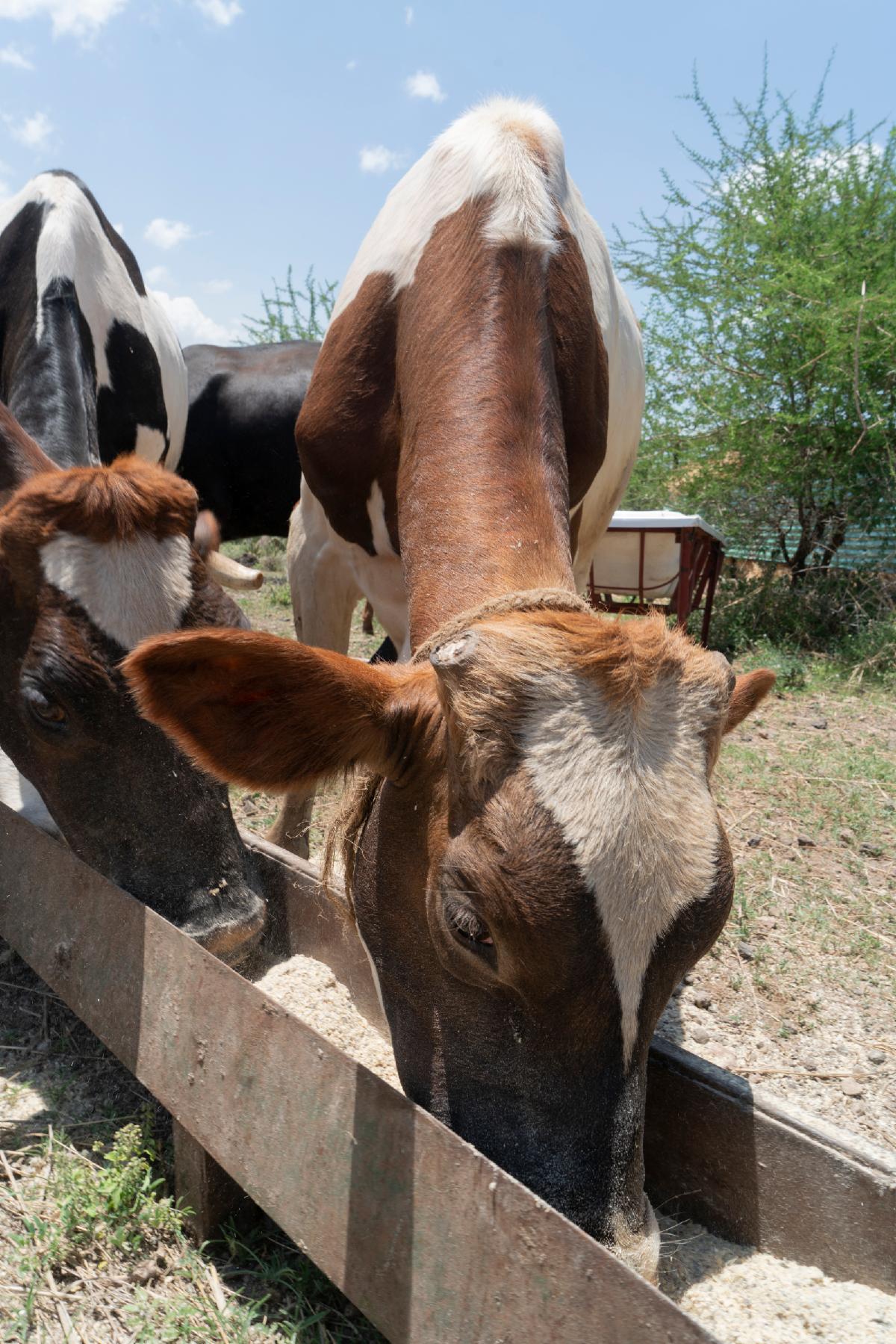
As we’ve described previously, the raw materials that go into our cow fodder production are leftovers from industrial processes and human consumption.


We buy sunflower cake (solids remaining after pressing sunflower seeds for oil). Because of high seed productivity from this season’s rain, the cost of seeds for the oil producers is less, and we get the leftovers more cheaply too. Likewise, the maize bran and corn cobs are also cheaper.


As a result of this abundance, we can buy these three raw materials that go into a 60-kilogram bag of produced cow fodder for just 20,000 Tanzanian shillings or about $8.00.


The raw materials arrive in bags and our large steel storage bins are not needed for these ingredients. We grind and mix everything together and store the completed fodder in those storage bins. Then we fill bags as we distribute the finished product. The storage is safe and good, and the bins are bug-free.

Less rain dependence for herders

We'll soon continue the introduction of the use of cow fodder supplements to groups of herders.


It's more effective to engage people in this learning process when times of heavy rains are finished.


The news will quickly spread that there is inexpensive, very high-quality supplemental cow fodder for sale for only 30,000 shillings per 60-kilogram bag (about $12.00).


Using the International Collaborative Manyara Feedlot and Hay Farm we will soon resume teaching our herding colleagues about how to invest in approaches to keeping livestock healthy and valuable during drought.


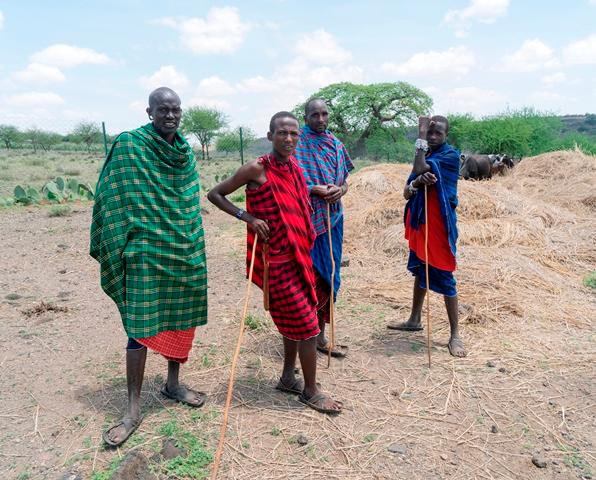
The Rift Valley herders want to keep their cows in very good, fat, high-priced condition through the droughts, to be able to sell them at good prices.


Realizing how good these inexpensive and nutritious food sources are for the cows, the livestock keepers will be able to think more practically about cattle management methods that are less rain-dependent.

Groundwater access for farmers

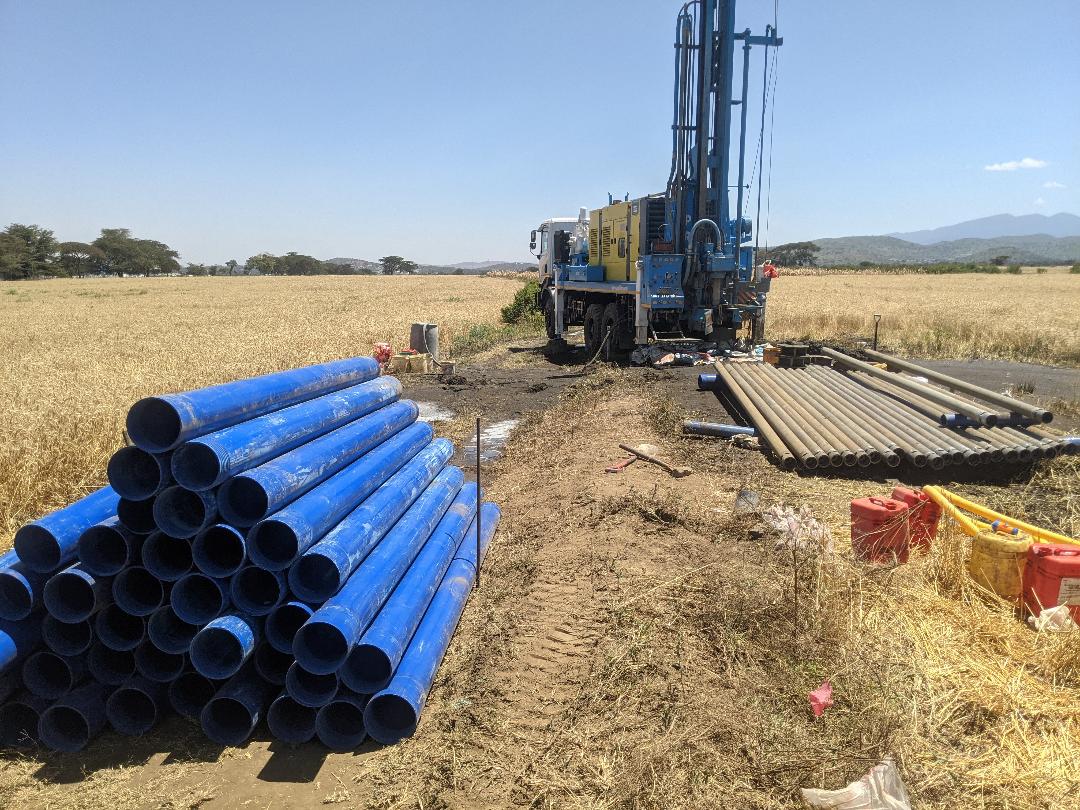
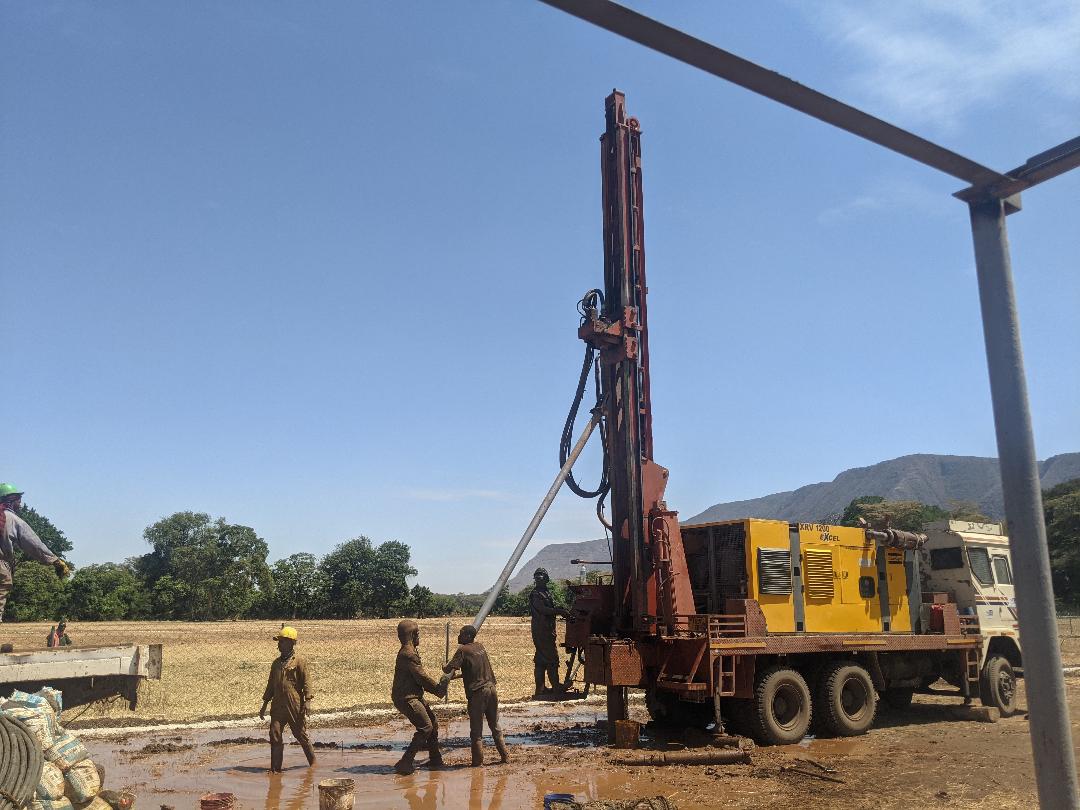
Last year we described the International Collaborative approach for drilling a borehole to access groundwater and adding solar-powered pumps to distribute the water at our demonstration "Smart Farm" and beyond.


Our approach is to share the water from our borehole with nearby farmers who are developing their own irrigation distribution systems with this groundwater.


To bring down costs, the International Collaborative will help individual farmers with small wells they have dug to use solar power for pumping.


We hope to soon partner with a community of farmers who will join us in strategizing about greater independence from rain, and how to run better businesses, adapting to the increasingly extreme conditions.

Organized Women's Groups are well-positioned to contribute to climate change adaptation

Women's Groups getting involved

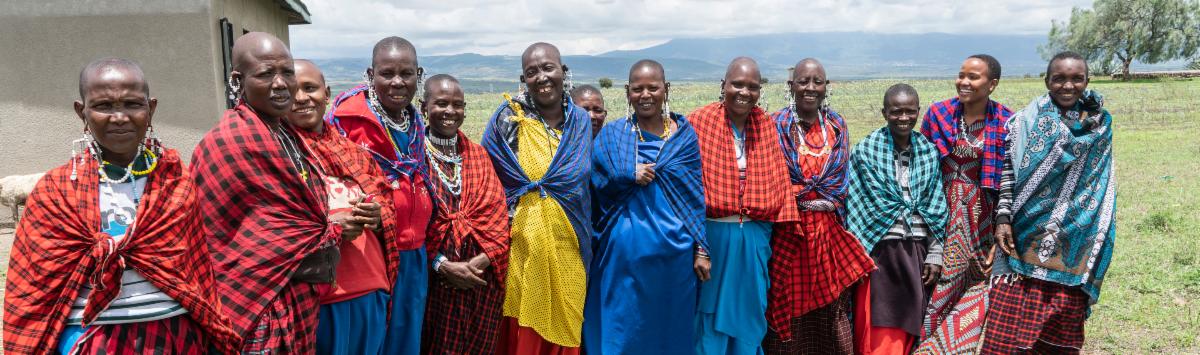
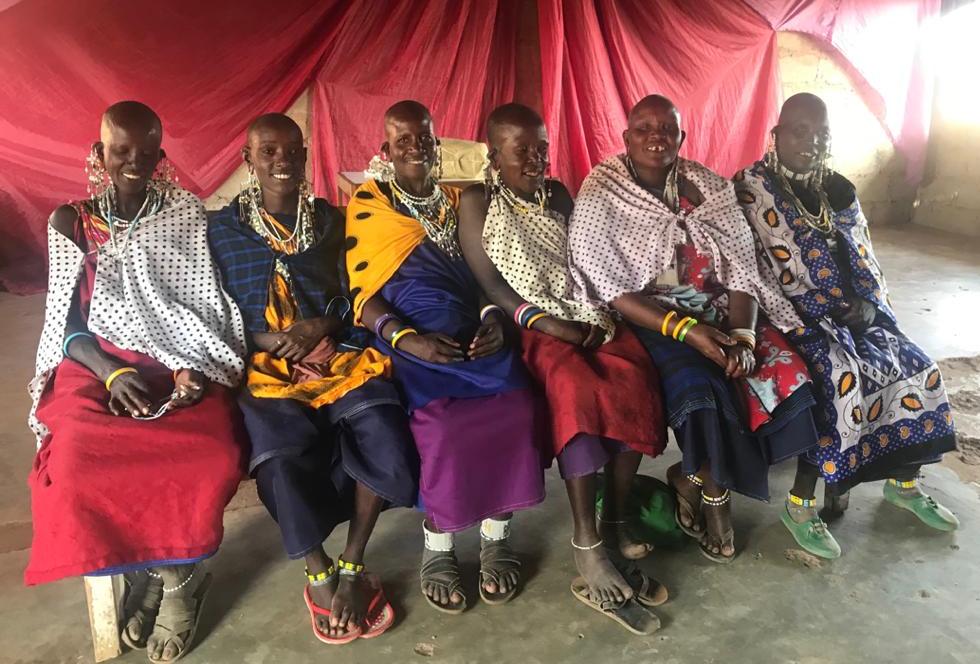
The International Collaborative organized Women's Groups are well-positioned to contribute to climate change adaptation as cow fodder retailers.


The groups are located in villages throughout Monduli district, and will help to get the information out about the availability of the excellent supplemental feed.


There is no need for the women to store the fodder as we will deliver it to them on demand, as they sell it at their bomas for 35,000 shillings a bag.


 With this markup, the groups can keep 5000 for themselves for each bag sold, while developing commercial practice and good relationships.


"Thank you for being there, as, together, we forge ahead with creating workable adaptations to climate change"

Link here to donate to the International Collaborative

For a better life for rural Africans, and a cleaner environment for all

Robert V. Lange robertvlange@internationalcollaborative.org

1-508-735-9176

International Collaborative, Maasai Stoves & Solar Project
Office of Programs and Development
130 South Homeland Avenue
Annapolis, MD 21401


LinkedIn Share This Email