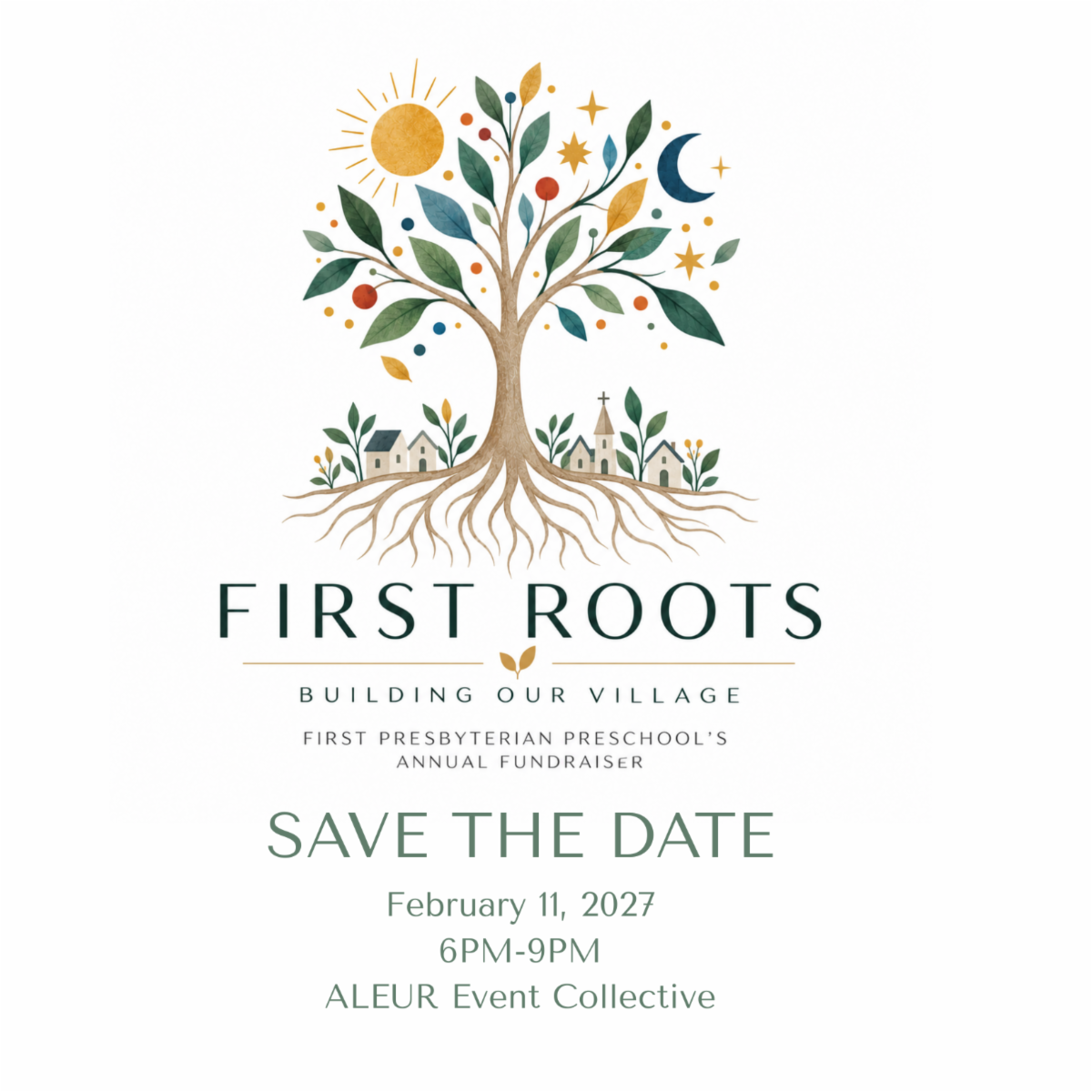
Building Our Village
While Learning Through Play
| | |
Dear First Pres Families,
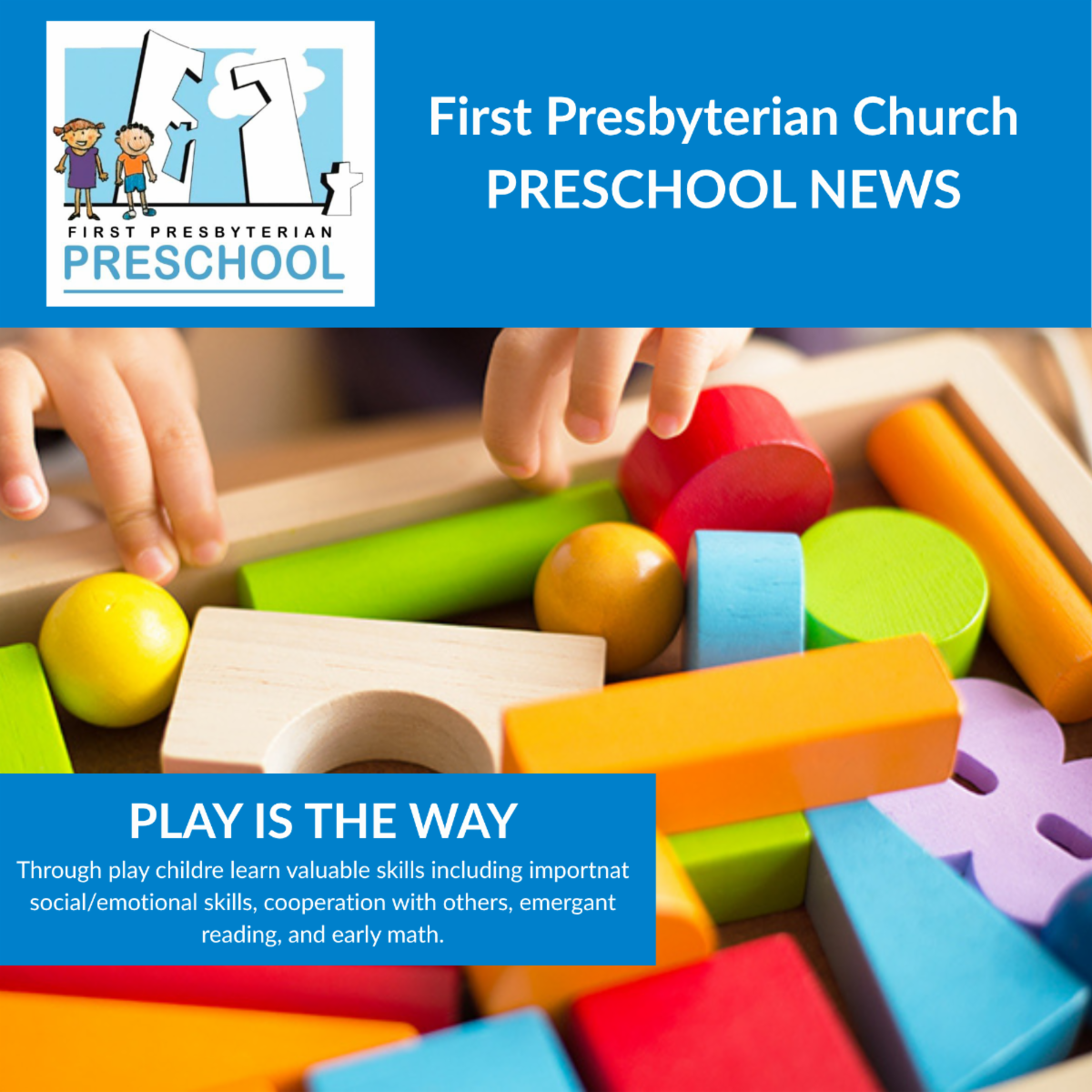
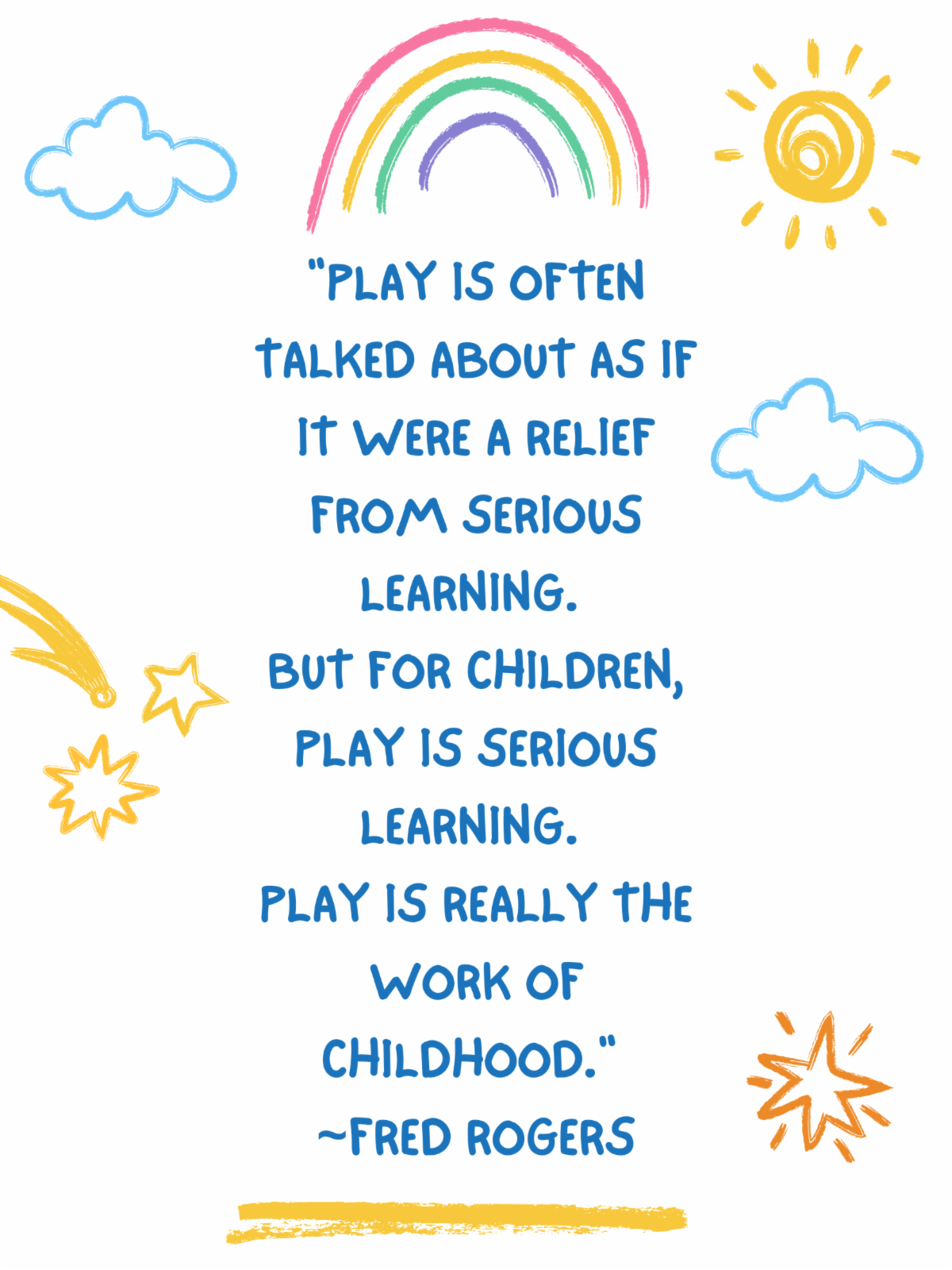
“Play is often talked about as if it were a relief from serious learning. But for children, play is serious learning. Play is really the work of childhood.”
— Fred Rogers
We believe, and research in early childhood education shows, that play-based learning is what is best for young children. It's especially great when it is fun, and they don’t know they're learning! Through play, children build friendships, discover new interests, explore the world around them, and learn how to be part of a community.
It may look like they're just playing, but behind the giggles, messy hands, tall towers, and make-believe adventures, so much learning is happening.
| |
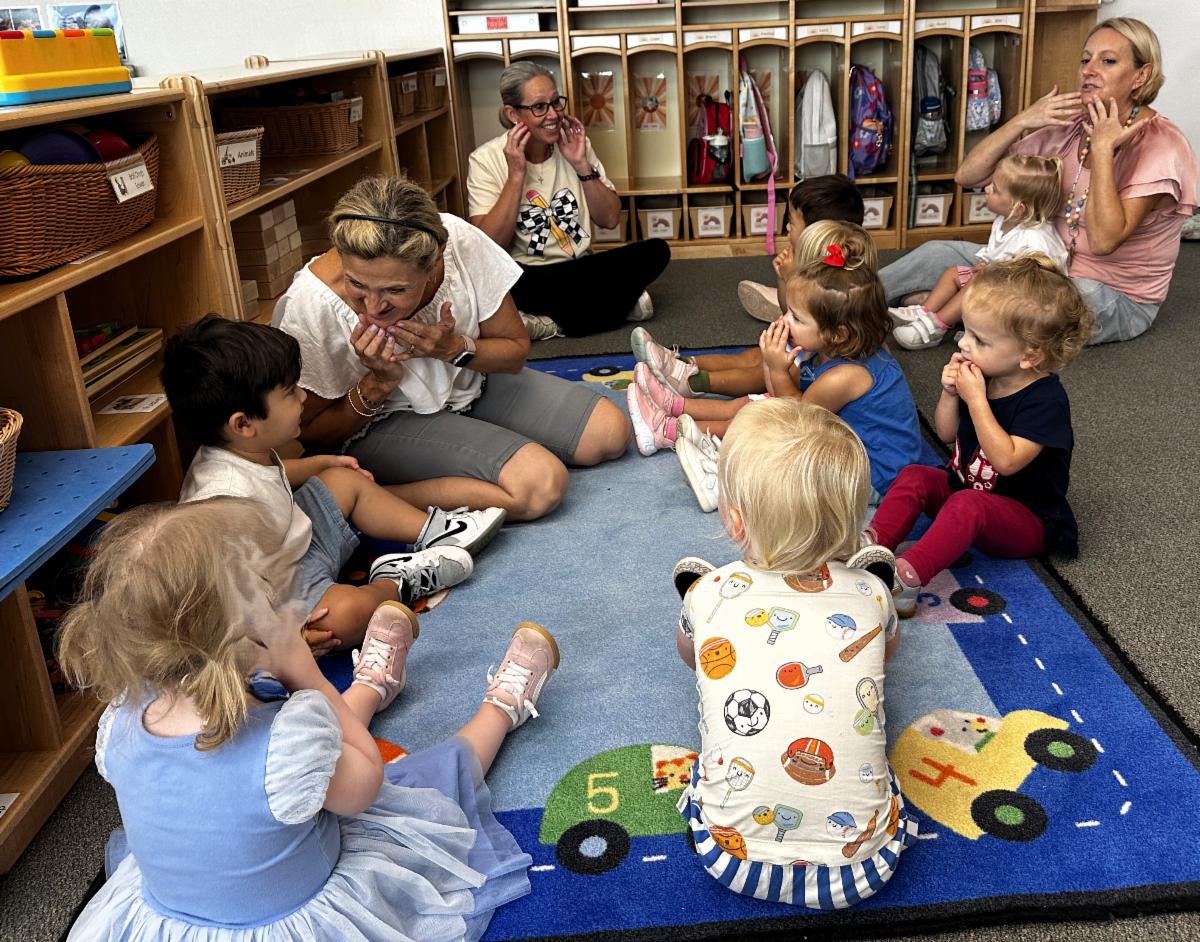
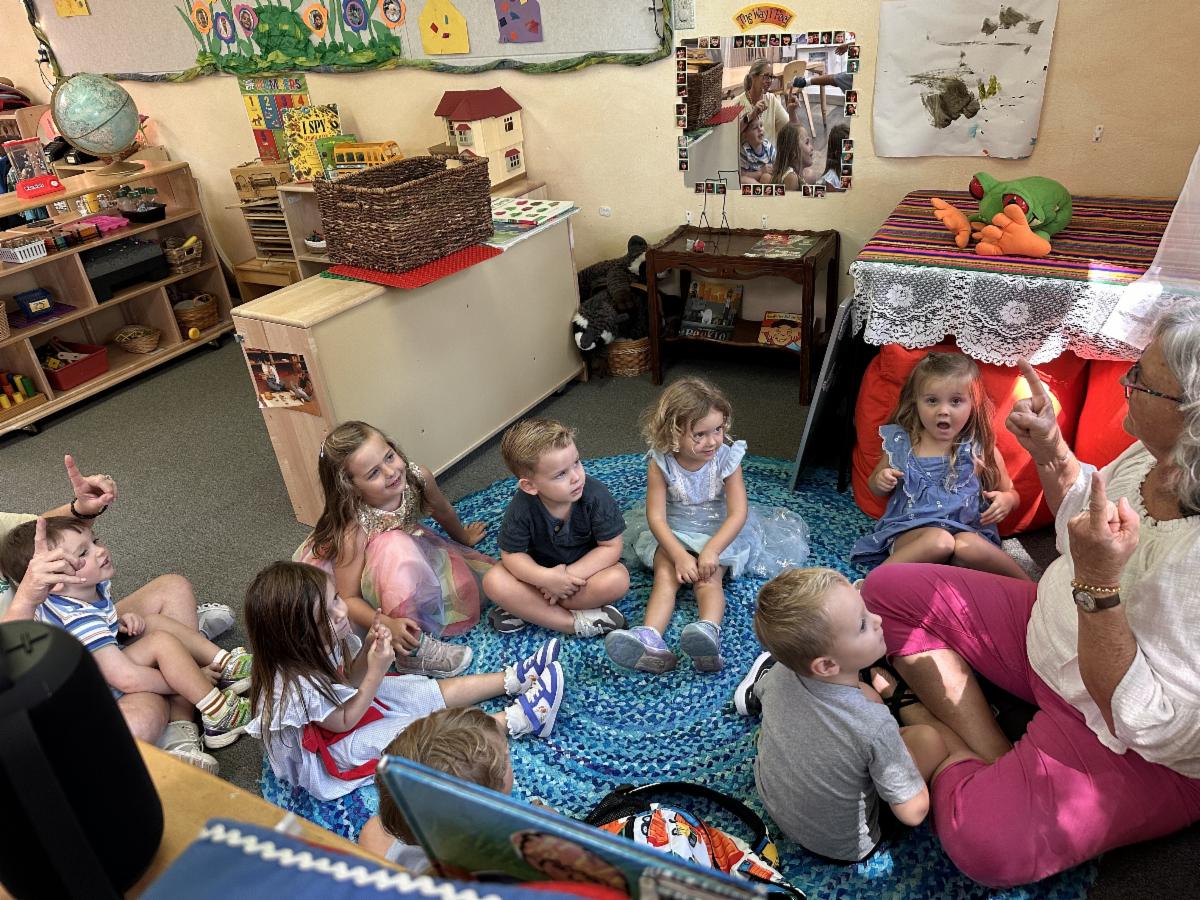
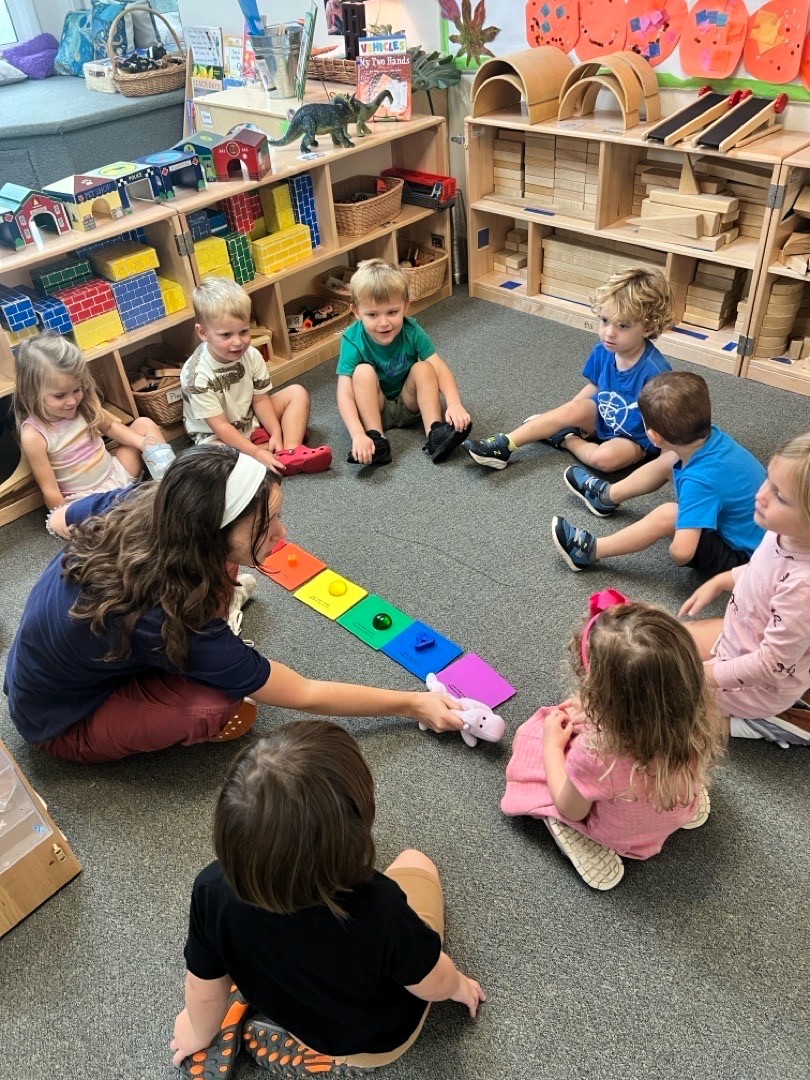
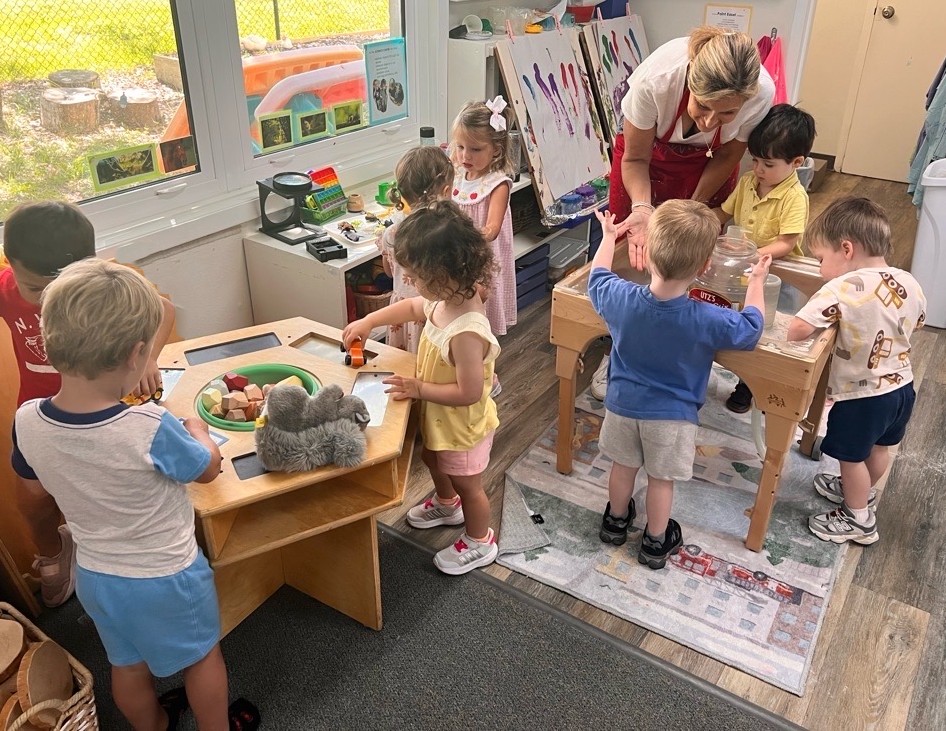
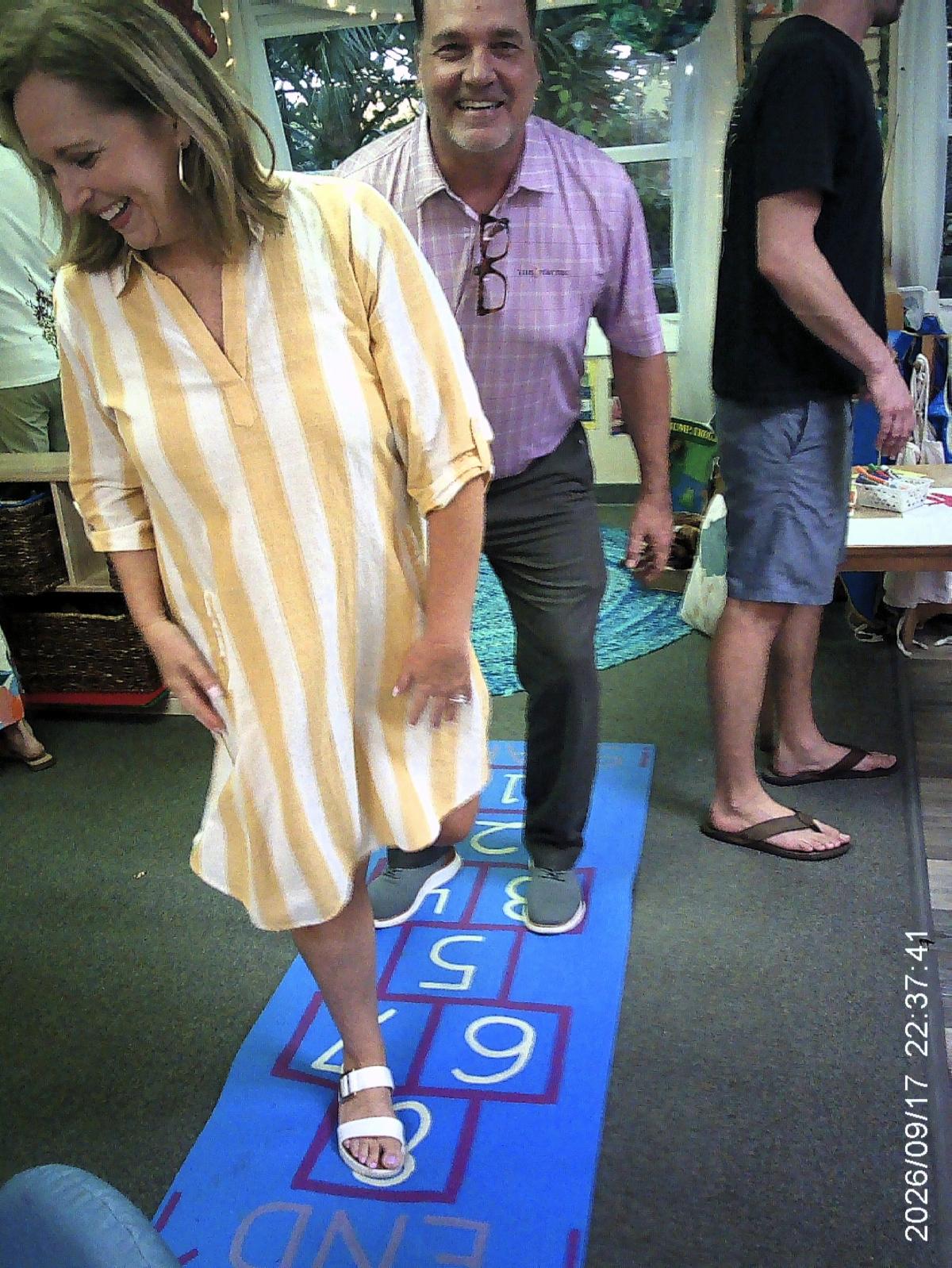
During circle time, group time, and center time, children share ideas, listen to friends, make choices, and explore the classroom learning centers. Through songs, finger plays, and movement activities, they develop language, memory, rhythm, coordination, and the ability to follow directions. Movements that encourage children to reach across the middle of their bodies, known as crossing the midline, help them practice coordinating both sides of their bodies.
As children work and play together, they practice cooperation and problem-solving. Some classroom projects take days to complete, giving children opportunities to develop persistence and stick-to-itiveness. These everyday experiences help children discover that their ideas matter and their efforts make a difference.
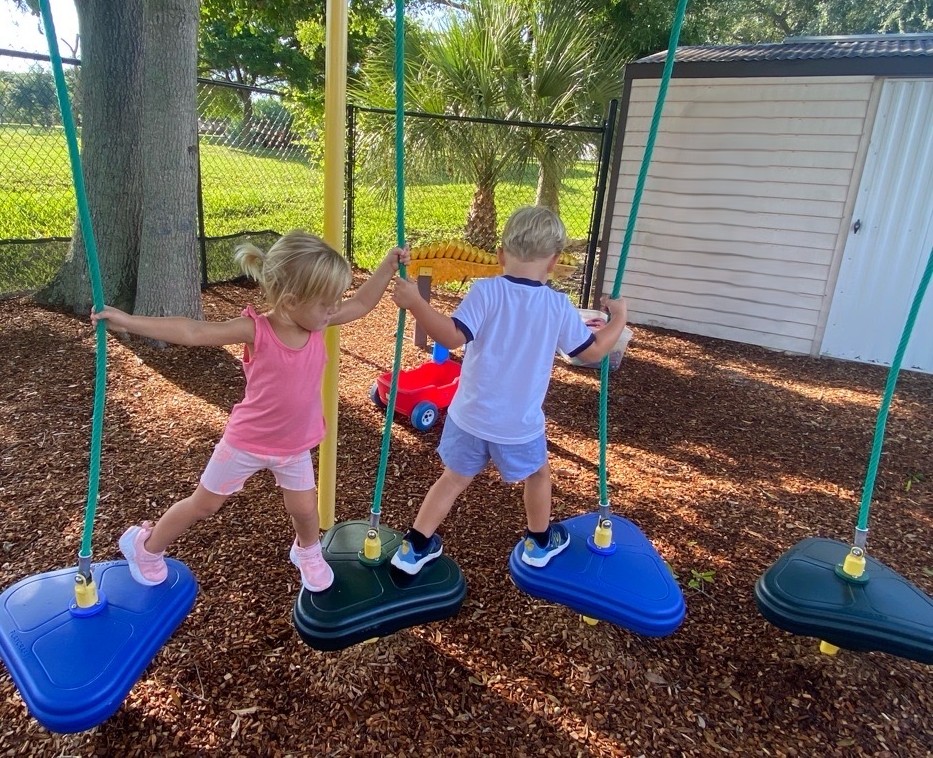
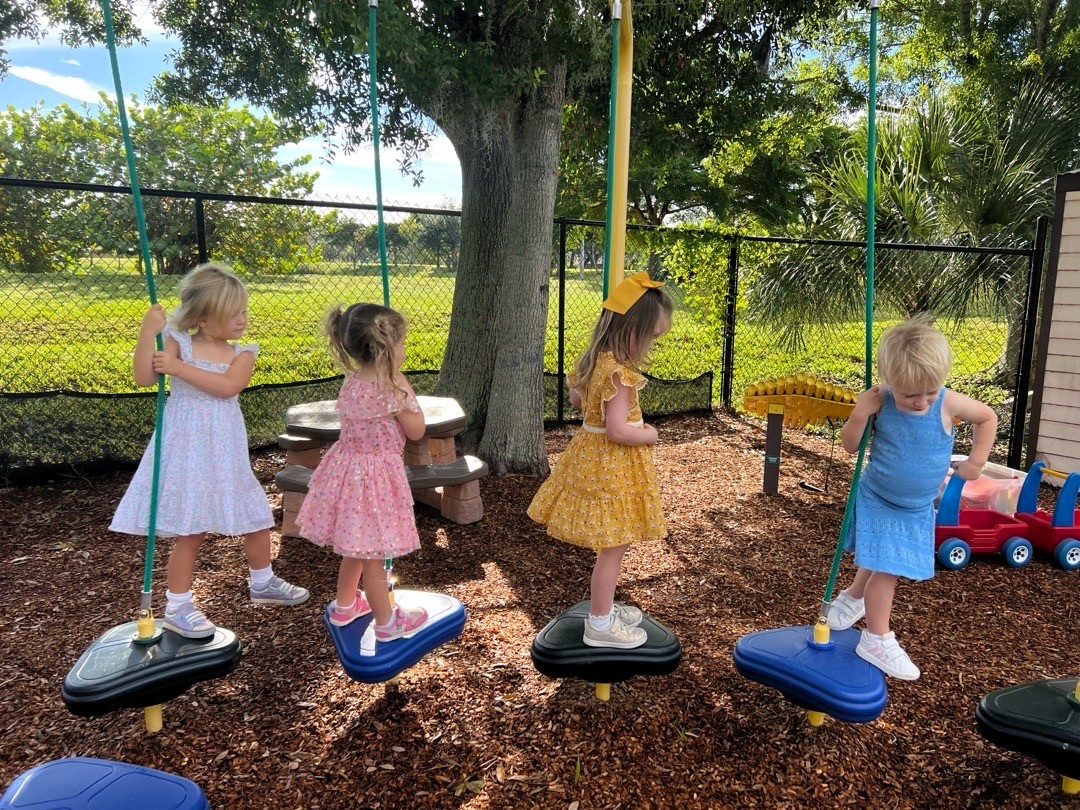
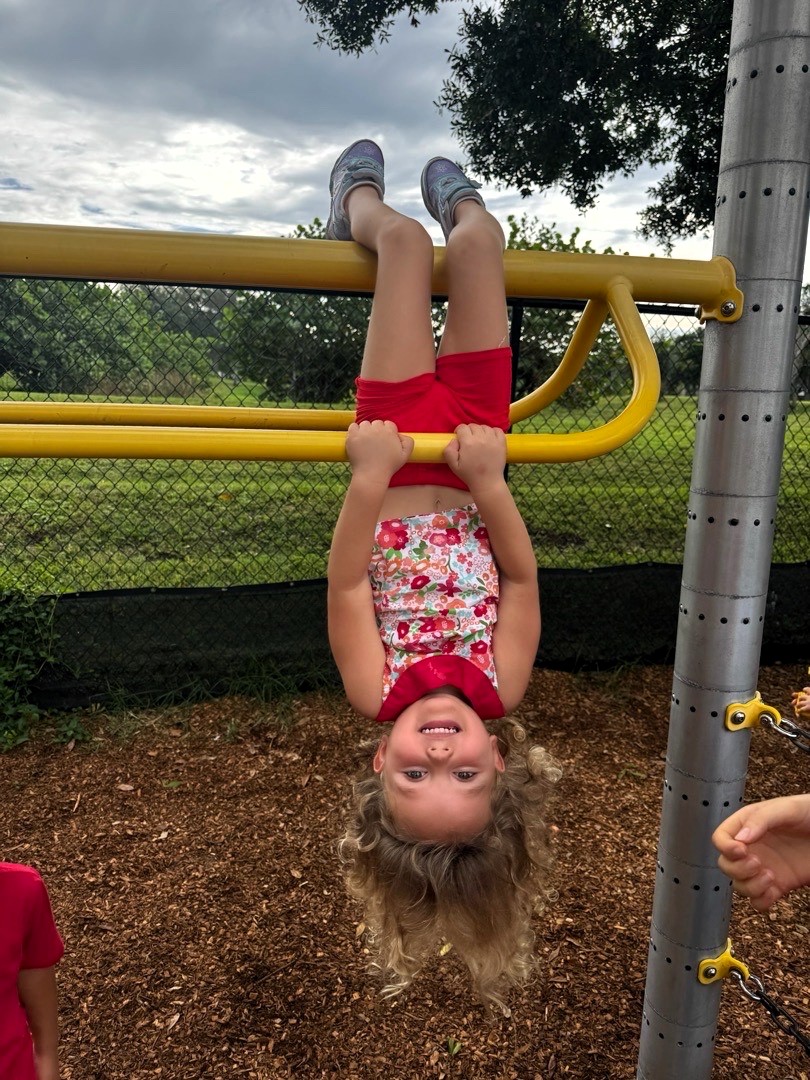
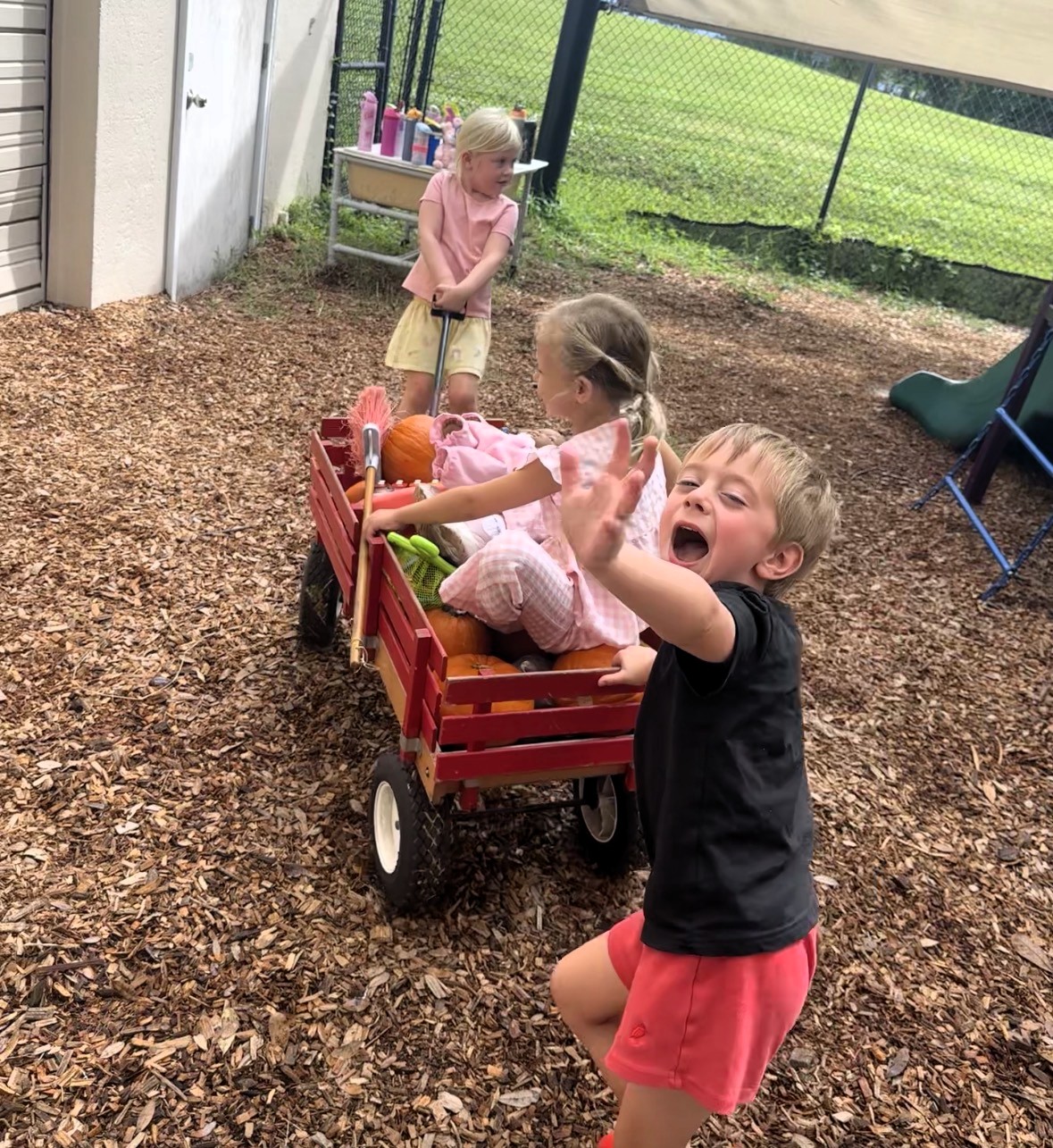
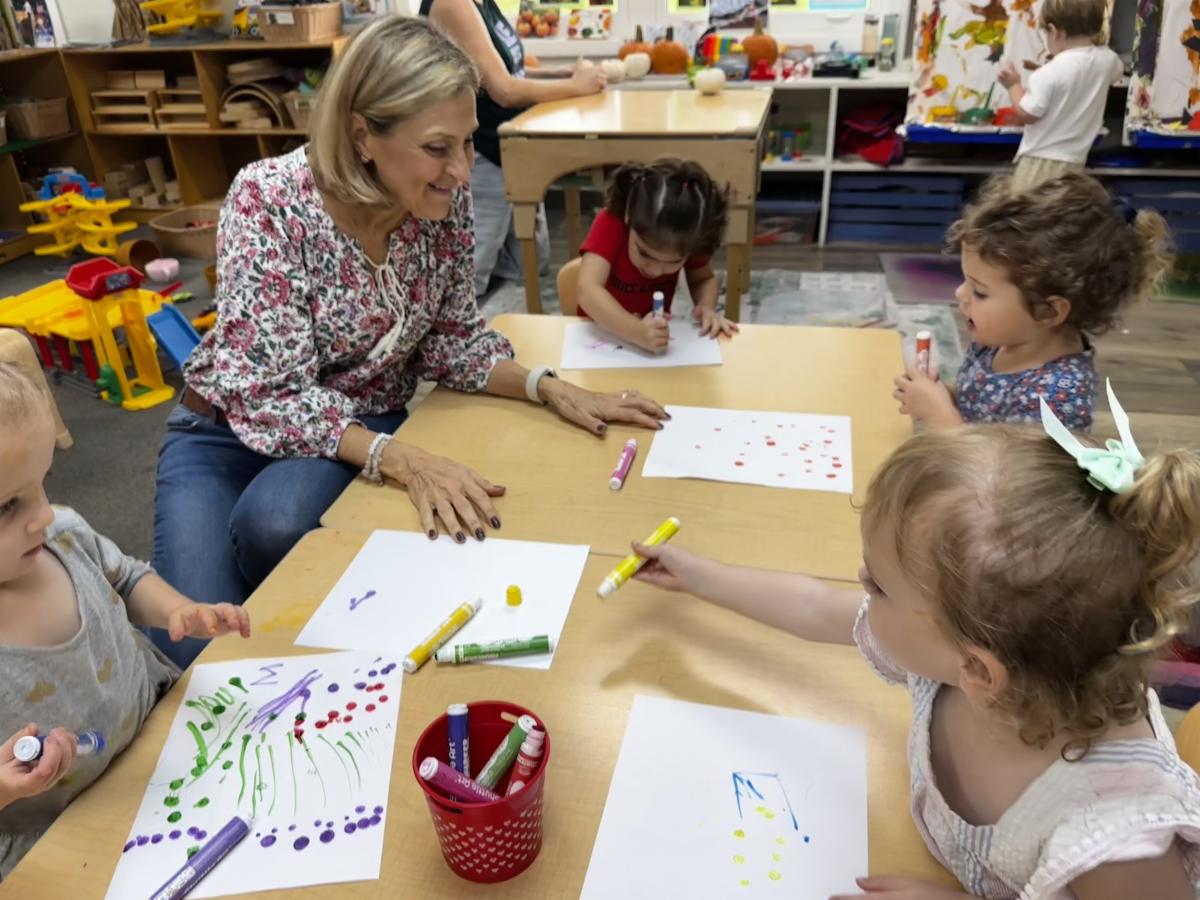
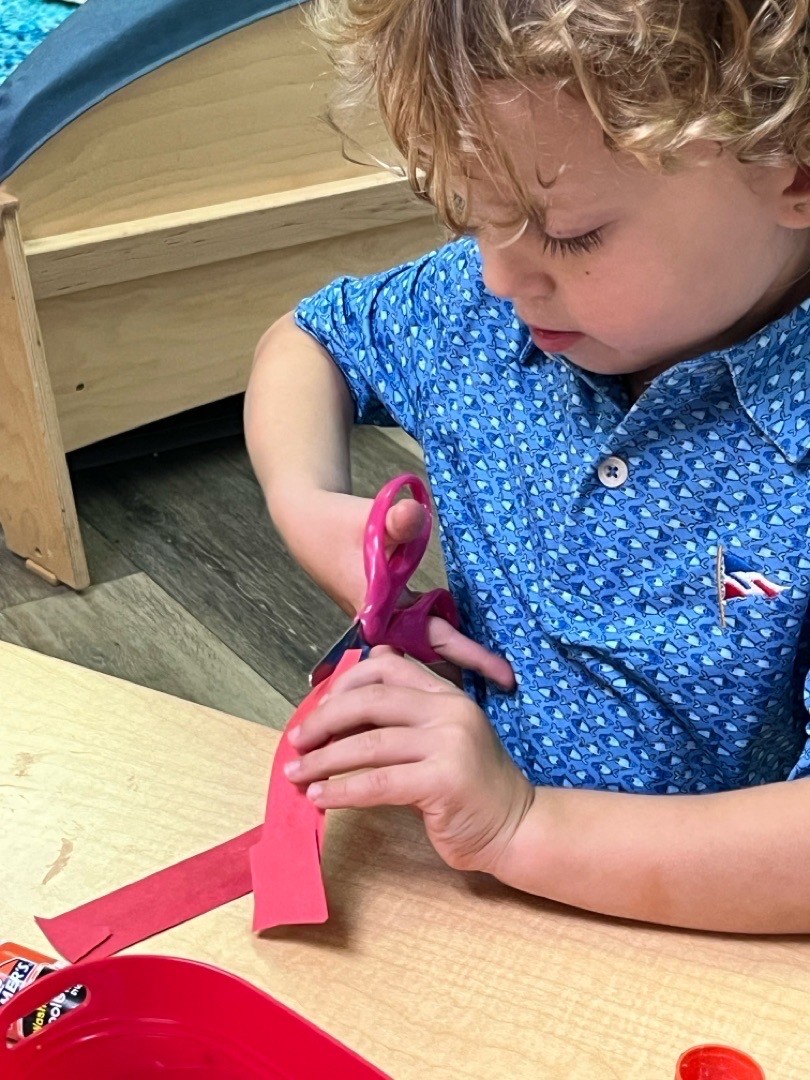
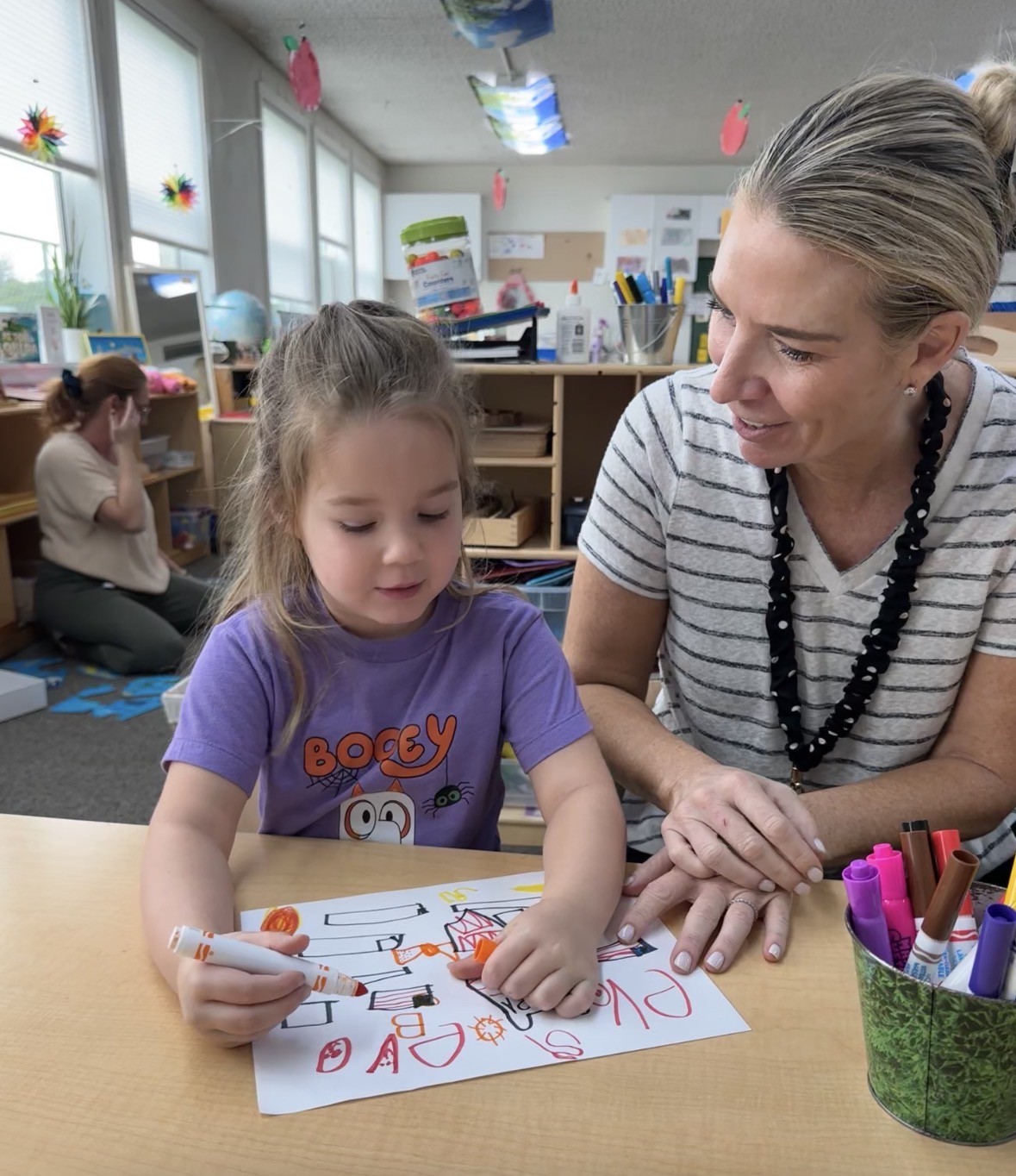
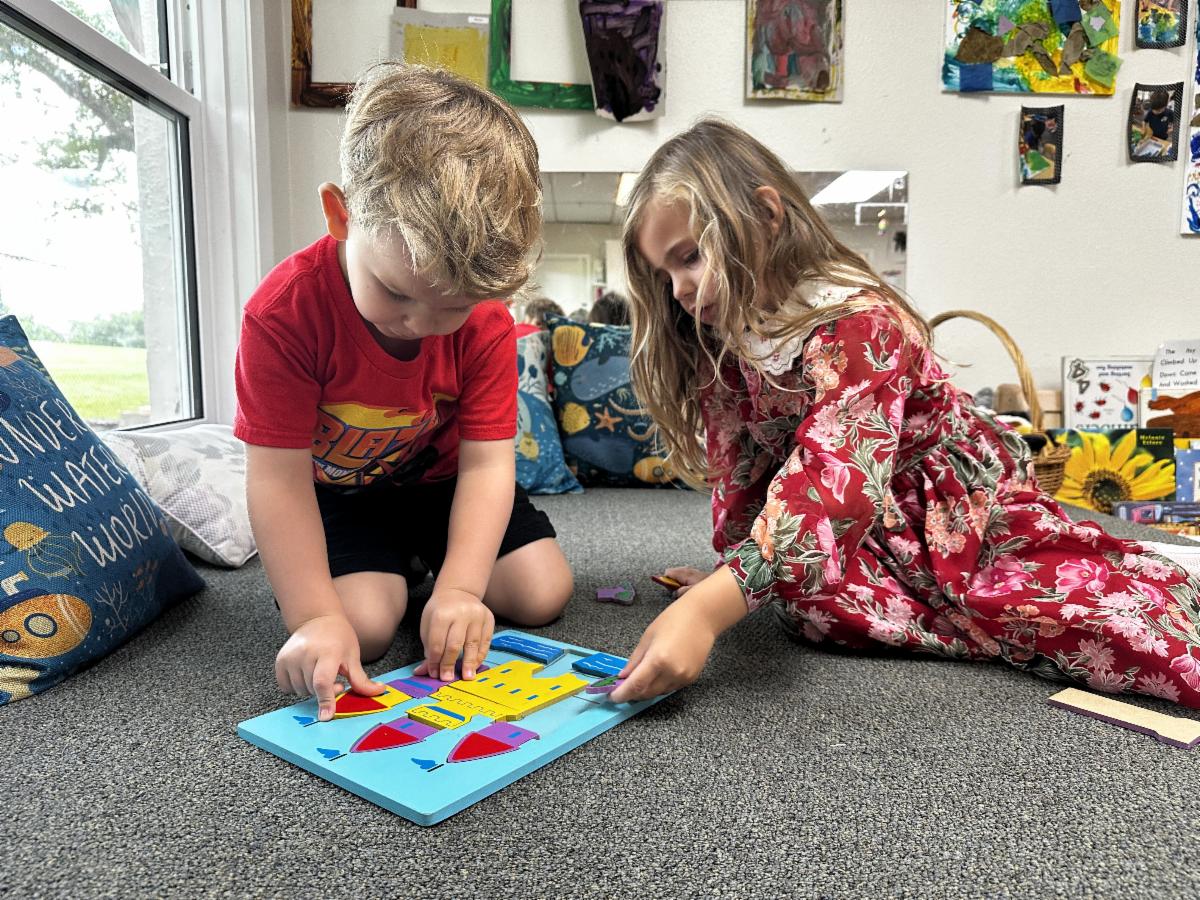
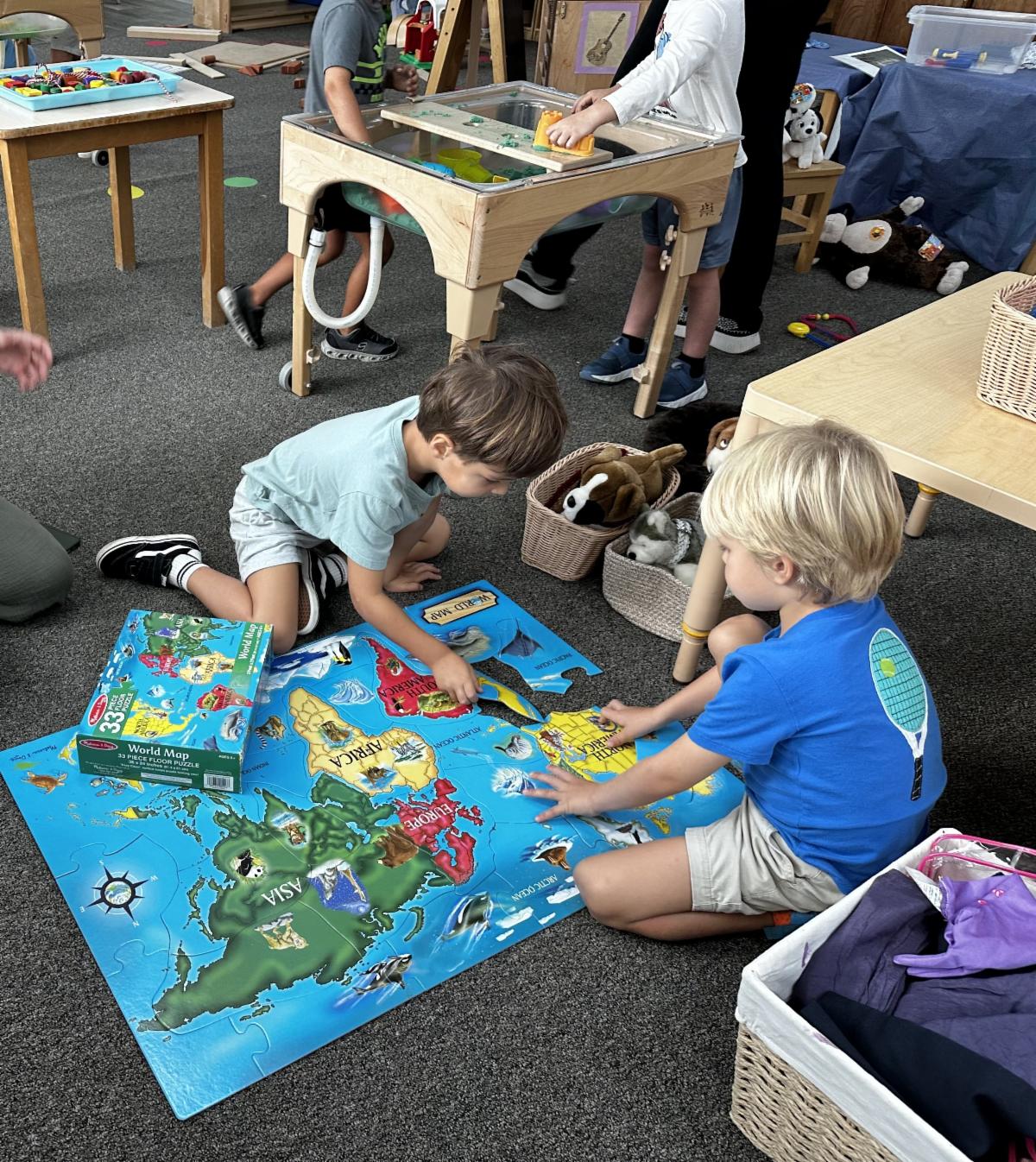
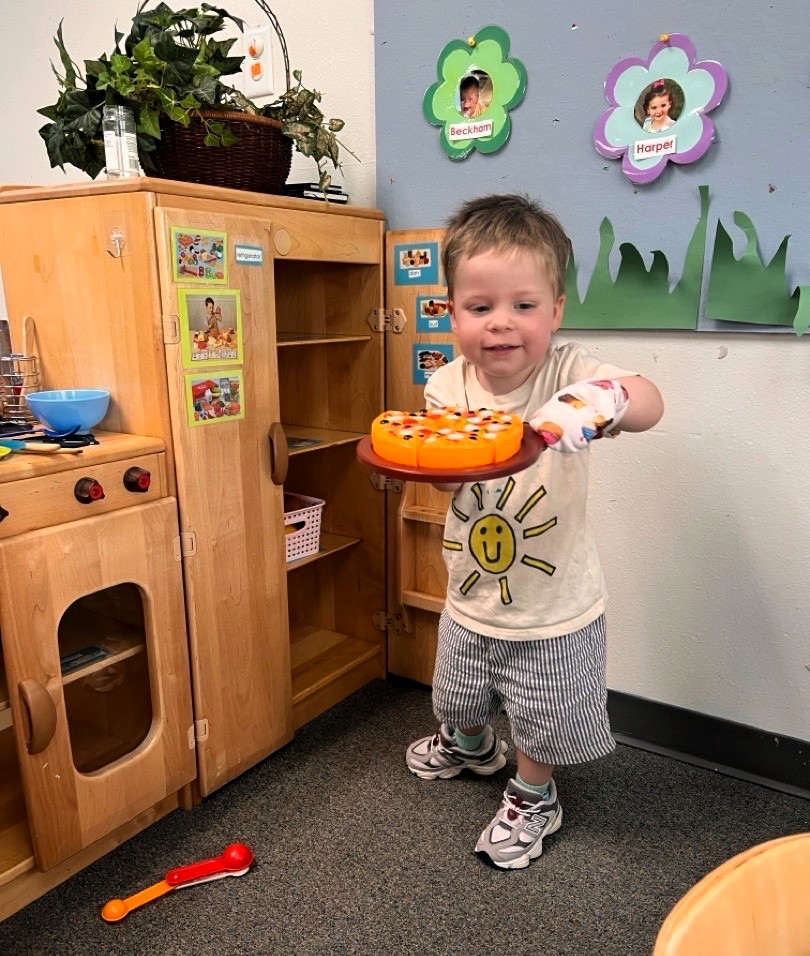
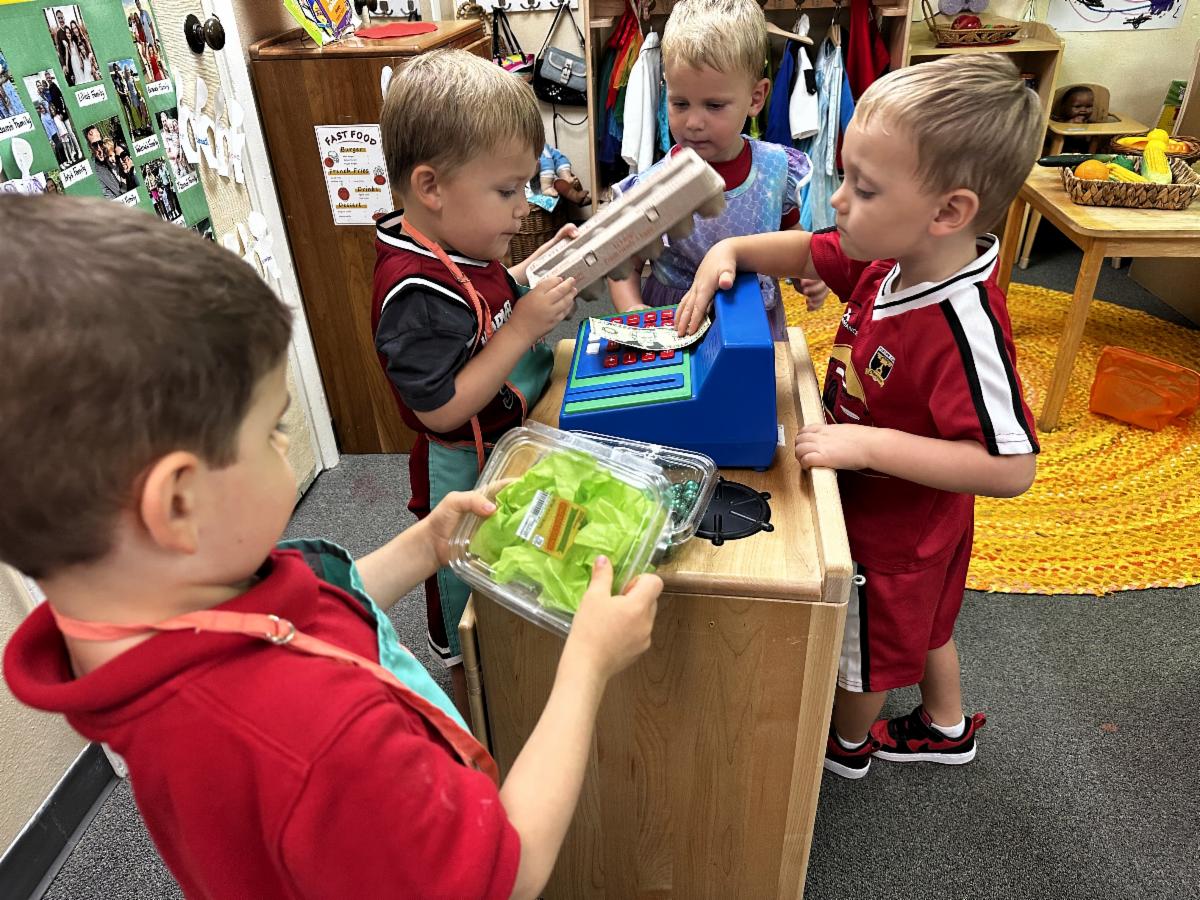
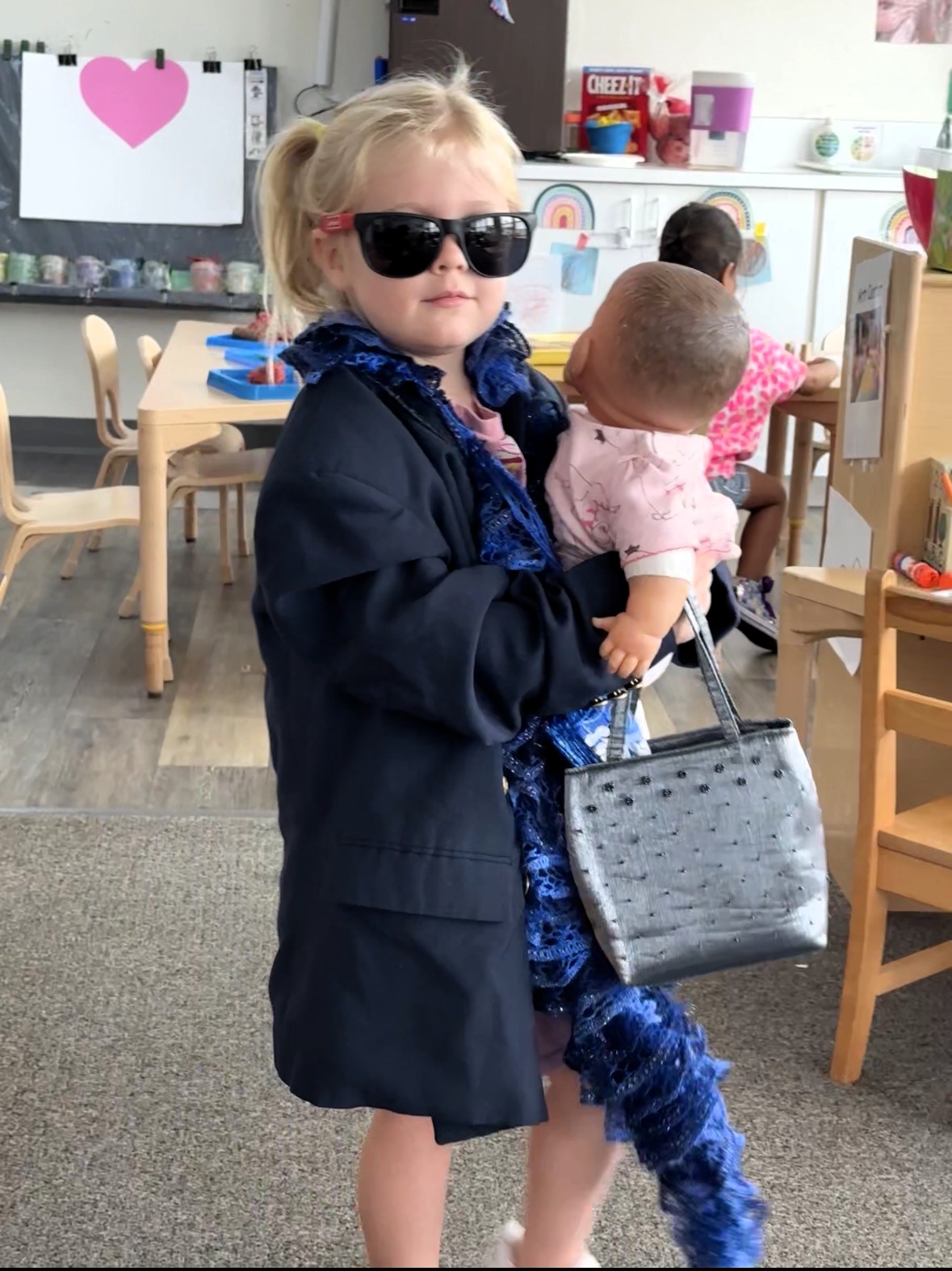
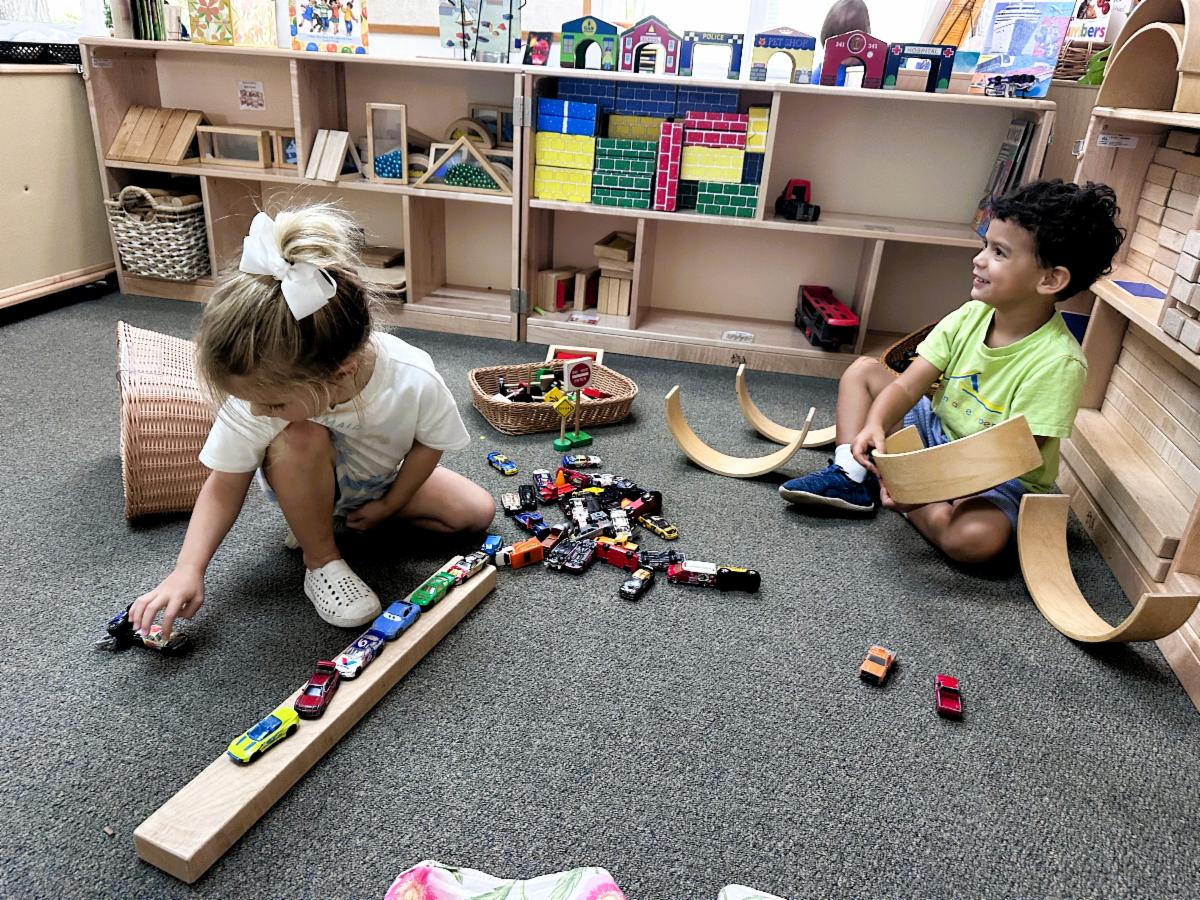
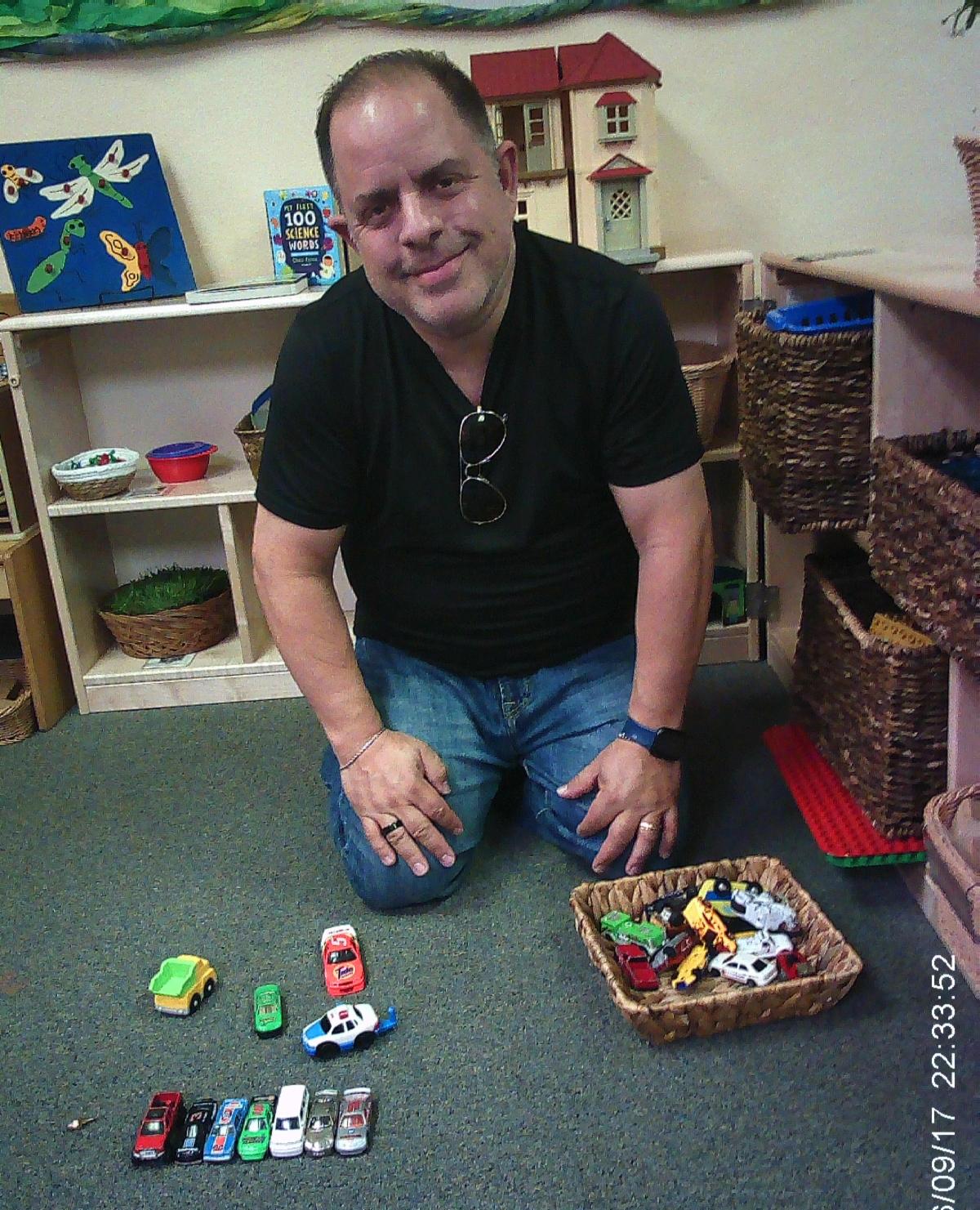
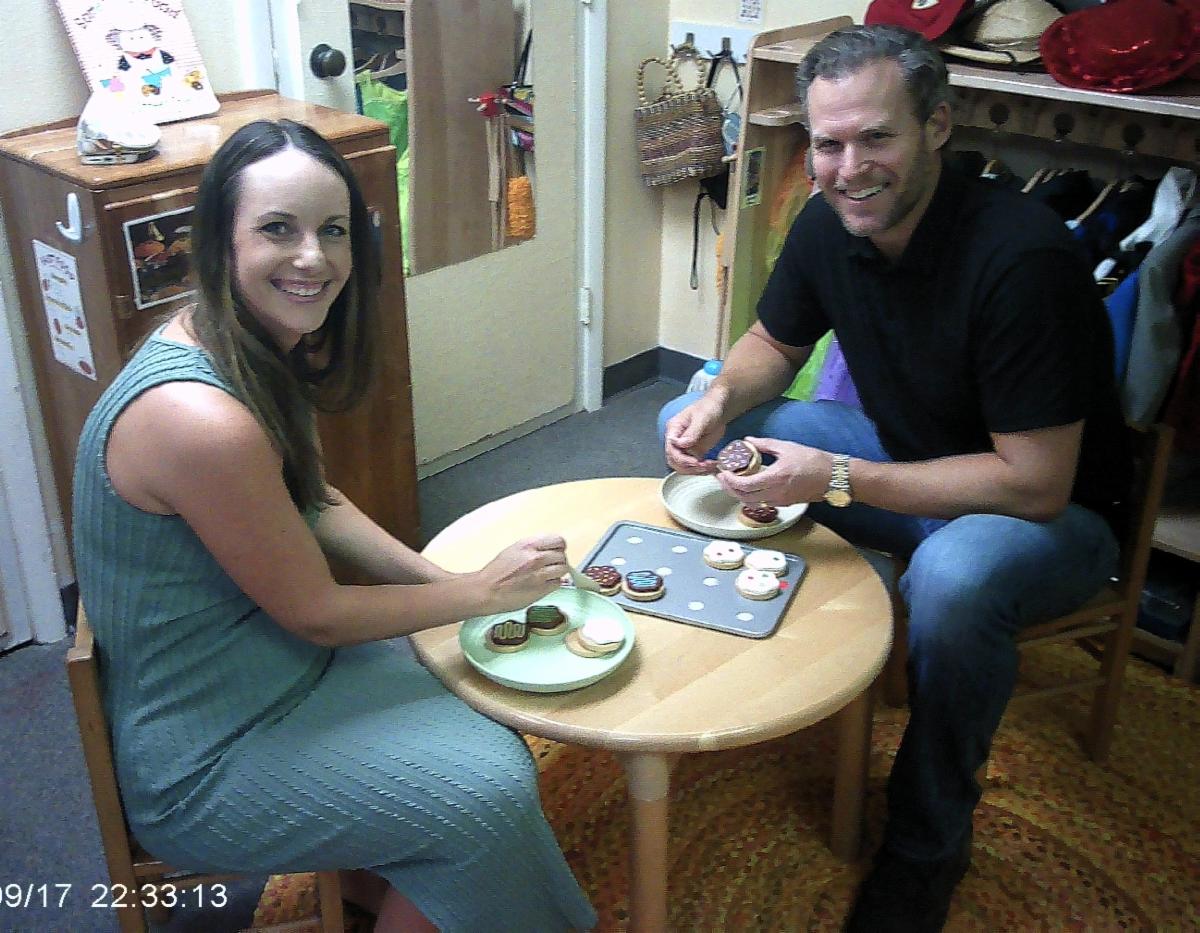
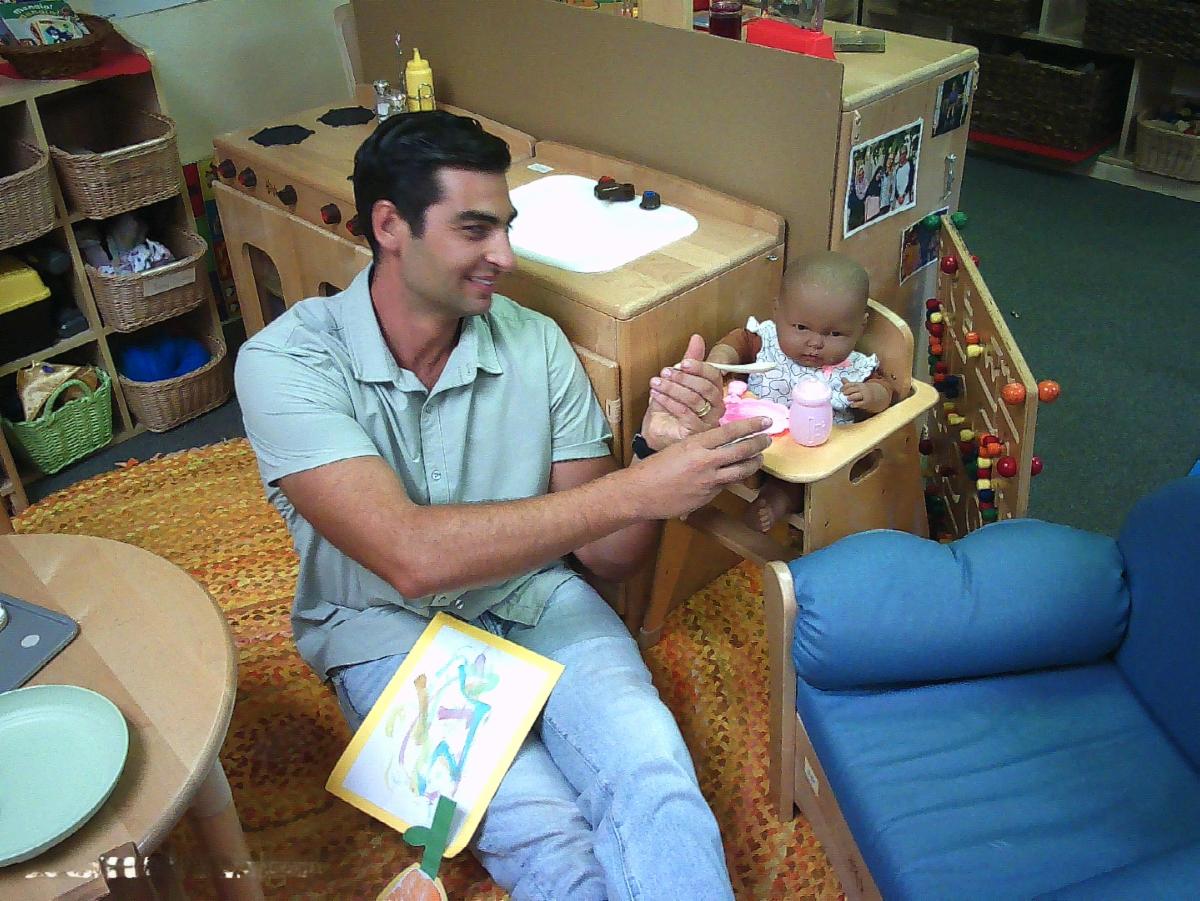
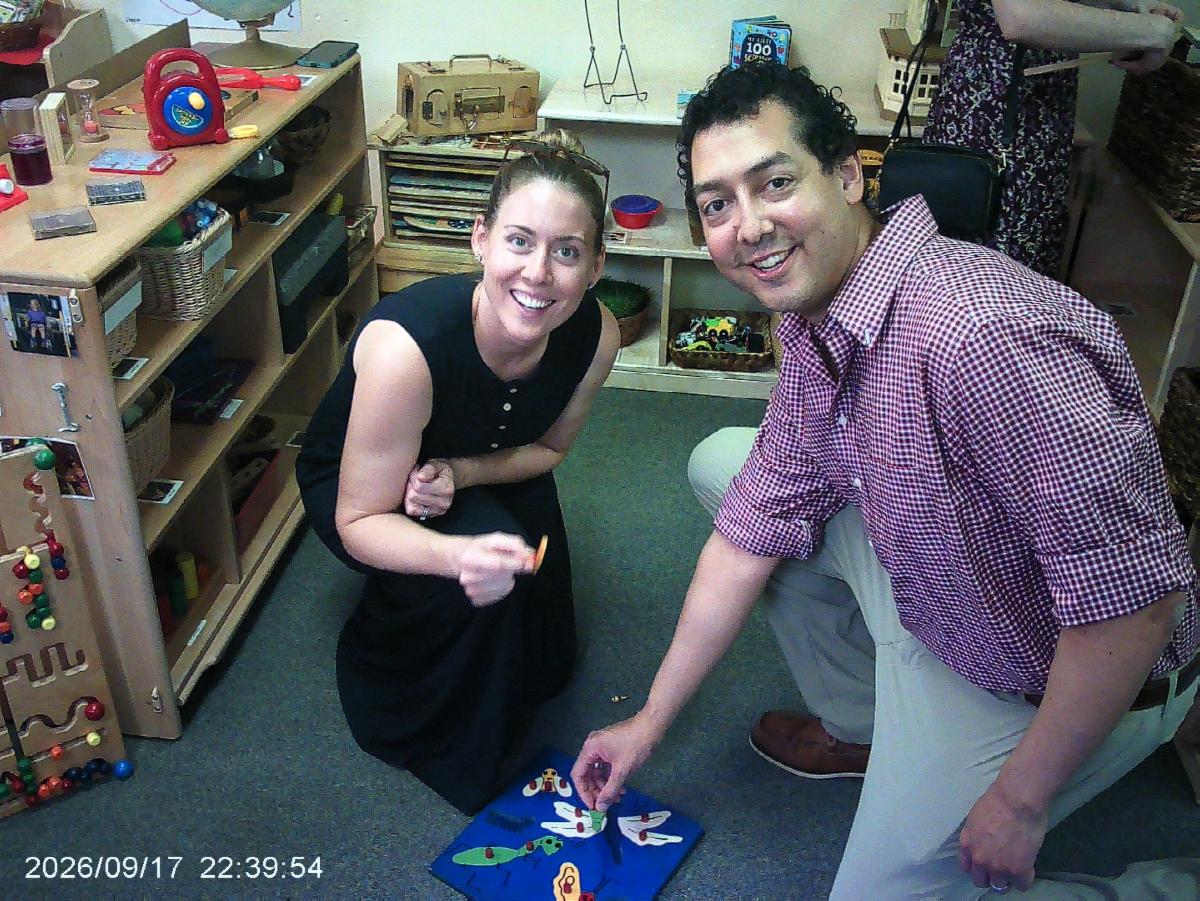
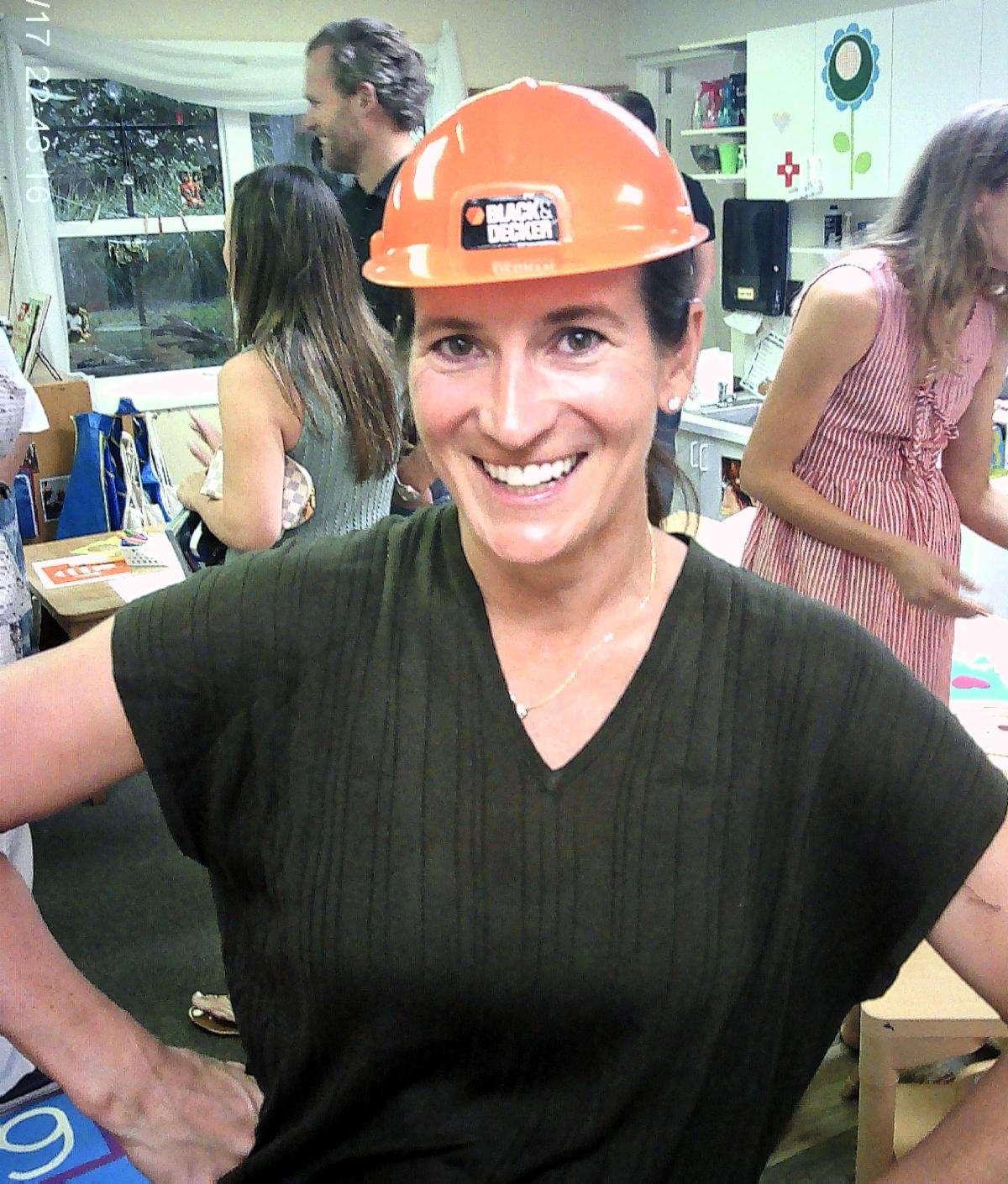
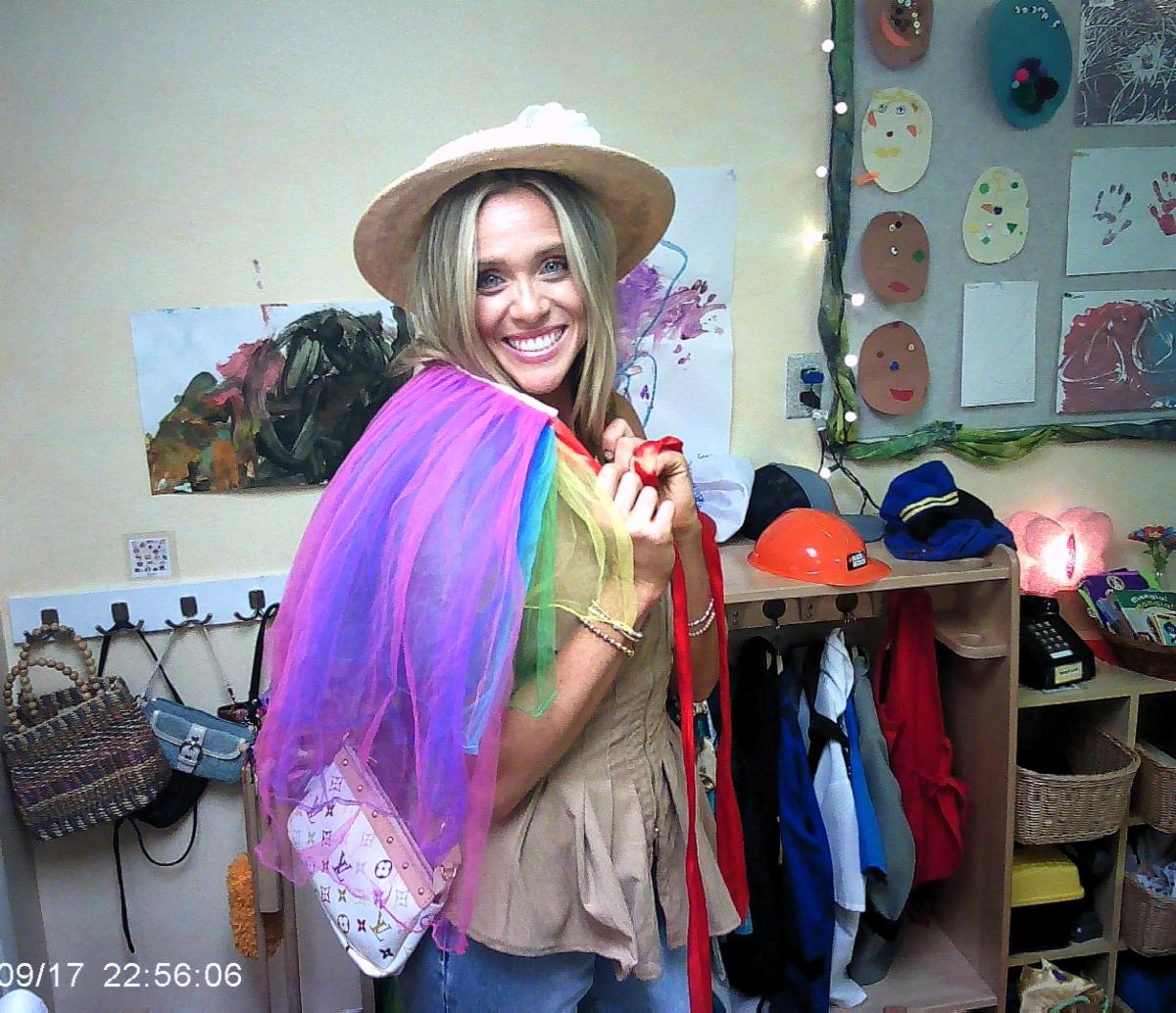
| On the playground, children run, climb, jump, balance, and explore as they build strength, coordination, and confidence in what their bodies can do. They learn to assess challenges, test their abilities, and keep trying as they develop new physical skills. As they make up games and play with friends, they practice taking turns, sharing ideas, solving problems, and working through disagreements. They learn to include others, negotiate rules, and find ways to play together. Outdoor play supports growing bodies, developing minds, and meaningful friendships while helping children build independence, resilience, and important social skills. | When children explore different writing and painting tools, they draw, make marks, create shapes, mix colors, and express their ideas in exciting ways. As they experiment with crayons, markers, paintbrushes, and paint, they strengthen the small muscles in their hands and develop the control needed for writing. Using scissors to snip and cut paper helps children build hand strength, coordination, and the skills needed for future writing tasks. They begin to understand that pictures, letters, and words carry meaning and that they can use them to share their thoughts and tell stories. These creative experiences build early literacy skills, fine motor coordination, confidence, and curiosity while giving children the freedom to explore, experiment, and let their imaginations shine. | With puzzles, games, and other hands-on materials, children explore counting, sorting, matching, shapes, and patterns while building early math skills. They learn to recognize similarities and differences, think critically, solve problems, and make decisions. As they work through a tricky puzzle or take turns in a game, they practice patience, persistence, and cooperation. They discover that challenges are part of learning and that trying a new approach can lead to success. These playful experiences build confidence, strengthen important thinking skills, and help children develop a love of learning. | In dramatic play, children can become anything they imagine, from cooking in a restaurant to caring for babies, shopping at a grocery store, or going on exciting adventures. As they create stories and act out real-life experiences, they build language, expand their vocabulary, make decisions, solve problems, and learn to see things from another person’s perspective. They practice taking the lead, listening to a friend’s ideas, sharing roles, and working together. Pretend menus, shopping lists, signs, and labels introduce early reading and writing as children discover that words and letters have meaning. Through these shared adventures, children develop creativity, confidence, and friendships while learning how to understand others and navigate the world around them. |
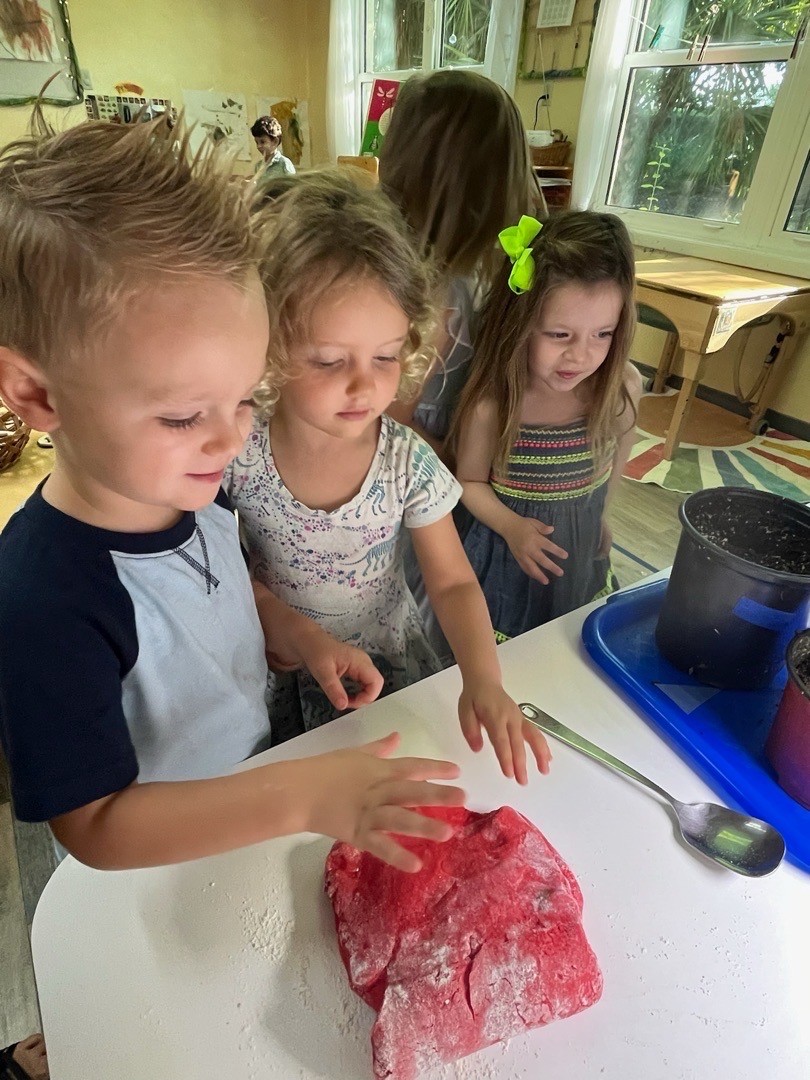
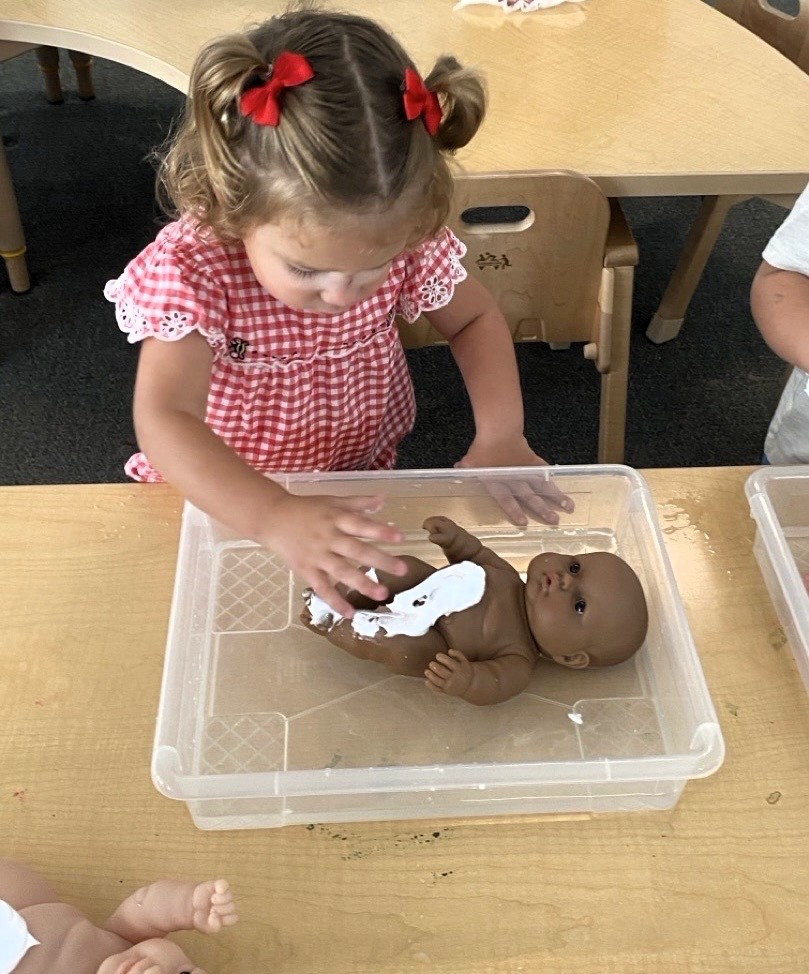
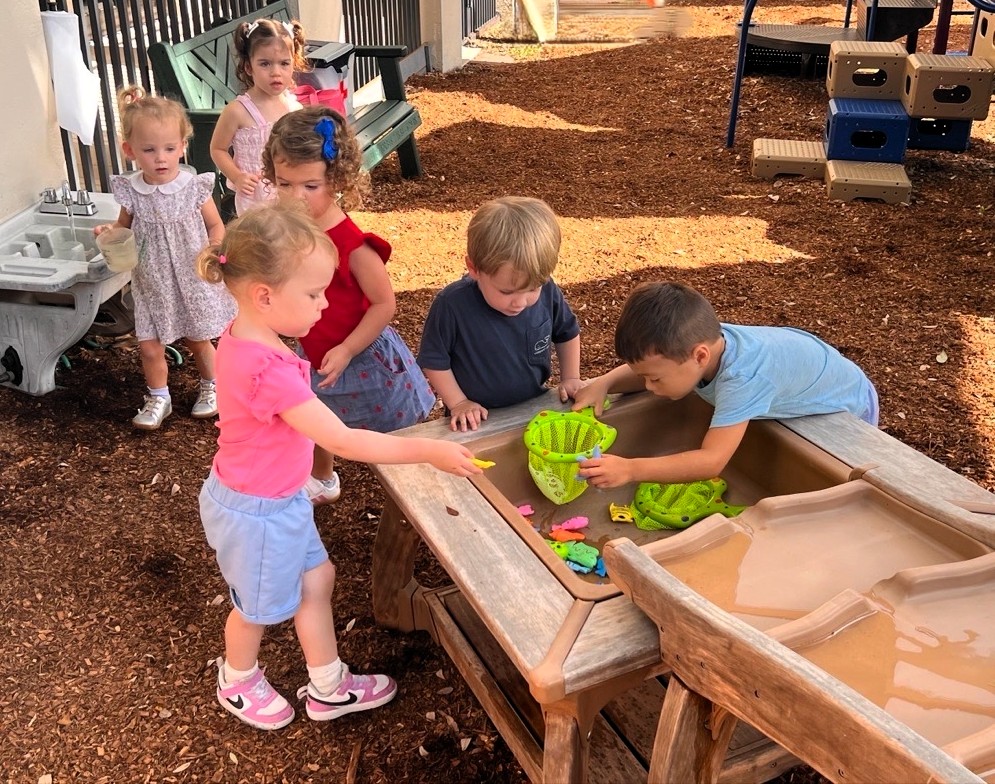
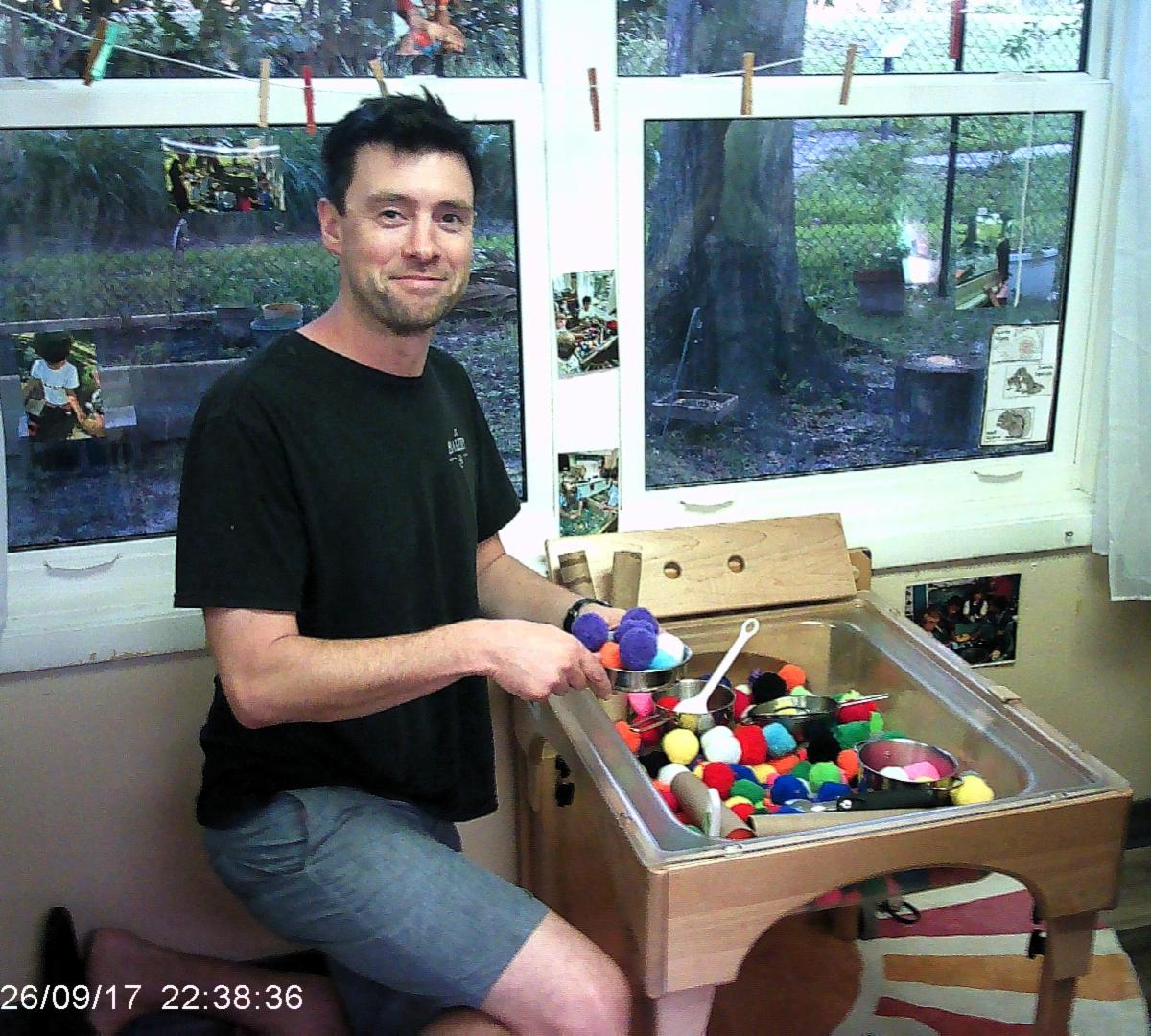
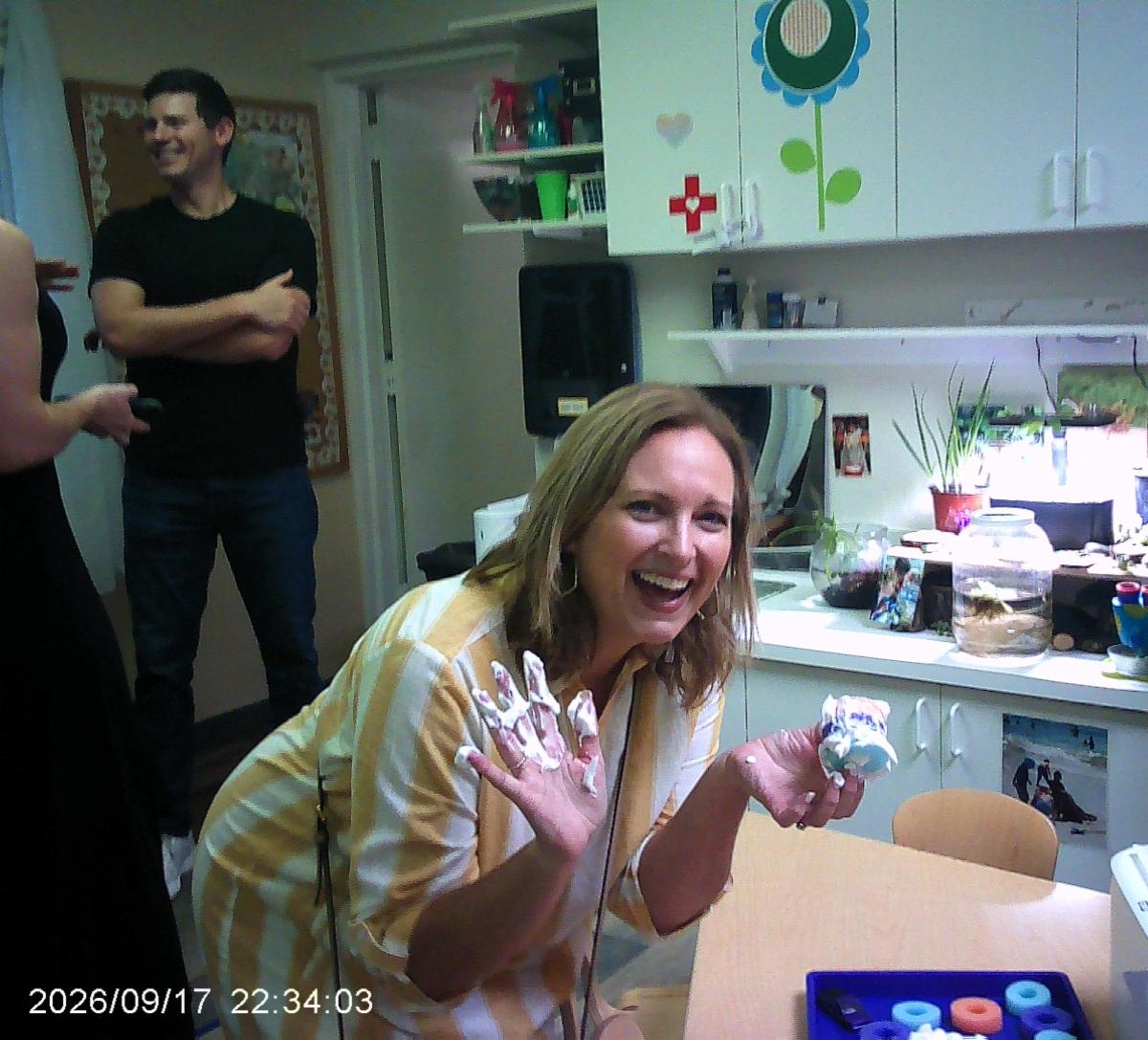
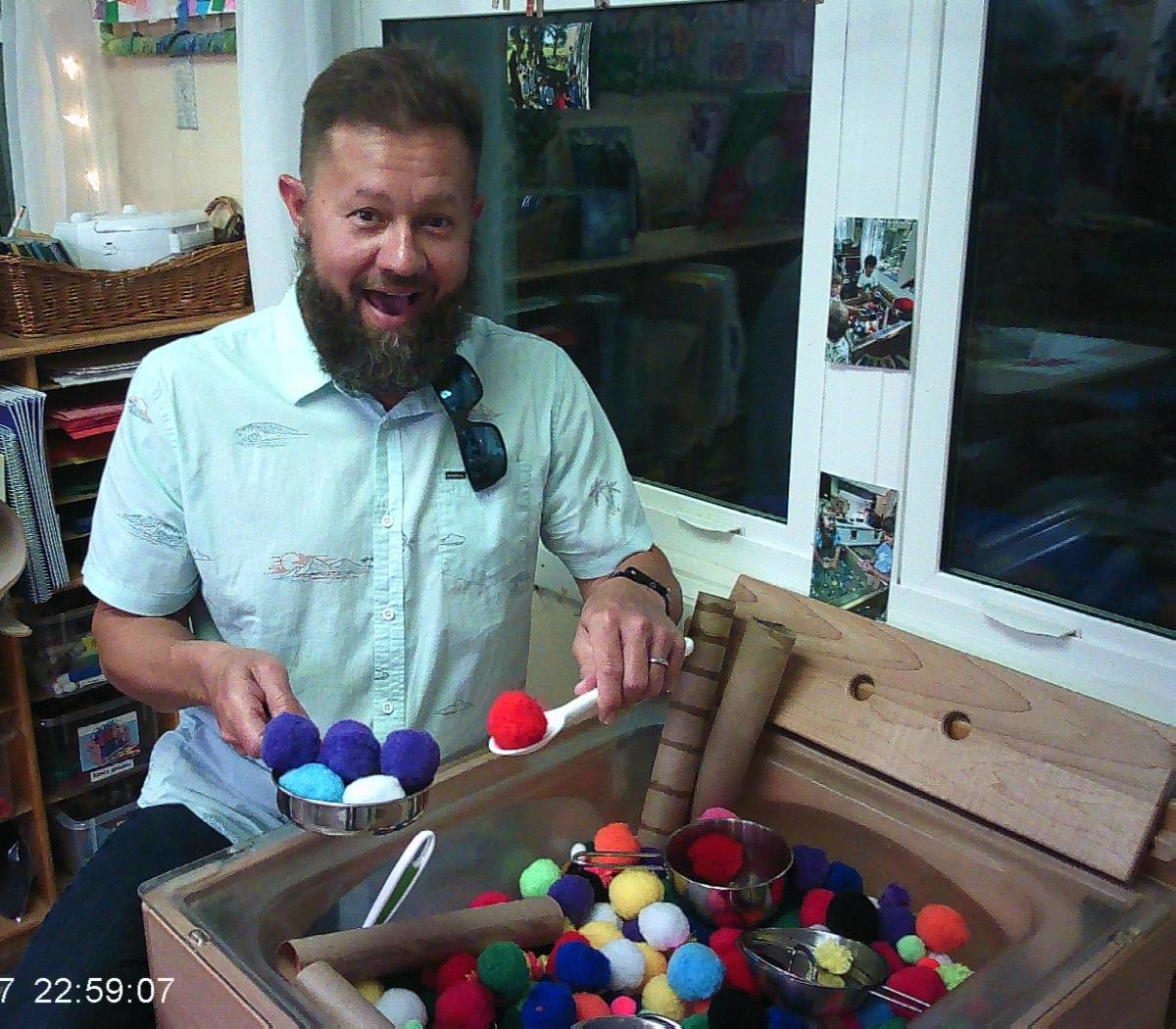
Through sensory play, children squish, scoop, pour, mix, and experiment as they discover how the world works. They explore different textures, learn about cause and effect, strengthen the small muscles in their hands, and develop hand-eye coordination. As they play, they learn new words, describe what they notice, solve problems, and let their imaginations lead. Sensory experiences also help children build confidence and curiosity as they become comfortable exploring new materials, even those that may feel unfamiliar at first. What looks like simple play is actually an important part of how children learn, grow, and make sense of the world around them.
|
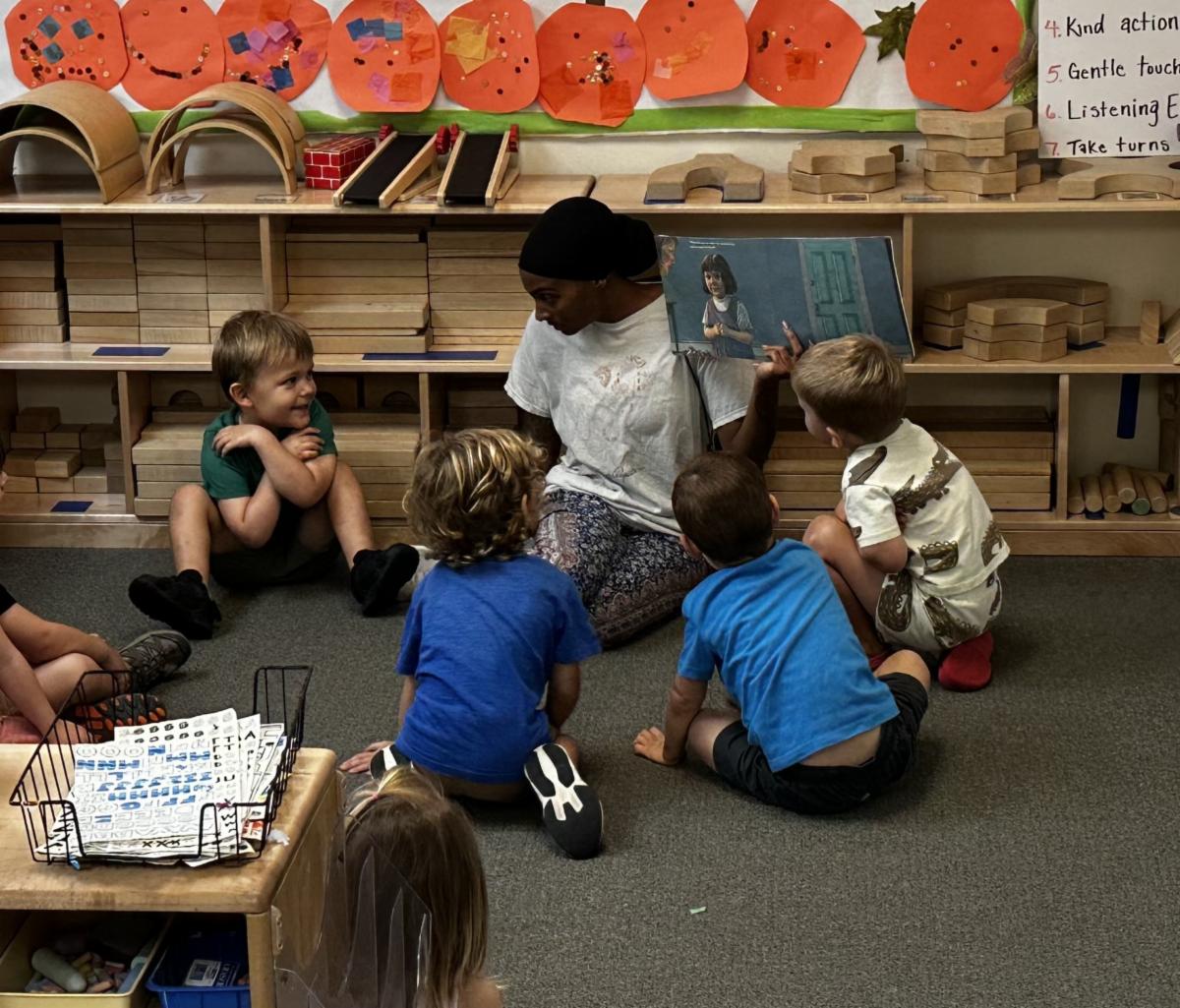
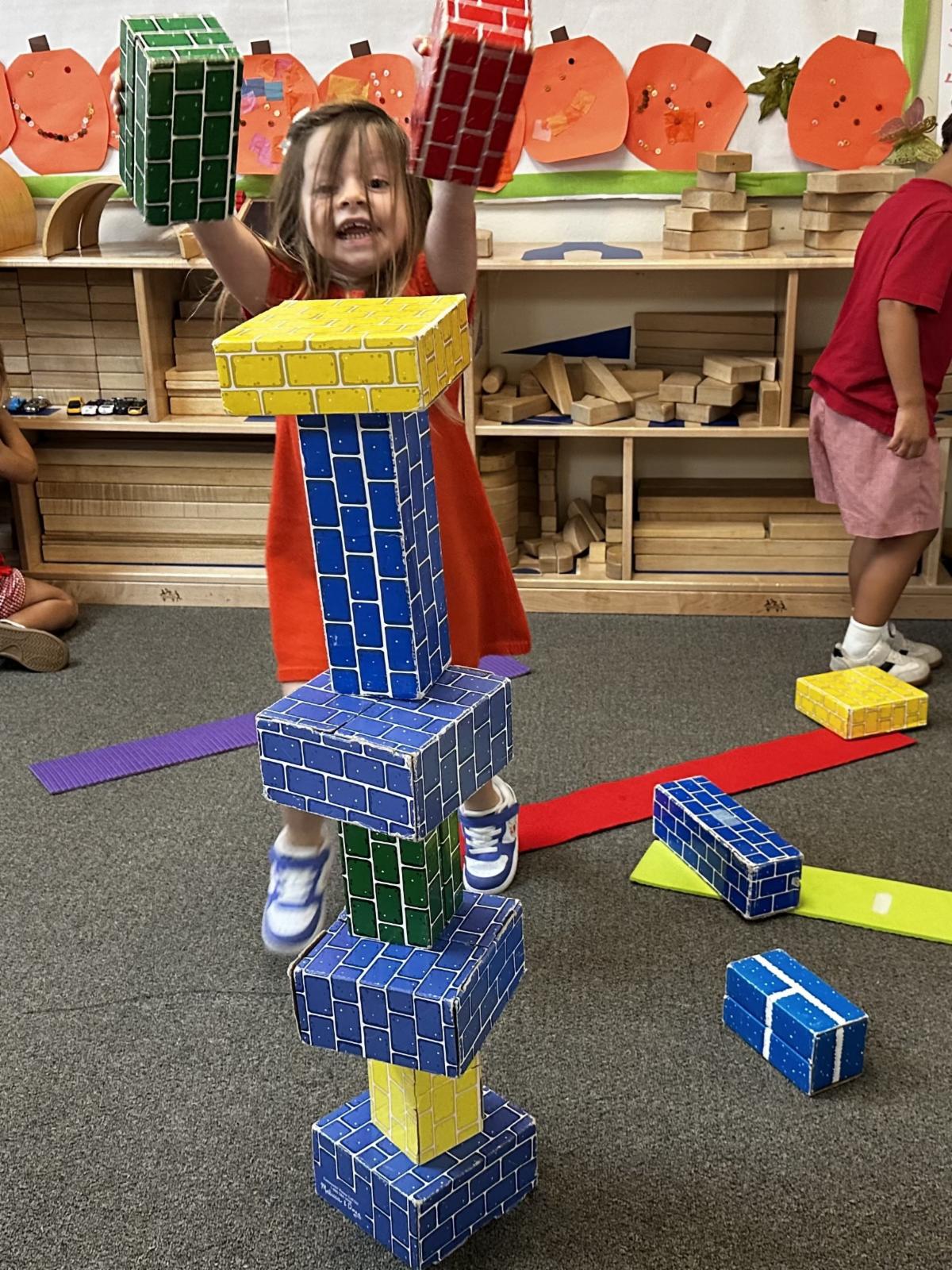
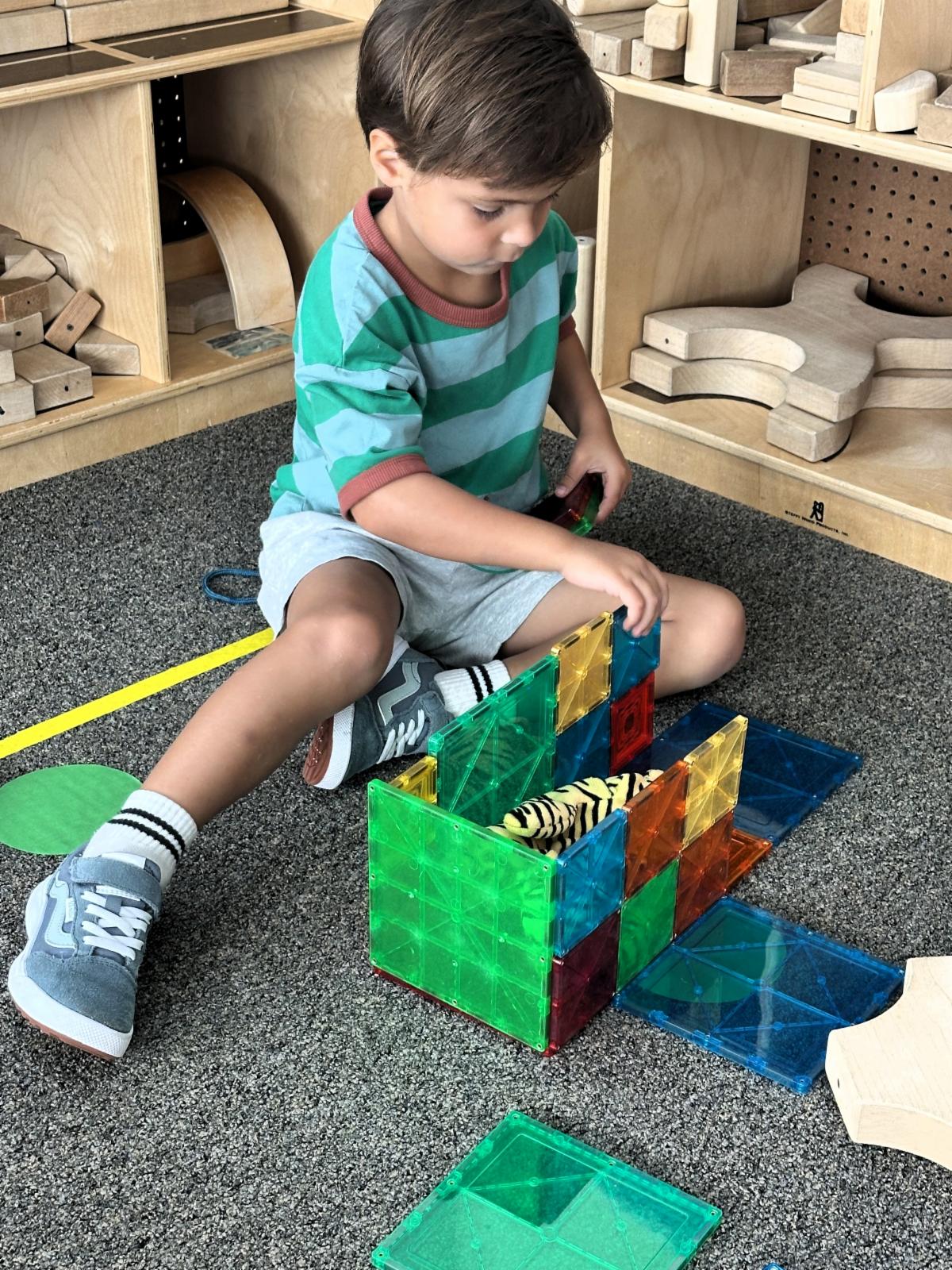
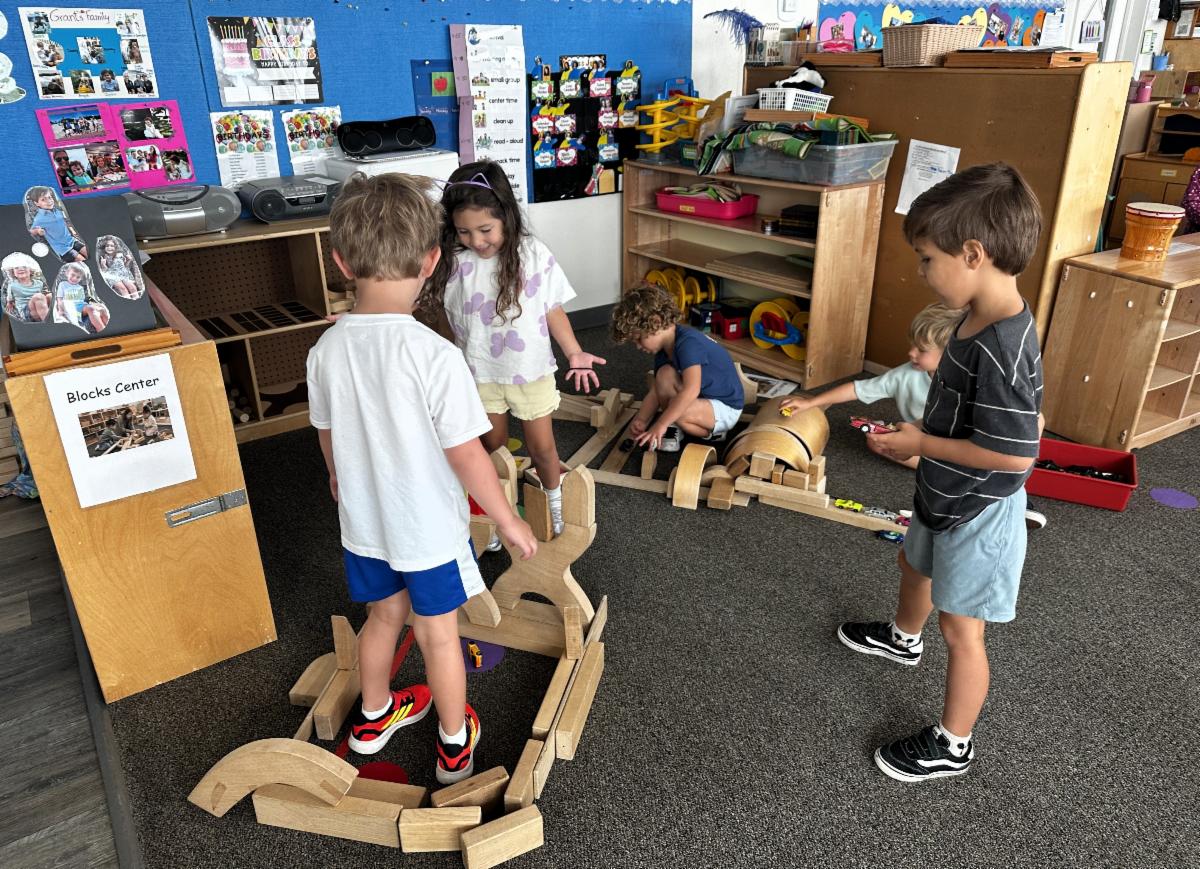
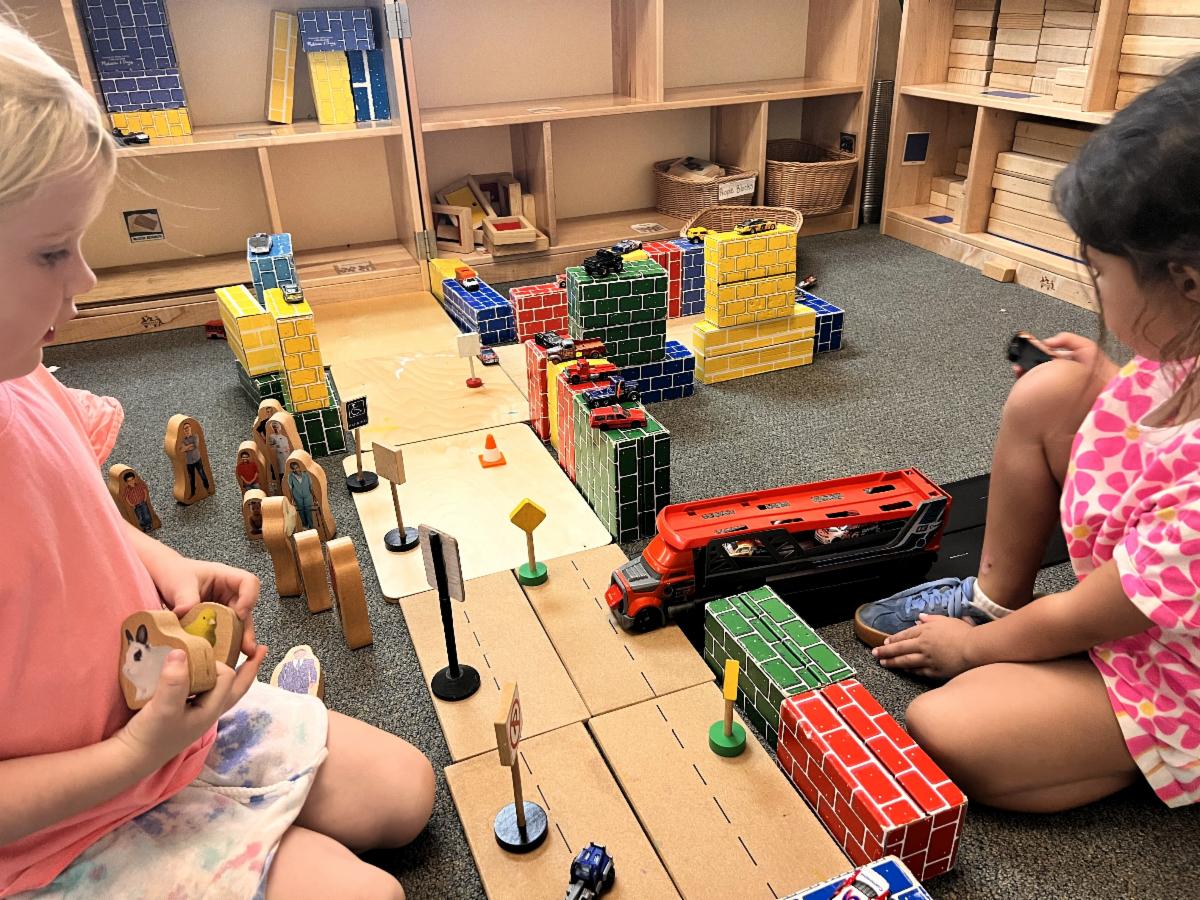
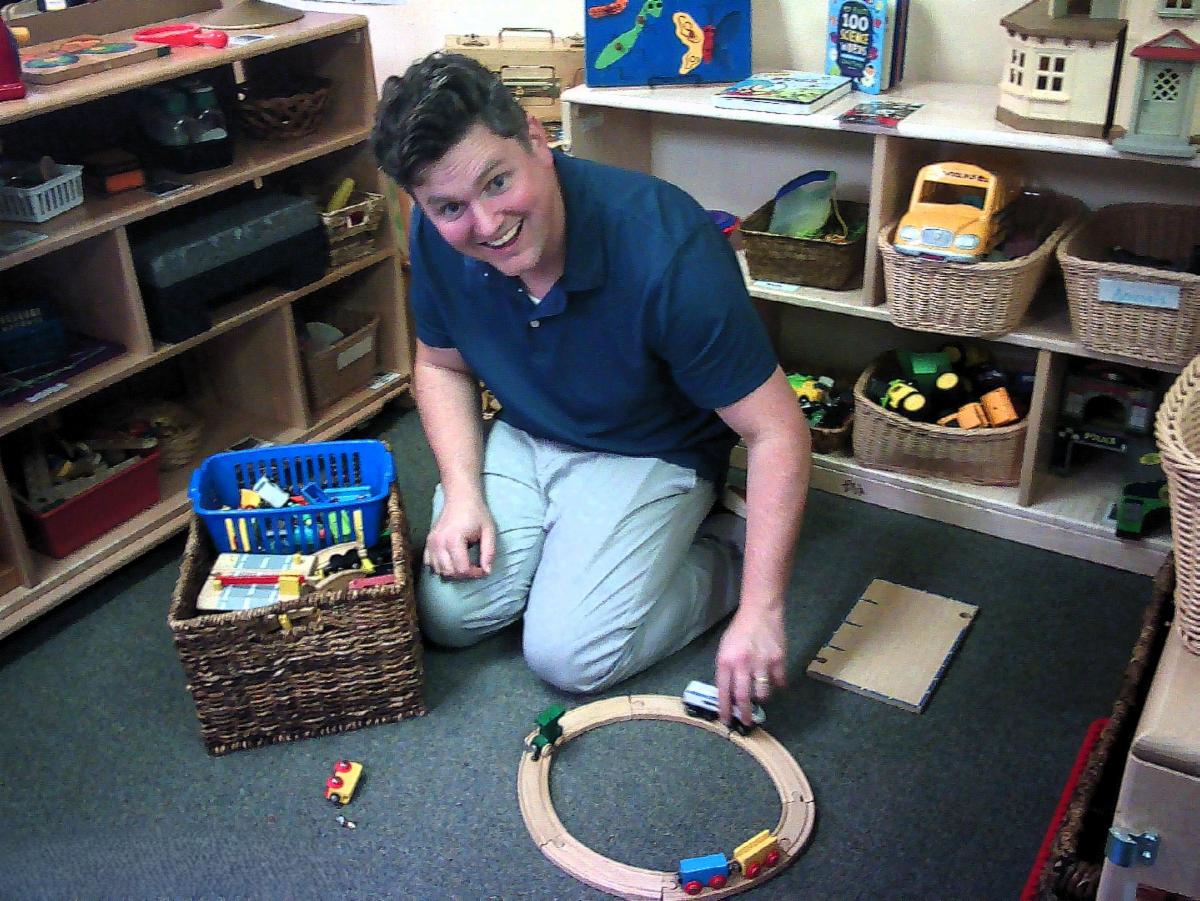
In the block center, children become builders, architects, and creators as they design everything from tall towers to homes, bridges, and entire communities. As they build, they explore shapes, sizes, balance, patterns, measurement, and spatial relationships while discovering early math, science, engineering, and problem-solving concepts. They learn to plan, test their ideas, and work together to bring their creations to life. When a tower tumbles or a bridge won’t stay up, children practice persistence, rethink their plans, and try new solutions. Through block play, children build creativity, confidence, and critical-thinking skills while discovering that a topple is a chance to learn and build something new.
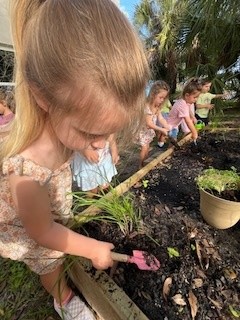
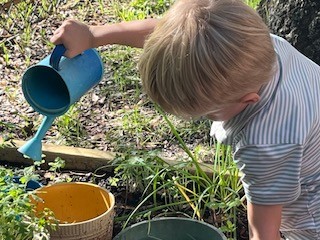
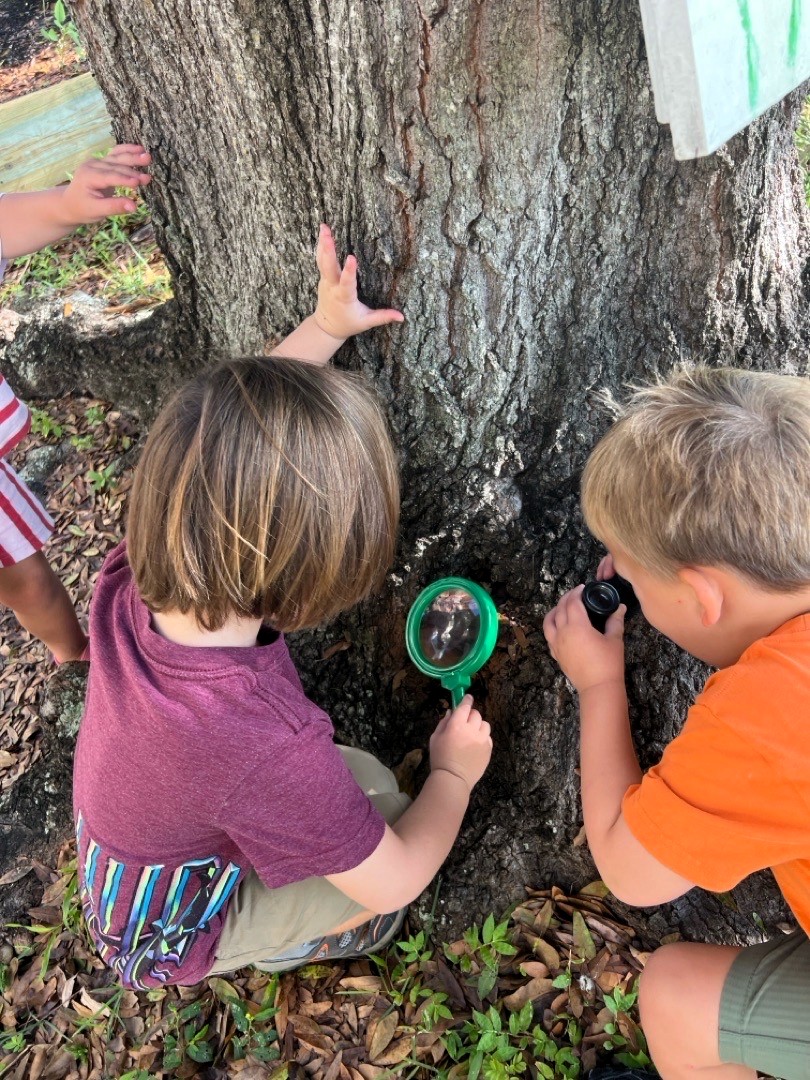
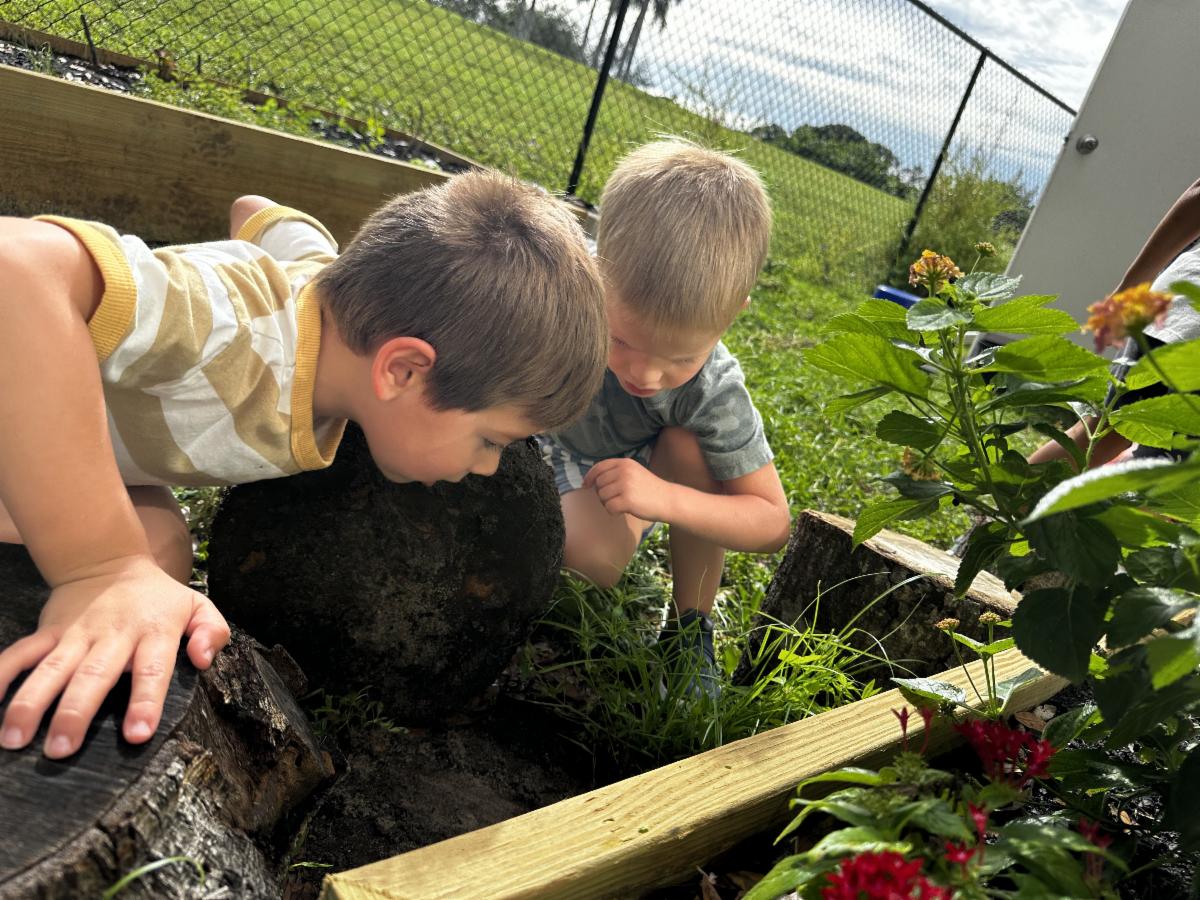
| In our outdoor garden, little hands have big jobs! Children plant seeds, water flowers, dig in the soil, and investigate what lives beneath rocks and leaves. As they observe plants, insects, and other small discoveries, they begin to understand how living things grow, change, and depend on one another. They ask questions, make predictions, and explore the natural world using all their senses. Gardening also teaches patience as children learn that growth takes time, responsibility as they care for living things, and teamwork as they work together. Through these hands-on experiences, children develop curiosity, a connection to nature, and a sense of wonder about the world around them. |
Little Moments, Big Learning
Through play, children are building the foundations for reading, writing, math, science, and future academic learning. Just as importantly, they're learning how to be a friend, make decisions, solve problems, work through challenges, and care for others. Every friendship, discovery, challenge, and little "I did it!" helps children learn and grow in more ways than we can count.
We hope you all enjoy the long weekend and thank you, as always, for sharing your precious children with us.
With love and gratitude,
Your First Pres Family
| | Unlock Helpful Parenting Tools with S.E.E.D & Sew | | |
As part of being a S.E.E.D.-certified school, you have access to workshops designed specifically for parents and caregivers. These short, engaging sessions are packed with practical tips to help your child handle big feelings, navigate everyday transitions, and thrive emotionally.
🌿 Access workshops here: Family Workshops
🌿 Family coupon code: FIRSTPRESBYTERIANFAMILIES
🌿 Enter the family coupon code and click Apply to receive a 100% discount!
| | | | |