|
When Play Isn’t Just Fooling Around
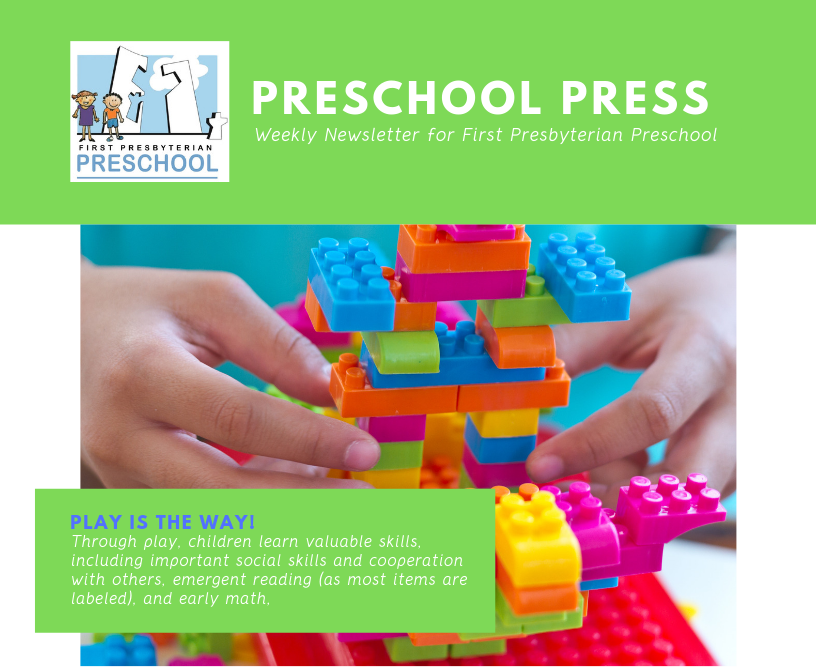
We believe that play is at the heart of learning, and we’re not alone! A 2012 article by Tisha Crews Keller, highlighting the work of early-childhood specialist Pamela Phelps, underscores why rich, intentional play is essential to young children’s growth. While the world around us has changed since this article was written, children’s needs have not. What might seem like a “throwback” approach is actually timeless: children still learn best through hands-on, meaningful play.
Why Play Matters
Phelps emphasizes that the goal of preschool isn’t just academic achievement, it’s helping children develop socially, emotionally, and physically. Through playful, hands-on experiences, children learn to:
- Cooperate and share
- Solve problems creatively
- Understand and manage their emotions
- Build independence and responsibility
Research shows that these social, emotional, and self-regulation skills are stronger predictors of future academic success than early knowledge of letters or numbers. Children who can manage impulses, focus attention, solve problems, and interact positively with peers tend to excel in school and beyond.
Play With a Purpose
The article highlights Phelps’ award-winning approach, Beyond Centers and Circle Time, which combines teacher-guided play with free exploration. Activities such as water play, building blocks, imaginative storytelling, and cooking aren’t just fun—they lay the foundation for lifelong learning. Teachers intentionally scaffold play to match each child’s interests and abilities, guiding them toward new skills while nurturing confidence and self-mastery.
The Ingredients of a Rich Play Environment
Phelps’ research-backed tips remind us that the right environment is just as important as the activities:
- Space to move: Children need room to explore safely and freely.
- Plenty of materials: Ample blocks, art supplies, and sensory materials encourage creativity and learning.
- Child-sized everything: From sinks to stairs, accessibility builds independence.
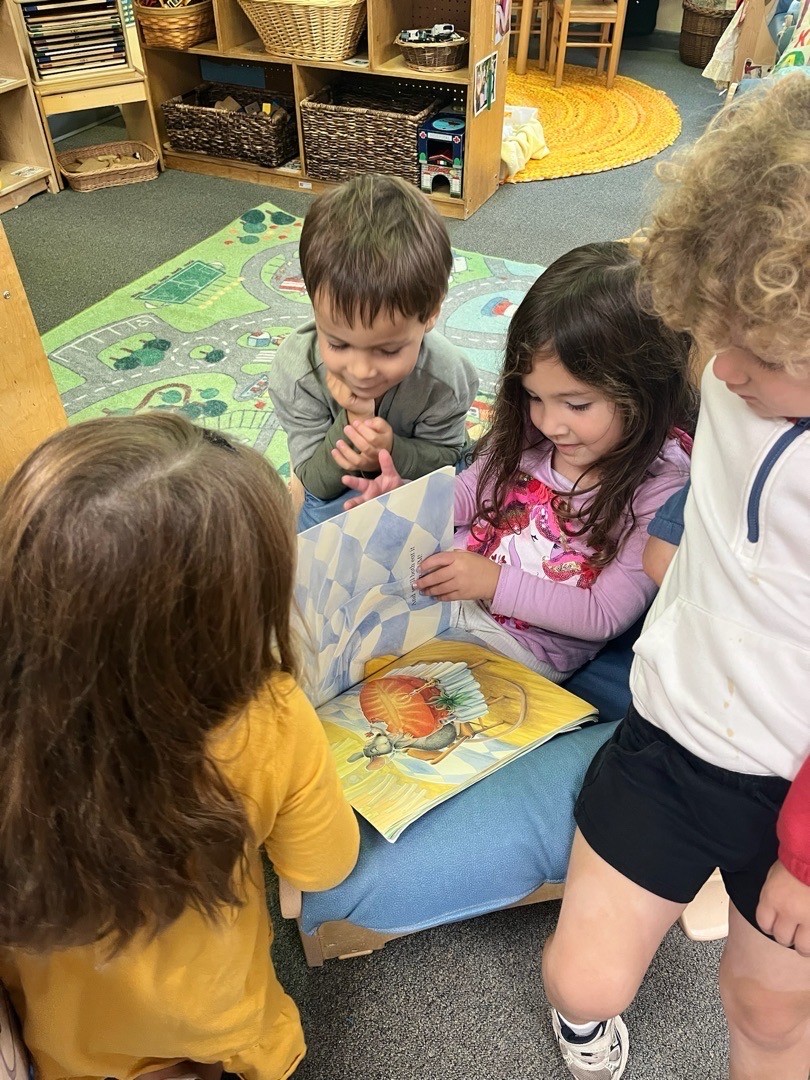
- Integration of learning: Literacy, math, and social skills are embedded naturally in play.
- Consistency & community: Stable teachers and peer groups provide security, helping children feel safe to explore and learn.
A Reminder for Parents
The best learning happens in the context of strong relationships between children, teachers, and families. As Phelps notes, asking children thoughtful questions instead of simply praising them encourages conversation, critical thinking, and self-expression. These are exactly the skills that predict later success in school and in life.
At First Presbyterian Preschool, we are proud to foster these rich play experiences every day. Our goal is to help children grow into confident, curious, kind, and capable humans, just as Phelps’ work demonstrates.
Reference:
Keller, Tisha Crews. “When Play Isn’t Fooling Around.” Site Staff, July 20, 2012. Highlighting the work of Pamela Phelps, Creative Pre-School. Read the full article here: https://www.tallahasseemagazine.com/when-play-isnt-fooling-around/
|