|
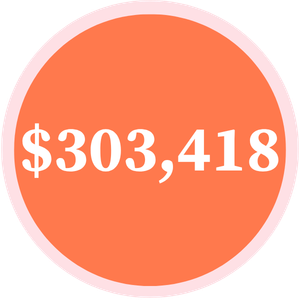
A new study published in the journal Nature Communications by researchers at the University of Maryland quantified investments in children (birth to age 18), examining trends by subgroups (i.e., sex, age, family income, and race/ethnicity) and by investment type. The researchers used nationally representative data from 10 surveys over a 13-year period (2010 to 2023), capturing a wide range of public, private, and individual family time investments in areas including child care, education (both formal and informal), clothing and material resources, housing, health and nutrition, and transportation. Some of these domains were heavily driven by parent/family time, which was converted into units of time (hours, minutes) over a year — with average wage per hour calculated by profession (e.g., teacher, coach, tutor) but given a “generalist” wage if the time expenditure was by a parent or family member. They observed an average investment across children from birth to age 18 of just over half a million dollars ($502,152). The largest investment domains were informal educational experiences (representing 23% of the average investment total), nutrition (22%), housing (16%), and formal education (15%). Informal educational experiences included family time-investments on activities like reading, telling stories, doing crafts, or experiences like going to the zoo; formal education encompassed expenditures on schooling, whether public or private. Child care was among the smallest three observed investments as a proportion of the total, at less than 5%, but the researchers only included investments in this area that were an outright expenditure — i.e., when families pay or use a subsidy for center-based or home-based care rather than provide it themselves. The study authors excluded the time investment of child care provided by relatives, noting it “is likely duplicative with informal educational experiences” facilitated by families.
Overall, the research findings highlight important inequities and the time periods they are most pronounced. The gap between children from the top household income quartile and bottom quartile amounted to $86,000, with gaps also observed between racial subgroups. The investment gap was most significant during early childhood (birth to age 5), with children from high-income households and white children receiving substantially more investments, and with formal schooling around age 5 having an equalizing effect among different groups of children. (However, the impact of those early childhood investment gaps likely persists at school age and throughout K-12.) Lead study author Dr. David Blazar encourages that investments for children be considered as a “bundle,” noting “it’s not just about housing, it’s not just about early childhood. It’s about the investment we make altogether.”
|