| | |
MONTHLY NEWSLETTER
April 2025
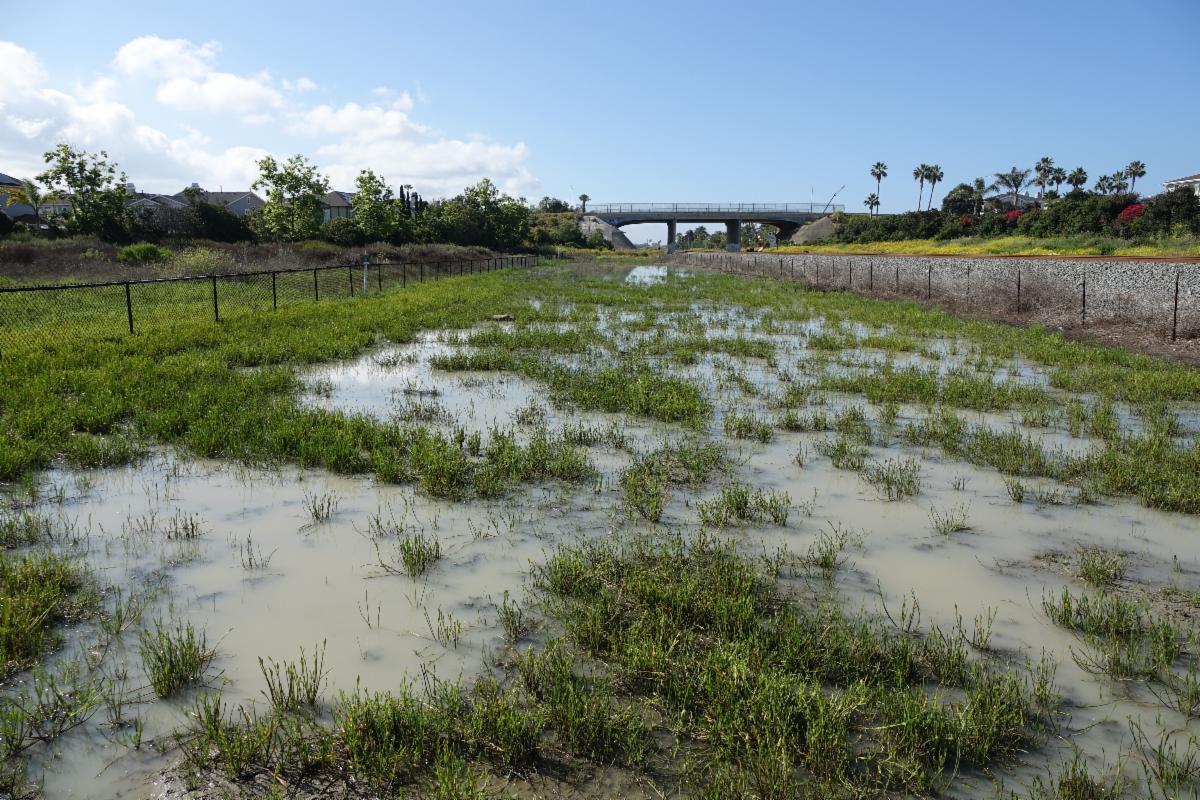
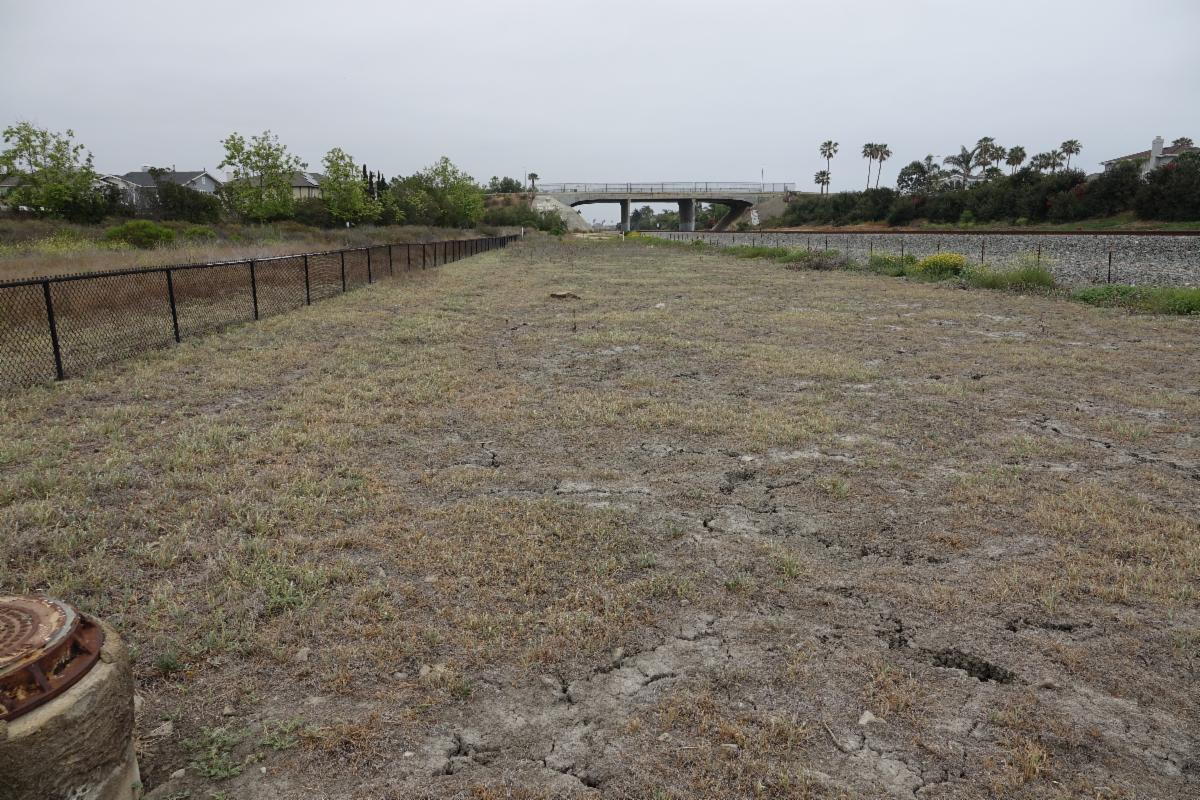
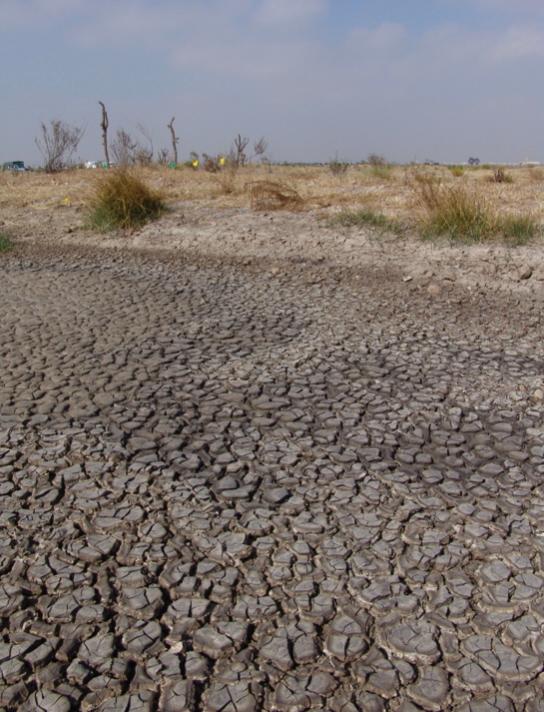
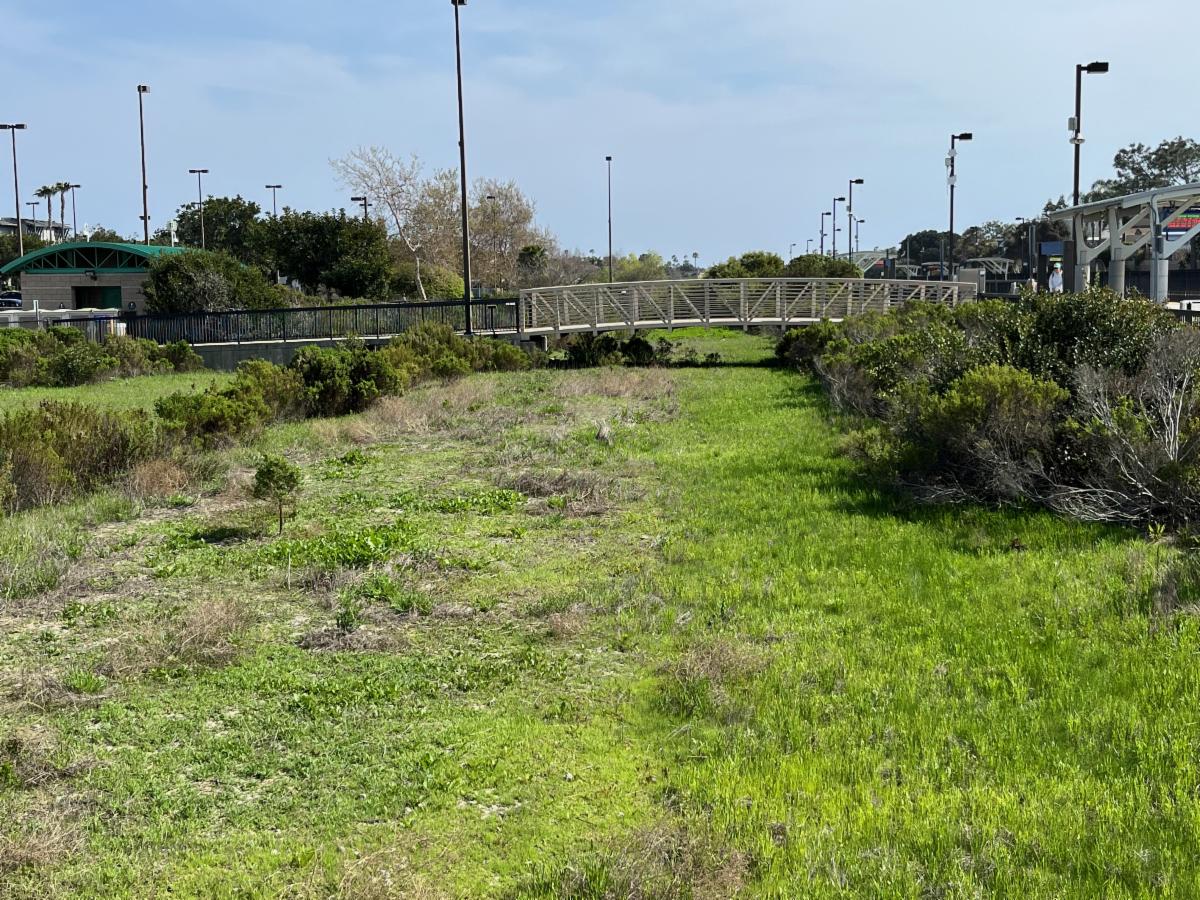
| | Photo below shows the same viewpoint of the vernal pool during its predominant dry phase. (Photo credit: Scott McMillan) | | |
It takes a trained eye to identify most vernal pools. They typically form on flat mesas and their barren appearance during most of the year seemed an ideal spot for development.
It is estimated that 97% of San Diego County's vernal pool habitat has vanished as a result. Most of the vernal pool habitat that now remains is managed on preserved land.
Camp Pendleton has mapped more than 3,500 basin pools. In those areas, training is restricted. There is a federal requirement to protect the species and their vernal pool habitat. For additional info and photos: Vernal Pool Management at Camp Pendleton
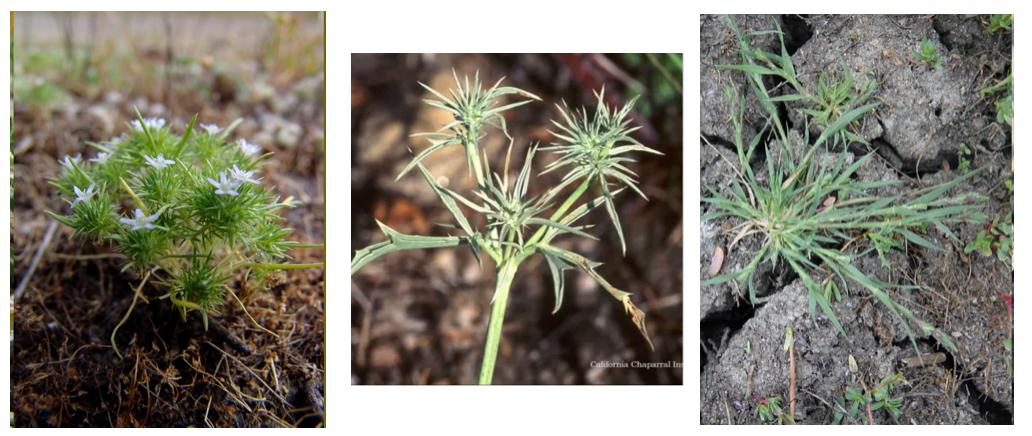
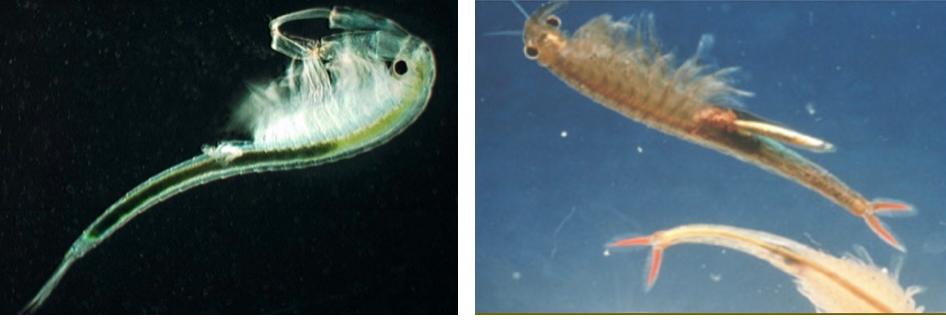
| | Many species found in vernal pools are endemic; which means they are found in only one location on the planet. The amazing diversity of species that evolved within a single habitat resulted from the need for aquatic plants to survive through drought conditions while terrestrial plants needed to adapt to survival underwater. There is one threatened species and four endangered species found at the Poinsettia Preserve. They are shown below. | | | | |
From left: Spreading navarretia (Navarretia fossalis), San Diego button-celery (Eryngium aristulatum var.parishii), California Orcutt grass (Orcuttia californica).
Photo credits: Scott McMillan
| | | | |
San Diego fairy shrimp (Branchinecta sandiegoensis) and Riverside fairy shrimp (Steptocephalus wootoni)
You can read more about the fast and furious lifestyle of the SD Fairy Shrimp in our Wildlife Corner of the March 2024 Newsletter.
| | Vernal Pool Geology: Vernal pools form in shallow basin areas during winter rains and slowly dry out during the spring. They remain dry during the summer and fall. (Diagram credit: Scott McMillan) | | |
The unique vernal pool habitat is generally associated with heavy clay soils that create an impermeable layer (claypan) that traps water on the surface and causes it to pool in shallow depressions.
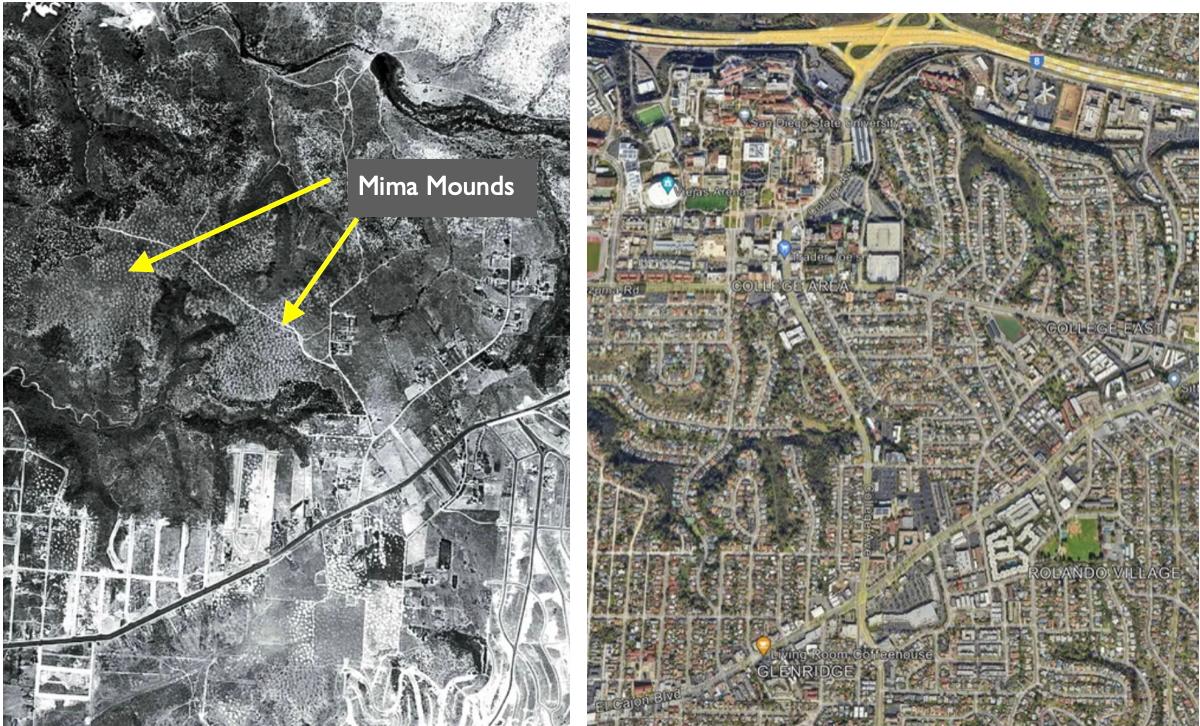
Mima mounds are small, irregularly spaced hills that can form in-between small vernal pool depressions. The aerial photo below shows evidence of past vernal pools.
| | Aerial photograph taken in 1928 of the area now occupied by San Diego State University. The tiny dots are little round mounds (mima mounds), in-between which are depressions where the vernal pools form. | | Same view in 2024. San Diego State University covers the exact location of the former cluster of vernal pools in the upper left-hand corner. The housing development consumed the vernal pools north of the canyon. | | Seasonal Changes: Vernal Pools exhibit aquatic, flowering and drought phases. These phases are tied to our Mediterranean Climate with its annual pattern of flooding and drought. Organisms that live in the pools have evolved unique ways to survive and reproduce. During a single season pools may fill and dry several times; while in times of drought they may not fill at all. | | |
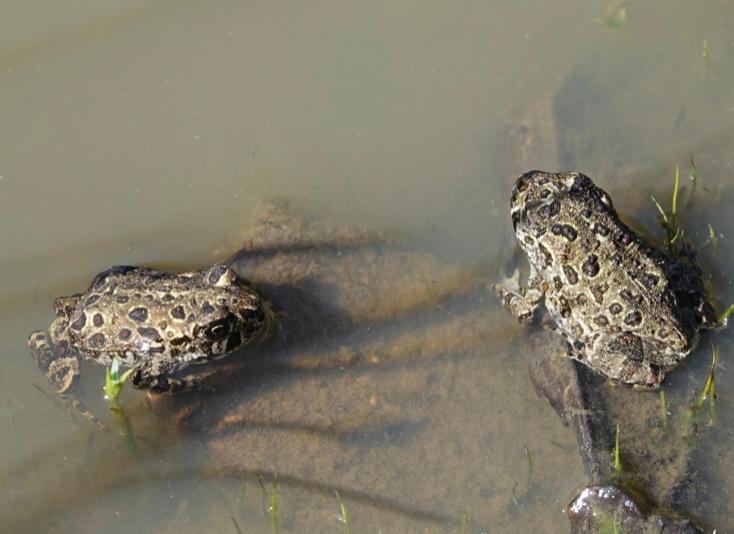
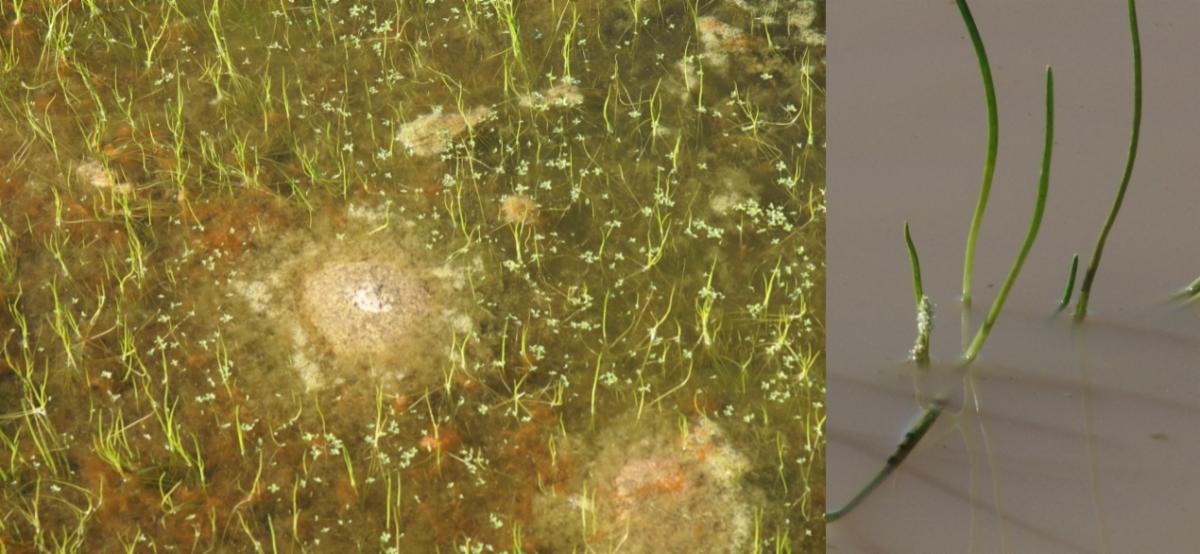
Aquatic Phase: This phase begins with our winter rains as pools begin to form and generally lasts through late spring. The arrival of water allow organisms like the spadefoot toad above to come out of dormancy, plant seeds to germinate, or fairy shrimp eggs to hatch.
Below is flowering quill wort.
| | |
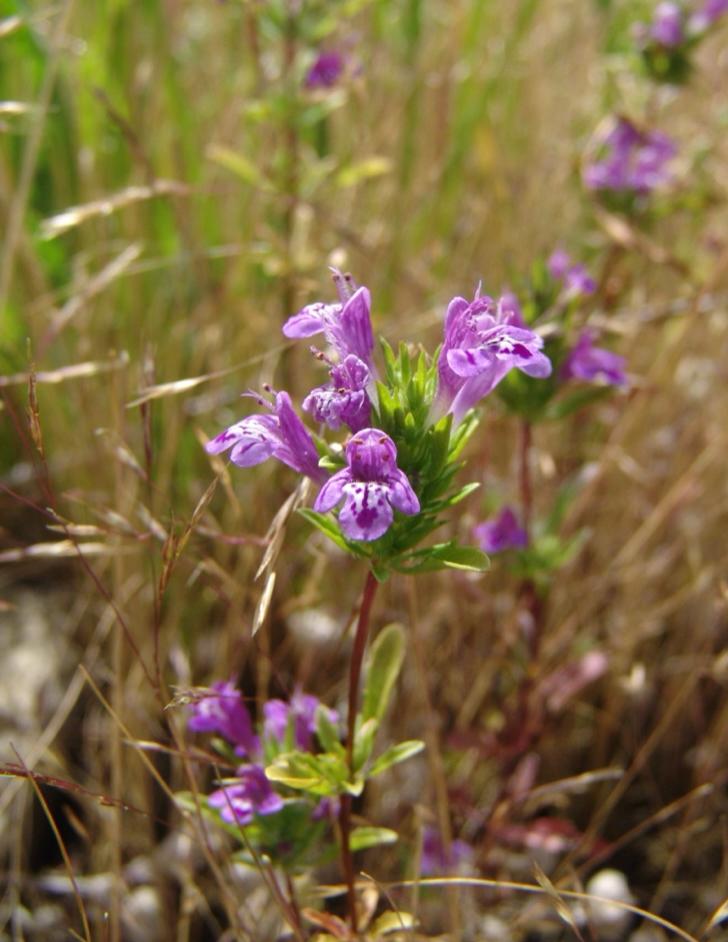
Flowering Phase: As the standing water begins to disappear in springtime, plants begin to bloom. Most plants are annuals and they tend to be small with lots of large flowers for maximum seed production. Many vernal pool plant species have seeds that can remain dormant for years, an adaptation that allows them to survive through periods of drought.
Otay Mesa mint below.
| | |
Drought Phase: Pool is dry to reveal claypan. Most plants have died and left their seeds behind. Some amphibians spend the drought underground in a dormant state; others move to terrestrial areas outside of the pool.
Photo credits: Scott McMillan
| | The Bigger Picture: Vernal Pools Play a Vital Part in California's Larger Ecosystem | |
For much of the year, vernal pools are not picturesque like some of our other local habitats. Observing at a large barren soil depression doesn’t have the impact that the one gets from the sights and smells of coastal sage scrub. But vernal pool habitats are no less important as an environmental resource that must be preserved. Each species found within a pool is connected to other species which may or may not live within the pool. The numerous worms, crustaceans and insects are an important food resource for local birds as well as those along the Pacific Flyway. Each species that is diminished or becomes extinct will have an impact on additional species. | | | | Vernal pool at Carlsbad Poinsettia Station taken on walkway bridge. Photo by E. Bartlett | | |
Take the Coaster, Get off at Poinsettia Station and See the Vernal Pool Area for Yourself
The Carlsbad Poinsettia Station Coaster stop is a great place to view one of our remaining local vernal pool areas. In fact, why not visit and observe the pools throughout the seasons and watch for the phases.
If you park at the train station (or take the train and get off at Poinsettia Station), you can see the vernal pools best by standing on one of the 3 walkway bridges. The bridges traverse the vernal pool habitat before the train tracks. The linked map of the site shows the location of the informational signs about the pools. There are 3 signs at the Overlook Platform and one sign is located along the trail that begins on the south side of the parking lot.
| |
| |
Additional Resources to Explore
| | | | |
Sat, April 12
Rancho La Costa Restoration
9:00 am - 10:30 am
If you would like to volunteer you must RSVP to:
info@preservecalavera.org
or call Anne-Catherine: 858-353-6232
| |  | |
Removing non-native plants and watering native plants as needed.
Prepare: Wear appropriate (preferably long pants/sleeves) clothing, closed-toed shoes, and hat. Bring gloves, sunscreen and water.
| | |
Sat, April 19
El Corazon Restoration
9:00 am - 10:30 am
If you would like to volunteer you must RSVP to:
info@preservecalavera.org
or call Diane: 760-724-3887
| | | |
Removing invasive plants from this site.
Prepare: Wear appropriate (preferably long pants/sleeves) clothing, closed-toed shoes, and hat. Bring gloves, sunscreen and water.
| | |
Sat, April 25 - Mon, April 28
City Nature Challenge
Find out more about this 3-day event at City Nature Challenge website
| | | |
Started in 2016 as a competition between Los Angeles and San Francisco, the City Nature Challenge has grown into an international event, motivating people around the world to find and document wildlife in their own cities.
| | |
Friday, April 25
Bat Outing Event at Lake Calavera Dam Trailhead
6:00 pm - 8:30 pm
Location: Link to Google Maps
This event is being hosted by local volunteers as part of the City Nature Challenge.
| | | Prior to sunset there will be time to observe and record the flora and fauna in the area, then around 7:30 pm organizers will convene at the dam with bat detectors (which convert a bat's call into sounds audible by humans). | | | |
Check out this night vision video filmed by Philip Hwang July 2, 2024:
Bats Feeding at Lake Calavera
| | |
Sat, April 26
Annual El Salto Falls/Quarry Creek Clean up
9:00 am - 12:00 am
Location: Meet up at Behind Petsmart at the Quarry Creek Shopping Center, Oceanside (College and Marron Rd)
Advance registration is required beginning April 1 at:
I LOVE A CLEAN SAN DIEGO
| | | |
To reduce trash, please bring your own gloves and water, and, if you have them, an empty 5 gallon bucket and grabber. Wear long pants and a long sleeved shirt and closed toe shoes with good tread.
Preserve Calavera sponsors the site along with the San Diego Habitat Conservancy(SDHC)
Please check out a few of our past Creek to Bay clean up events at Quarry Creek:
May 2023 Newsletter and May 2024 Newsletter
| | "The greatest threat to our planet is the belief that someone else will save it." Robert Swan | | |
Sat, May 3
Unite for Climate March
11 am - 2 pm
Where: Waterfront Park
1600 Pacific Hwy, San Diego
Please take a moment to RSVP and be sure to invite 5-10 friends to join you.
| | | |
This will be SD 350 Climate Action's first post-COVID large-scale climate march and will feature inspiring speakers, tabling by community partners, and other activities.
Climate disasters are ramping up and hitting close to home, hurting communities of concern the most. Wildfires, flooding, extreme heat – we can’t let this be California’s new normal.
| | Preserve Calavera is offering to coordinate carpooling for north county folks who would like to attend. Contact us at info@preservecalavera.org | | It's Official! No Cluster Housing in South Morro Hills! | | This was a long time coming but we can say goodbye to the notion of Cluster Housing once and for all in South Morro Hills. A motion to direct Oceanside city staff to remove all the references to Cluster Housing and bring back the South Morro Hills Community Plan (SMHCP) after the General Plan Update was approved on March 19. This is great news for Oceanside. | | |
Native Trees Given Away in Oceanside to Celebrate Arbor Week
Plant a tree, grow a memory!
| | |
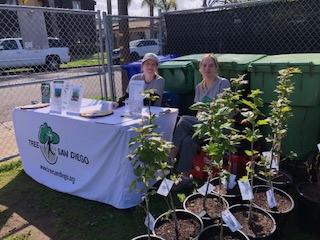
In celebration of California Arbor week, Preserve Calavera sponsored a free tree distribution event on Saturday March 15. The event was organized by Tree San Diego and held at Crown Heights Community Garden. This event focused on improving the tree canopy cover (TCC) in Oceanside. TCC is low in Oceanside, at about 17%, while it should be at 35%. In lower income and underserved neighborhoods, it is even lower, significantly under 10%. So this event was targeting those neighborhoods.
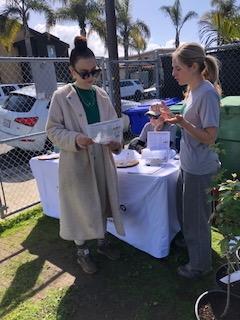
Prior to the event, Tree San Diego conducted a marketing/advertising campaign to inform residents of Oceanside about the tree giveaway. The residents registered to pick up a tree at the set location. This is a highly cost-effective way to green cities!
| | | | | |
Tree San Diego Team above with some of the native trees to be given away.
As a pilot project, we are pleased to report that 51 trees were given away, primarily in the targeted neighborhoods (77%). All trees were native: Costal Live Oak, Honey Mesquite, Sycamore, Black Elder.
Along with their intrinsic value, trees benefit our ecosystems in a plethora of ways: Tree Benefits
We plan to sponsor another tree distribution event with Tree San Diego in Oceanside next month so stay tuned. Small step now, big leap long term!
At left, an Oceanside resident getting instructions on planting and caring for her new tree.
| | Giving El Salto Falls a Little TLC With the Help of Our Volunteers | | |
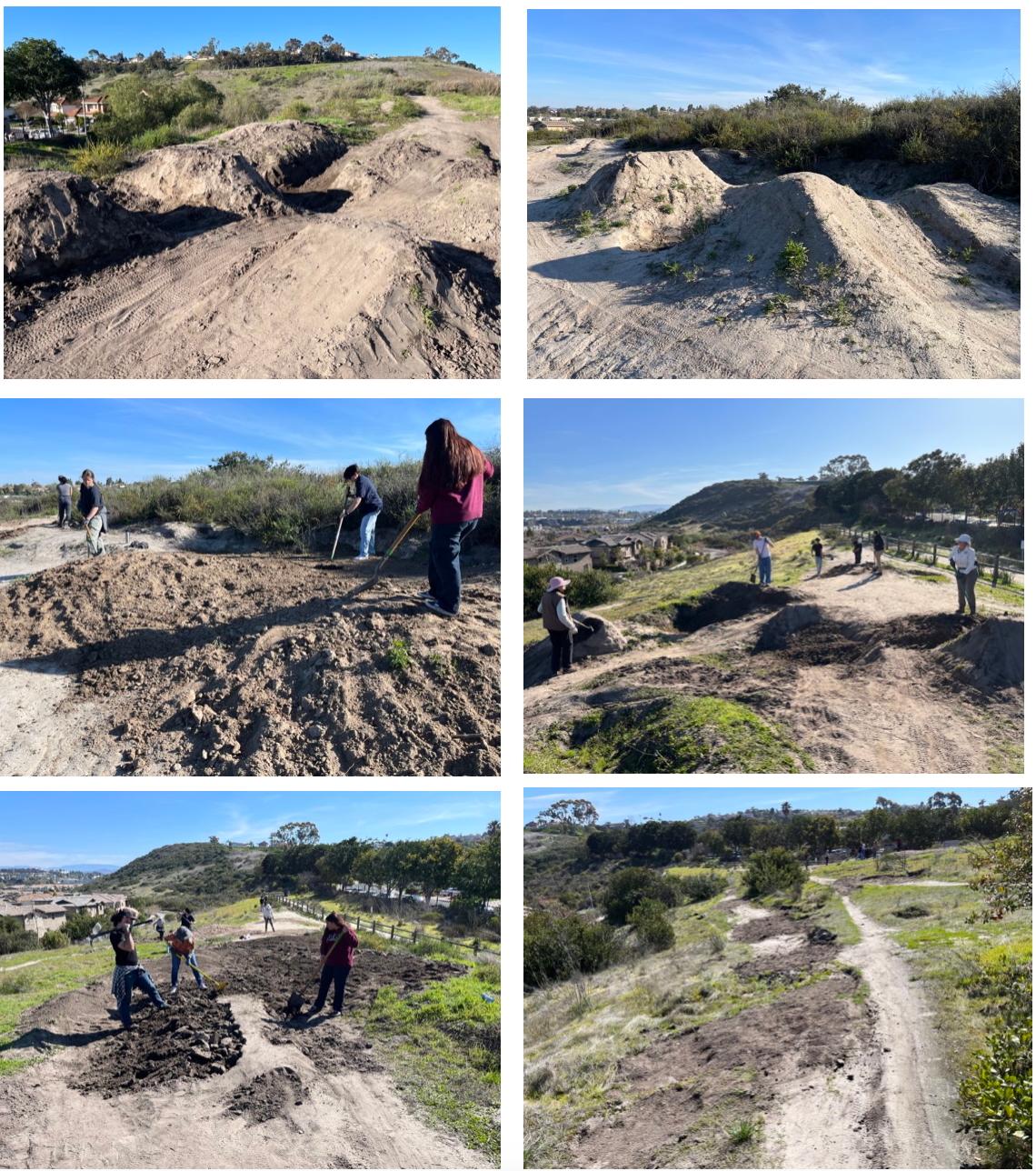
We continue to work with San Diego Habitat Conservancy (SDHC) to restore and protect the habit around the sacred El Salto Falls (within Quarry Creek site). Vince Rivas, Conservation Habitat Manager, affirmed that the March 22 event was a huge success in removing human-made features along the unauthorized trails. Volunteers worked hard to break down berms and dirt jumps on roughly 1,240 linear feet of trail.
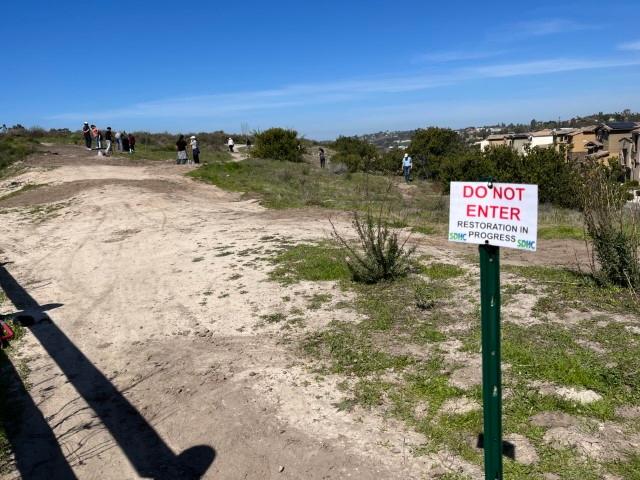
Four signs were also installed at the site noting the restoration efforts. We are all hopeful that it will help to deter future trespassers from destroying the area and using it for recreation.
Vince is hoping that we can keep the area clear of trespassers and SDHC can continue with efforts to revegetate the area with native grasses.
| | | | |
Sequentially from top to bottom.
Berms and dirt jumps that were created at the site.
Volunteers hard at work to remove the jumps and berms and level off ground. Fencing was also repaired.
It is remarkable what a small group of dedicated volunteers can accomplish in a morning!
Hopefully the new signs will help potential trespassers to understand that this site is being restored.
| | | | |
A BIG THANK YOU TO THE 22 VOLUNTEERS FOR COMING OUT AND MAKING A DIFFERENCE!
and
A SPECIAL SHOUT OUT TO THE 13 VOLUNTEERS FROM RANCHO BUENA VISTA HS GENERATION GREEN ENVIRONMENTAL CLUB!
| |
Wildlife Corner: San Diego Button Celery
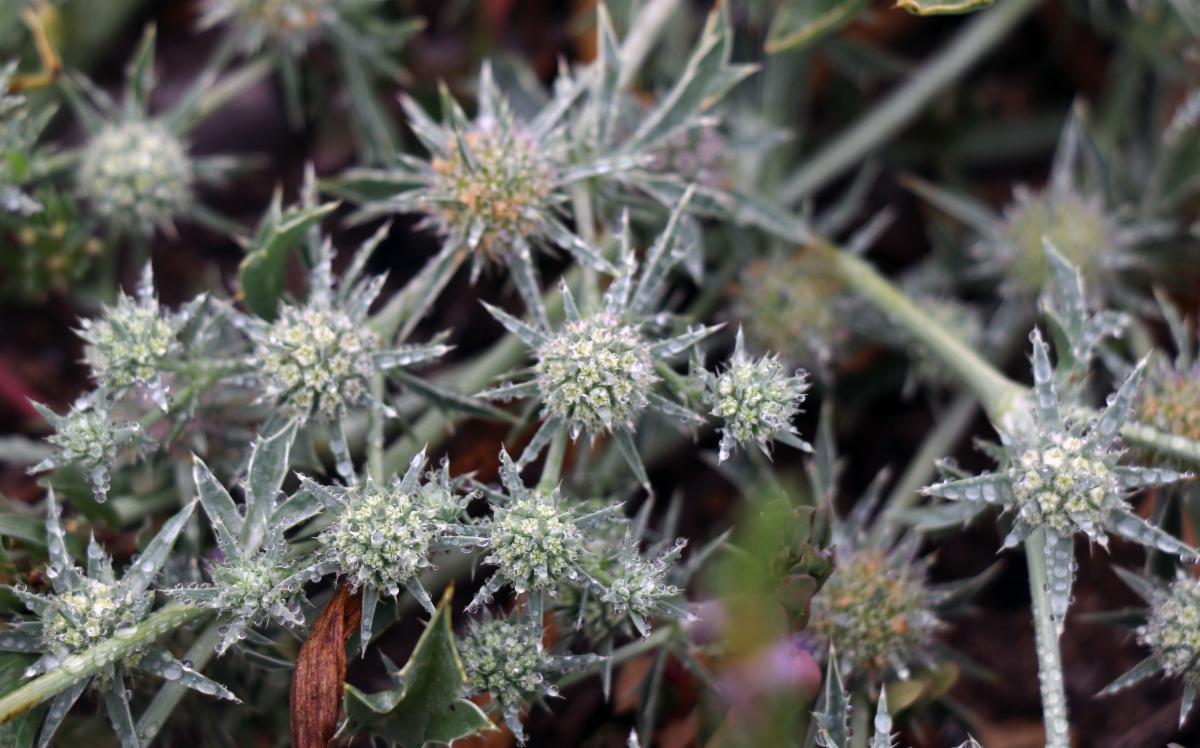
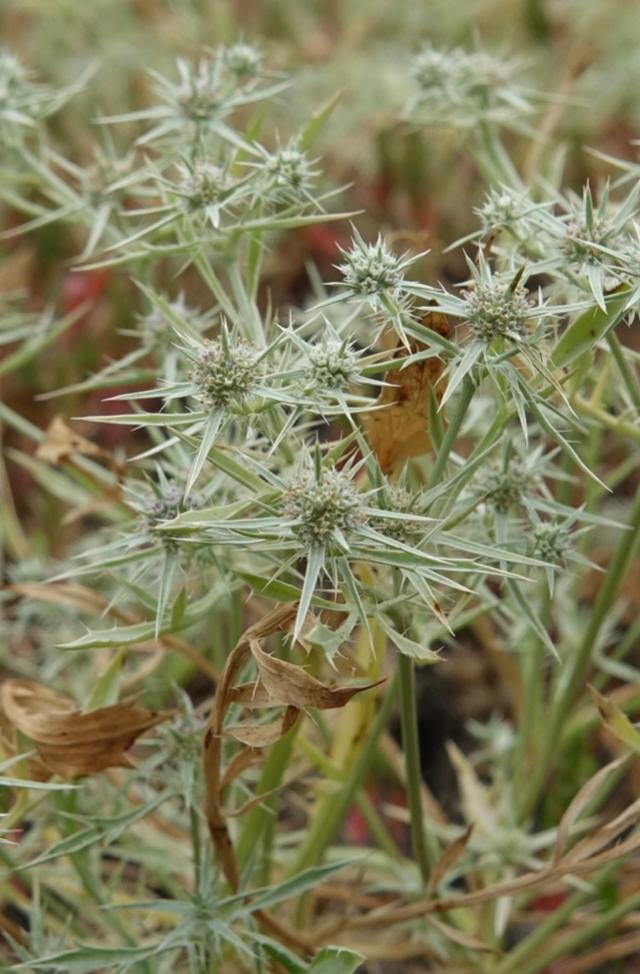
| | Although San Diego button celery is an endangered and endemic species, we are fortunate to have one of the largest populations at the our Poinsettia Station Vernal Pool Preserve. You can see how prolific it is in the photo at the beginning of the newsletter. | | |
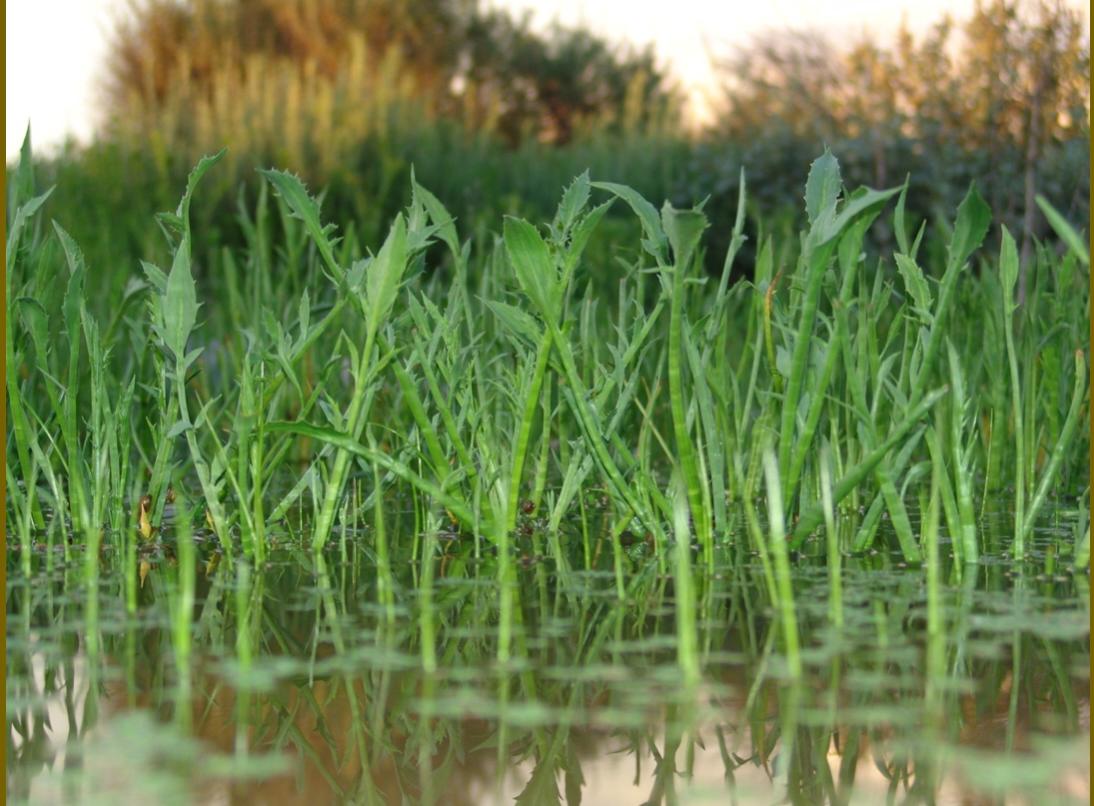
Many of the plants that live in the vernal pool habitat are annuals; they die off yearly. San Diego Button Celery is a perennial herb (more info on annuals and perennials). It does die back during the drought phase but its living taproot remains in the dry clay waiting to sprout leaves when the rains arrive. Along with its taproot for survival, the plant produces seeds that can remain viable in the soil for many years under drought conditions. When the rains arrive and subsequent ponding, the seeds will germinate and the lifecycle will begin anew.
SD button celery (Eryngium aristulatum var. parishii) is a member Umbelliferae family, sometimes know as the Carrot, Celery or Parsley Family. In fact, button celery does have a carrot-like aroma and it forms stems and leaves that become stiff and prickly when it’s flowering and fruiting. This species is specially adapted for survival in wet conditions. There are specialized air channels in its roots that allow for gas exchange even though the plants are submerged in water.
| | |
Flowering button celery.
Photos by Scott McMillan
| | | Button celery thriving in vernal pool while partially submerged in water. | | | Special thanks to Scott McMillan (Senior Habitat Restoration Ecologist/Botanist, Dudek) for sharing his knowledge and photos for this newsletter. | | |
Our all-volunteer organization can not do what we do without your help. Your time, talent and donation can make a difference right in your own backyard.
Contact us to see how else you could get involved.
| | | And Check out our Website | And all of our past Newsletters can be accessed here. Lots of local information about our open space and wildlife issues. | | | | | |