|
|  |
|
MONTHLY NEWSLETTER
August 2024
| | |
The Real Bats of San Diego County | |
|
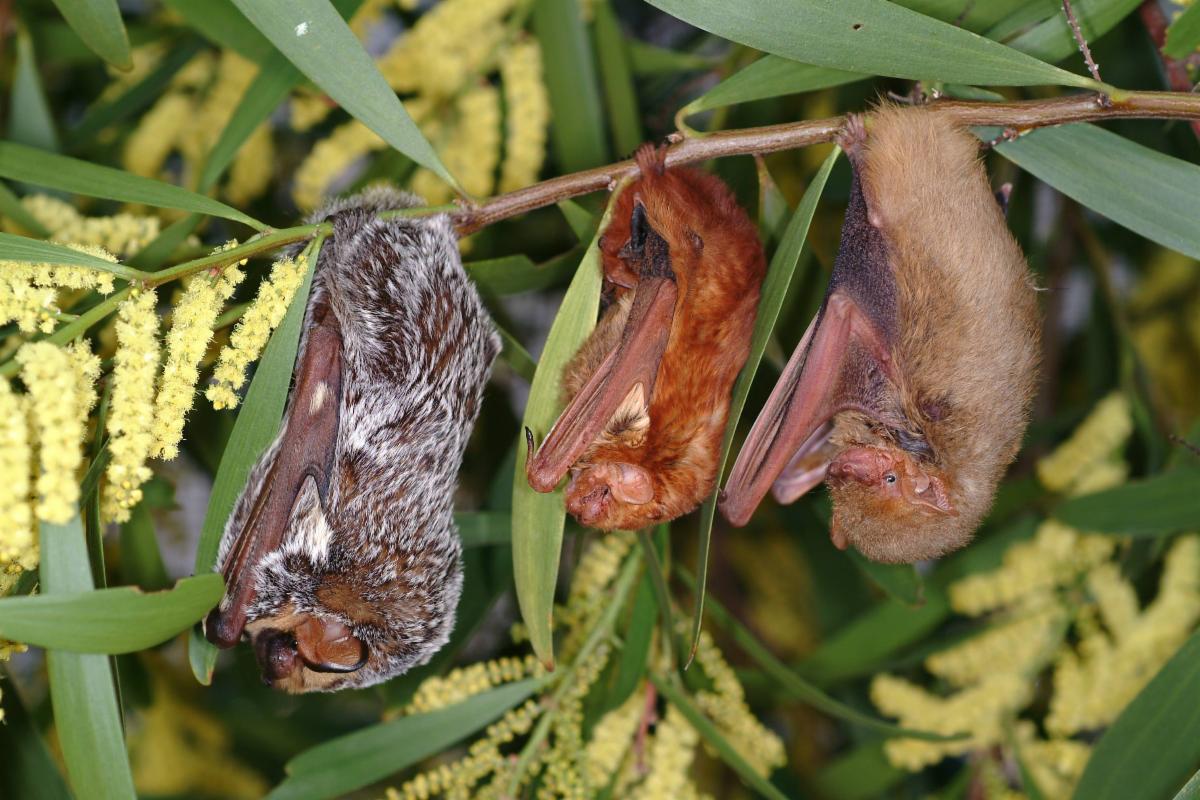
The three most commonly detected bat species in western San Diego County are: Yuma myotis (Myotis yumanensis), Mexican free-tailed bat (Tadarida brasiliensis) and big brown bat (Eptesicus fuscus). All three are insectivores which is a real benefit to the humans in the community. A bat can eat thousands of insects each night; including moths, beetles, flies and mosquitoes!
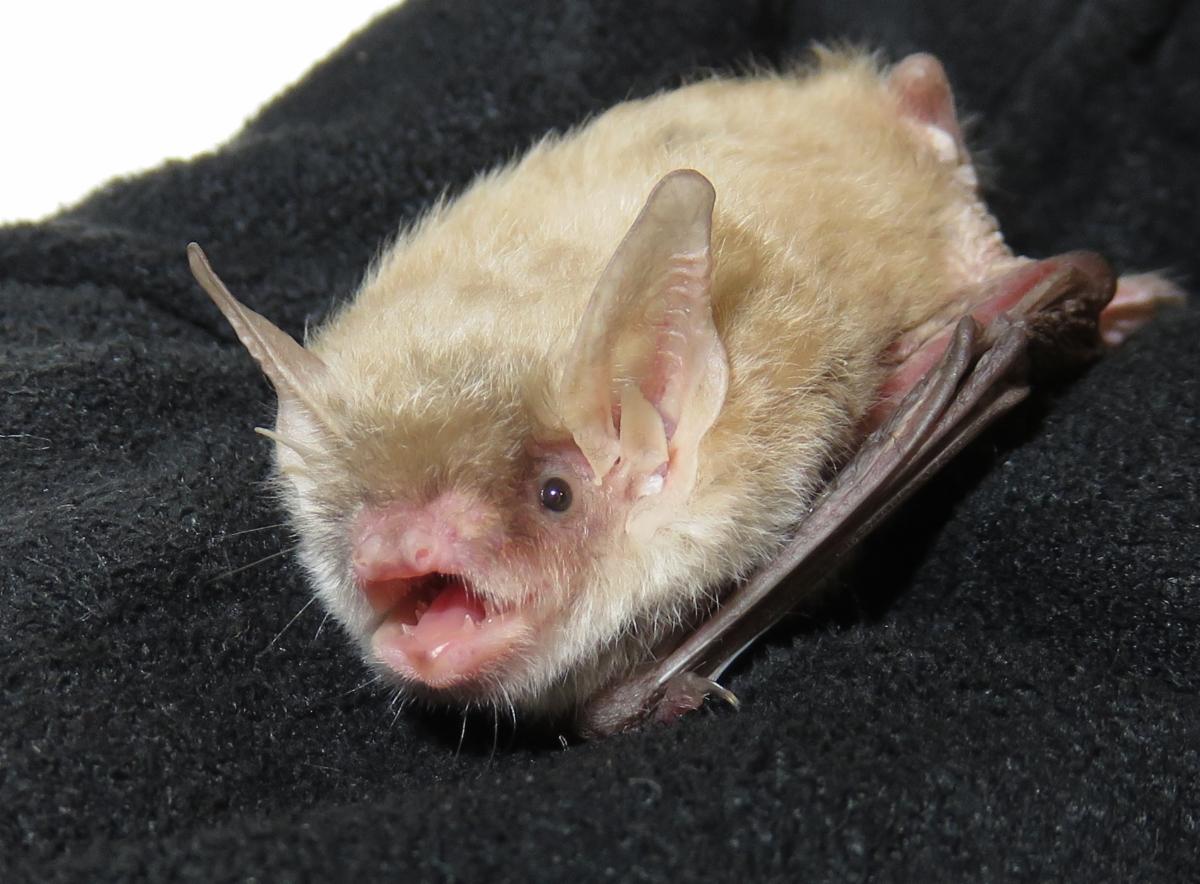
Yuma myotis are quite tiny— with a body length of only 1.5 to 1.9 inches, and weighing less than half an ounce! They are named for the first placed they were described in 1864—Yuma, Arizona and myotis means mouse-eared. They specialize in eating emerging aquatic insects such as mosquitoes! Read more
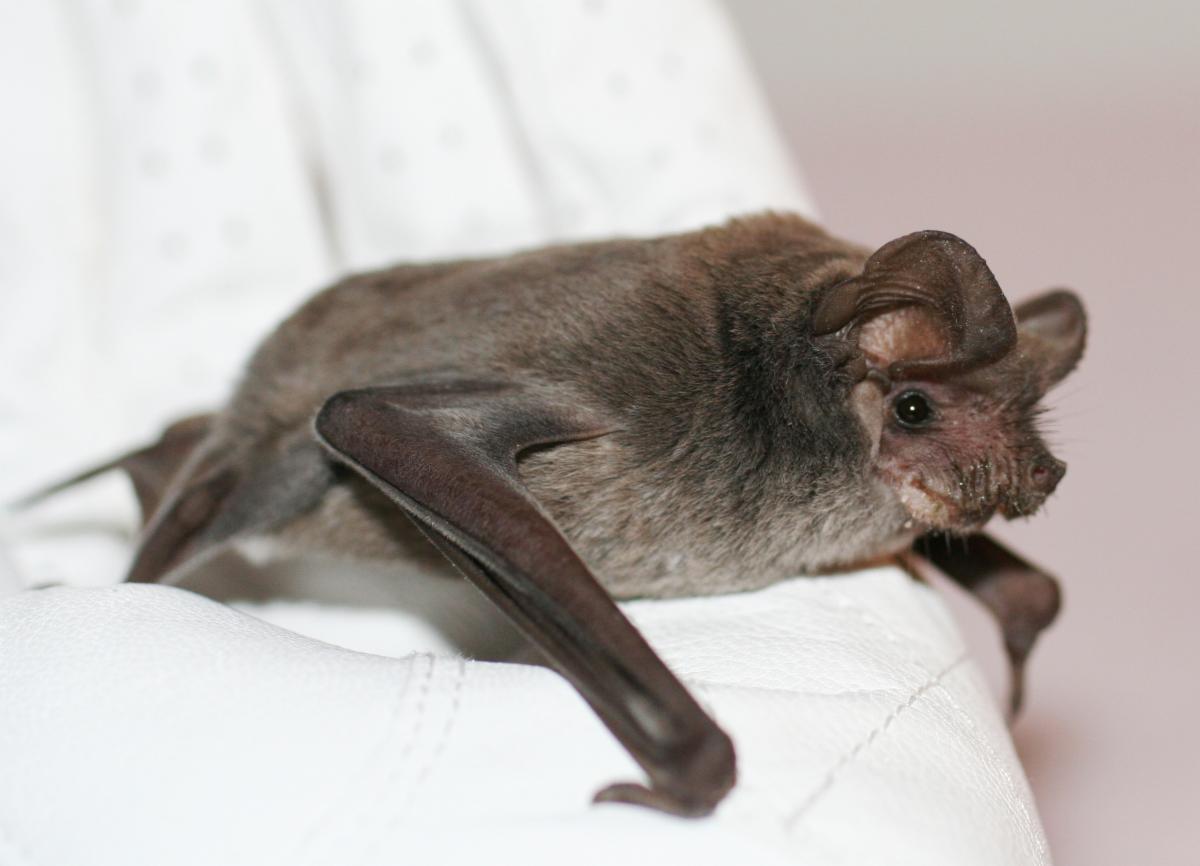
Mexican free-tailed bats are named for their extended tail; which extends more than one third beyond the tail membranes; most other bats have tails that are completely enclosed within the tail membranes. You can see the free tail clearly in this photo.
Researchers have found the Mexican free-tailed bat can reach speeds up to 100 mph, making it by far the fastest mammal on earth.
| |
|
Tracy (above) is a Yuma myotis and Davey (below) is a Mexican free-tailed bat. Both Tracy and Davey were were rescued by the SD Humane Society's Project Wildlife.
Tracy and Davey were deemed to be non-releasable by the project veterinarian and both went on to become program ambassadors and help to educate humans about protecting our bat populations. (Photos provided by SD Humane Society)
| |
|
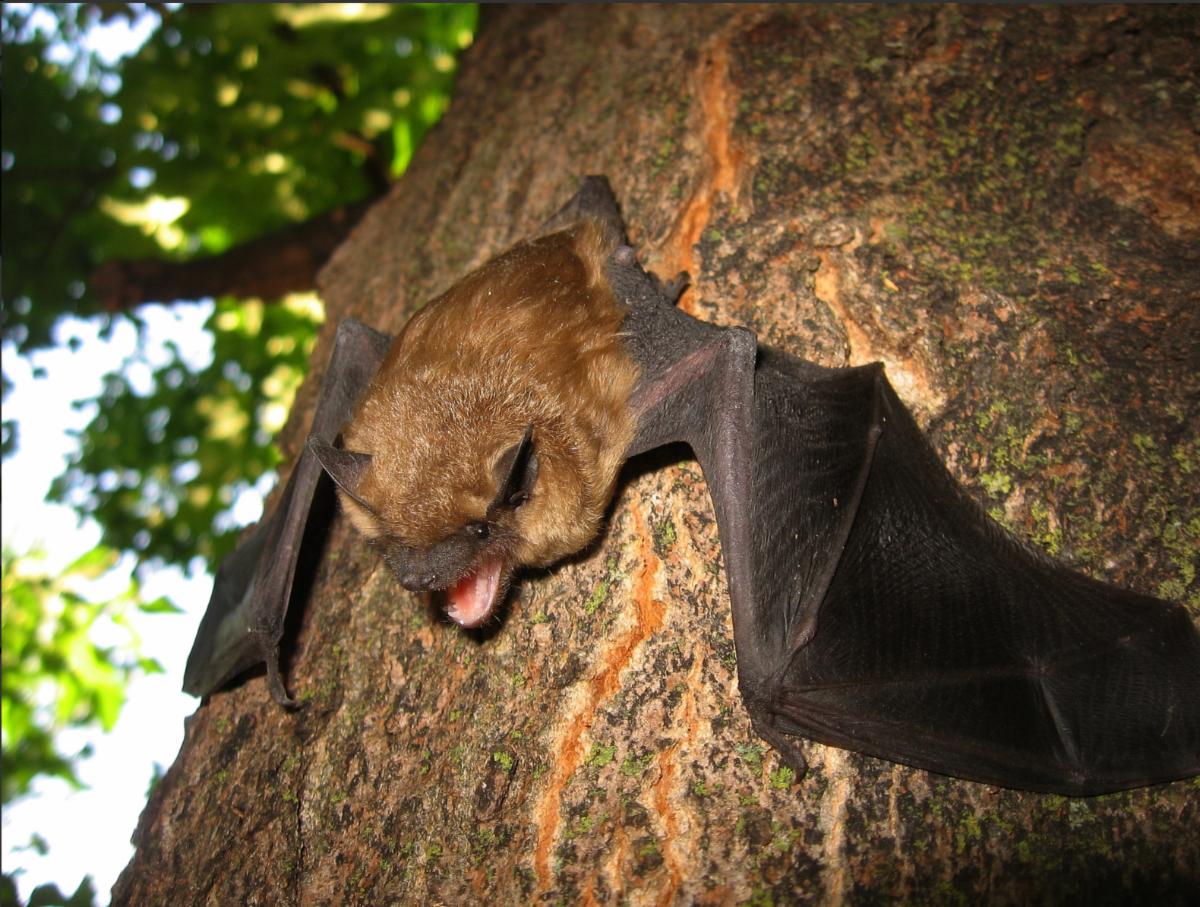
Big brown bats are one of the larger bats found in San Diego County (Western mastiffs are the largest). These bats are so widespread because they are very hardy and can withstand conditions that other bats can't. Big brown bats rank among America’s most beneficial animals. Read more
Big brown bat (right) courtesy of Wiki Commons.
| | |
| |
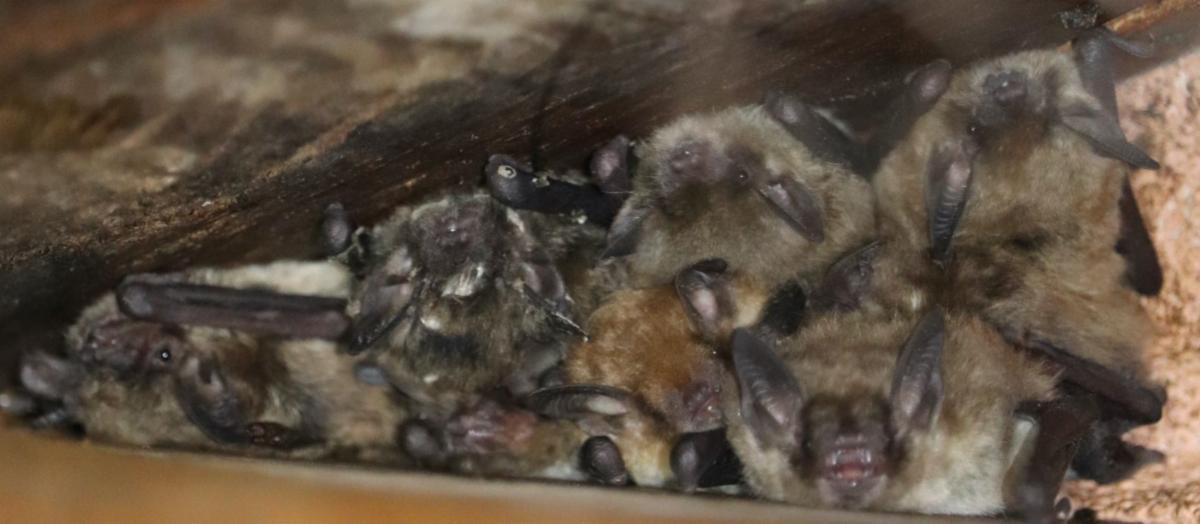
Bat colonies are typically found in protected locations that are elevated. Human and bats encounters do happen when bats decide to roost in human-designed places. Eaves, barns, garages, bridges, and other comparable locations are favorite roosting places for colonies of bats.The Humane Society shares info on what to do if you have bats on your property: What To Do About Bats | |
The Yuma myotis below have taken up residence in the eaves along an entry path at a home in Rancho Santa Fe. (photo by John Jones) | |
BATS REALLY ARE THE SUPERHEROES OF THE ANIMAL WORLD! | |
|
As one learns about bats, it becomes obvious how misunderstood they are. Here are just a few of the many super powers they possess. And you can read more here: National Geographic
-
Echolocation Super Power: Despite the popular myth, bats aren’t blind. But many of them do not rely on vision as their primary sense, instead they use echolocation to navigate and find food in complete darkness.
-
Extreme Longevity Super Power: As a general rule in biology, smaller animals have shorter life spans than larger ones. But bats can live up to 10 times longer than expected for their size.
-
Speedy Flight Super Power: Bats are the only flying mammals and they are pretty speedy at it. As we mentioned earlier, Mexican free-tailed bats are the world's fastest mammals. A bat's long wings resemble a modified human hand —except with very long fingers connected by a skin-membrane.
-
Disease Resistance Super Power: Bats display immunity against a host of viruses. In many cases, they can tolerate infections without showing any symptoms.
| |
|
5 And Keeping Environments Healthy Super Power
- The majority of bat species are insectivores and can eat their body weight or more in insects each night. Many of the insects they devour are pests of agricultural crops. Scientists estimate that insect-eating bats may save U.S. farmers about $23 billion per year by reducing crop damage and limiting the need for pesticides.
-
And worldwide, at least 549 plant species either are pollinated or dispersed by bats. Those include many popular food crops ; bananas, mangos, guavas, and cacao (the main ingredient in chocolate). Dispersal is important to maintain healthy, genetically diverse plant populations. And bats can fly long distances, which are necessary in dispersing seeds over large landscapes.
| |
-
The two species of local bats, the lesser long-nosed bat (Leptonycteris yerbabuenae), and the Mexican long-tongued bat (Choeronycteris mexicana), primarily forage on nectar and pollen. These species are important pollinators of agaves and large cacti in southwestern North America.
Click on the video below to see and learn more about the important relationship between agave and the lesser long-nosed bat.
| |
What Can you Do To Help Our Local Bats? | |
We asked Cindy Myers, bat advocate and community educator with 22 years experience, for some recommendations to keep our local bats safe: | |
-
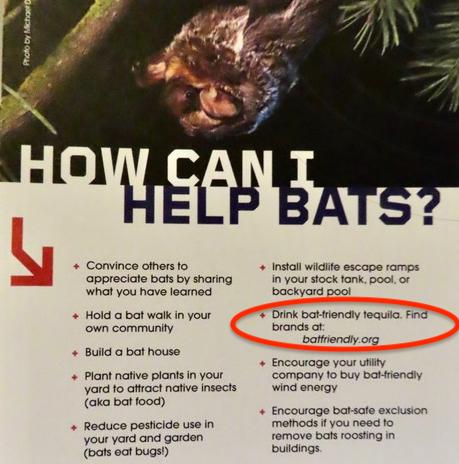
Don’t trim dried palm fronds in spring or summer, to protect bat pups and bird chicks during baby season. At least a dozen US bat species are known to use the dried frond “skirts” of tall palm trees as maternity roosts in summer.
-
Keep cats indoors, especially after dusk. Juvenile bats that are just learning to fly are especially vulnerable to predators such as cats.
-
Don’t use glue traps where bats or birds could get stuck. If you need to use flypaper strips in your barn, hang them in a tube of chicken wire, so the insects get stuck but swallows and bats are safe.
-
If you have a ceiling fan over your patio or in your barn, turn it off at dusk so bats don’t get injured by fan blades when hunting insects. The curved blades of ceiling fans (and wind turbines) seem to confuse bats echolocating and bats seldom survive blade strikes.
-
Reduce light pollution by turning off outdoor lighting after dusk, aiming outdoor lights downward, or adding motion sensors so they only come on when necessary. Darkness makes it safer for shy bat species to migrate or hunt insects and helps many other local wildlife species too.
-
Cap or cover open pipes that might accidentally attract bats or cavity-nesting birds. Bats cannot climb up and out from things with smooth sides, like pipes.
-
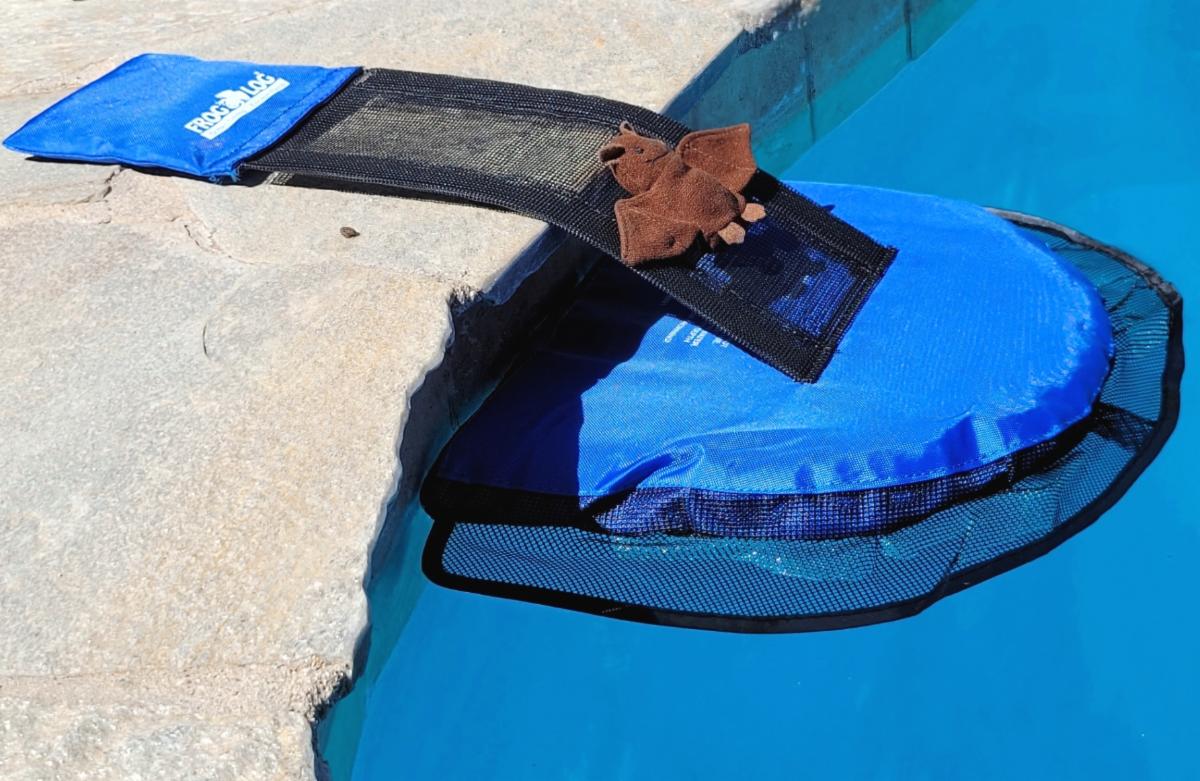
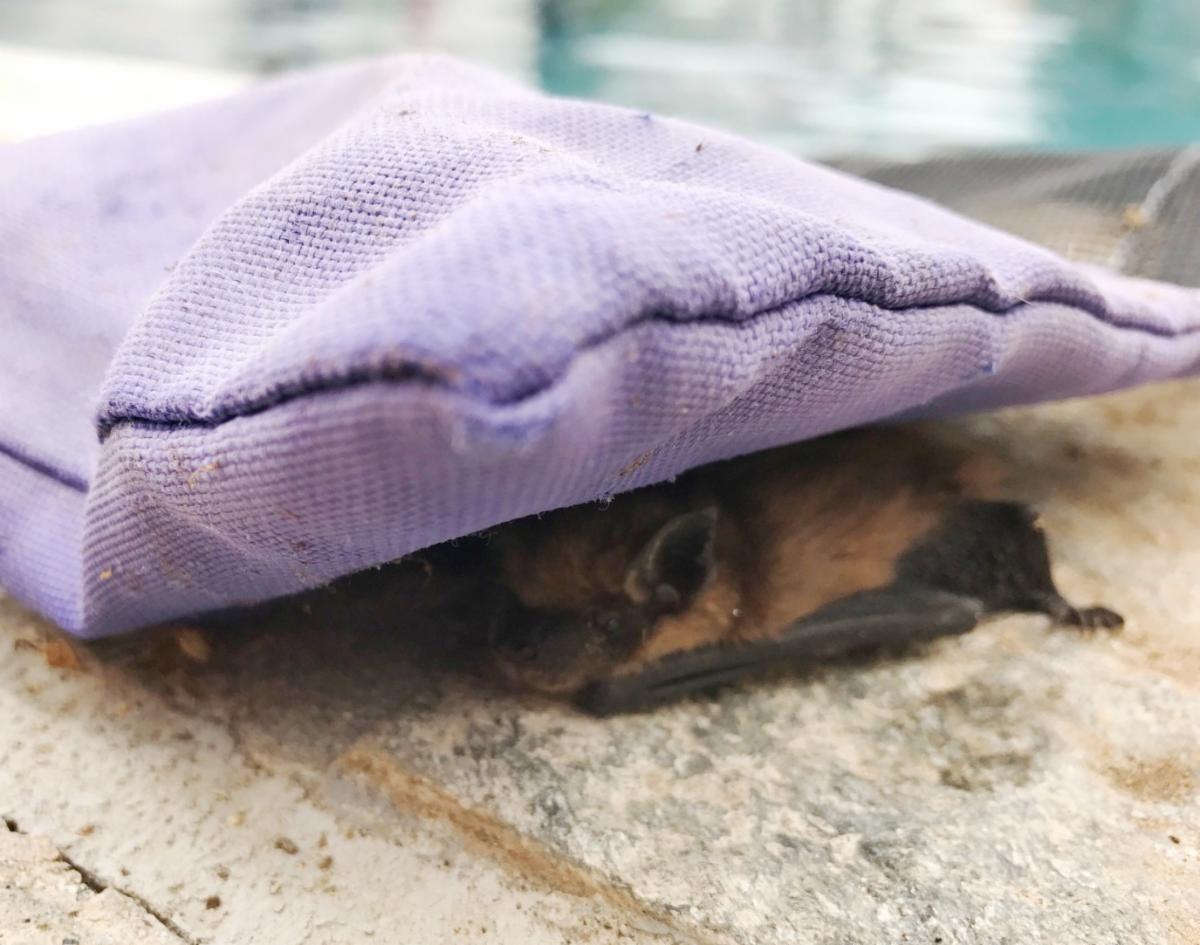
Wildlife escape ramps such as FrogLogs for pools or ponds are critical during our warming summers so small critters can self rescue if they get stuck. Bats must swoop across water sources to get a drink and often get stuck in swimming pools.
Left photo shows a FrogLog (with a toy bat model). At right, a young Big Brown Bat who had successfully escaped from a pool with a FrogLog, and then hid under the little gravel bag to dry out. (Photo credits Cindy Myers)
| |
"A world without bats would look very different than the one you know — and not for the better."
| |
Did you know that bat babies are called pups? | |
|
We couldn't finish this article without sharing a little about bat pups (also known as sky puppies).
Bats are slow reproducers; female bats often only produce one offspring per year. Female bats give birth to young while hanging upside down, they then catch and place the young inside their pouches for safety. You can learn all about the world of bat pups; at BatCon. Make sure to check out the video of a bat giving birth!
| |
|
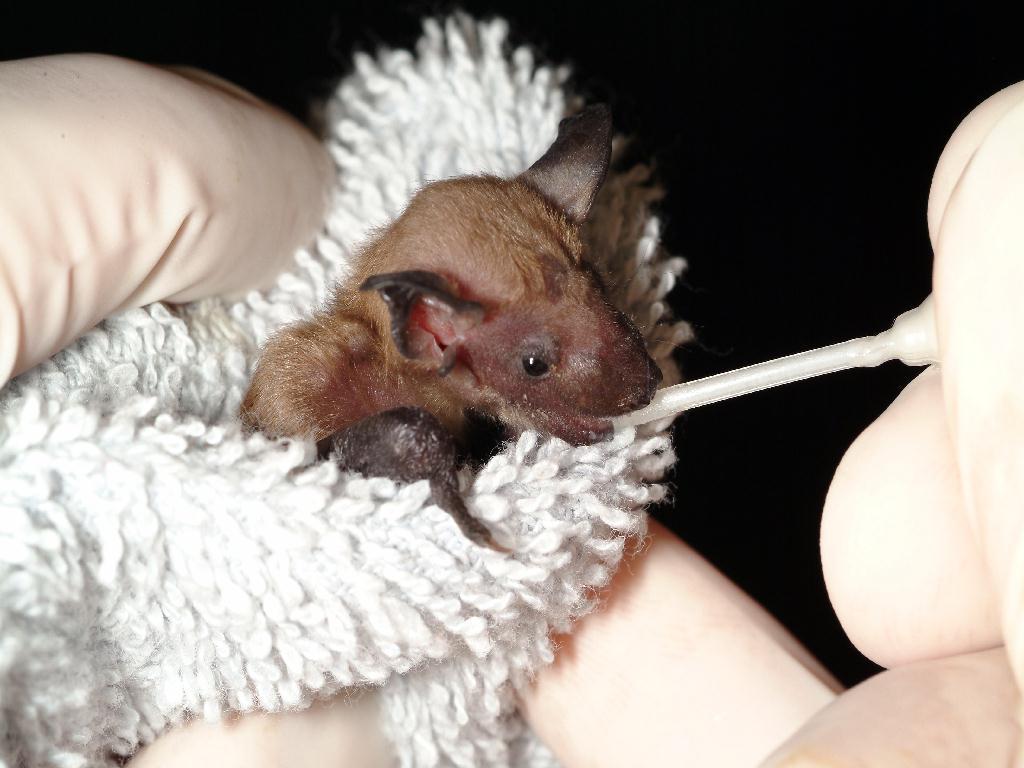
Debby, a big brown bat pup rescued through Project Wildlife, is receiving milk at feeding time.
Photo by Dick Wilkins- Project Wildlife Volunteer.
| |
|
Upcoming Events for August | |
|
Sat, August 10
Rancho La Costa Restoration
8:30 am - 10:00 am
We have changed to summer hours!
info@preservecalavera.org
or call Diane:760-724-3887
| |
|
Removing non-native plants and watering native plants as needed.
Prepare: Wear appropriate (preferably long pants/sleeves) clothing, closed-toed shoes, and hat. Bring gloves, sunscreen and water.
RSVP by 12 noon the preceding Thursday so we can confirm space is available and provide details of meeting location.
| | |
|
Sat, August 17
El Corazon Restoration
8:30 am - 10:00 am
We have changed to summer hours!
info@preservecalavera.org
or call Diane:760-724-3887
| |
|
Helping to remove invasive plants and add native plants to this site.
Prepare: Wear appropriate (preferably long pants/sleeves) clothing, closed-toed shoes, and hat. Bring gloves, sunscreen and water.
RSVP by 12 noon the preceding Thursday so we can confirm space is available and provide details of meeting location.
| | |
|
Fri, August 23
Bat Outing Event
Begins: 7:15 pm
Where: Lake Calavera Preserve (location details given after reservation)
| |
|
There will be bat detectors and night vision goggles available to track our visiting bat neighbors.
If you are interested in joining us, contact Paige: pdecino@hotmail.com
to reserve your spot and receive additional info about the event/location. Space will be limited.
| |
|
Check out this night vision video filmed by Philip Hwang July 2:
Bats Feeding at Lake Calavera
| | |
|
Our all-volunteer organization can not do what we do without your help. Your time, talent and donation can make a difference right in your own backyard.
Contact us to see how else you could get involved.
| |
And Check out our Website | And all of our past Newsletters can be accessed here. Lots of local information about our open space and wildlife issues. | | |
The City of Carlsbad has Released its Draft Climate Action Plan Update: | |
|
|
|
Your comments can be impactful! Please take time to submit comments to Carlsbad regarding its Climate Action Plan (CAP) Update. The plan outlines how Carlsbad plans to cut greenhouse gas emissions generated in the city. You can read about the Update in the News from the City of Carlsbad | July 11, 2024.
City Staff will present the CAP Update to the Planning Commission in September, and to the City Council for adoption later in the fall.
Human activities continue to increase GHG emissions into our planet's atmosphere at an alarming rate and usher in a changing climate. Coastal cities are also impacted by rising sea levels.
You can review the draft and submit comments to Katie Hentrich at katie.hentrich@carlsbadca.gov.
| | | |
We are all in this together and there is no Planet B! | |
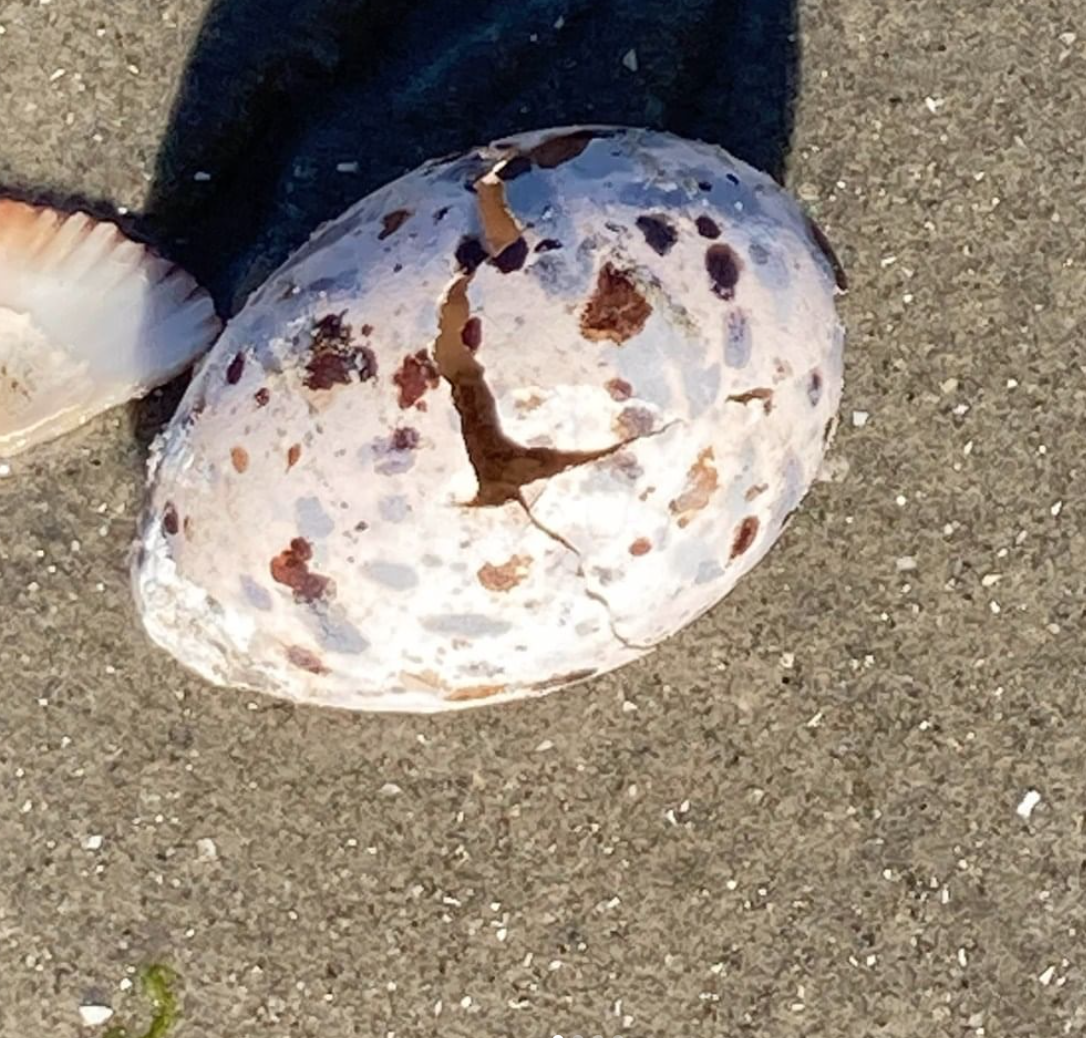
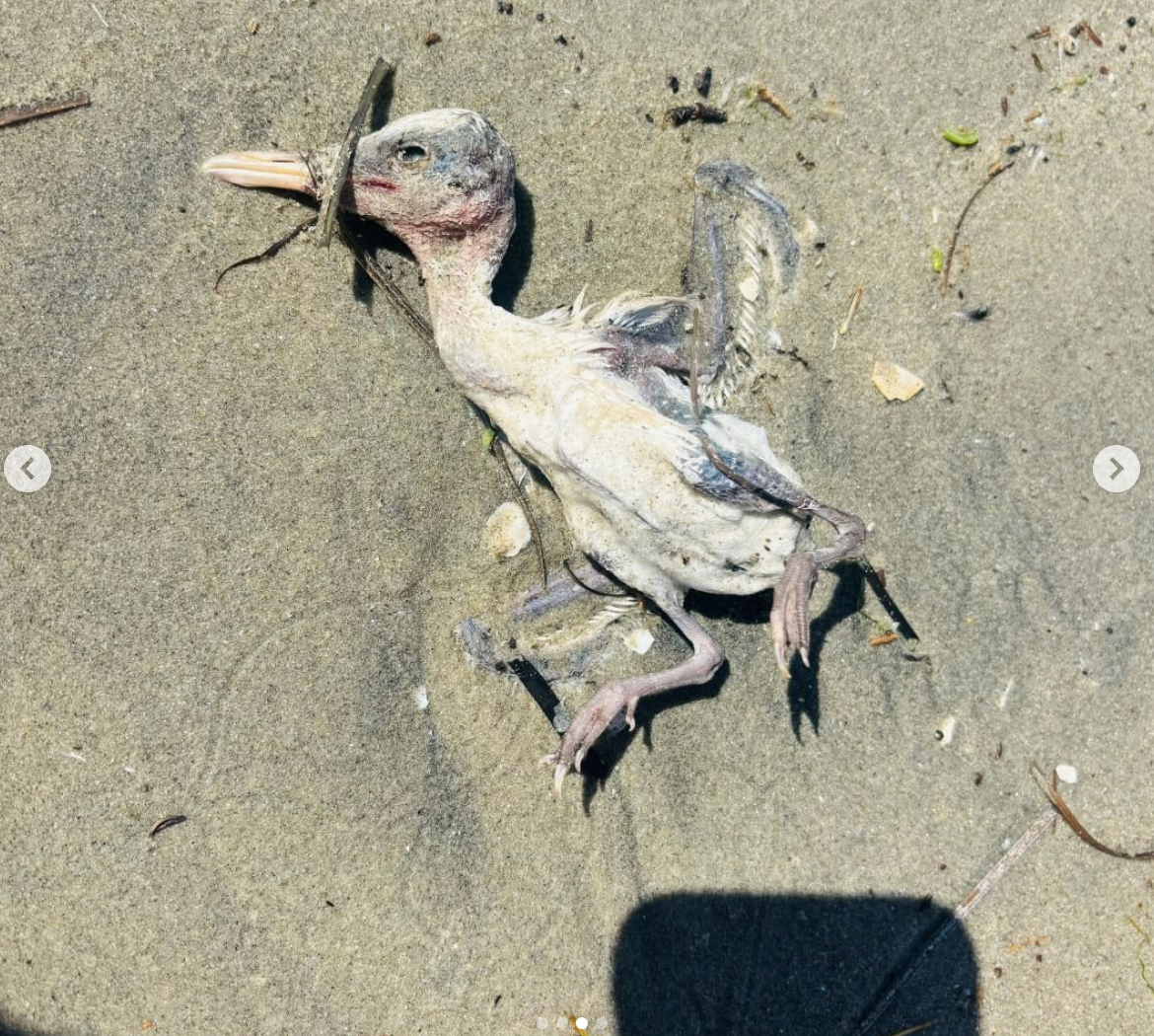
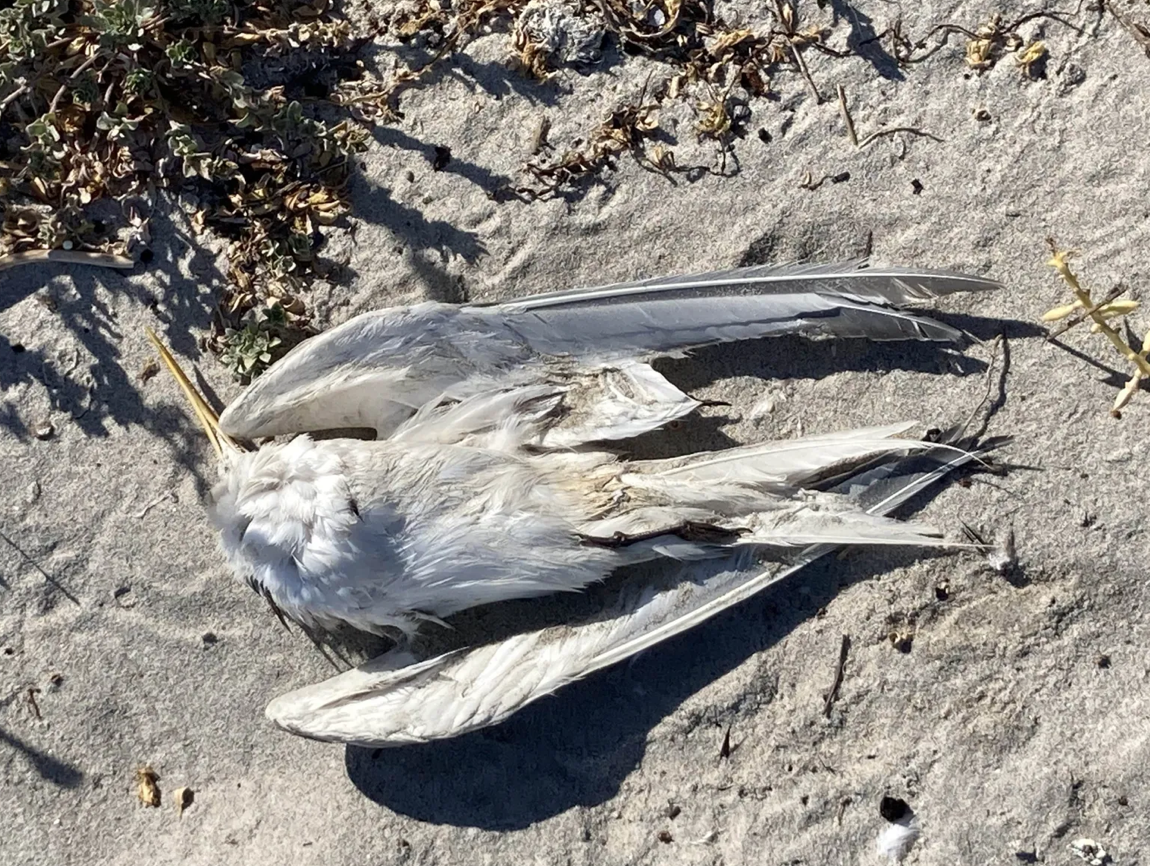
4th of July Fireworks Don't Mix with Local Bird Populations | |
Wildlife Corner: Pacific Mole Crab | | |
|
|
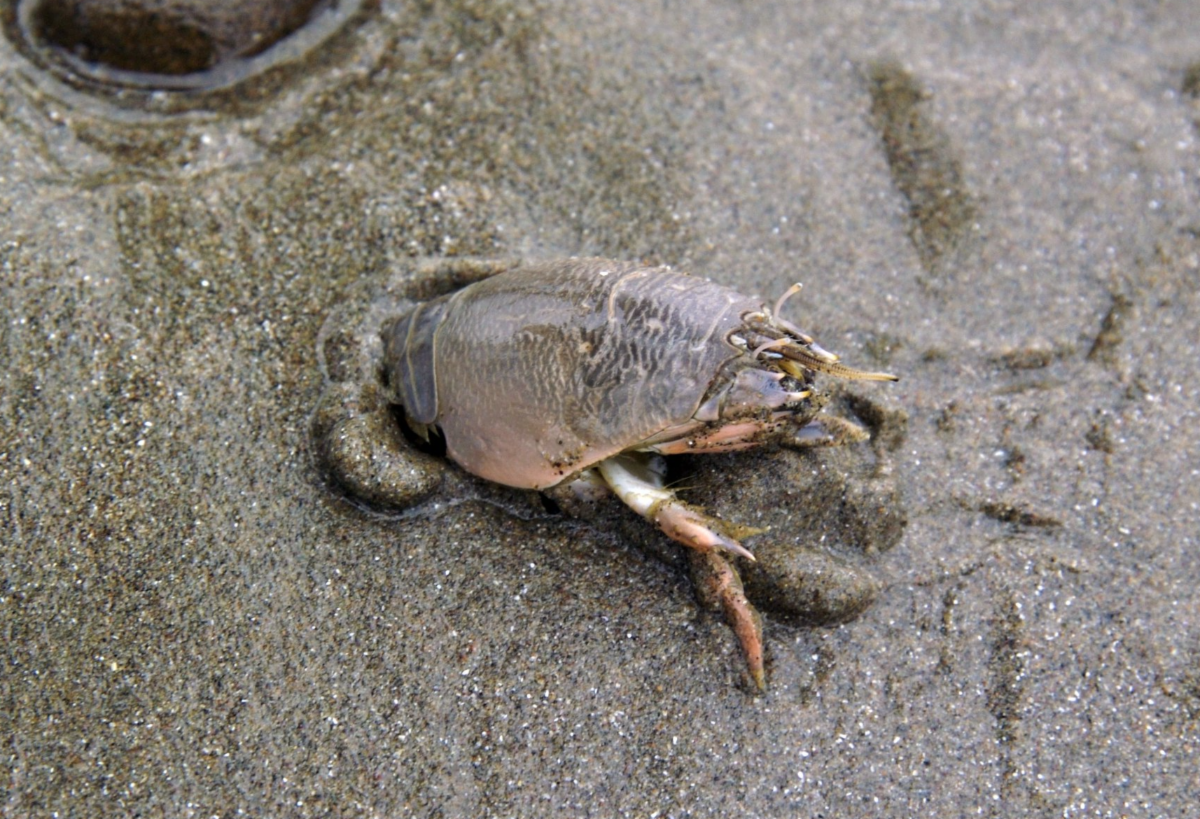
Pacific Mole Crab (aka sand crab)
photo by: Jerry Kirkhart
Its eyes are on long stalks and its antennae are long enough that it can keep them above the surface even after it has burrowed backwards into the sand.
| |
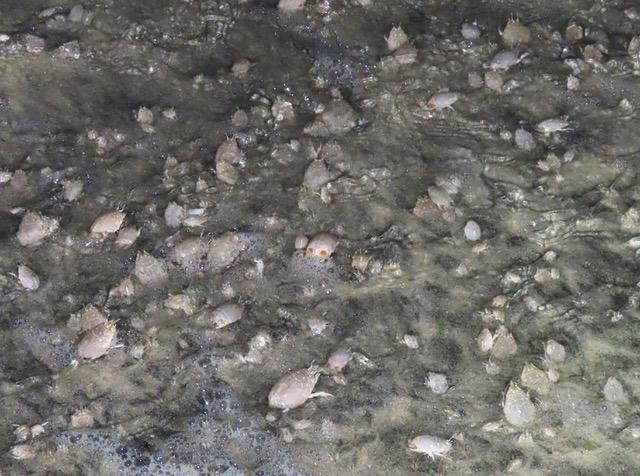
The swash zone is the turbulent area where the waves break along the shoreline so you better have some serious adaptions if you want to call it home. The Pacific mole crab (Emerita analoga) is one of the few organisms that lives in that liminal space alternately covered by water as the waves rush in and then air as the water is backwashed. Living in the swash zone is a nomadic lifestyle for mole crabs. They live in colonies and the entire colonies moves up and down the swash zone as the tide shifts. | |
|
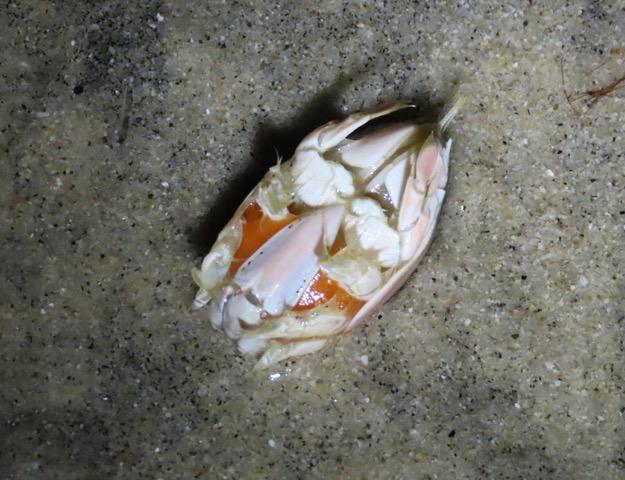
During the reproductive season (February–October), females can produce one clutch of up to 50,000 eggs per month, which take approximately 30 days to develop. Check out this fact sheet for lots more interesting stuff:
The Pacific Mole Crab: Fact Sheet
You can see the female in the photo with her clutch of orange eggs. She was flipped over and she quickly burrowed back into the sand clutching her eggs.
Photo by J. Cannon
| |
Impacts of Plastic Pollution on Pacific Mole Crabs
Unfortunately, the swash zone is also home lots of plastic pollution. A 2020 study found Pacific mole crabs, which are a key species in beach ecosystems, are impacted by microplastics.
Mole crabs were found to have increased adult mortality and decreased reproductive success when exposed to plastic microfibers. Since Sand crabs eat by filtering small particles from the water, they are considered indicator species because their health reflects the health of the ecosystem. When pollutants affect mole crabs, most other organisms in that ecosystem are also affected—they are prey for birds, mammals and fishes. Read more about the study.
Preserve Calvera has been testing for microfibers in our local creeks. You can read more in our April 2023 Newsletter.
| | | | |