|
|
|
MONTHLY NEWSLETTER
January 2025
| |
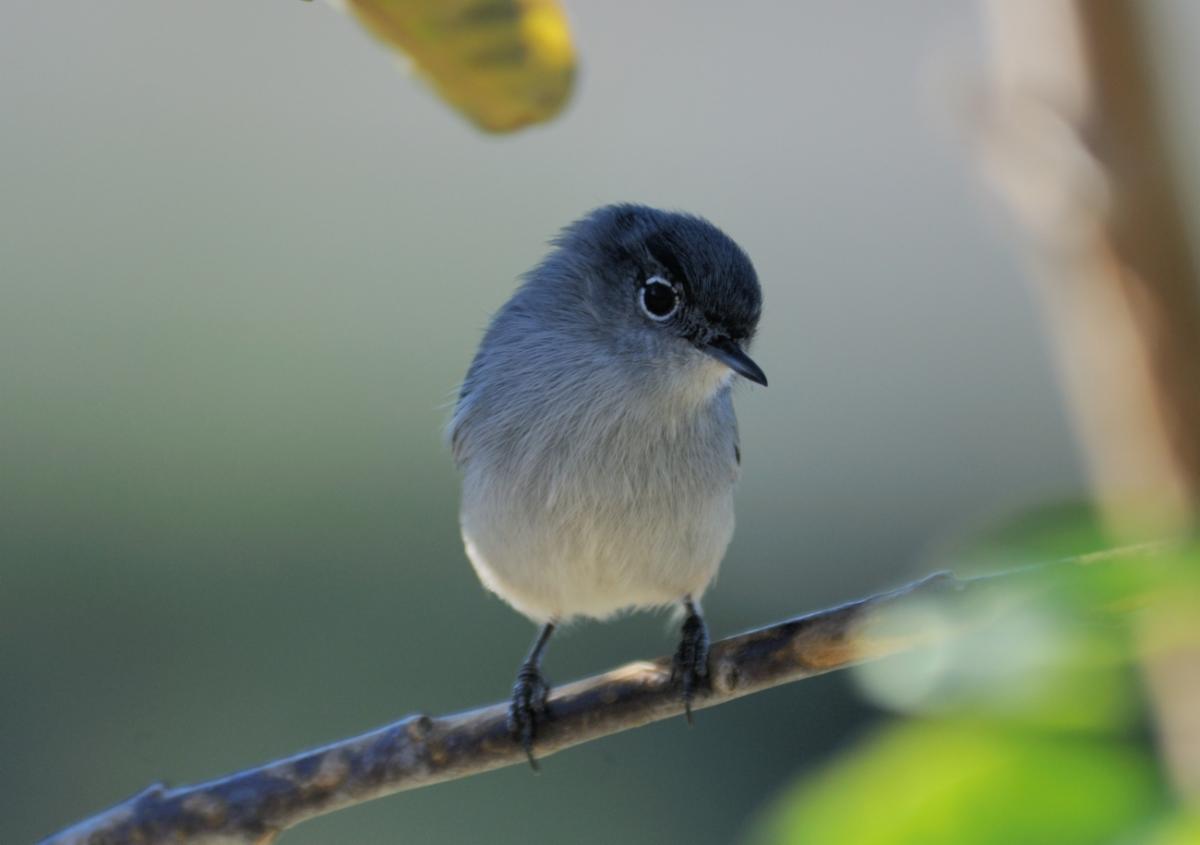
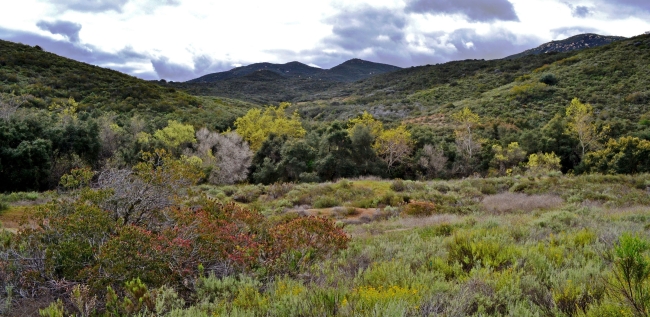
Above: Coastal California Gnatcatcher, Polioptila californica californica.(photo credit USFWS) and Coastal Sage Scrub; the habit where the CCGN lives (photo credit USFWS). | |
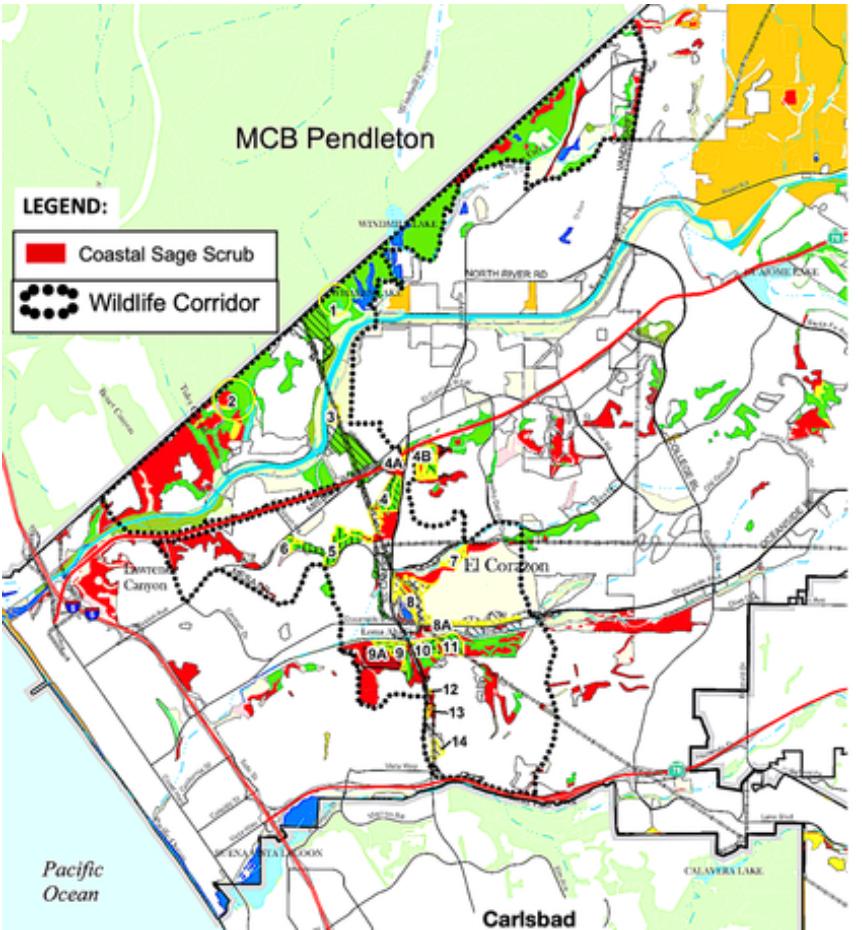
The plan identified 14 key parcels in the WCPZ that were determined to be essential for CCGN movement. Their selection was based on size, distance, and the ability of this little bird to have line-of -sight to the adjacent parcel in order to encourage them to move to the next step. Although the CCGN is not a migratory bird, juvenile CCGNs travel after leaving the nest to establish their own territory. The stepping stones provide shelter and food, and provide safe travel. This also allows for maintaining genetic variation which is critical to allowing wild populations to survive, reproduce, and adapt to future environmental changes. | |
|
Restoration of 145 acres of those 14 parcels to Coastal Sage Scrub would ensure CCGN could successfully move through Oceanside between areas of core habitat.
The 14 priority areas are marked on the map. For a larger and more complete map and legend, follow this LINK.
| | | |
The CCGN was listed as threatened under the Endangered Species Act in 1993. This tiny bird has an outsized role since it serves as a prime indicator species for the health of CSS ecosystem. It is considered an umbrella species, one that is selected for conservation related decisions because their protection indirectly protects many other plant and animal species within their ecosystem.
| |
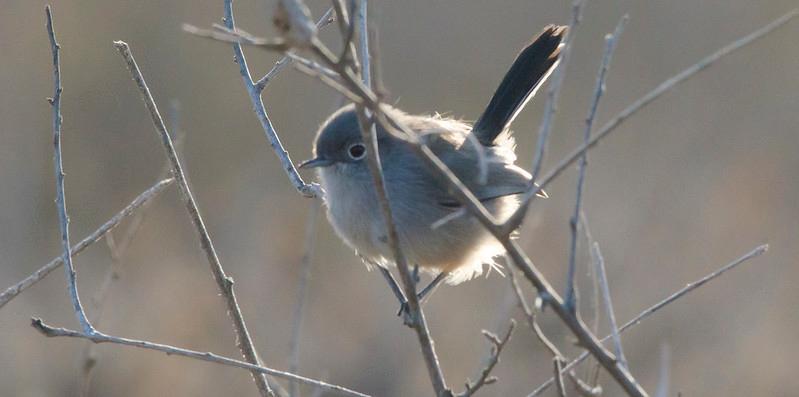
Gnatcatcher photo by W. Miller | |
There is now an urgency to implement the plan as the amount of available habitat for the CCGN continues to disappear at an alarming rate. | |
|
90% of southern California's CSS has already been lost to development—unfortunately CSS habitat also is prime real estate. Coastal sage scrub, also referred to as soft chaparral, is dominated by small shrubs with "soft" leaves (leaves with a pliable, thin texture).
You can read more about CSS and why we chose the gnatcatcher for our logo in our November 2022 Issue.
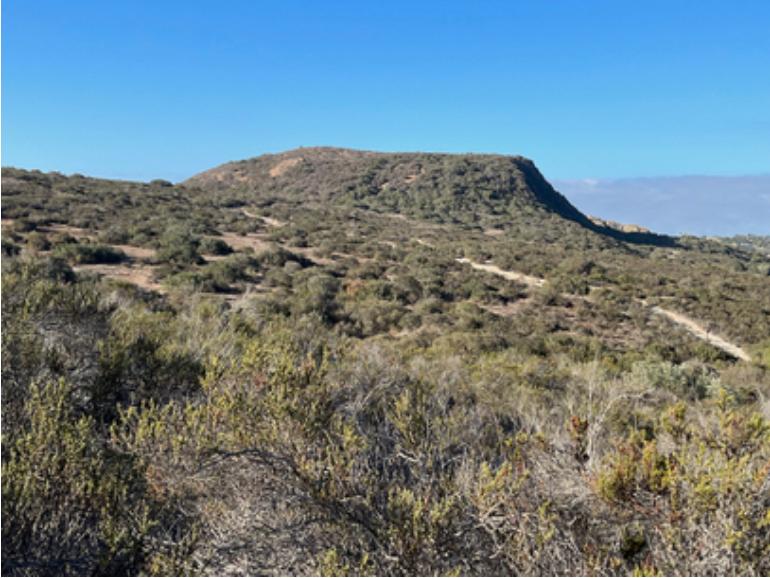
CSS community at Mt. Calavera: photo by P. DeCino
| |
Event Calendar for January | |
|
Sat, Jan 11
Rancho La Costa Restoration
9:00 am - 10:30 am
To RSVP or for more info contact:
info@preservecalavera.org
or call Diane:760-724-3887
| |  |
|
Please join us to help broadcast 234 seed balls (containing native wildflower and grass seeds). And, as always, we will be removing non-native plants and watering as needed.
Prepare: Wear appropriate (preferably long pants/sleeves) clothing, closed-toed shoes, and hat. Bring gloves, sunscreen and water.
RSVP by 12 noon the preceding Thursday so we can confirm space is available and provide details of meeting location.
| |
|
Sat, Jan 18
El Corazon Restoration
9:00 am - 10:30 am
To RSVP or for more info contact:
info@preservecalavera.org
or call Diane:760-724-3887
| | |
|
Removing invasive plants from this site.
Prepare: Wear appropriate (preferably long pants/sleeves) clothing, closed-toed shoes, and hat. Bring gloves, sunscreen and water.
RSVP by 12 noon the preceding Thursday so we can confirm space is available and provide details of meeting location.
| |
|
Our all-volunteer organization can not do what we do without your help. Your time, talent and donation can make a difference right in your own backyard.
Contact us to see how else you could get involved.
| |
And Check out our Website | And all of our past Newsletters can be accessed here. Lots of local information about our open space and wildlife issues. | | |
A Few Quick Updates as We Enter the New Year | |
Buena Vista Lagoon Wetlands Reserve Restoration Update
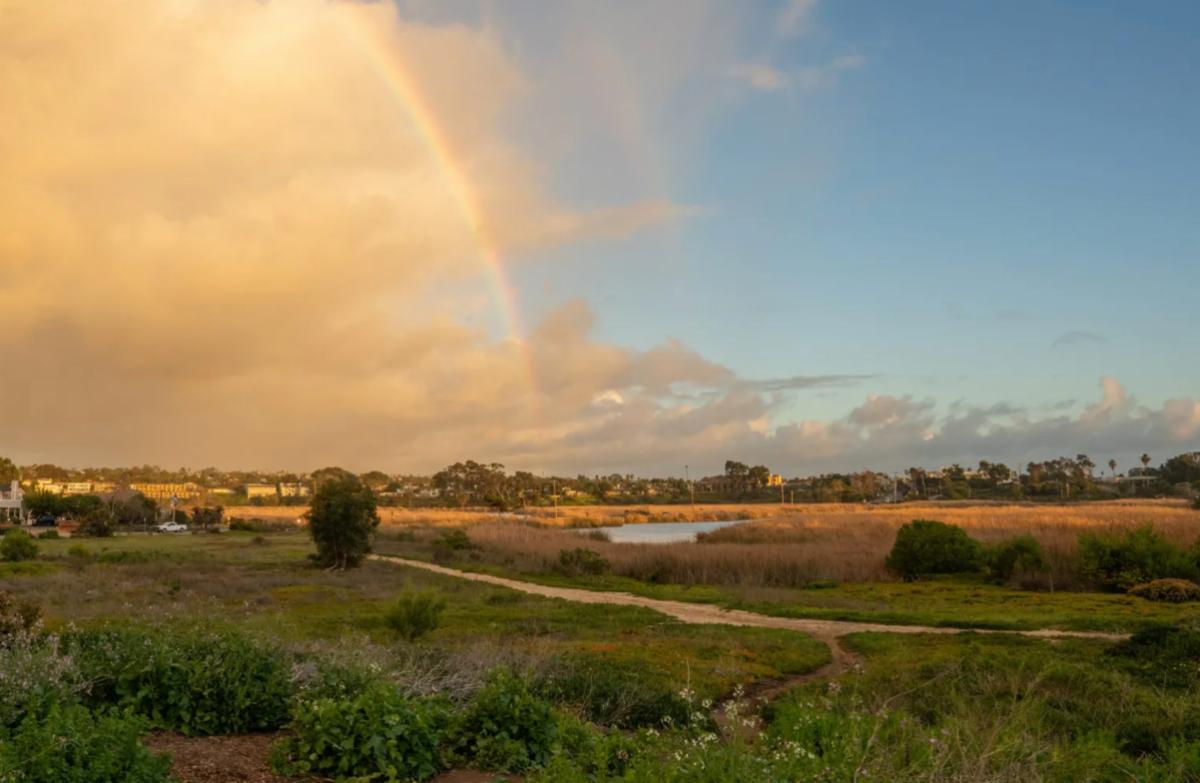
The Buena Vista Audubon Society (BVAS) held an Open House on December 9th to present updates on the Wetlands Reserve Restoration Project. This Project will restore 5.94 acres of historic coastal wetlands. You can read more about this important project: BVAS Wetlands Reserve
The goal is to create native plant habitats and expand and enhance current wetlands. The Project is in the third year of designing and acquiring permits.
Preserve Calavera provided a grant through our Greenhouse Gas Emission Reduction Fund in 2023 to help move the restoration project along.
| |
|
Photo by Sydney Walsh, Audubon
Why is the Reserve important?
The Wetlands Reserve was BVAS's first property acquisition, purchased in early 2016. (Preserve Calavera was a major partner in this effort.) Home to the endangered Light-footed Ridgway's Rail and other rare species of birds, this piece of land also provides a buffer between urban development and the Ecological Reserve. This 3.5-acre parcel is located directly across the street from the BVAS Nature Center.
| | | |
Kudos to the City of Carlsbad: It’s the 20th Anniversary of their Habitat Management Plan!
We would like to give a big shout out to Carlsbad on the 20th anniversary of its Habitat Management Plan (HMP) which was approved by the CA Department of Fish and Wildlife in November of 2004.
Rosanne Humphrey, HMP Plan Coordinator for Carlsbad, stated the goal of the HMP is to create an interconnected city wide preserve system to protect all varieties of habitats and species while allowing continued economic growth and development through the city-wide conservation program.
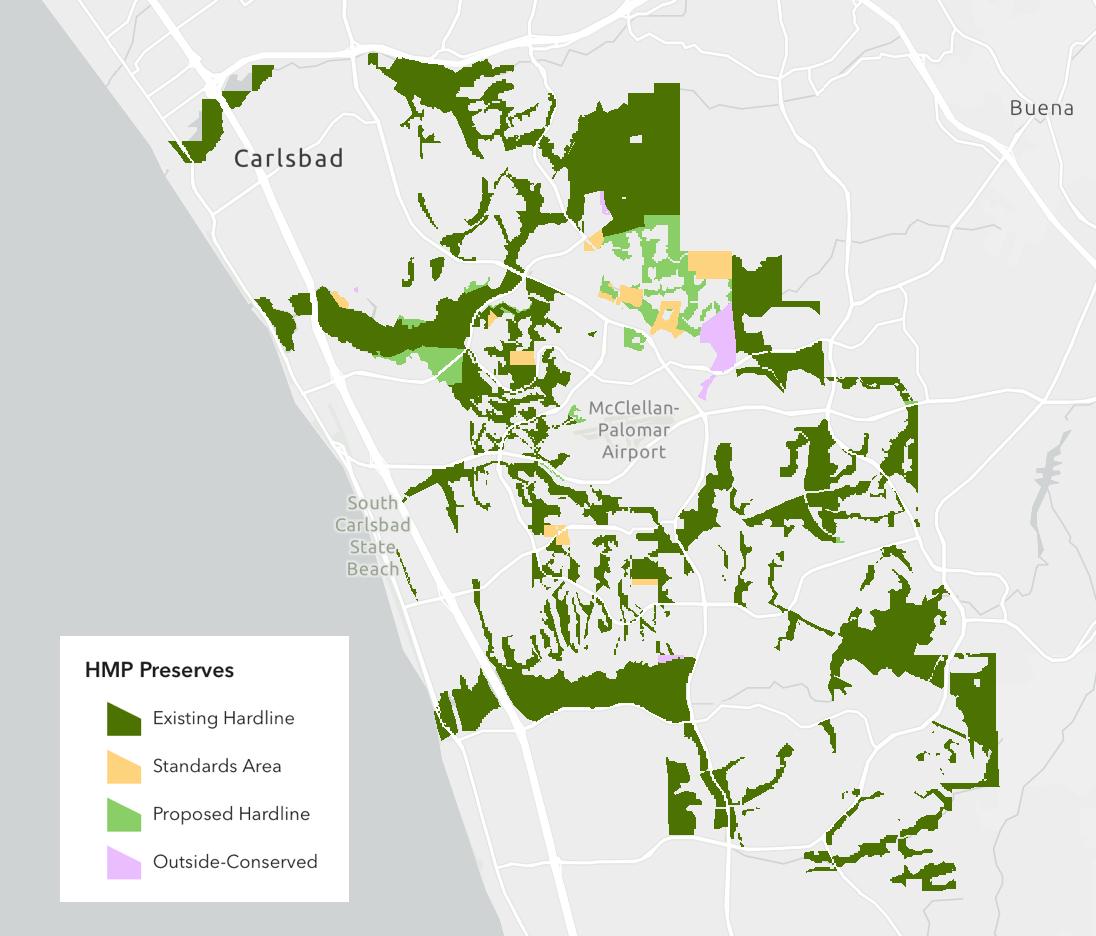
Visit the HMP interactive preserve system map, captured in the image, which shows the conserved areas, native habitats and sensitive species in the city.
| |
|
Carlsbad’s HMP is under the umbrella of the North County Multiple Habitat Conservation Program which encompasses the cities of Carlsbad, Encinitas, Escondido, Oceanside, San Marcos, Solana Beach, and Vista. Its goal is to preserve the most important sensitive habitat and wildlife movement corridors in the region— approximately 19,000 acres of land needed for the protection of more than 80 rare, threatened, or endangered species.
Unfortunately, Carlsbad is the only north county city which has adopted its conservation plan. We continue to work with the other cities to do the same.
| | | |
One of the worst projects we have seen for some time is moving forward in Oceanside: Guajome Lake Rd Homes
The project site is along the northeastern side of San Diego County’s 394-acre Guajome Regional Park,and near Oceanside’s border with Vista. Putting dense development next to the Park and waiving all the requirements that have made this area unique moves us the wrong direction. You can find out more about the project at the California Environmental Quality Act Website: CEQA
Let us know if you would like to get involved with the community group working on this project. Contact us at info@preservecalavera.org
| | | |
Is There a Naturalist in You?
You can check out the course syllabus below:
CalNat Syllabus 2025
Registration is now open for CA Naturalist Certification. Class begins in February 2025
Follow this LINK for general info and registration
| | |
|
Our California Naturalist certification training in 2025 will be lead by two alumni, Jimmy Kidd and Lisa Kuleto. The class will be on Tuesday evenings, 5:30-8:30 pm from Feb. 4 through April 8th.
Contact:
Contact us at calnat.pc@gmail.com for questions about the course or registration.
Please use REGISTRATION in the Subject line when you contact us.
| | |
Monarch butterflies may soon get protections under the Endangered Species Act | |
|
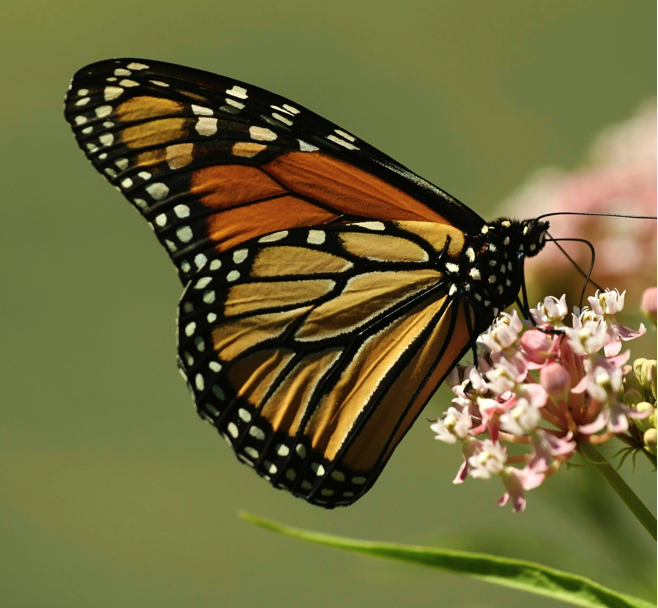
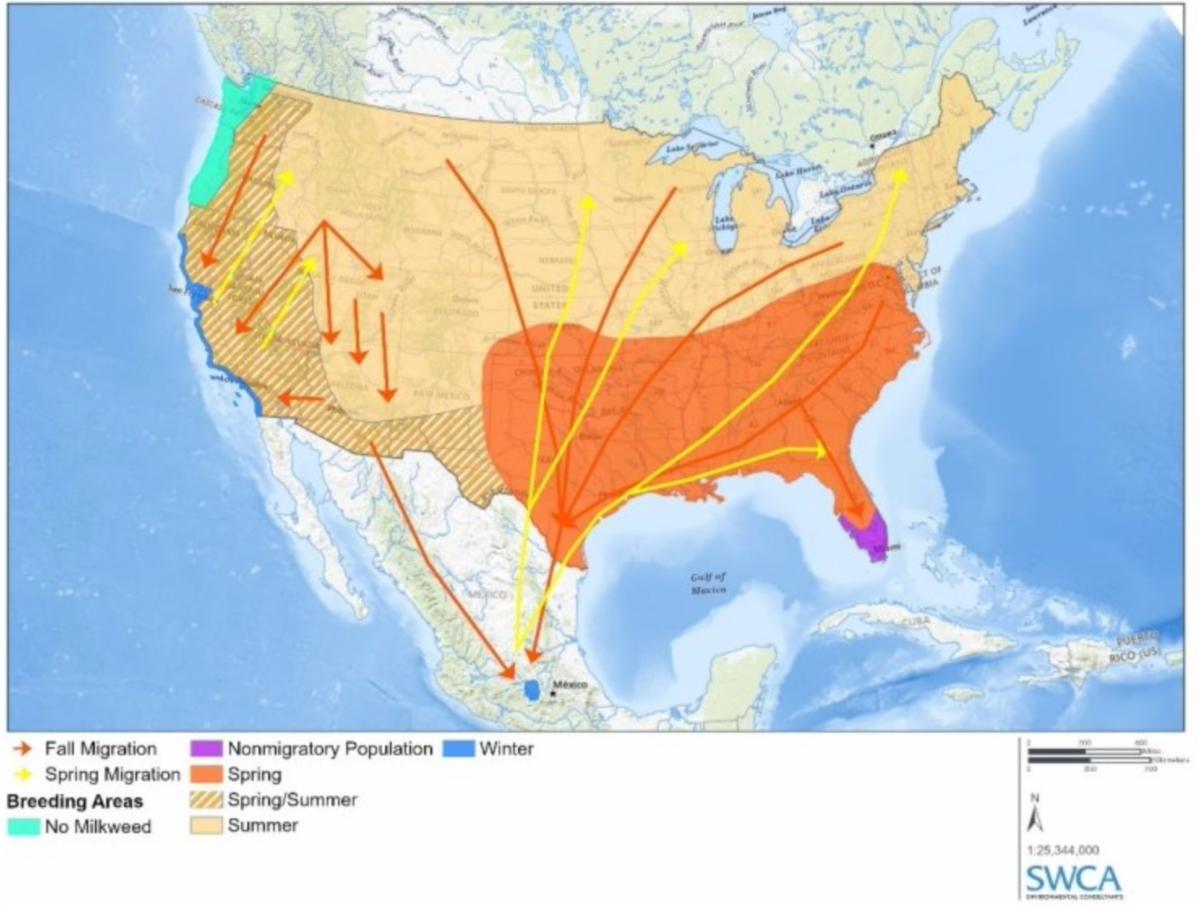
The delight at seeing a monarch butterfly never seems to go away; no matter how old you are or how many you see! But monarch populations are in decline which is why the US Fish & Wildlife Service (FWS) announced a proposal on December 10 to list the monarch butterfly as a threatened species.
The Service is seeking public input on its proposal to list the species as threatened with species-specific protections and flexibilities to encourage conservation under the Endangered Species Act. Public comments will be accepted on the proposal until March 12, 2025. The FSW will then evaluate the comments and any additional information on the species and determine whether to list the monarch butterfly. Please read more: LINK.
| |
Click on the video link to watch the Fish & Wildlife Service - Monarch Announcement | |
The eastern population of monarchs has declined by about 80 percent and the western population by more than 90 percent. The Fish and Wildlife Service is also announcing 4,395 acres of proposed critical habitat for the species at its overwintering grounds in coastal California. | |
The Spanish Shawl- A Very Colorful Sea Slug | |
Photo credit: K. Merrrill | |
|
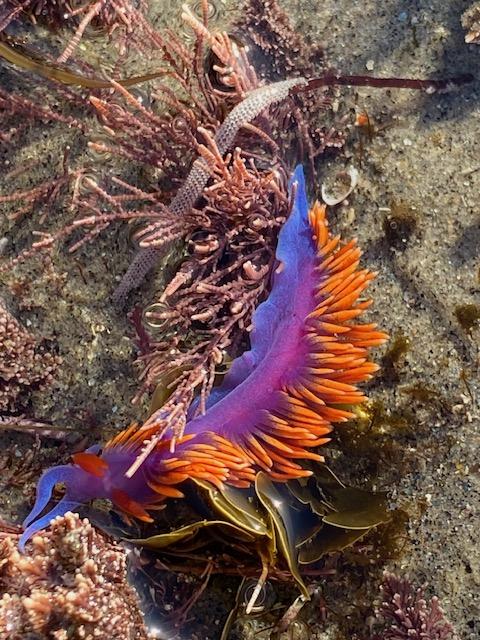
If you are exploring our local tidepools during the lowest tides, you may be fortunate to spot a Spanish shawl (Flabellinopsis iodinea). Their vibrant colors make them hard to miss. The photo at left was take at Cardiff Beach mid December.
The Spanish shawl gets its name from its vibrant orange-red coloring that resembles a fringed shawl when the creature moves about.
The colorful tentacles, called cerata, contain stinging cells at their tips which they purloin by eating sea anemone and other cnidarians. The stinging cells are able to pass through the Spanish shawl's digestive system and are repurposed within the tips of their cerata. The Spanish shawl is then able to sting its own predators.
More about the Spanish Shawl.
| | | | | | |